Updated 2026-10-01
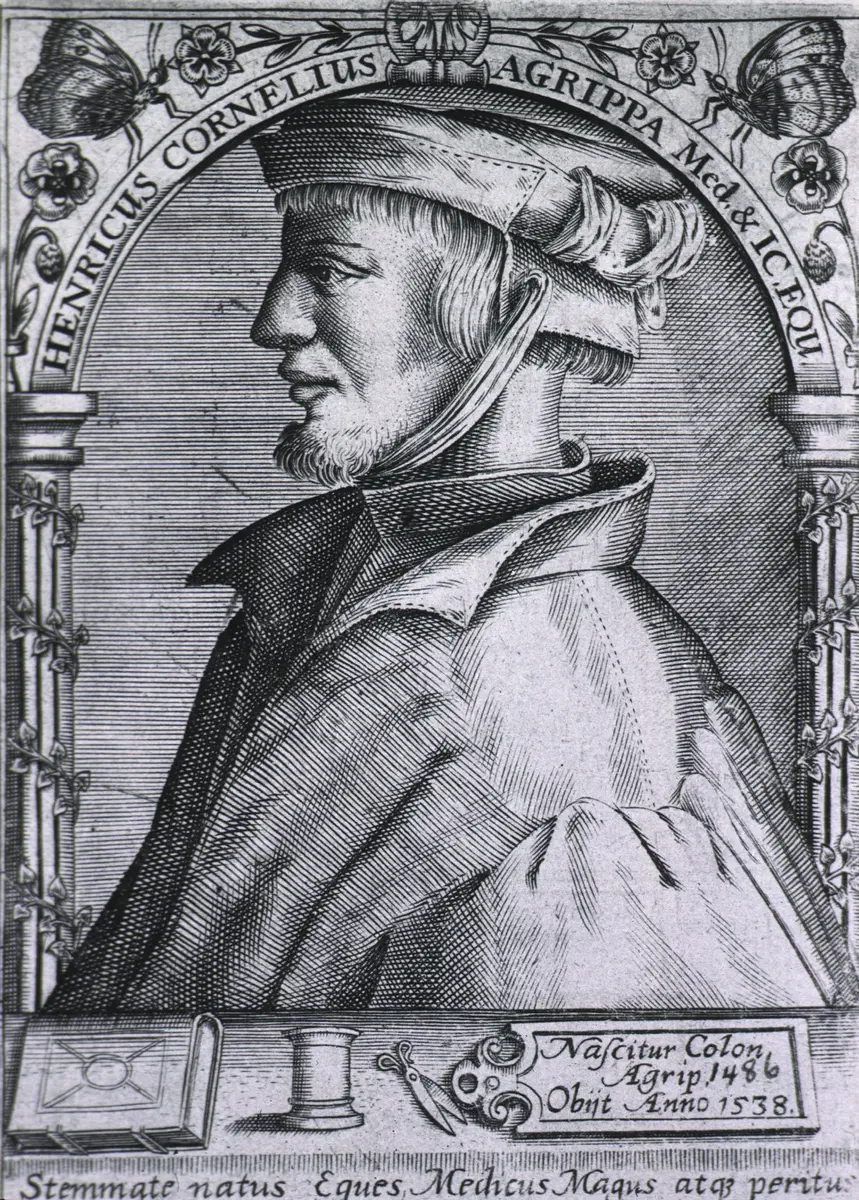
Read →Heinrich Cornelius Agrippa
A Renaissance author whose Three Books of Occult Philosophy became a major source for Western magical systems.
Historical developments in the figure of Satan, demonology, esotericism, and modern Satanist religious identity.
Featured from this topicHeinrich Cornelius AgrippaA Renaissance author whose Three Books of Occult Philosophy became a major source for Western magical systems.
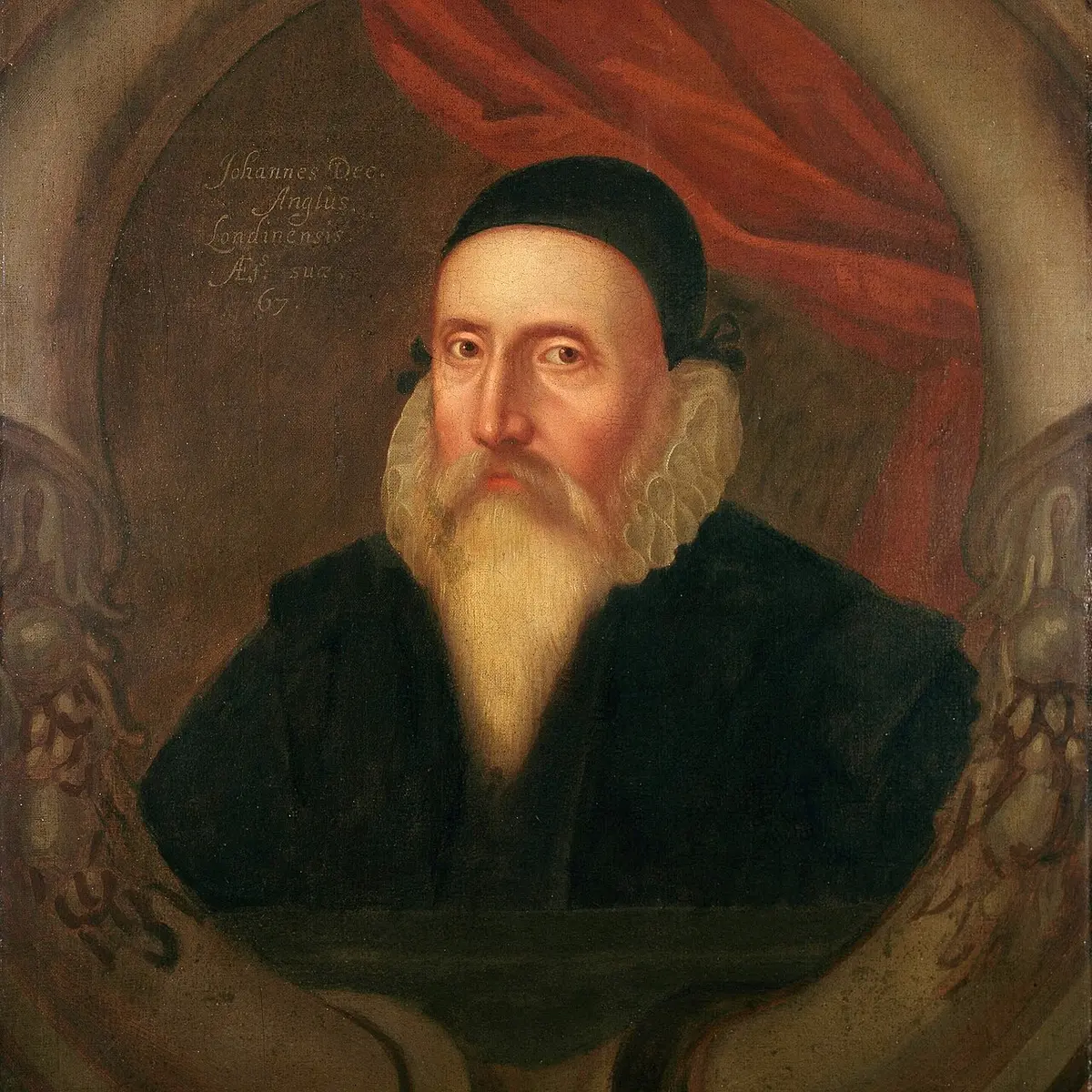
An English scholar whose records of spirit conversations became a major source for later angelic magic.
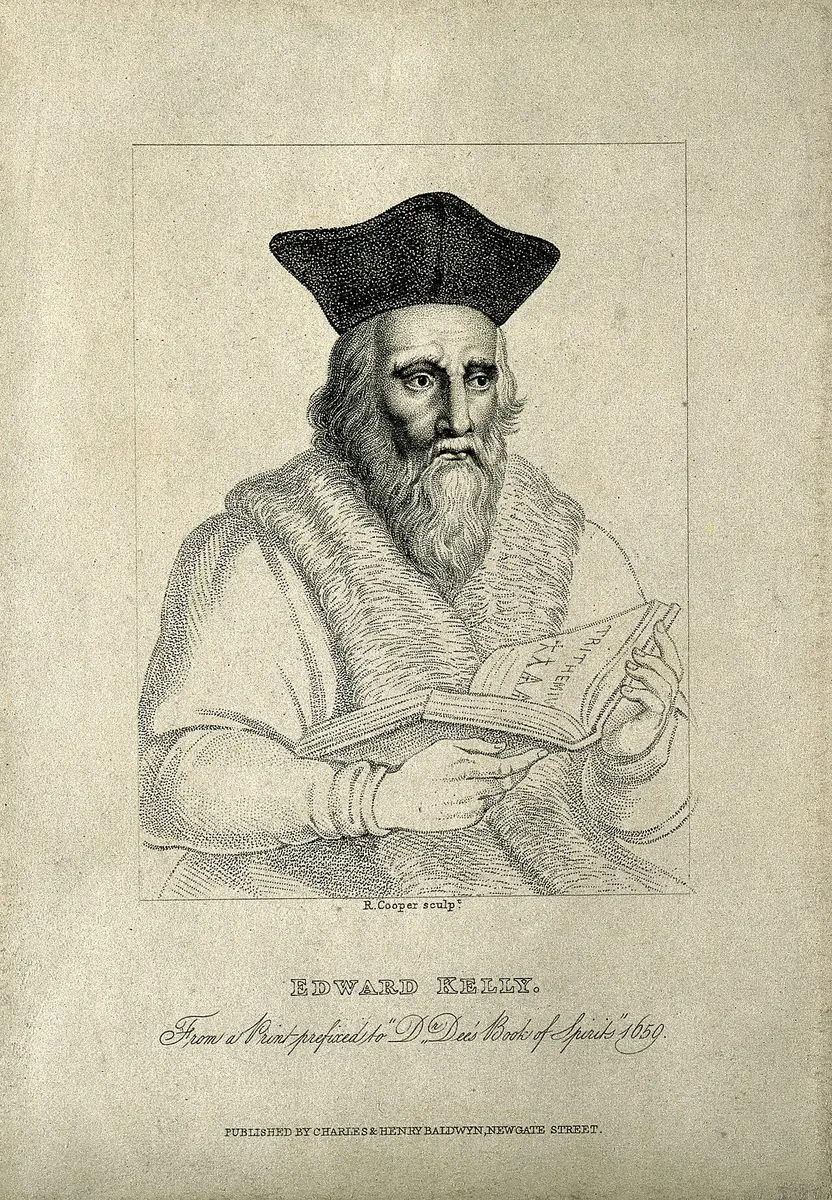
The scryer associated with John Dee’s recorded spirit conversations and later alchemical pursuits.

A founder and major author of the Temple of Set, associated with the modern Setian interpretation of Xeper.
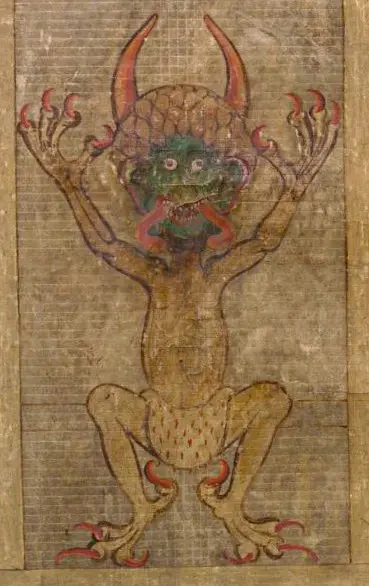
The Devil is the principal personification of evil in much of Christian tradition and a major source for later Western images of Satan. The term is not identical with every historical use of Satan, nor does it describe one unchanging character across the Bible, theology, folklore, literature, art, and modern religion. In contemporary speech “the Devil” often functions as a proper name for Satan, but…
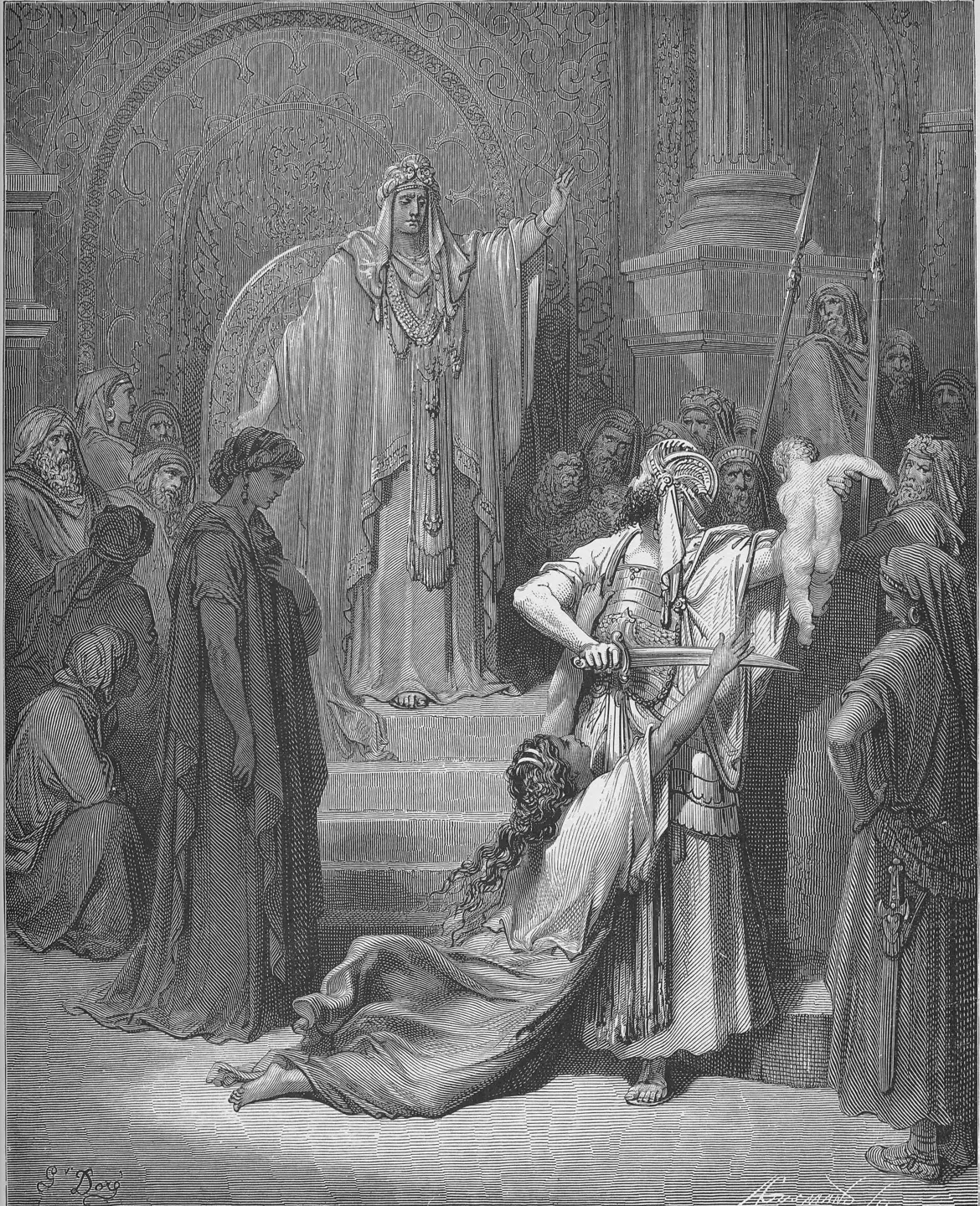
Solomon’s name supplies authority to several magical and religious works. Attribution to the king must be distinguished from the date and authorship of the surviving text.
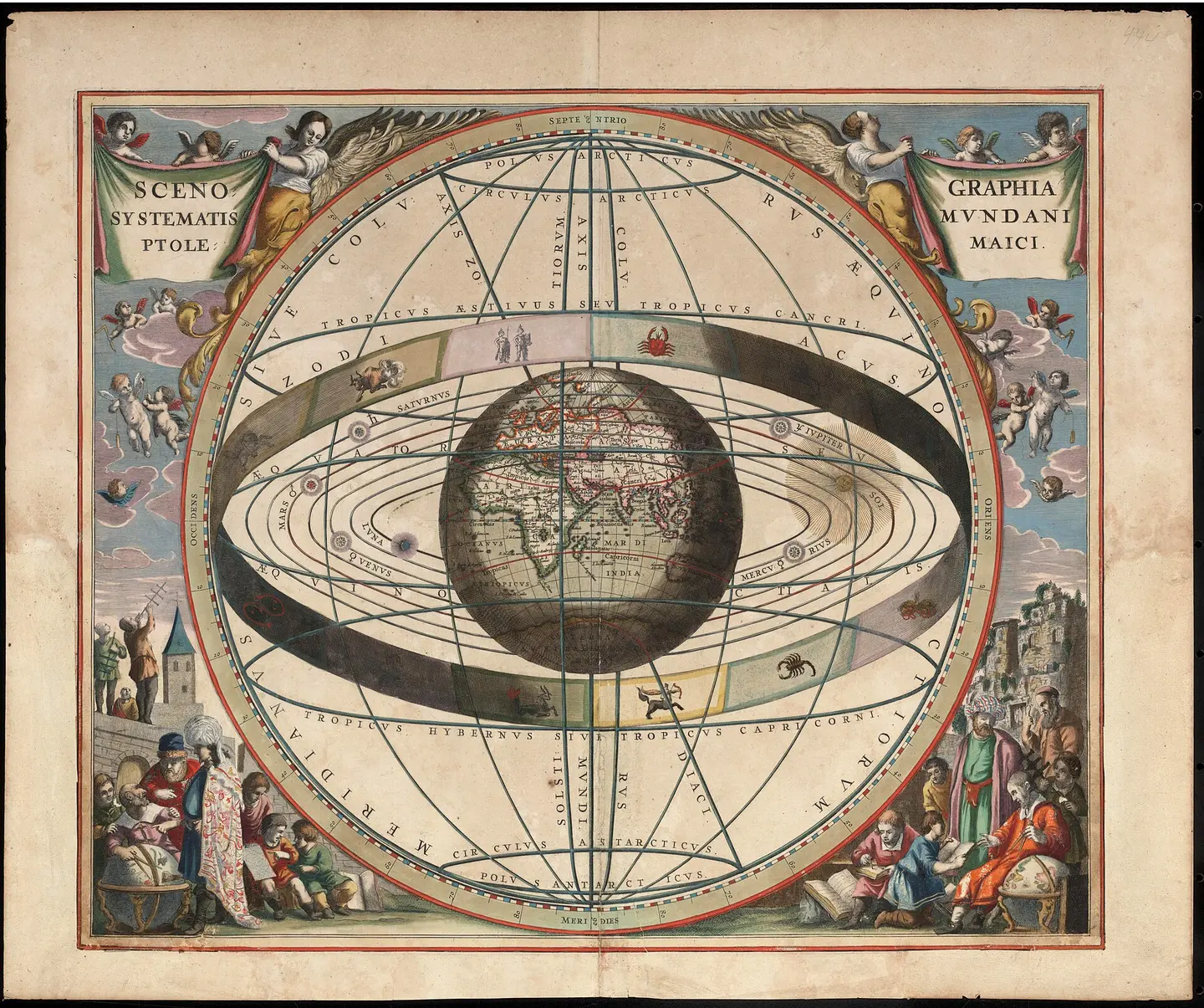
Astrology has supplied language and organizing systems to Western esoteric texts. Its historical role should be distinguished from demonstrated predictive effectiveness.
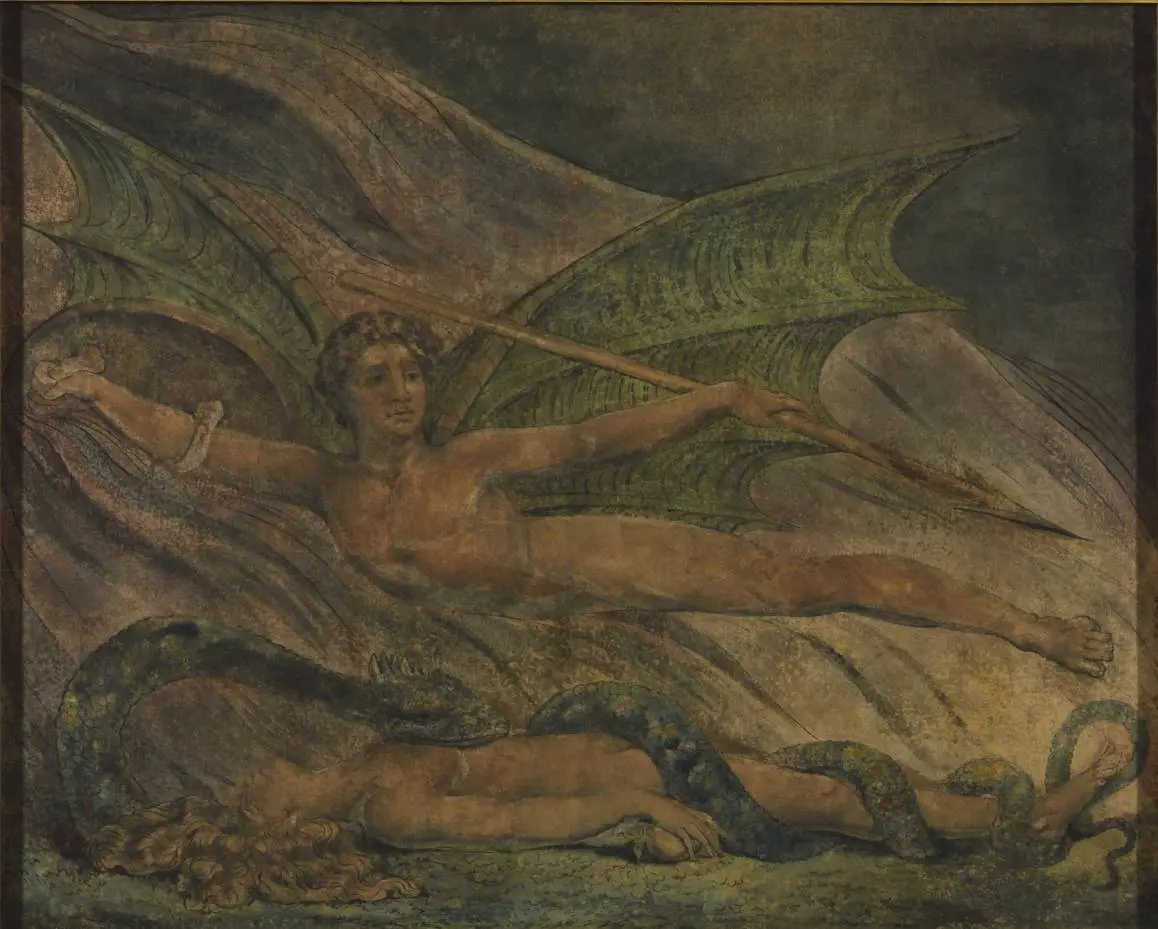
Romantic Satanism concerns literary and political readings that give Satan a positive role in opposition to tyranny or conventional authority. It should be distinguished from membership in a religious organization.

The Satanic Panic refers to a wave of allegations concerning organized Satanic abuse, especially in the late twentieth century. Actual evidence of harm must be distinguished from expansive conspiracy claims.
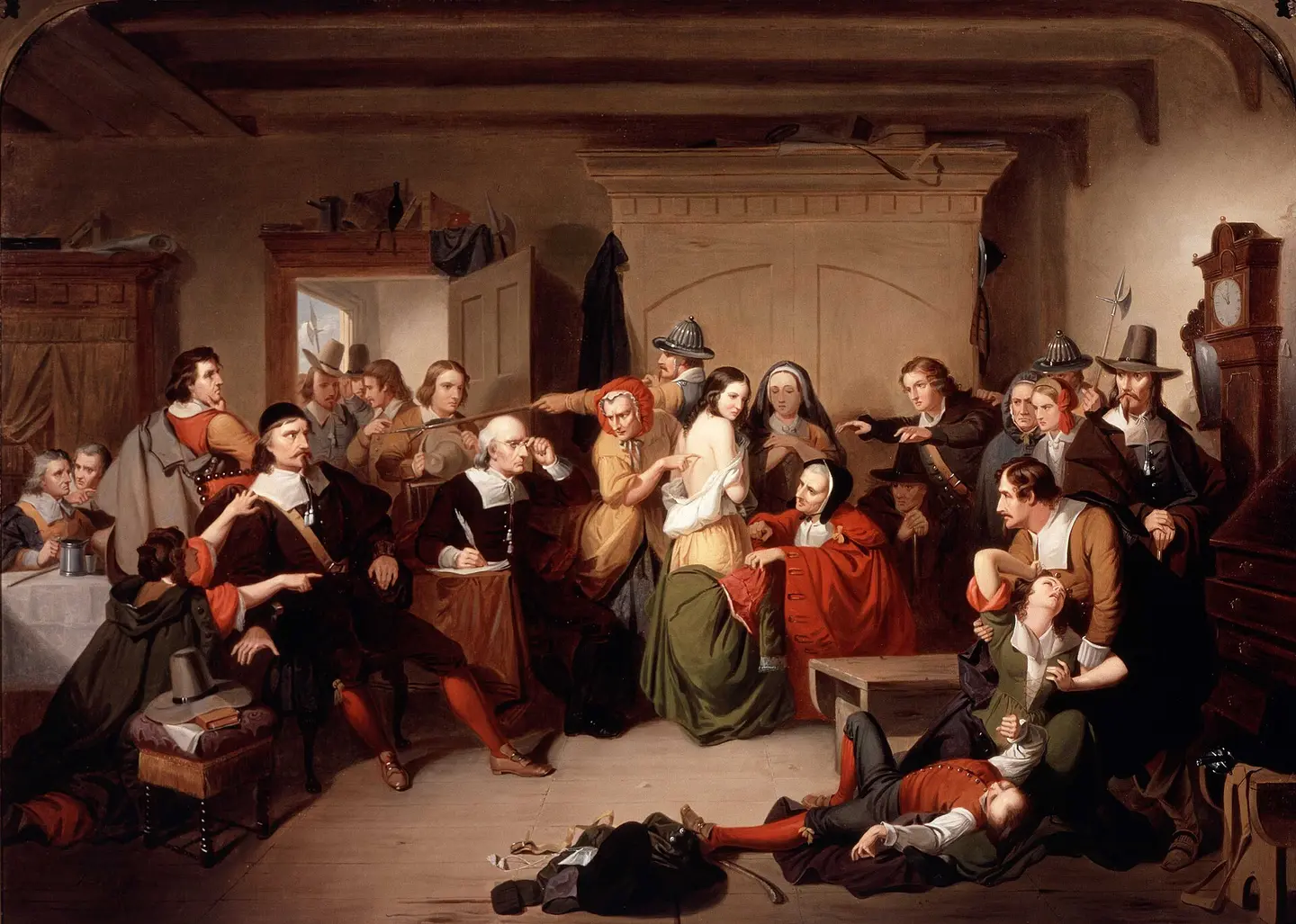
Witch trials produced records of accusations about harmful magic and the Devil. Those records require attention to how testimony was obtained and to the purposes of judges and writers.

The life and writings of David Myatt, covering his extremist activism, later philosophy, and disputed identification as Anton Long.