Foundations

Theistic Satanism

Definitions, major concepts, internal diversity, identity, and the boundaries of theistic Satanist religion.

6 published articlesAll topics →
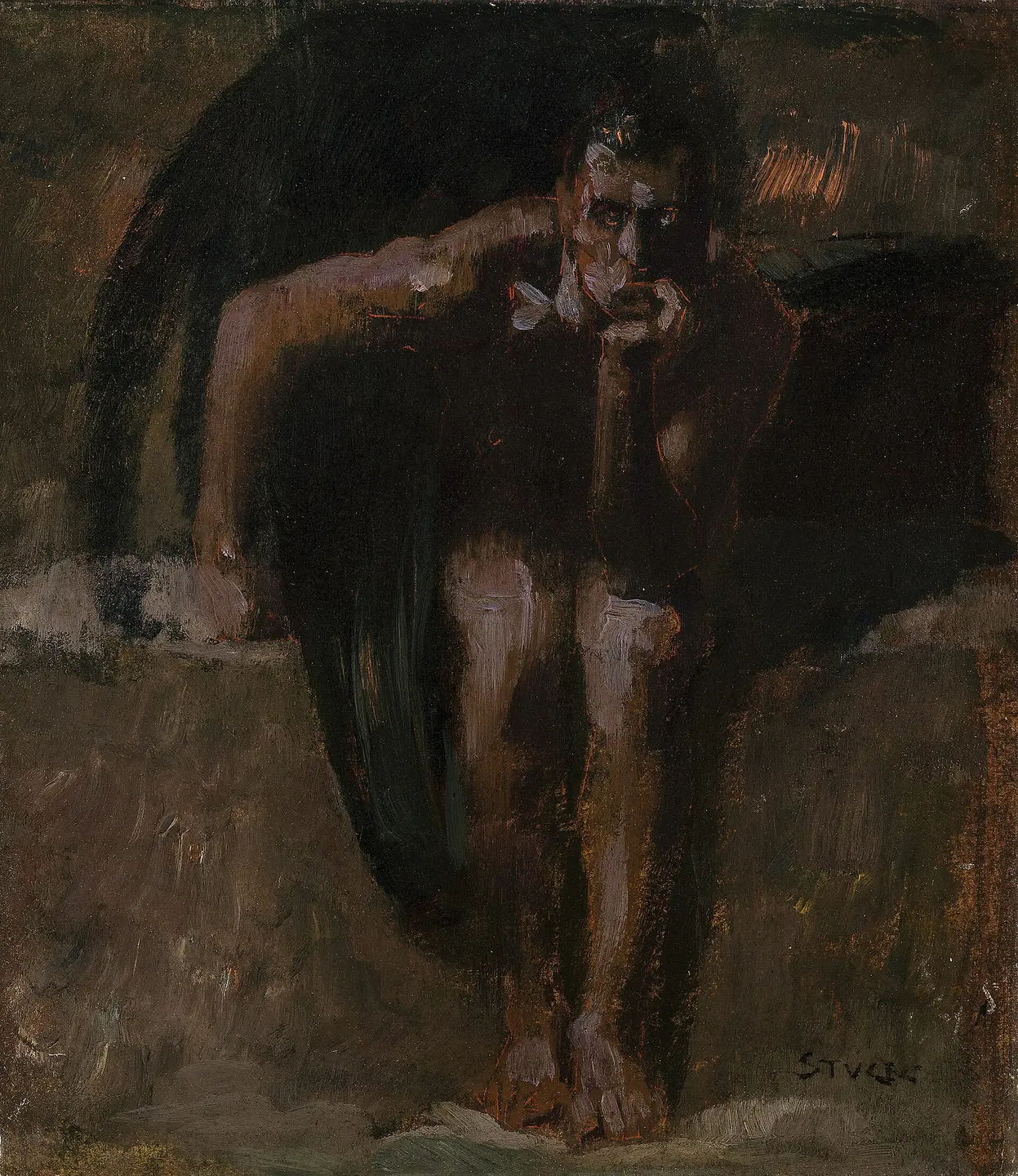
Franz von Stuck’s painting Lucifer, a dark winged figure seated in shadowFeatured from this topicTheistic Satanism
Directory →
Franz von Stuck’s painting Lucifer, a dark winged figure seated in shadow
Updated 2026-10-01

Theistic Satanism

Theistic Satanism is a family of religious positions in which Satan is understood as an actually existing spiritual being, deity, intelligence, or metaphysical presence, rather than only a literary symbol or political metaphor. It is not a single church or creed. The term is best used as an umbrella for practitioners and groups whose beliefs differ on the nature of Satan, the status of other spirits,…
Read →
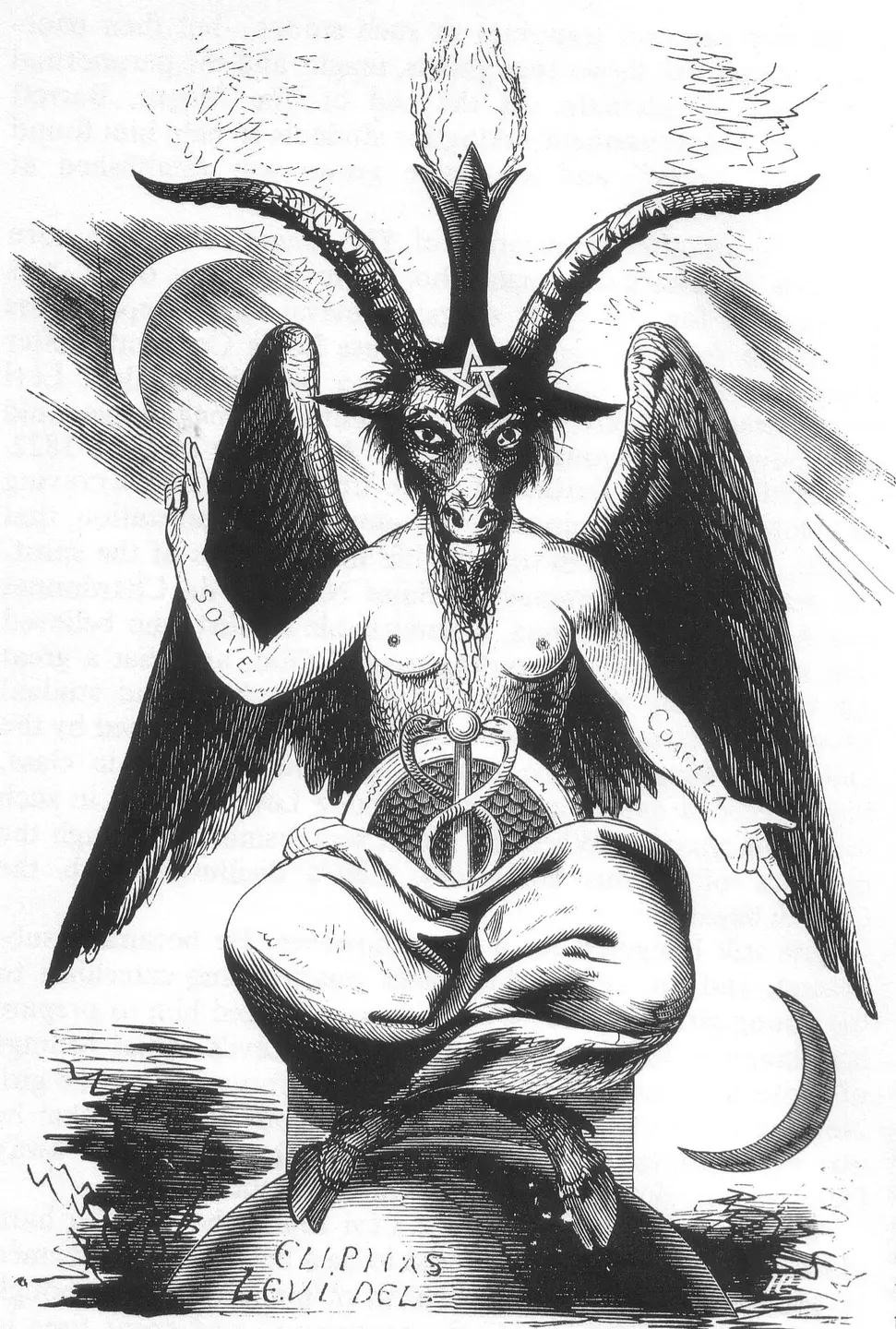
Éliphas Lévi’s nineteenth-century Baphomet illustration
Updated 2026-10-01

Symbolic and theistic Satanism

Symbolic and theistic Satanism are broad labels used to distinguish Satanist traditions according to how they understand Satan’s reality. In theistic Satanism, Satan is ordinarily regarded as a real deity, spirit, intelligence, or independently existing being. In symbolic or non-theistic Satanism, Satan is understood primarily as a symbol, literary figure, archetype, cultural adversary, or name for a…

Read →
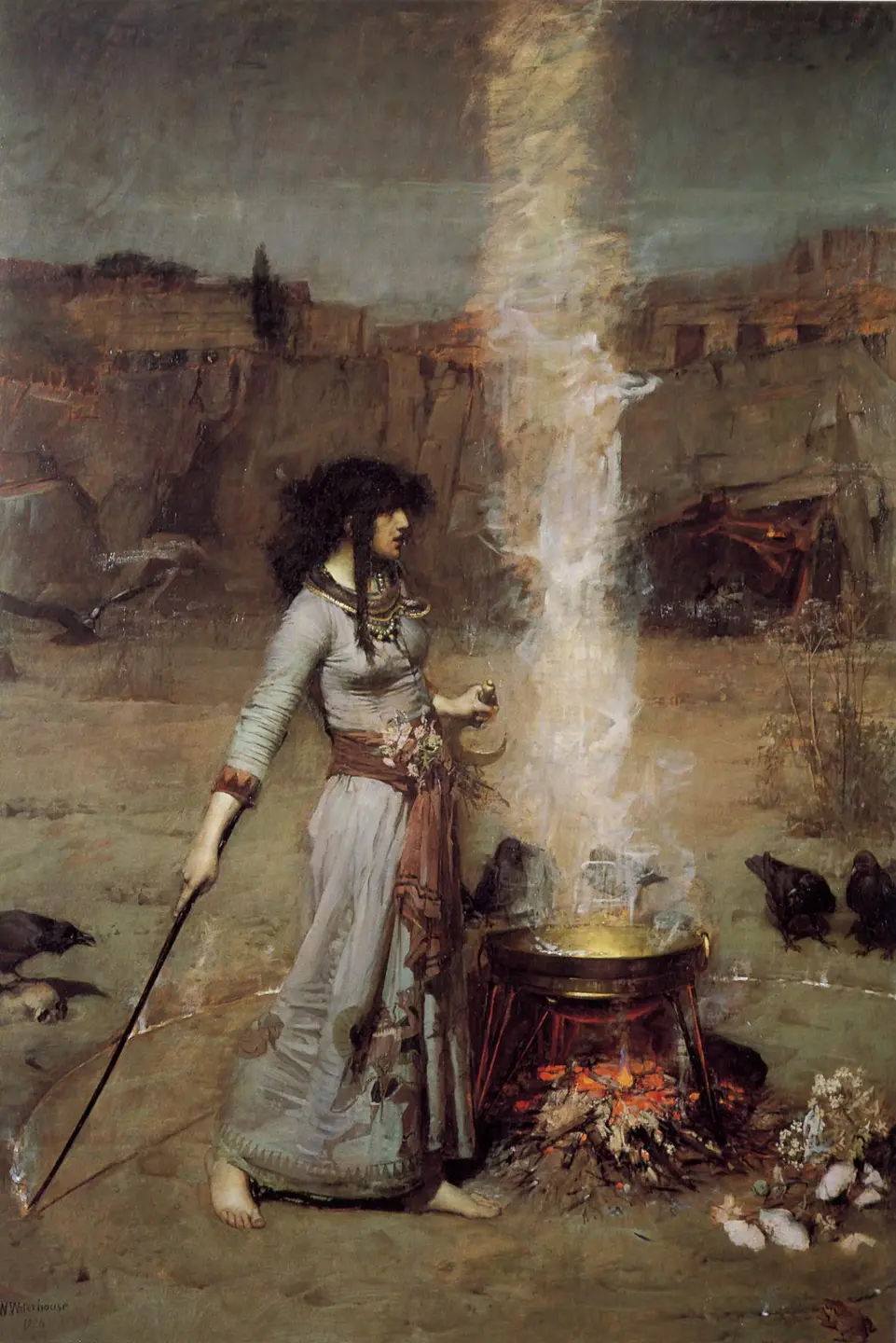
An imagined magical ceremony in Waterhouse’s painting The Magic Circle
Updated 2026-10-01

Demonolatry

Demonolatry refers to devotion to demons or daemonic beings. Modern accounts vary in theology, authority, and their relationship with historical grimoires.

Read →
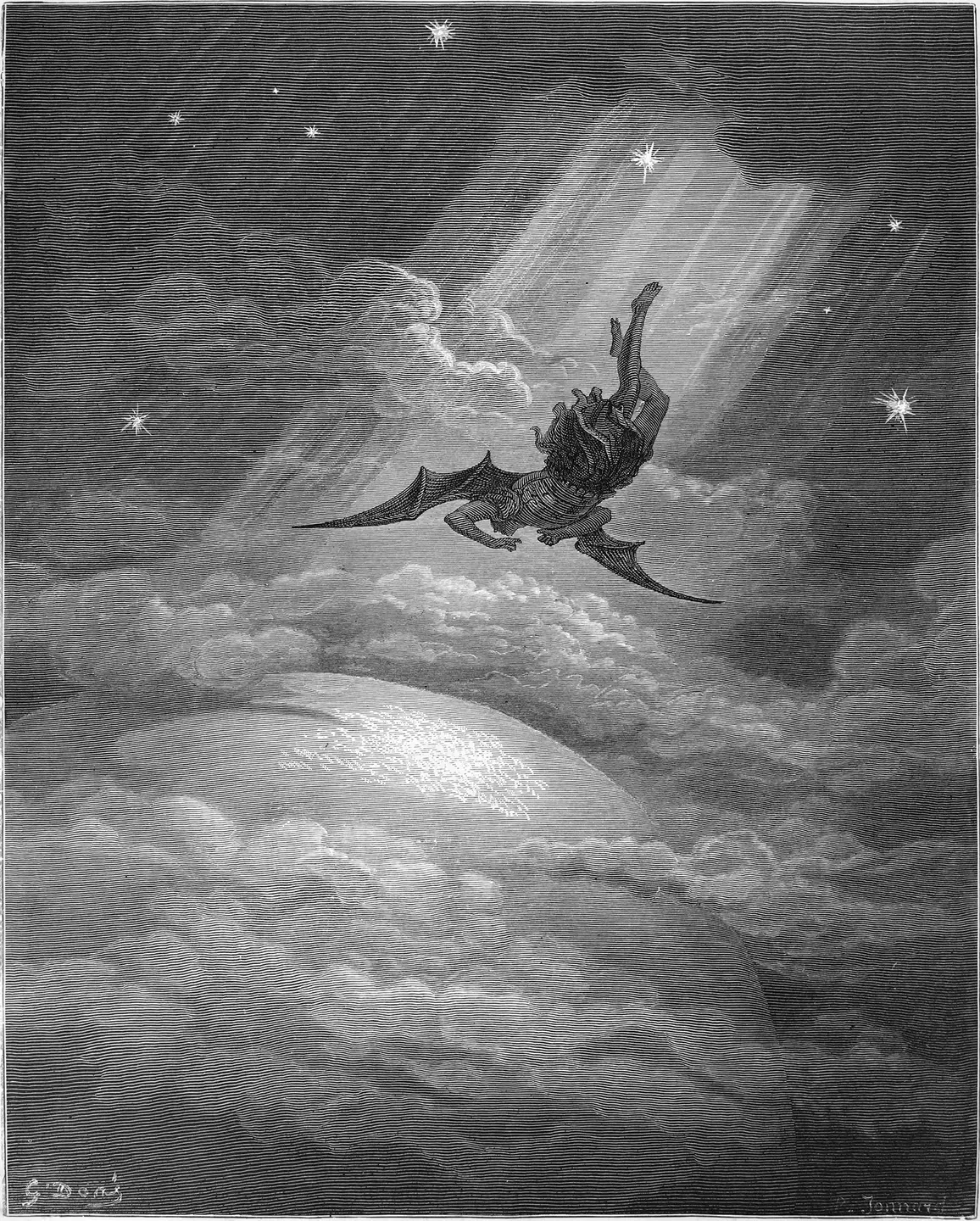
A fallen-angel scene from Doré’s illustrations to Paradise Lost
Updated 2026-10-01

Luciferianism

Luciferianism describes different religious and philosophical approaches that give Lucifer a positive role. Belief, practice, and identity vary among writers and communities.

Read →