Updated 2026-10-01
Read →Witchcraft
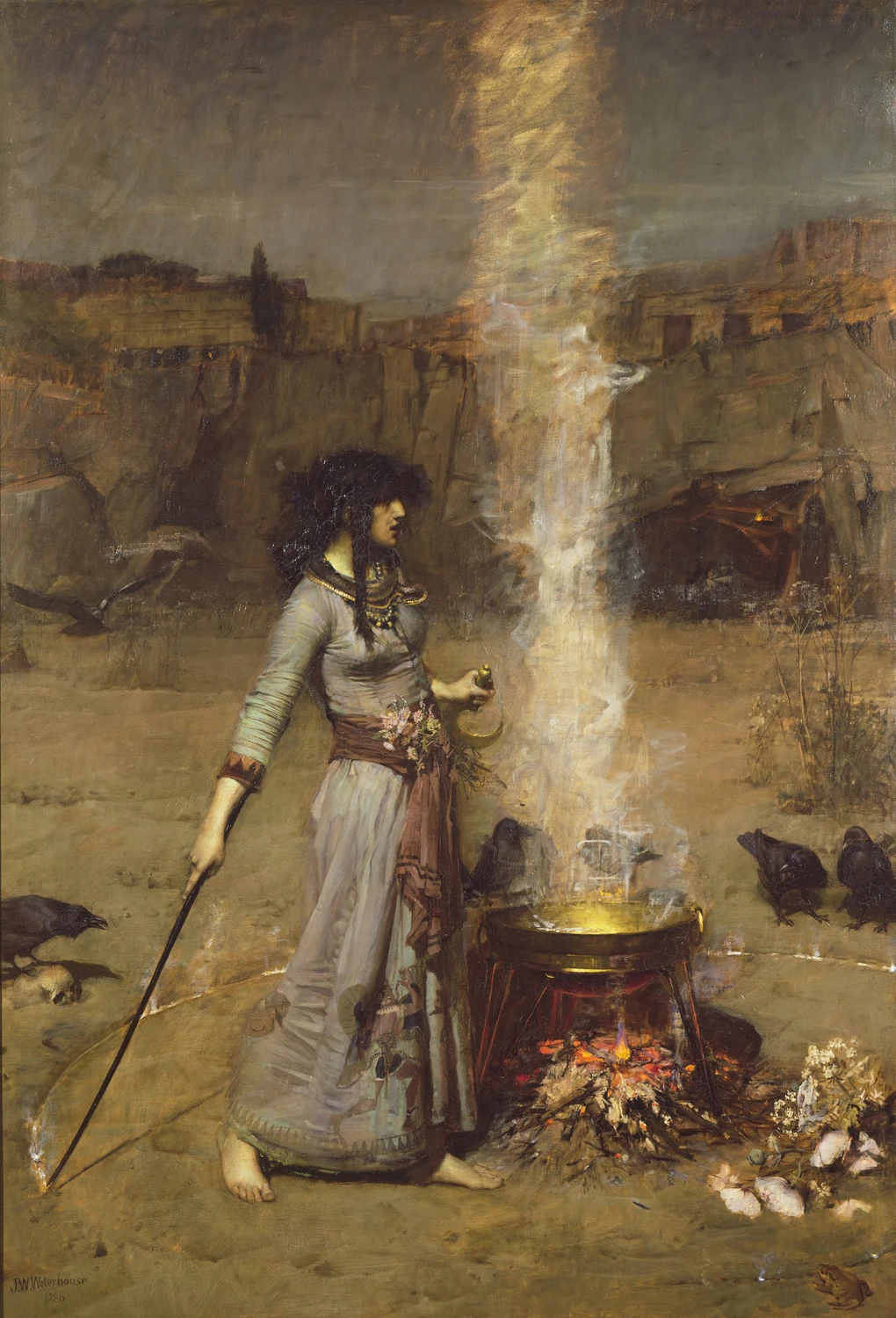
How witchcraft has meant an accusation, a magical practice, and a modern identity, with examples from museums and trial records.
Historical developments in the figure of Satan, demonology, esotericism, and modern Satanist religious identity.
Featured from this topicWitchcraftHow witchcraft has meant an accusation, a magical practice, and a modern identity, with examples from museums and trial records.
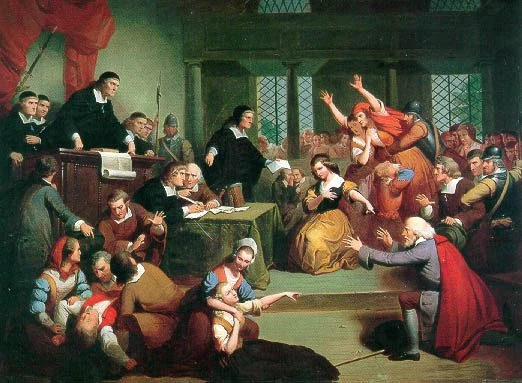
The Massachusetts prosecutions of 1692-1693, the spread of accusations, spectral evidence, and the surviving court archive.
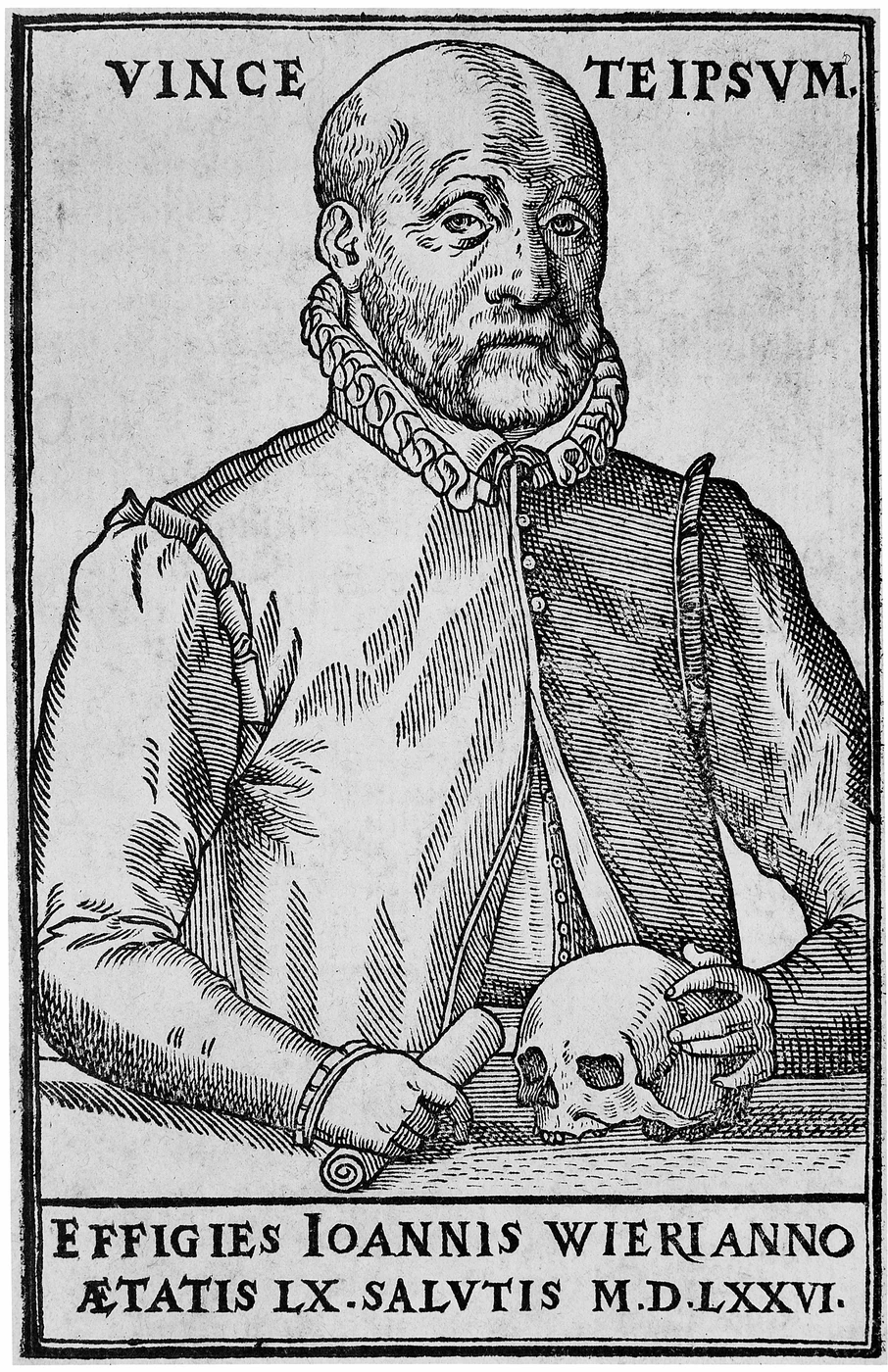
The physician and author whose Pseudomonarchia daemonum supplied an important source for later spirit catalogues.
A nineteenth-century French occult author associated with ceremonial symbolism and the influential image of Baphomet.
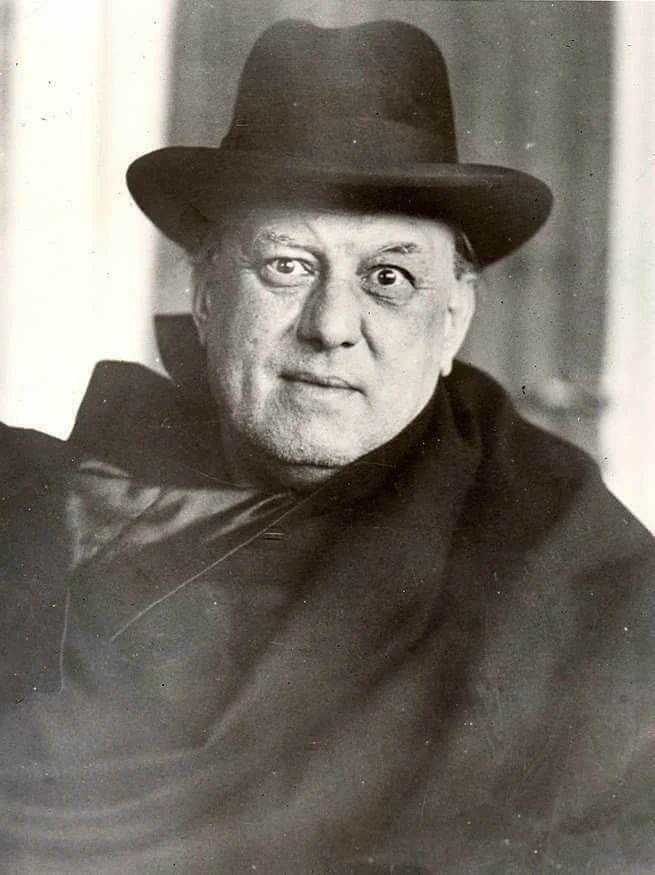
The author and religious figure associated with Thelema, The Book of the Law, and a large body of magical instruction.

The founder of the Church of Satan and author of The Satanic Bible and The Satanic Rituals.

A British occult writer associated with the Typhonian current, Thelema, and the work of Austin Osman Spare.
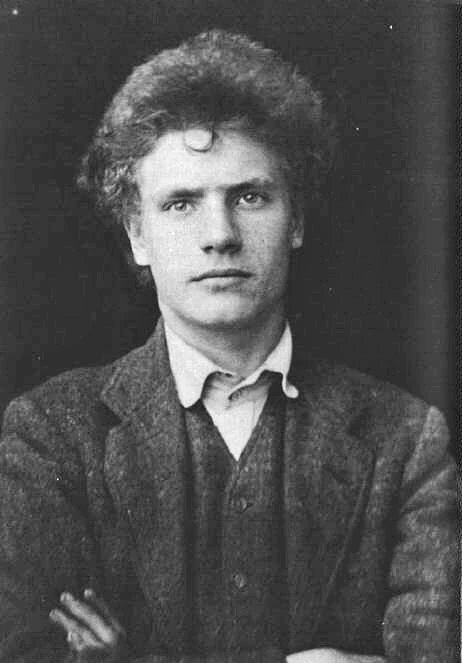
An English artist and occult author whose treatment of desire and sigils influenced later magical practice.
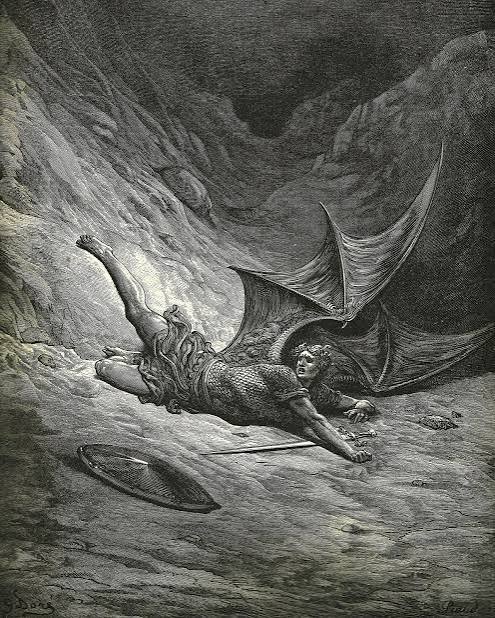
Modern theistic Satanism refers to contemporary religious currents in which Satan is understood as an independently real deity, spirit, intelligence, or metaphysical presence and is approached through devotion, ritual, prayer, magic, contemplation, or other religious practices. It is part of the wider field of modern Satanism but differs from explicitly non-theistic movements that use Satan primarily as…
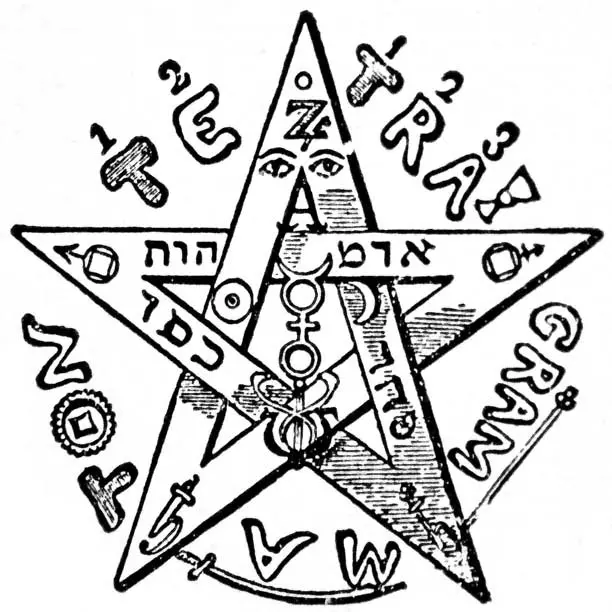
Occultism and Western esotericism provide an important historical and intellectual background for many forms of modern Satanism, but neither term is a synonym for Satanism. Western esotericism is an academic field encompassing currents such as Renaissance Hermetism, alchemy, astrology, Christian theosophy, Kabbalistic reception, Rosicrucianism, ceremonial magic, spiritualism, occultism, and later…
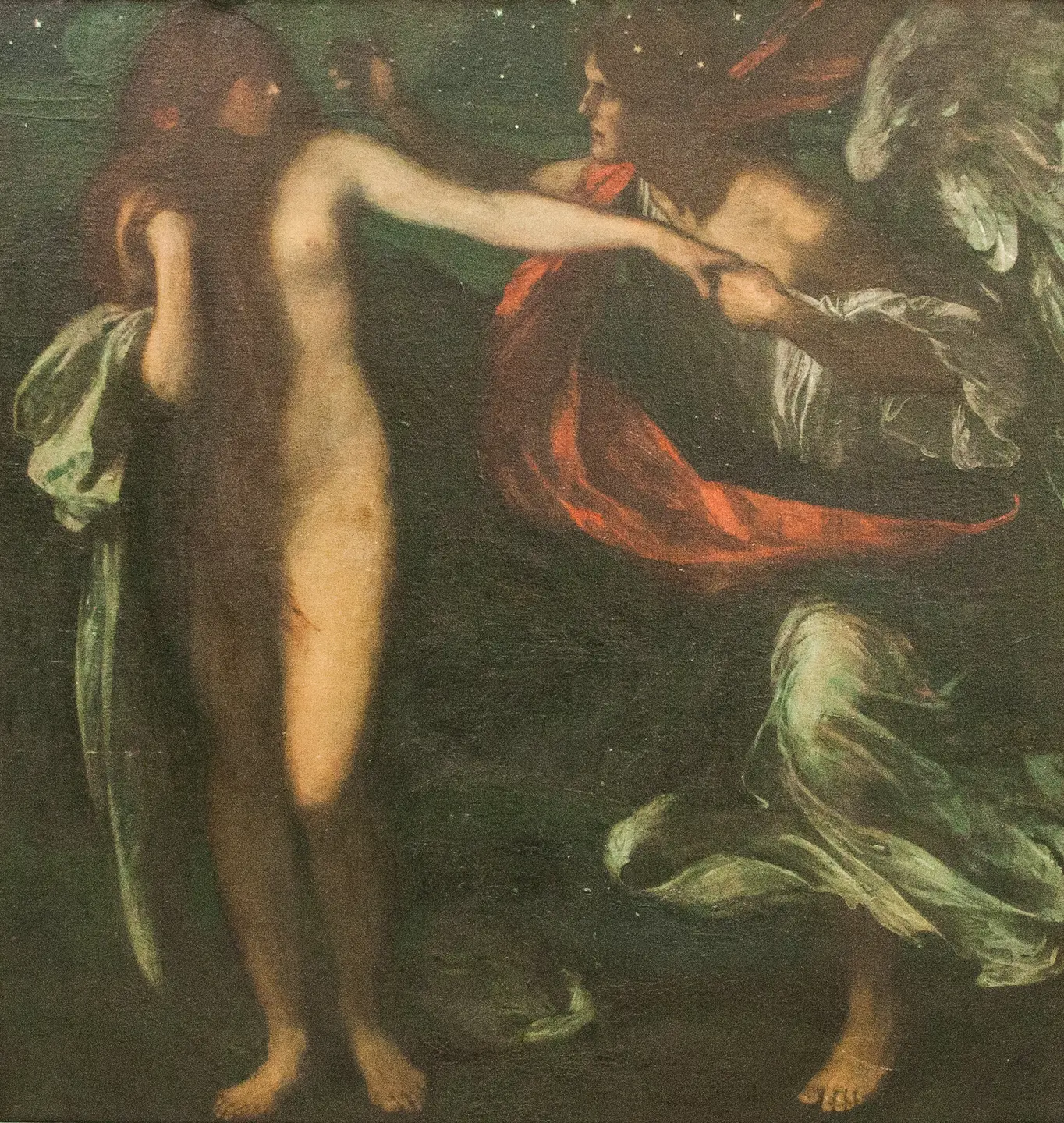
The Nephilim appear in brief biblical passages and in later traditions about giants. Different texts should be distinguished before their accounts are combined.
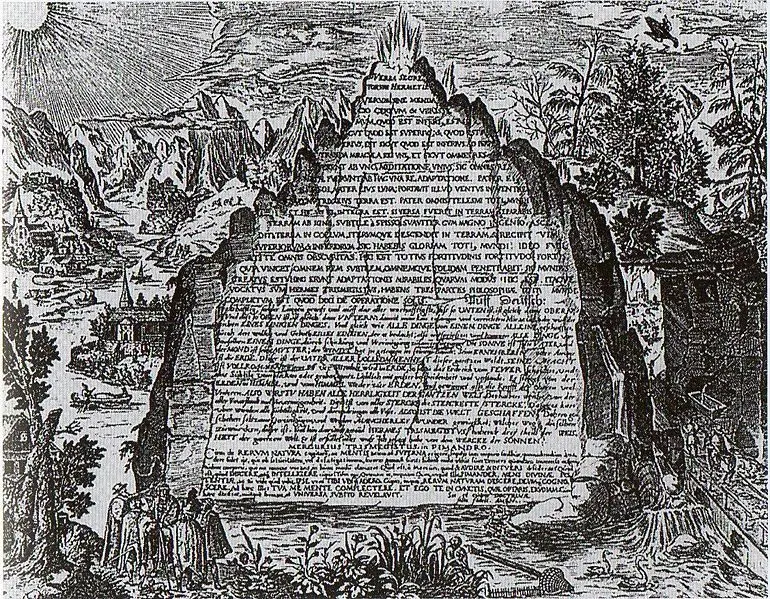
Alchemy concerns historical approaches to material transformation and the interpretation of nature. Spiritual readings form part of its reception but should not replace the material history.
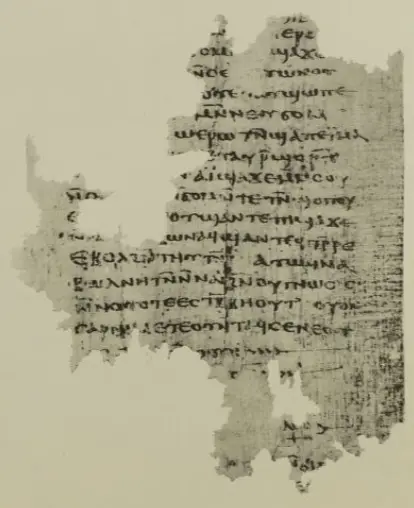
A modern umbrella term for several ancient religious movements and texts concerned with saving knowledge and divine origins.
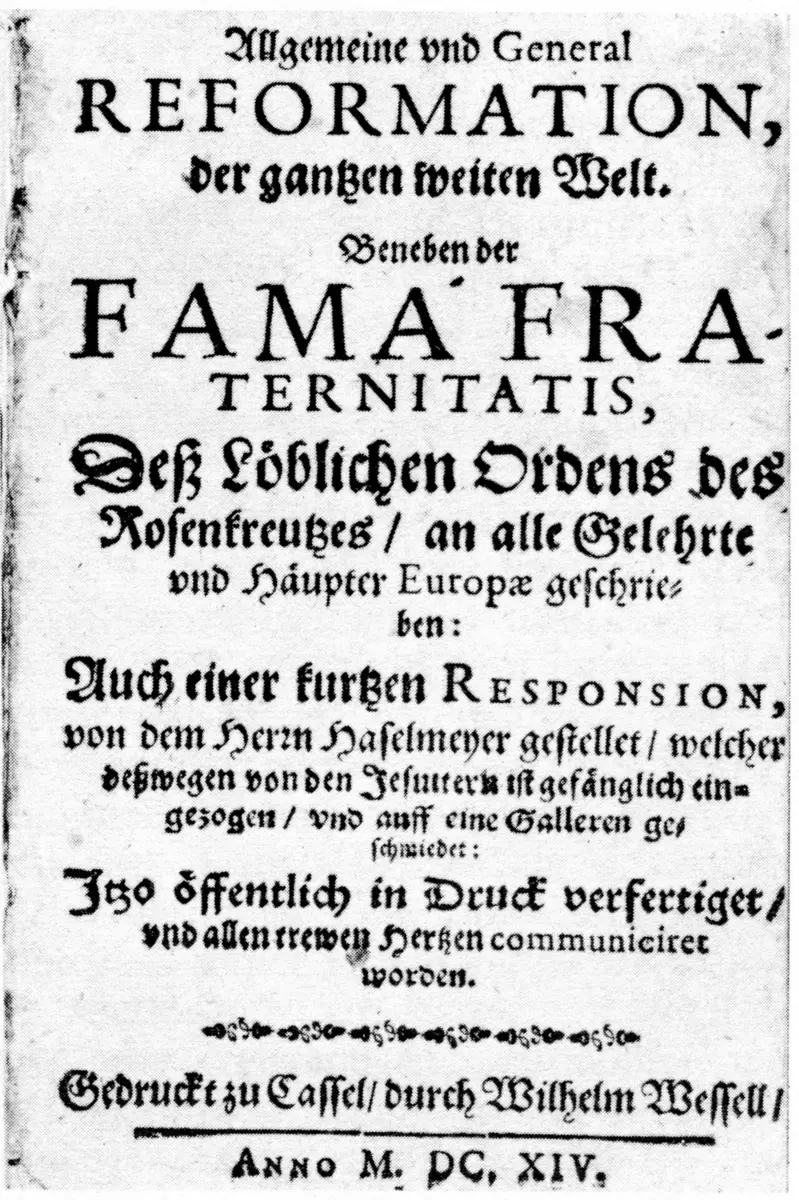
Traditions associated with the rose and cross, the early modern Rosicrucian manifestos, and later initiatory societies.