Living reference226 published entries730 source linksLast article revised 2026-10-17

The Theistic Satanist Wiki

A public encyclopedia for finding, checking, and comparing material on theistic Satanism—history, theology, spirits, ritual, texts, organizations, culture, and High Satanic Church material.

Know the term? Search directly.Still exploring? Browse topics or foundations.
Published by The High Satanic Church · coverage extends beyond Church doctrine
01 · AttributionKnow what kind of claim you are readingHistorical claims, religious interpretation, practitioner testimony, and Church doctrine are kept distinct. 02 · SourcesFollow the evidence instead of taking the page on trust226 of 226 current entries include numbered external source records. 03 · Revision trailSee what changed and whenArticle history, recent changes, discussions, and contributor records remain visible.
Choose by intent

What are you trying to understand?

Start with the question closest to yours. Each route states what it is for before asking you to click.

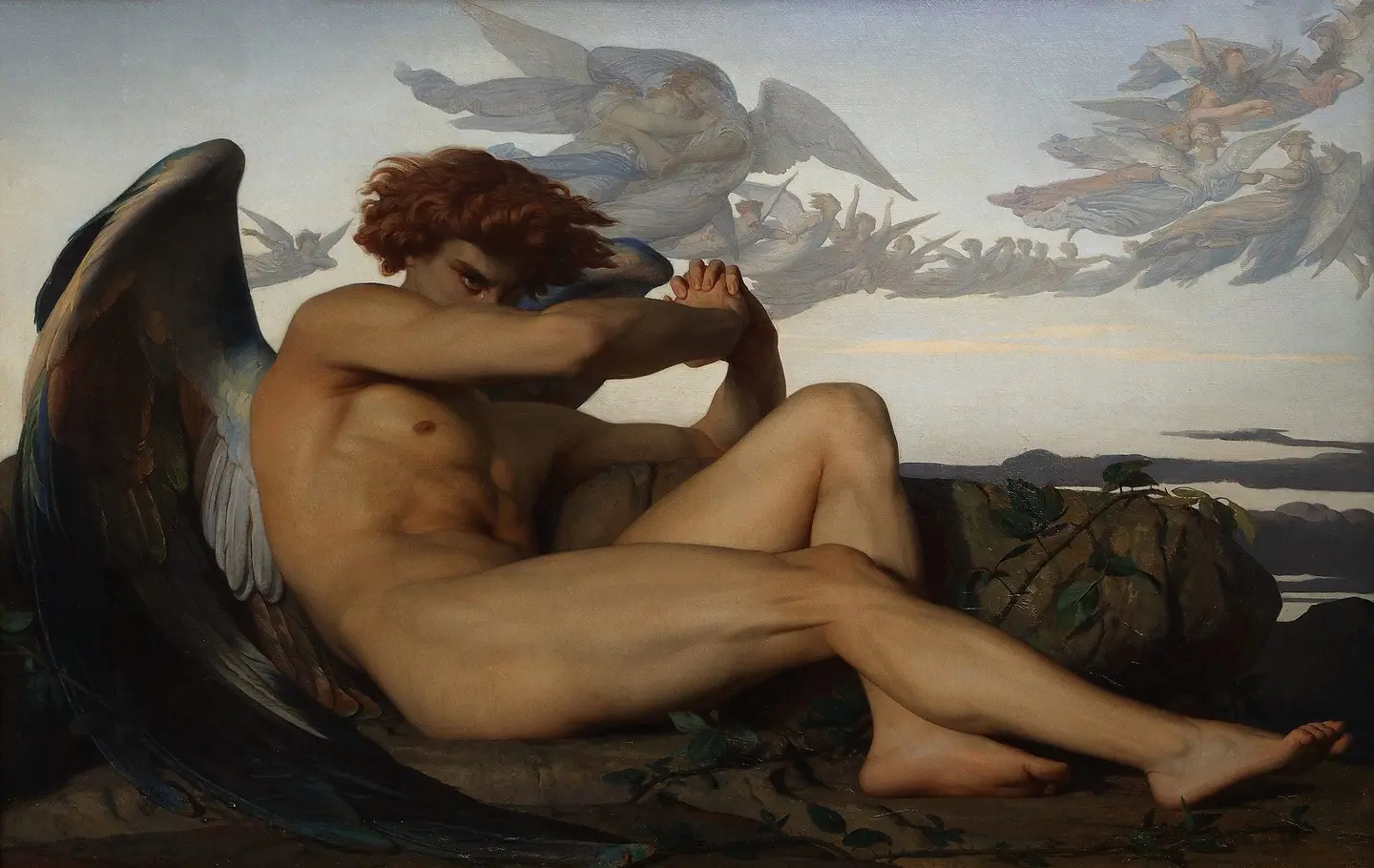
Alexandre Cabanel’s 1847 painting The Fallen Angel
Featured entry

Lucifer

Lucifer is a name whose religious meaning developed from an ancient expression for the morning star into one of the best-known names associated with the Devil, fallen angels, occult illumination, and modern Luciferian religion. The word itself is Latin: lūcifer means “light-bringer” or “light-bearer” and was used for the planet Venus when it appeared before sunrise. The later equation “Lucifer = Satan”…
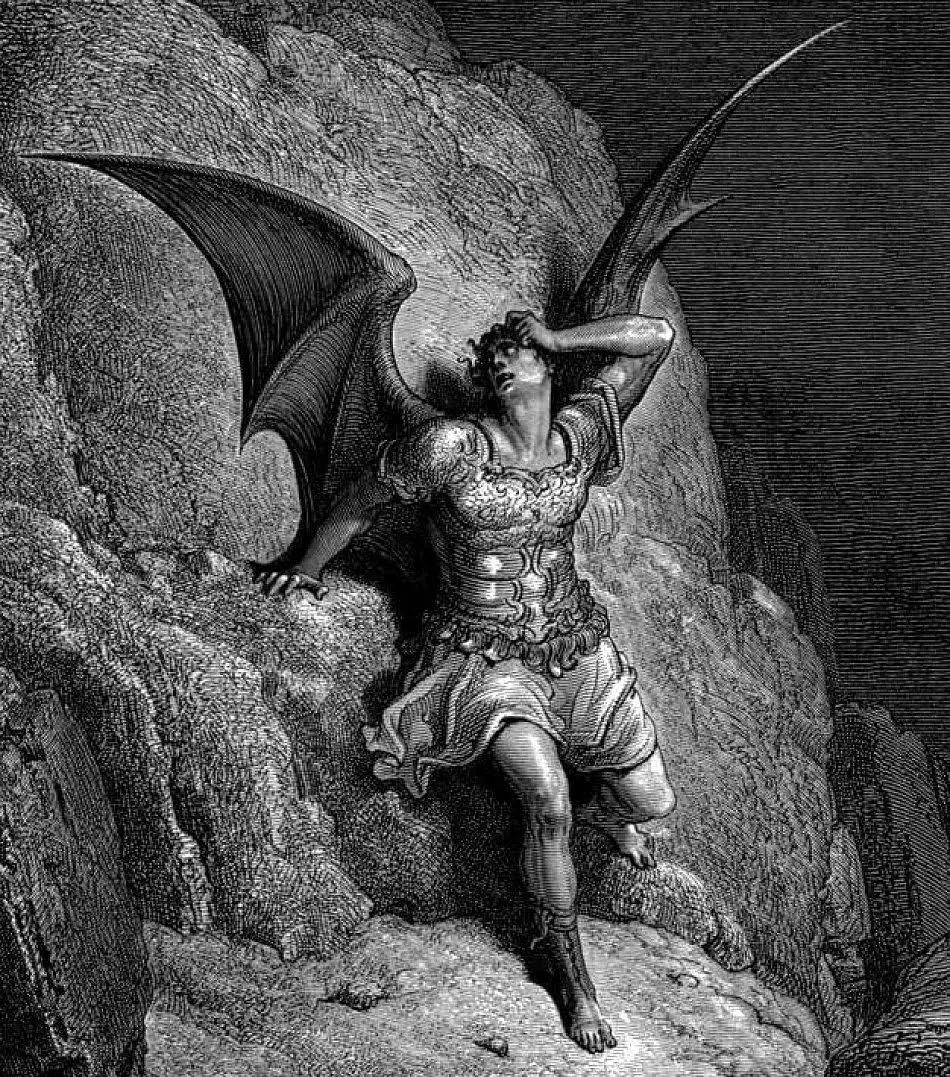
Gustave Doré’s 1866 engraving of Satan from Paradise Lost
Theology & Cosmology

Satan

Satan is a figure whose meaning has changed substantially across Jewish, Christian, Islamic, literary, esoteric, and modern Satanic contexts. In contemporary theistic Satanism, Satan may be understood as a real deity, spirit, adversary, initiator, or metaphysical intelligence. Those modern interpretations draw on, but are not identical with, the much older history of the word and character.

The High Satanic Church banner and emblematic artwork
High Satanic Church

The High Satanic Church

The High Satanic Church is an independent theistic Satanist religious organization and online congregation centered on the worship of Satan as a real deity. Its public website describes the Church as theistic, devotional, and unaffiliated with both the Church of Satan and The Satanic Temple. The organization maintains public material on beliefs and practice as well as member accounts, lodges, writings,…

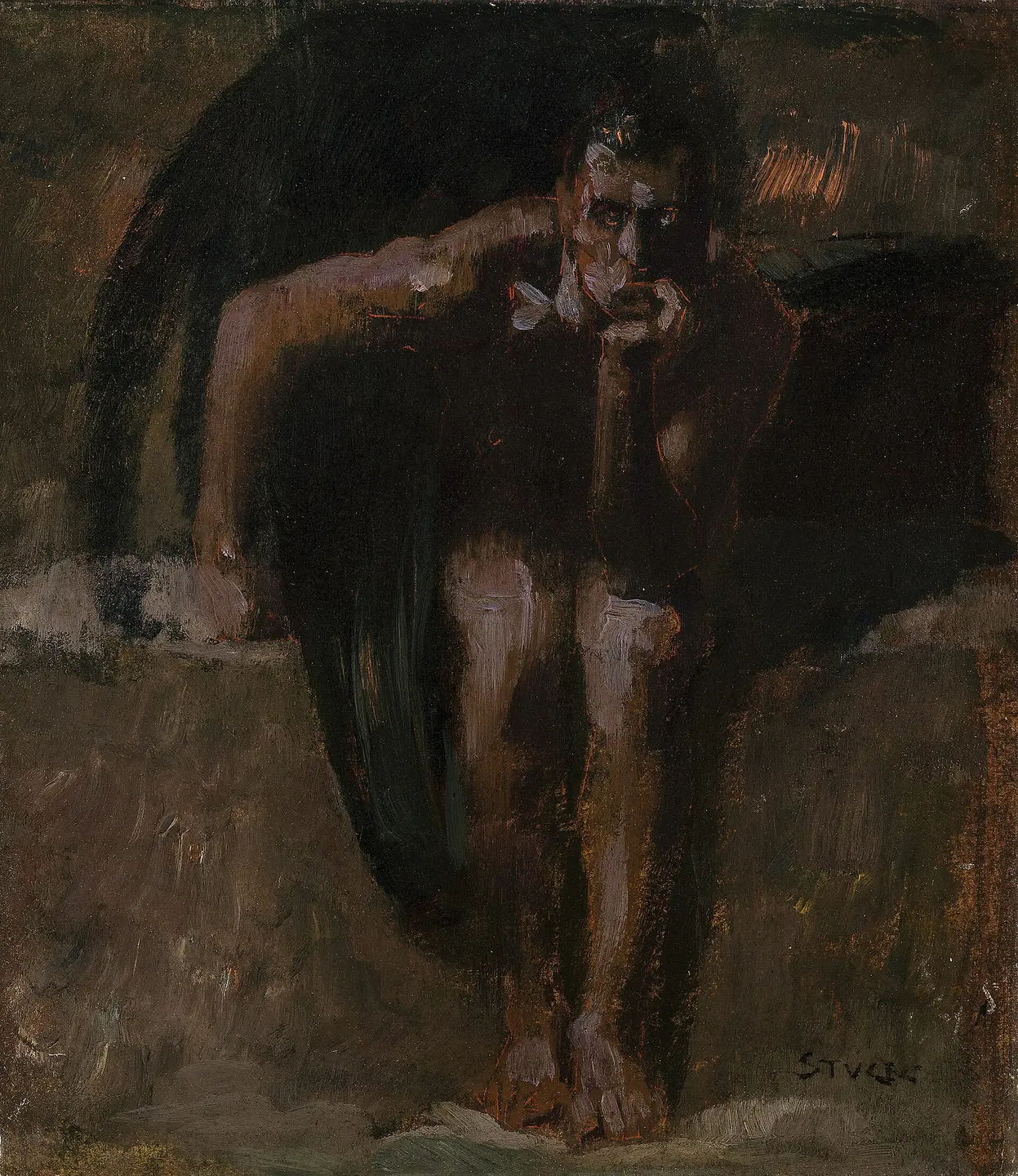
Franz von Stuck’s painting Lucifer, a dark winged figure seated in shadow
Theistic Satanism

Theistic Satanism

Theistic Satanism is a family of religious positions in which Satan is understood as an actually existing spiritual being, deity, intelligence, or metaphysical presence, rather than only a literary symbol or political metaphor. It is not a single church or creed. The term is best used as an umbrella for practitioners and groups whose beliefs differ on the nature of Satan, the status of other spirits,…

Start here

Foundational reading

All entries →
Across the wiki

Recently revised

See recent changes →
Illustration for Book of Giants
Texts & Sources

Book of Giants

The Book of Giants names a fragmentary Jewish Enochic work represented at Qumran and a related Manichaean adaptation. Its surviving witnesses concern the offspring of the Watchers, ominous dreams, Enoch, and impending judgment.

Updated 2026-10-17
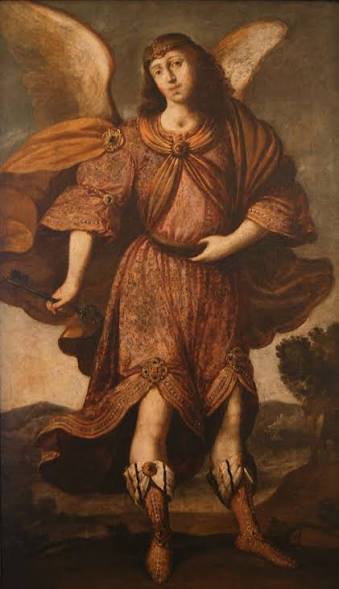
Illustration for Raziel
Demonology & Spirits

Raziel

Raziel is an angel associated with the revelation of divine secrets, especially the legendary book given to Adam. His name appears in Jewish interpretive and magical literature and later Western esotericism, where Agrippa connects him with Chokmah, or Wisdom.

Updated 2026-10-17
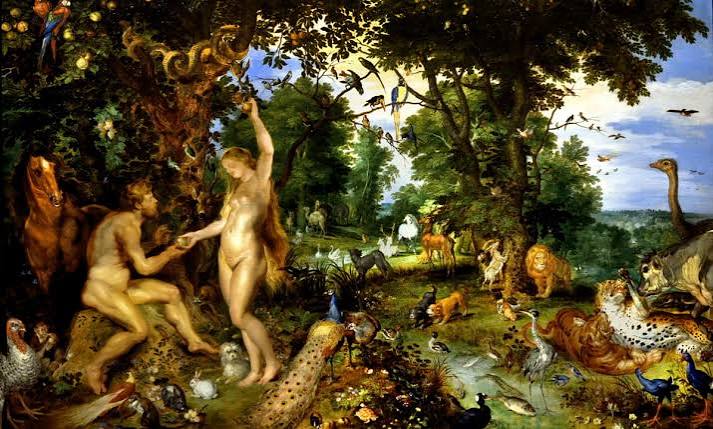
Illustration for Life of Adam and Eve
Texts & Sources

Life of Adam and Eve

The Life of Adam and Eve is a group of related apocryphal narratives about the first humans. Its versions expand the Eden story through accounts of repentance, the Devil’s hostility, illness, burial, and hoped-for restoration.

Updated 2026-10-17
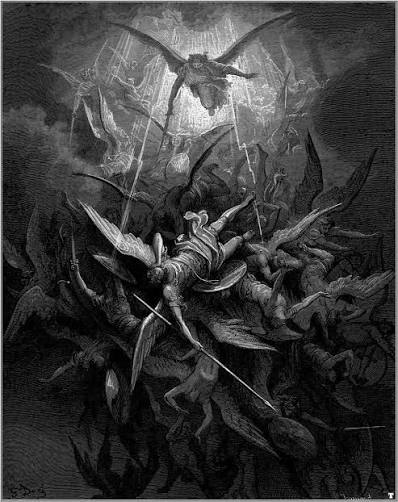
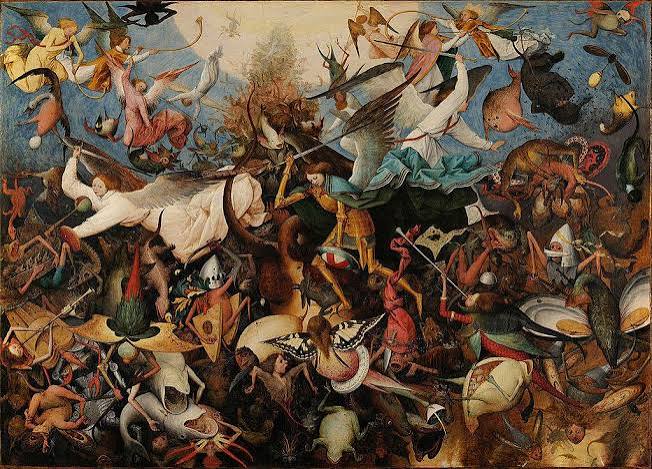
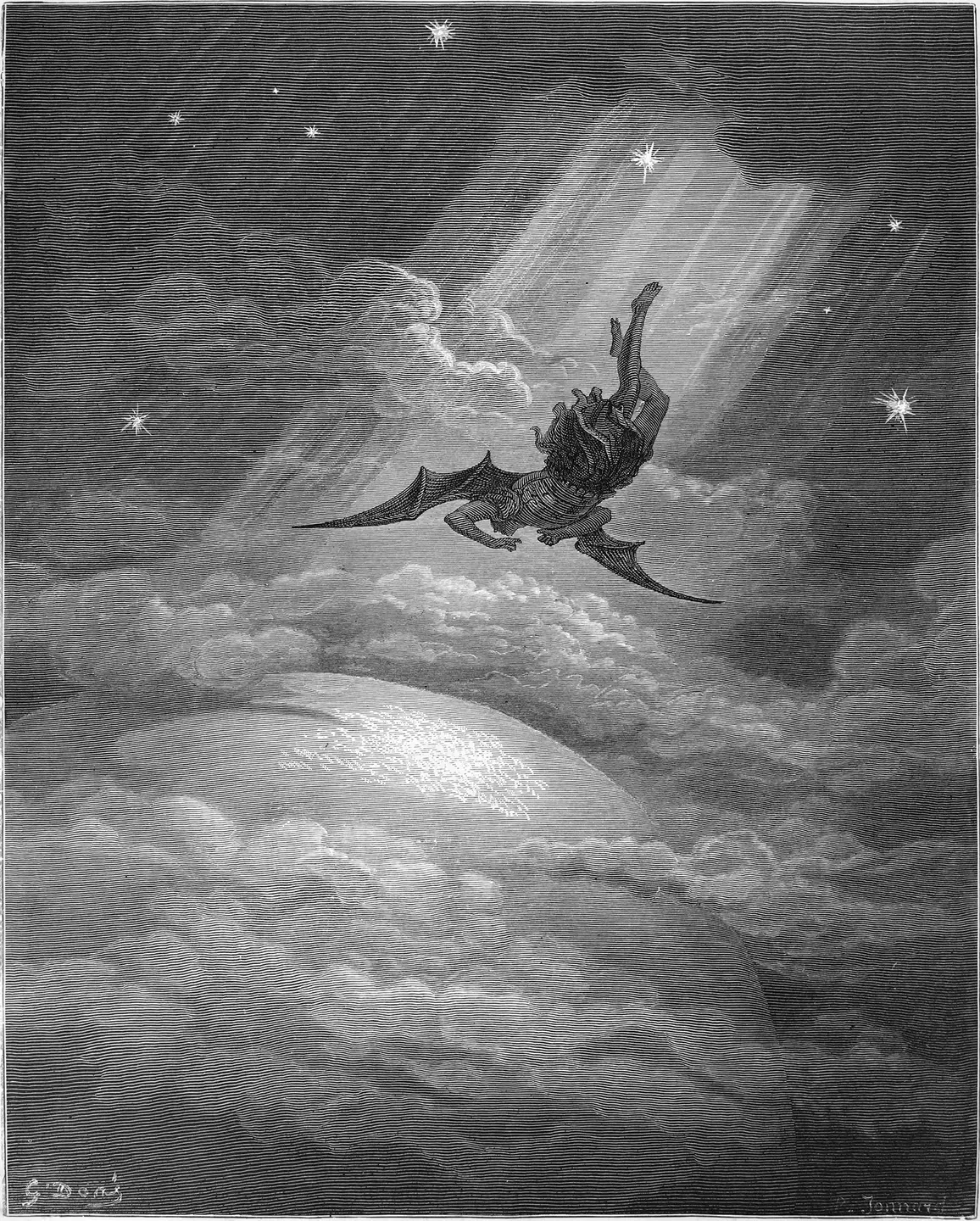
Illustration for Fallen angels
Theology & Cosmology

Fallen angels

Fallen angels are heavenly beings portrayed as losing their place or proper condition through transgression. Enochic descent, Satan’s refusal to honor Adam, and the war in Revelation are distinct accounts that later interpretation can bring together.

Updated 2026-10-17
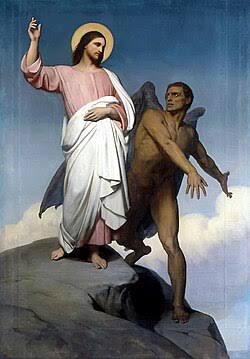
Illustration for Temptation of Jesus
Texts & Sources

Temptation of Jesus

The temptation of Jesus is an encounter with Satan in the wilderness narrated by Matthew, Mark, and Luke. Its differing forms connect hunger, divine sonship, scriptural argument, worldly rule, and worship.

Updated 2026-10-17
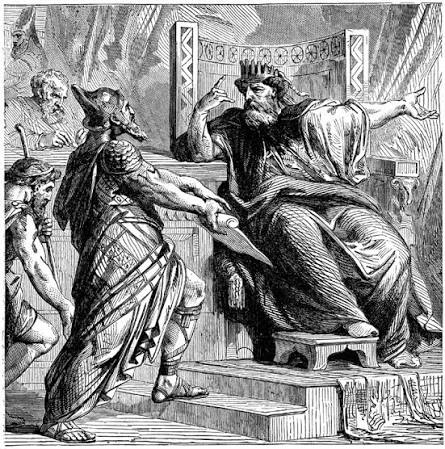
Illustration for Satan in 1 Chronicles
Texts & Sources

Satan in 1 Chronicles

In 1 Chronicles 21, Satan or an adversary incites David to count Israel. Comparison with 2 Samuel 24 raises questions about divine agency, translation, and the development of the adversary figure.

Updated 2026-10-17

Theology & cosmology

View section →
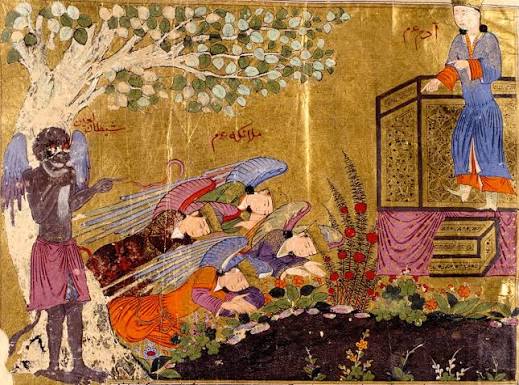
Illustration for Iblis

Iblis

Iblis is the figure who refuses God’s command to bow to Adam in the Qur’an. Islamic commentary and Sufi literature explore his pride, his relationship to the jinn, his role as a tempter, and the meaning of his disobedience.

Alexandre Cabanel’s 1847 painting The Fallen Angel

Lucifer

Lucifer is a name whose religious meaning developed from an ancient expression for the morning star into one of the best-known names associated with the Devil, fallen angels, occult illumination, and modern Luciferian religion. The word itself is Latin: lūcifer means “light-bringer” or “light-bearer” and was used for the planet Venus when it appeared before sunrise. The later equation “Lucifer = Satan”…
A fallen-angel scene from Doré’s illustrations to Paradise Lost

Luciferianism

Luciferianism describes different religious and philosophical approaches that give Lucifer a positive role. Belief, practice, and identity vary among writers and communities.

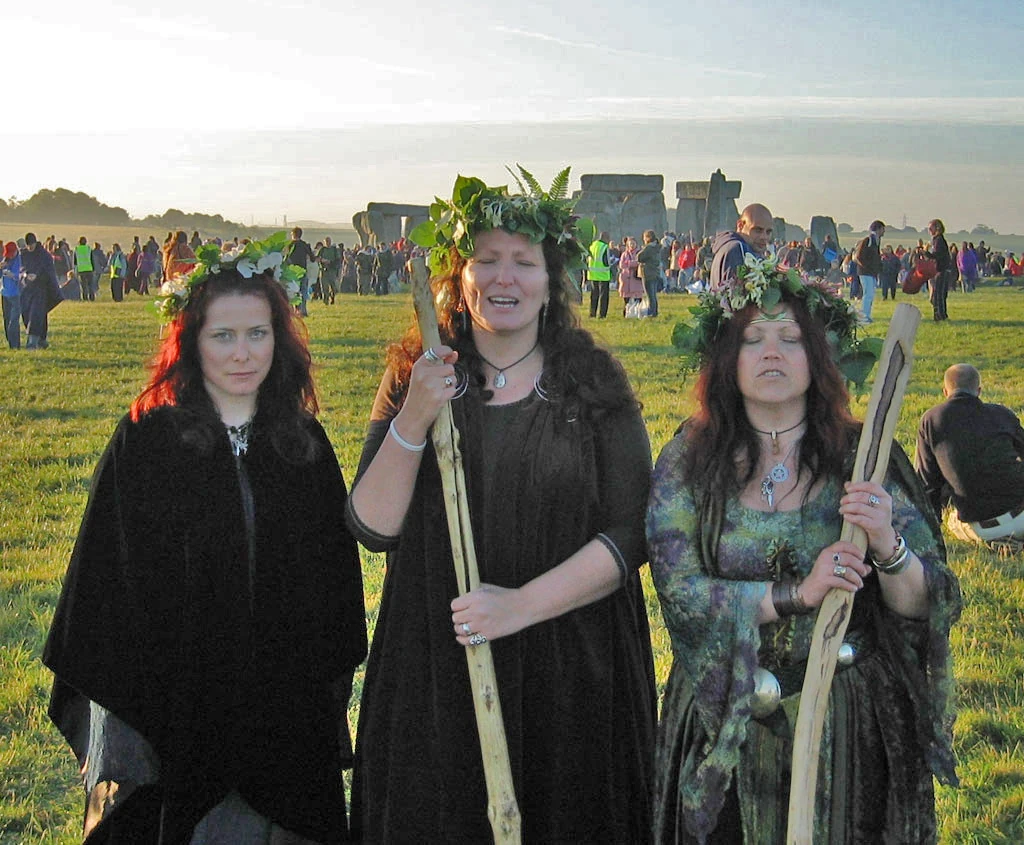
Three women in Druid robes at Stonehenge on the morning of the summer solstice

Modern Paganism

An introduction to contemporary Pagan traditions, including Wicca, Druidry, and Heathenry, and their different uses of older sources.

Practice & ritual

View section →
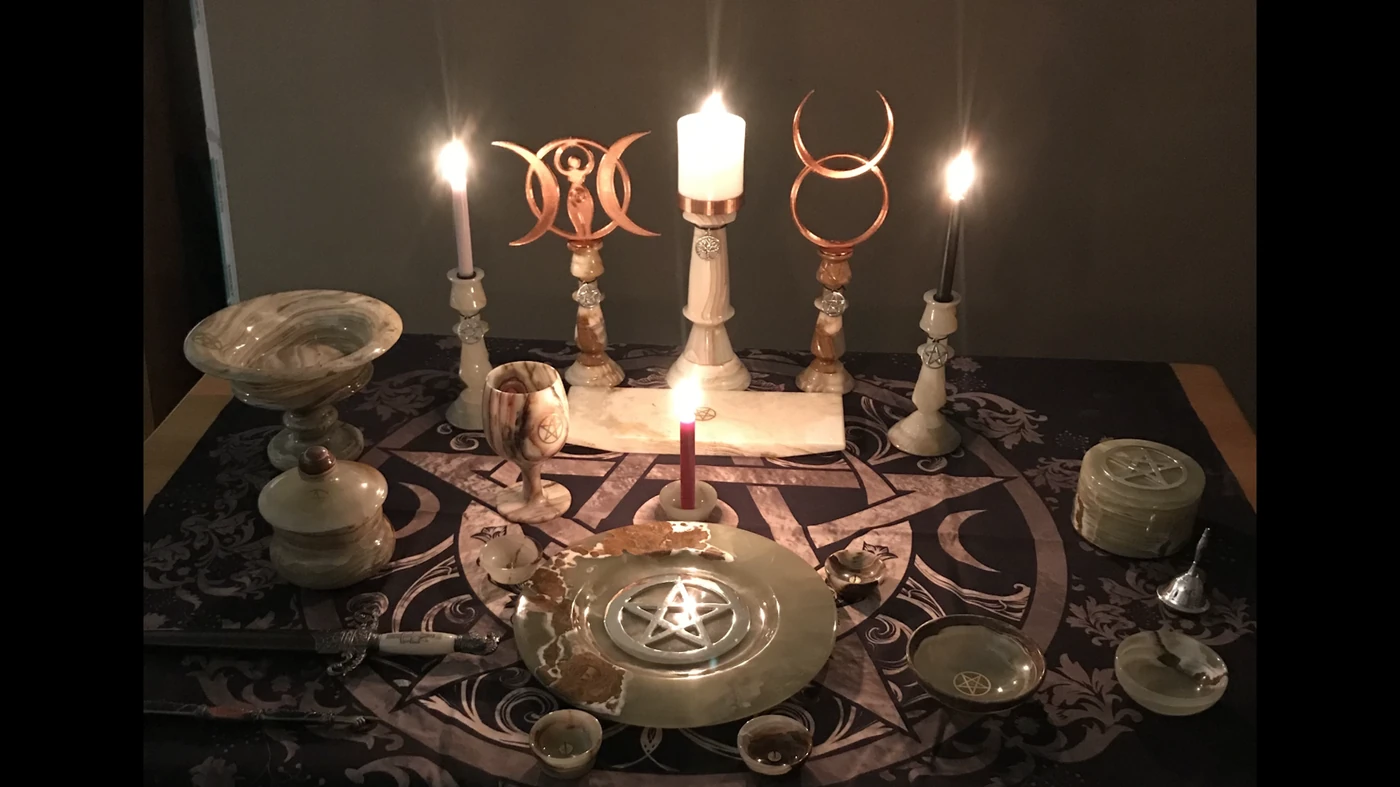
A photographed Wiccan altar with candles, a pentacle, and ritual vessels

Altar

An altar is a designated place or surface used for religious devotion, ritual, offerings, sacred objects, or symbolic focus. Altars occur in many religious traditions, but their forms and meanings vary widely. In modern theistic Satanism an altar may function as a place for Prayer, Ritual, Offerings, meditation, spirit work, or the display of symbols connected with Satan and other beings.

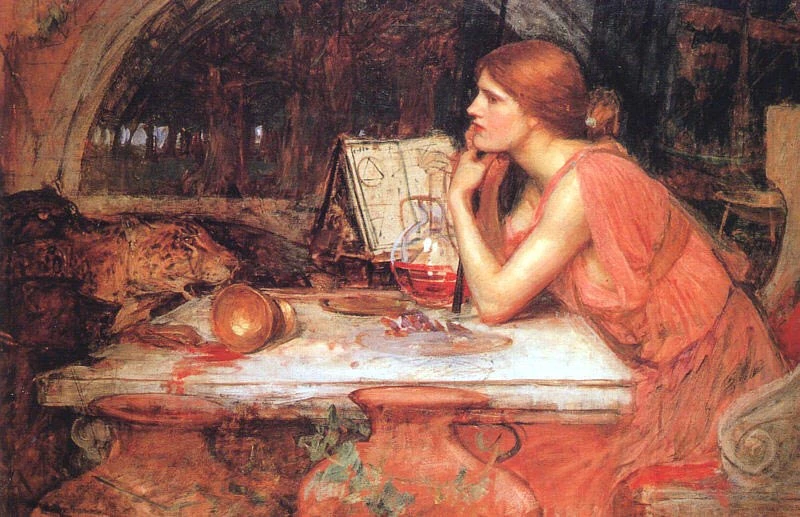
The Sorceress, a 1913 painting by John William Waterhouse, illustrating a literary view of magical practice

Banishing rituals

Ceremonies intended to clear, delimit, or reorder a ritual setting, with methods that vary by tradition.

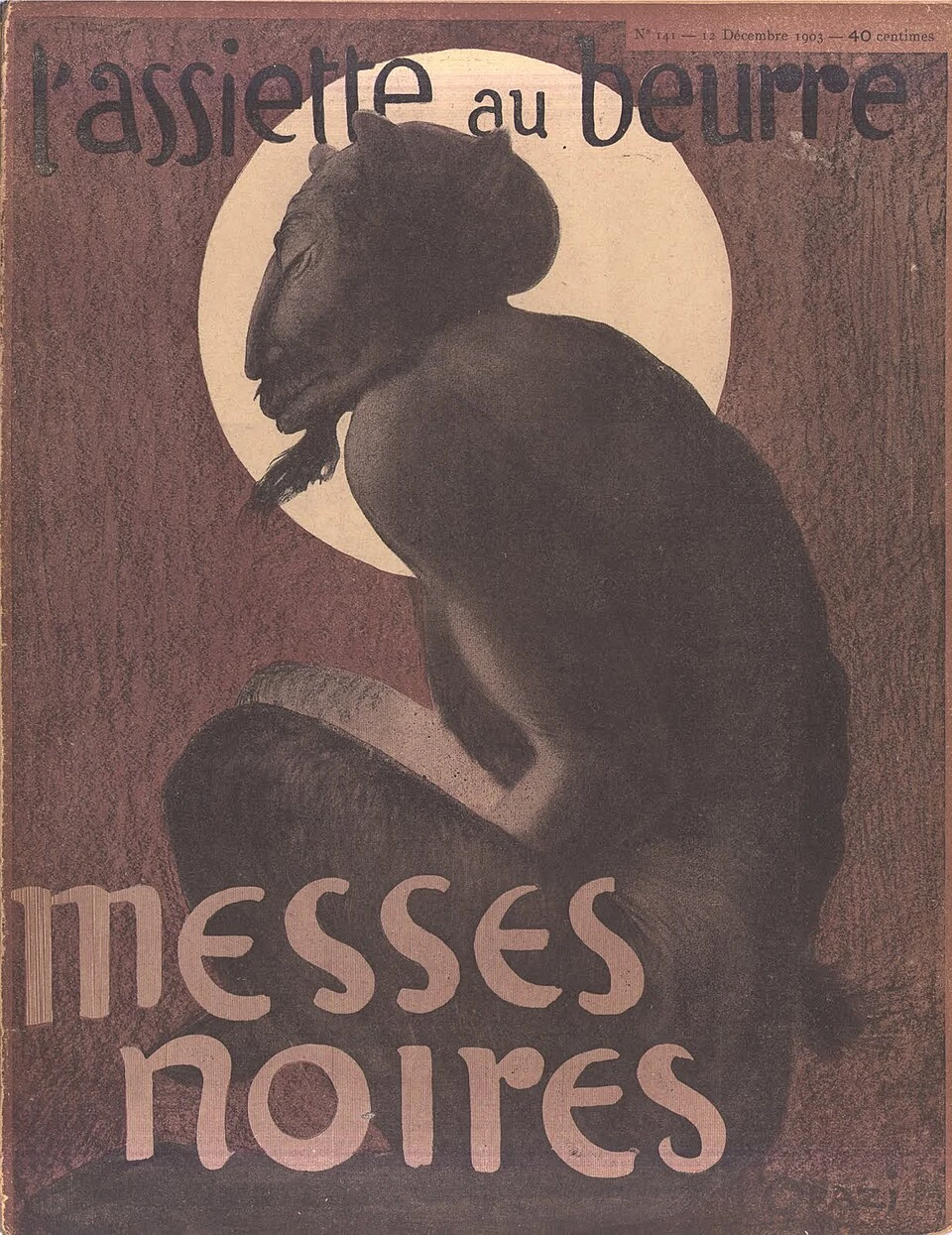
Manuel Orazi's 1903 illustrated cover for Messes Noires in L'Assiette au Beurre, a literary and satirical representation

Black Mass

A term for ritual inversion of Christian worship, with Huysmans's literary portrayal and a modern distinction from Satanic Mass.

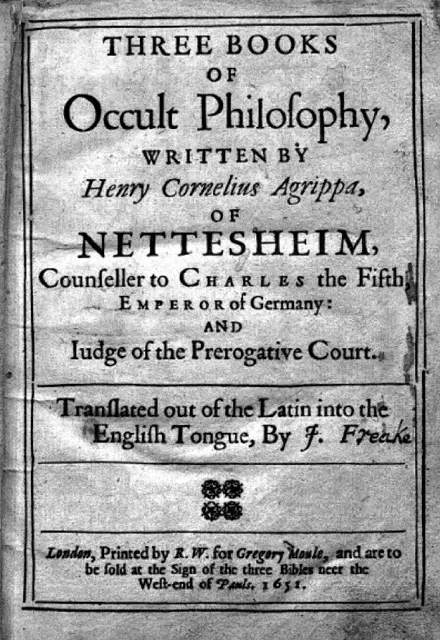
A title page from a historical English edition of Agrippa’s occult philosophy

Ceremonial magic

Ceremonial magic uses formally organized ritual actions. Its historical systems combine preparation, symbols, instruments, and accounts of spiritual authority in different ways.

History & currents

View section →
Greiffenhagen’s painting of the sons of God and the daughters of men

Nephilim

The Nephilim appear in brief biblical passages and in later traditions about giants. Different texts should be distinguished before their accounts are combined.

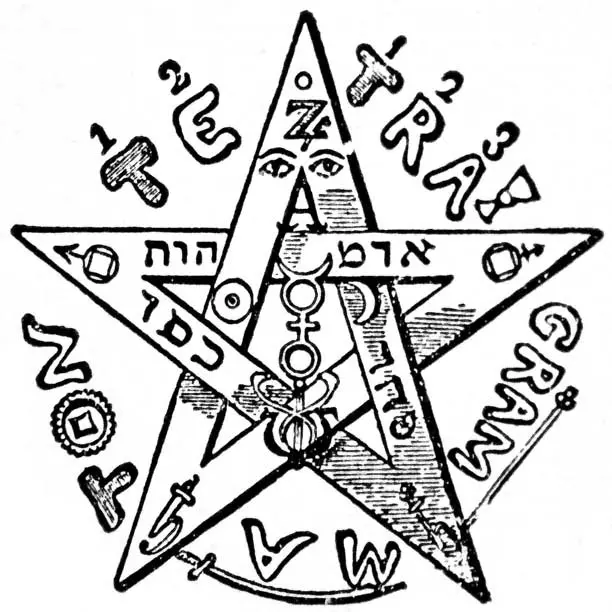
Éliphas Lévi’s nineteenth-century pentagram illustration

Occultism and Western esotericism

Occultism and Western esotericism provide an important historical and intellectual background for many forms of modern Satanism, but neither term is a synonym for Satanism. Western esotericism is an academic field encompassing currents such as Renaissance Hermetism, alchemy, astrology, Christian theosophy, Kabbalistic reception, Rosicrucianism, ceremonial magic, spiritualism, occultism, and later…

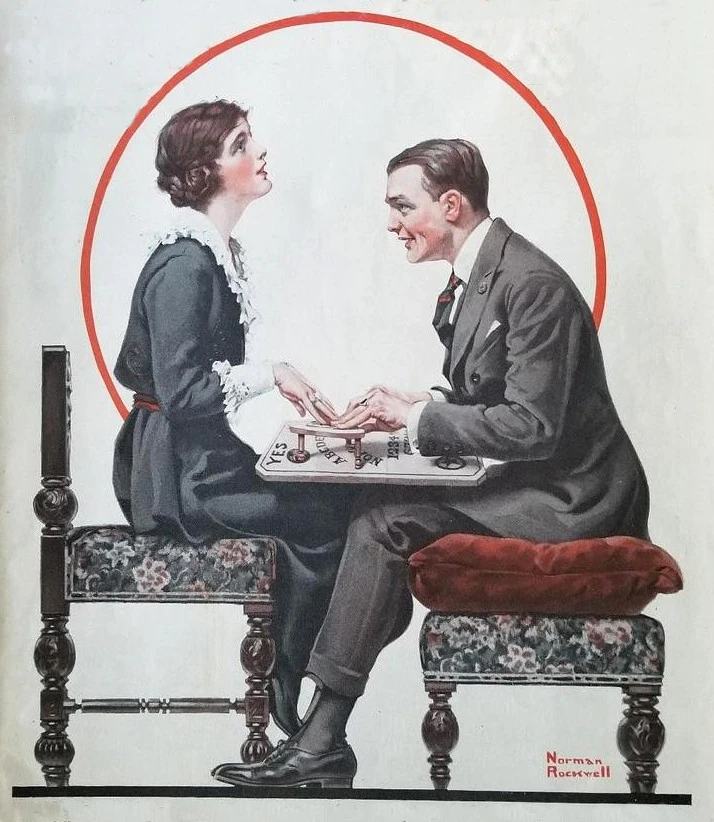
Norman Rockwell's 1920 illustration of a couple using an Ouija board

Ouija board

The patented talking-board game, its pointer and commercial history, and research on ideomotor movement and implicit memory.

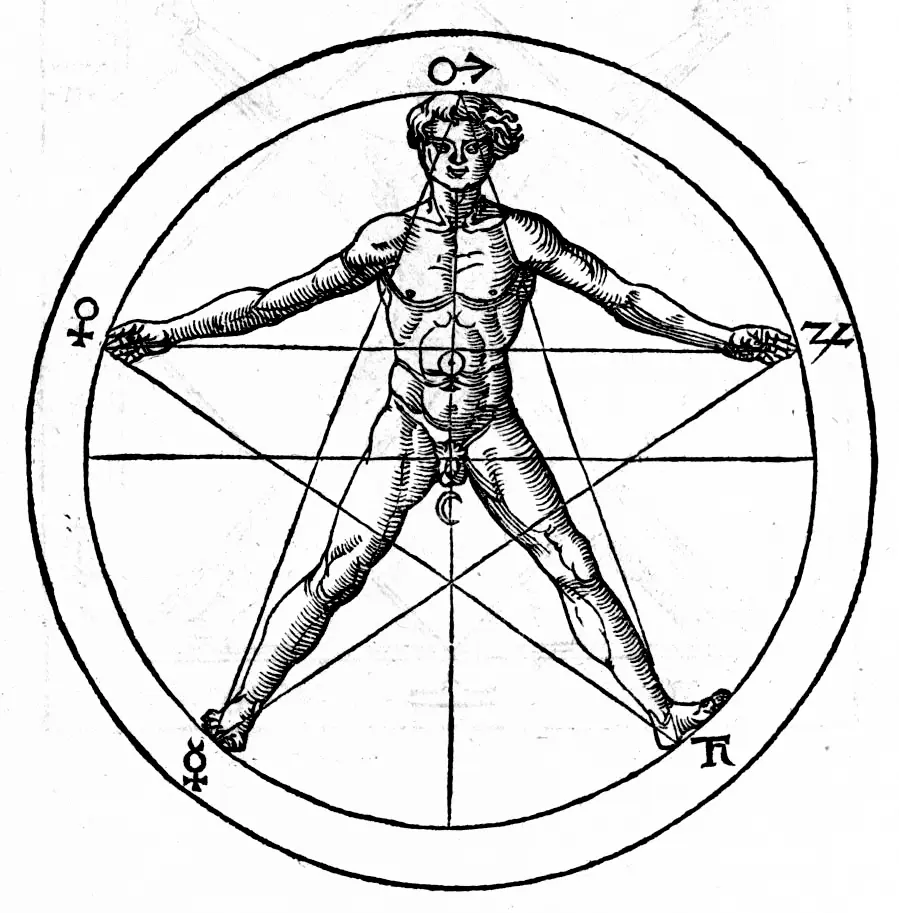
A human figure arranged within a pentagram in a historical occult diagram

Pentagram

A pentagram is a five-pointed star figure used in different religious and esoteric settings. Orientation and surrounding imagery matter, but do not establish one universal meaning.

Sources & spirits

Texts, demonology & study

Browse sources →
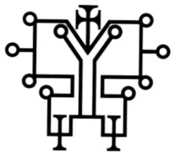
Historical Goetic seal of Orias
Demonology & Spirits

Orias

A mounted Goetic marquis whose office includes the stars, planetary mansions, and social dignities.

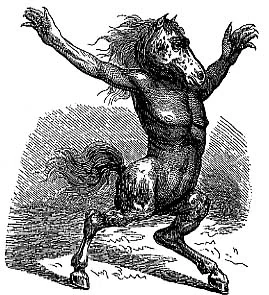
Orobas, a historical illustration from the Dictionnaire Infernal
Demonology & Spirits

Orobas

A Goetic prince portrayed as a horse and then a human, noted for the fidelity attributed to him.

Church desk

High Satanic Church

Church coverage →
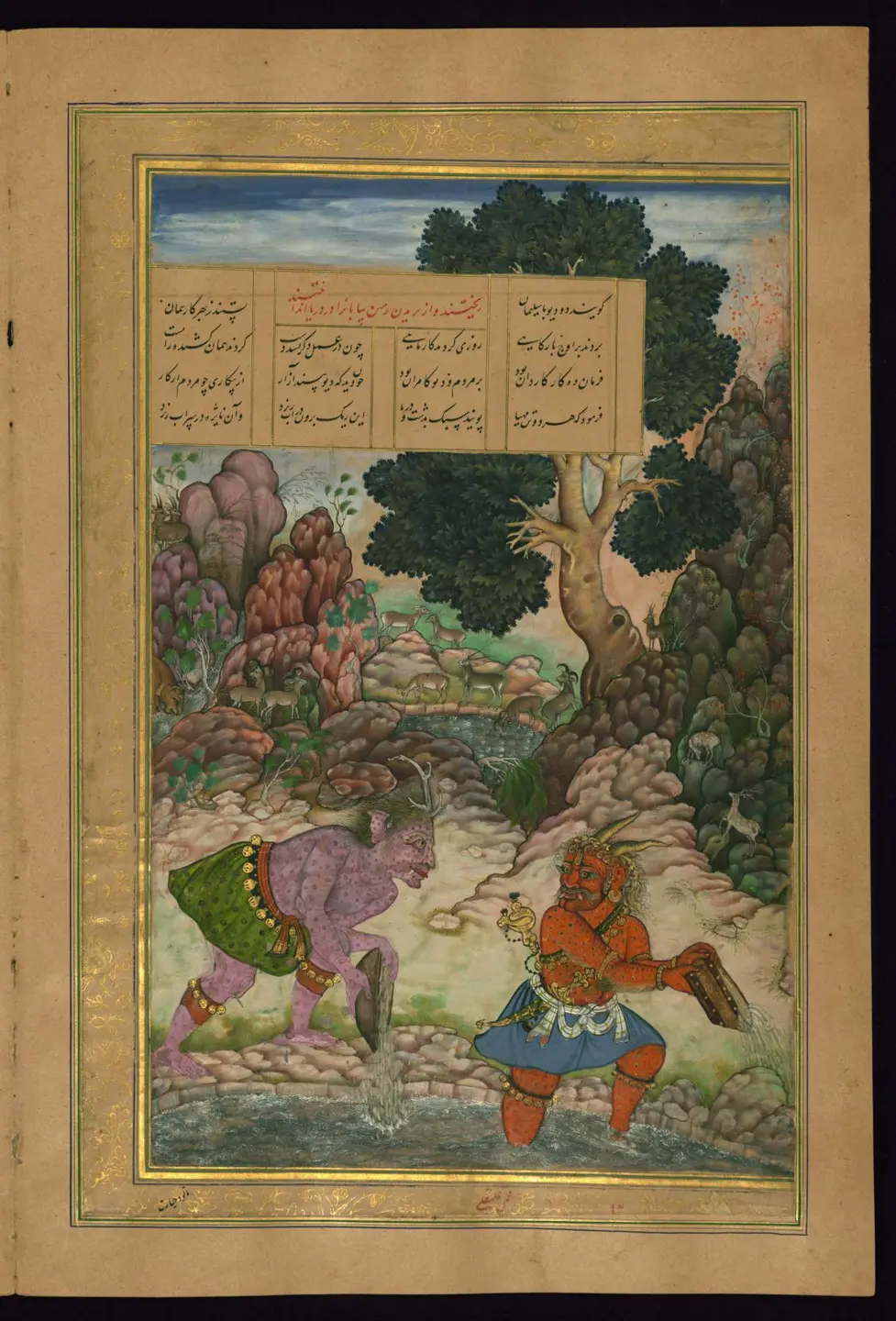
A manuscript illustration of Solomon and two demons, a comparison from another literary traditionContinue exploringTestament of SolomonThe Testament of Solomon is a pseudepigraphal religious narrative in which Solomon questions and commands spirits. It differs from later procedural Solomonic grimoires.