Belief

Theology & Cosmology

Ideas about Satan, Lucifer, divinity, spirits, cosmology, evil, liberation, devotion, and religious interpretation.

15 published articlesAll topics →
Illustration for Fallen angelsFeatured from this topicFallen angels
Directory →
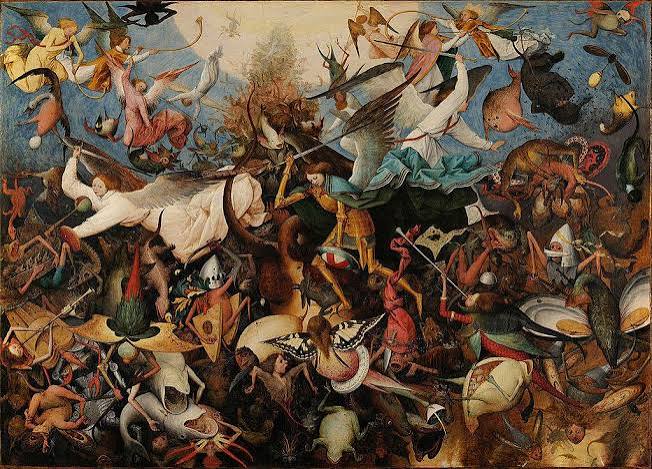
Illustration for Fallen angels
Updated 2026-10-17

Fallen angels

Fallen angels are heavenly beings portrayed as losing their place or proper condition through transgression. Enochic descent, Satan’s refusal to honor Adam, and the war in Revelation are distinct accounts that later interpretation can bring together.
Read →
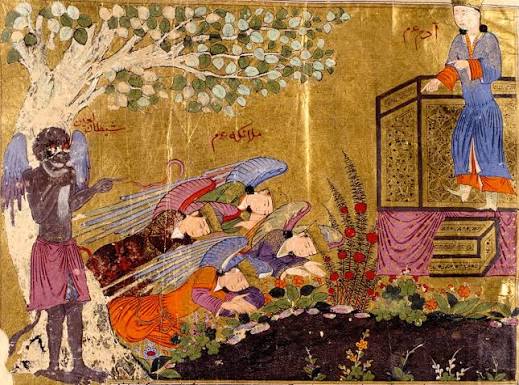
Illustration for Iblis
Updated 2026-10-08

Iblis

Iblis is the figure who refuses God’s command to bow to Adam in the Qur’an. Islamic commentary and Sufi literature explore his pride, his relationship to the jinn, his role as a tempter, and the meaning of his disobedience.

Read →
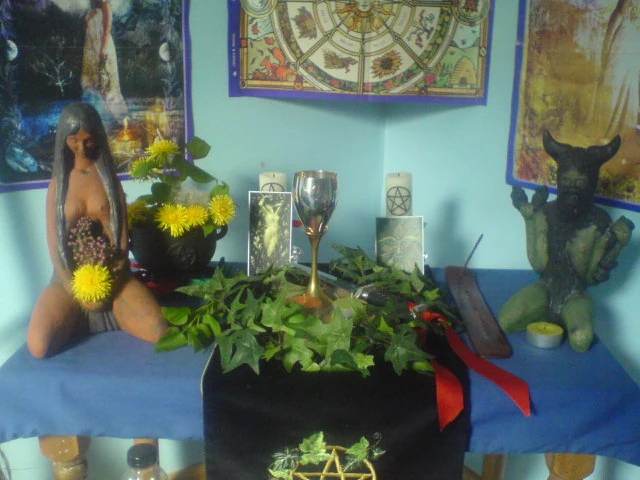
A photographed Wiccan altar prepared for Beltane in Wales
Updated 2026-10-01

Wicca

Modern Pagan religious witchcraft, its Gardnerian and Alexandrian traditions, ritual practice, and relationship to Satanism.

Read →
Three women in Druid robes at Stonehenge on the morning of the summer solstice
Updated 2026-10-01

Modern Paganism

An introduction to contemporary Pagan traditions, including Wicca, Druidry, and Heathenry, and their different uses of older sources.

Read →
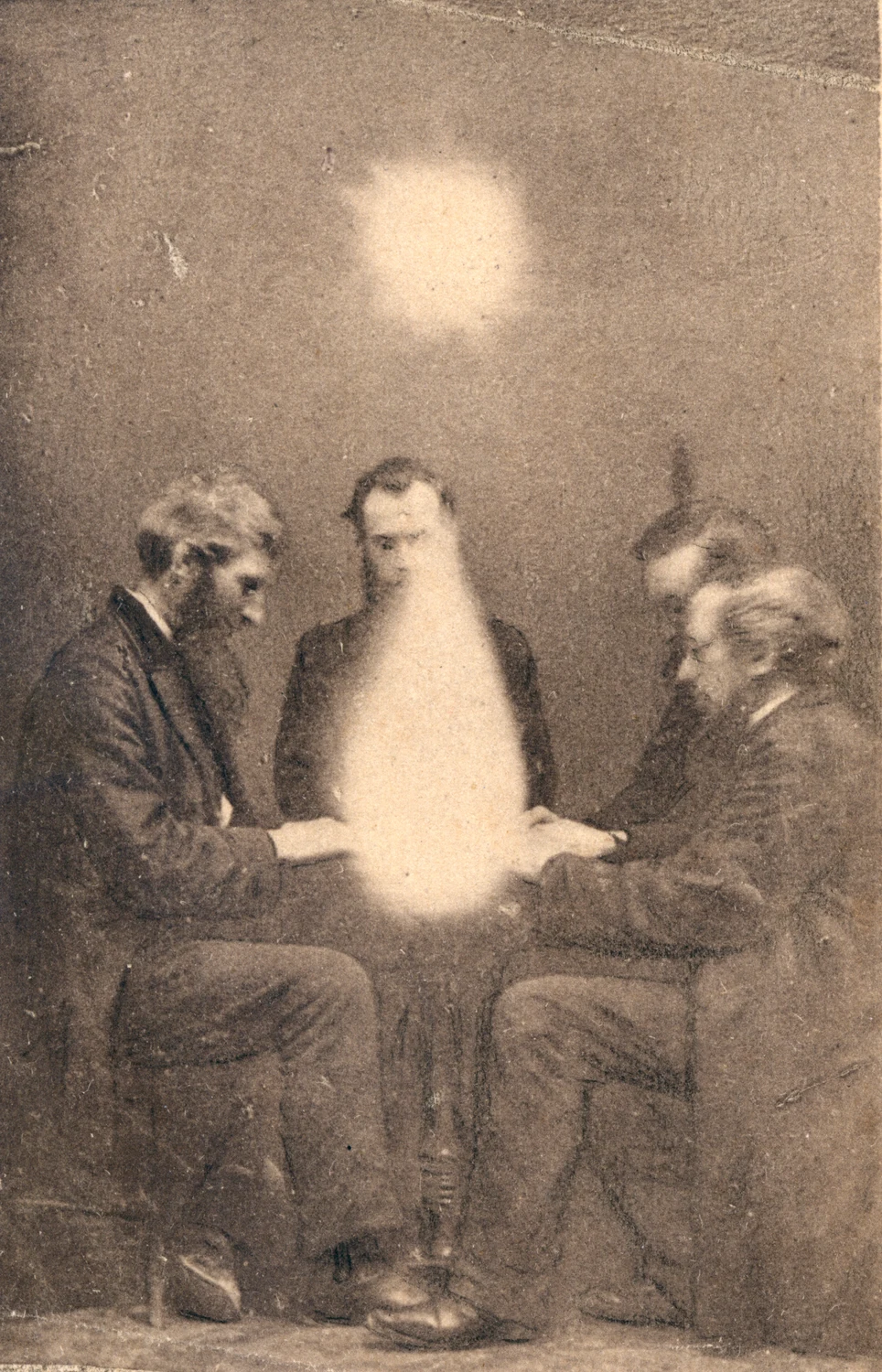
John Beattie's 1872 séance photograph from Bristol, showing an image presented as a spirit manifestation
Updated 2026-10-01

Spiritualism

A religious movement centered on mediumship and continued personal identity after death, with church teachings and spirit photography.

Read →
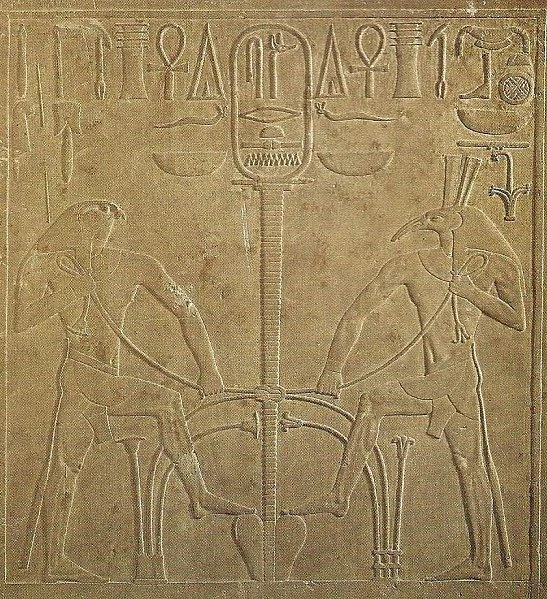
Egyptian relief depicting Seth and Horus in the unification of the Two Lands
Updated 2026-10-01

Setianism

The religious philosophy associated with the Temple of Set, the Egyptian name Set, and the idea of Xeper.

Read →
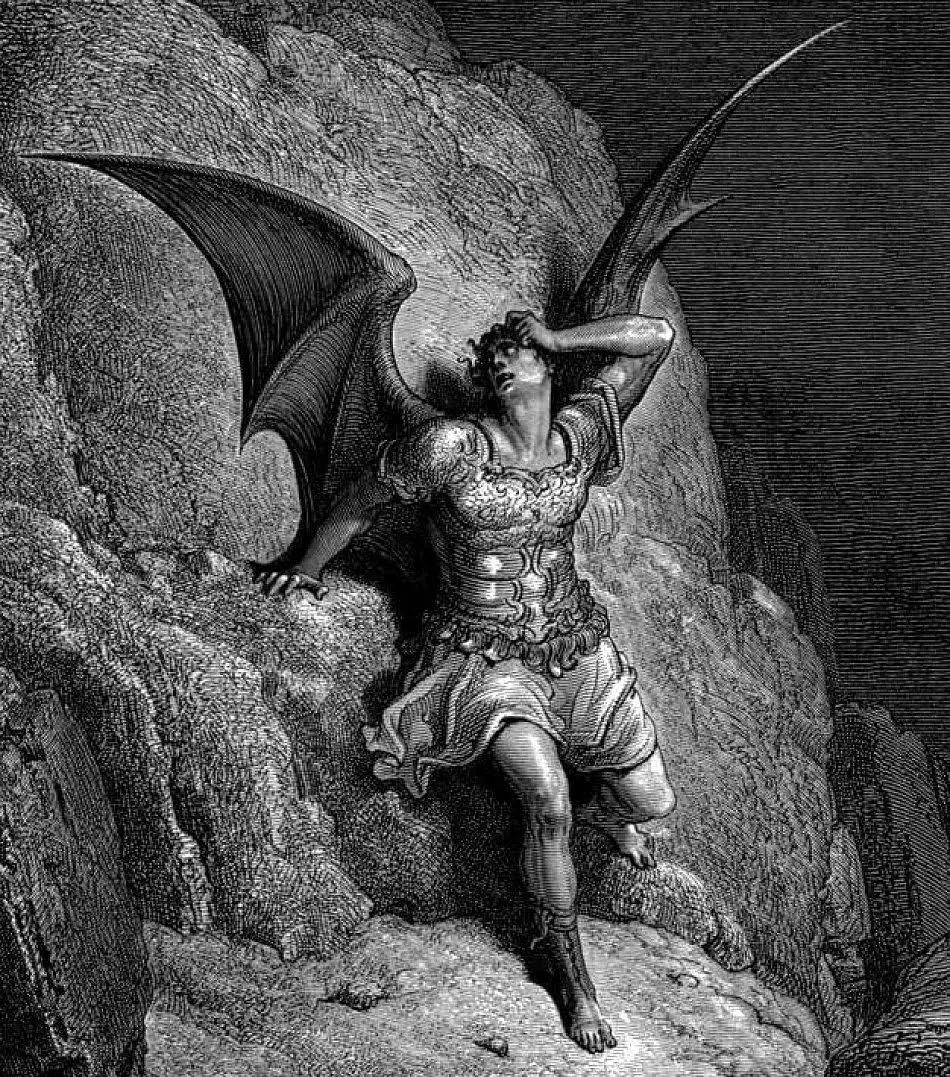
Gustave Doré’s 1866 engraving of Satan from Paradise Lost
Updated 2026-10-01

Satan

Satan is a figure whose meaning has changed substantially across Jewish, Christian, Islamic, literary, esoteric, and modern Satanic contexts. In contemporary theistic Satanism, Satan may be understood as a real deity, spirit, adversary, initiator, or metaphysical intelligence. Those modern interpretations draw on, but are not identical with, the much older history of the word and character.

Read →
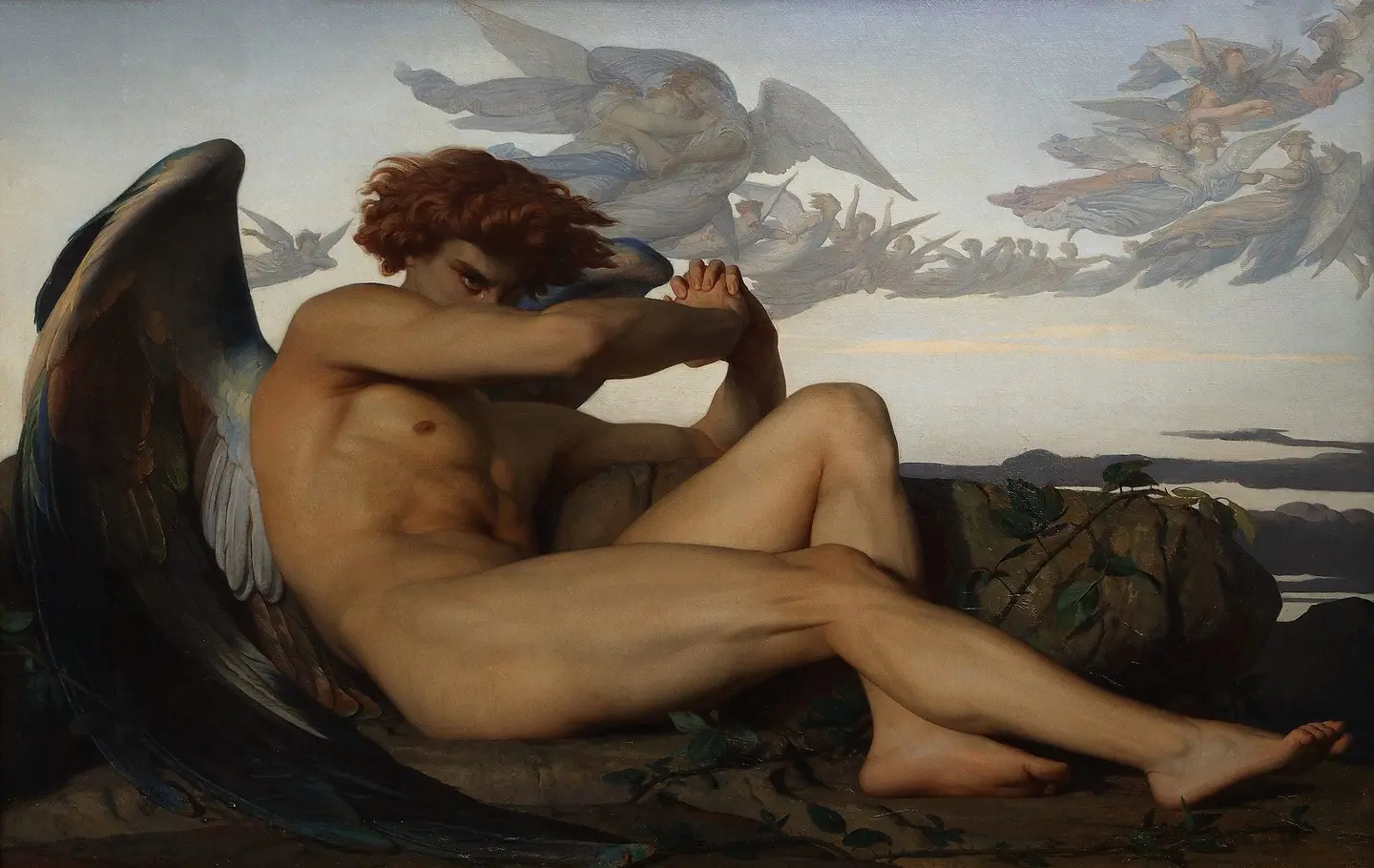
Alexandre Cabanel’s 1847 painting The Fallen Angel
Updated 2026-10-01

Lucifer

Lucifer is a name whose religious meaning developed from an ancient expression for the morning star into one of the best-known names associated with the Devil, fallen angels, occult illumination, and modern Luciferian religion. The word itself is Latin: lūcifer means “light-bringer” or “light-bearer” and was used for the planet Venus when it appeared before sunrise. The later equation “Lucifer = Satan”…

Read →
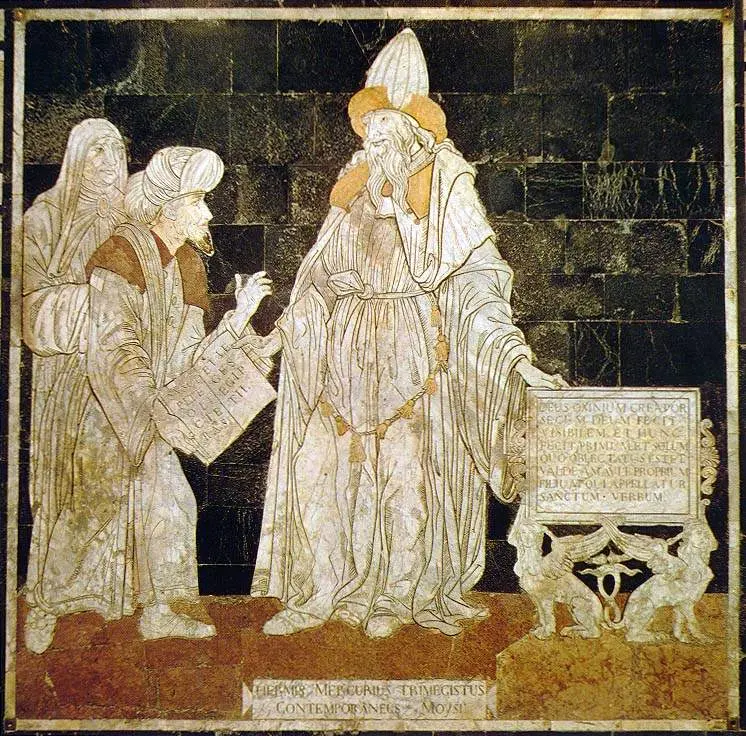
A Renaissance floor inlay depicting Hermes Trismegistus
Updated 2026-10-01

Hermeticism

Hermeticism names several related traditions associated with Hermes Trismegistus. Philosophical dialogues, alchemical texts, and later occult systems require separate historical treatment.

Read →
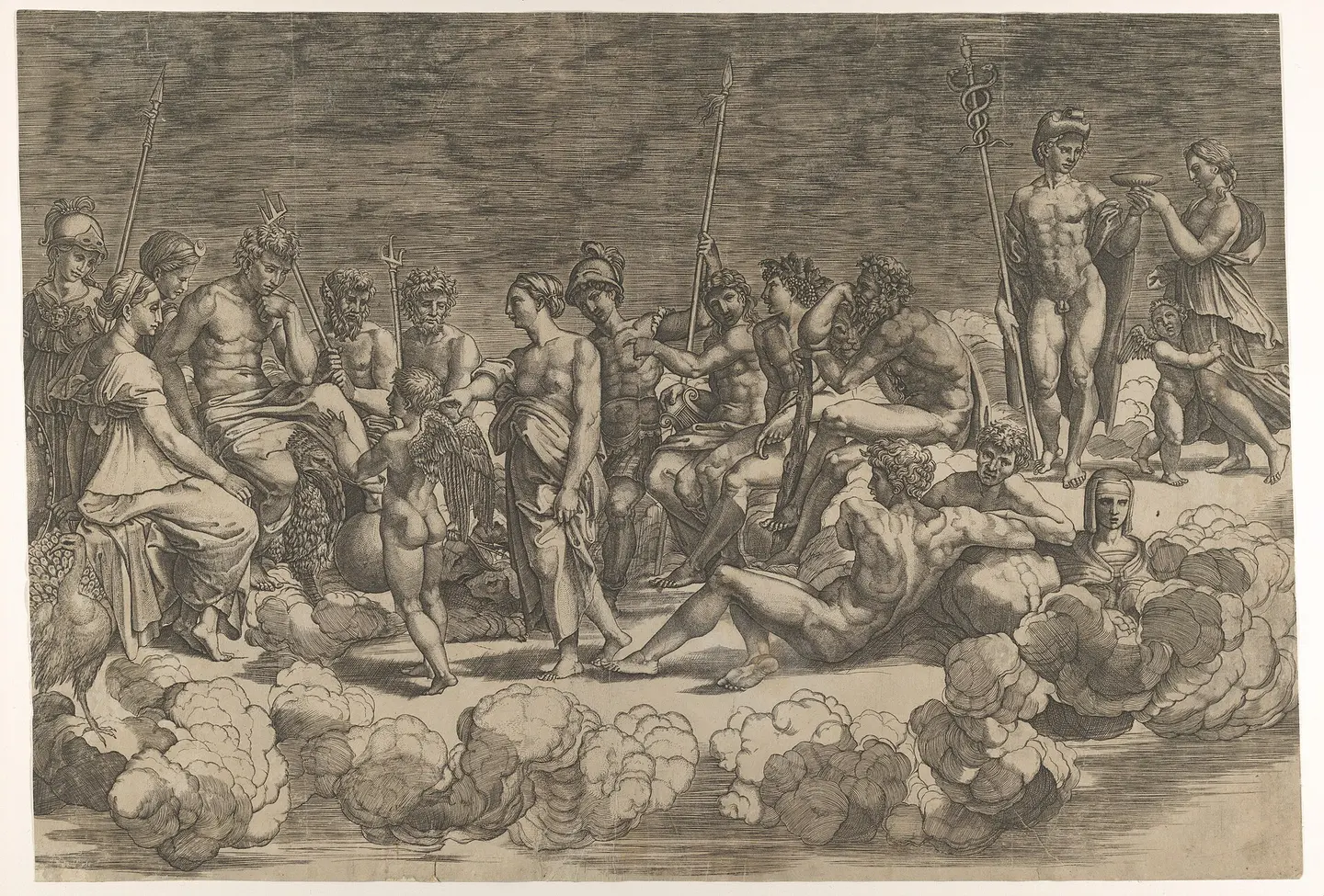
An assembly of classical gods in a print after Raphael
Updated 2026-10-01

Polytheism

Polytheism involves belief in multiple deities. The existence of several gods does not by itself settle their relationships, moral authority, or the forms of devotion directed toward them.

Read →
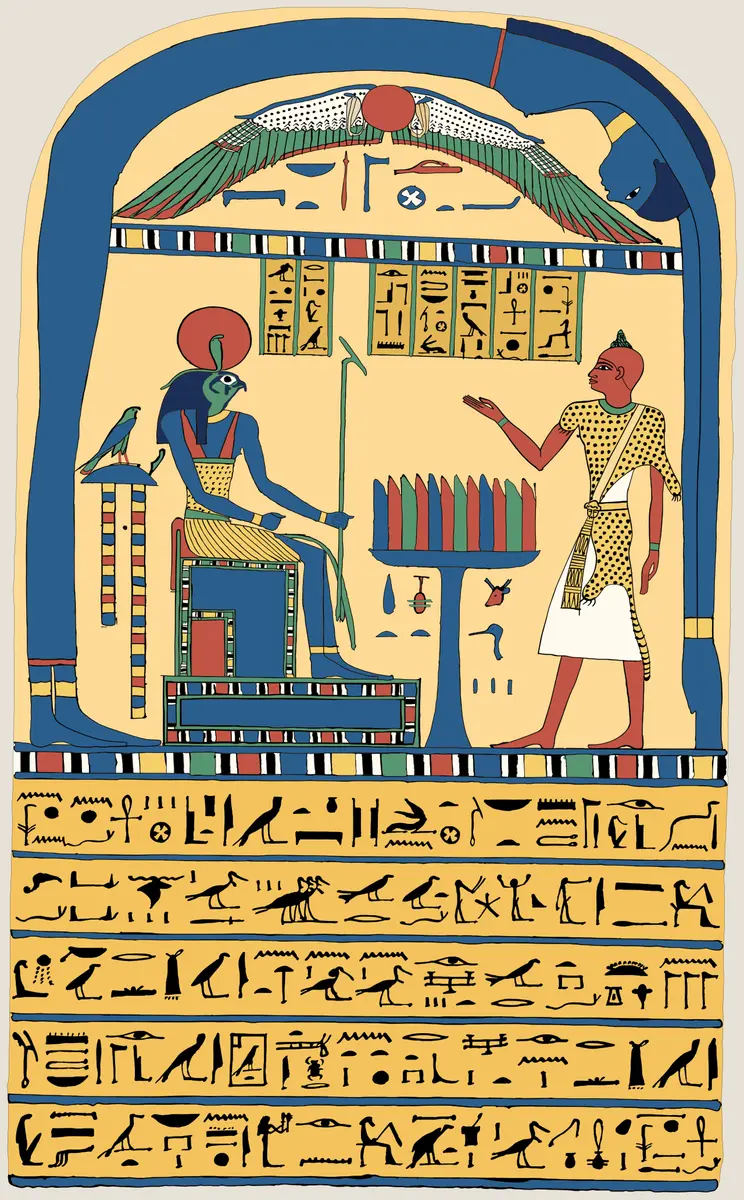
A modern vector rendering of the Stele of Ankh-ef-en-Khonsu, significant in Thelemic symbolism
Updated 2026-10-01

Thelema

The religious and philosophical tradition associated with Aleister Crowley and The Book of the Law.

Read →
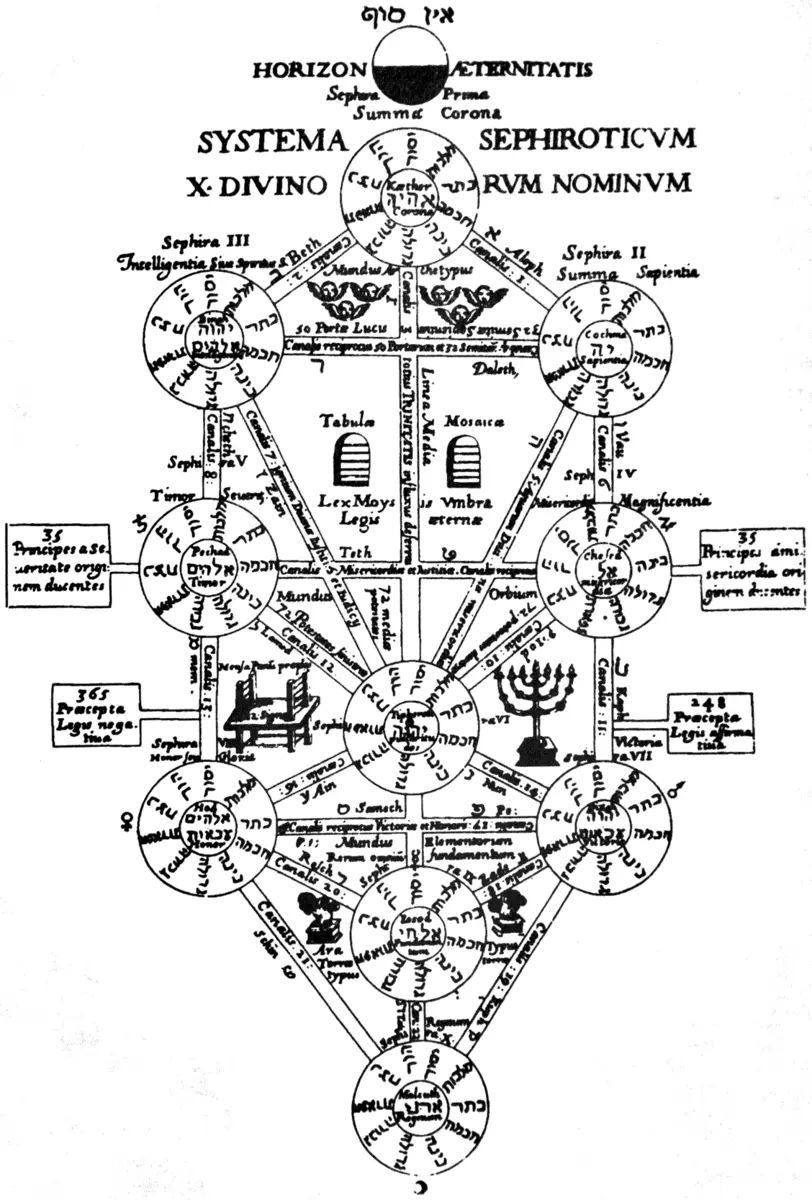
A historical Tree of Life diagram associated with Athanasius Kircher
Updated 2026-10-01

Hermetic Qabalah

Western esoteric systems that adapt Kabbalistic ideas through ritual, correspondence tables, and symbolic interpretation.

Read →
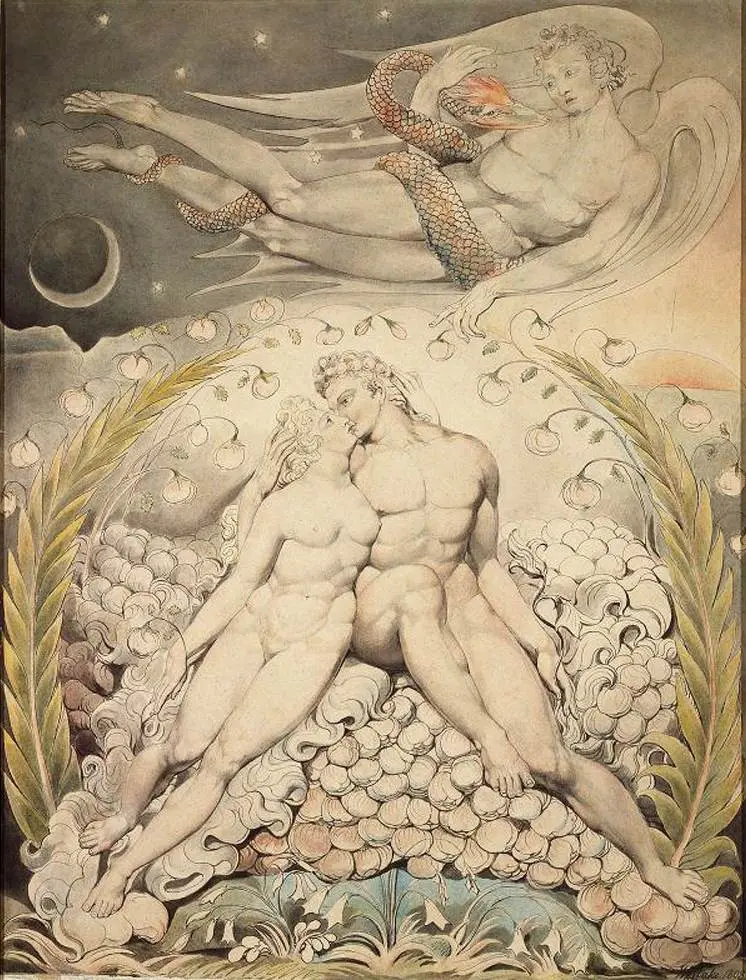
William Blake’s Satan Watching the Caresses of Adam and Eve
Updated 2026-10-01

Religious Satanism

Religions that give Satan a central symbolic or divine role, with substantial differences in belief and practice.

Read →
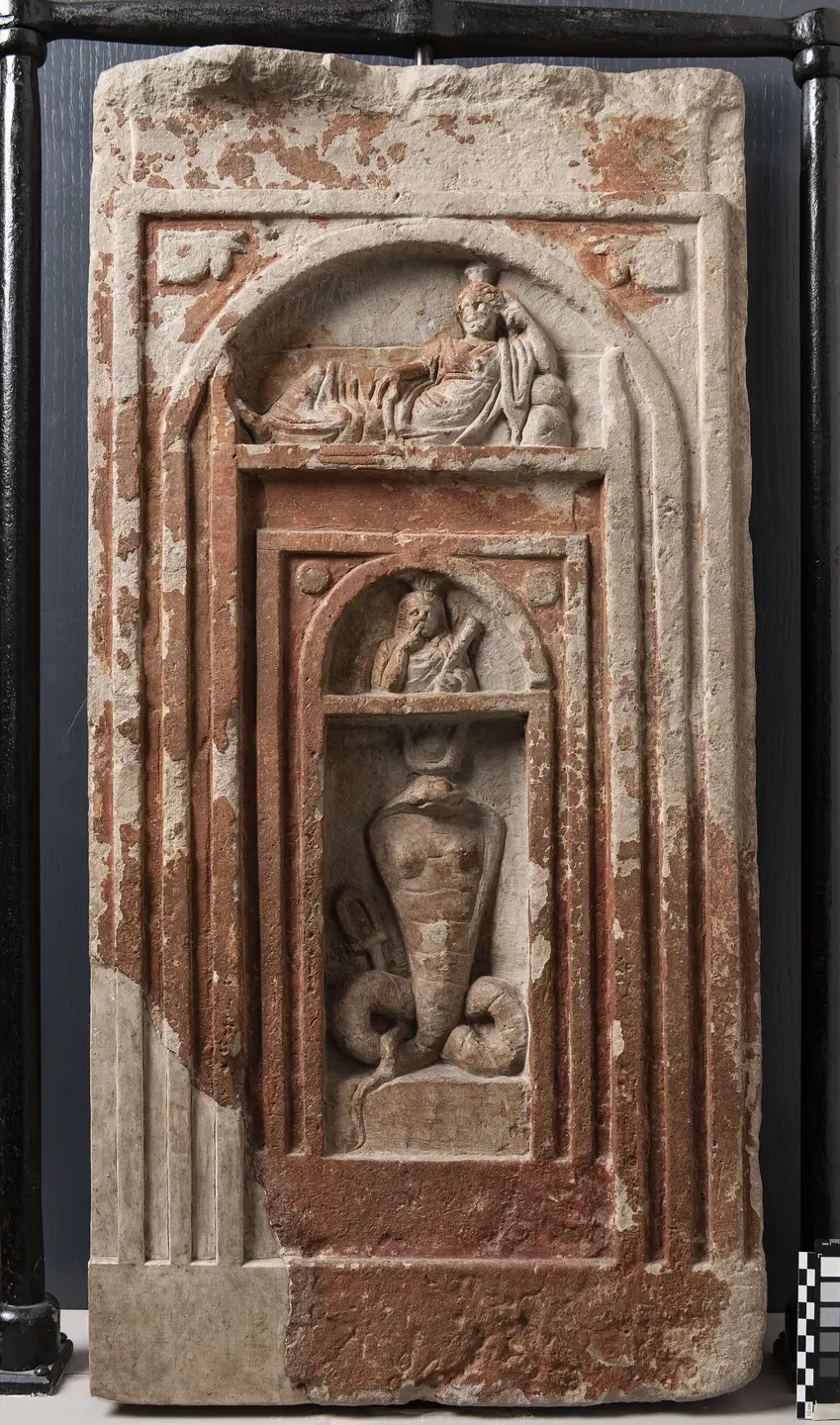
A historical stele depicting Serapis, Isis, and Harpocrates
Updated 2026-10-01

Religious syncretism

Religious syncretism concerns the combination of ideas, figures, and practices from different traditions. Similarity of names or imagery alone does not establish identity or historical continuity.

Read →