Search

Results for “popular culture”

42 resultsResults prioritize title matches, then summaries and article text.Try topic browsing →
History

The Devil

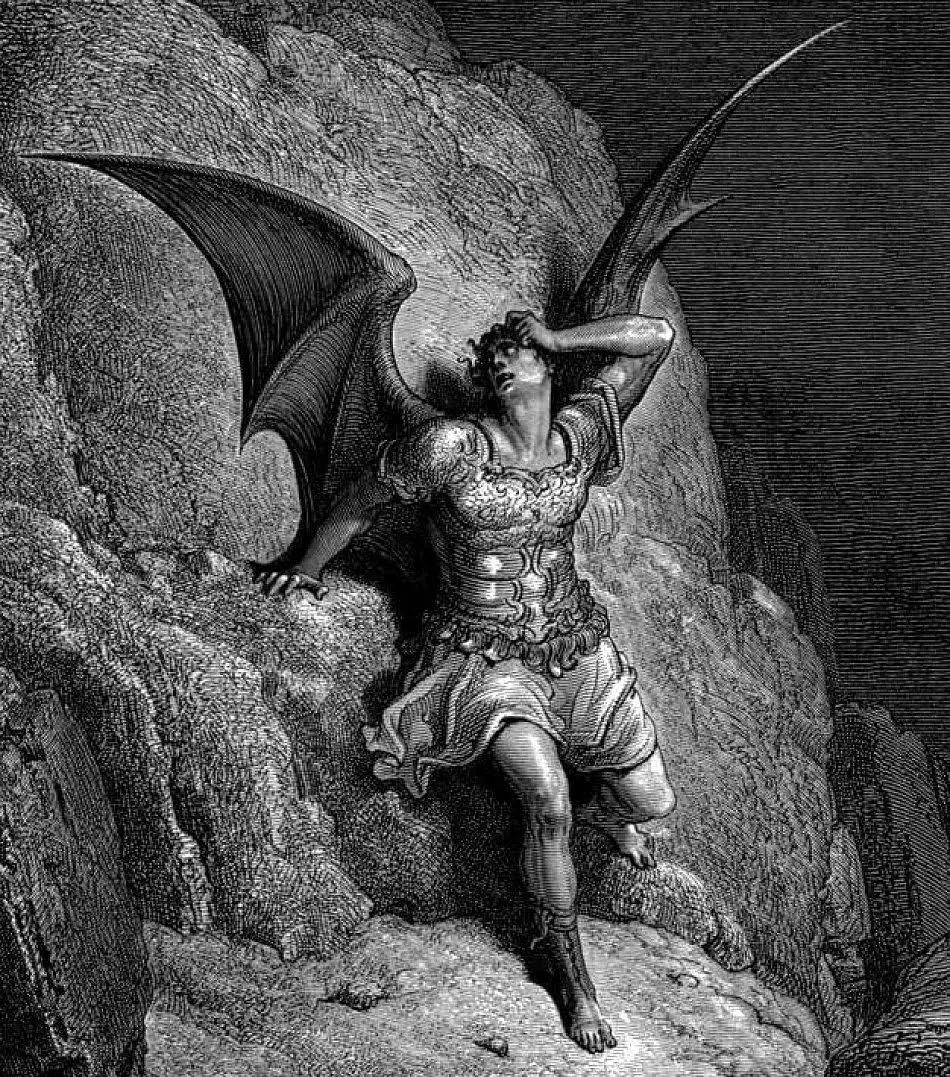
The Devil is the principal personification of evil in much of Christian tradition and a major source for later Western images of Satan. The term is not identical with every historical use of Satan, nor does it describe one unchanging character across the Bible, theology, folklore, literature, art, and modern religion. In contemporary speech “the Devil” often functions as a proper name for Satan, but…
Texts & Sources

Ars Goetia

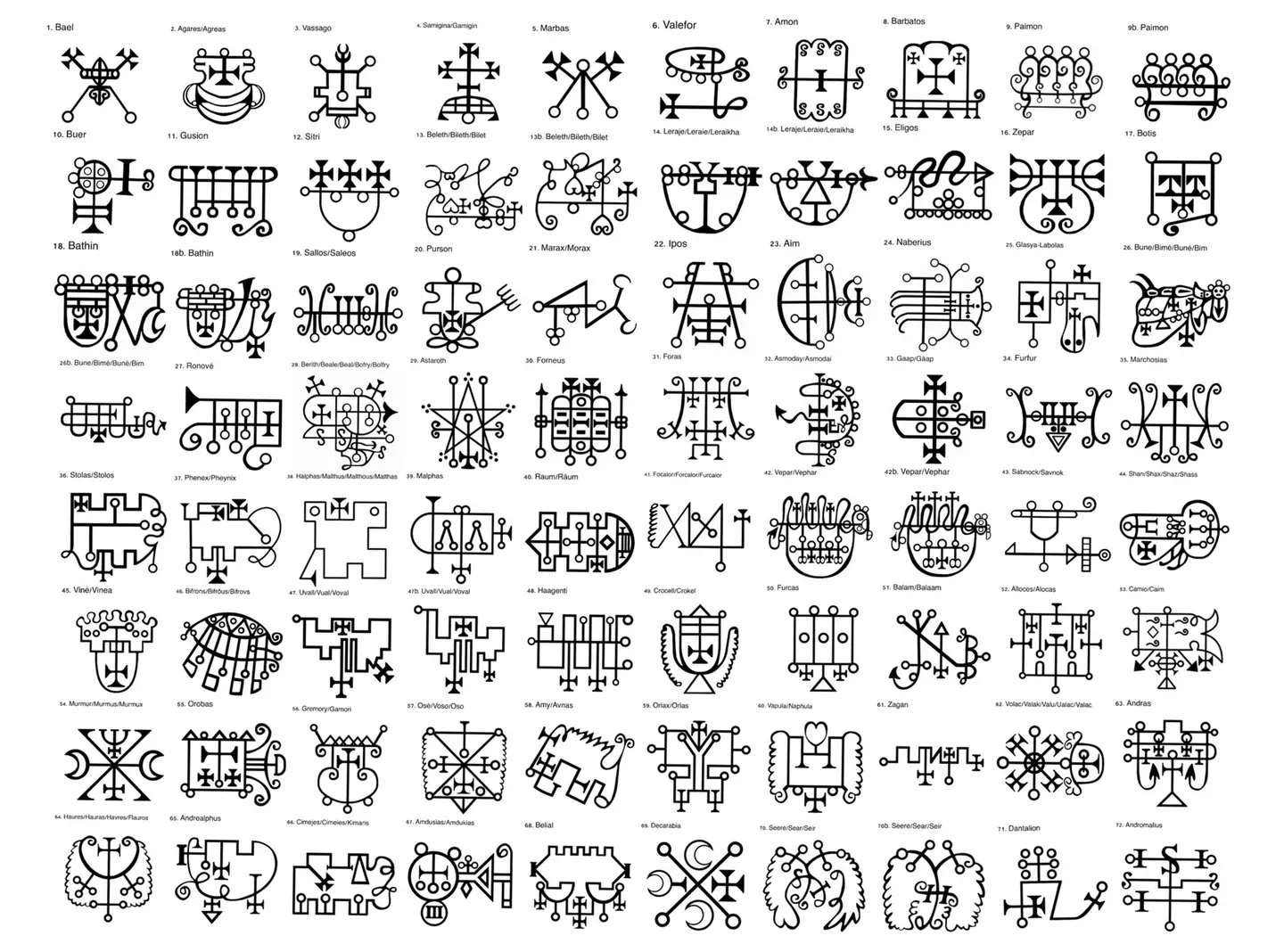
The Ars Goetia is the first section of the Lemegeton or Lesser Key of Solomon, an early modern English compilation of ceremonial magic. It is famous for a catalogue of seventy-two spirits, each described by name, rank, appearance, abilities, and a seal or character. In modern occultism the term “Goetia” is often used loosely for demon-summoning or work with these spirits, but historically the Ars Goetia…

Culture & Ethics

Left-hand path

The left-hand path is a modern esoteric category used for religious and magical currents that emphasize themes such as individual self-direction, antinomianism, self-deification, initiatory transformation, or deliberate engagement with symbols rejected by dominant religious culture. It overlaps with some forms of Satanism, Luciferianism, Setianism, and modern occultism, but the terms are not synonymous.

Demonology & Spirits

Demonology

Demonology is the study, classification, and interpretation of demons and related spirits. In Western religious history it has included theological arguments about the nature and powers of demons, lists of named spirits, explanations of possession and temptation, magical techniques for summoning or constraining spirits, and folklore about dangerous supernatural beings. Modern theistic Satanists and…

Culture & Ethics

Ouija board

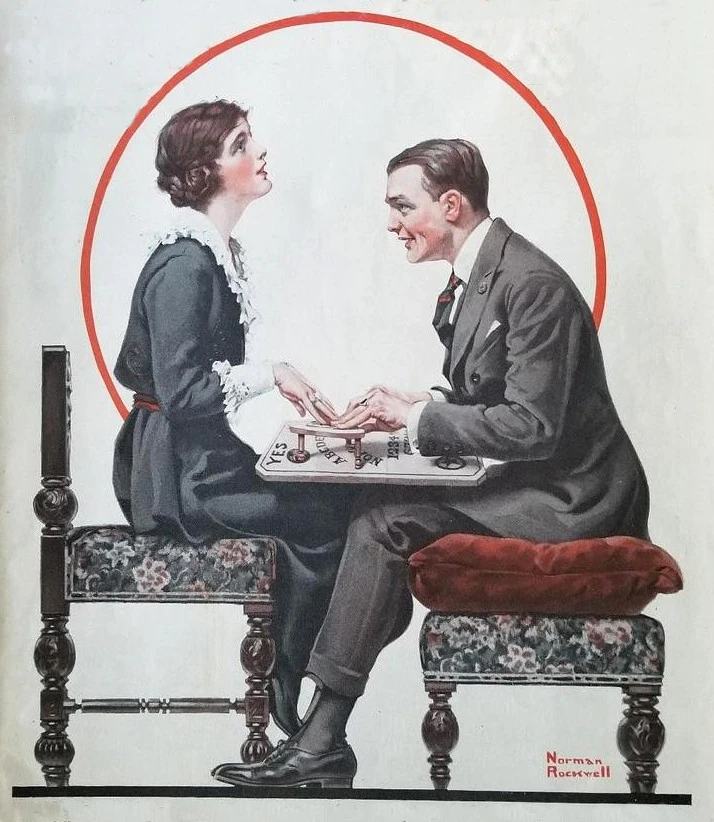
The patented talking-board game, its pointer and commercial history, and research on ideomotor movement and implicit memory.

Theology & Cosmology

Satan

Satan is a figure whose meaning has changed substantially across Jewish, Christian, Islamic, literary, esoteric, and modern Satanic contexts. In contemporary theistic Satanism, Satan may be understood as a real deity, spirit, adversary, initiator, or metaphysical intelligence. Those modern interpretations draw on, but are not identical with, the much older history of the word and character.

Culture & Ethics

Halloween

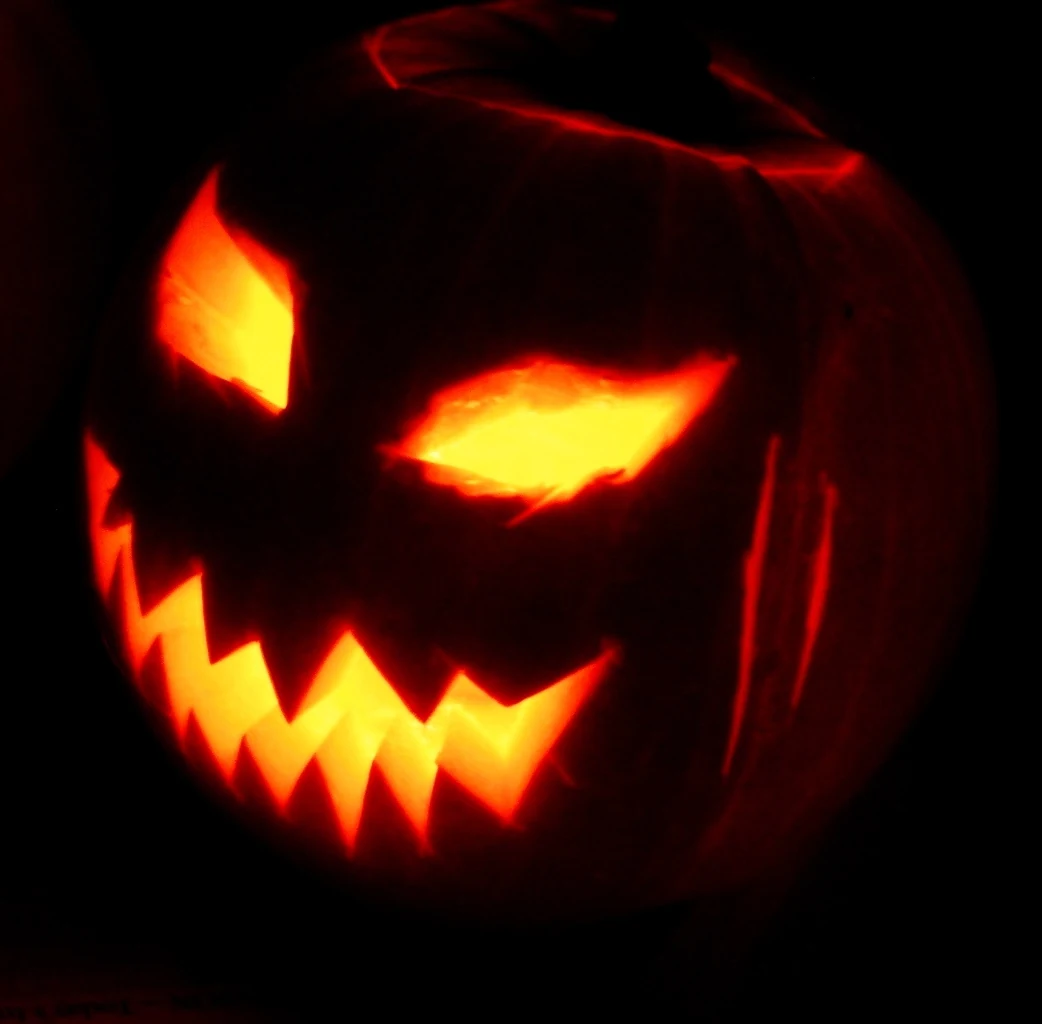
The public holiday of 31 October, including lanterns, visiting customs, disguise, and its Celtic and Christian histories.

Devotional Practice

Altar

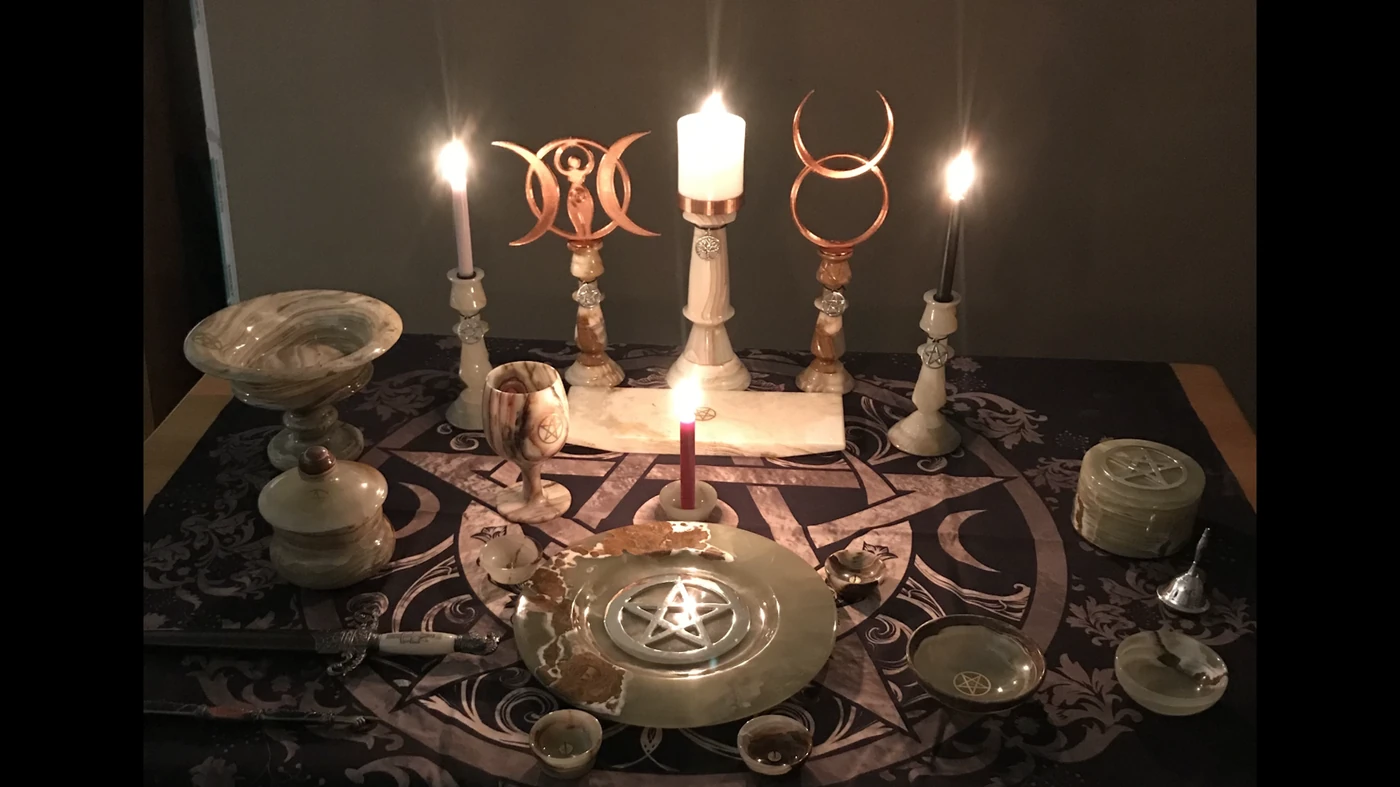
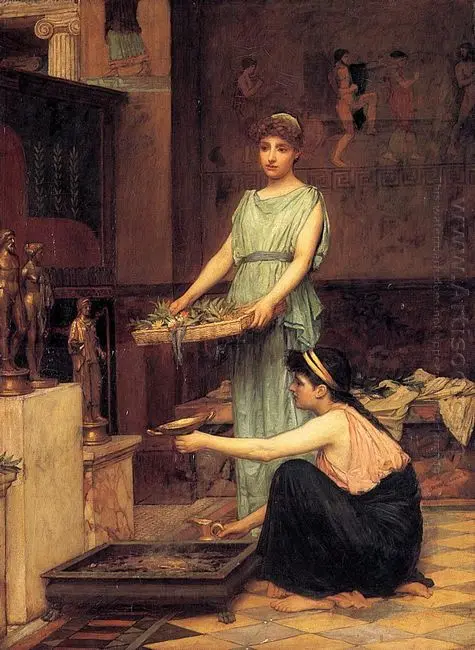
An altar is a designated place or surface used for religious devotion, ritual, offerings, sacred objects, or symbolic focus. Altars occur in many religious traditions, but their forms and meanings vary widely. In modern theistic Satanism an altar may function as a place for Prayer, Ritual, Offerings, meditation, spirit work, or the display of symbols connected with Satan and other beings.

History

Occultism and Western esotericism

Occultism and Western esotericism provide an important historical and intellectual background for many forms of modern Satanism, but neither term is a synonym for Satanism. Western esotericism is an academic field encompassing currents such as Renaissance Hermetism, alchemy, astrology, Christian theosophy, Kabbalistic reception, Rosicrucianism, ceremonial magic, spiritualism, occultism, and later…

History

Witchcraft

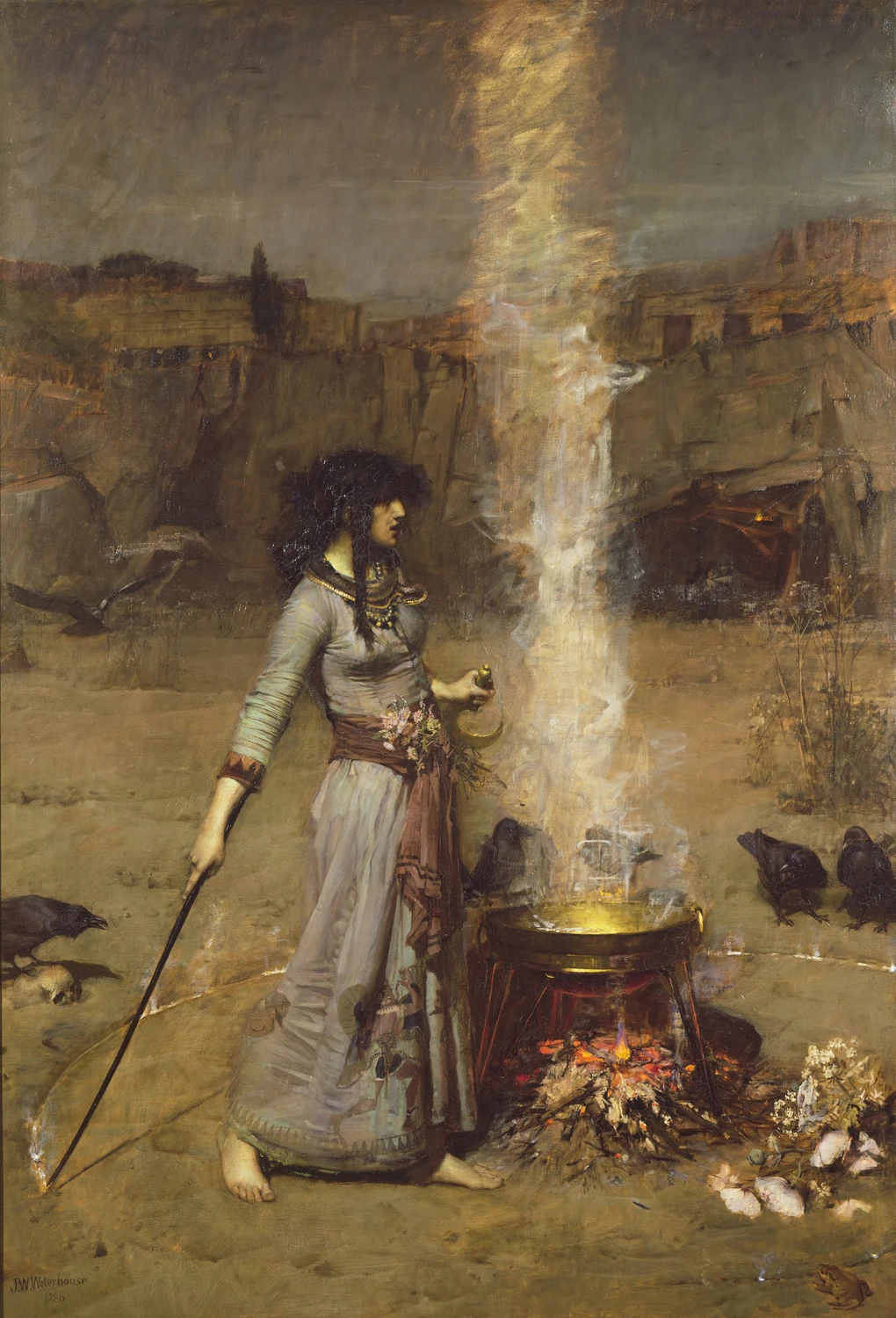
How witchcraft has meant an accusation, a magical practice, and a modern identity, with examples from museums and trial records.

Culture & Ethics

Satanism and heavy metal

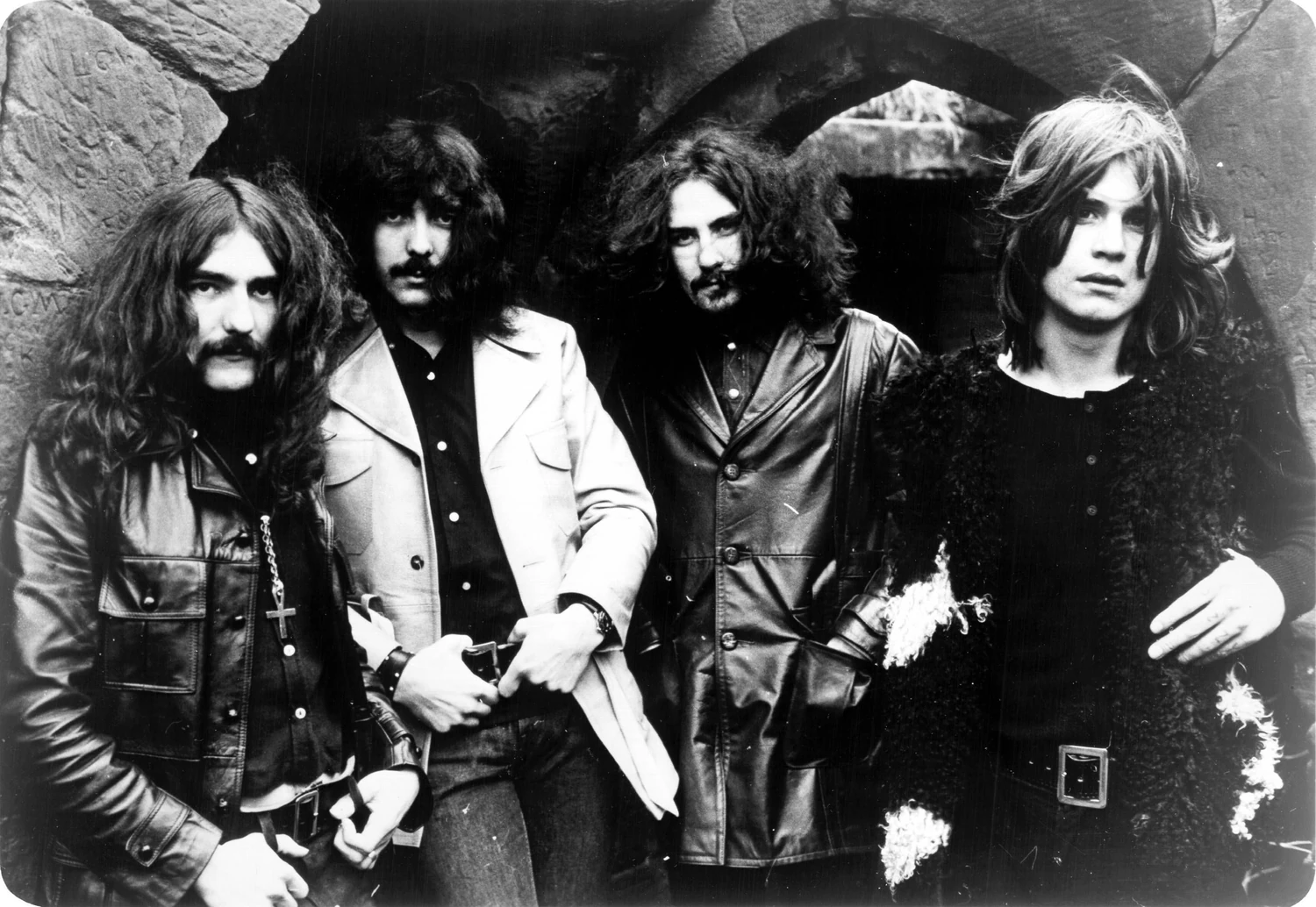
How Black Sabbath and Venom used dark or Satanic imagery, and why a song, stage character, and religious affiliation are different evidence.

Texts & Sources

The Satanic Rituals

Anton LaVey’s collection of ceremonial material, published as a companion to The Satanic Bible.

Texts & Sources

Grimoires

A grimoire is a book or manuscript containing magical knowledge, ritual procedures, charms, conjurations, talismans, spirit catalogues, astrological instructions, prayers, or other techniques intended to produce supernatural or occult effects. The term is most strongly associated with European magic, but scholars use it within a much wider history of magical books and written ritual technologies.

Culture & Ethics

Ethics in theistic Satanism

Ethics in theistic Satanism concerns the moral principles, responsibilities, virtues, prohibitions, and methods of judgement developed by Satanists who regard Satan or related beings as real rather than purely symbolic. There is no universal Satanic ethical code. Theistic Satanism is decentralized, and its practitioners may draw on personal conscience, religious devotion, philosophical individualism,…

Culture & Ethics

Satanic symbolism

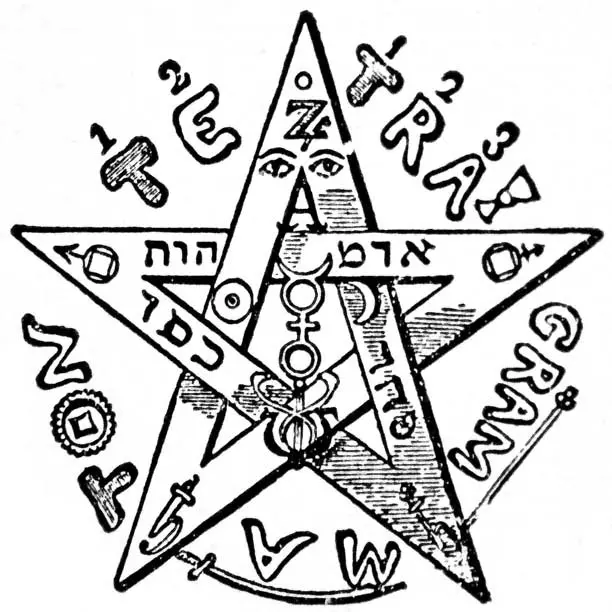
The images, names, and gestures used by Satanic traditions, whose meanings depend on their religious and historical setting.

Devotional Practice

Offerings

Offerings are objects, substances, actions, or works intentionally presented to a deity, spirit, sacred power, or religious community. Across religious history offerings have included food, drink, incense, flowers, animal sacrifice, money, vows, music, labor, art, and acts of service. In theistic Satanism, offerings are commonly used to express devotion, gratitude, hospitality, dedication, or…

Demonology & Spirits

Paimon

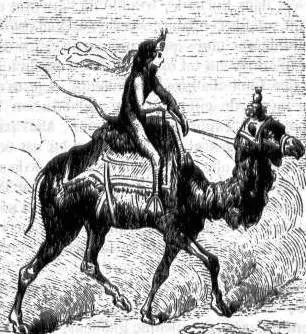
Paimon is a royal spirit described in the Ars Goetia and related literature. Musical procession and the teaching of knowledge are important elements of his received image.

Culture & Ethics

Faust

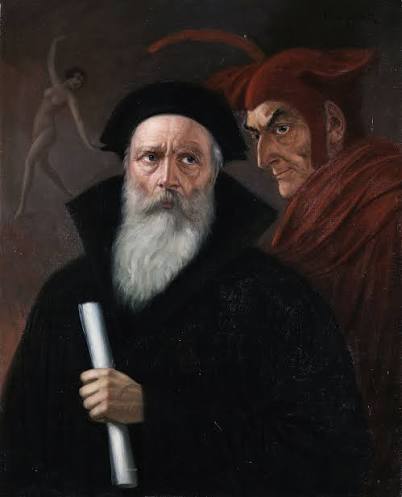
Faust is the scholar or magician at the center of a European legend about bargaining with the Devil. The 1587 Faust book, Marlowe’s Doctor Faustus, and Goethe’s Faust give the story different treatments of knowledge, desire, damnation, and human striving.

Culture & Ethics

The Devil (tarot card)

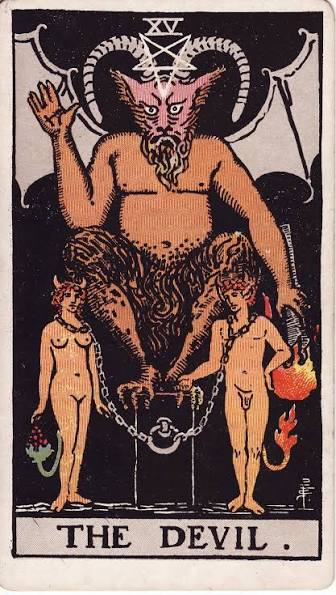
The Devil is a tarot trump commonly numbered XV. Its imagery and interpretation vary between decks and writers. Waite and Papus connect it with material constraint, fatality, and occult forces, while tarot’s history begins in the world of playing cards.

Theology & Cosmology

Modern Paganism

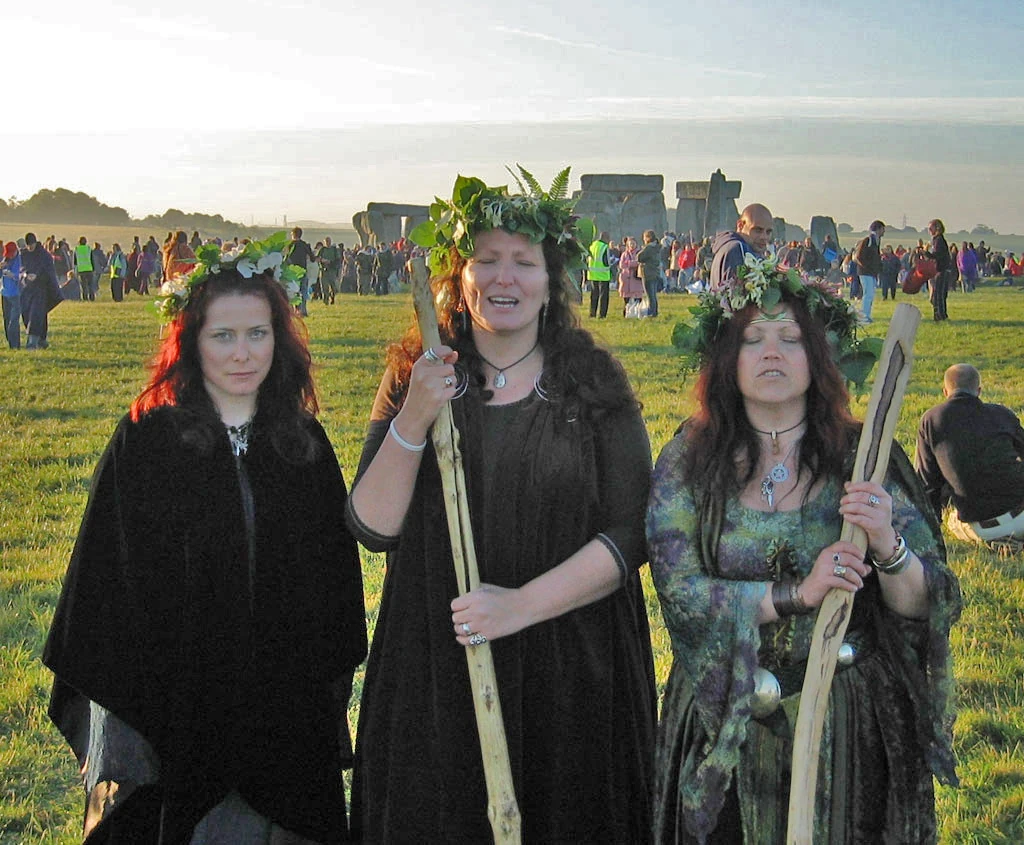
An introduction to contemporary Pagan traditions, including Wicca, Druidry, and Heathenry, and their different uses of older sources.