Culture & Ethics
Pentagram
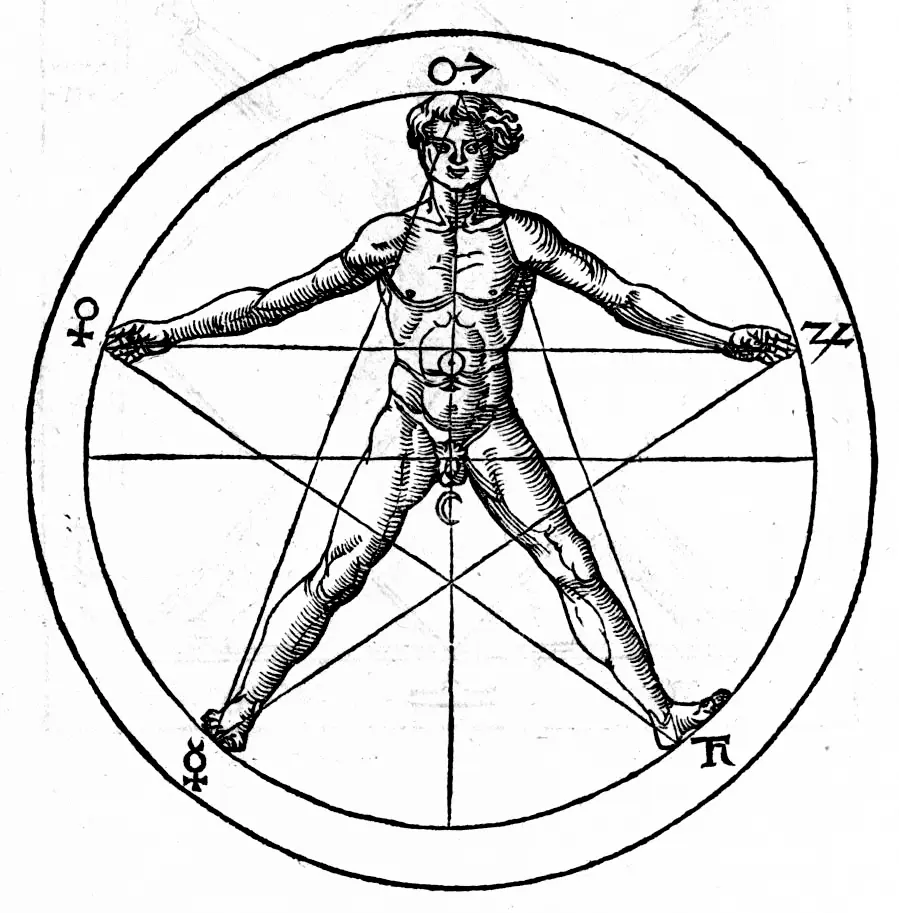
A pentagram is a five-pointed star figure used in different religious and esoteric settings. Orientation and surrounding imagery matter, but do not establish one universal meaning.
A pentagram is a five-pointed star figure used in different religious and esoteric settings. Orientation and surrounding imagery matter, but do not establish one universal meaning.
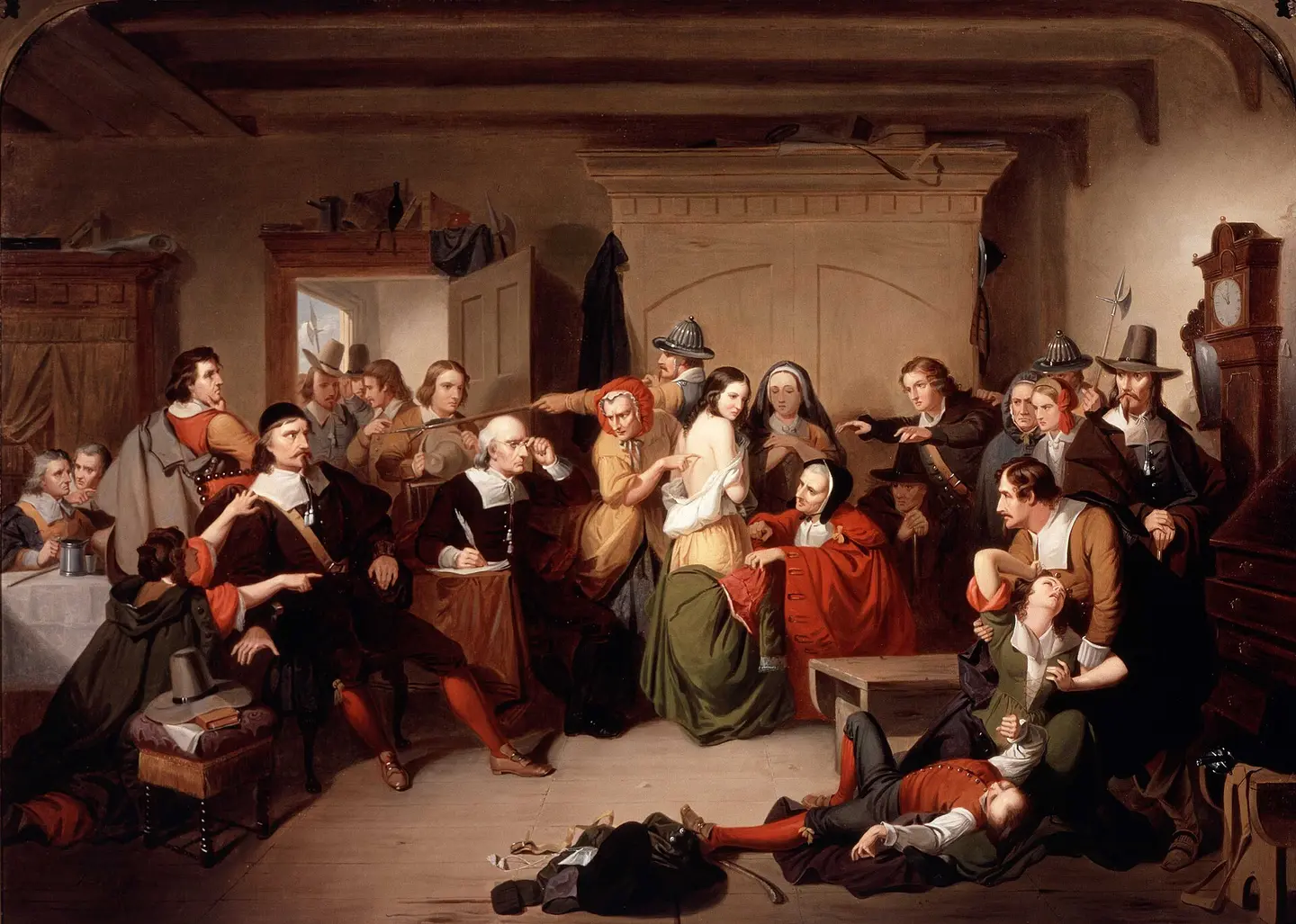
Witch trials produced records of accusations about harmful magic and the Devil. Those records require attention to how testimony was obtained and to the purposes of judges and writers.
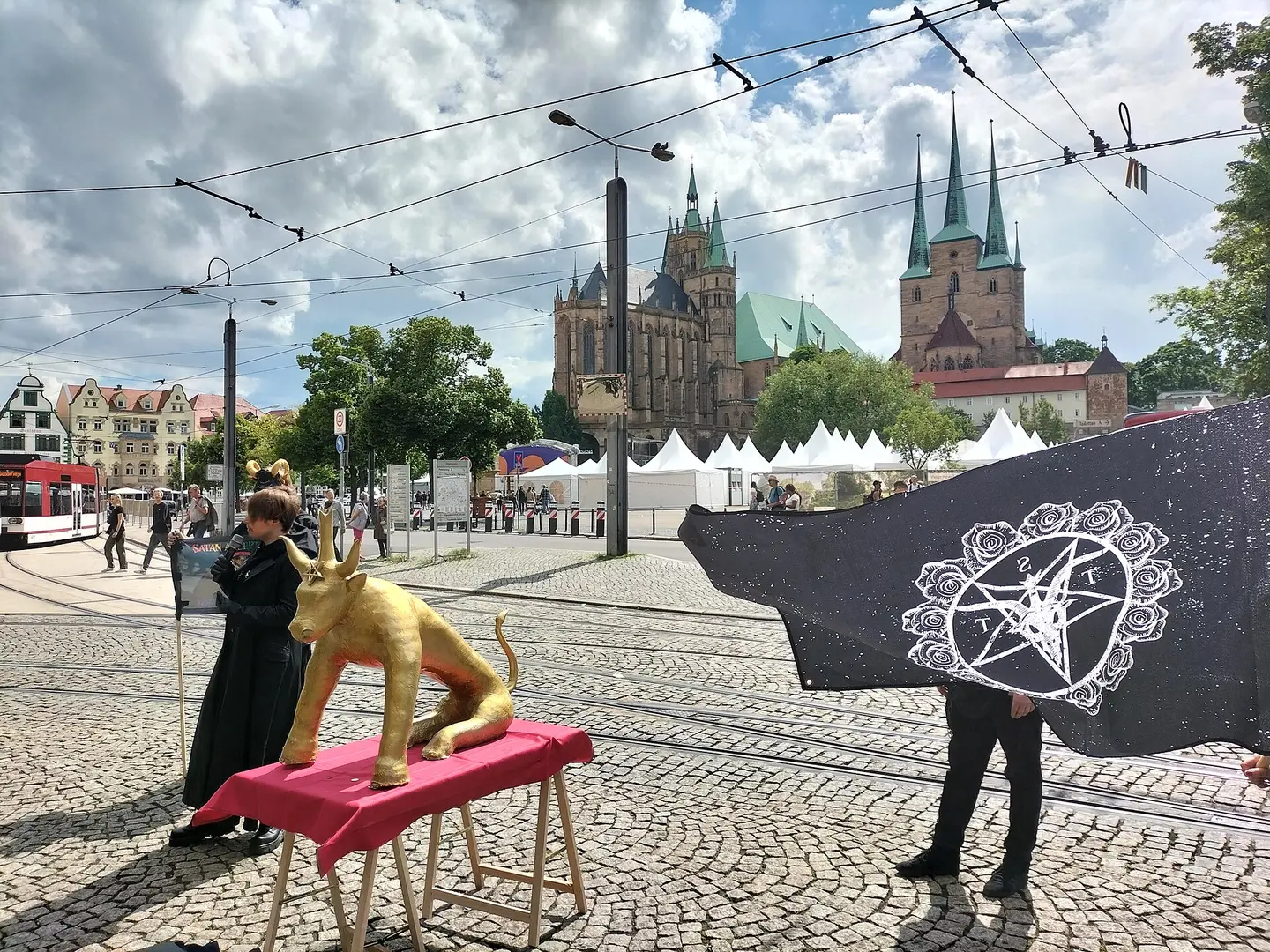
The Satanic Temple is a non-theistic religious organization whose public principles and activism differ from those of the Church of Satan and from theistic Satanist devotion.
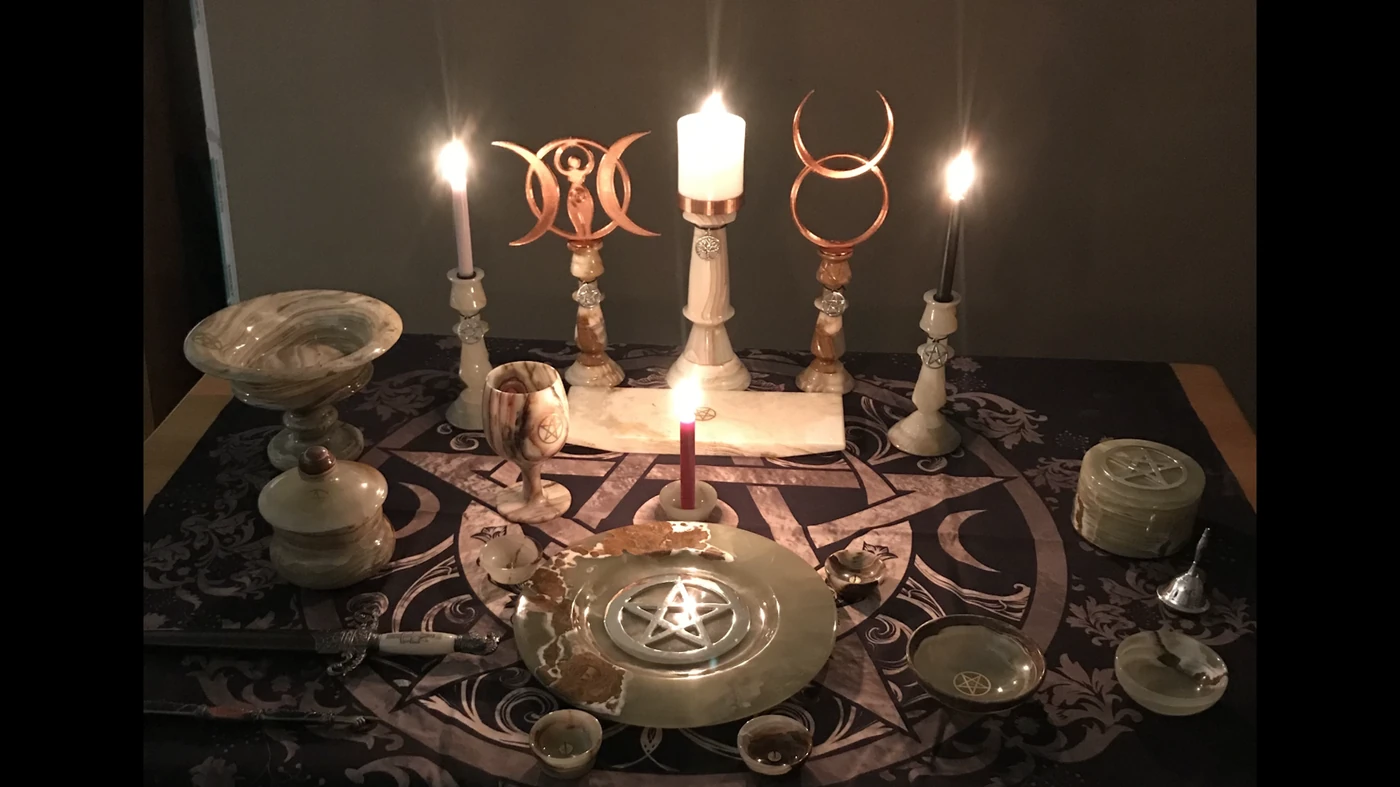
An altar is a designated place or surface used for religious devotion, ritual, offerings, sacred objects, or symbolic focus. Altars occur in many religious traditions, but their forms and meanings vary widely. In modern theistic Satanism an altar may function as a place for Prayer, Ritual, Offerings, meditation, spirit work, or the display of symbols connected with Satan and other beings.

A modern approach to magic that treats techniques and belief systems as tools for practical experimentation.
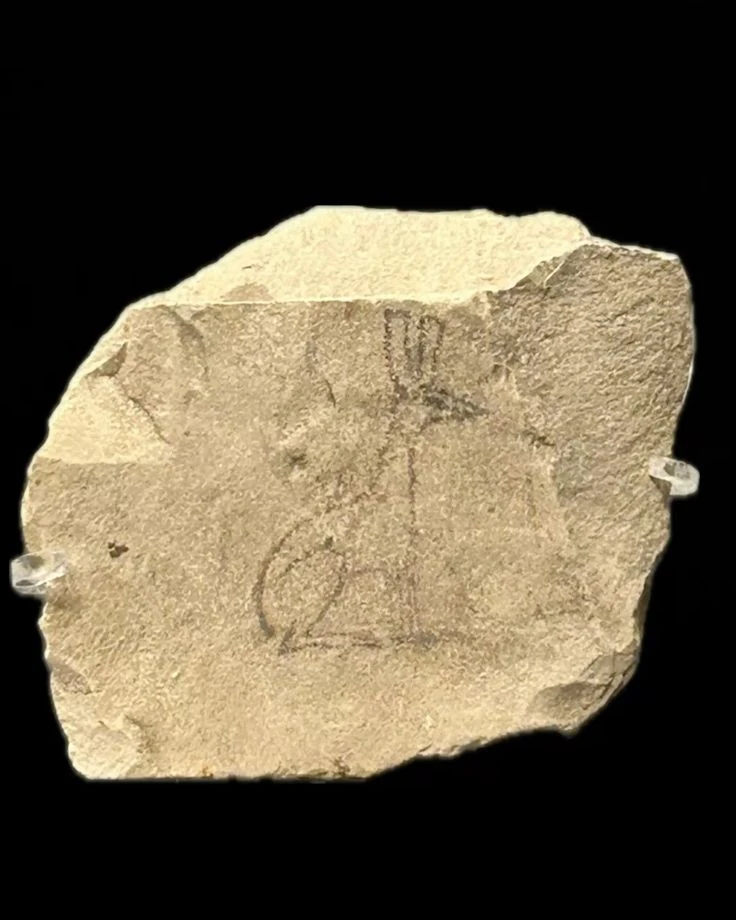
An ancient Egyptian deity associated with conflict and disorder, also reinterpreted in modern Setian religion.
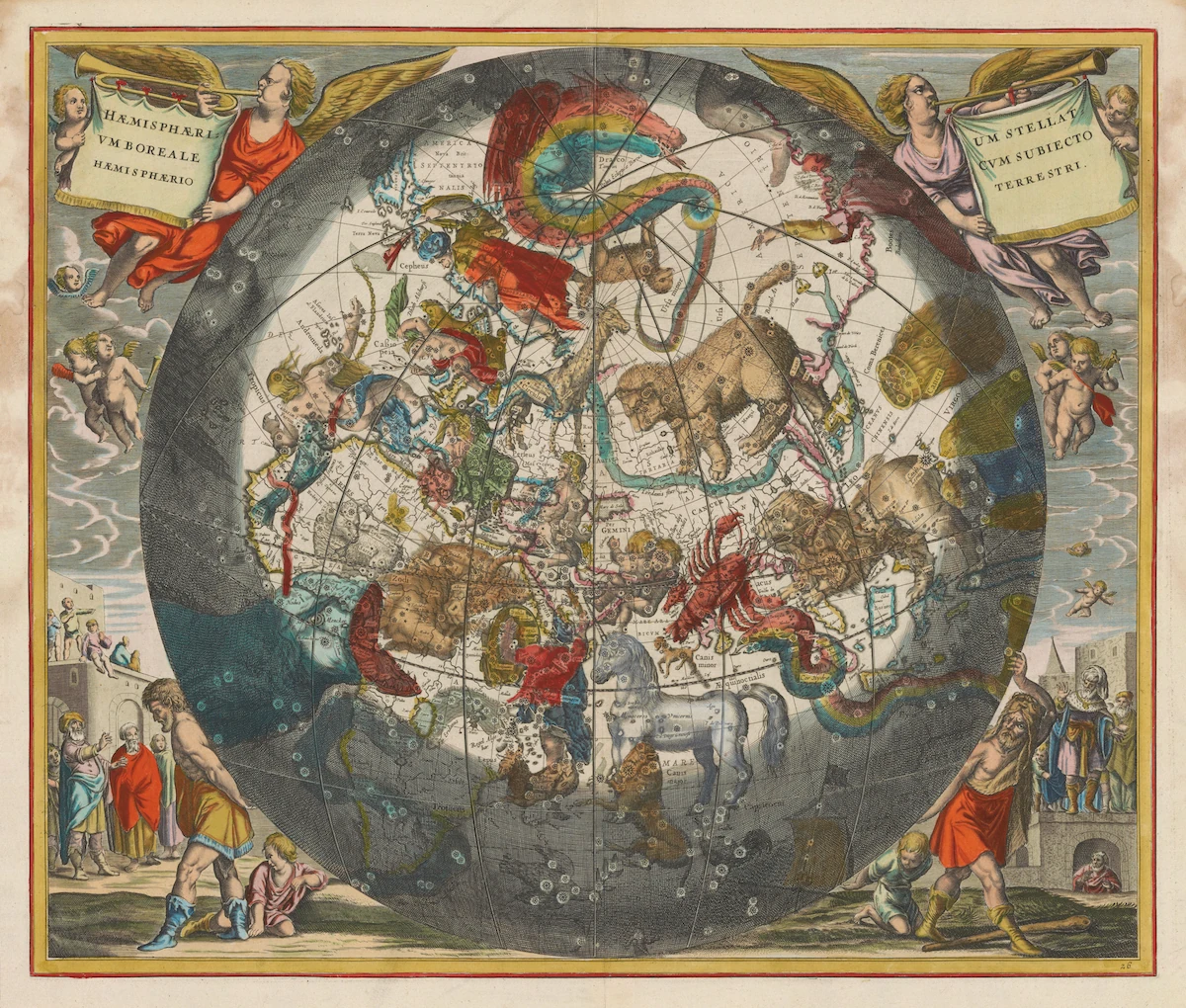
Magical systems using the seven traditional planets through timing, correspondences, images, and invocations.
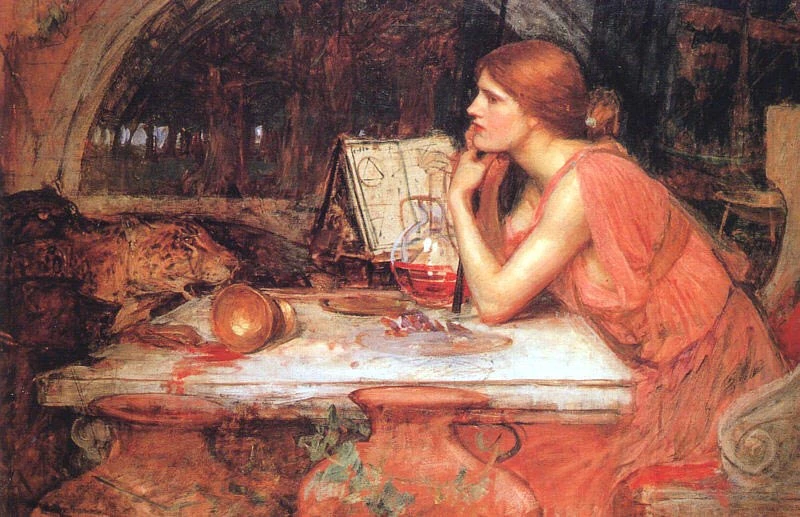
Ceremonies intended to clear, delimit, or reorder a ritual setting, with methods that vary by tradition.
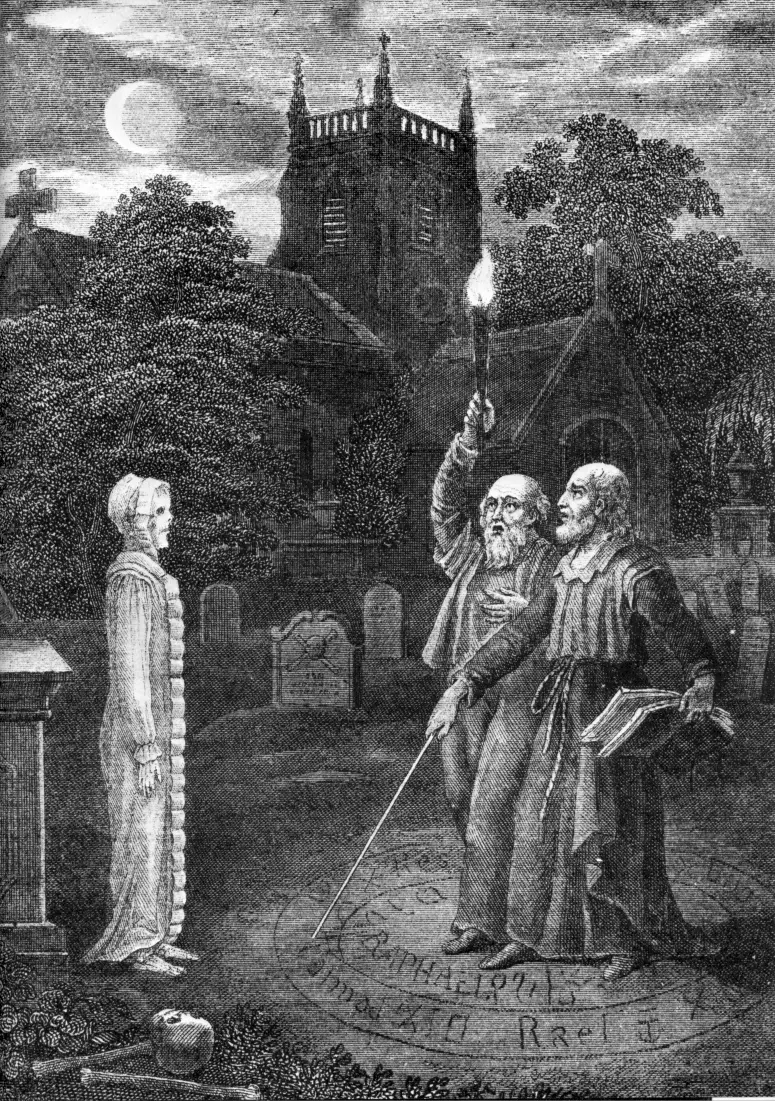
Invocation and evocation are terms used for related but differently framed religious or magical actions. Their definitions vary between authors and practice systems.
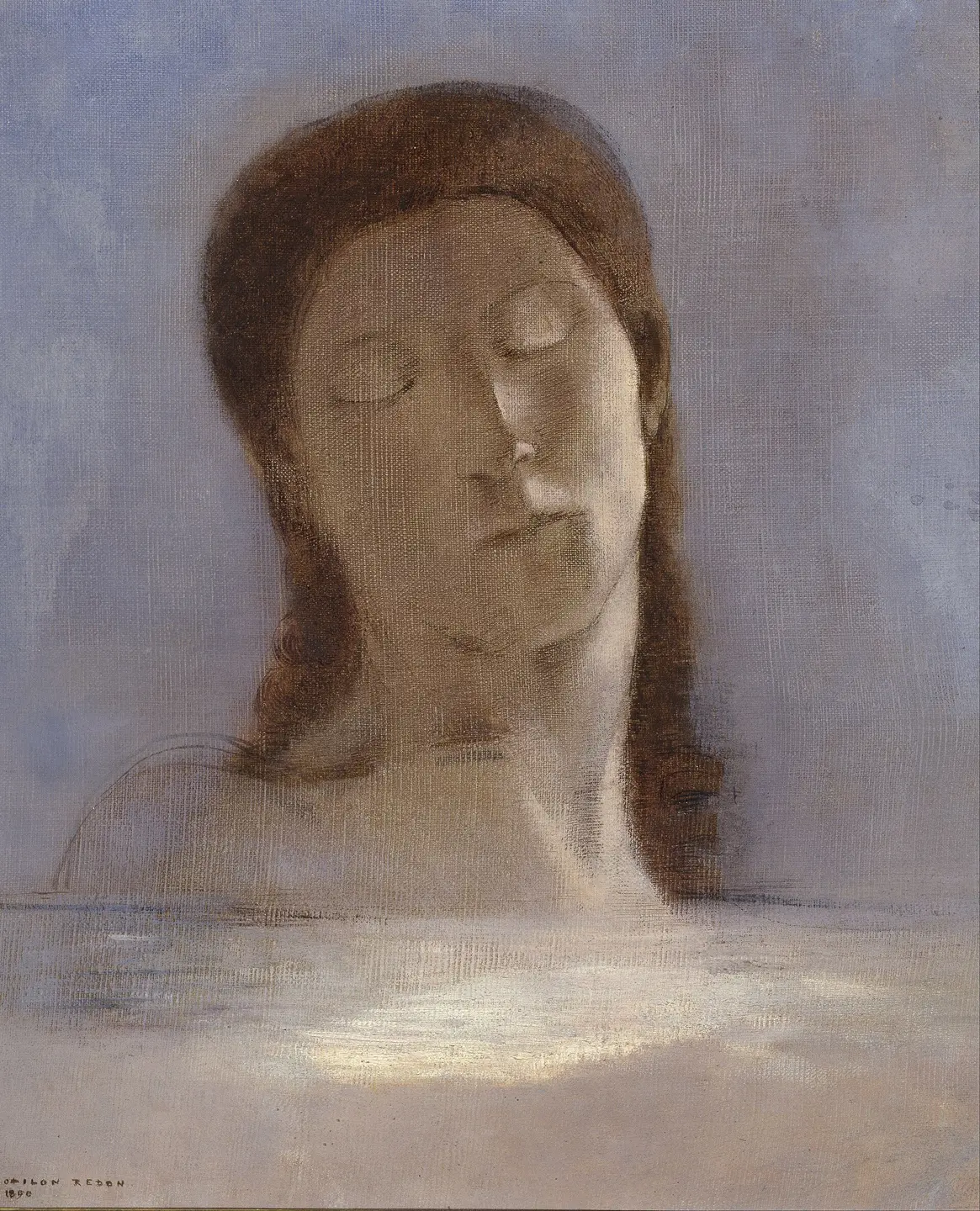
Unverified personal gnosis identifies a spiritual claim or interpretation whose source is personal experience rather than established textual or communal authority.
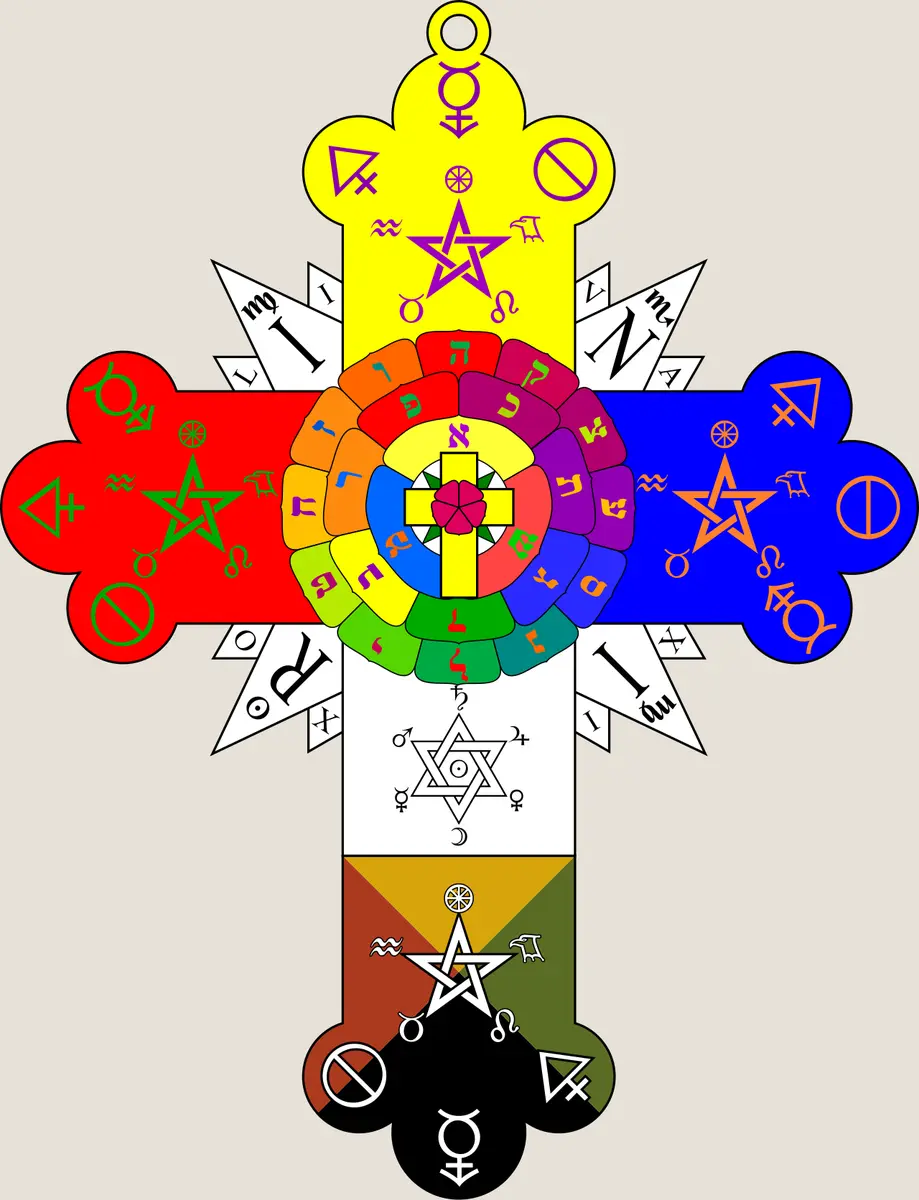
A late nineteenth-century British initiatory order that shaped modern ceremonial magic, Tarot, and Hermetic Qabalah.
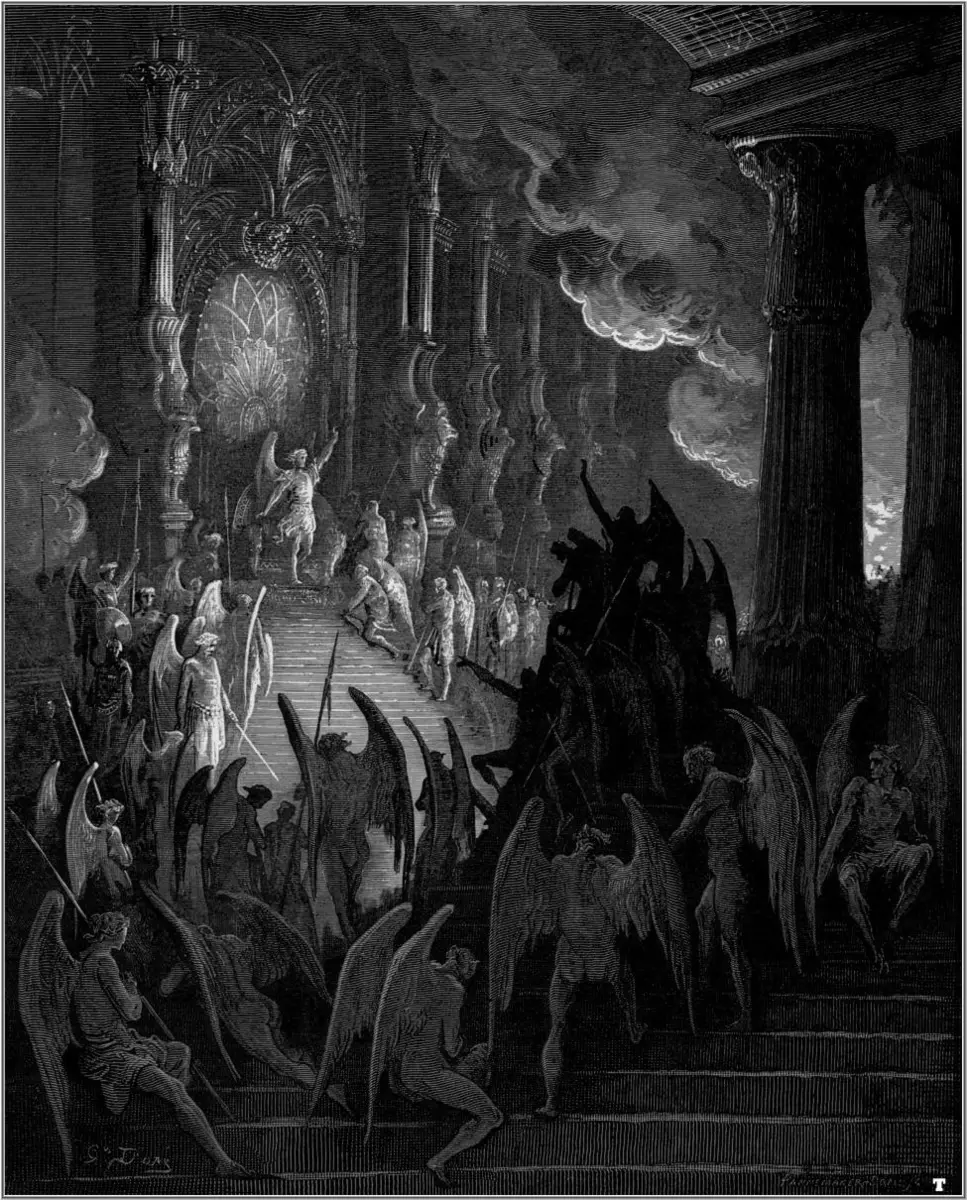
A nontheistic Satanic organization whose public principles emphasize self-determination, compassion, and responsibility.
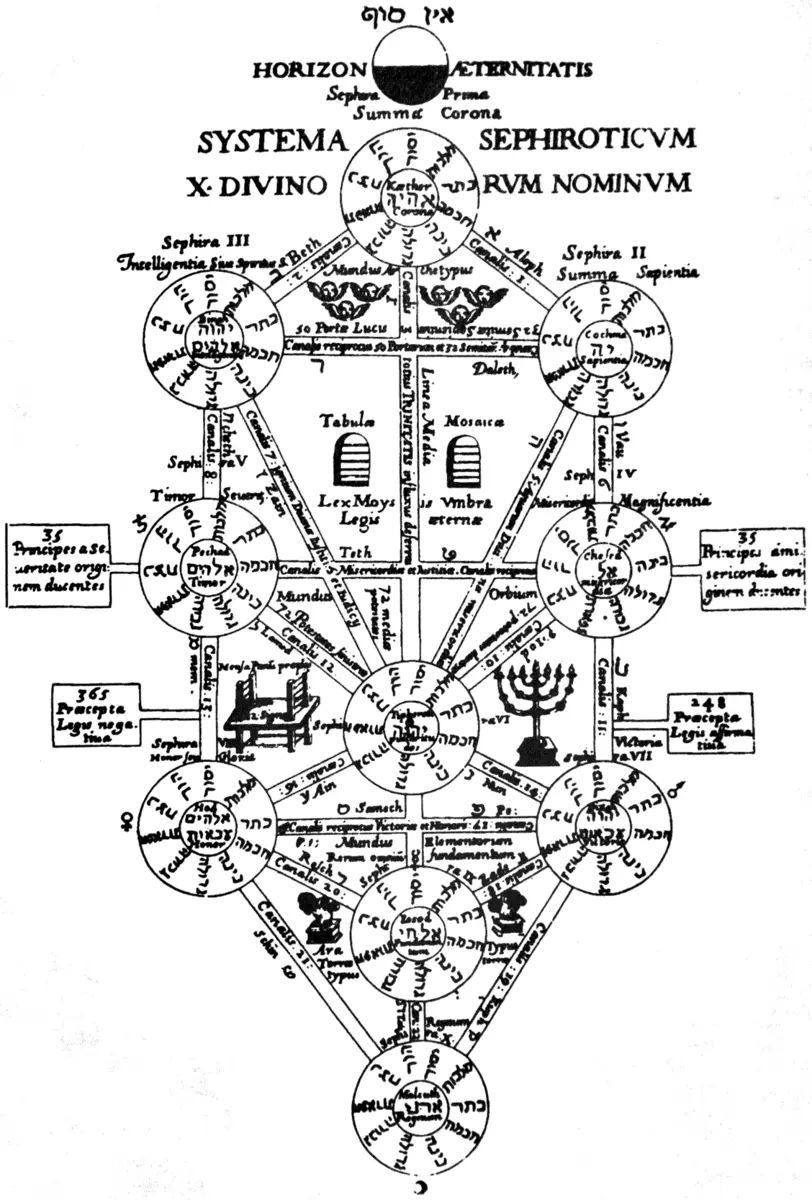
Western esoteric systems that adapt Kabbalistic ideas through ritual, correspondence tables, and symbolic interpretation.
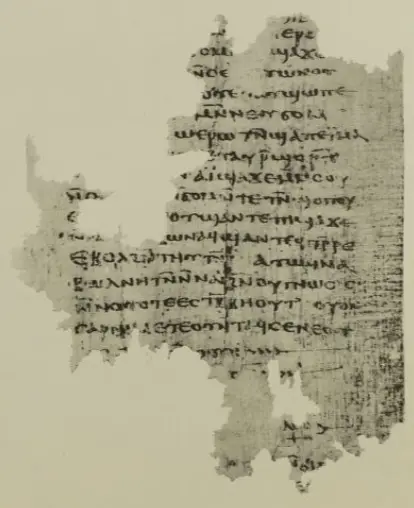
A modern umbrella term for several ancient religious movements and texts concerned with saving knowledge and divine origins.
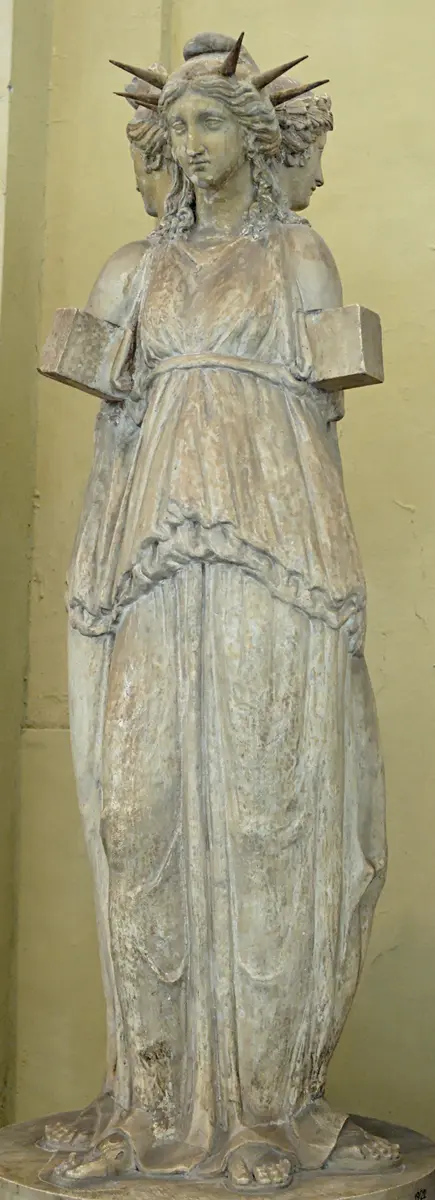
A Greek goddess with broad early powers and later associations with crossroads, spirits, and magic.
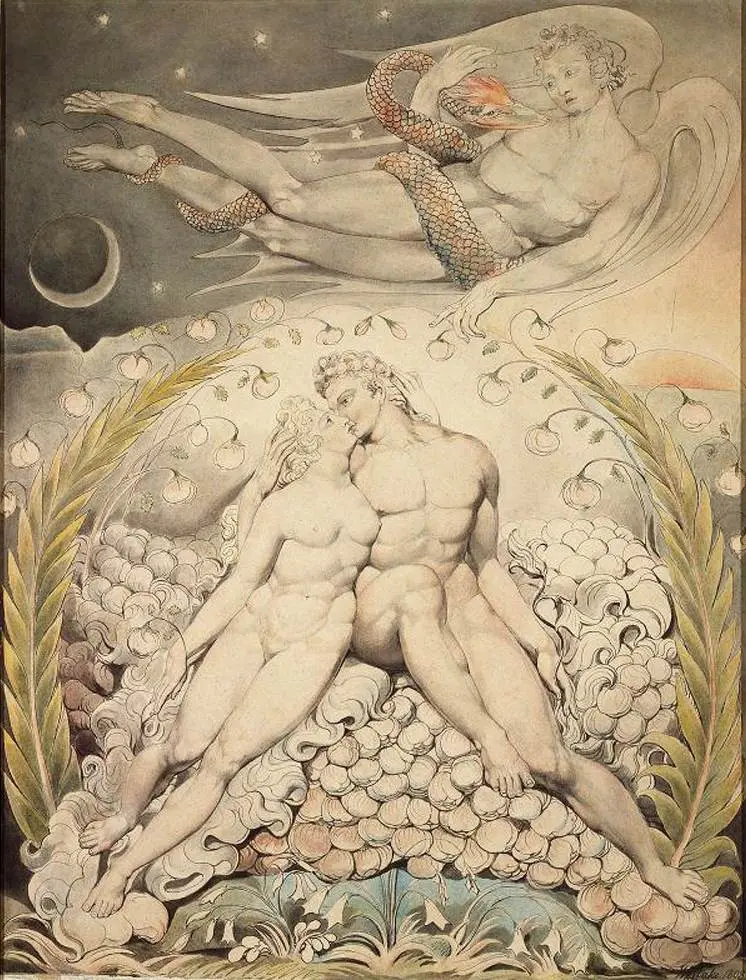
Religions that give Satan a central symbolic or divine role, with substantial differences in belief and practice.
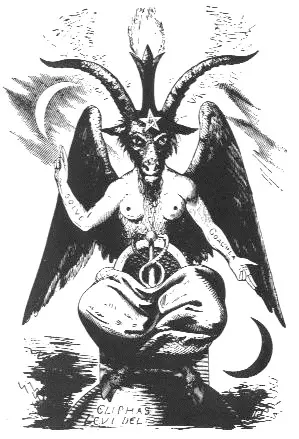
The images, names, and gestures used by Satanic traditions, whose meanings depend on their religious and historical setting.
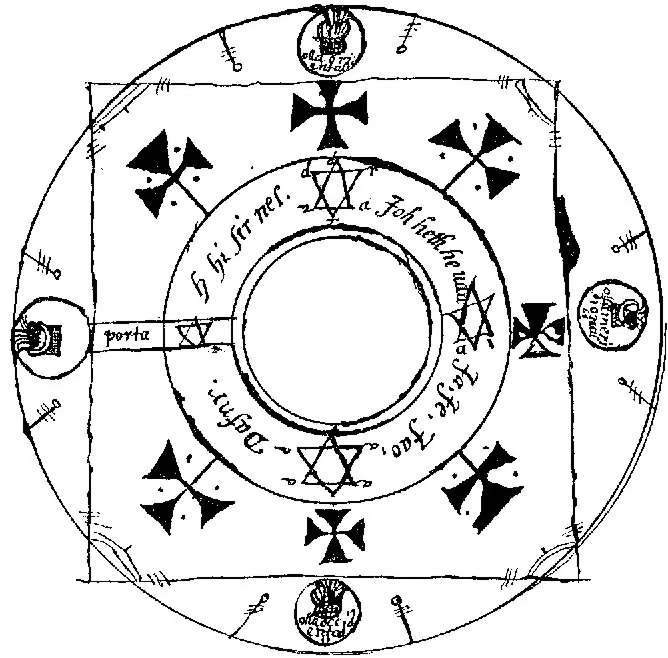
A marked ritual space whose names, divisions, and purpose differ among magical texts and modern traditions.
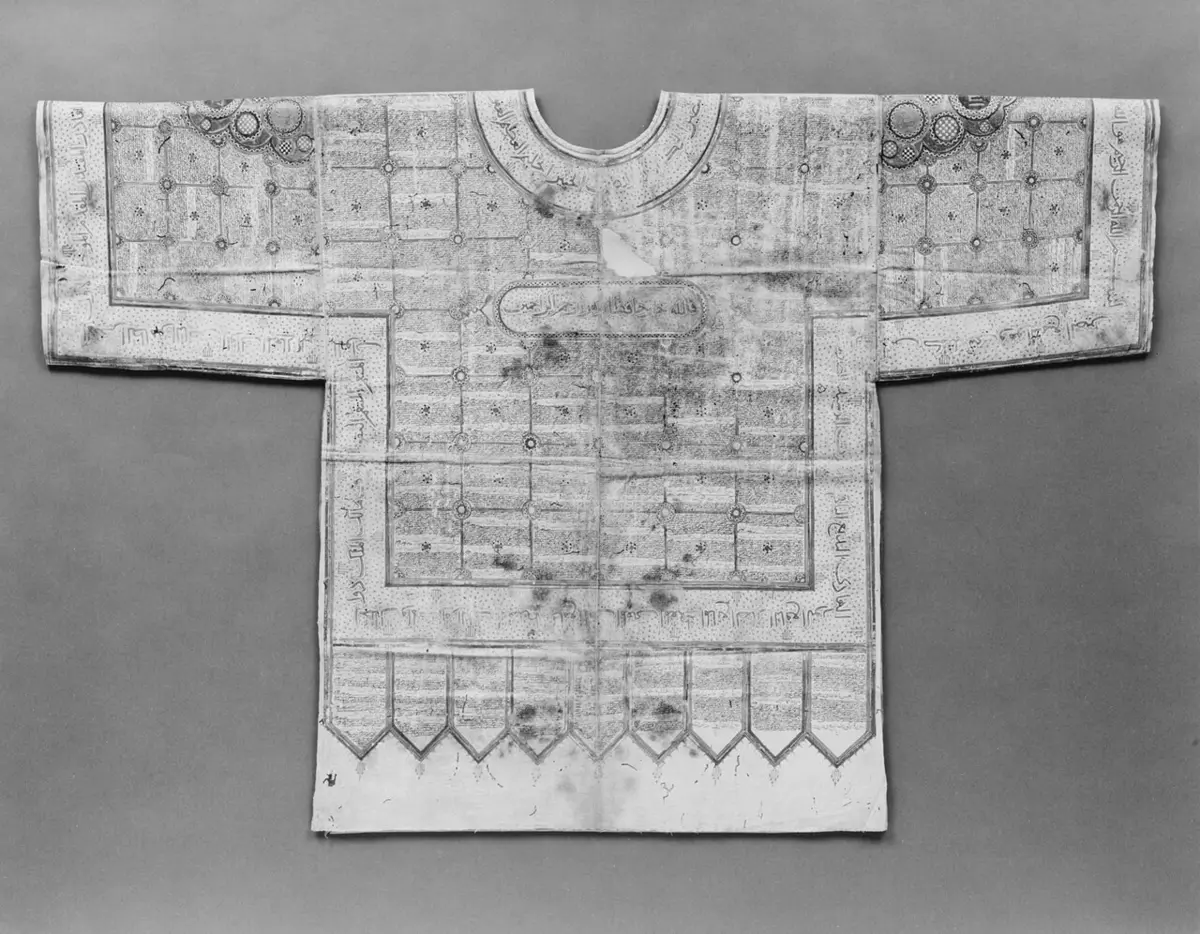
Objects prepared or used for a particular effect through inscriptions, images, materials, and ritual meaning.
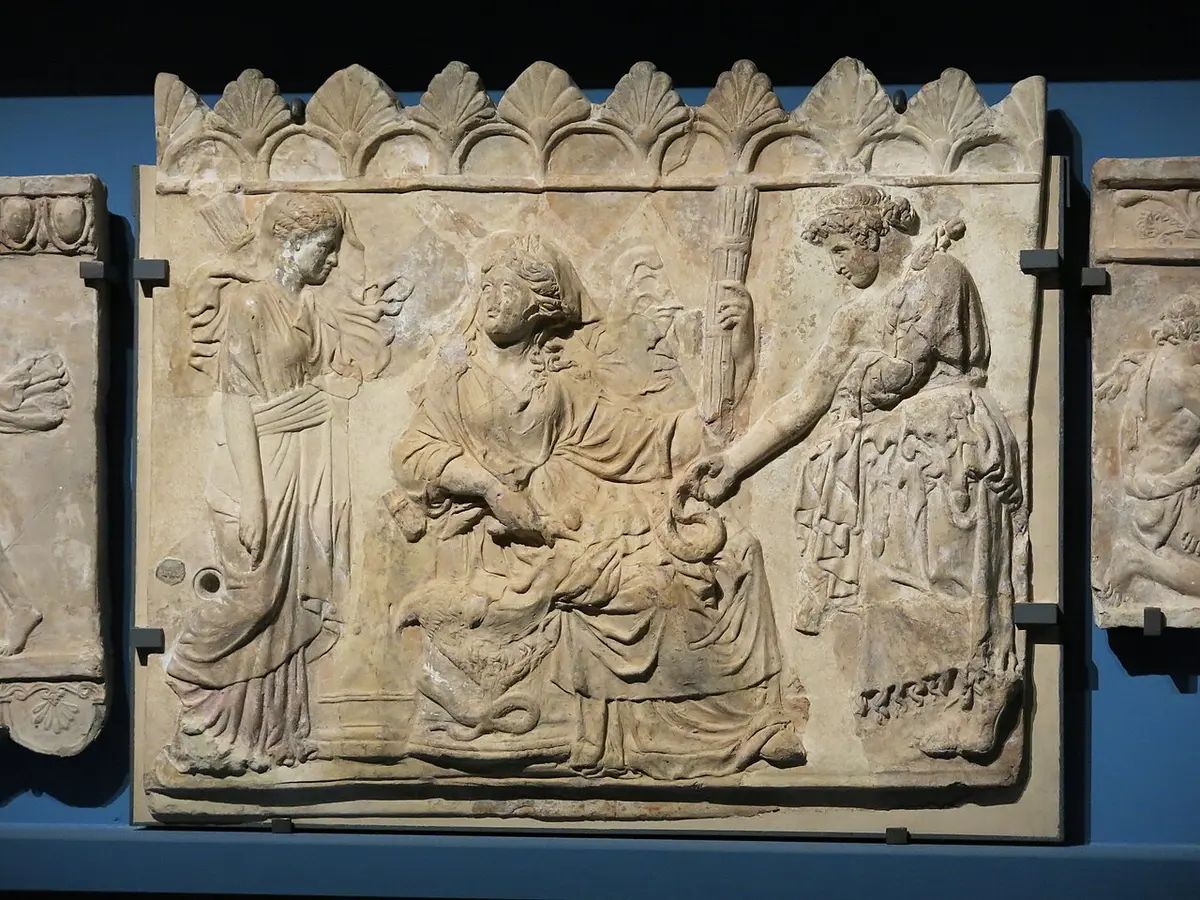
Entry into a religious or esoteric path through ceremony, instruction, recognition, and lived development.