Theology & Cosmology
Religious Satanism
Religions that give Satan a central symbolic or divine role, with substantial differences in belief and practice.
Religions that give Satan a central symbolic or divine role, with substantial differences in belief and practice.
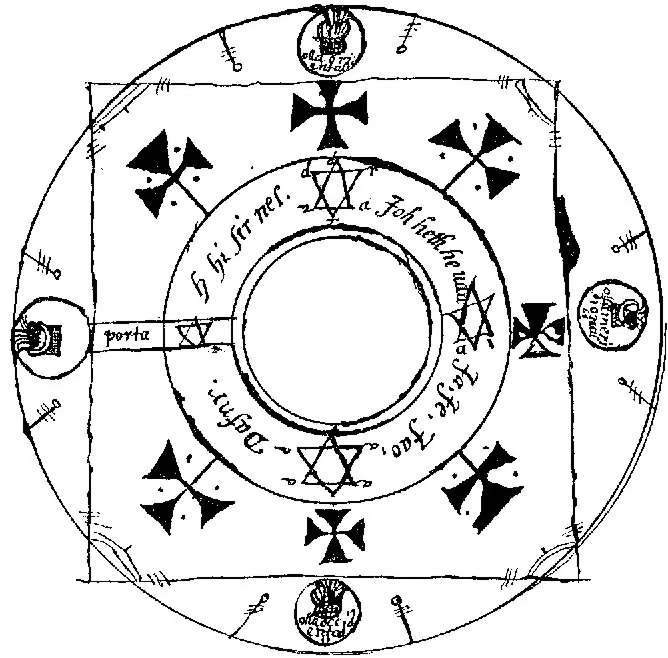
A marked ritual space whose names, divisions, and purpose differ among magical texts and modern traditions.
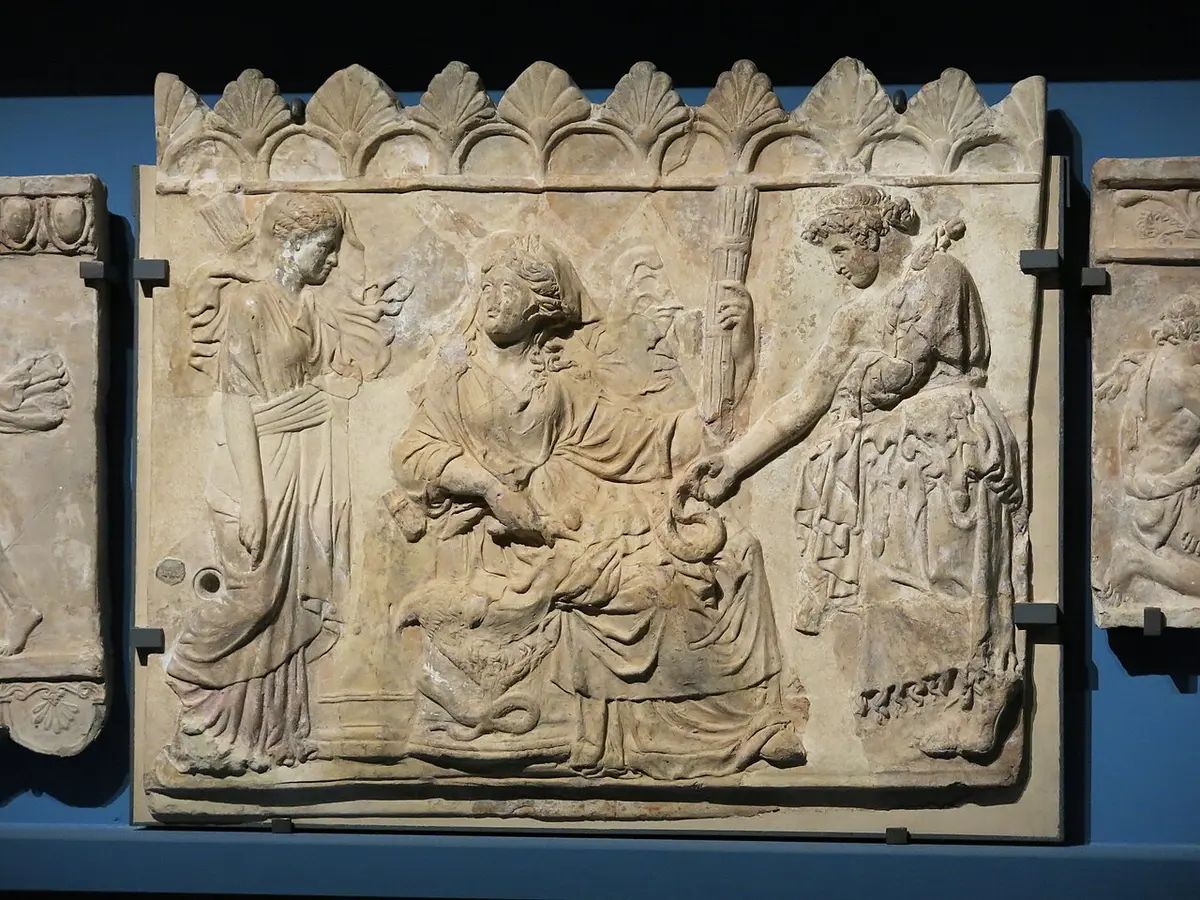
Entry into a religious or esoteric path through ceremony, instruction, recognition, and lived development.
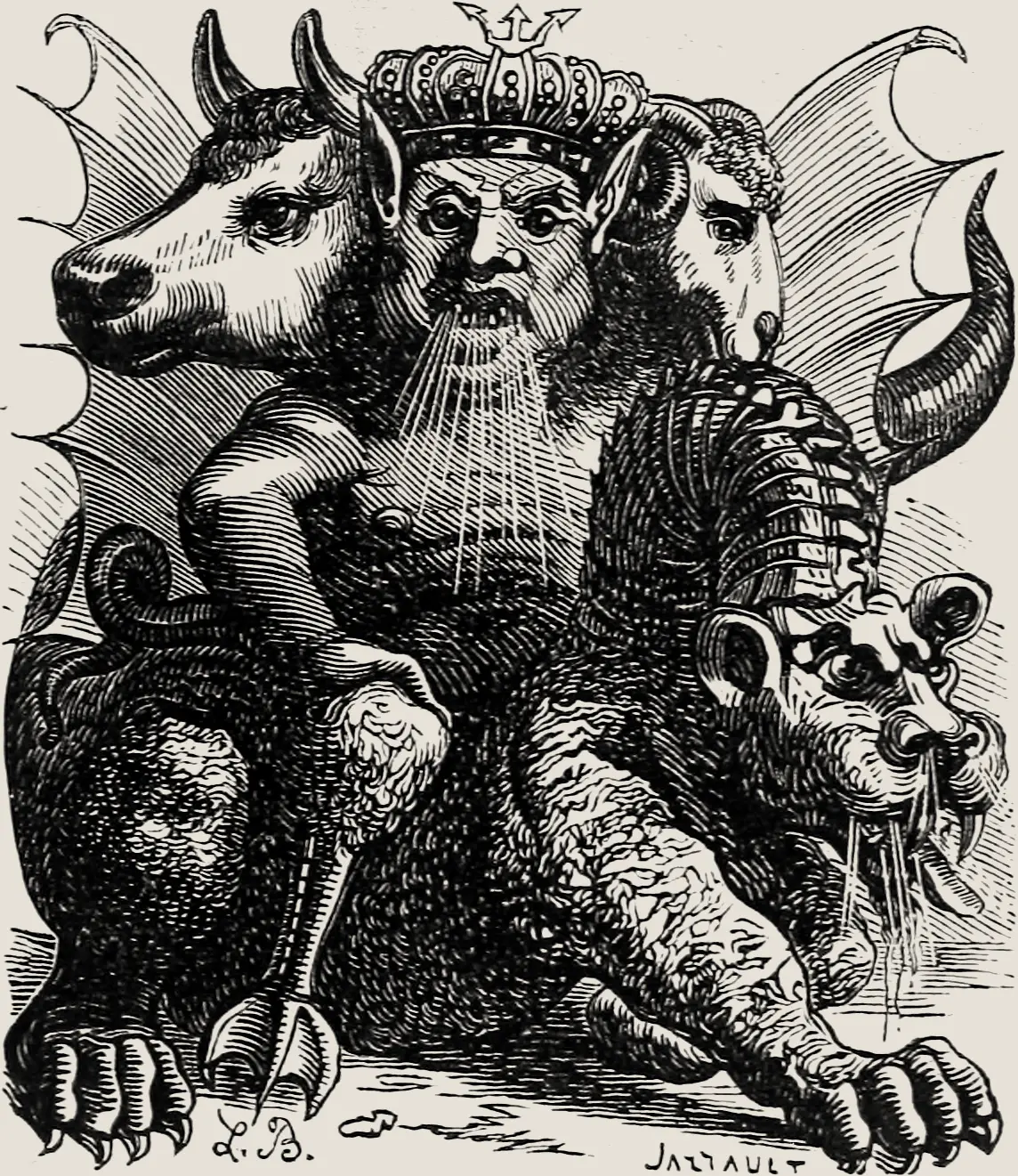
Asmodeus appears in the narrative of Tobit and in later magical and demonological literature. His different roles reflect the purposes of those texts.
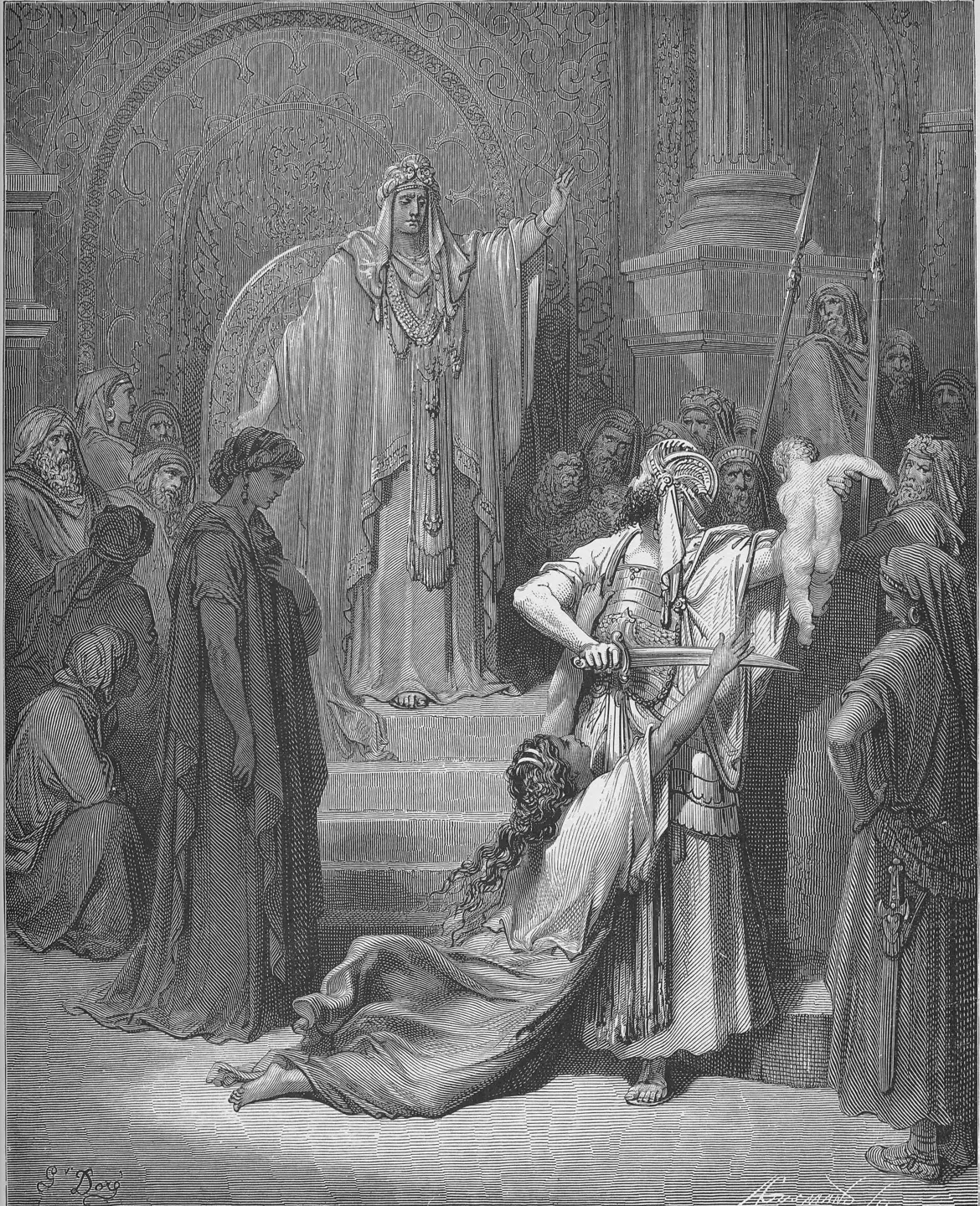
Solomon’s name supplies authority to several magical and religious works. Attribution to the king must be distinguished from the date and authorship of the surviving text.
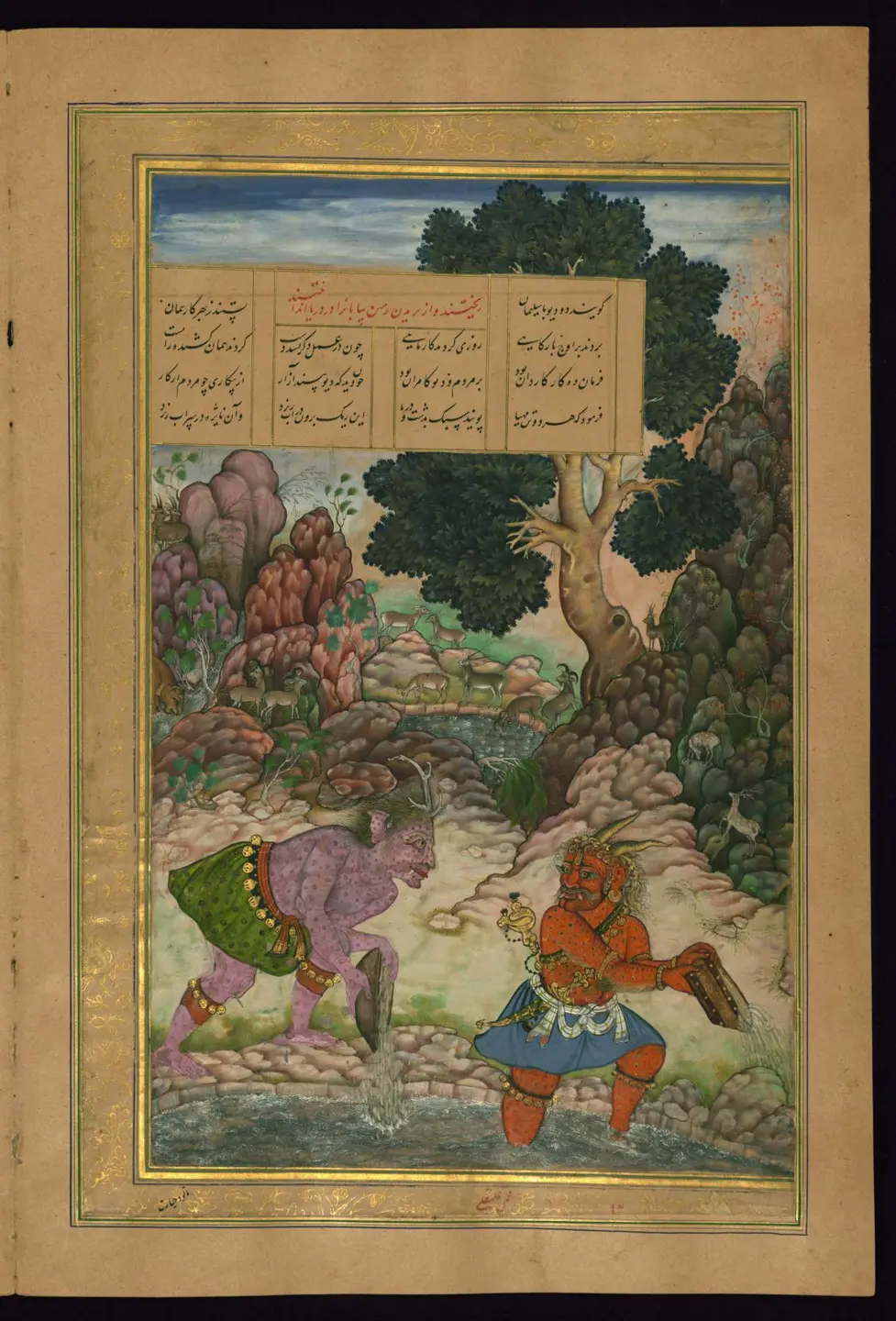
The Testament of Solomon is a pseudepigraphal religious narrative in which Solomon questions and commands spirits. It differs from later procedural Solomonic grimoires.
The Corpus Hermeticum is a collection of philosophical religious dialogues concerning mind, the divine, the cosmos, and human knowledge. It should be distinguished from later works marketed as Hermetic teaching.
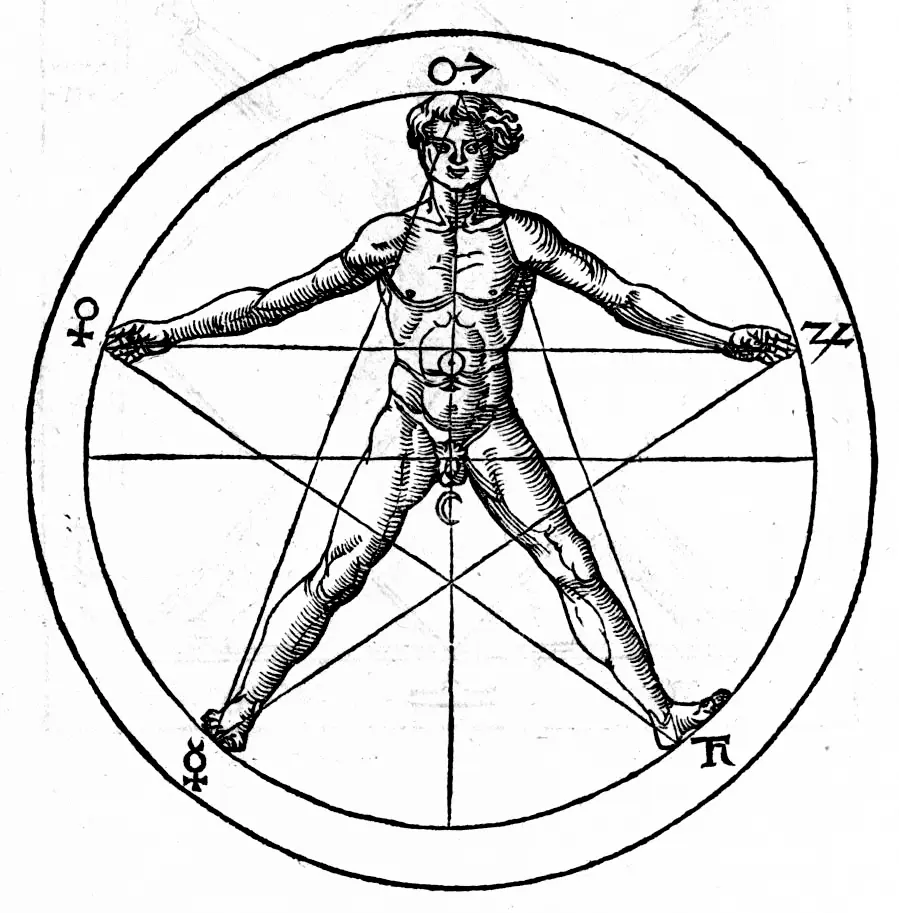
A pentagram is a five-pointed star figure used in different religious and esoteric settings. Orientation and surrounding imagery matter, but do not establish one universal meaning.
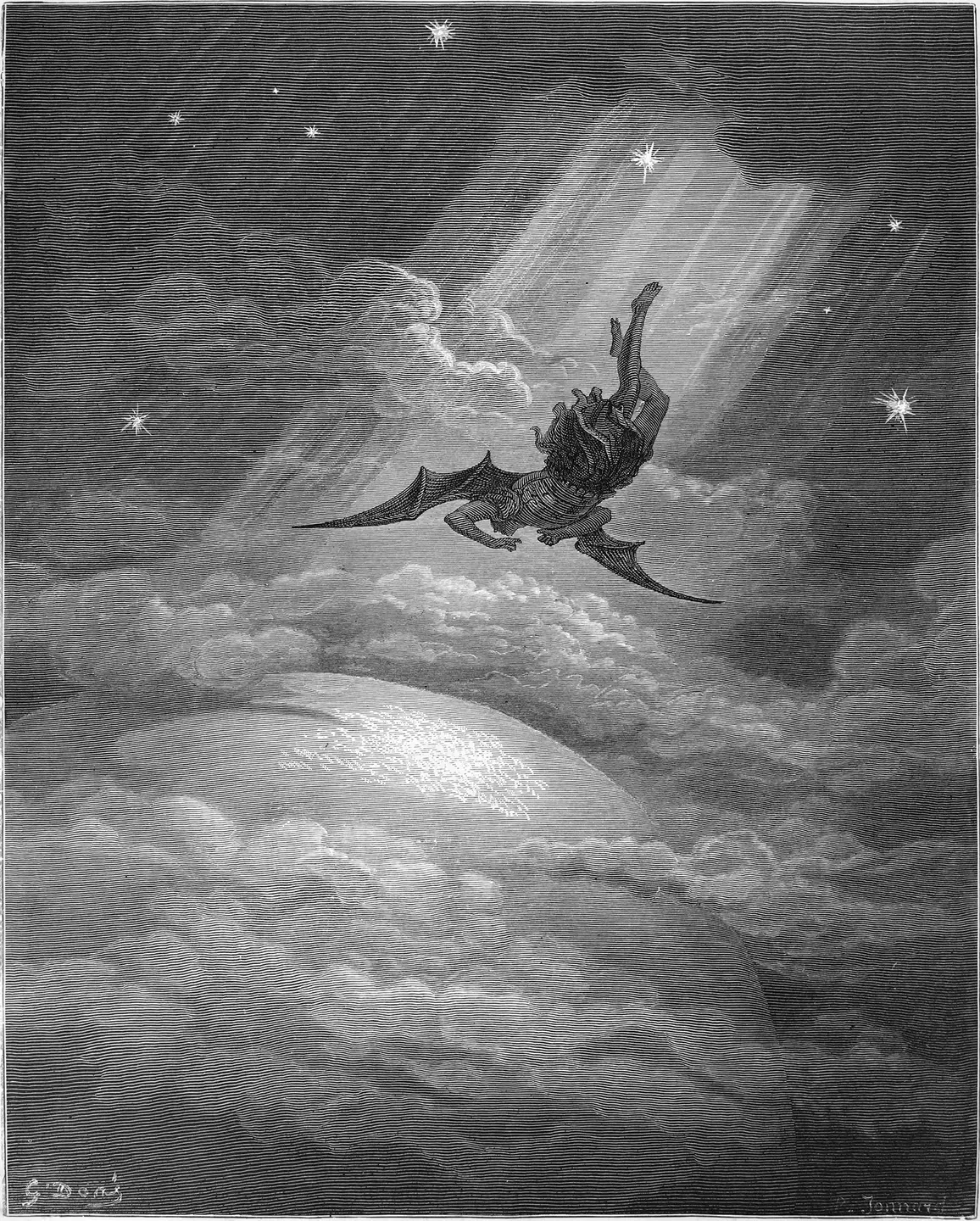
Luciferianism describes different religious and philosophical approaches that give Lucifer a positive role. Belief, practice, and identity vary among writers and communities.
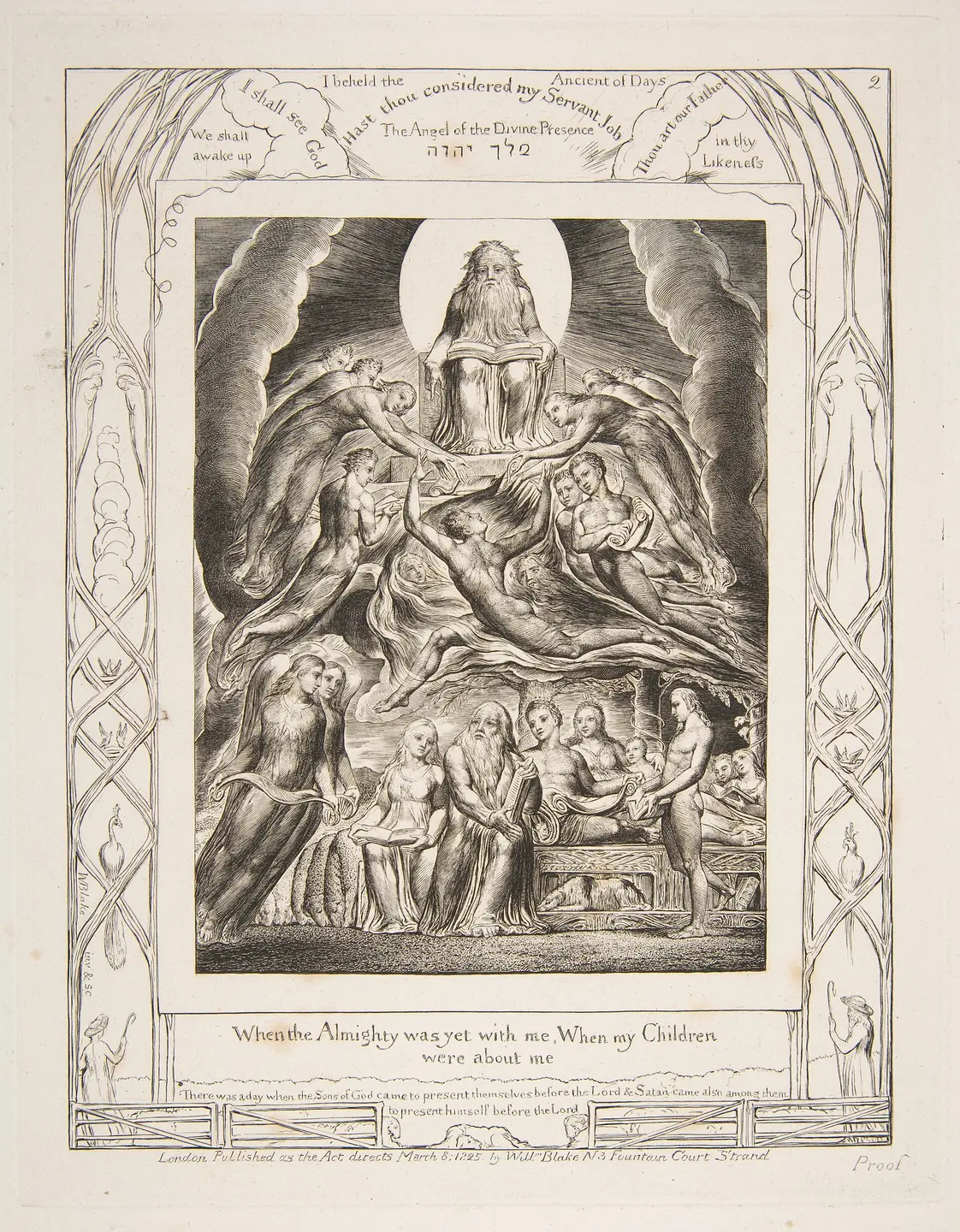
Job 1–2 presents Satan in a heavenly assembly and in a dispute about Job’s righteousness. The passage should be read before later accounts of Satan’s origins are supplied.
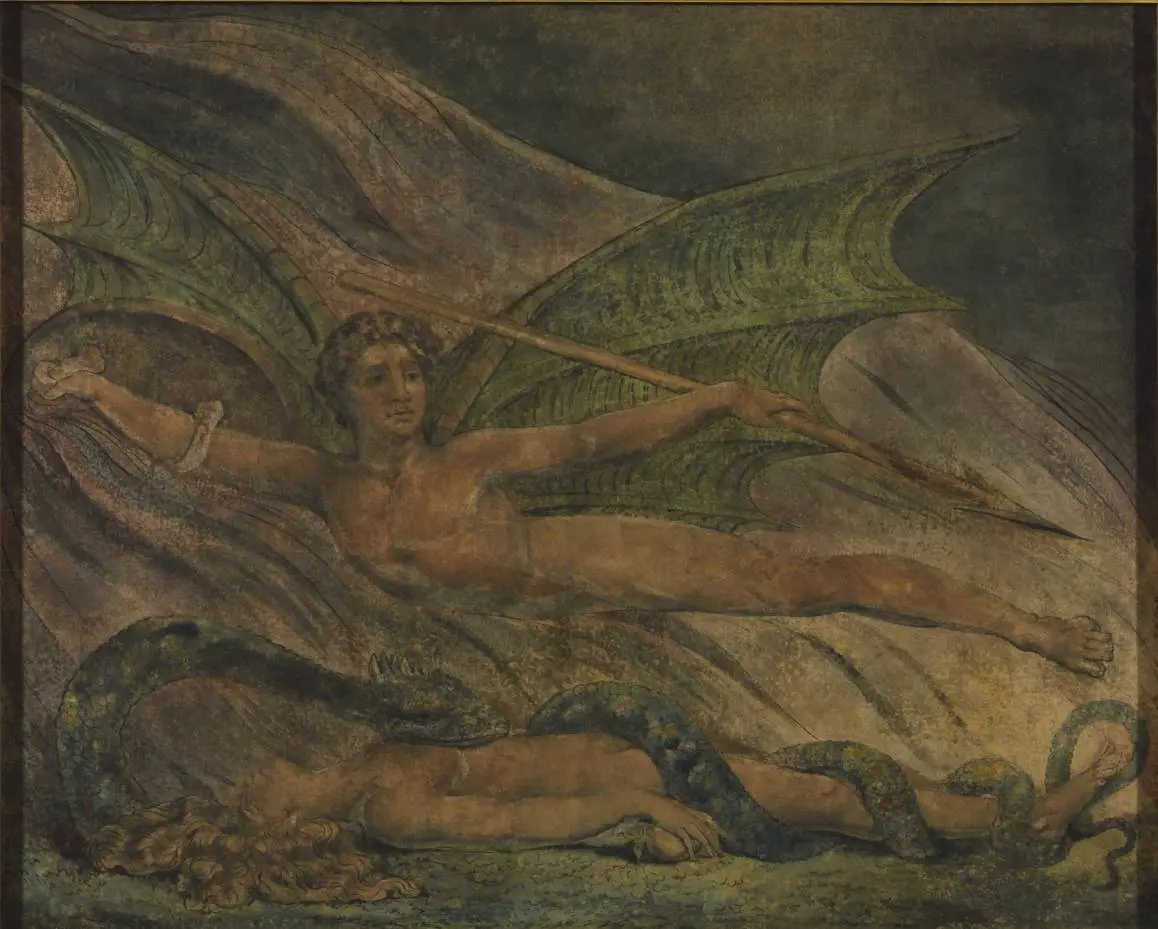
Romantic Satanism concerns literary and political readings that give Satan a positive role in opposition to tyranny or conventional authority. It should be distinguished from membership in a religious organization.
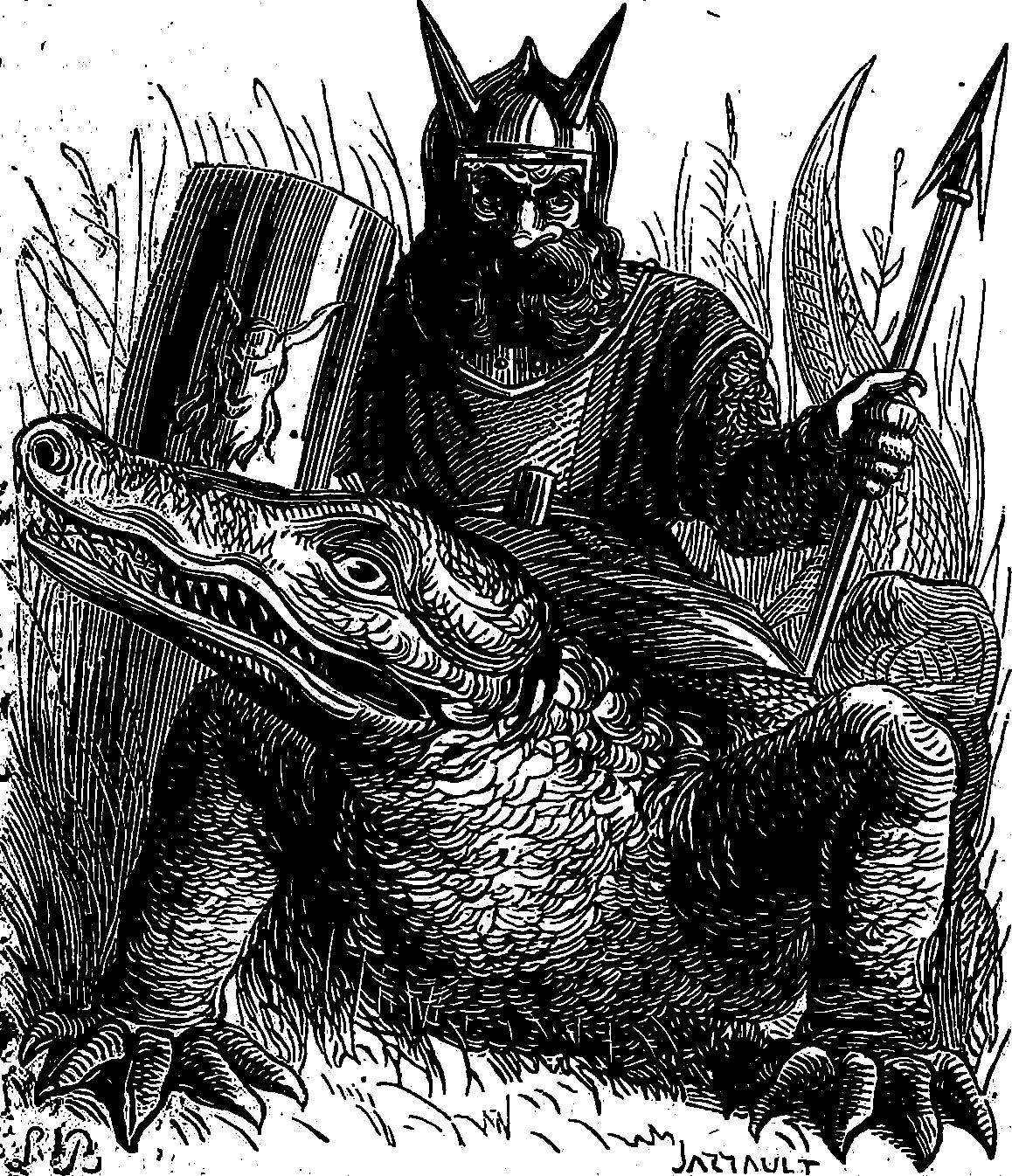
A Goetic duke, also called Saleos, described as a peaceful soldier riding a crocodile.
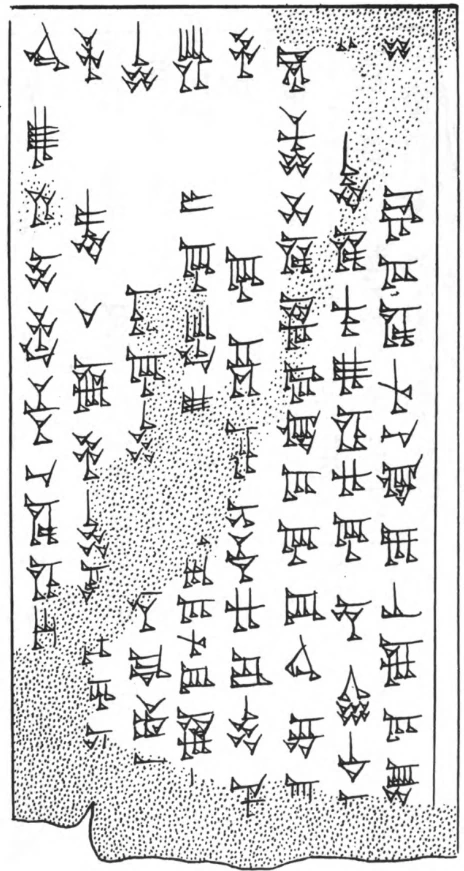
The primordial sea figure in the Babylonian creation epic Enuma Elish, defeated by Marduk in its account of cosmic ordering.
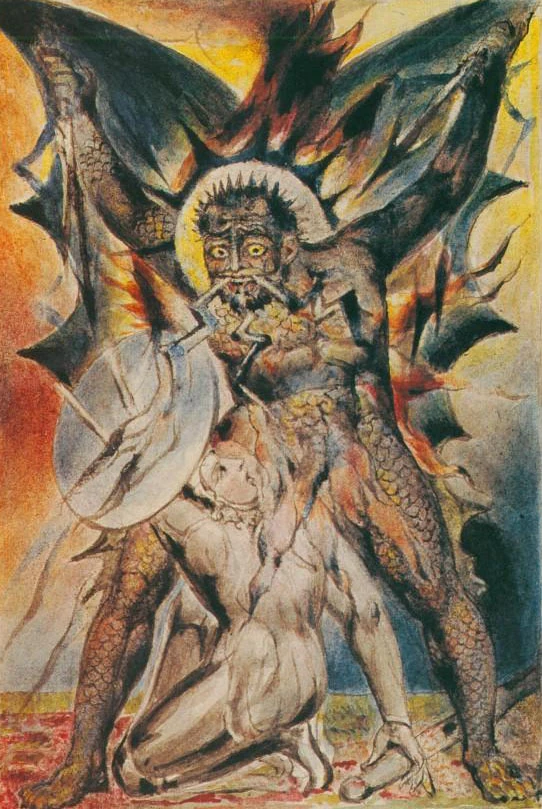
A biblical name associated with destruction, used in Revelation for the angel of the abyss.
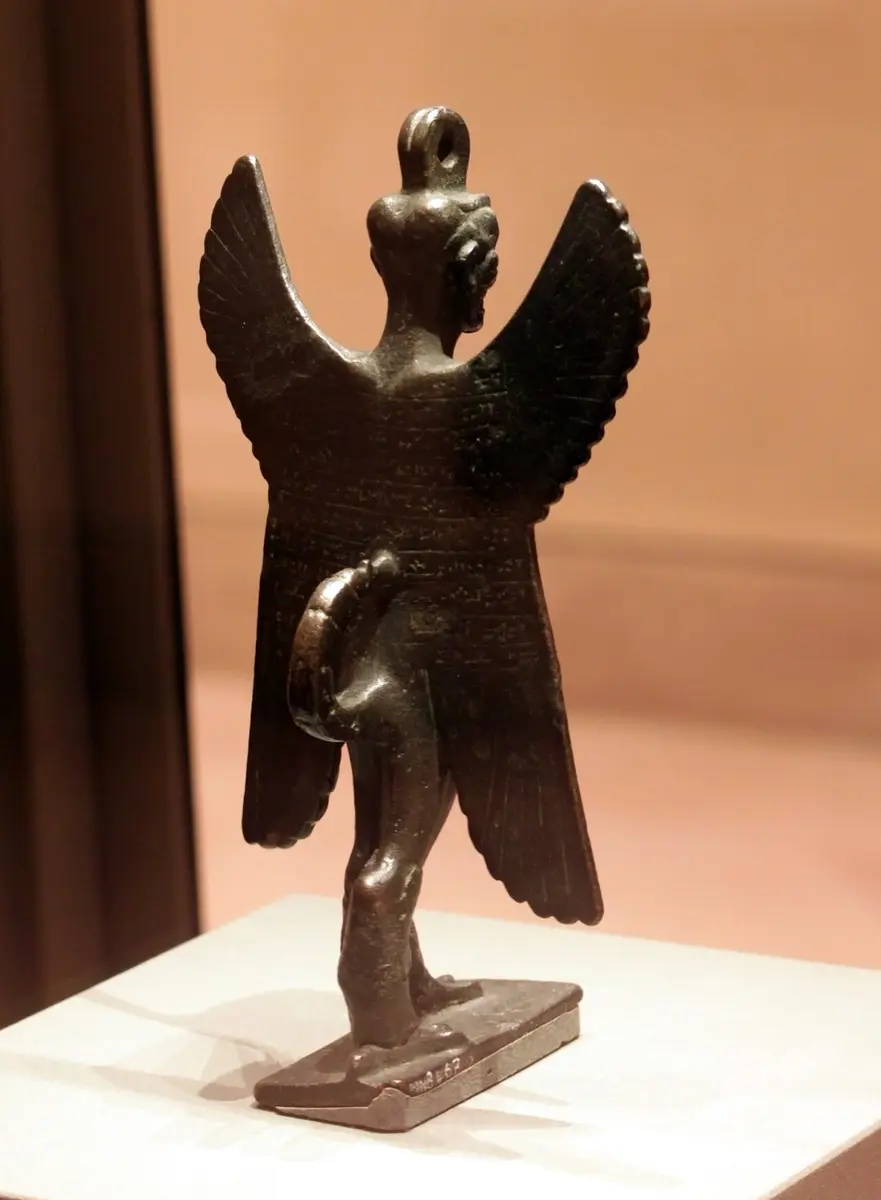
A Mesopotamian wind demon whose image was also used protectively, especially against Lamashtu.
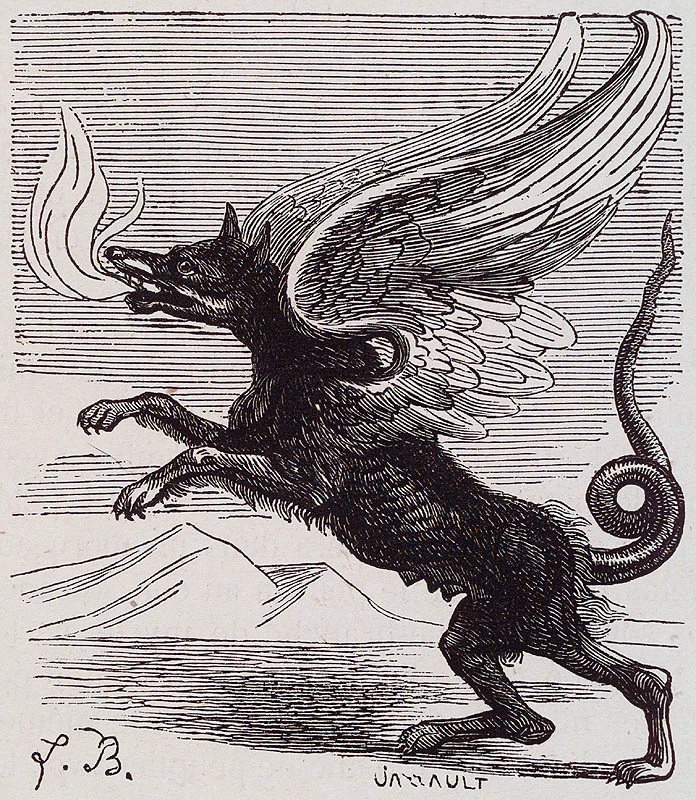
A Goetic marquis with a winged wolf form, described as a fighter who hopes to return to a heavenly throne.
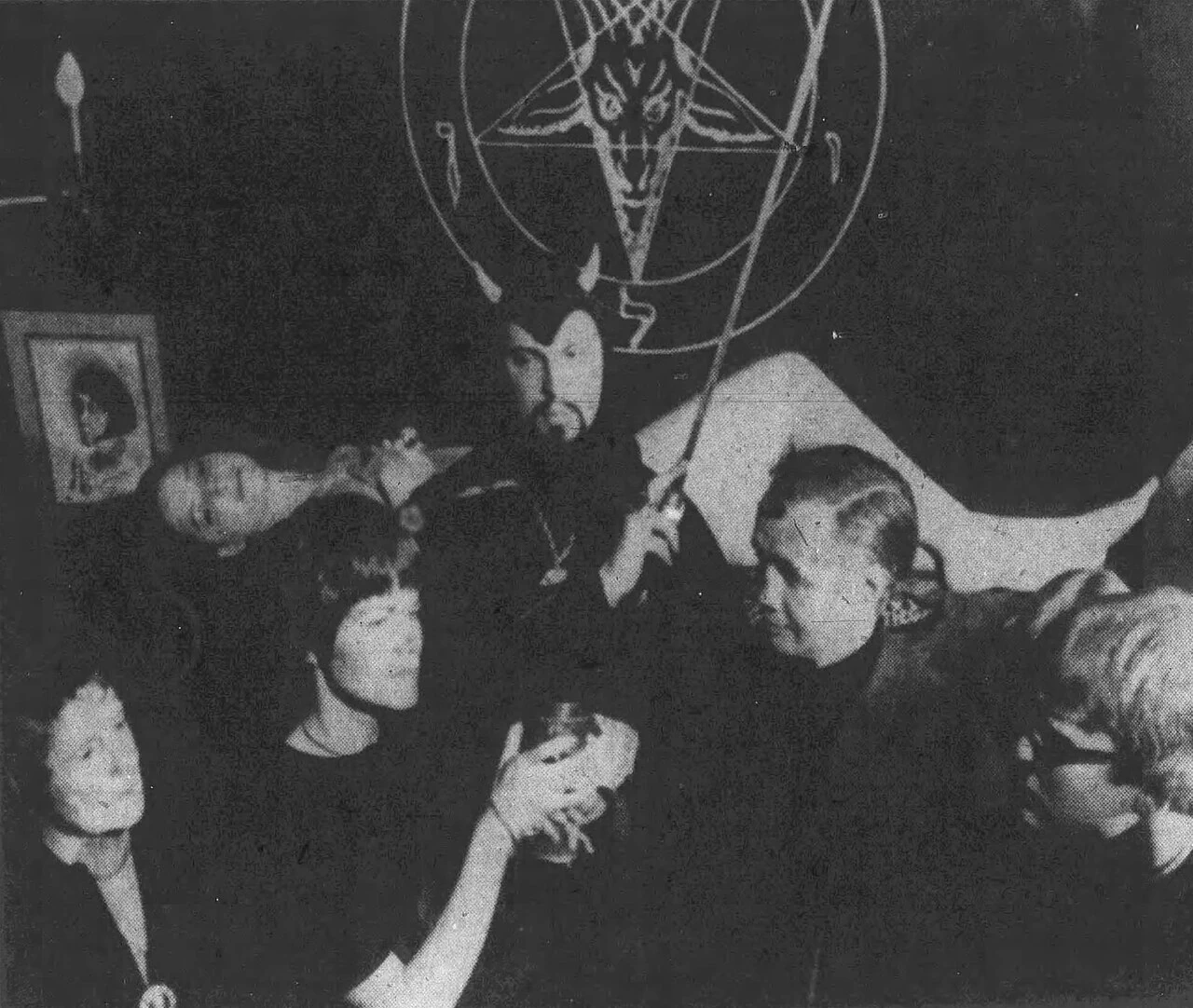
Anton LaVey’s collection of ceremonial material, published as a companion to The Satanic Bible.
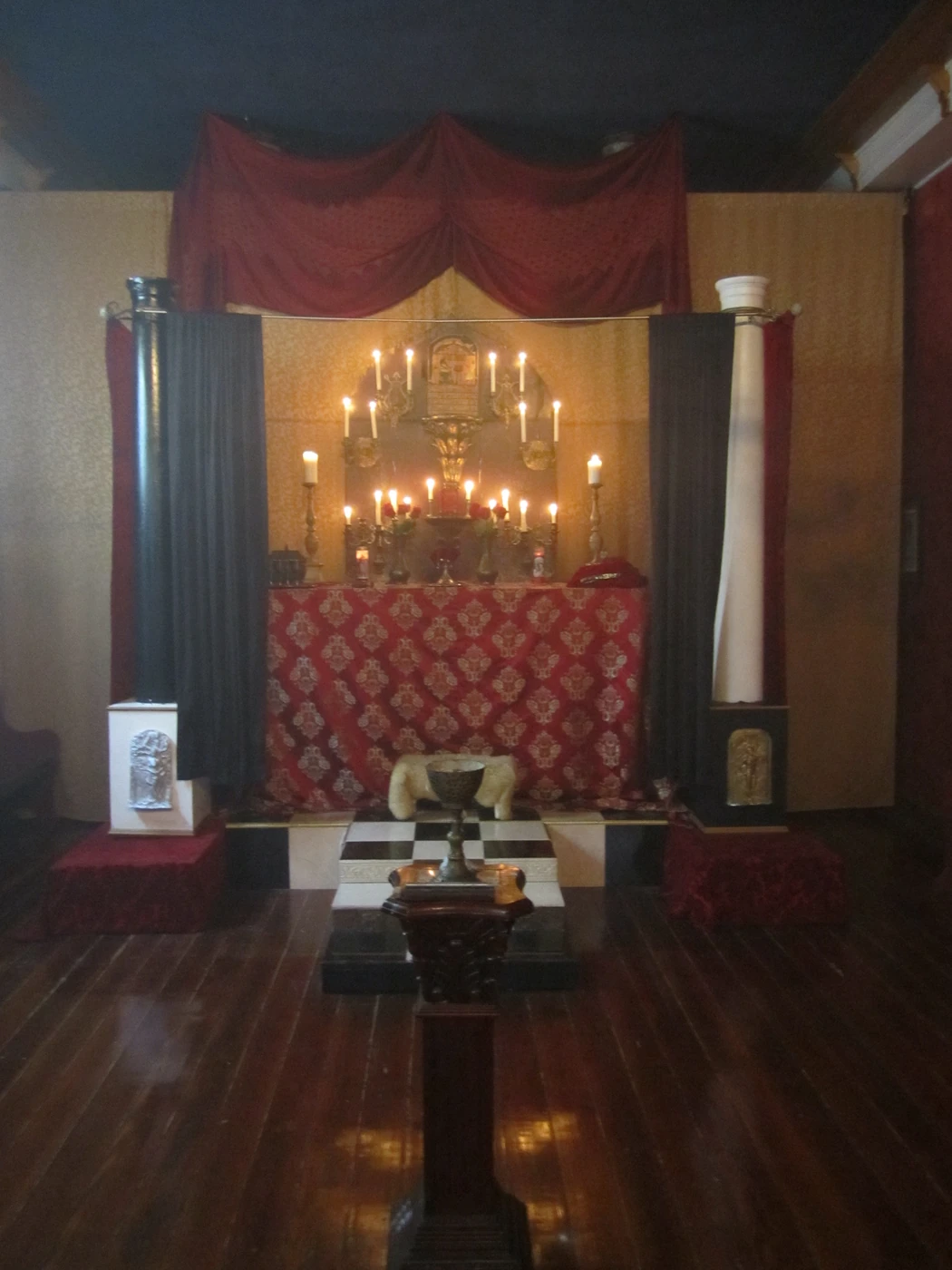
The central public liturgy of Ecclesia Gnostica Catholica, written by Aleister Crowley as Liber XV.
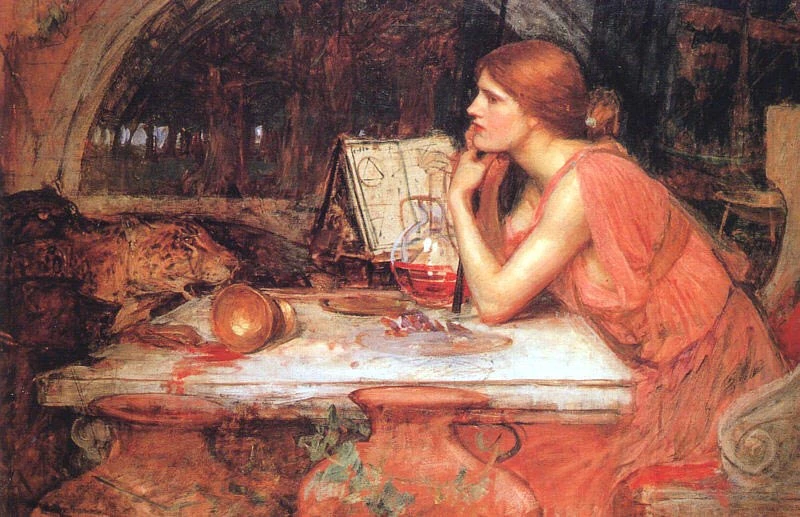
Ceremonies intended to clear, delimit, or reorder a ritual setting, with methods that vary by tradition.