Culture & Ethics
Pentagram
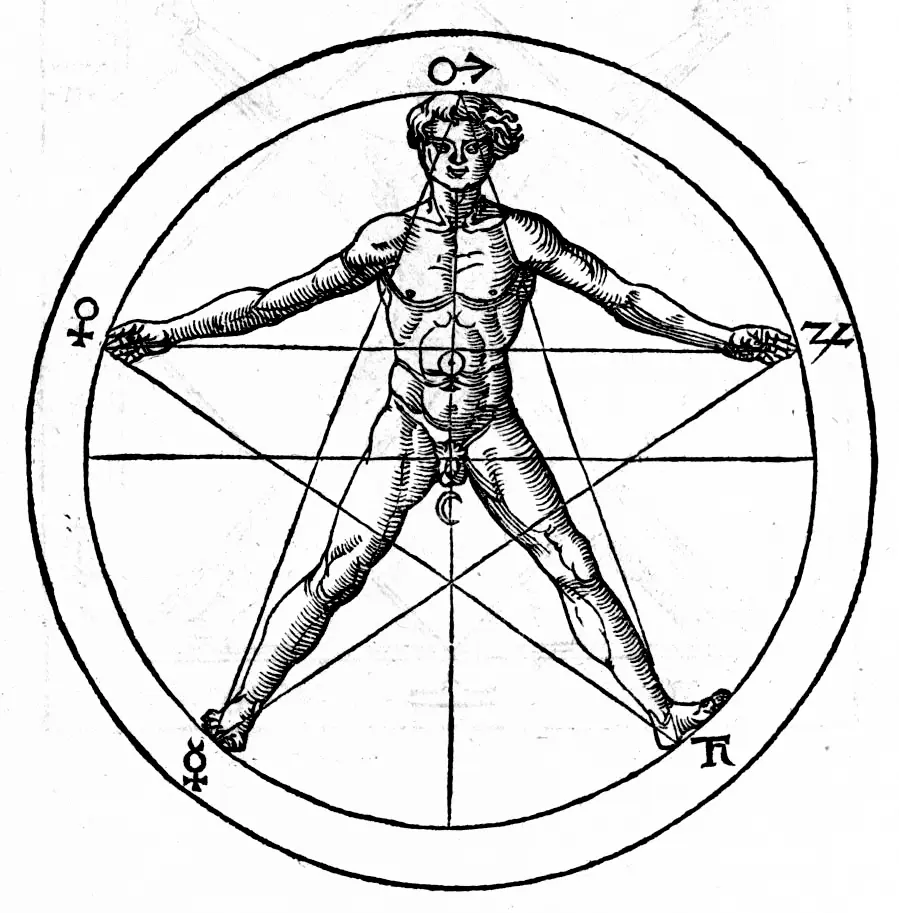
A pentagram is a five-pointed star figure used in different religious and esoteric settings. Orientation and surrounding imagery matter, but do not establish one universal meaning.
A pentagram is a five-pointed star figure used in different religious and esoteric settings. Orientation and surrounding imagery matter, but do not establish one universal meaning.
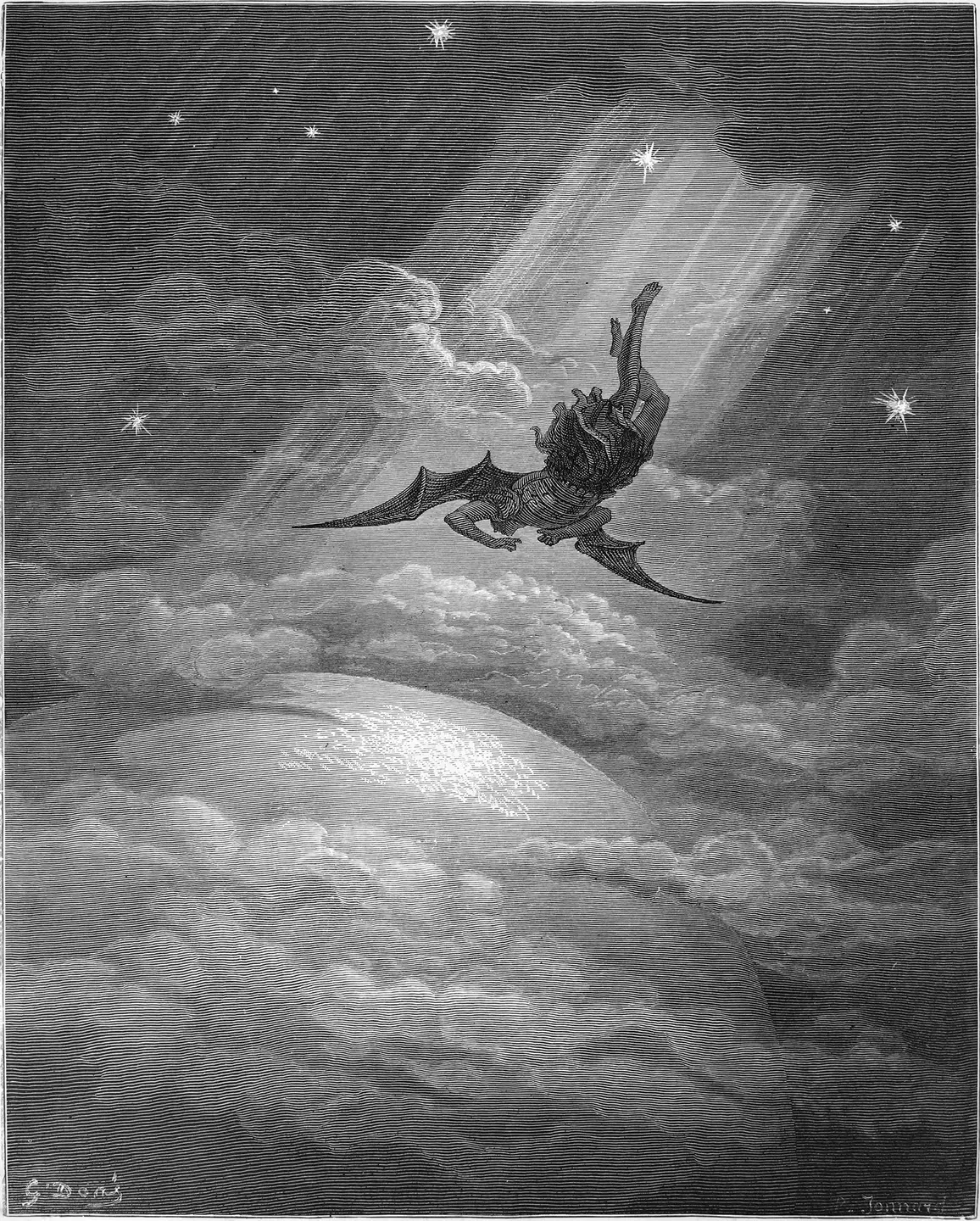
Luciferianism describes different religious and philosophical approaches that give Lucifer a positive role. Belief, practice, and identity vary among writers and communities.
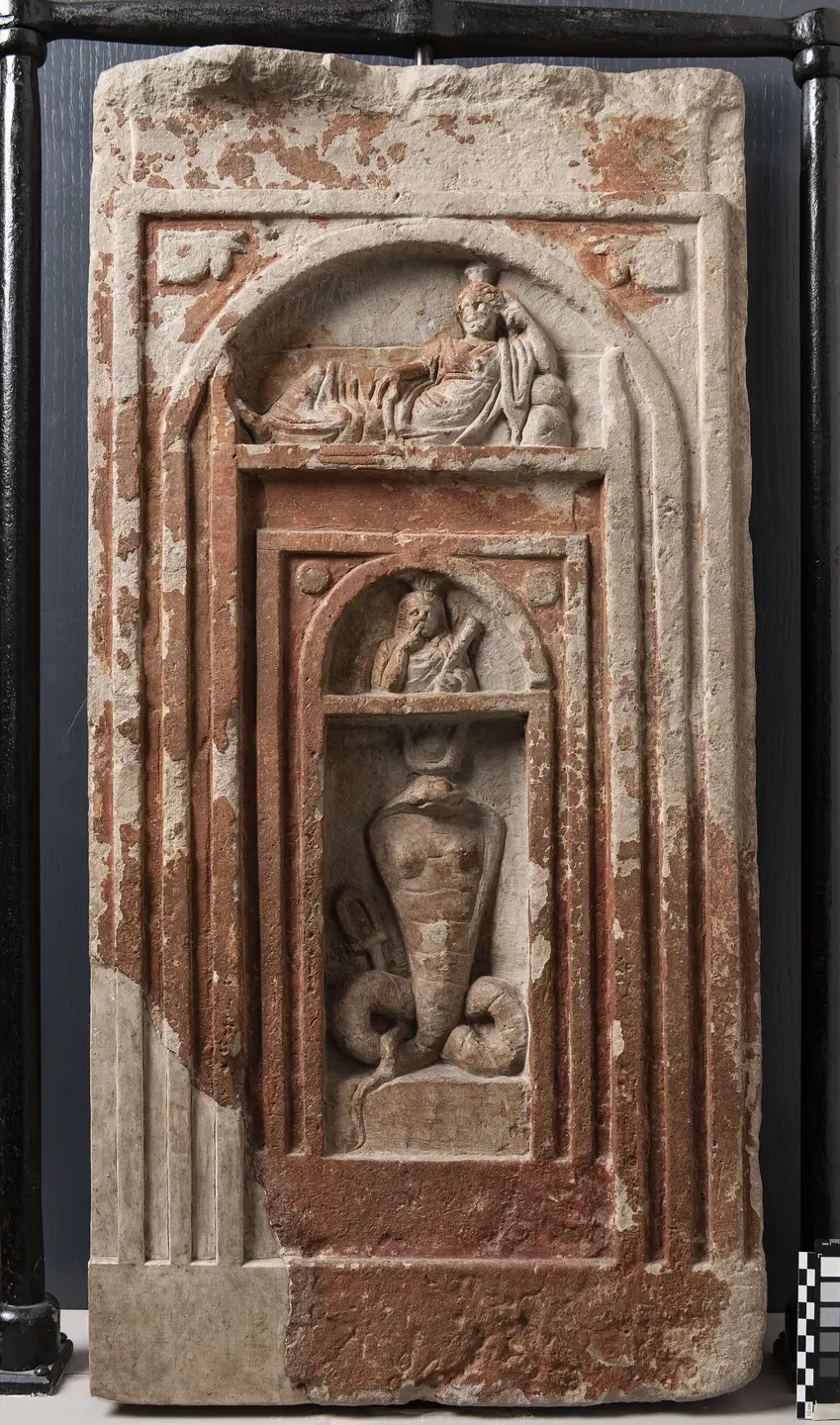
Religious syncretism concerns the combination of ideas, figures, and practices from different traditions. Similarity of names or imagery alone does not establish identity or historical continuity.
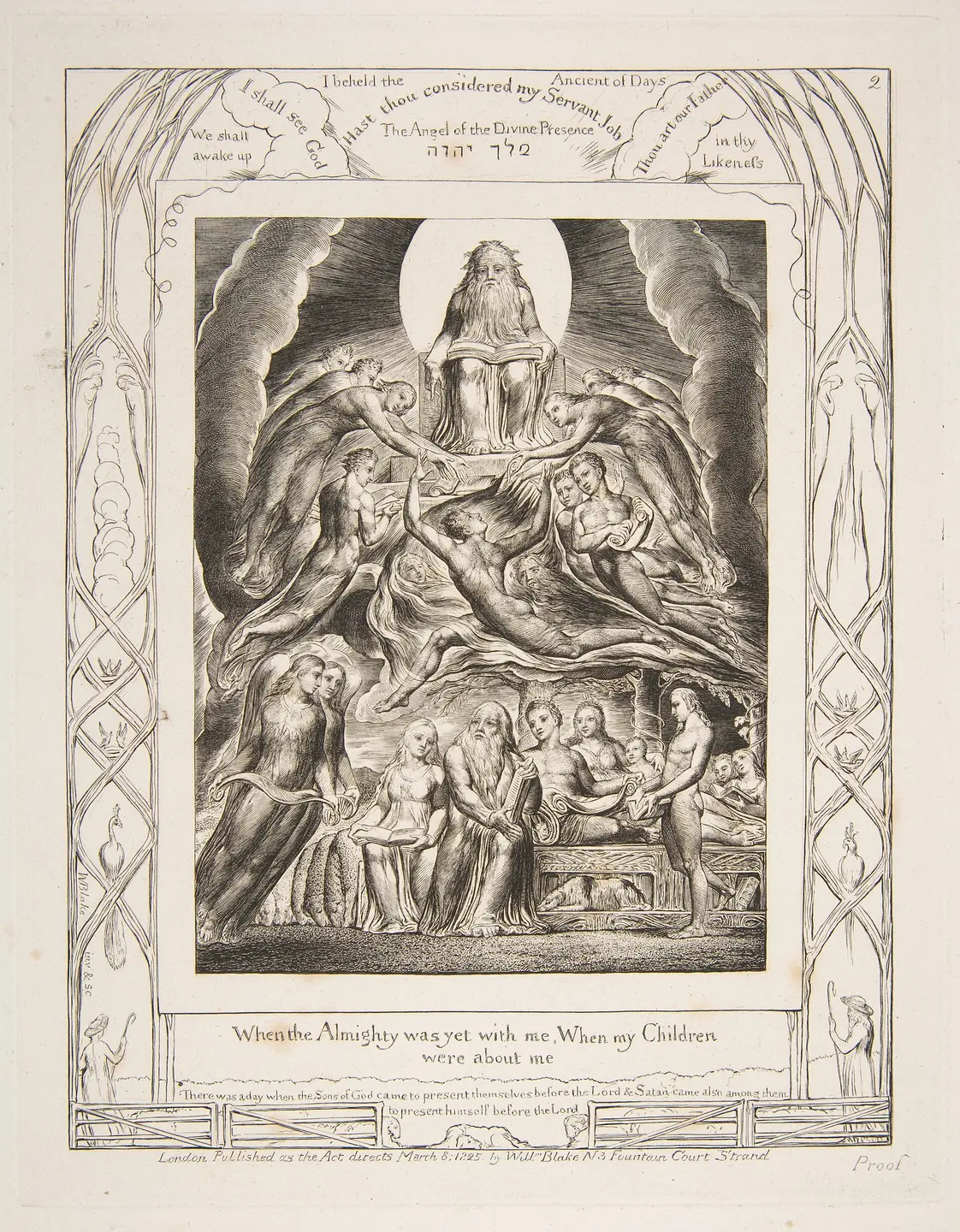
Job 1–2 presents Satan in a heavenly assembly and in a dispute about Job’s righteousness. The passage should be read before later accounts of Satan’s origins are supplied.
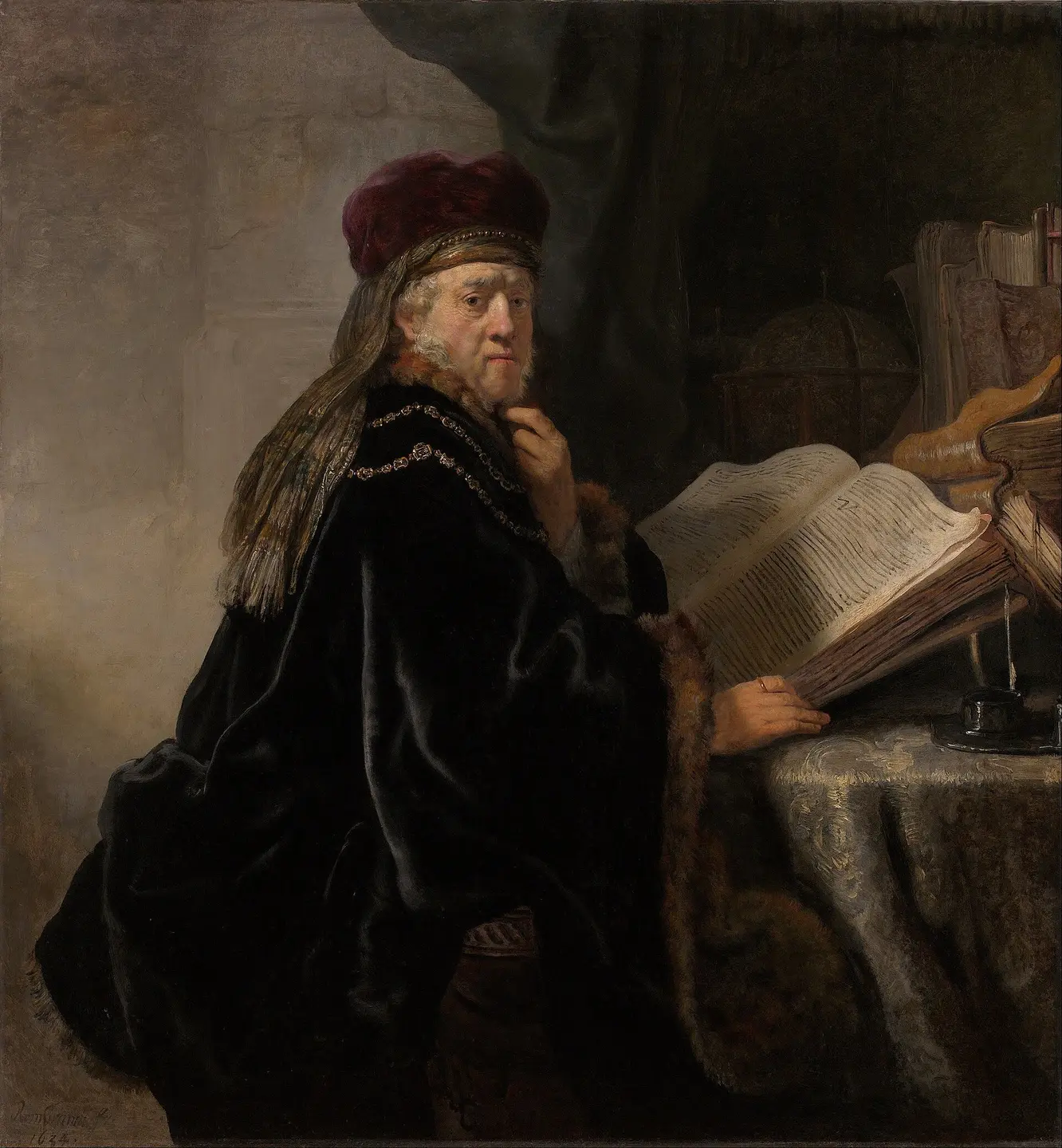
Primary sources provide direct evidence for a text, community, or historical setting. Reading them well requires context, precise citations, and comparison with other evidence.

The life and writings of David Myatt, covering his extremist activism, later philosophy, and disputed identification as Anton Long.
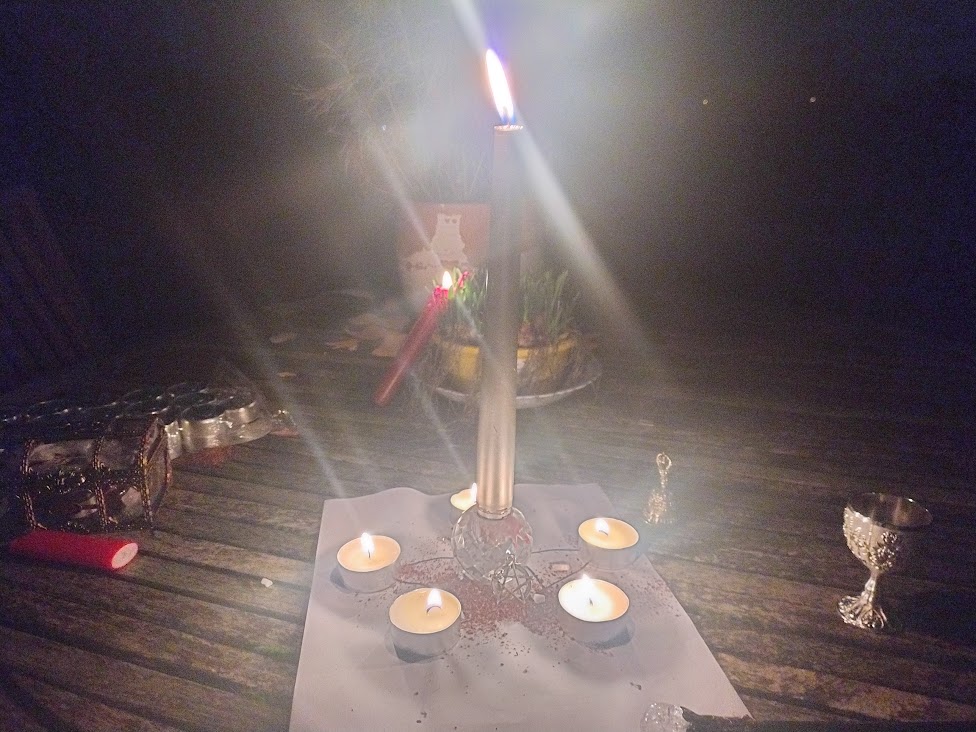
Ritual is patterned action given special religious, symbolic, social, or transformative significance. Ritual can mark time, establish sacred space, communicate with a deity, express commitment, create community, memorialize the dead, enact a transition, or focus attention on a chosen purpose. In theistic Satanism, ritual commonly includes devotional action directed toward Satan or other spirits…
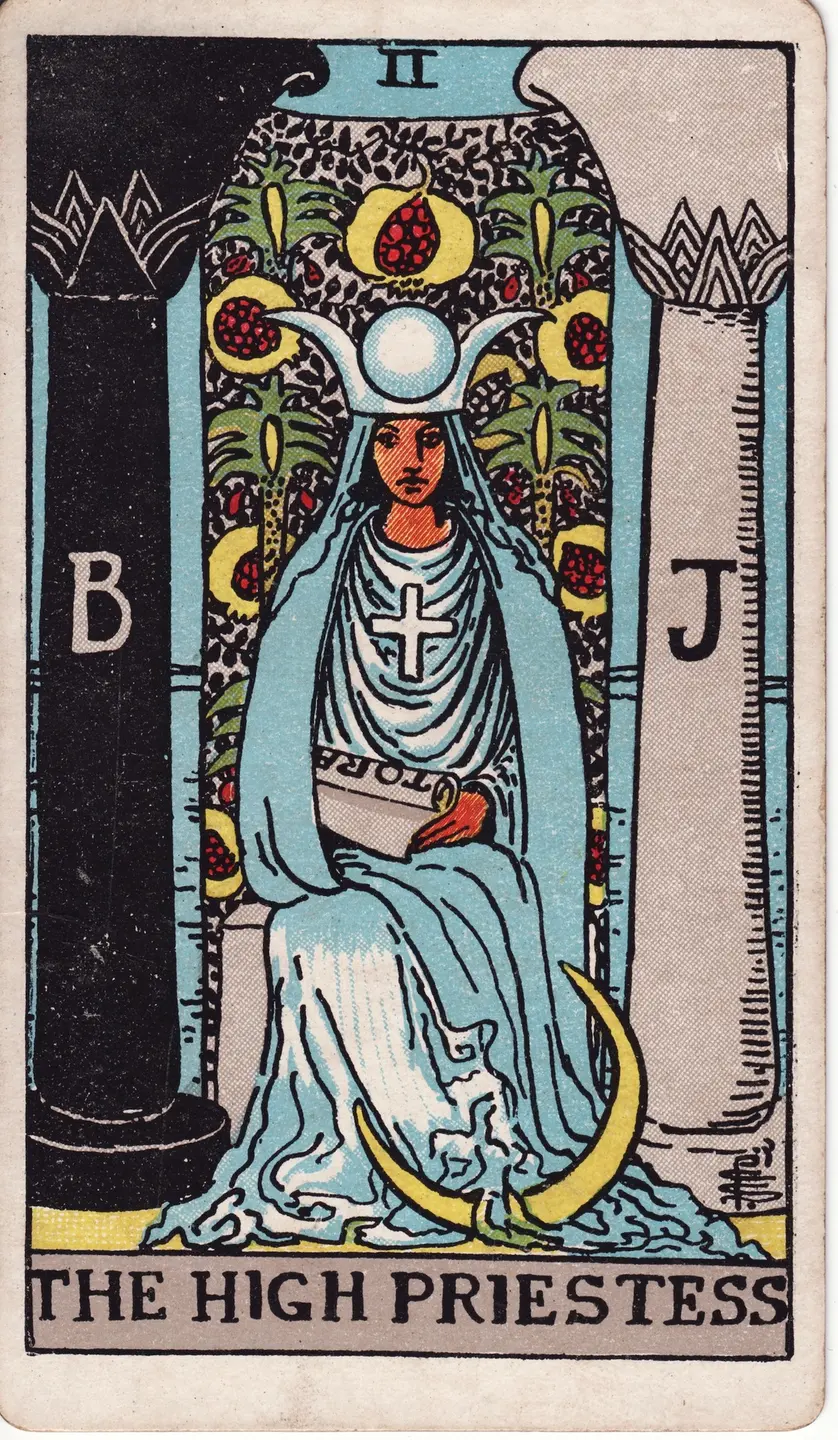
Tarot developed as playing cards before becoming an influential tool of occult interpretation. The history of the cards differs from later claims about their hidden origins.
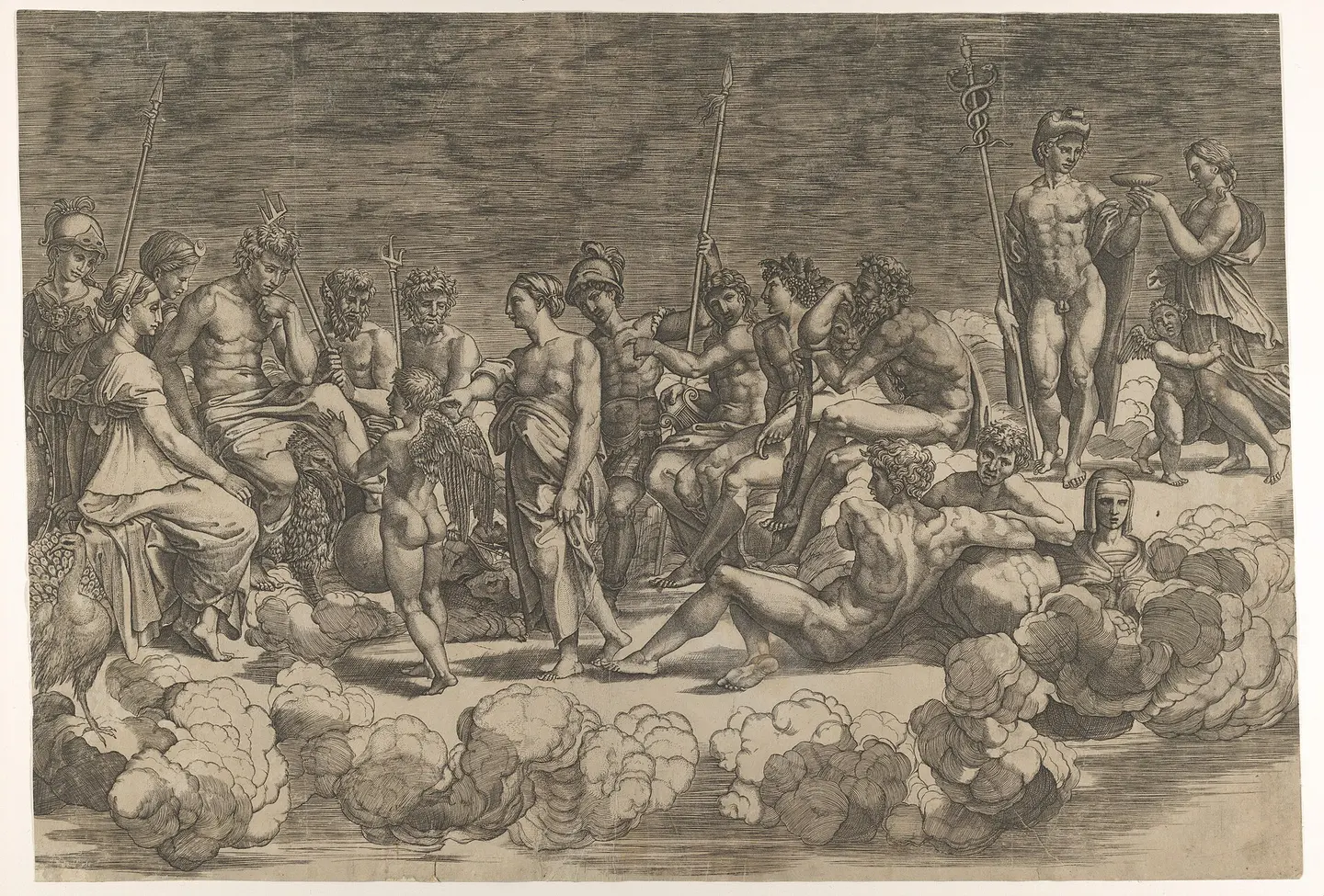
Polytheism involves belief in multiple deities. The existence of several gods does not by itself settle their relationships, moral authority, or the forms of devotion directed toward them.
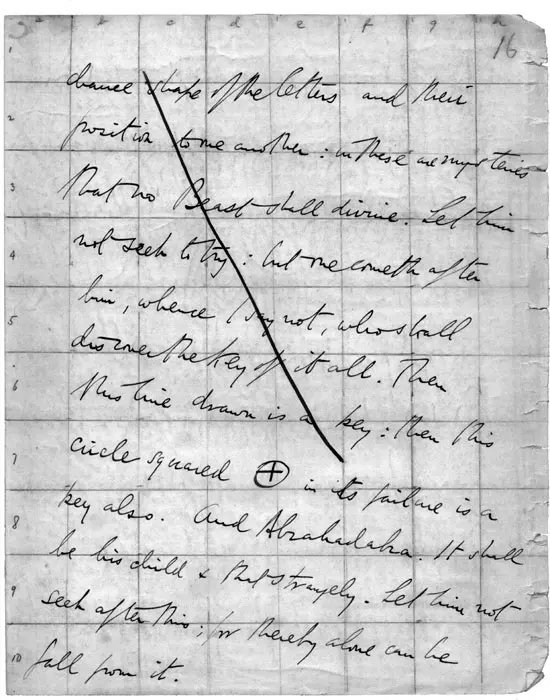
The three-chapter revelatory text at the center of Thelema, also titled Liber AL vel Legis.
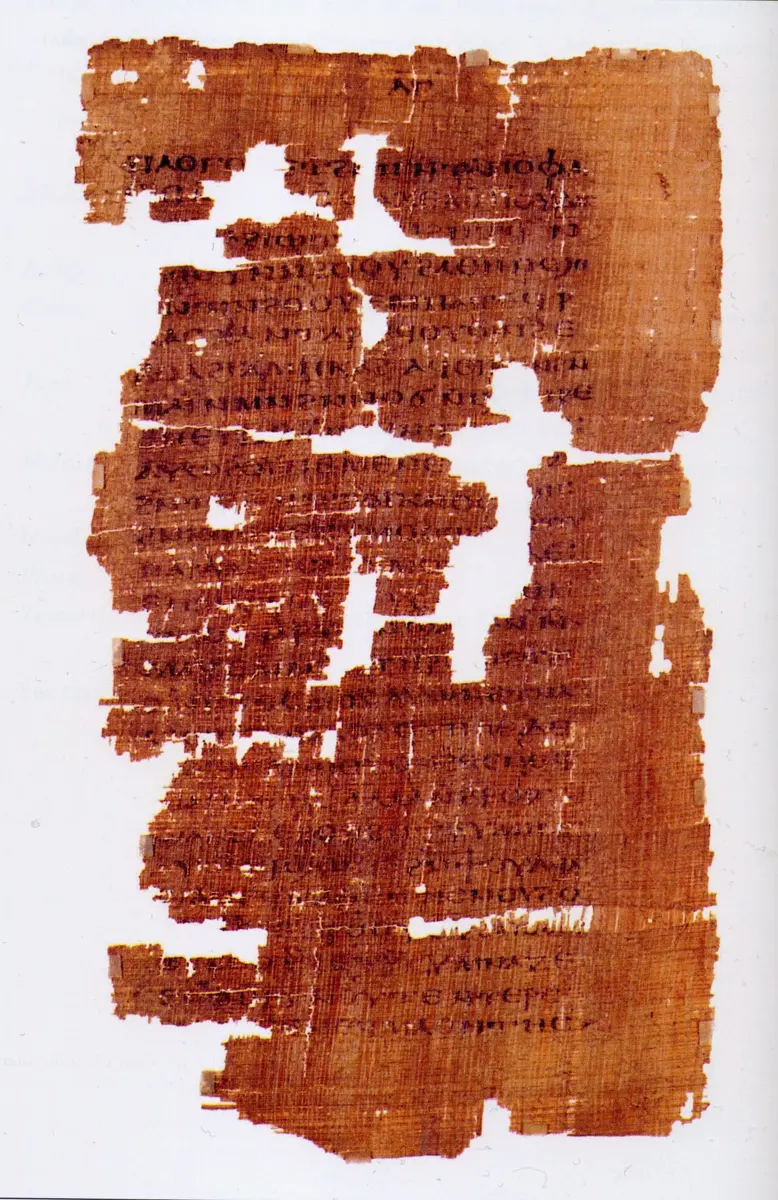
An early Christian revelation dialogue preserved in Coptic, known from the manuscript called Codex Tchacos.
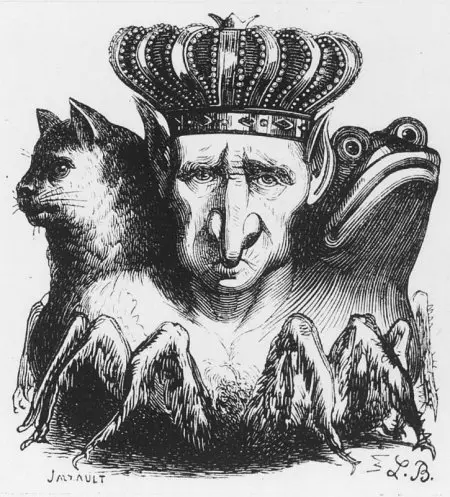
Bael is a ranked spirit in early modern magical catalogues. The Goetic figure should be distinguished from the wider use of the ancient title Baal.
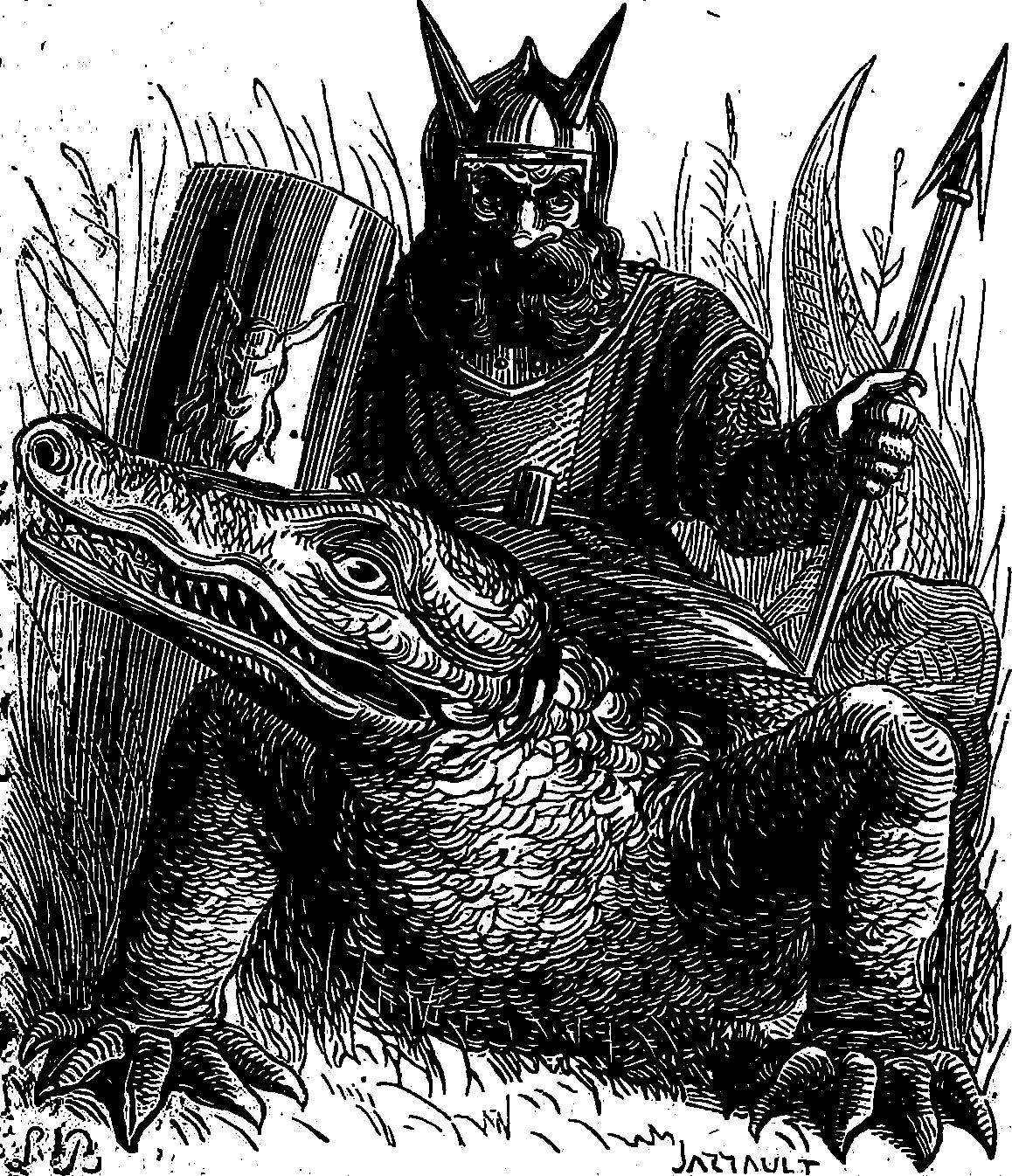
A Goetic duke, also called Saleos, described as a peaceful soldier riding a crocodile.
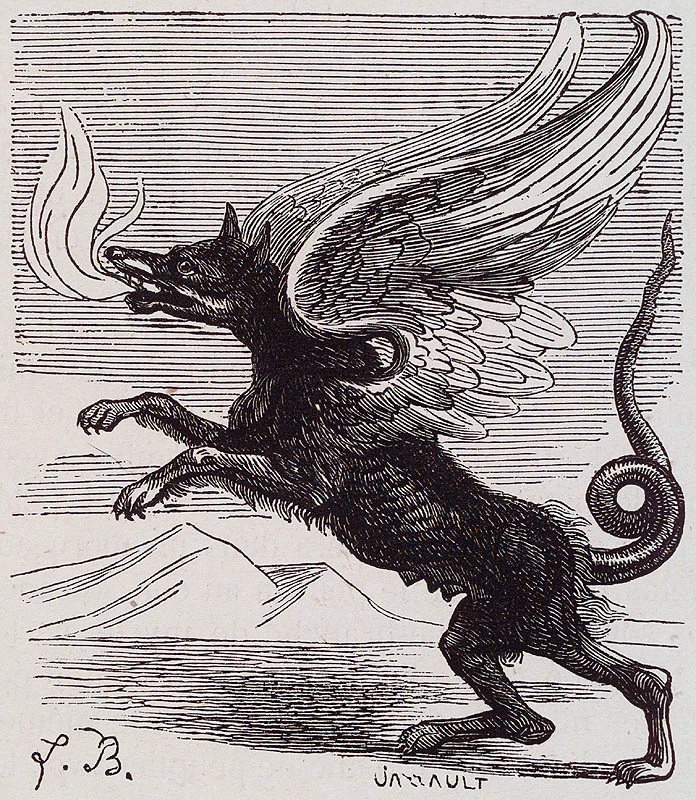
A Goetic marquis with a winged wolf form, described as a fighter who hopes to return to a heavenly throne.
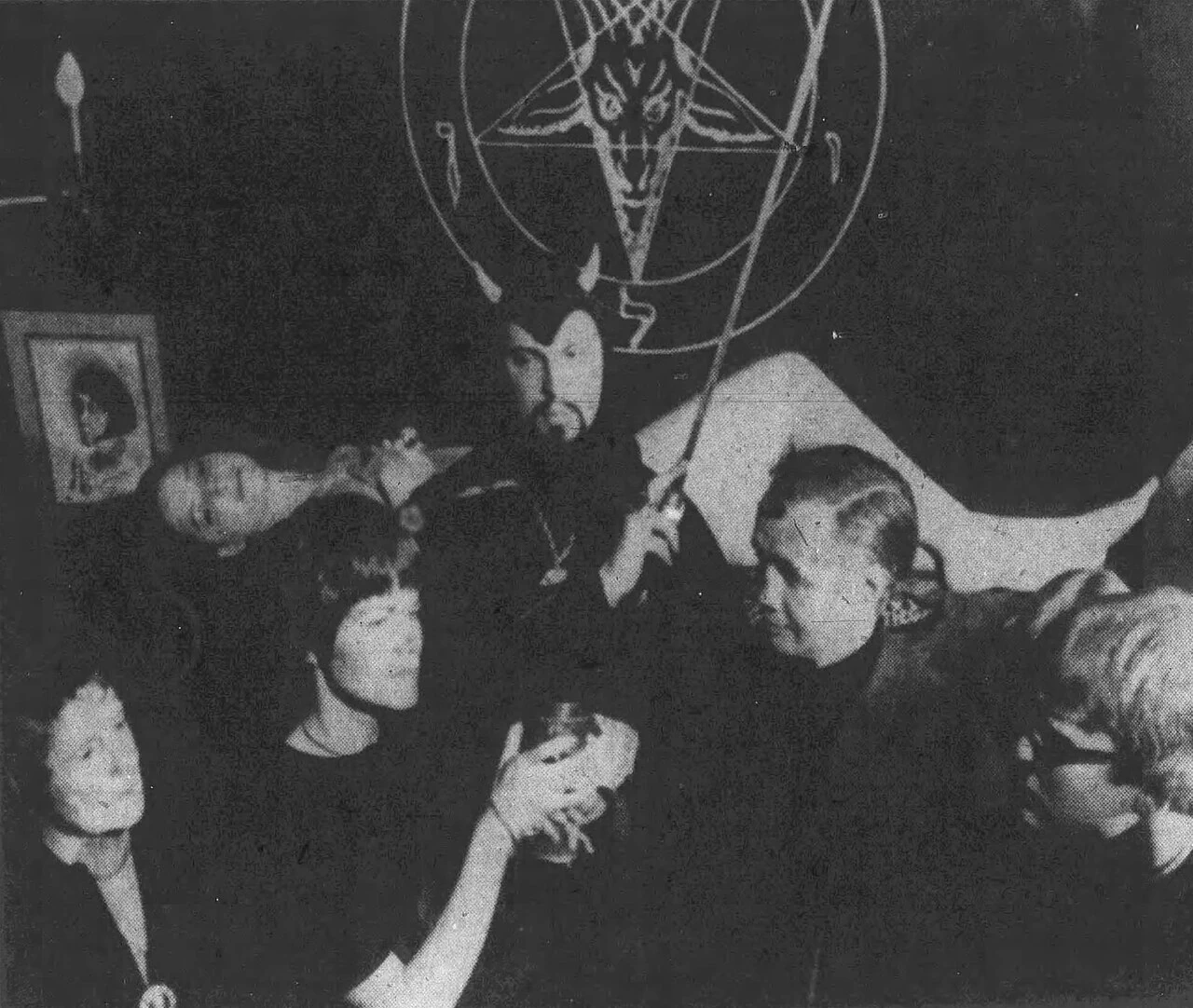
Anton LaVey’s collection of ceremonial material, published as a companion to The Satanic Bible.
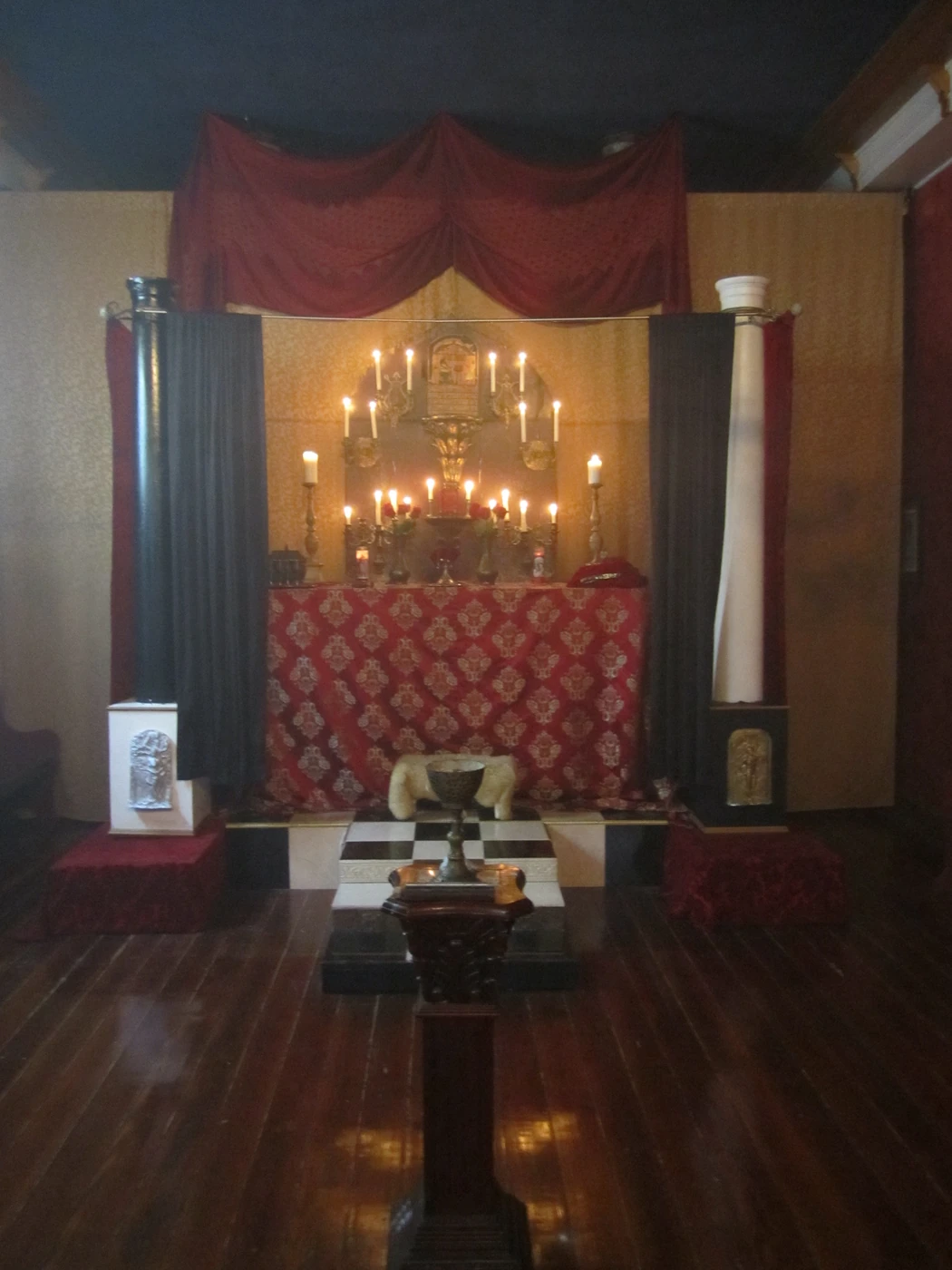
The central public liturgy of Ecclesia Gnostica Catholica, written by Aleister Crowley as Liber XV.
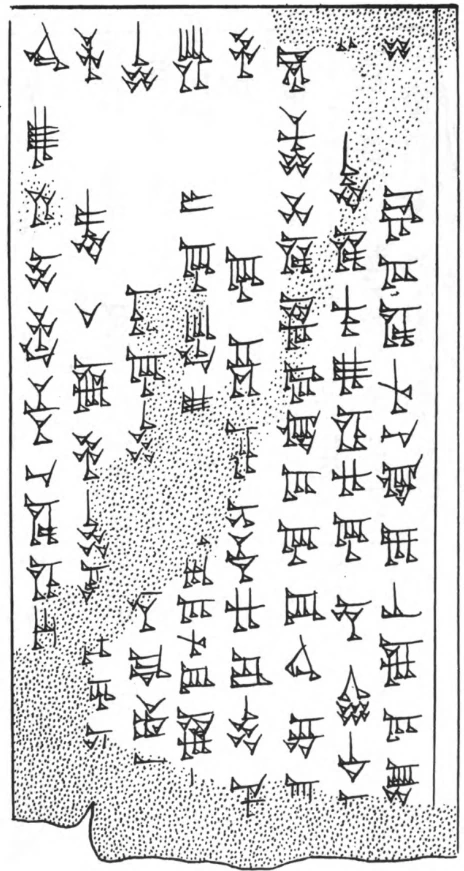
The primordial sea figure in the Babylonian creation epic Enuma Elish, defeated by Marduk in its account of cosmic ordering.
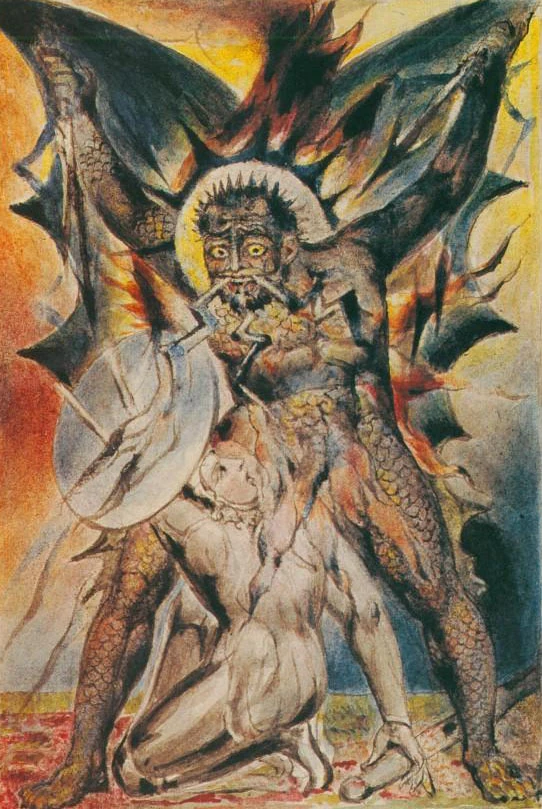
A biblical name associated with destruction, used in Revelation for the angel of the abyss.
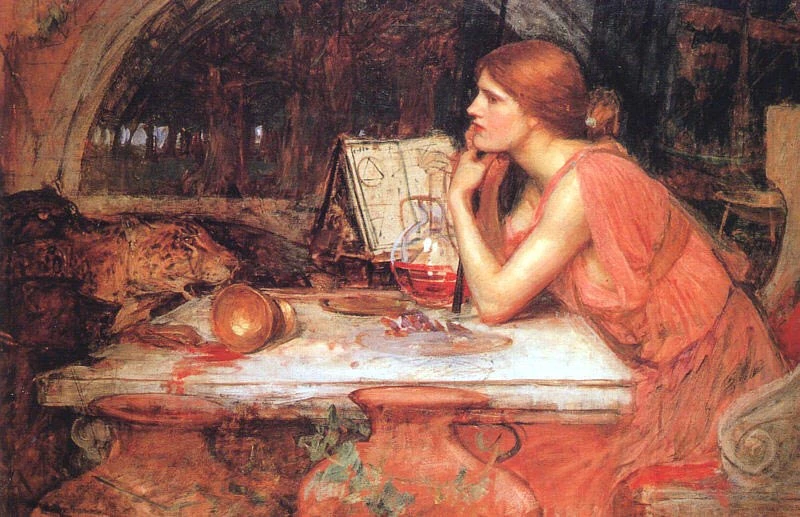
Ceremonies intended to clear, delimit, or reorder a ritual setting, with methods that vary by tradition.