Culture & Ethics
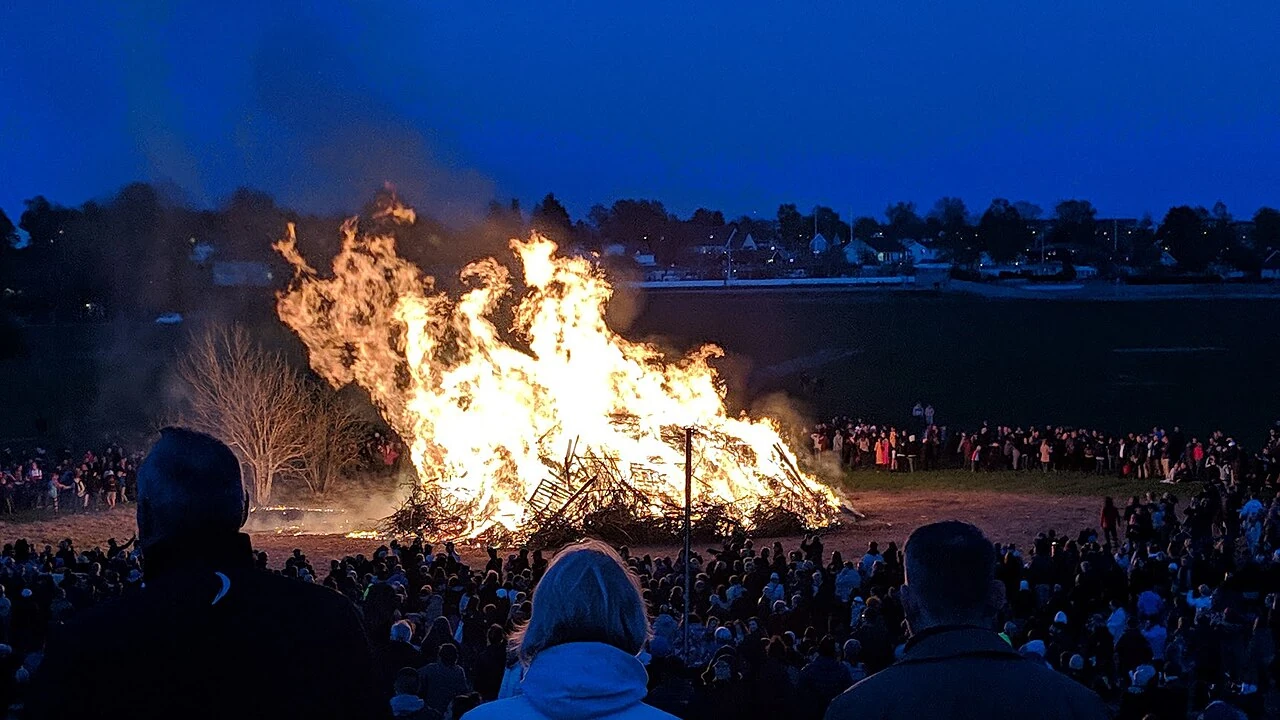
Satanic holidays
The different holiday calendars published by the Church of Satan and The Satanic Temple, with dates and organizational meanings.
The different holiday calendars published by the Church of Satan and The Satanic Temple, with dates and organizational meanings.
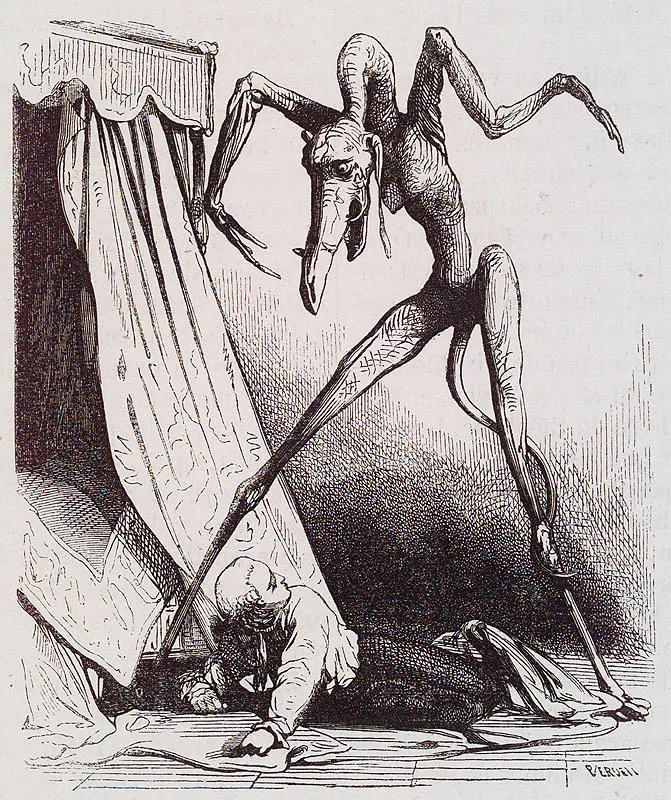
Demonology is the study, classification, and interpretation of demons and related spirits. In Western religious history it has included theological arguments about the nature and powers of demons, lists of named spirits, explanations of possession and temptation, magical techniques for summoning or constraining spirits, and folklore about dangerous supernatural beings. Modern theistic Satanists and…
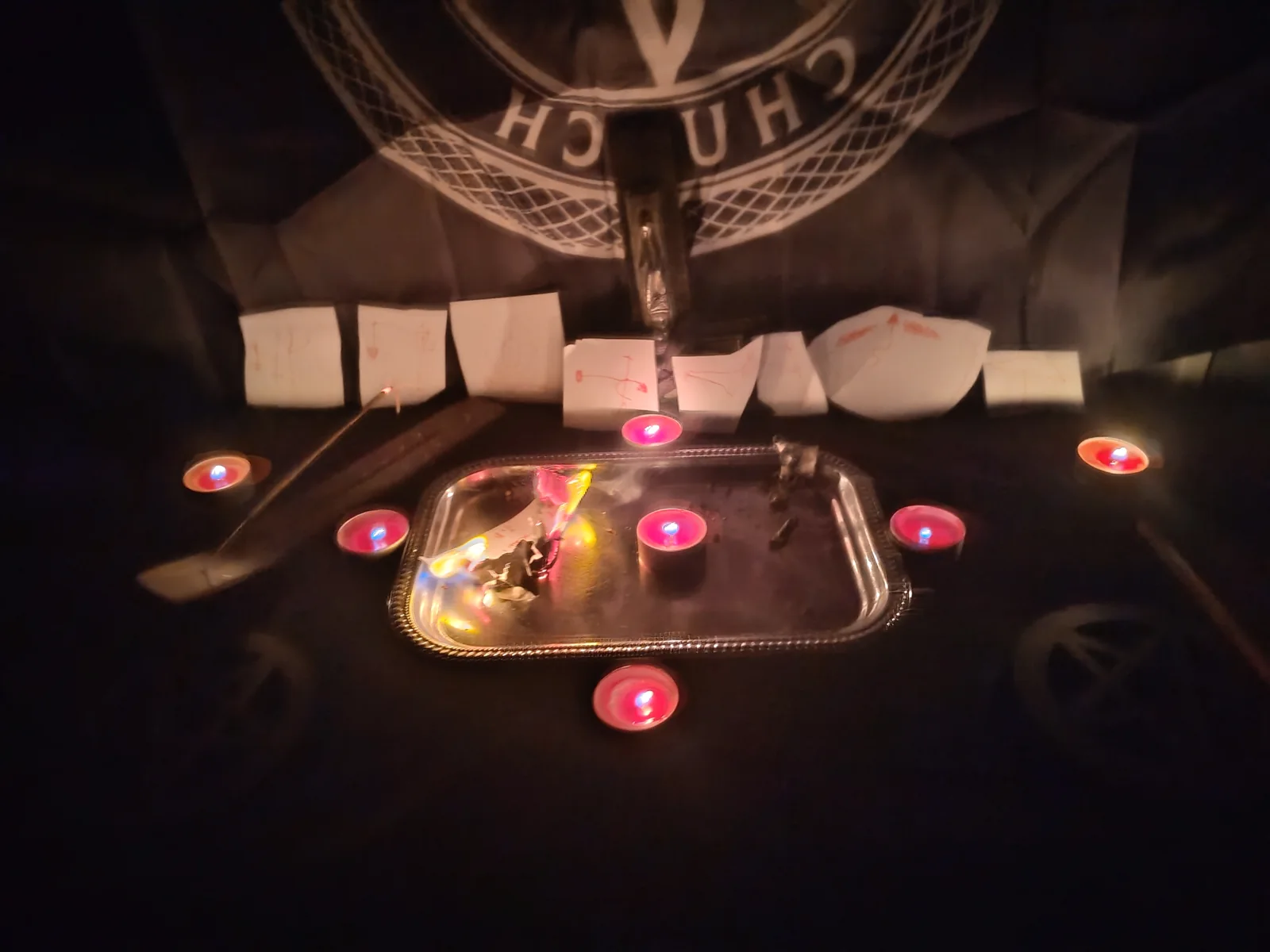
Prayer is intentional communication addressed to a deity, spirit, sacred power, or ultimate reality. It can include praise, petition, confession, thanksgiving, lament, dedication, silence, repetition, or simple direct speech. In theistic Satanism, prayer usually means addressing Satan or another spiritually real being rather than speaking only to oneself or performing a purely symbolic exercise.
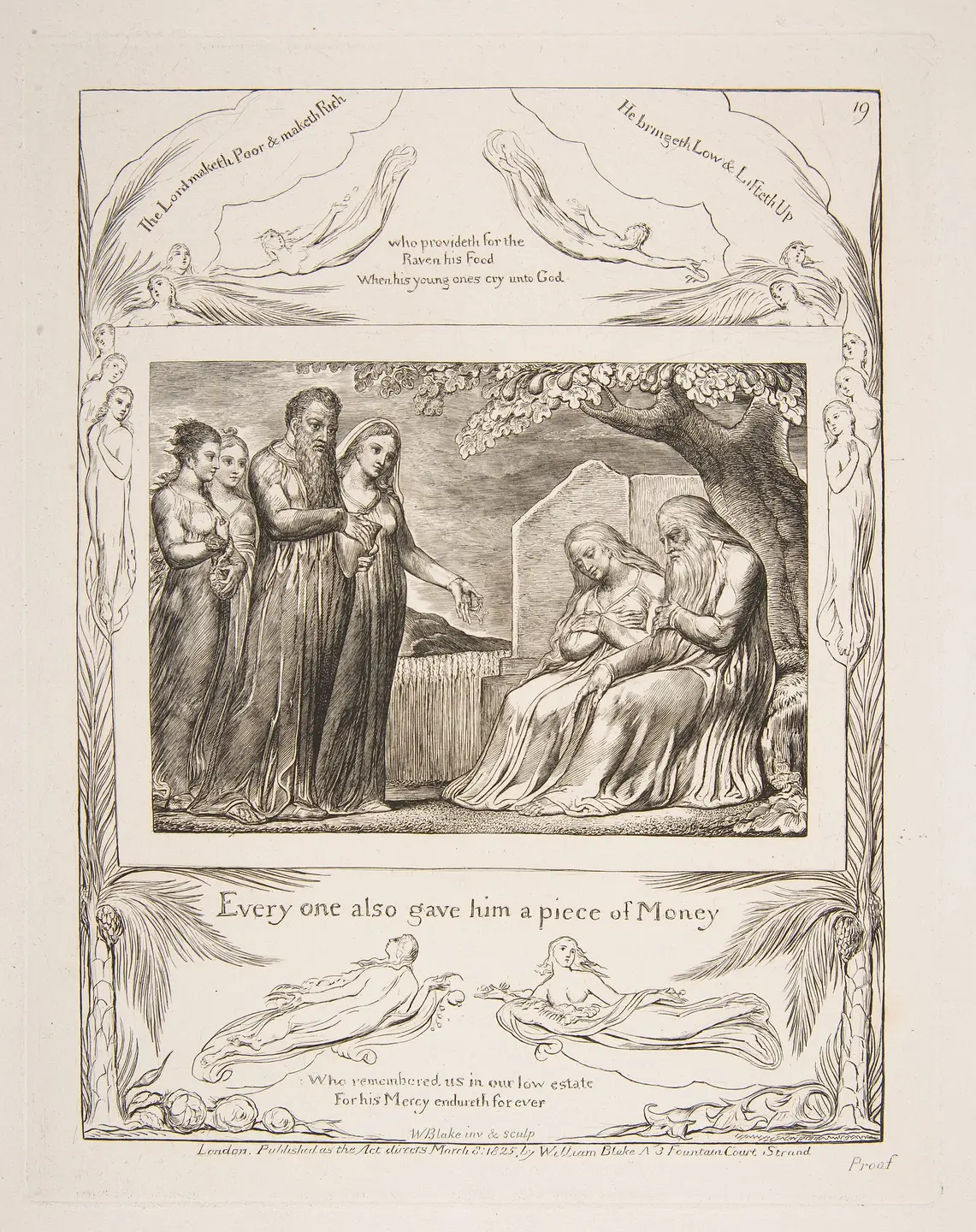
Ethics in theistic Satanism concerns the moral principles, responsibilities, virtues, prohibitions, and methods of judgement developed by Satanists who regard Satan or related beings as real rather than purely symbolic. There is no universal Satanic ethical code. Theistic Satanism is decentralized, and its practitioners may draw on personal conscience, religious devotion, philosophical individualism,…
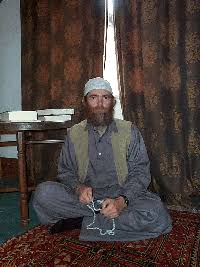
The life and writings of David Myatt, covering his extremist activism, later philosophy, and disputed identification as Anton Long.
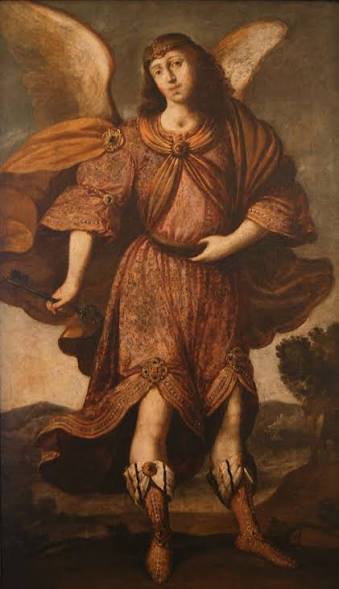
Raziel is an angel associated with the revelation of divine secrets, especially the legendary book given to Adam. His name appears in Jewish interpretive and magical literature and later Western esotericism, where Agrippa connects him with Chokmah, or Wisdom.

Freedom of religion and belief in international human rights texts, including minority religions, nonbelief, and religious expression.
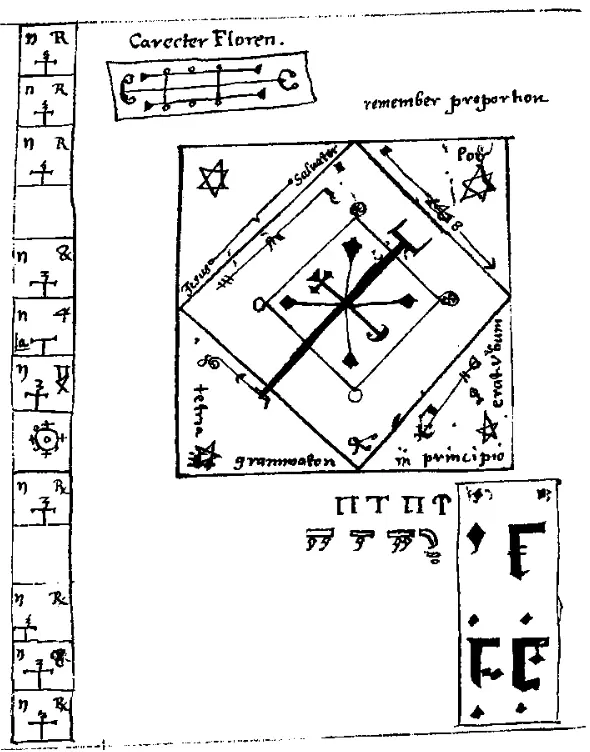
A grimoire is a book or manuscript containing magical knowledge, ritual procedures, charms, conjurations, talismans, spirit catalogues, astrological instructions, prayers, or other techniques intended to produce supernatural or occult effects. The term is most strongly associated with European magic, but scholars use it within a much wider history of magical books and written ritual technologies.
The High Satanic Church is an independent theistic Satanist religious organization and online congregation centered on the worship of Satan as a real deity. Its public website describes the Church as theistic, devotional, and unaffiliated with both the Church of Satan and The Satanic Temple. The organization maintains public material on beliefs and practice as well as member accounts, lodges, writings,…
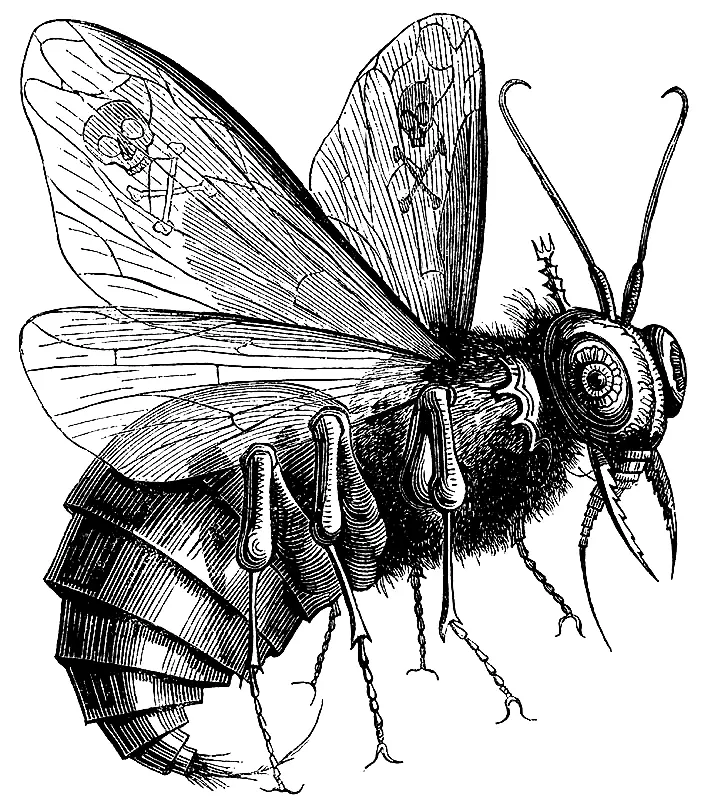
Beelzebub and related spellings appear in distinct biblical contexts. Later demonological interpretations should not be retroactively read into each earlier occurrence.
Agrippa’s Renaissance synthesis of natural, celestial, and religious magic.
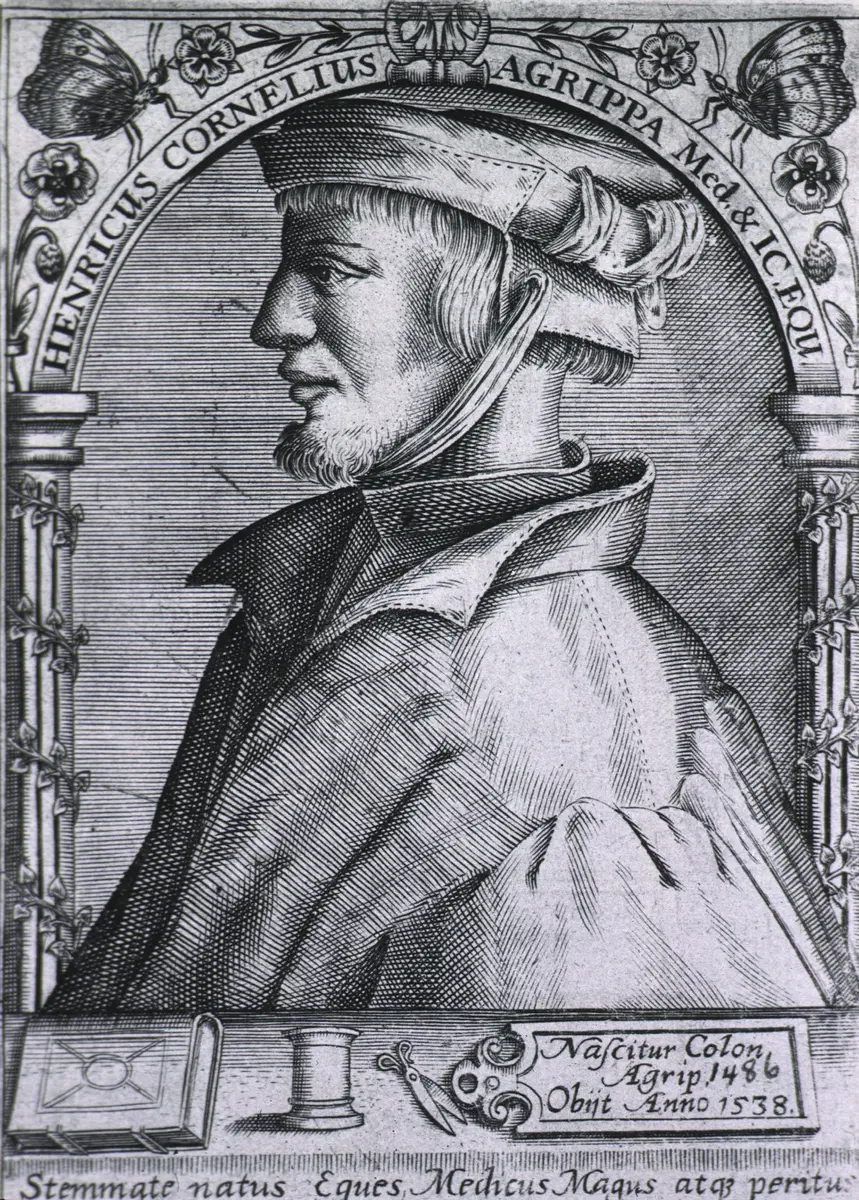
A Renaissance author whose Three Books of Occult Philosophy became a major source for Western magical systems.
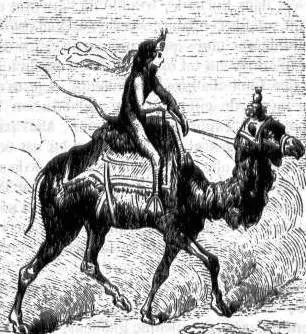
Paimon is a royal spirit described in the Ars Goetia and related literature. Musical procession and the teaching of knowledge are important elements of his received image.
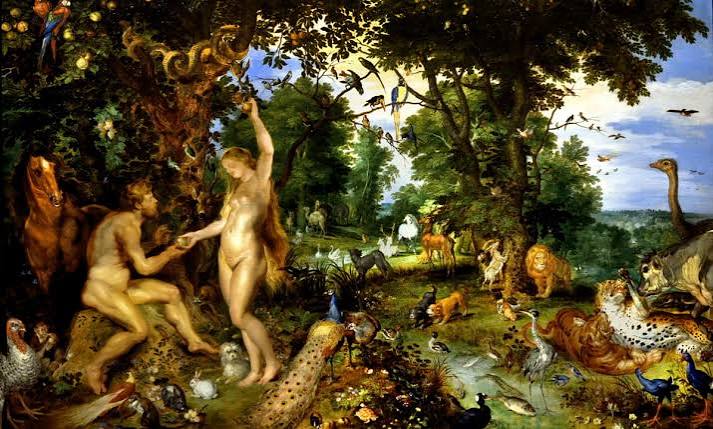
The Life of Adam and Eve is a group of related apocryphal narratives about the first humans. Its versions expand the Eden story through accounts of repentance, the Devil’s hostility, illness, burial, and hoped-for restoration.
Mastema is a leader of harmful spirits in the Book of Jubilees. His appearances in the stories of Noah, Abraham, and Moses connect temptation, accusation, and hostility with a power that remains subject to divine limits.
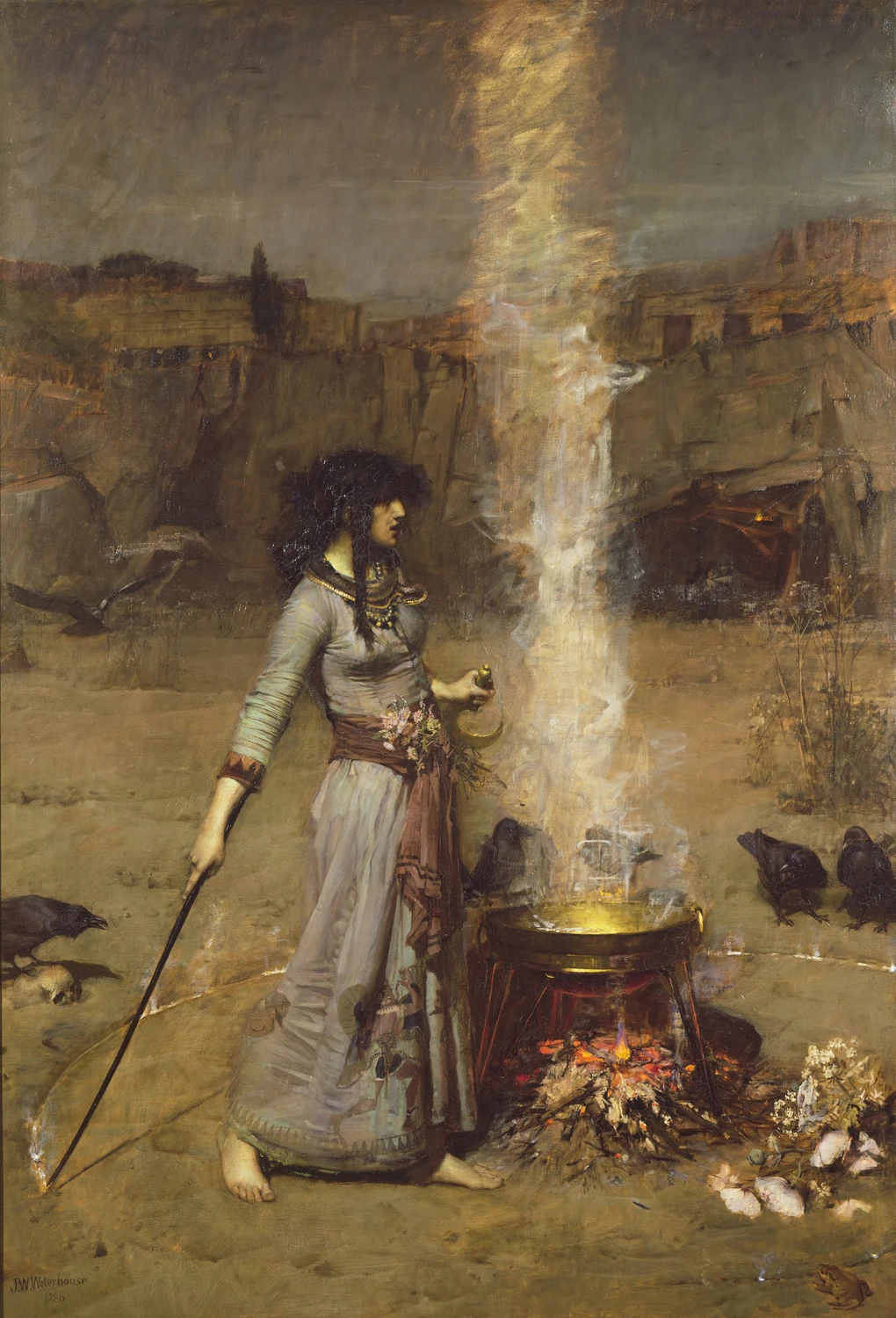
How witchcraft has meant an accusation, a magical practice, and a modern identity, with examples from museums and trial records.
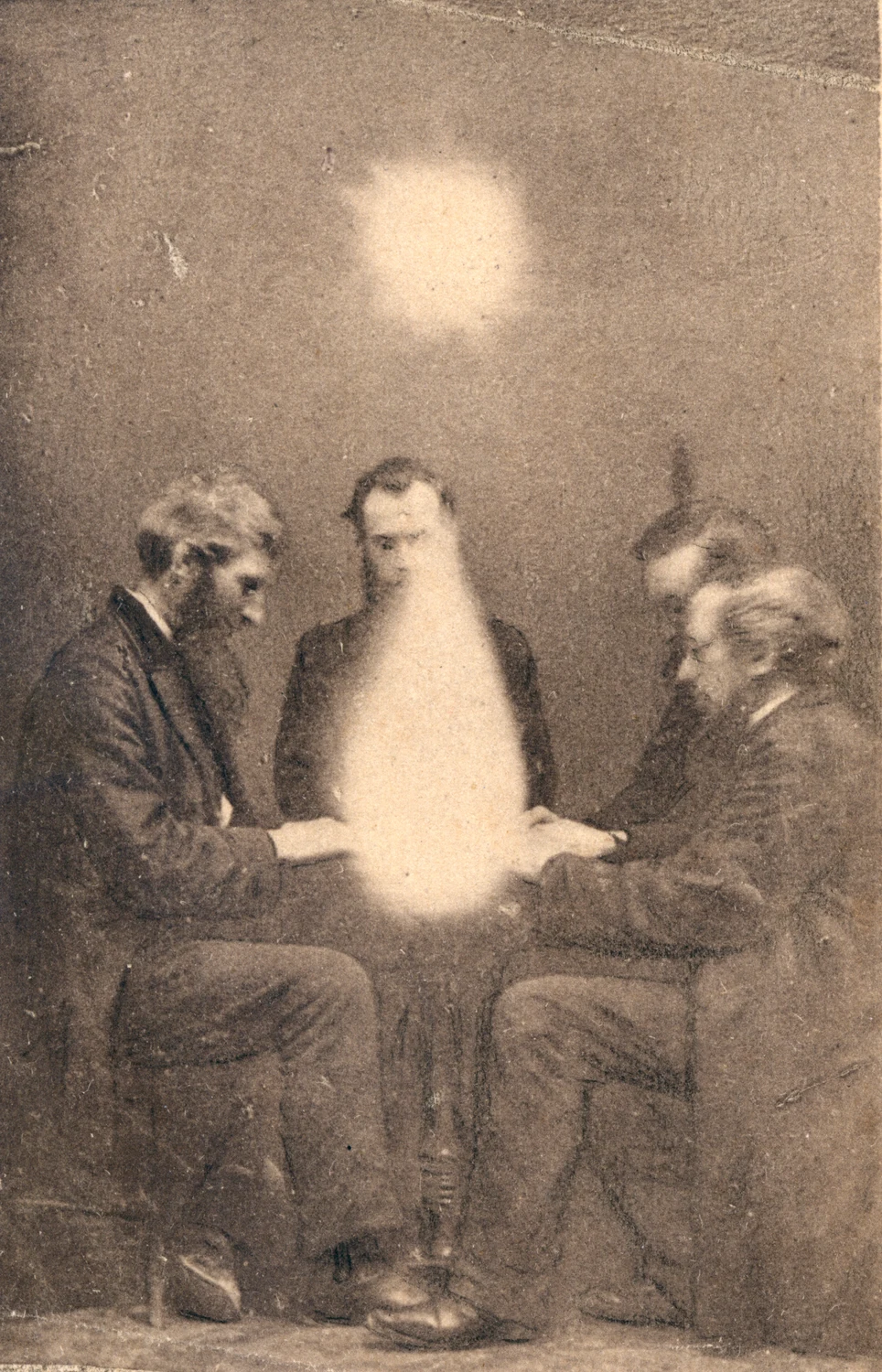
A religious movement centered on mediumship and continued personal identity after death, with church teachings and spirit photography.
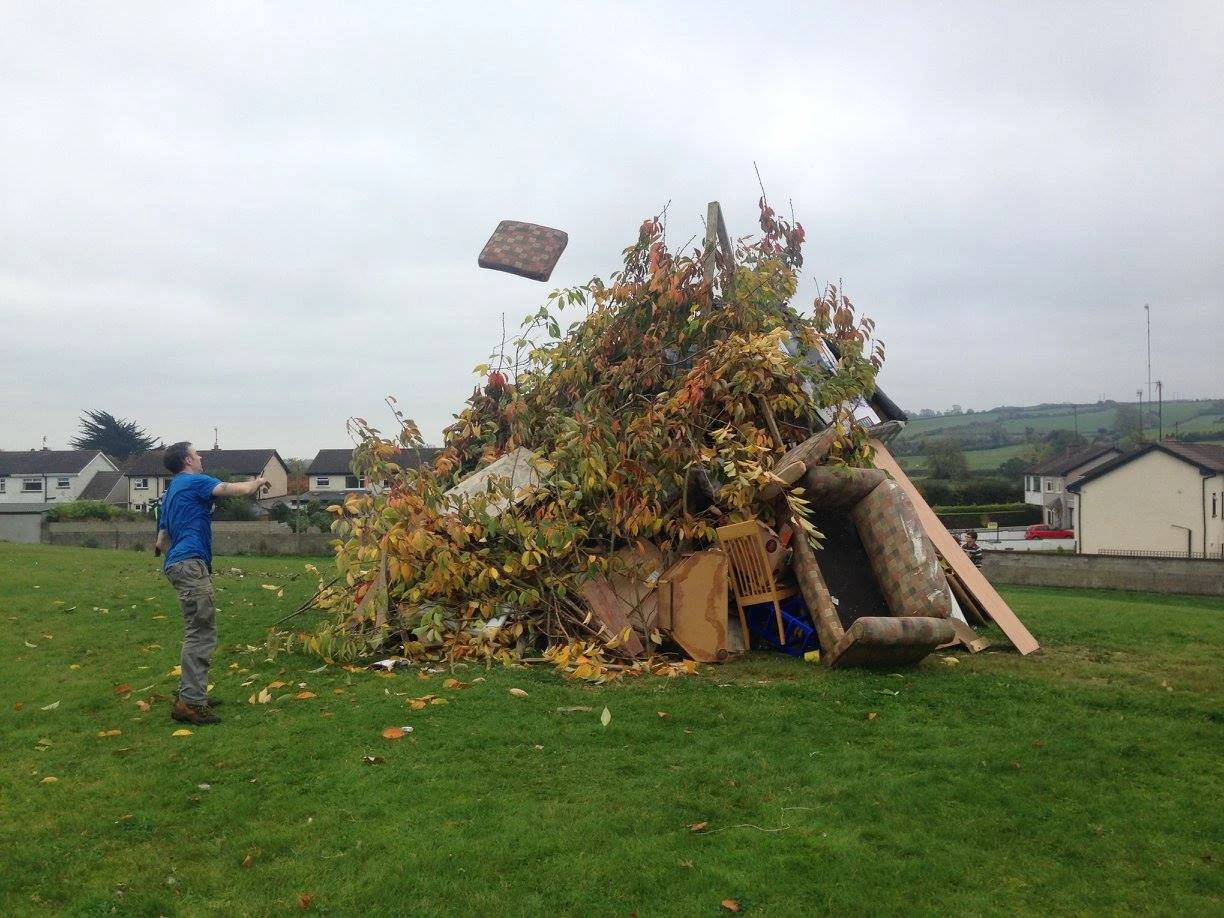
The Gaelic beginning-of-winter festival, Irish customs of food and divination, and its place in modern Pagan practice.