Organizations & Traditions
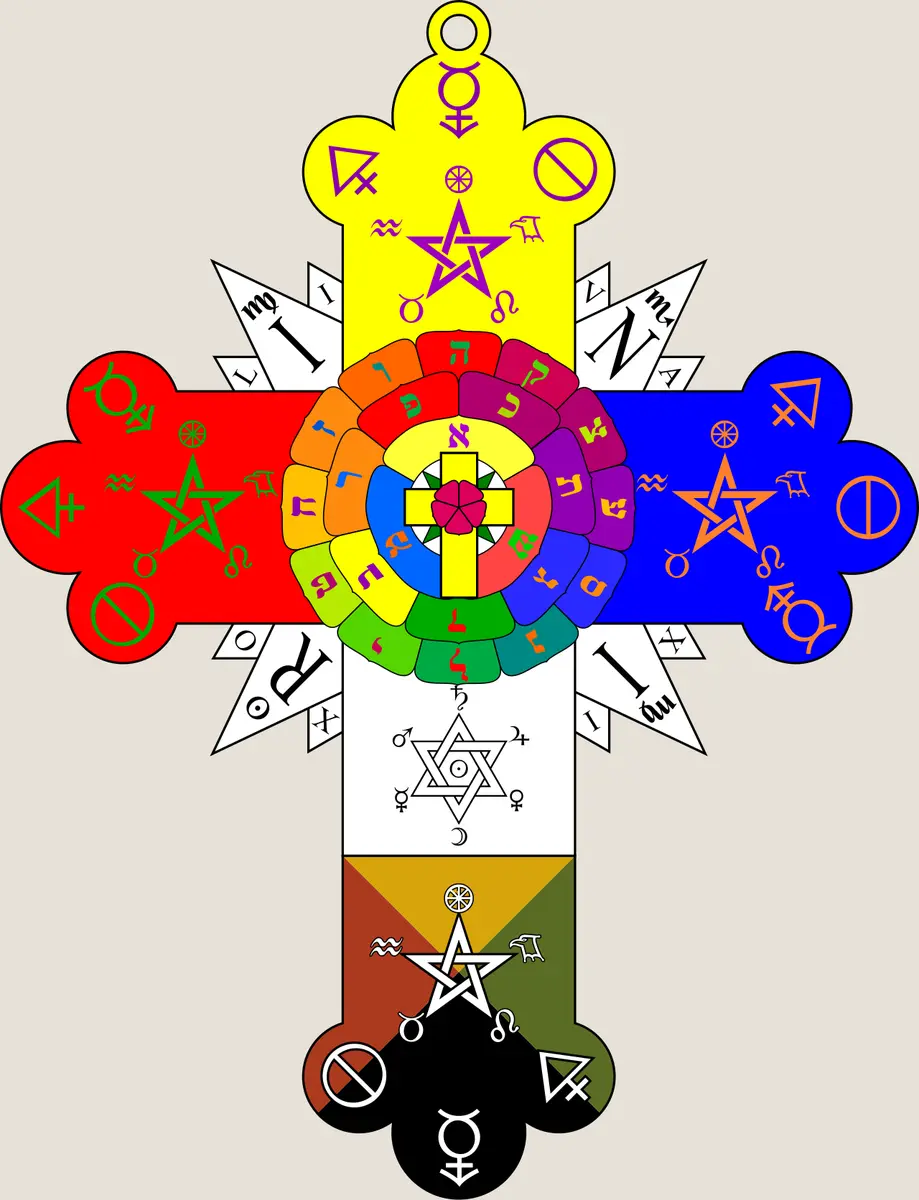
Hermetic Order of the Golden Dawn
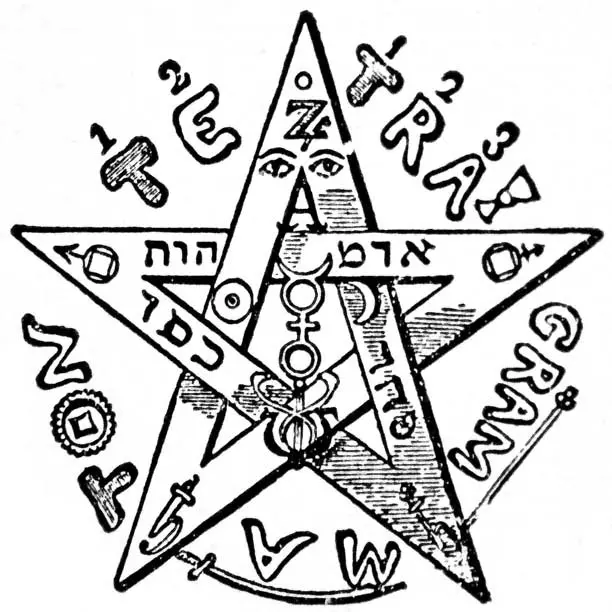
A late nineteenth-century British initiatory order that shaped modern ceremonial magic, Tarot, and Hermetic Qabalah.
A late nineteenth-century British initiatory order that shaped modern ceremonial magic, Tarot, and Hermetic Qabalah.
The Pauline Art in the Lemegeton, concerning angels of the hours and the degrees of the zodiac.
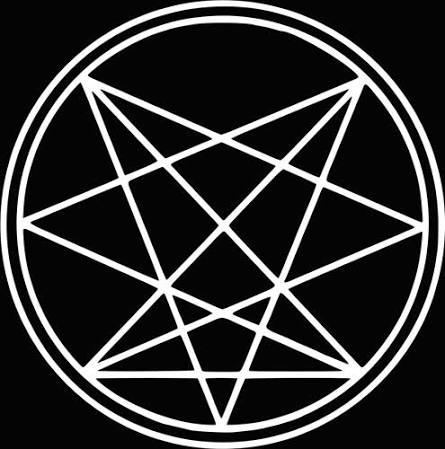
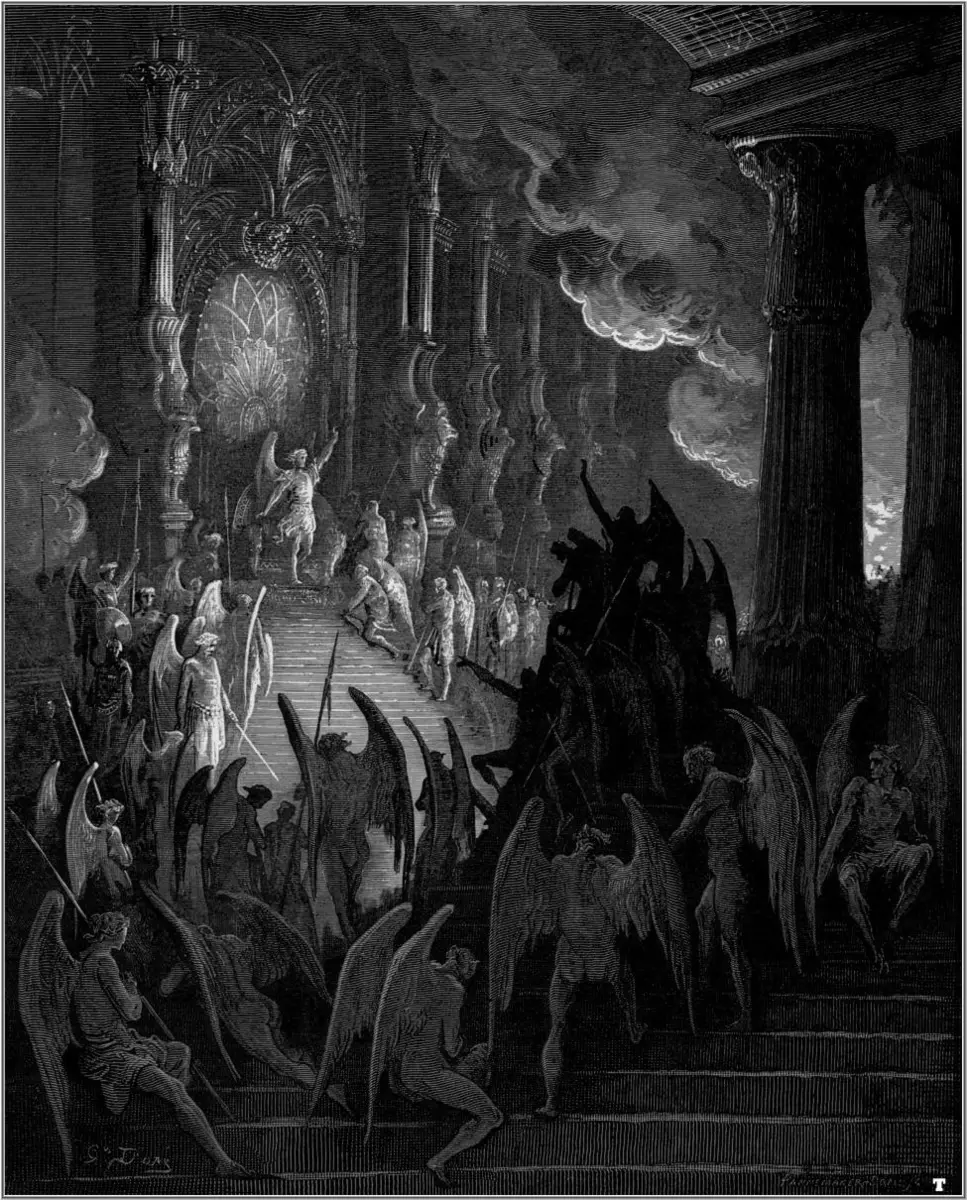
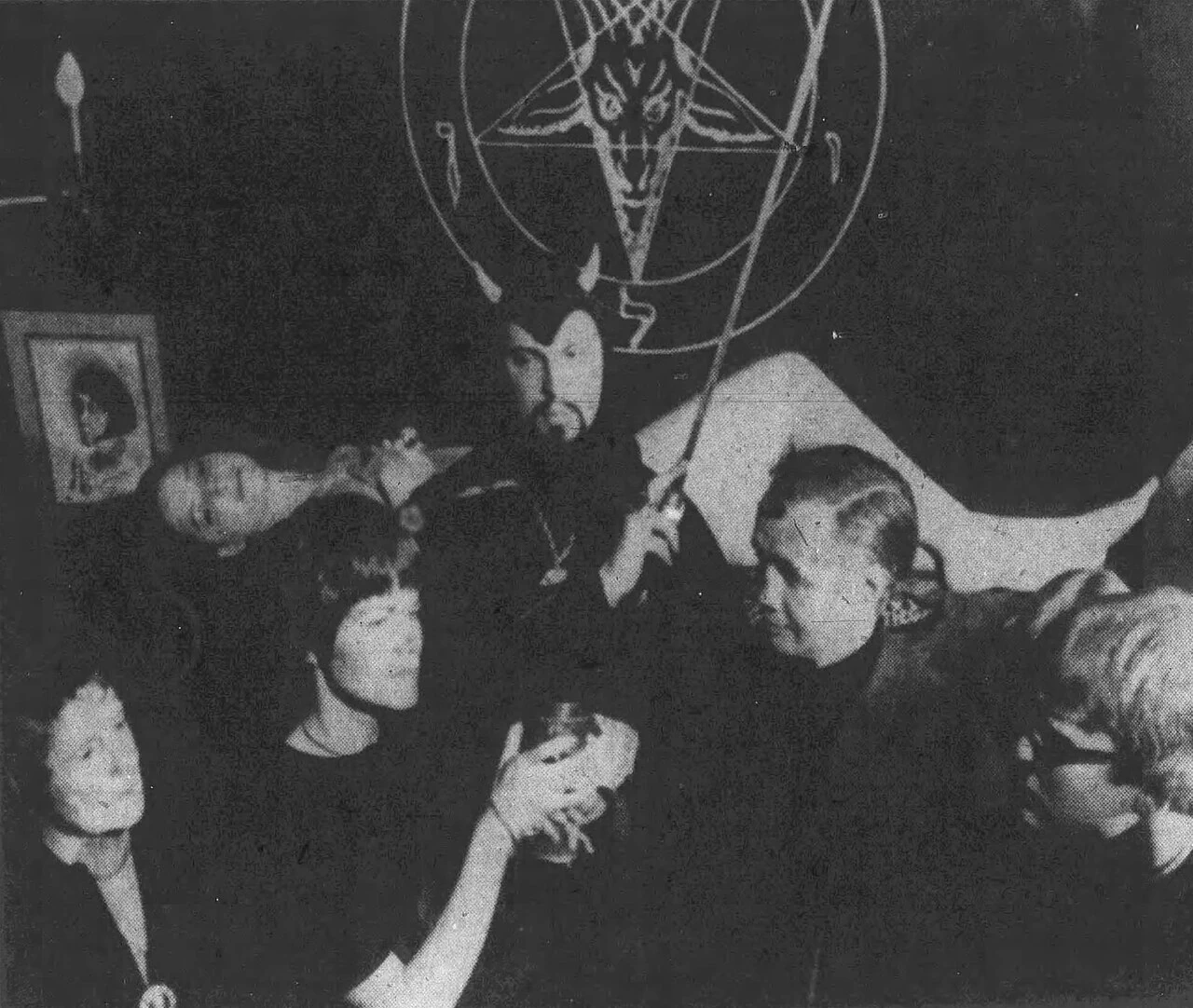
A nontheistic Satanic organization whose public principles emphasize self-determination, compassion, and responsibility.
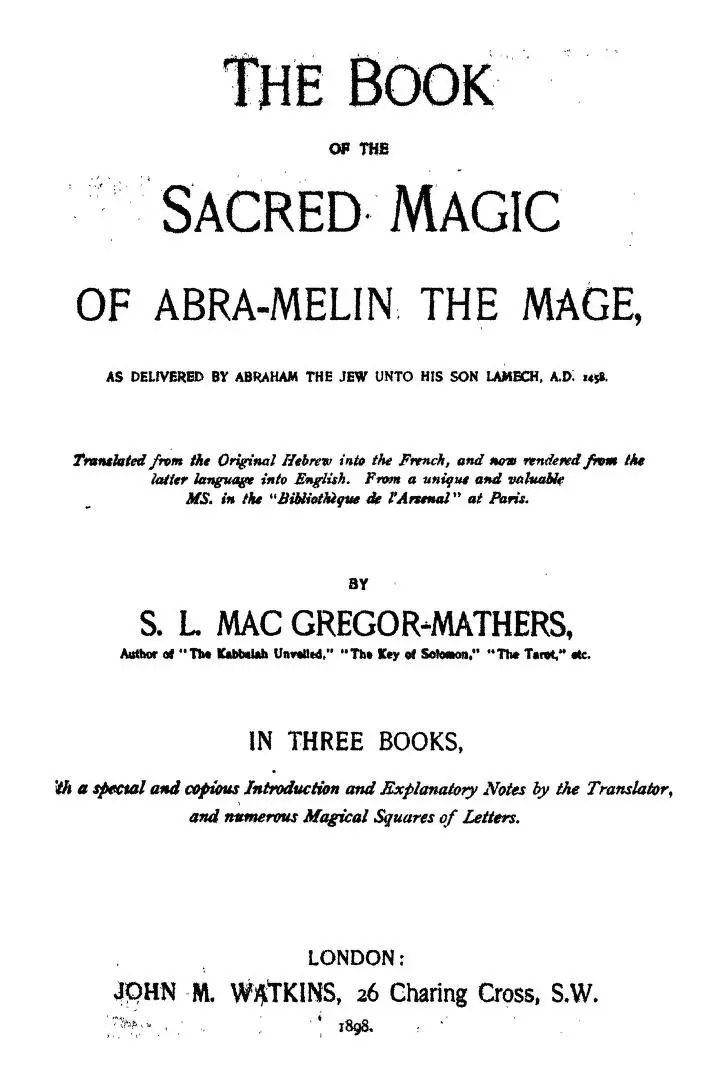
A grimoire built around religious preparation, the guardian angel, and subsequent work with spirits and magical squares.
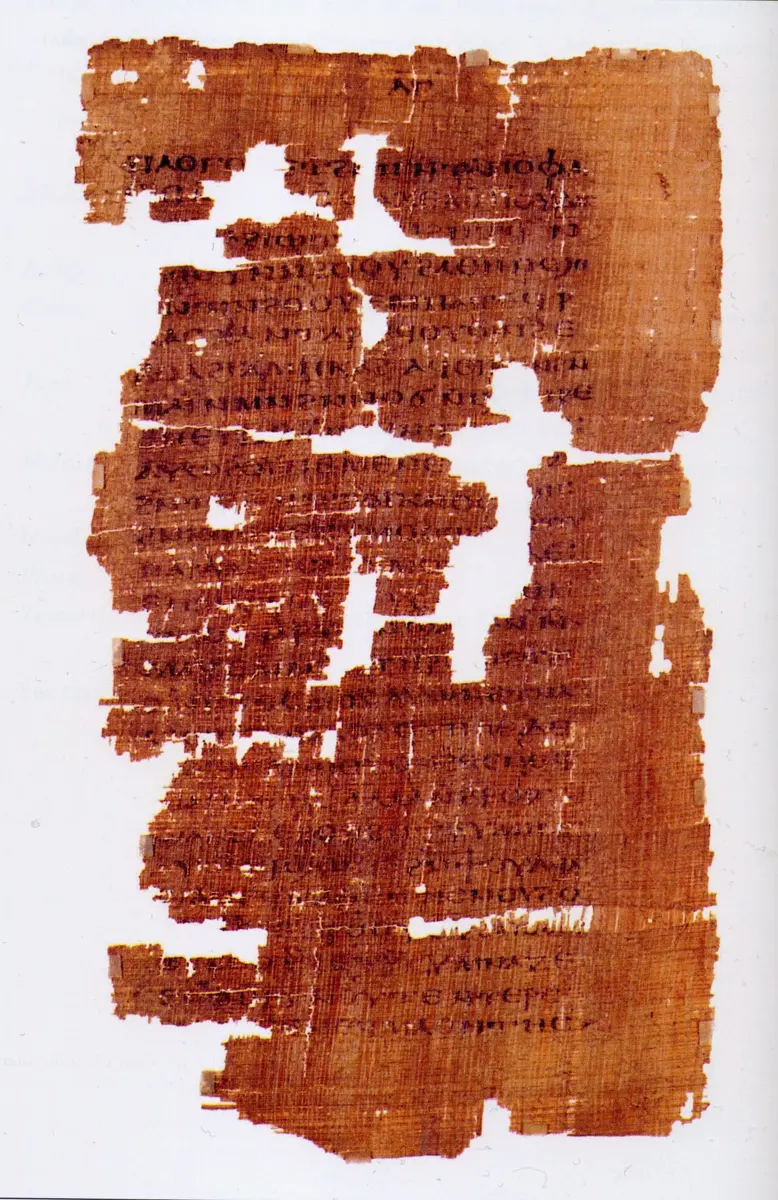
An early Christian revelation dialogue preserved in Coptic, known from the manuscript called Codex Tchacos.
Anton LaVey’s collection of ceremonial material, published as a companion to The Satanic Bible.
Occultism and Western esotericism provide an important historical and intellectual background for many forms of modern Satanism, but neither term is a synonym for Satanism. Western esotericism is an academic field encompassing currents such as Renaissance Hermetism, alchemy, astrology, Christian theosophy, Kabbalistic reception, Rosicrucianism, ceremonial magic, spiritualism, occultism, and later…
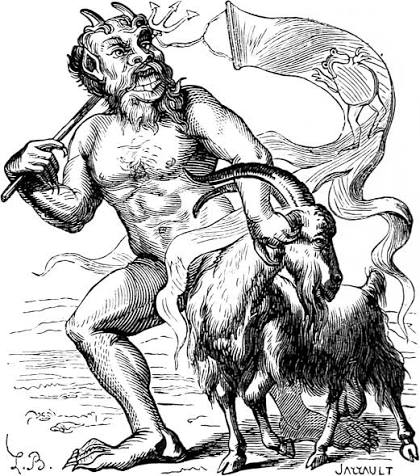
Azazel is a figure associated with the Day of Atonement in Leviticus, a rebellious Watcher in 1 Enoch, and a demonological and occult figure in later traditions. This article traces the development of Azazel from ancient Jewish texts through later demonology and modern Satanic interpretations.
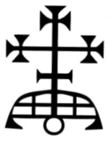
A Goetic marquis, also called Gamigin, associated with liberal studies and accounts of deceased souls.
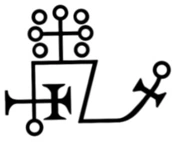
A many-faced Goetic duke carrying a book, associated with thoughts, knowledge, and visions of other people.
The second part of the Lemegeton, arranging aerial spirits through princes, directions, and wandering hierarchies.
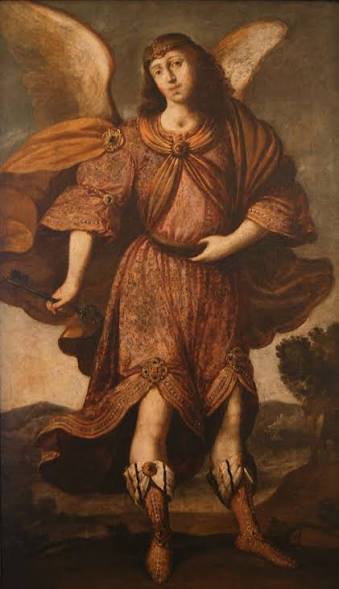
Raziel is an angel associated with the revelation of divine secrets, especially the legendary book given to Adam. His name appears in Jewish interpretive and magical literature and later Western esotericism, where Agrippa connects him with Chokmah, or Wisdom.
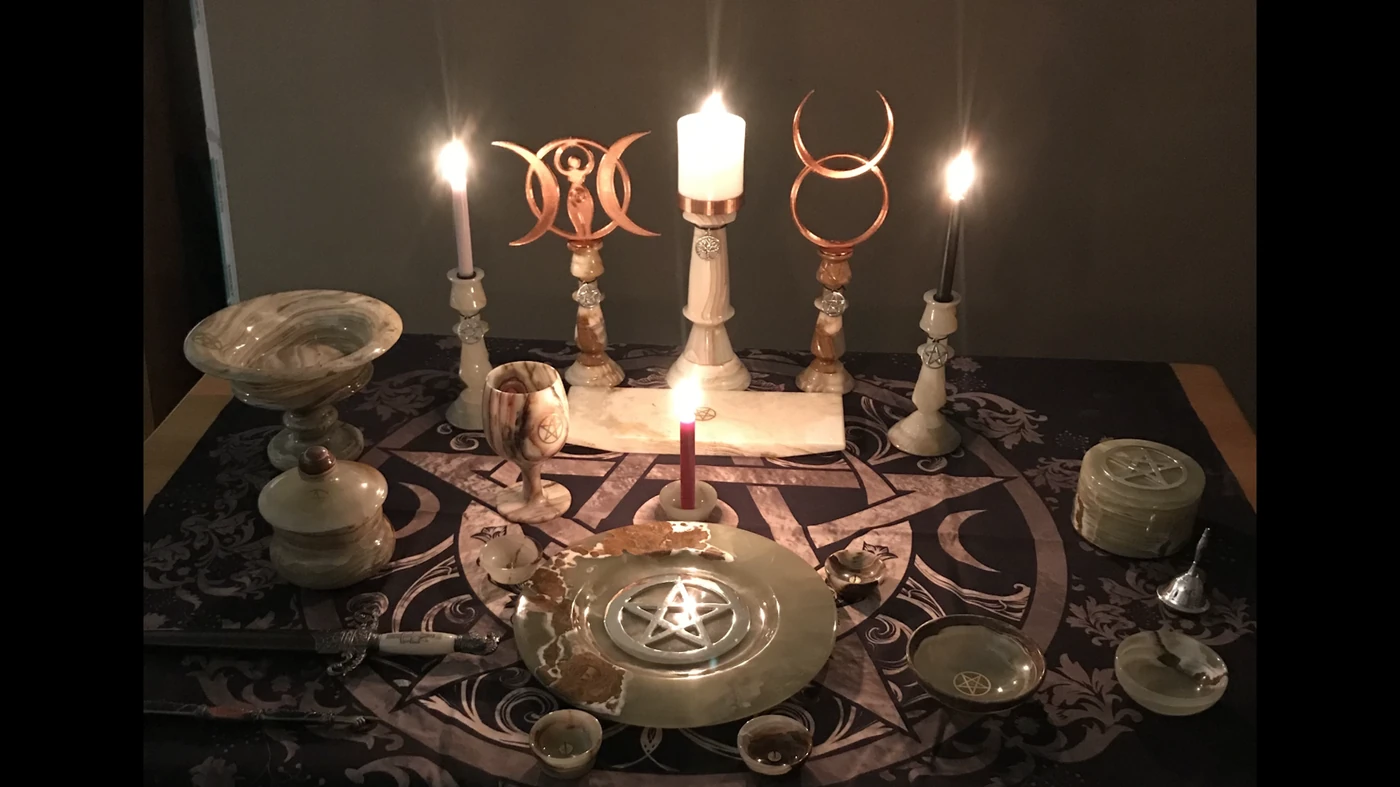
An altar is a designated place or surface used for religious devotion, ritual, offerings, sacred objects, or symbolic focus. Altars occur in many religious traditions, but their forms and meanings vary widely. In modern theistic Satanism an altar may function as a place for Prayer, Ritual, Offerings, meditation, spirit work, or the display of symbols connected with Satan and other beings.
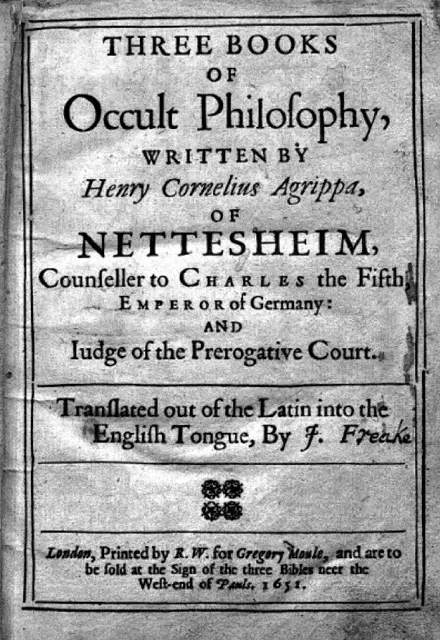
Ceremonial magic uses formally organized ritual actions. Its historical systems combine preparation, symbols, instruments, and accounts of spiritual authority in different ways.
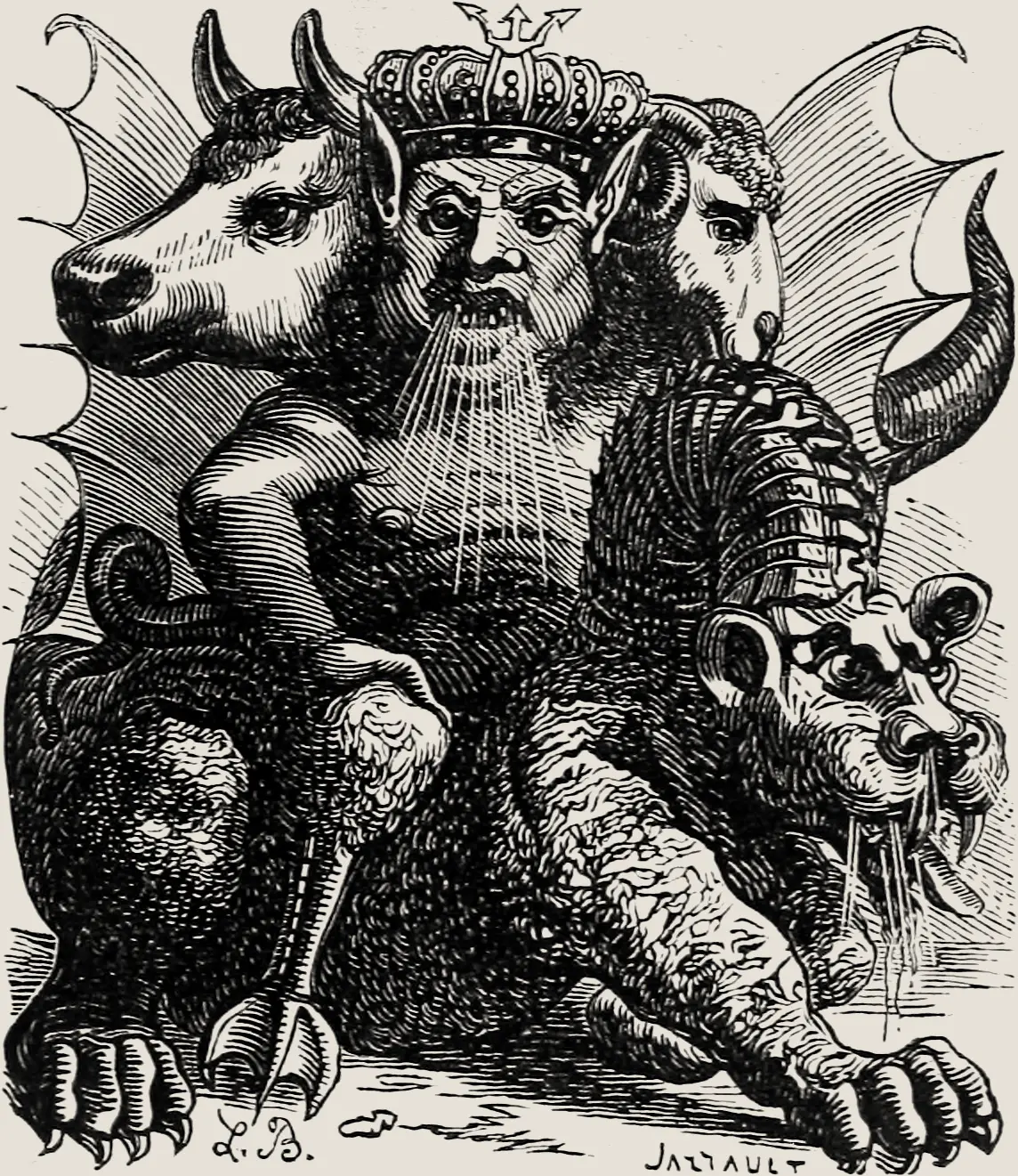
Asmodeus appears in the narrative of Tobit and in later magical and demonological literature. His different roles reflect the purposes of those texts.
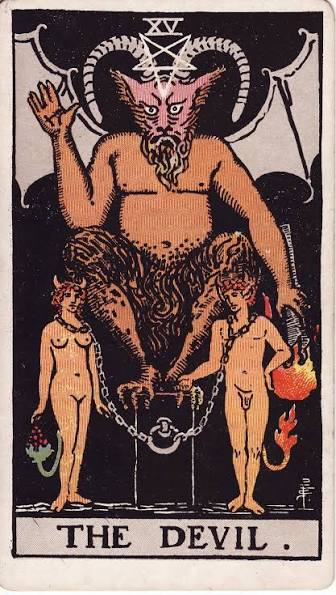
The Devil is a tarot trump commonly numbered XV. Its imagery and interpretation vary between decks and writers. Waite and Papus connect it with material constraint, fatality, and occult forces, while tarot’s history begins in the world of playing cards.
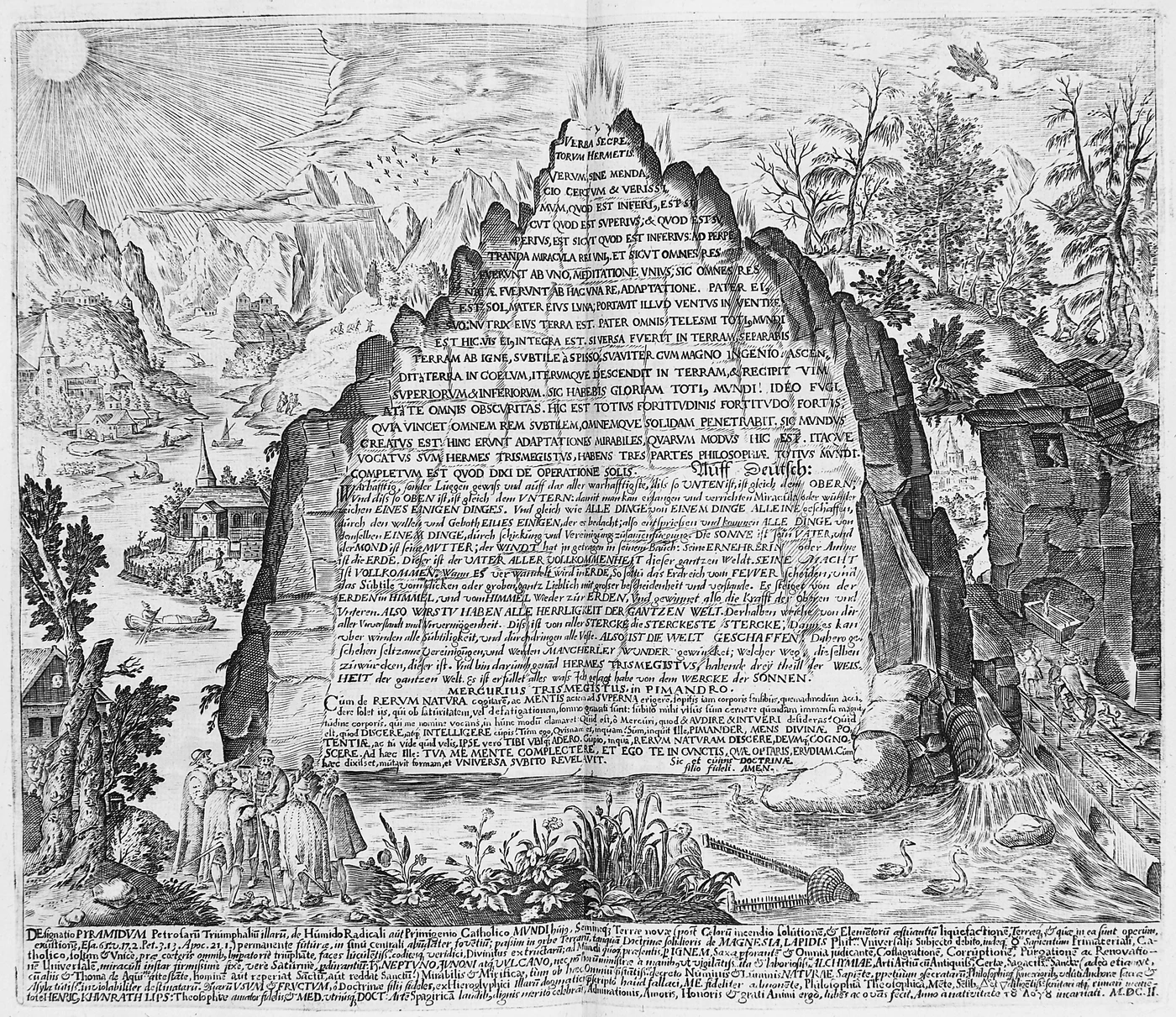
A brief Hermetic text whose images of above and below, sun and moon, and transformation influenced alchemical writing.
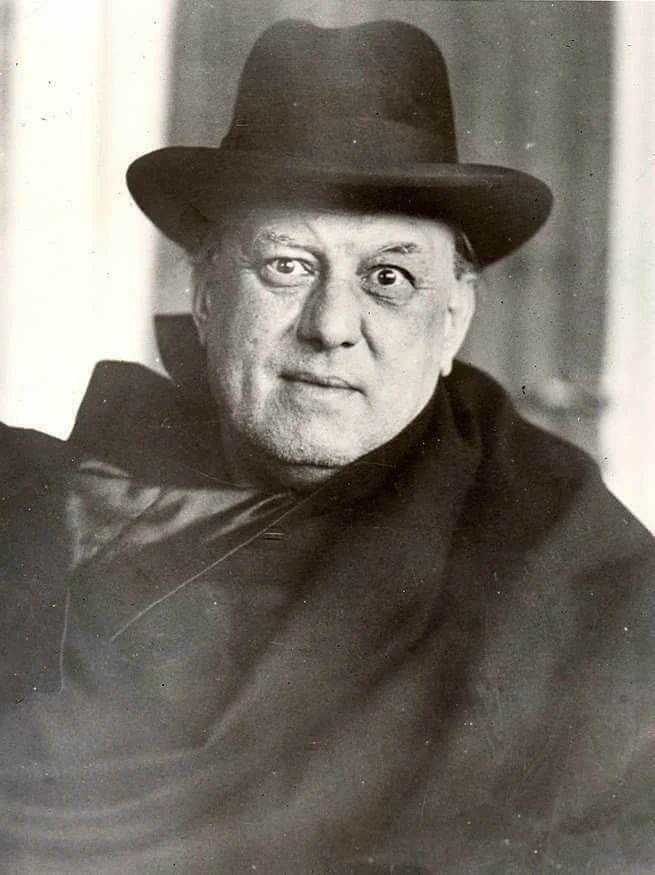
The author and religious figure associated with Thelema, The Book of the Law, and a large body of magical instruction.
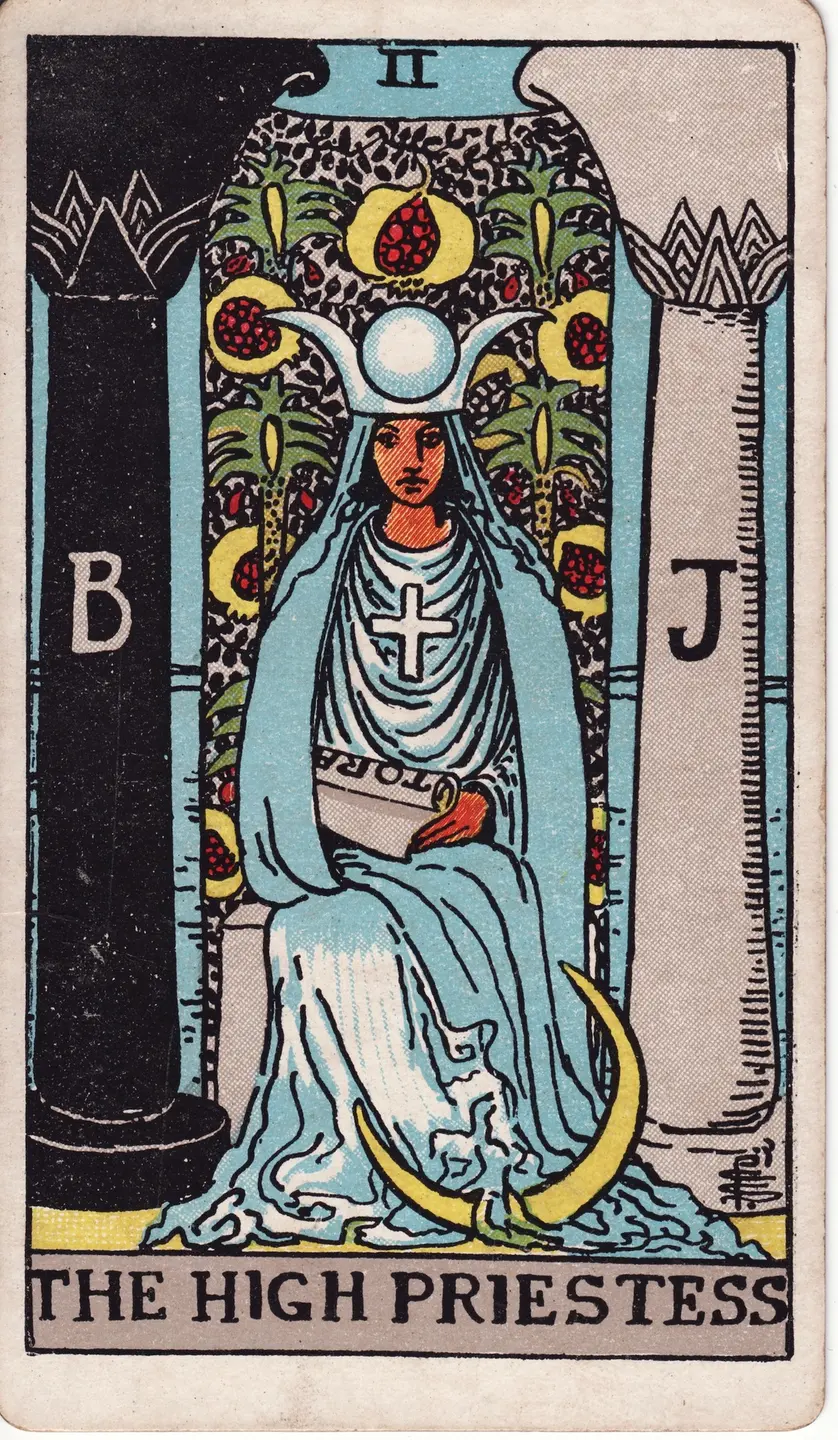
Tarot developed as playing cards before becoming an influential tool of occult interpretation. The history of the cards differs from later claims about their hidden origins.