
Theistic Satanism
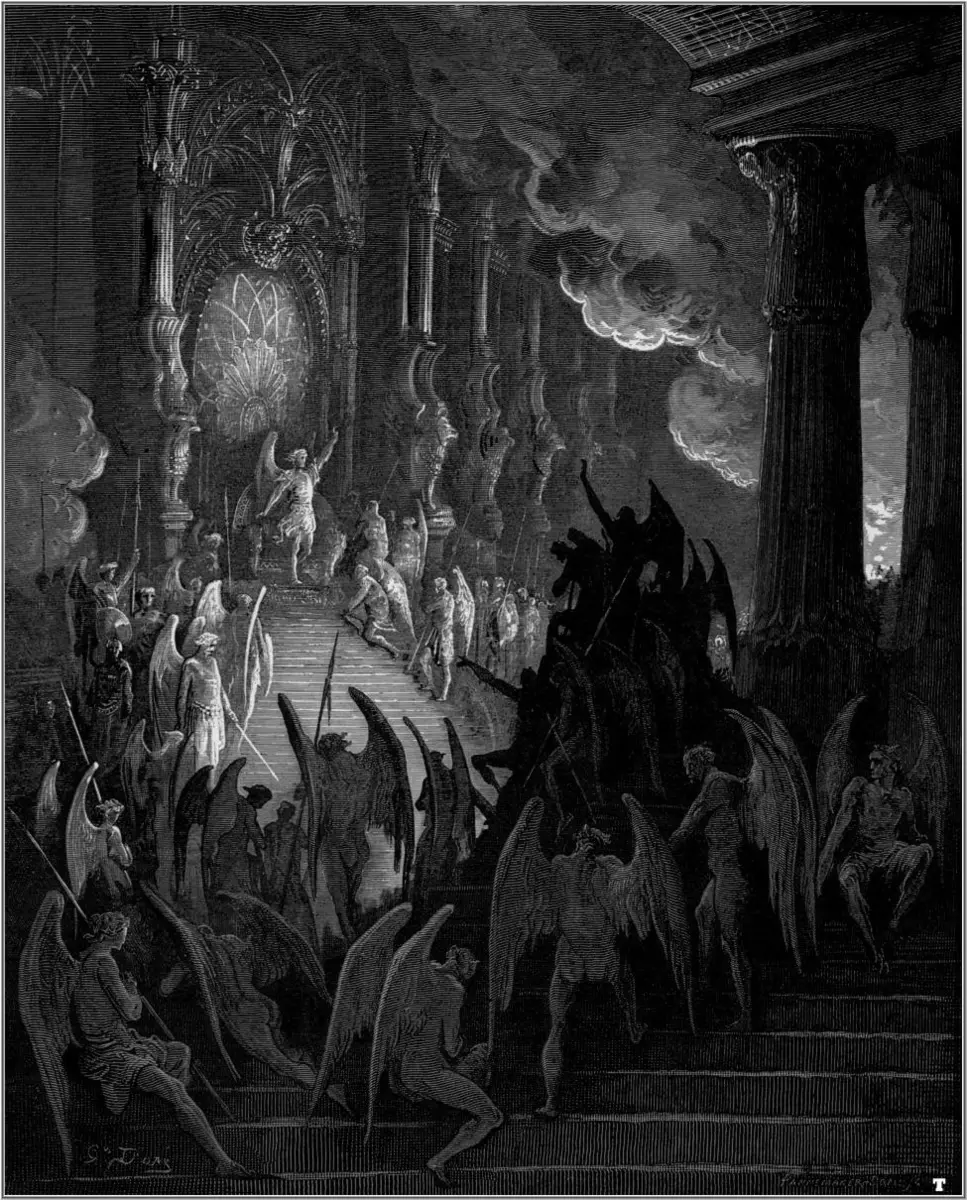
A nontheistic Satanic organization whose public principles emphasize self-determination, compassion, and responsibility.
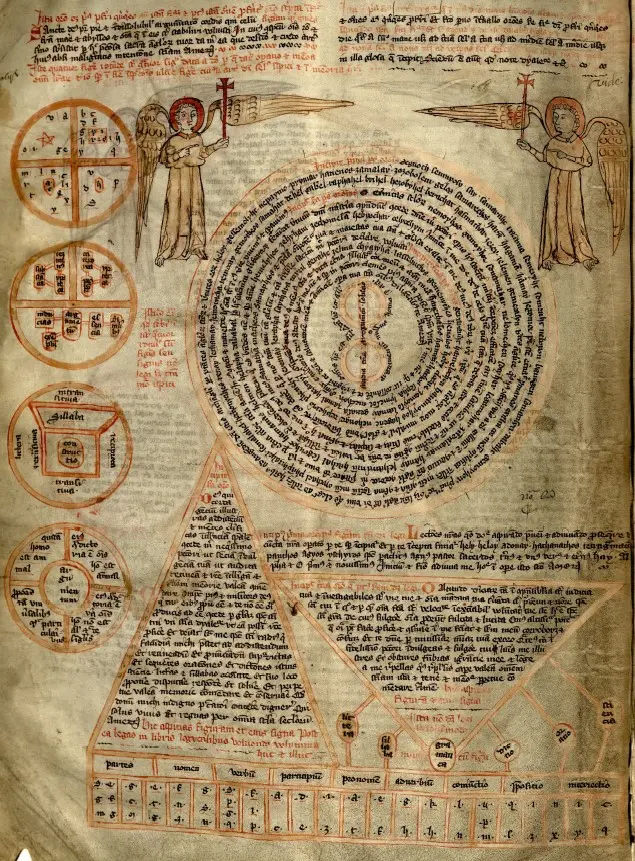
A medieval art of prayer and contemplation intended to confer learning, memory, and eloquence.
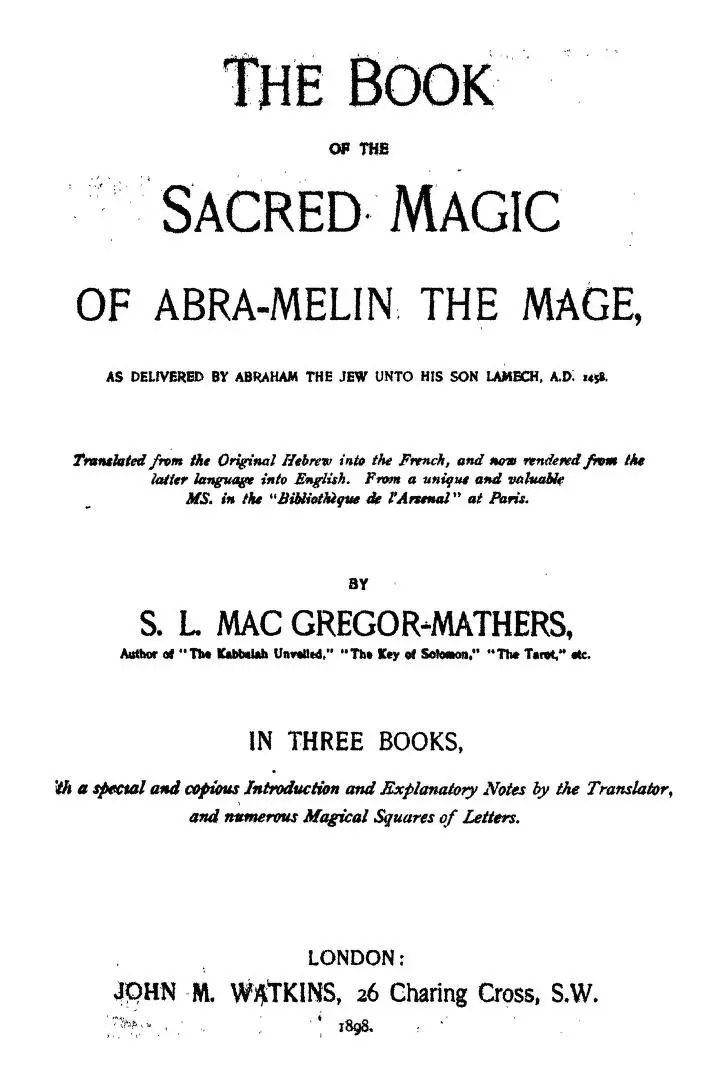
A grimoire built around religious preparation, the guardian angel, and subsequent work with spirits and magical squares.
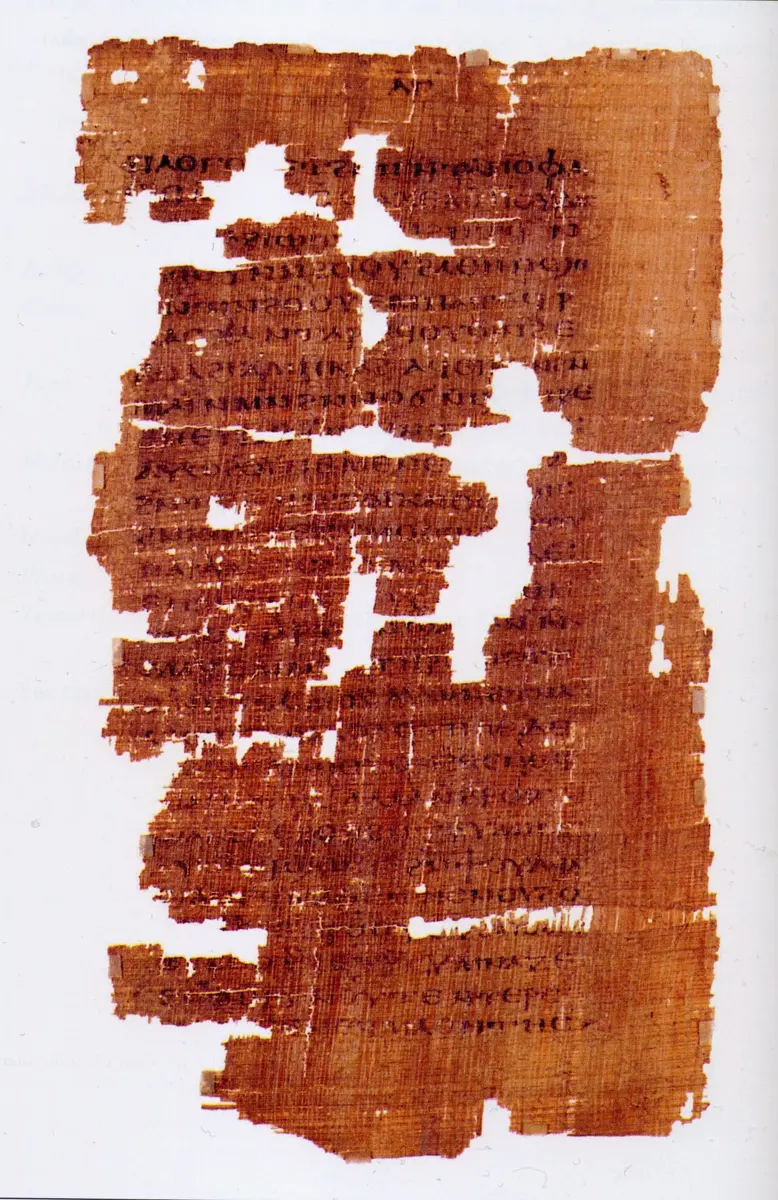
An early Christian revelation dialogue preserved in Coptic, known from the manuscript called Codex Tchacos.
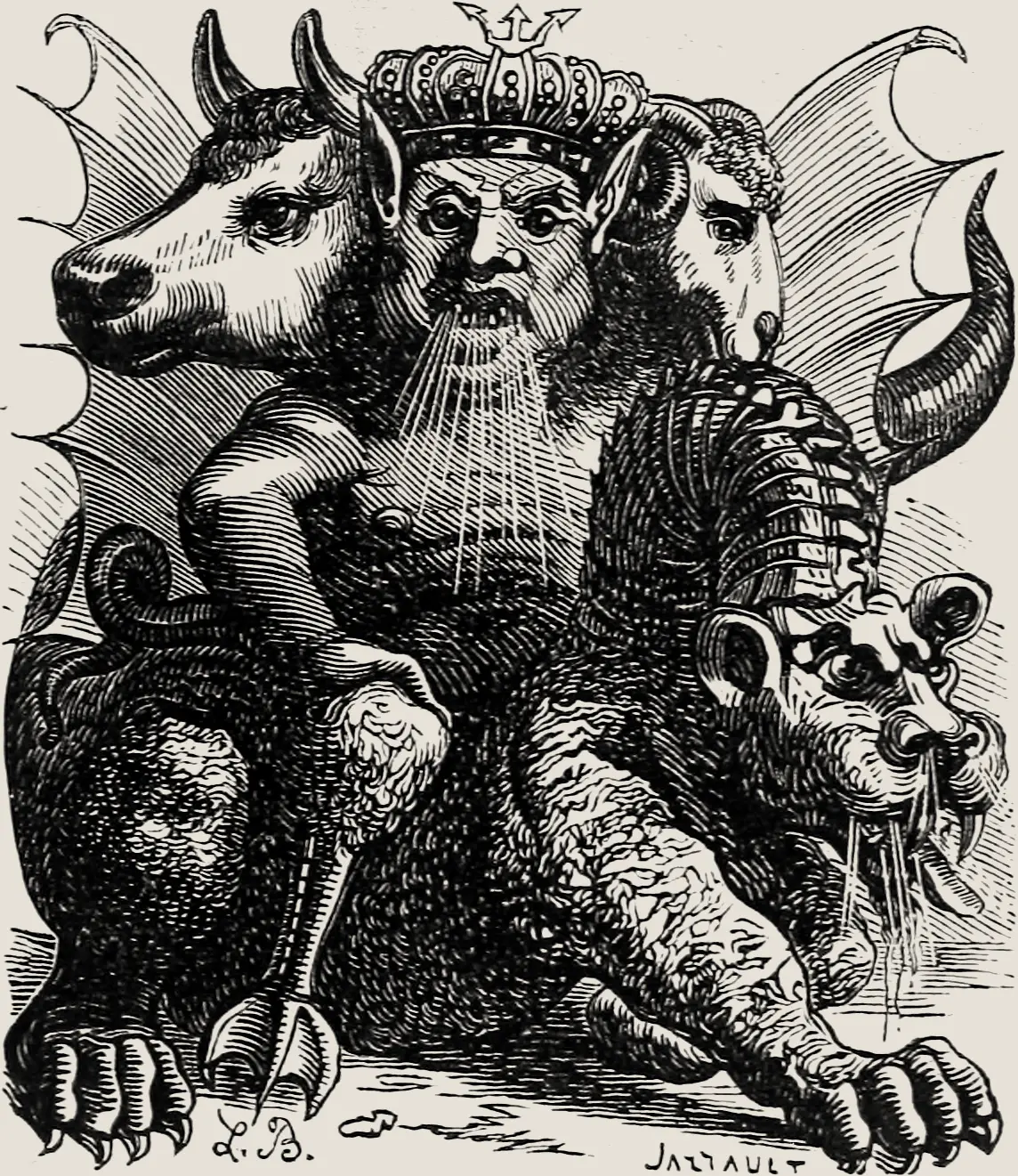
Asmodeus appears in the narrative of Tobit and in later magical and demonological literature. His different roles reflect the purposes of those texts.
The Pauline Art in the Lemegeton, concerning angels of the hours and the degrees of the zodiac.
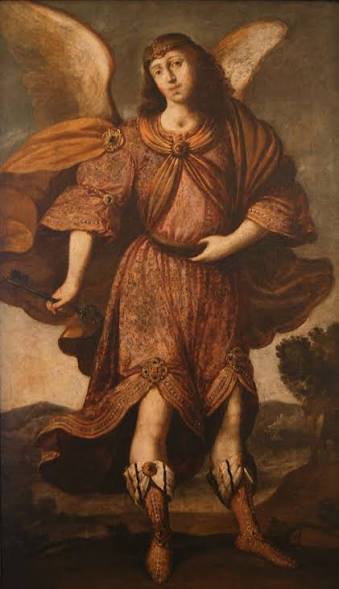
Raziel is an angel associated with the revelation of divine secrets, especially the legendary book given to Adam. His name appears in Jewish interpretive and magical literature and later Western esotericism, where Agrippa connects him with Chokmah, or Wisdom.
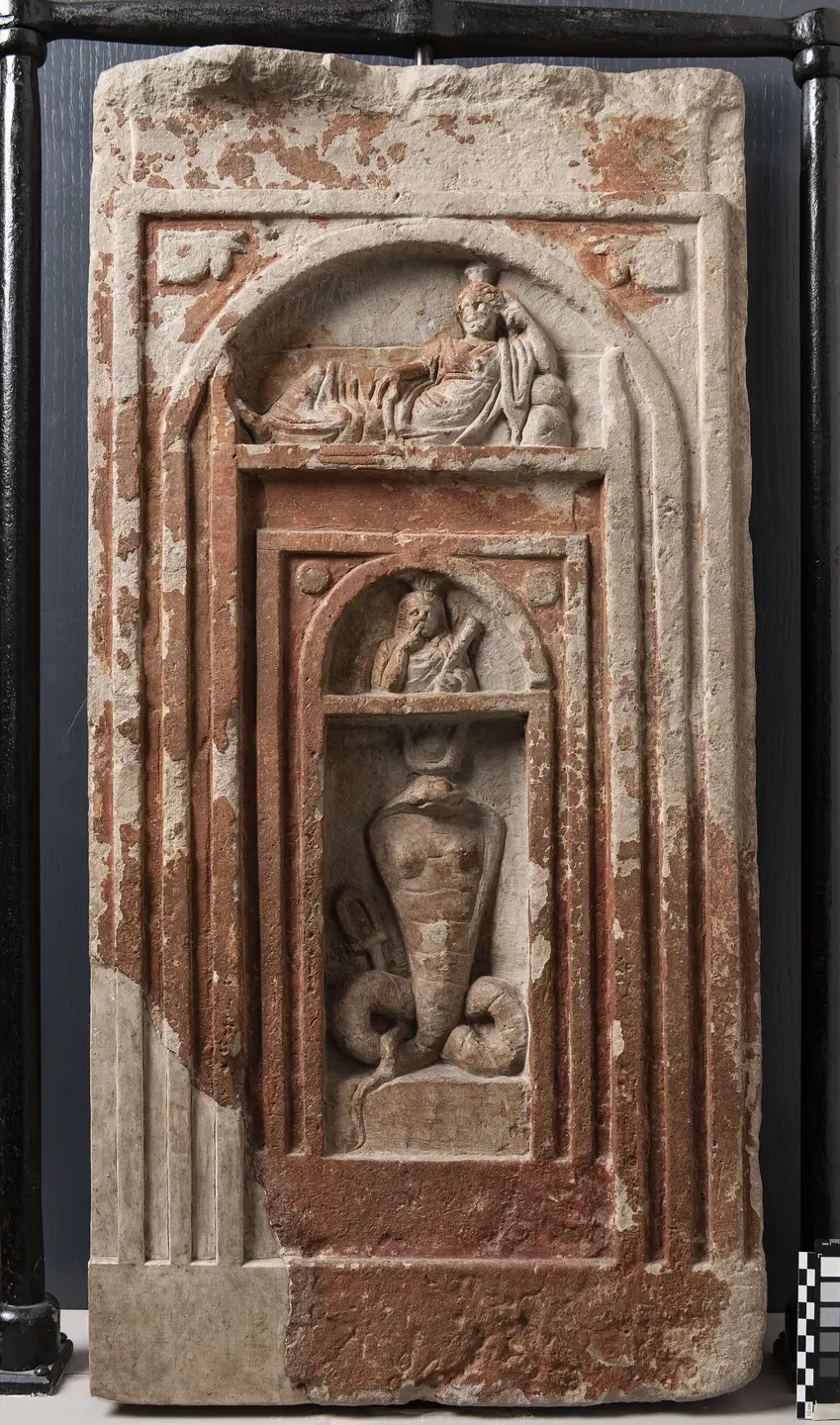
Religious syncretism concerns the combination of ideas, figures, and practices from different traditions. Similarity of names or imagery alone does not establish identity or historical continuity.
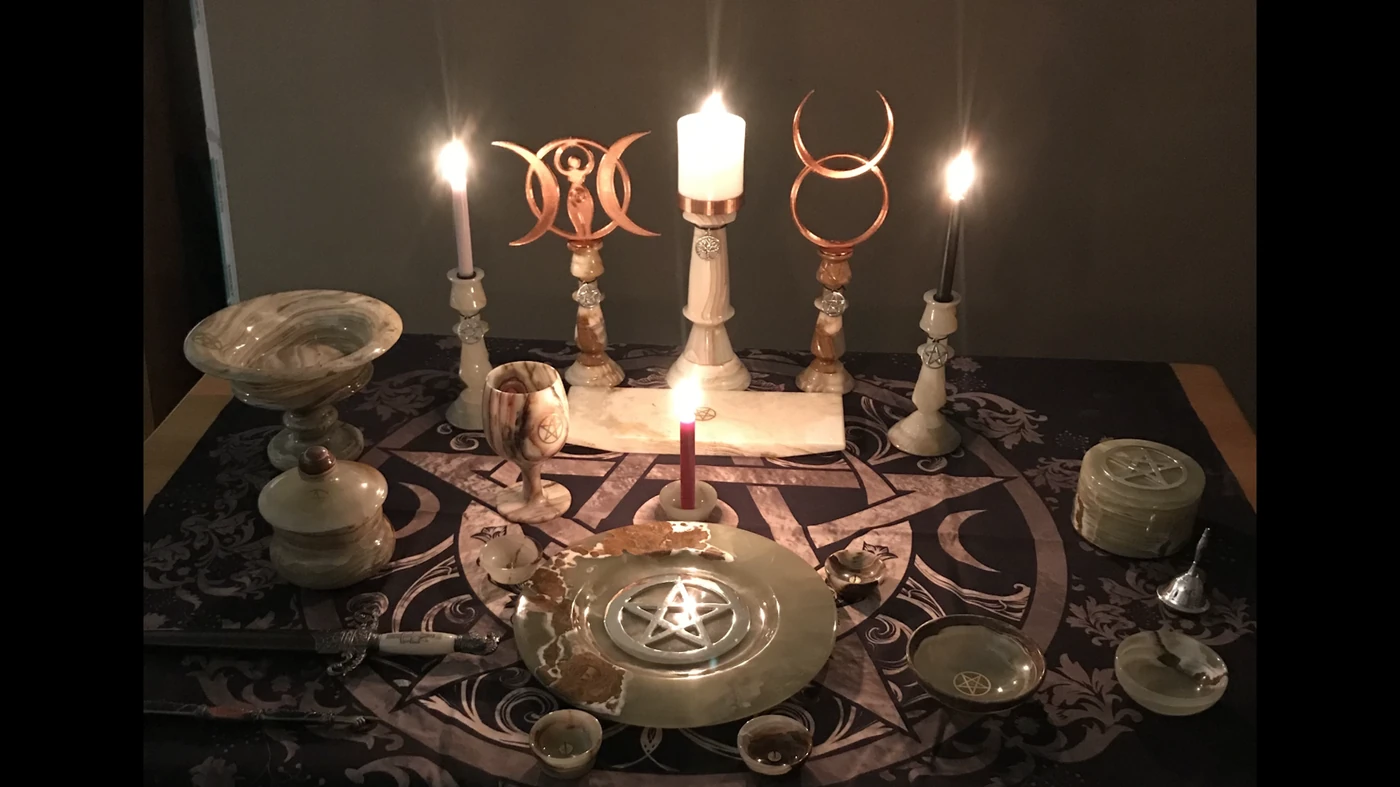
An altar is a designated place or surface used for religious devotion, ritual, offerings, sacred objects, or symbolic focus. Altars occur in many religious traditions, but their forms and meanings vary widely. In modern theistic Satanism an altar may function as a place for Prayer, Ritual, Offerings, meditation, spirit work, or the display of symbols connected with Satan and other beings.
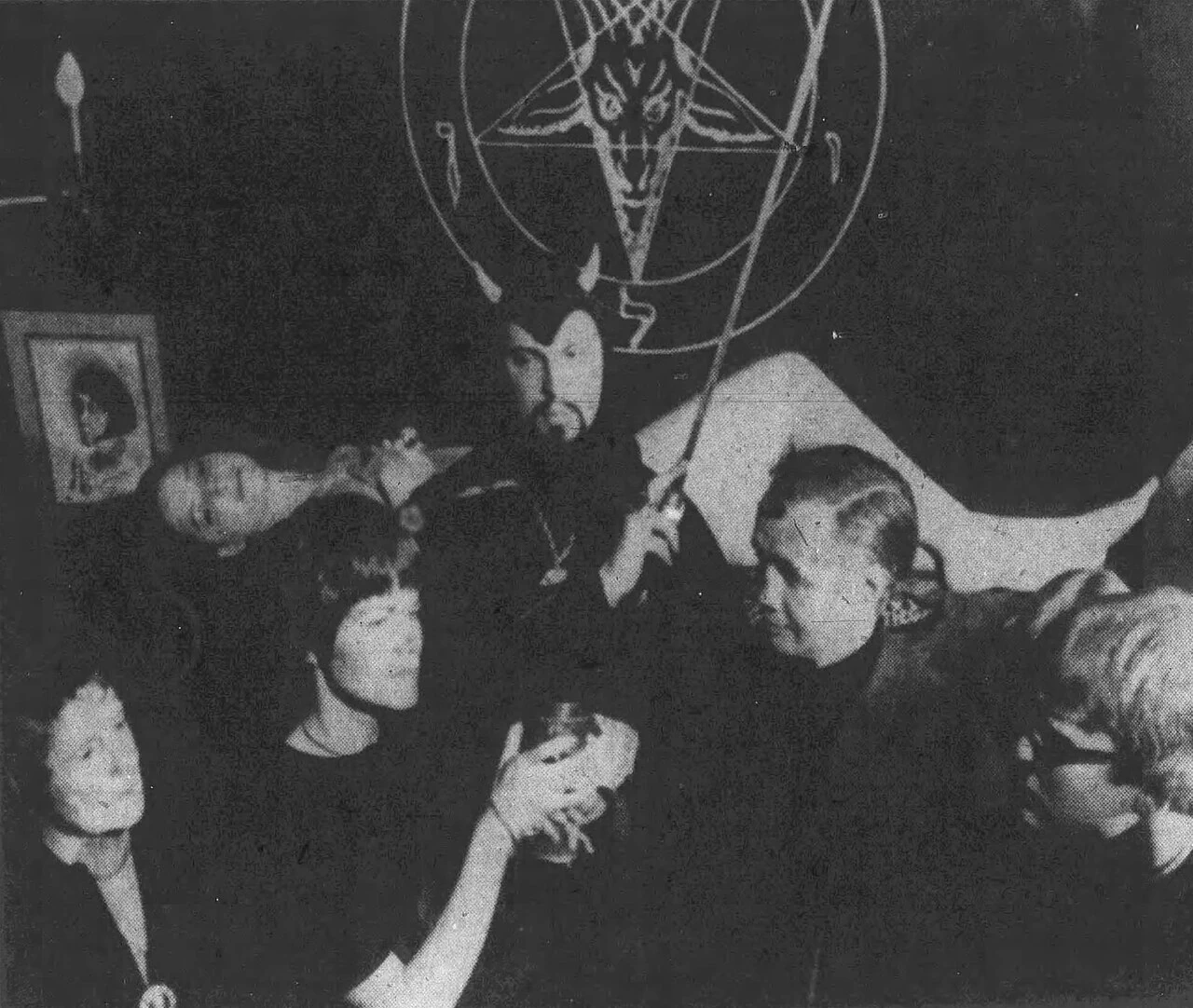
Anton LaVey’s collection of ceremonial material, published as a companion to The Satanic Bible.
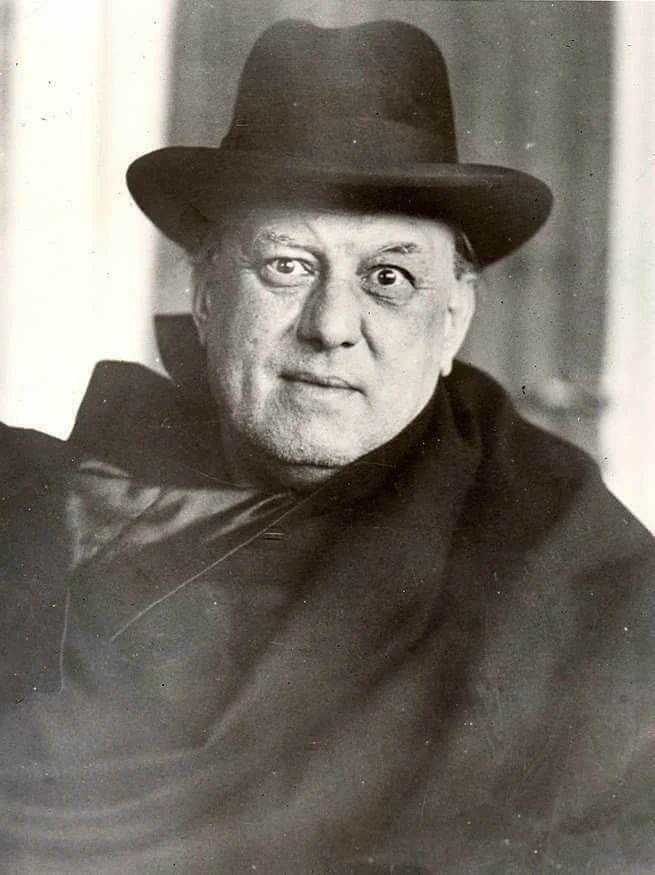
The author and religious figure associated with Thelema, The Book of the Law, and a large body of magical instruction.
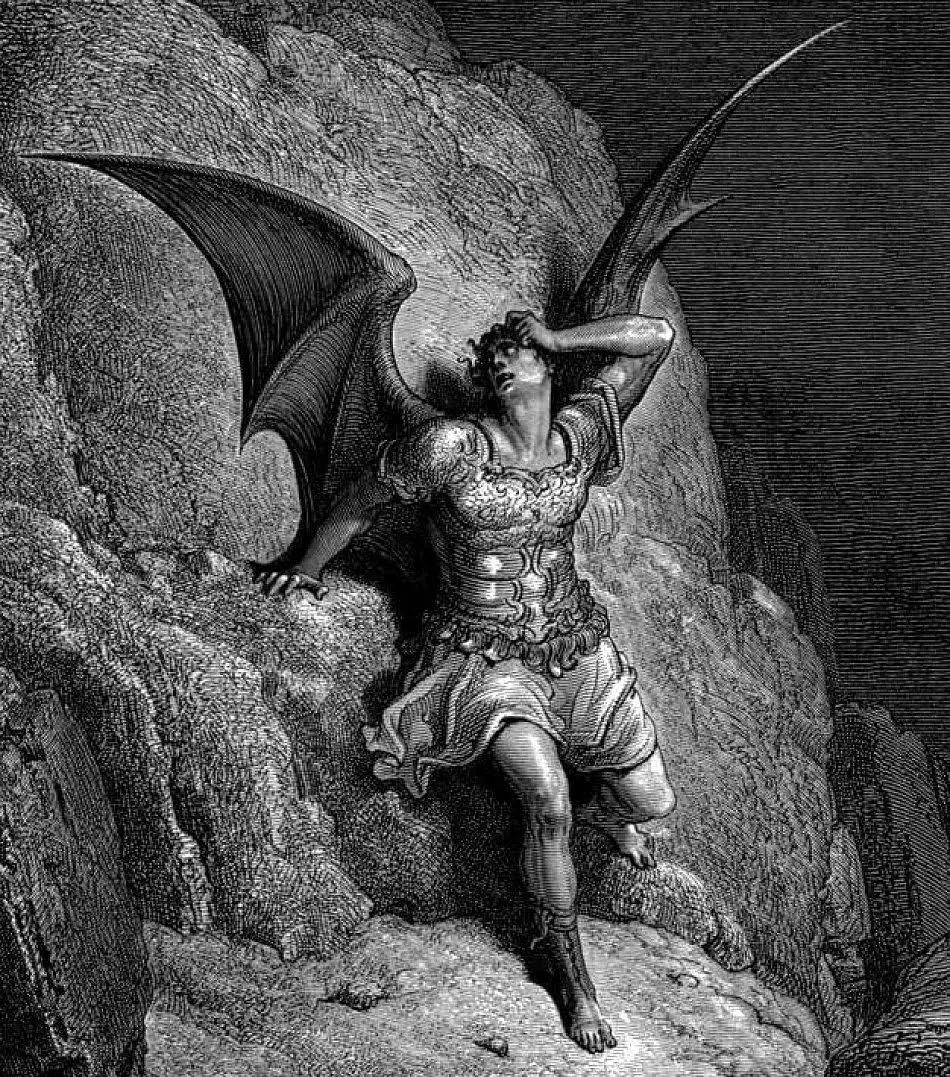
Satan is a figure whose meaning has changed substantially across Jewish, Christian, Islamic, literary, esoteric, and modern Satanic contexts. In contemporary theistic Satanism, Satan may be understood as a real deity, spirit, adversary, initiator, or metaphysical intelligence. Those modern interpretations draw on, but are not identical with, the much older history of the word and character.
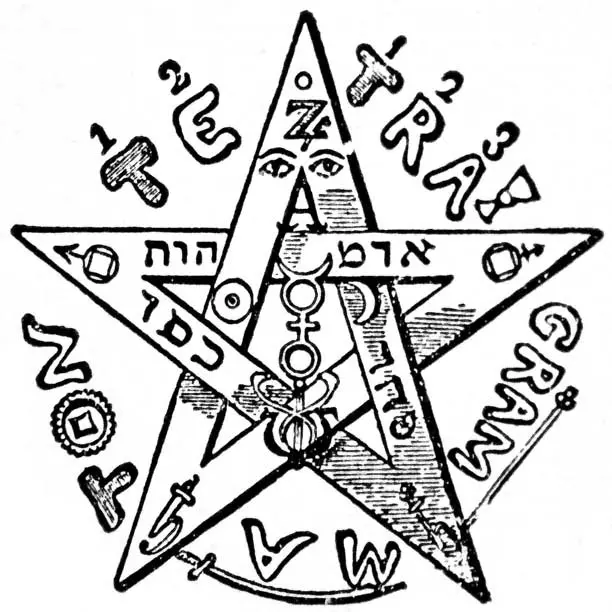
Occultism and Western esotericism provide an important historical and intellectual background for many forms of modern Satanism, but neither term is a synonym for Satanism. Western esotericism is an academic field encompassing currents such as Renaissance Hermetism, alchemy, astrology, Christian theosophy, Kabbalistic reception, Rosicrucianism, ceremonial magic, spiritualism, occultism, and later…
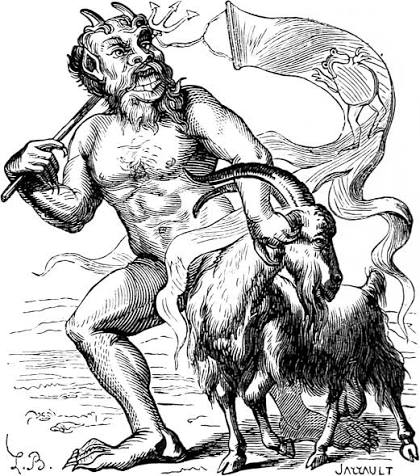
Azazel is a figure associated with the Day of Atonement in Leviticus, a rebellious Watcher in 1 Enoch, and a demonological and occult figure in later traditions. This article traces the development of Azazel from ancient Jewish texts through later demonology and modern Satanic interpretations.
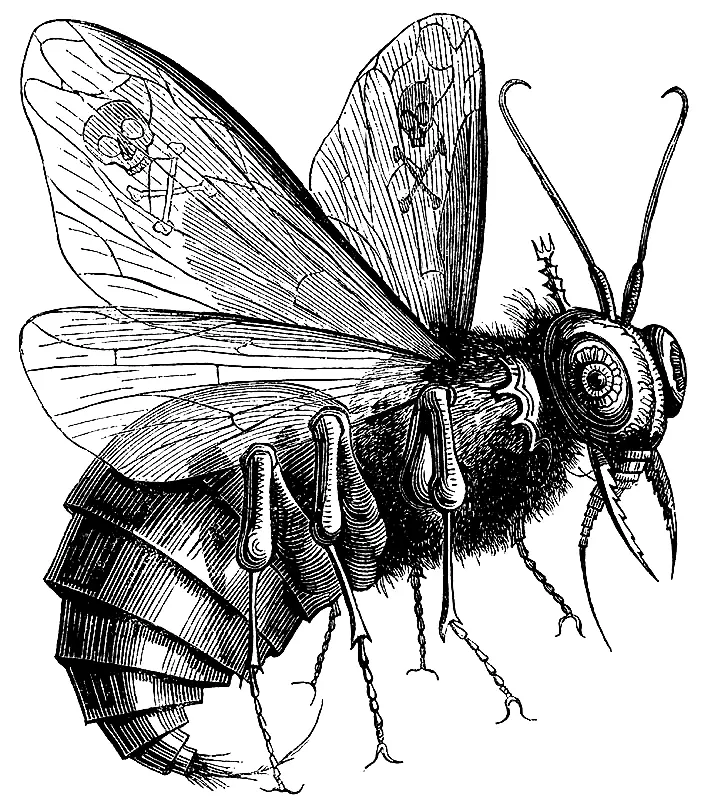
Beelzebub and related spellings appear in distinct biblical contexts. Later demonological interpretations should not be retroactively read into each earlier occurrence.
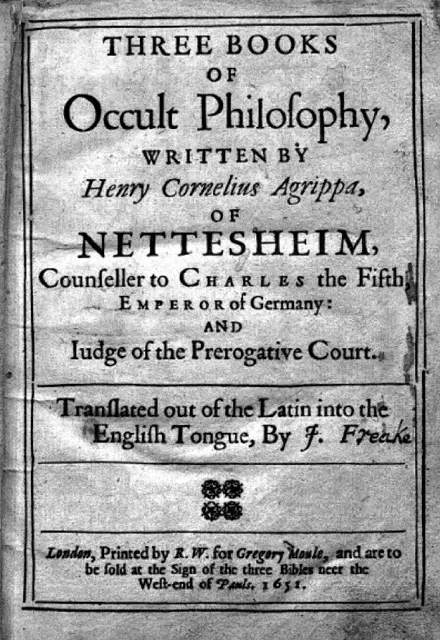
Ceremonial magic uses formally organized ritual actions. Its historical systems combine preparation, symbols, instruments, and accounts of spiritual authority in different ways.
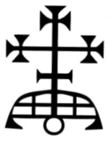
A Goetic marquis, also called Gamigin, associated with liberal studies and accounts of deceased souls.
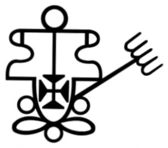
A Goetic king riding a bear, with offices concerning hidden knowledge, treasure, and cosmology.
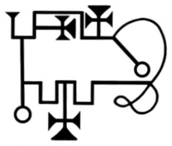
A Goetic marquis in phoenix form, associated with poetry, learning, and a hope of heavenly restoration.