
Devotional Practice
Gnostic Mass
The central public liturgy of Ecclesia Gnostica Catholica, written by Aleister Crowley as Liber XV.
The central public liturgy of Ecclesia Gnostica Catholica, written by Aleister Crowley as Liber XV.

A British occult writer associated with the Typhonian current, Thelema, and the work of Austin Osman Spare.
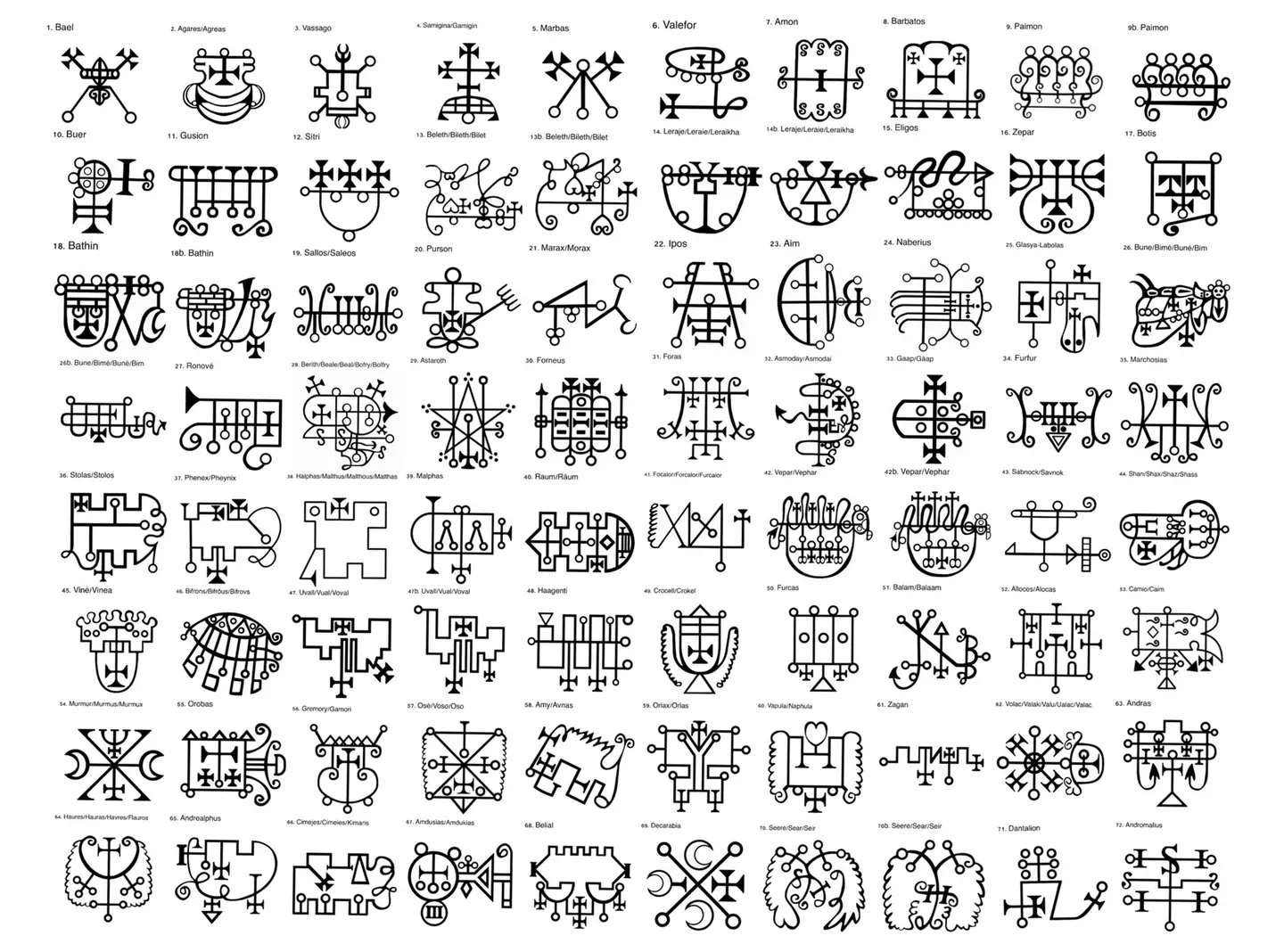
The Ars Goetia is the first section of the Lemegeton or Lesser Key of Solomon, an early modern English compilation of ceremonial magic. It is famous for a catalogue of seventy-two spirits, each described by name, rank, appearance, abilities, and a seal or character. In modern occultism the term “Goetia” is often used loosely for demon-summoning or work with these spirits, but historically the Ars Goetia…
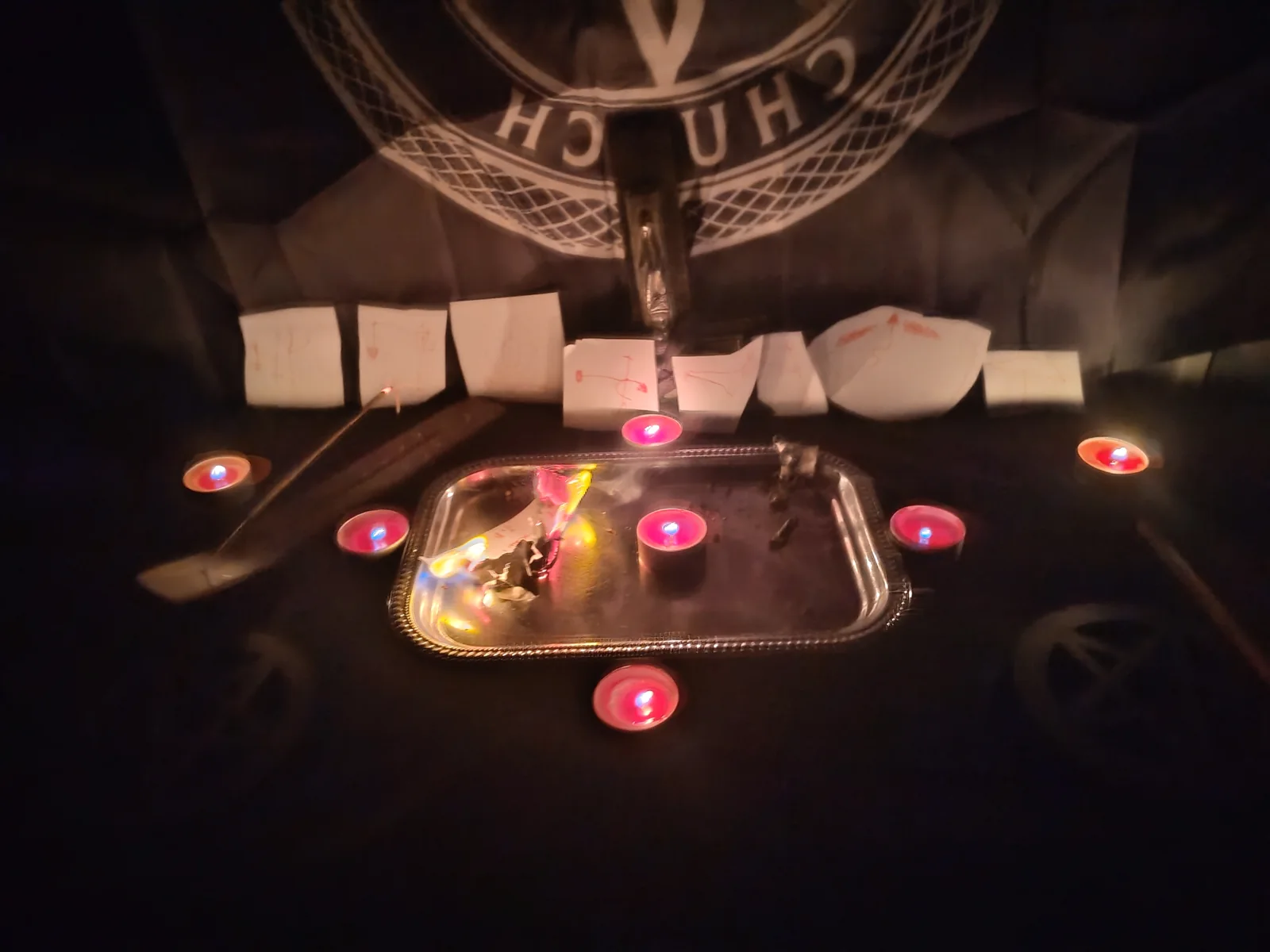
Prayer is intentional communication addressed to a deity, spirit, sacred power, or ultimate reality. It can include praise, petition, confession, thanksgiving, lament, dedication, silence, repetition, or simple direct speech. In theistic Satanism, prayer usually means addressing Satan or another spiritually real being rather than speaking only to oneself or performing a purely symbolic exercise.
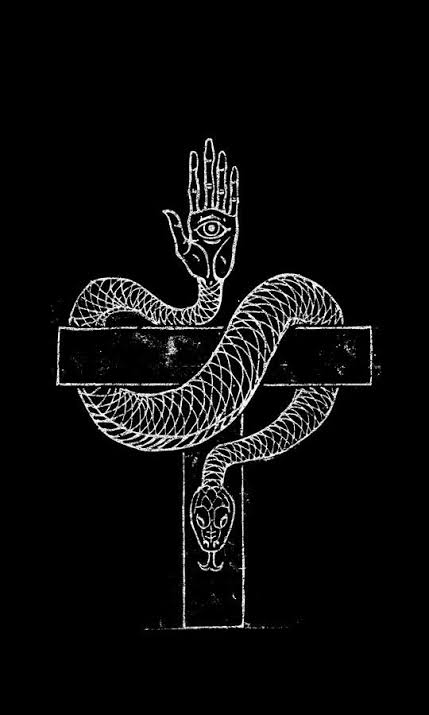
The left-hand path is a modern esoteric category used for religious and magical currents that emphasize themes such as individual self-direction, antinomianism, self-deification, initiatory transformation, or deliberate engagement with symbols rejected by dominant religious culture. It overlaps with some forms of Satanism, Luciferianism, Setianism, and modern occultism, but the terms are not synonymous.
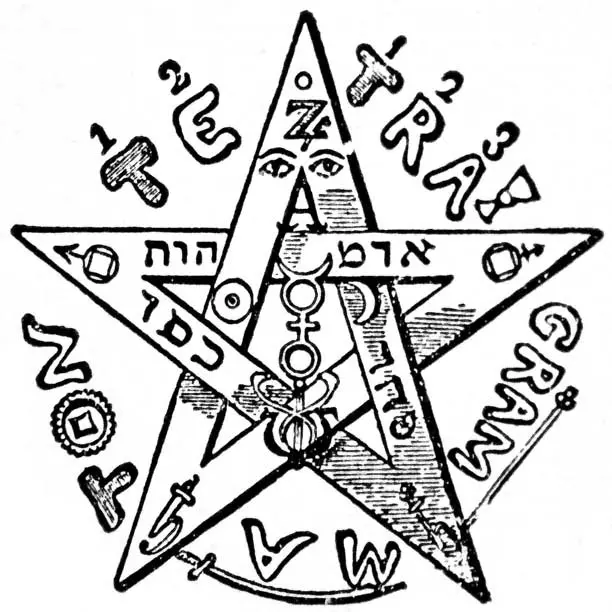
Occultism and Western esotericism provide an important historical and intellectual background for many forms of modern Satanism, but neither term is a synonym for Satanism. Western esotericism is an academic field encompassing currents such as Renaissance Hermetism, alchemy, astrology, Christian theosophy, Kabbalistic reception, Rosicrucianism, ceremonial magic, spiritualism, occultism, and later…
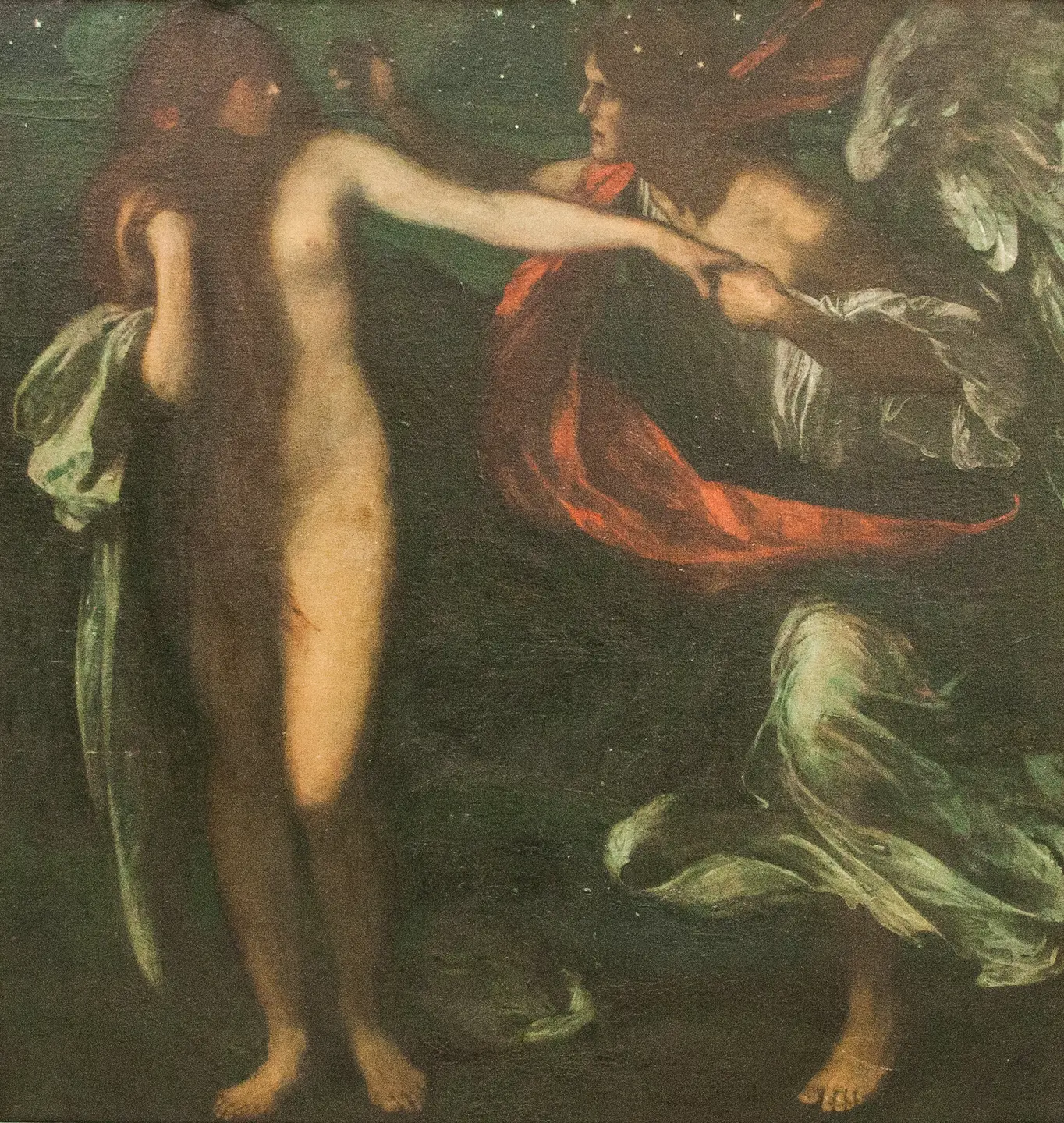
The Nephilim appear in brief biblical passages and in later traditions about giants. Different texts should be distinguished before their accounts are combined.
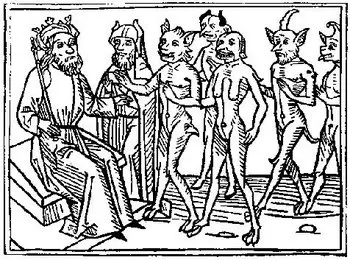
Belial appears in biblical religious language and later spirit catalogues. These uses should be distinguished rather than treated as one unchanged biography.
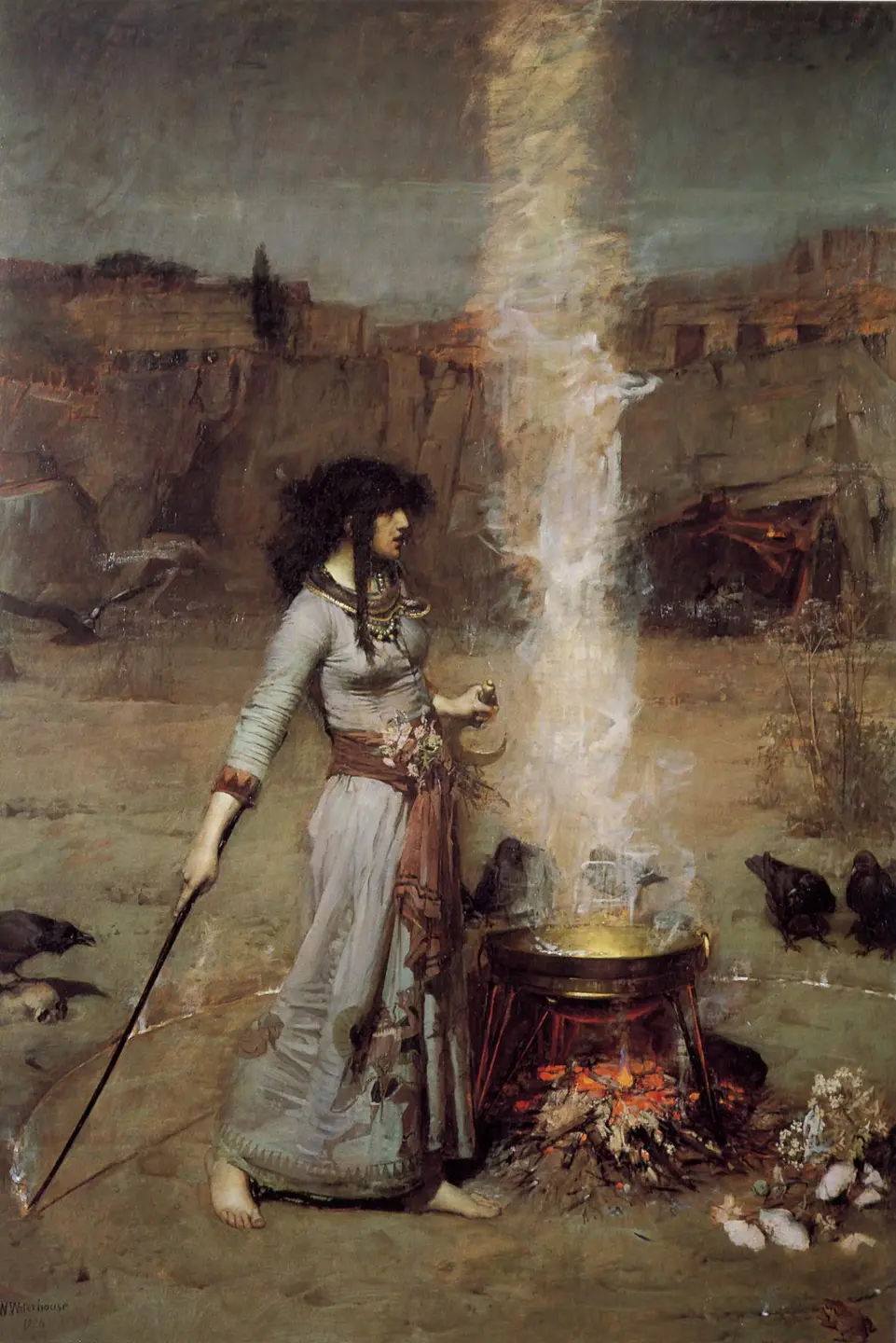
Demonolatry refers to devotion to demons or daemonic beings. Modern accounts vary in theology, authority, and their relationship with historical grimoires.
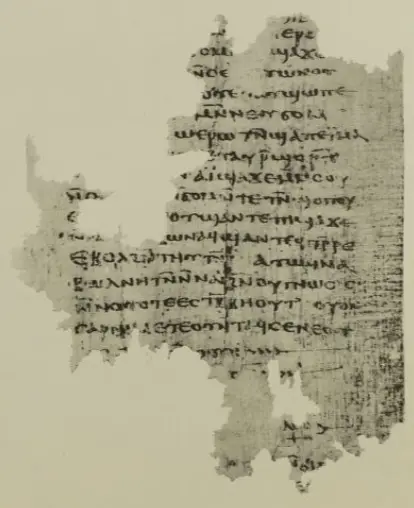
A modern umbrella term for several ancient religious movements and texts concerned with saving knowledge and divine origins.
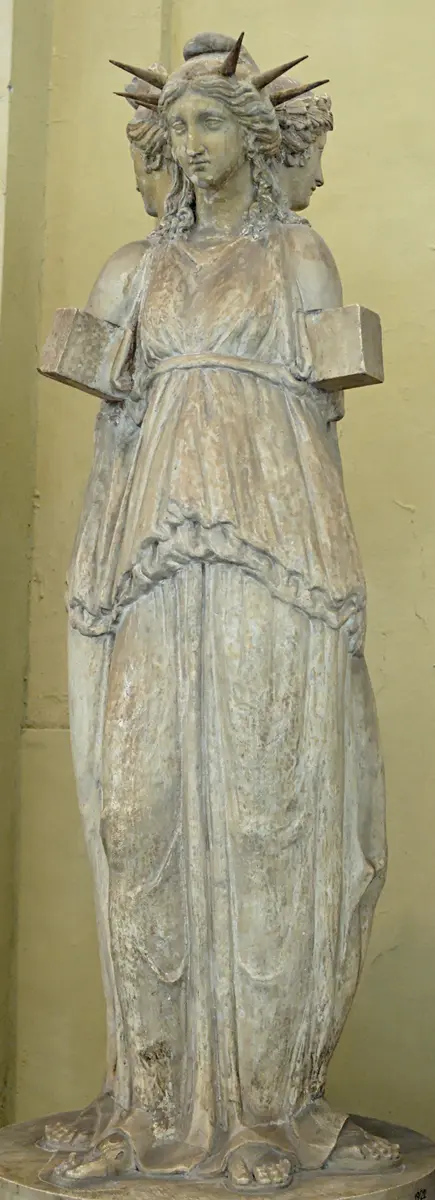
A Greek goddess with broad early powers and later associations with crossroads, spirits, and magic.
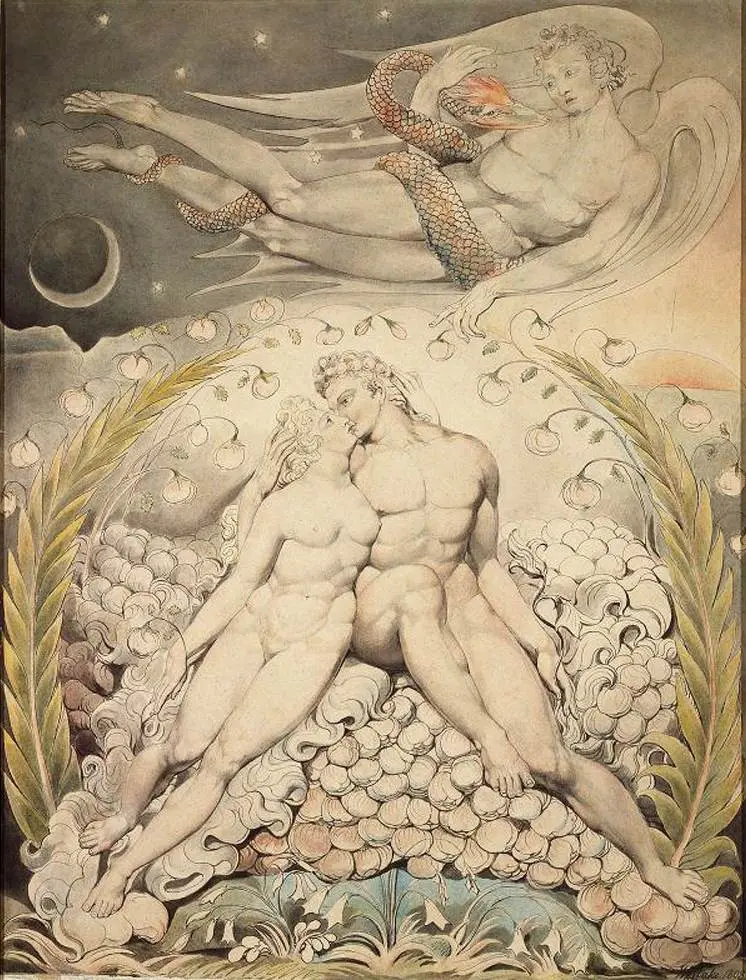
Religions that give Satan a central symbolic or divine role, with substantial differences in belief and practice.
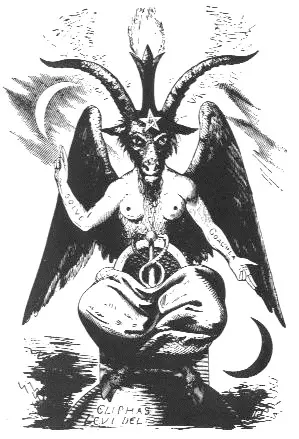
The images, names, and gestures used by Satanic traditions, whose meanings depend on their religious and historical setting.
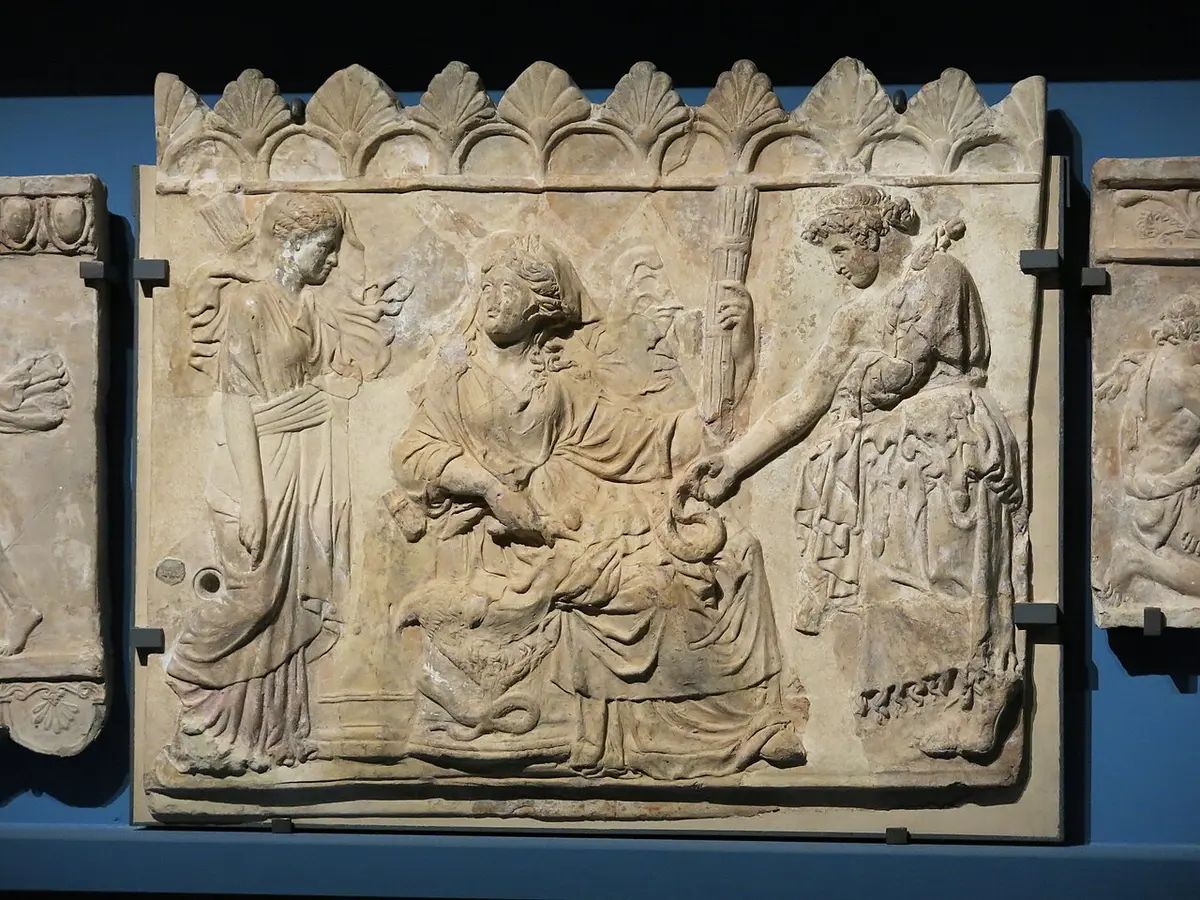
Entry into a religious or esoteric path through ceremony, instruction, recognition, and lived development.
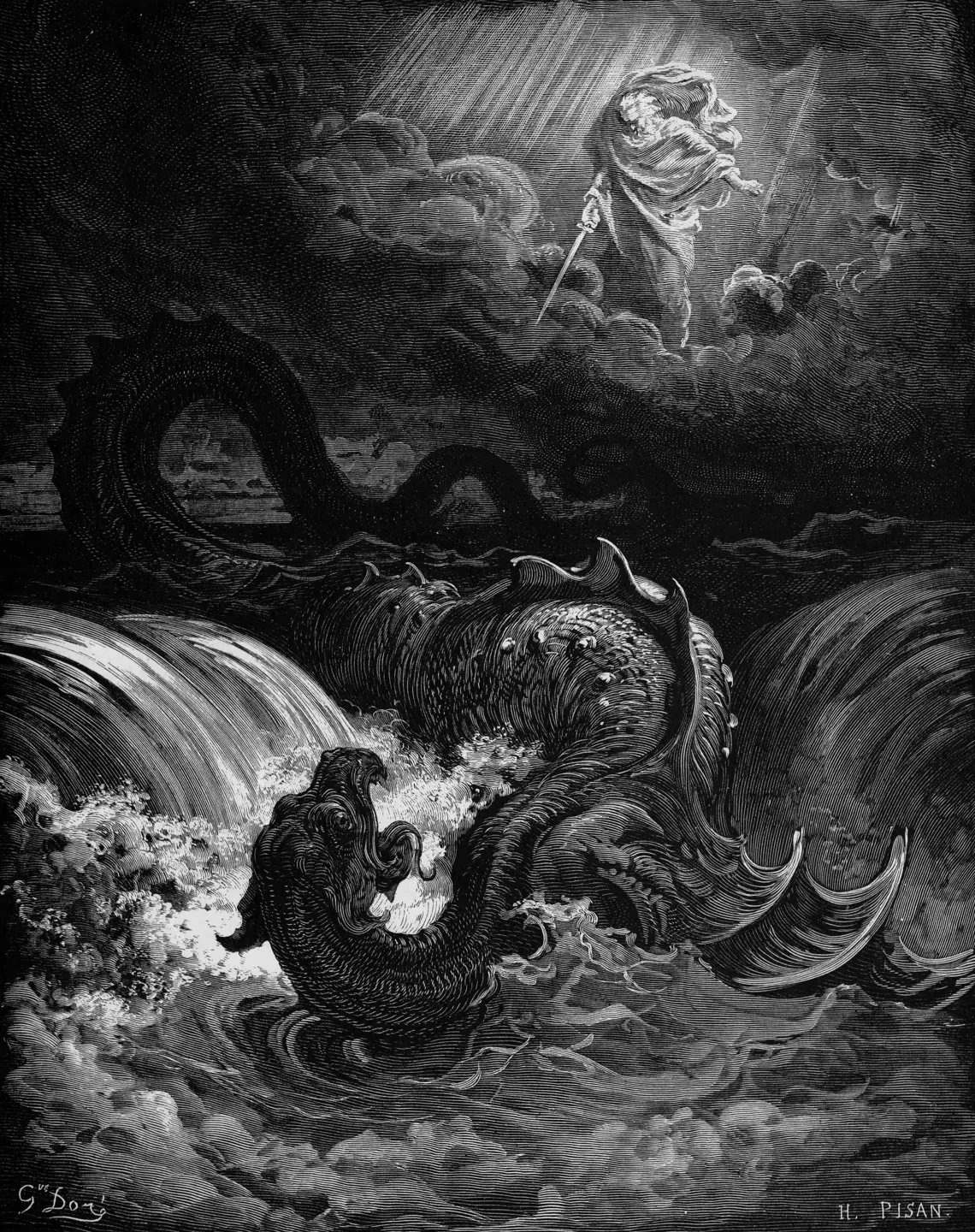
Leviathan appears in biblical poetry and later religious symbolism. The vivid descriptions belong to different literary contexts and should be interpreted accordingly.
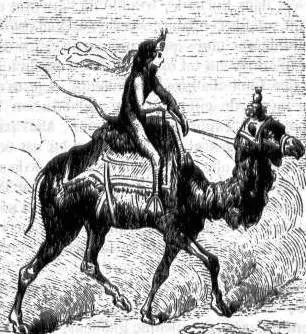
Paimon is a royal spirit described in the Ars Goetia and related literature. Musical procession and the teaching of knowledge are important elements of his received image.
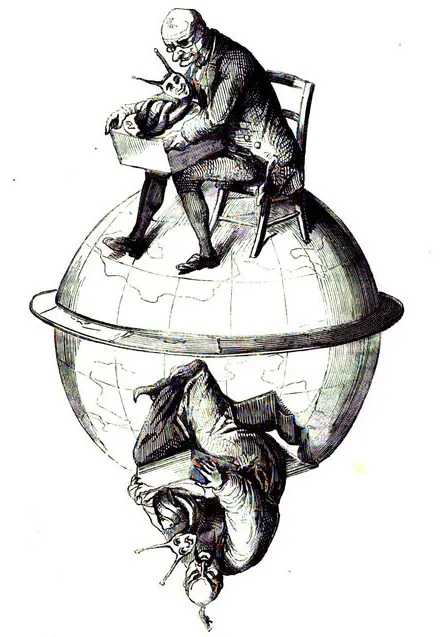
Collin de Plancy’s Dictionnaire infernal gathered supernatural traditions in a dictionary format. Its 1863 entries and illustrations remain influential in modern depictions of spirits.
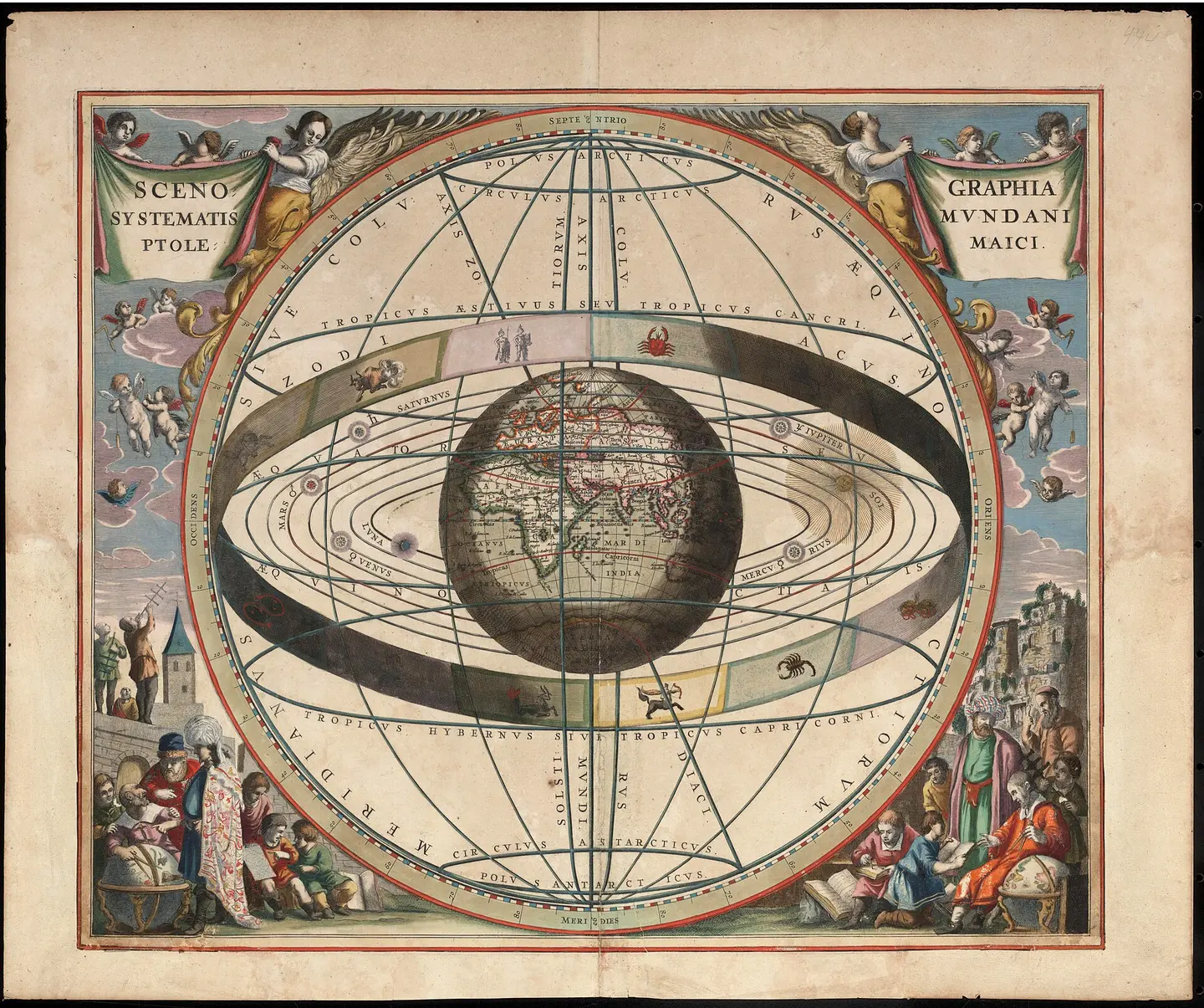
Astrology has supplied language and organizing systems to Western esoteric texts. Its historical role should be distinguished from demonstrated predictive effectiveness.
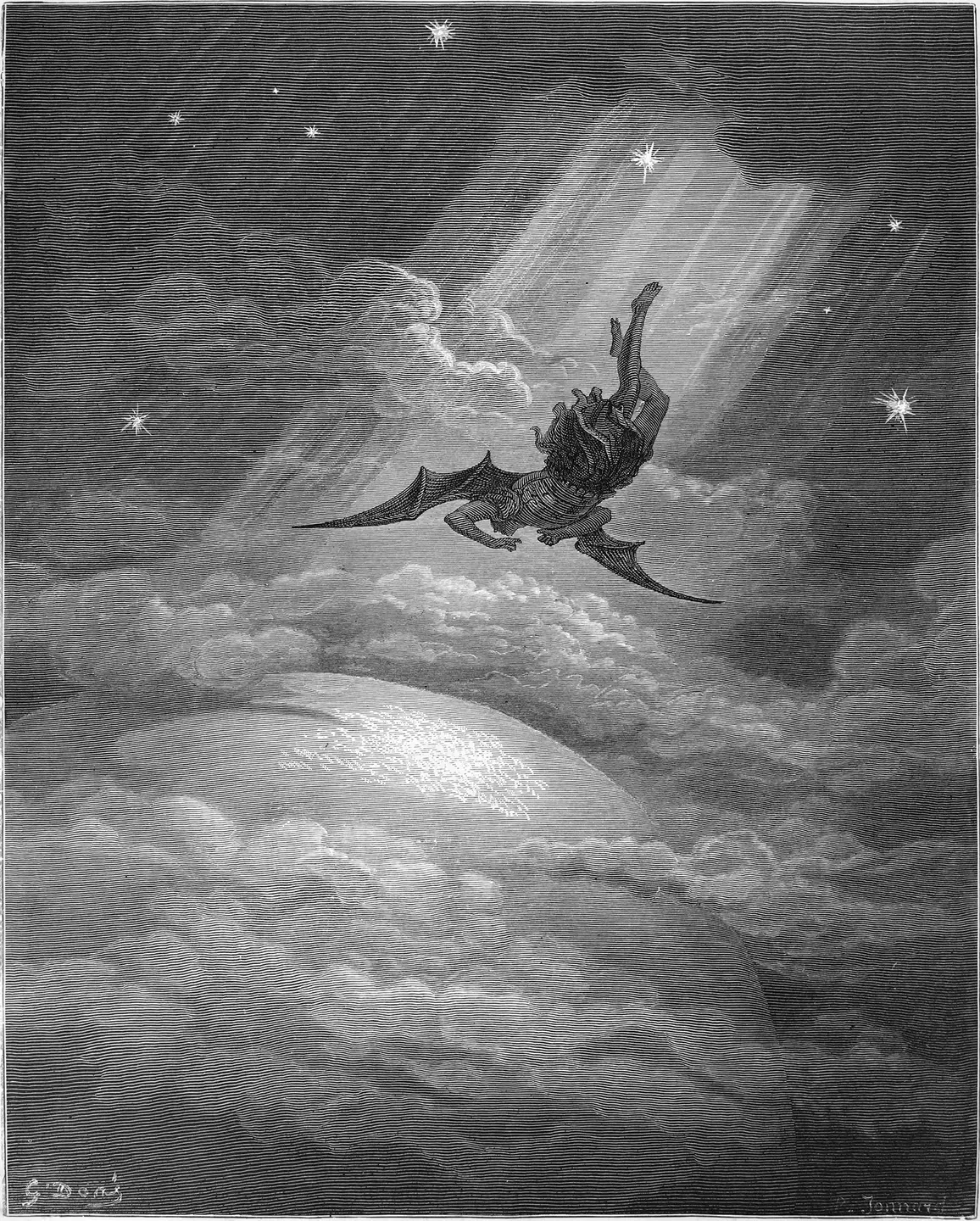
Luciferianism describes different religious and philosophical approaches that give Lucifer a positive role. Belief, practice, and identity vary among writers and communities.
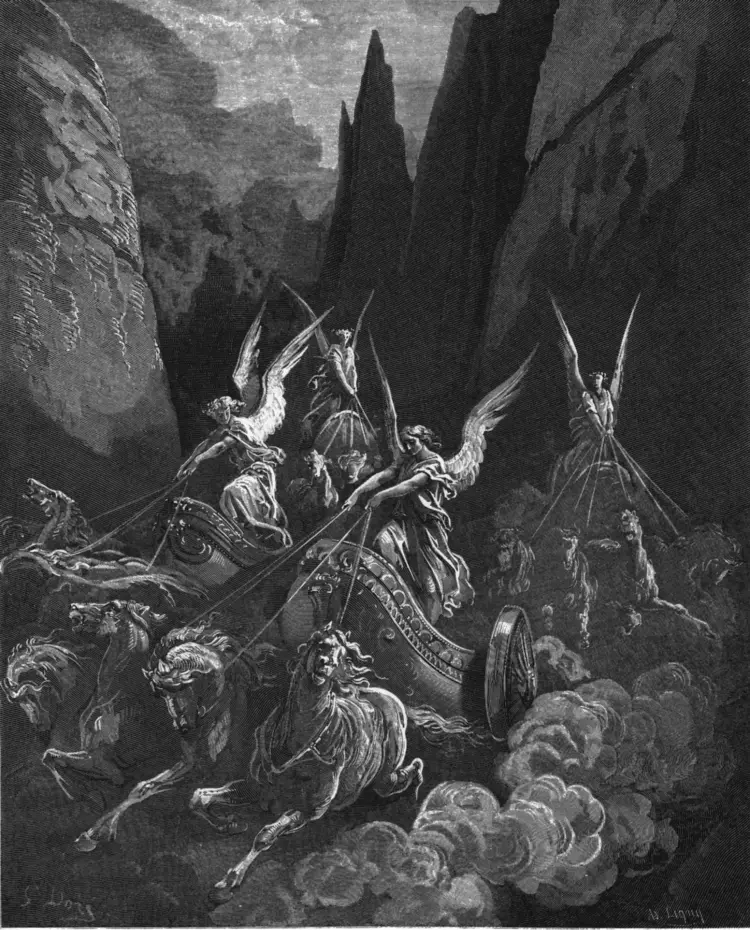
Zechariah 3 presents Satan accusing Joshua the high priest within a vision of judgment and restoration. The scene has a specific religious and literary purpose.