Search

Results for “devotion”

61 resultsResults prioritize title matches, then summaries and article text.Try topic browsing →
Culture & Ethics

Left-hand path

The left-hand path is a modern esoteric category used for religious and magical currents that emphasize themes such as individual self-direction, antinomianism, self-deification, initiatory transformation, or deliberate engagement with symbols rejected by dominant religious culture. It overlaps with some forms of Satanism, Luciferianism, Setianism, and modern occultism, but the terms are not synonymous.
Devotional Practice

Invocation and evocation

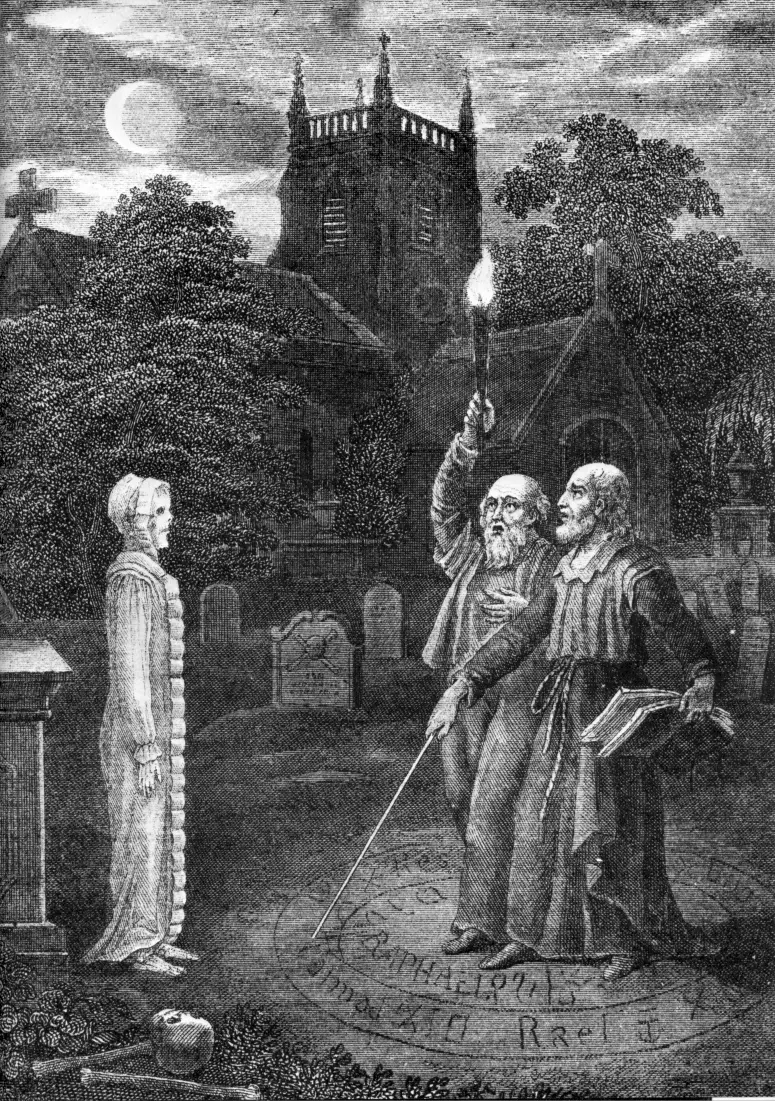
Invocation and evocation are terms used for related but differently framed religious or magical actions. Their definitions vary between authors and practice systems.

Culture & Ethics

Unverified personal gnosis

Unverified personal gnosis identifies a spiritual claim or interpretation whose source is personal experience rather than established textual or communal authority.

Culture & Ethics

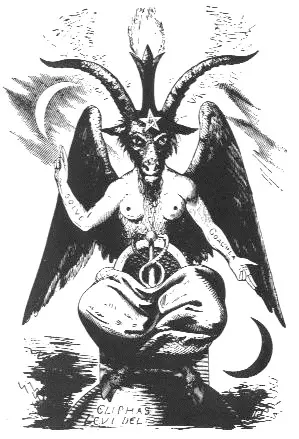
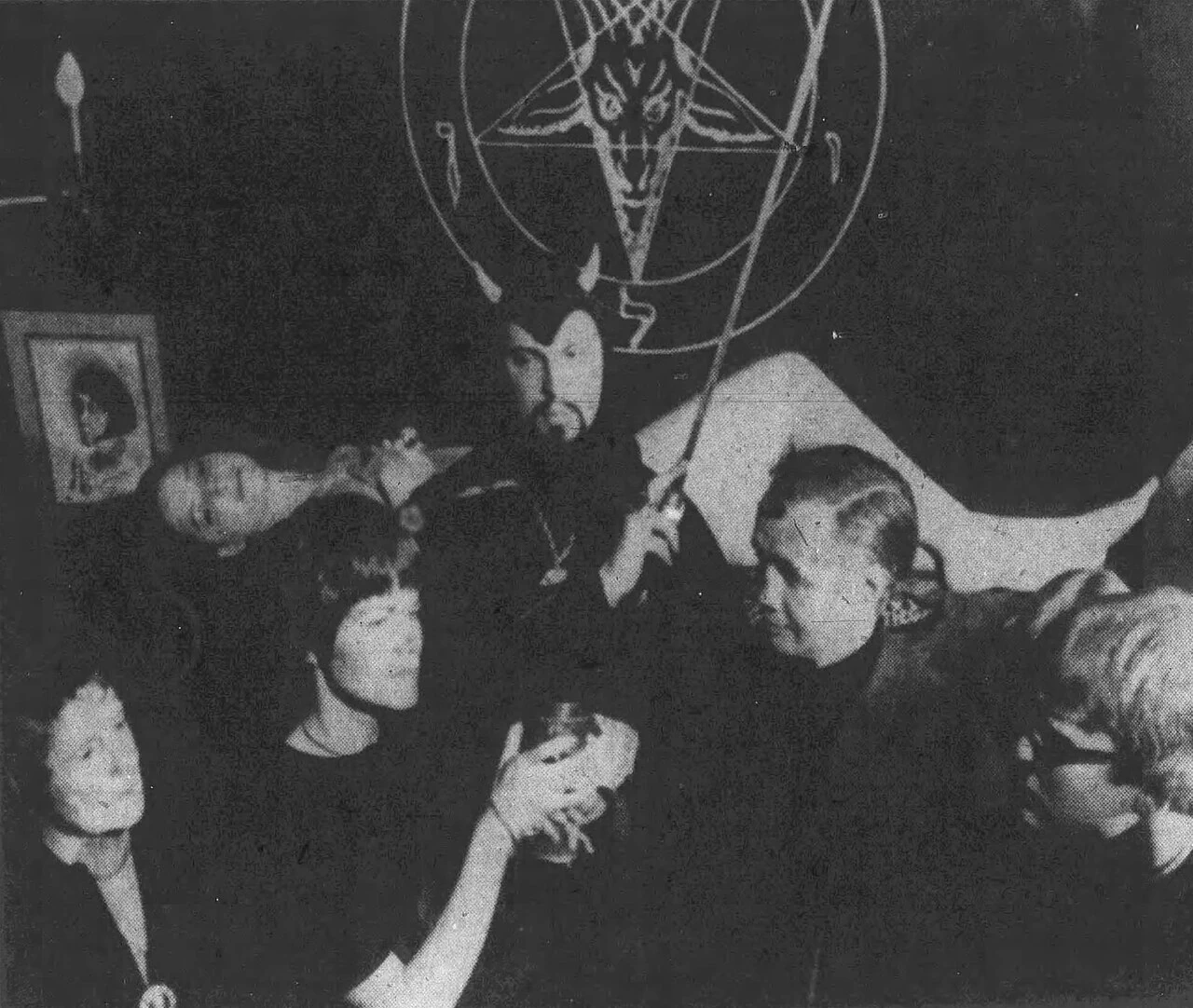
Satanic symbolism

The images, names, and gestures used by Satanic traditions, whose meanings depend on their religious and historical setting.

Demonology & Spirits

Mastema

Mastema is a leader of harmful spirits in the Book of Jubilees. His appearances in the stories of Noah, Abraham, and Moses connect temptation, accusation, and hostility with a power that remains subject to divine limits.

Theology & Cosmology

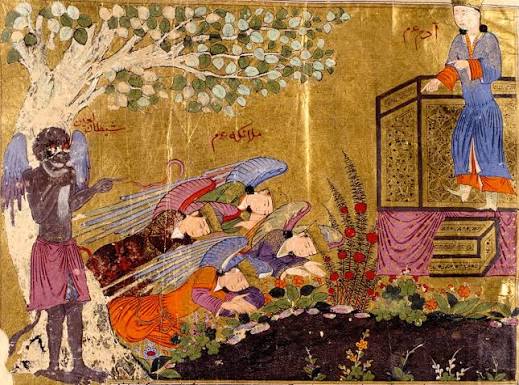
Iblis

Iblis is the figure who refuses God’s command to bow to Adam in the Qur’an. Islamic commentary and Sufi literature explore his pride, his relationship to the jinn, his role as a tempter, and the meaning of his disobedience.

Theology & Cosmology

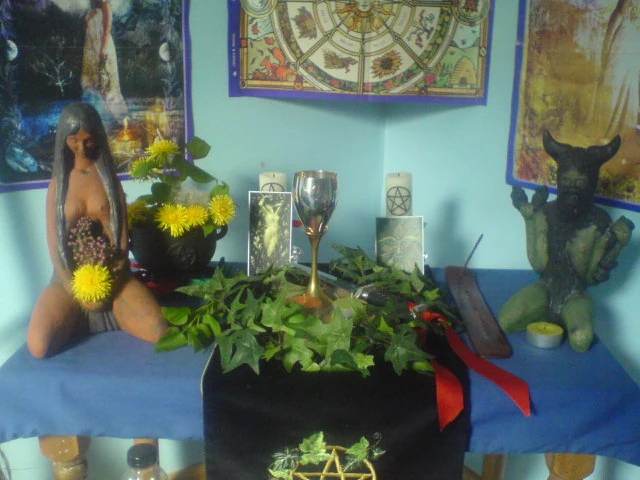
Wicca

Modern Pagan religious witchcraft, its Gardnerian and Alexandrian traditions, ritual practice, and relationship to Satanism.

Theology & Cosmology

Modern Paganism

An introduction to contemporary Pagan traditions, including Wicca, Druidry, and Heathenry, and their different uses of older sources.

Demonology & Spirits

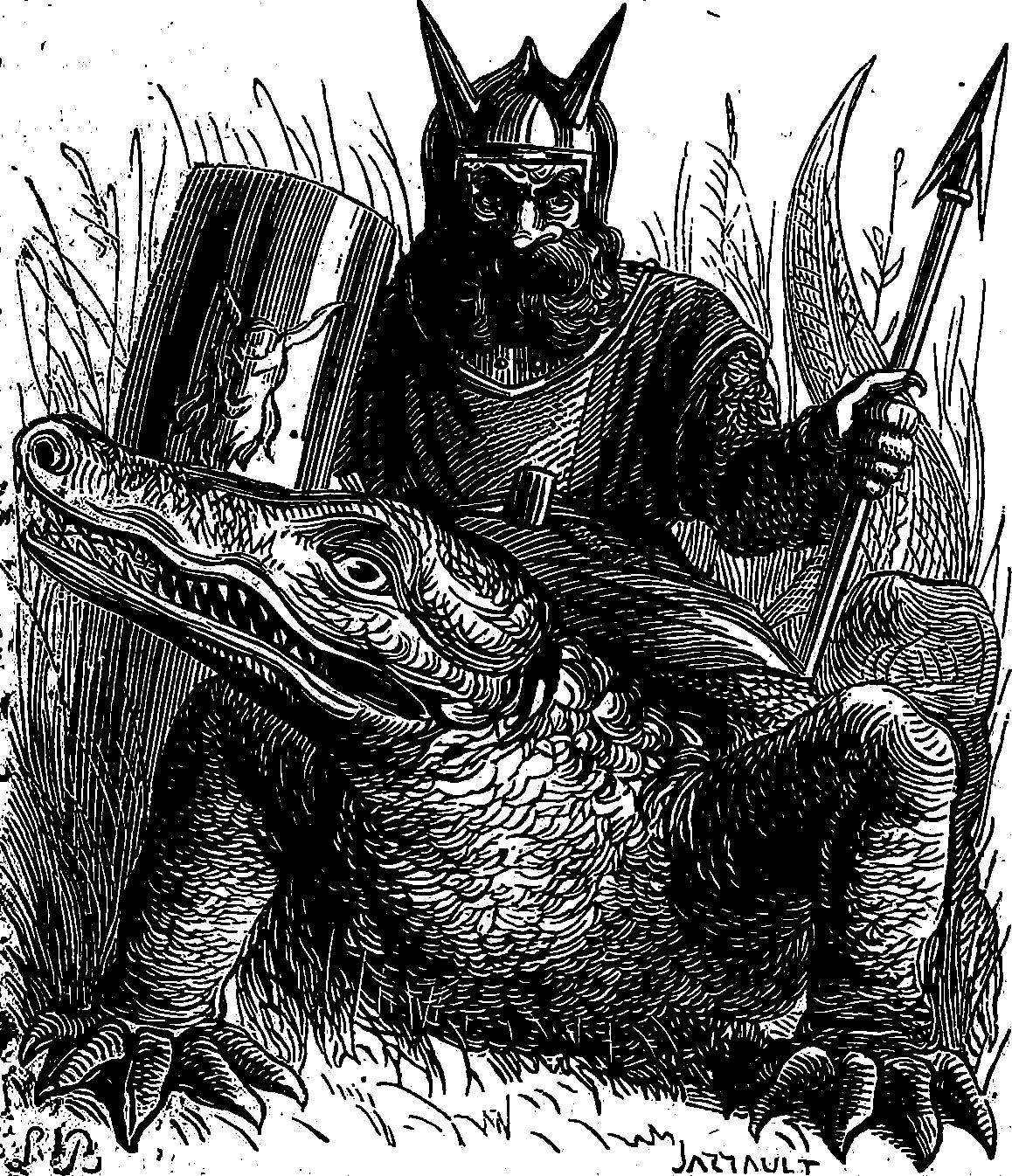
Sallos

A Goetic duke, also called Saleos, described as a peaceful soldier riding a crocodile.

Demonology & Spirits

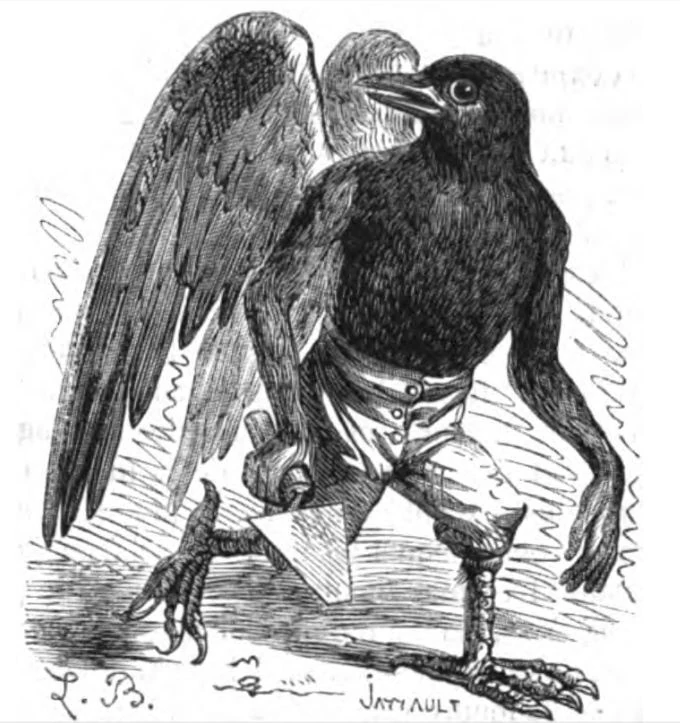
Malphas

A Goetic president in a dark bird form, associated with building and a warning about offerings.

Texts & Sources

The Satanic Rituals

Anton LaVey’s collection of ceremonial material, published as a companion to The Satanic Bible.

Devotional Practice

Gnostic Mass

The central public liturgy of Ecclesia Gnostica Catholica, written by Aleister Crowley as Liber XV.

History

Johann Weyer

The physician and author whose Pseudomonarchia daemonum supplied an important source for later spirit catalogues.

Theology & Cosmology

Lucifer

Lucifer is a name whose religious meaning developed from an ancient expression for the morning star into one of the best-known names associated with the Devil, fallen angels, occult illumination, and modern Luciferian religion. The word itself is Latin: lūcifer means “light-bringer” or “light-bearer” and was used for the planet Venus when it appeared before sunrise. The later equation “Lucifer = Satan”…

Demonology & Spirits

Semjaza

Semjaza is a leading figure in the Enochic account of the Watchers’ oath and descent. His role differs from the teaching and punishment associated with Azazel.

Demonology & Spirits

Belial

Belial appears in biblical religious language and later spirit catalogues. These uses should be distinguished rather than treated as one unchanged biography.

Demonology & Spirits

Beelzebub

Beelzebub and related spellings appear in distinct biblical contexts. Later demonological interpretations should not be retroactively read into each earlier occurrence.

Devotional Practice

Sigils

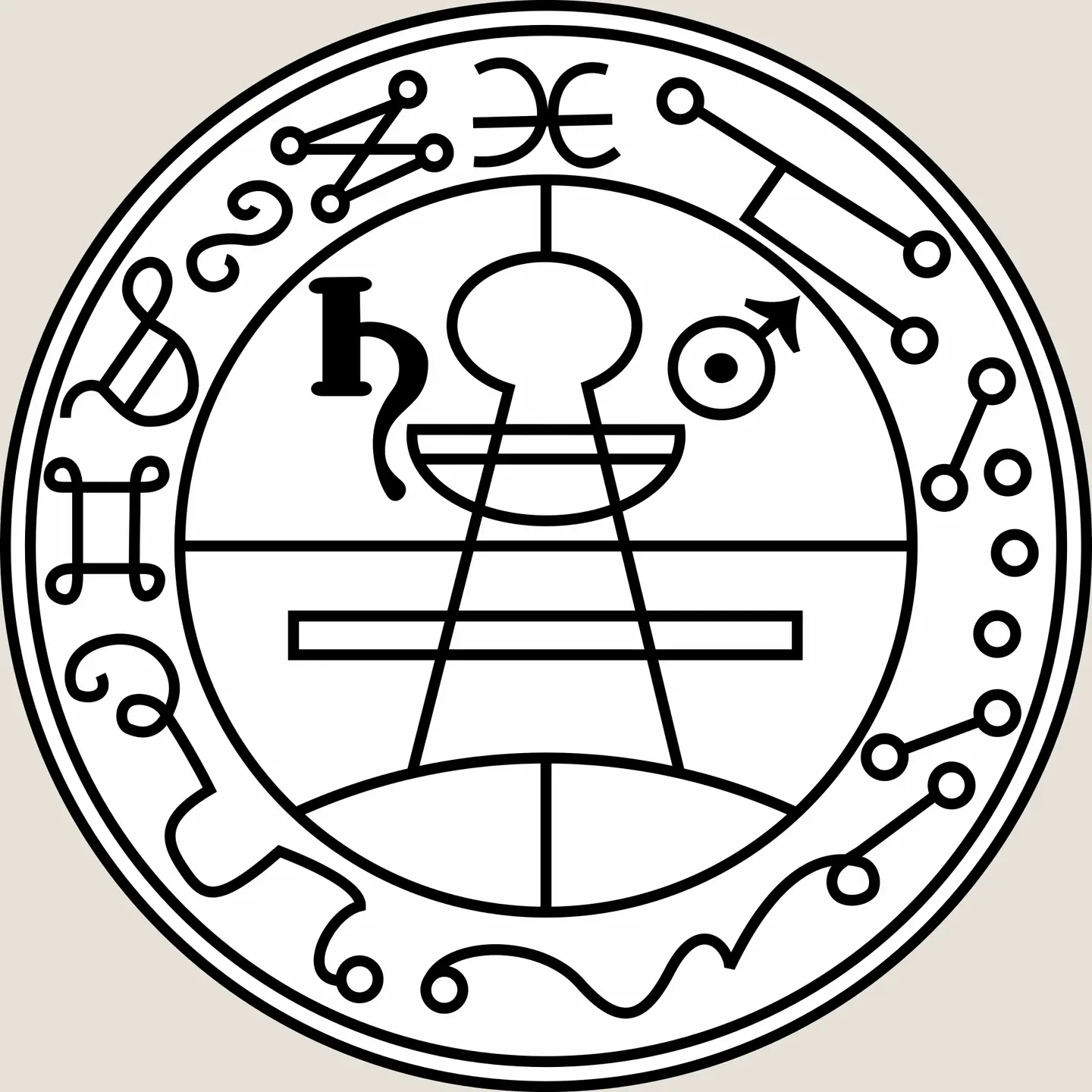
Sigils are graphic signs used in particular magical systems. Historical spirit seals, ceremonial figures, and modern personal signs should be distinguished.

Devotional Practice

Ceremonial magic

Ceremonial magic uses formally organized ritual actions. Its historical systems combine preparation, symbols, instruments, and accounts of spiritual authority in different ways.

Culture & Ethics

Myth and literal belief

A religious myth can organize meaning while also receiving literal belief. Literary form, personal interpretation, and historical evidence should be discussed as related but distinct questions.