Demonology & Spirits
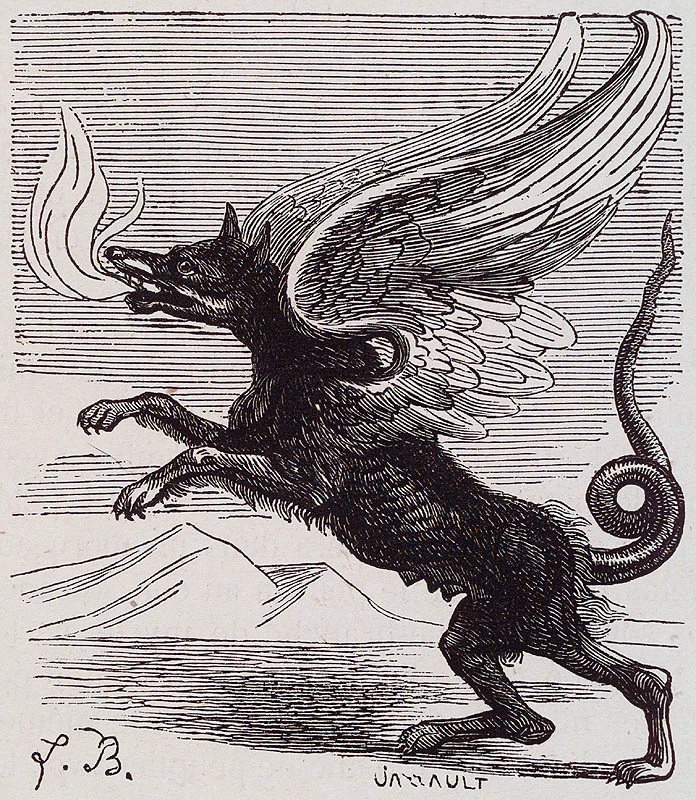
Marchosias
A Goetic marquis with a winged wolf form, described as a fighter who hopes to return to a heavenly throne.
A Goetic marquis with a winged wolf form, described as a fighter who hopes to return to a heavenly throne.
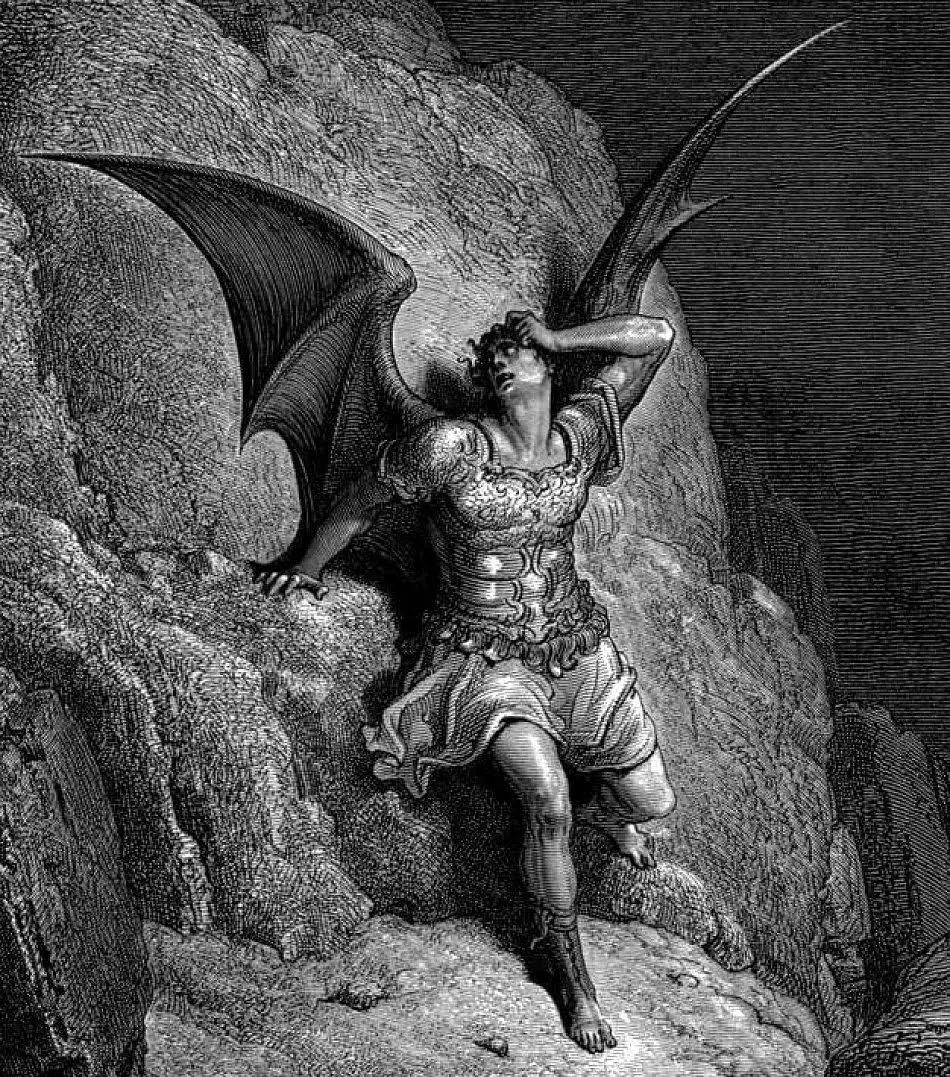
Satan is a figure whose meaning has changed substantially across Jewish, Christian, Islamic, literary, esoteric, and modern Satanic contexts. In contemporary theistic Satanism, Satan may be understood as a real deity, spirit, adversary, initiator, or metaphysical intelligence. Those modern interpretations draw on, but are not identical with, the much older history of the word and character.
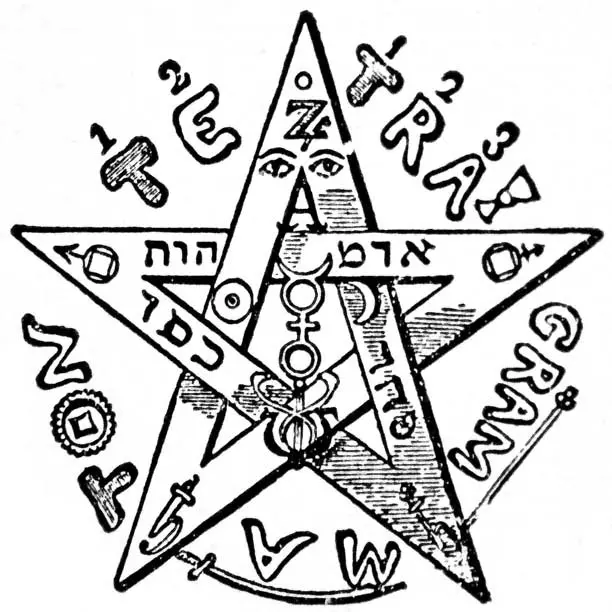
Occultism and Western esotericism provide an important historical and intellectual background for many forms of modern Satanism, but neither term is a synonym for Satanism. Western esotericism is an academic field encompassing currents such as Renaissance Hermetism, alchemy, astrology, Christian theosophy, Kabbalistic reception, Rosicrucianism, ceremonial magic, spiritualism, occultism, and later…
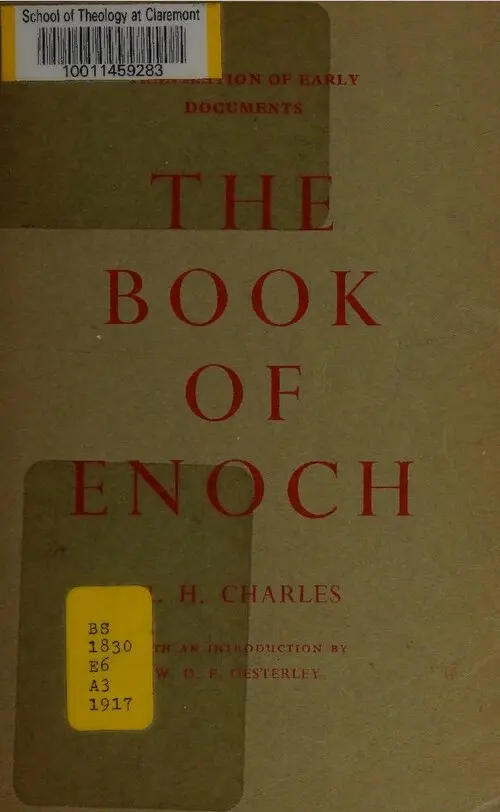
1 Enoch brings together accounts of heavenly beings, judgment, celestial order, and righteousness. It is a composite work rather than a single continuous biography of Enoch.
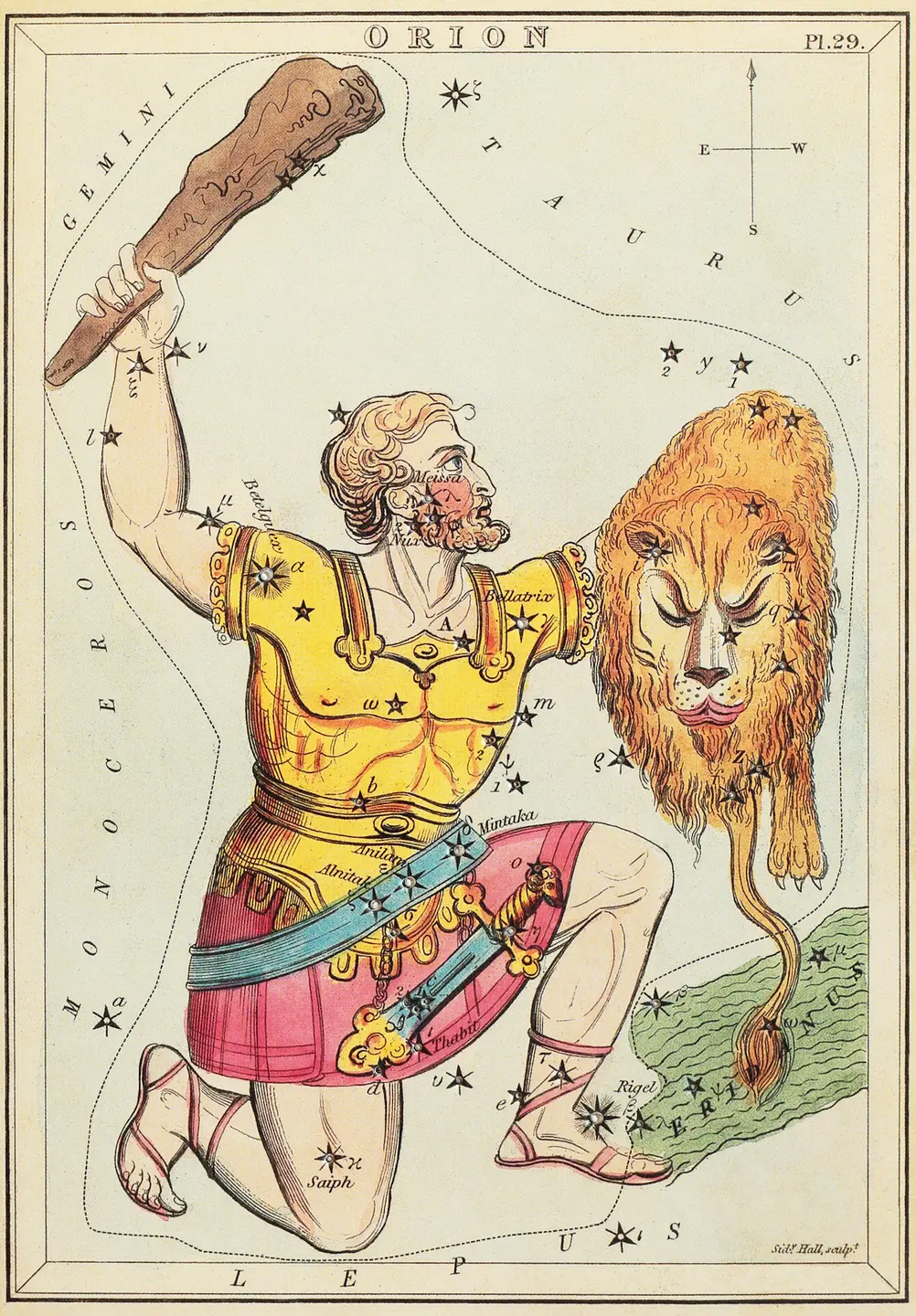
Semjaza is a leading figure in the Enochic account of the Watchers’ oath and descent. His role differs from the teaching and punishment associated with Azazel.
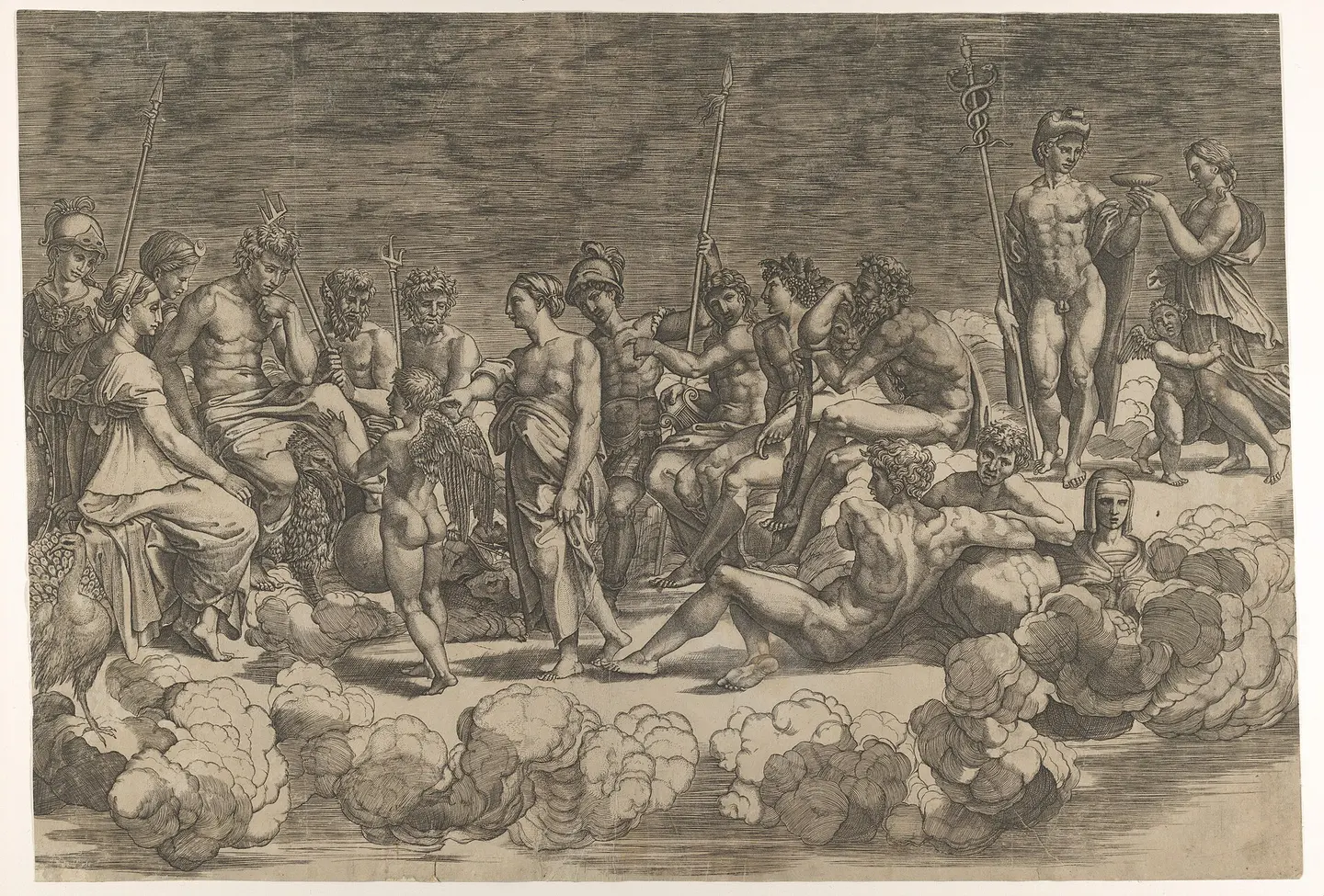
Polytheism involves belief in multiple deities. The existence of several gods does not by itself settle their relationships, moral authority, or the forms of devotion directed toward them.
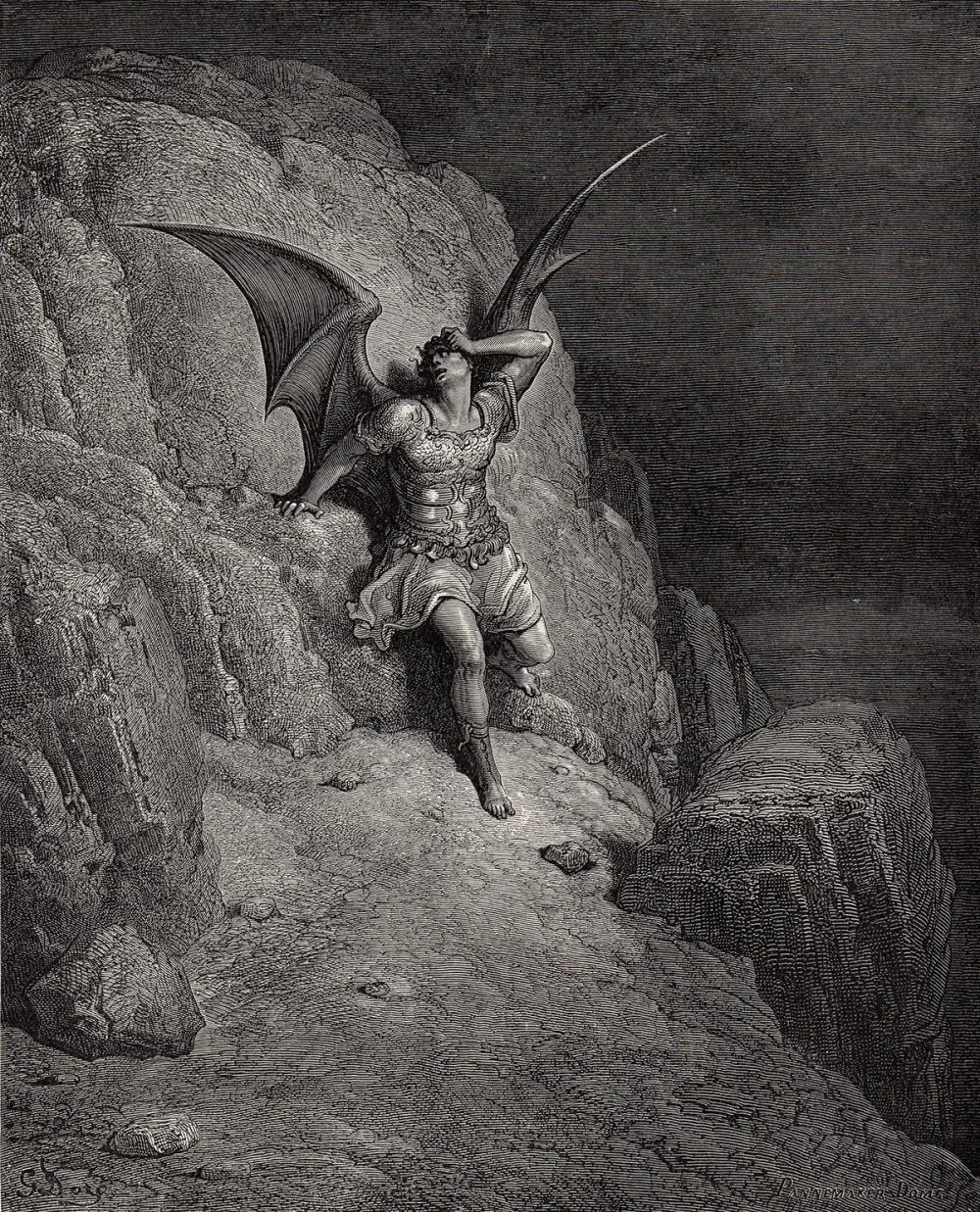
Milton’s Paradise Lost gives Satan an influential literary characterization. His persuasive speeches must be read alongside the narrator’s account and the consequences of his actions.
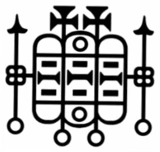
A Goetic marquis described as a sea monster, associated with language, reputation, and rhetoric.
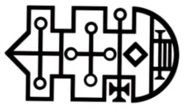
A Goetic earl associated with royal treasure, the destruction of cities, and altered relationships.
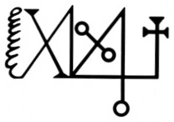
A Goetic duke with griffin wings, associated with winds, the sea, and shipwreck.
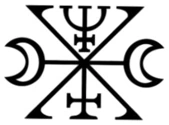
A Goetic spirit associated with philosophy and the compelled appearance of deceased souls.
The grimoire compilation known as the Lemegeton, including the Goetia and several angelic arts.
The second part of the Lemegeton, arranging aerial spirits through princes, directions, and wandering hierarchies.
Agrippa’s Renaissance synthesis of natural, celestial, and religious magic.
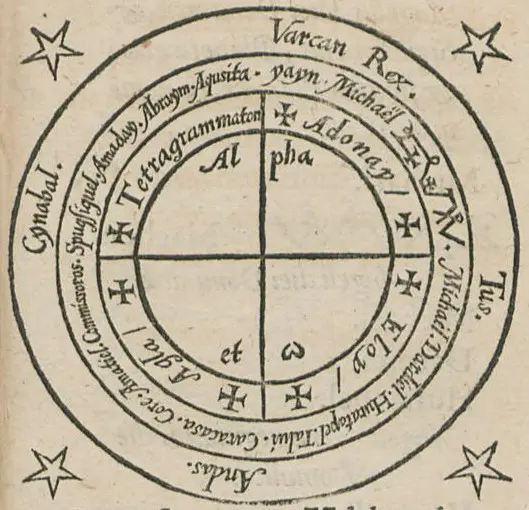
A grimoire of angelic conjuration organized around the seven days of the week.
The Slavonic Enochic work also known as the Book of the Secrets of Enoch, describing ascent, creation, and instruction.
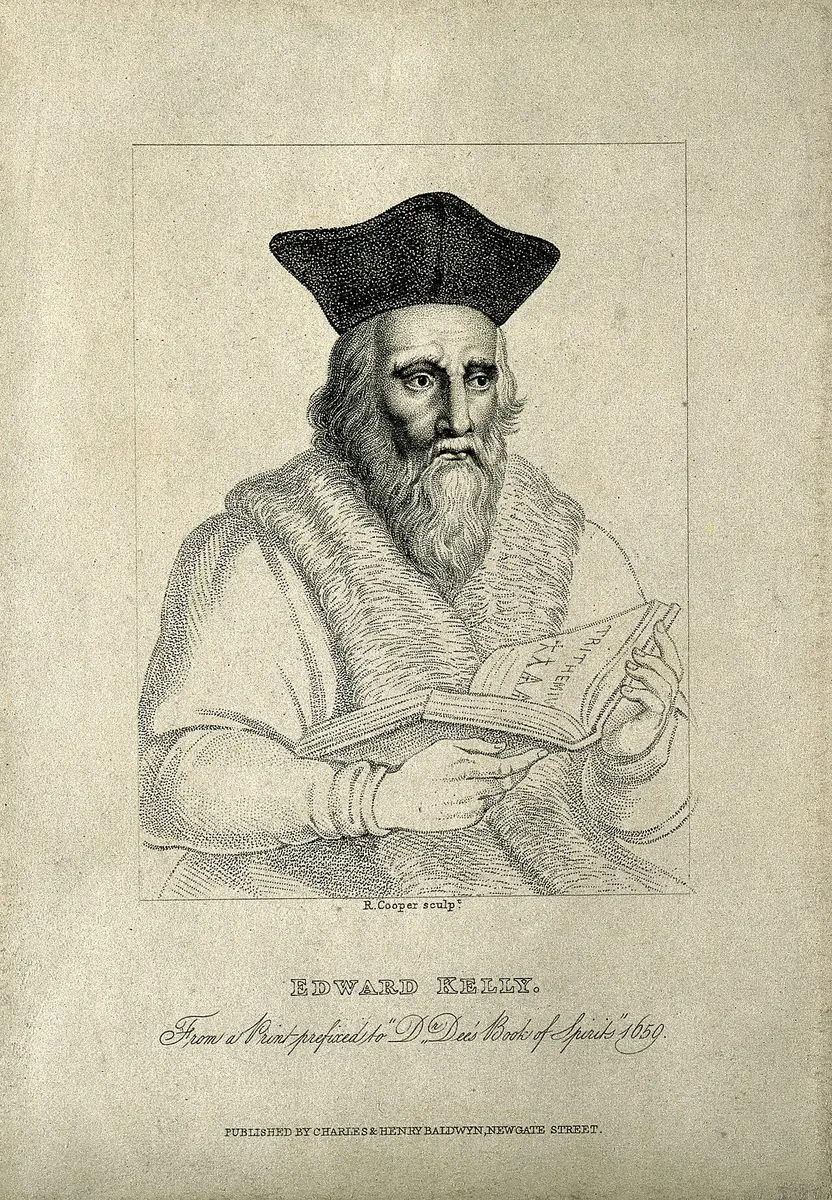
The scryer associated with John Dee’s recorded spirit conversations and later alchemical pursuits.
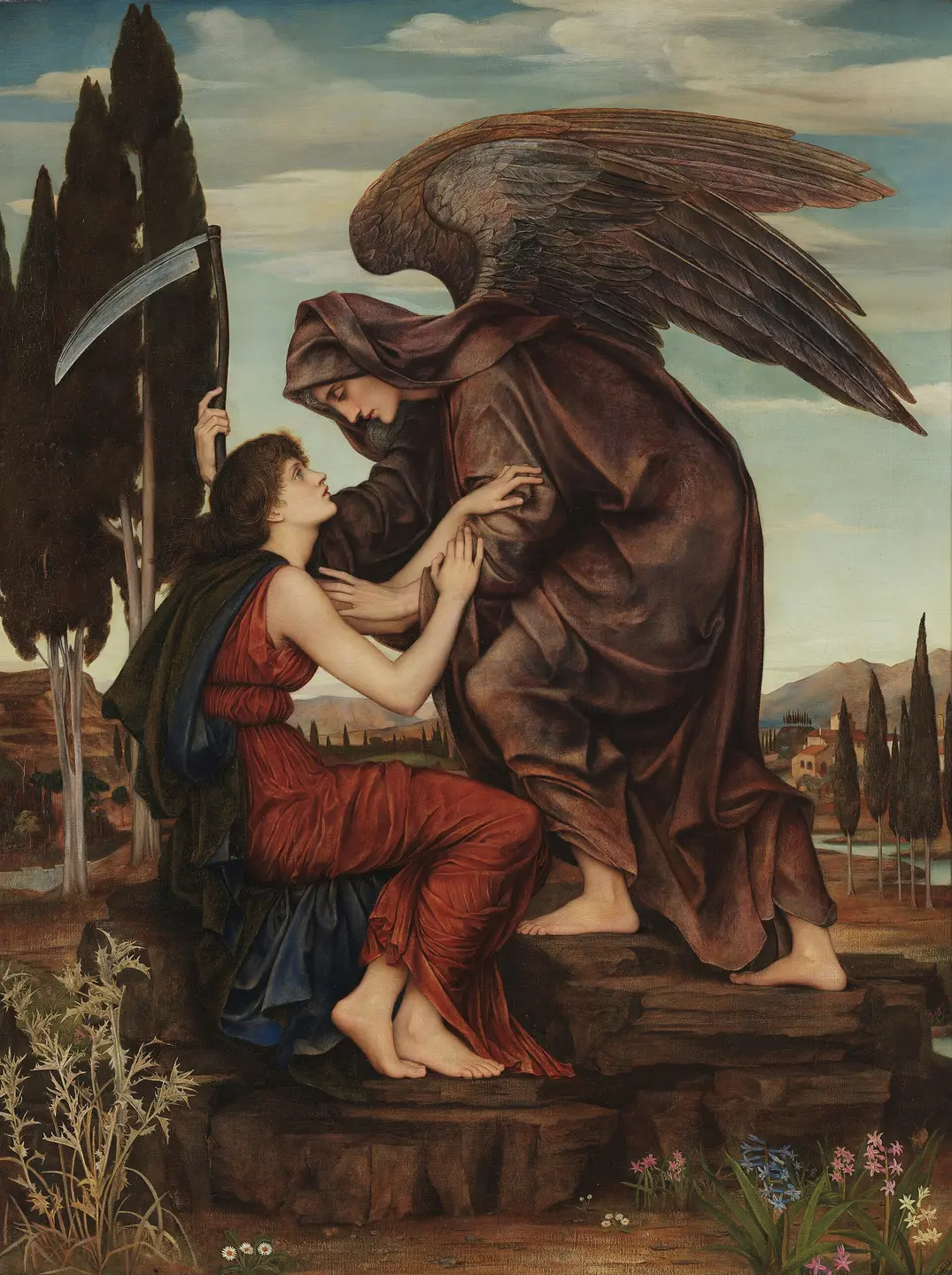
Samael appears in Jewish interpretive literature in roles that vary between texts. His relationship with Satan, the serpent, and other figures should be described source by source.
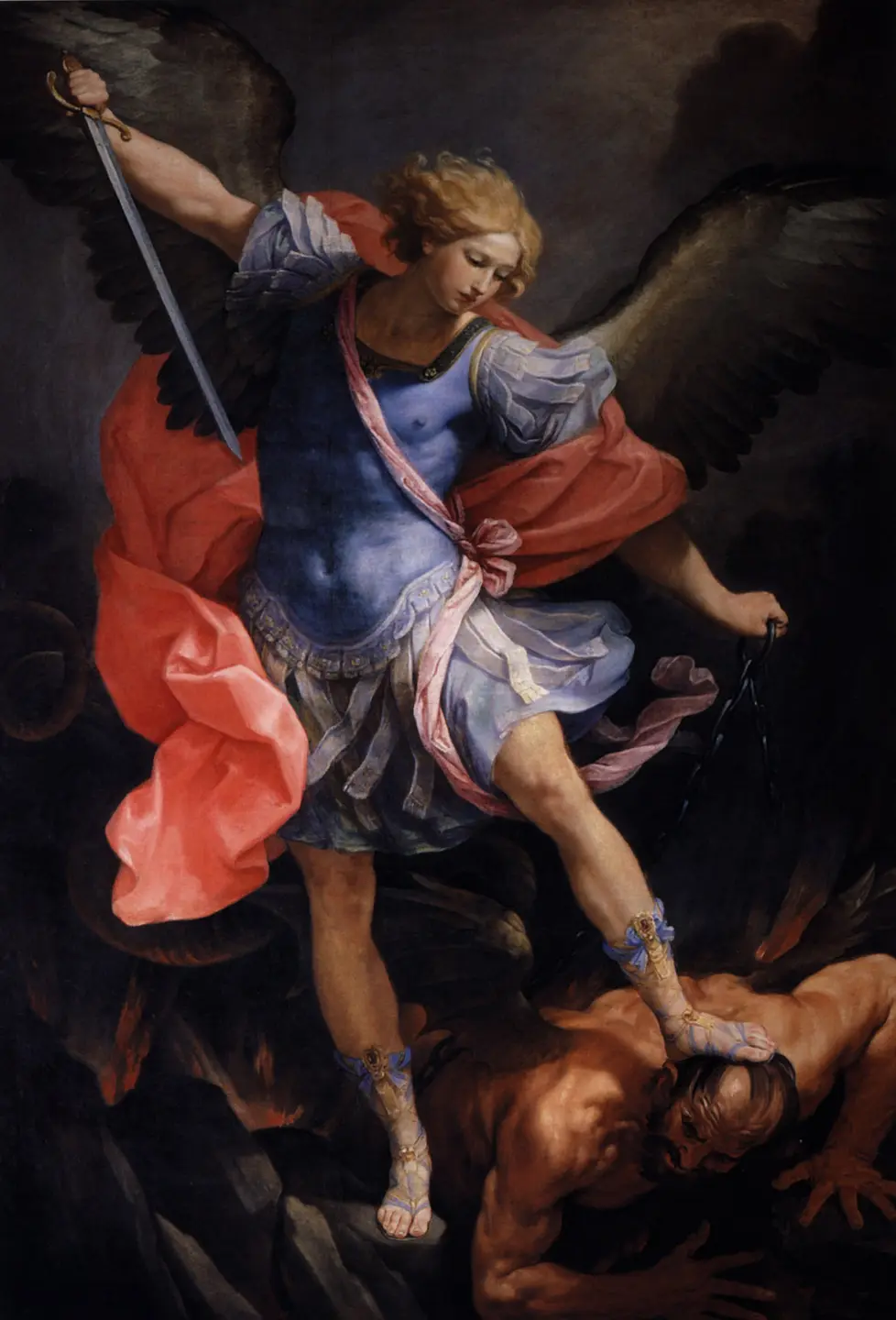
Monotheism and religious dualism concern different questions about ultimate reality. The presence of an adversary does not automatically establish two equal divine principles.