Demonology & Spirits
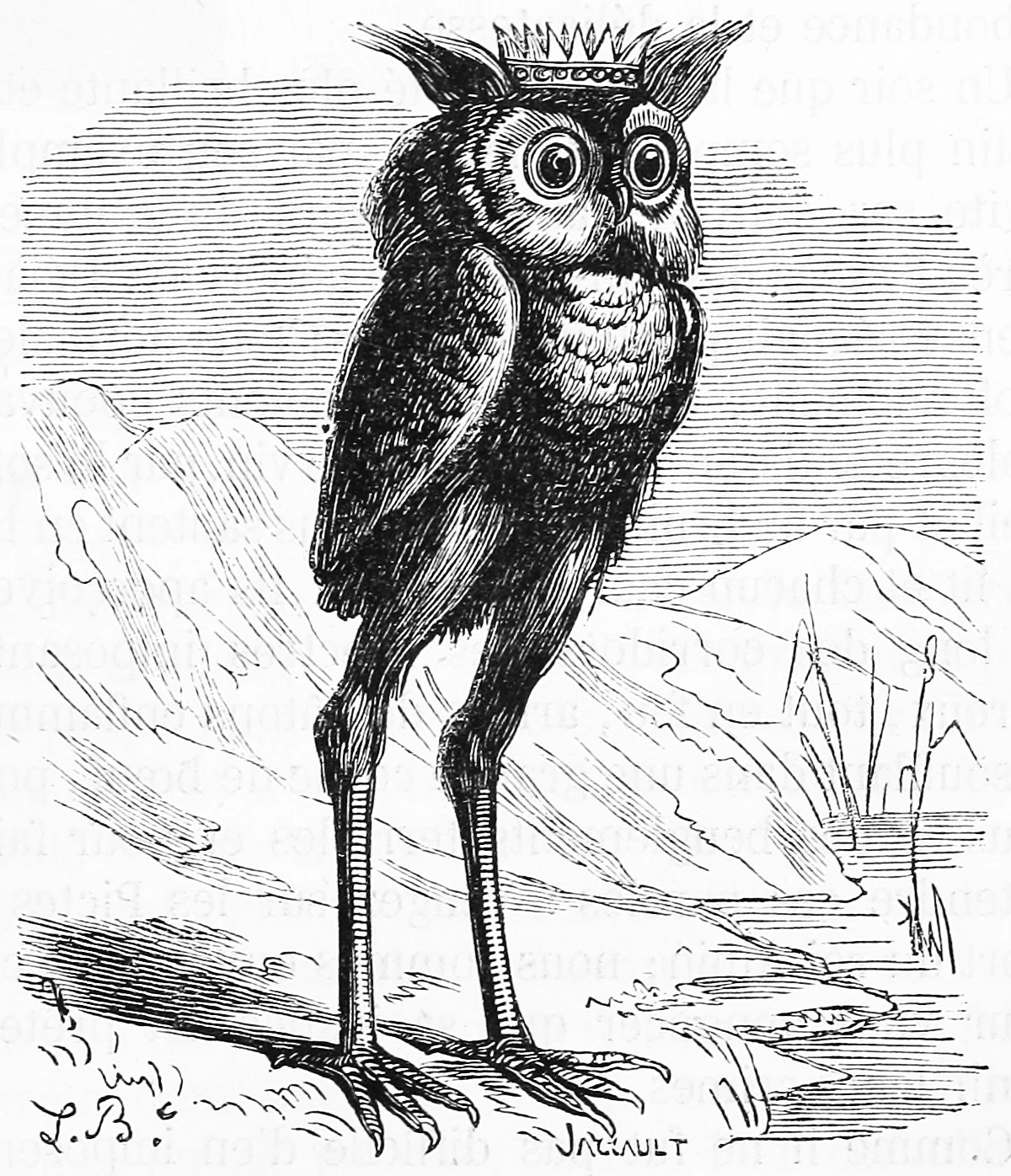
Stolas
A Goetic prince associated with astronomy, herbs, and precious stones, with changing bird imagery in later reception.
A Goetic prince associated with astronomy, herbs, and precious stones, with changing bird imagery in later reception.
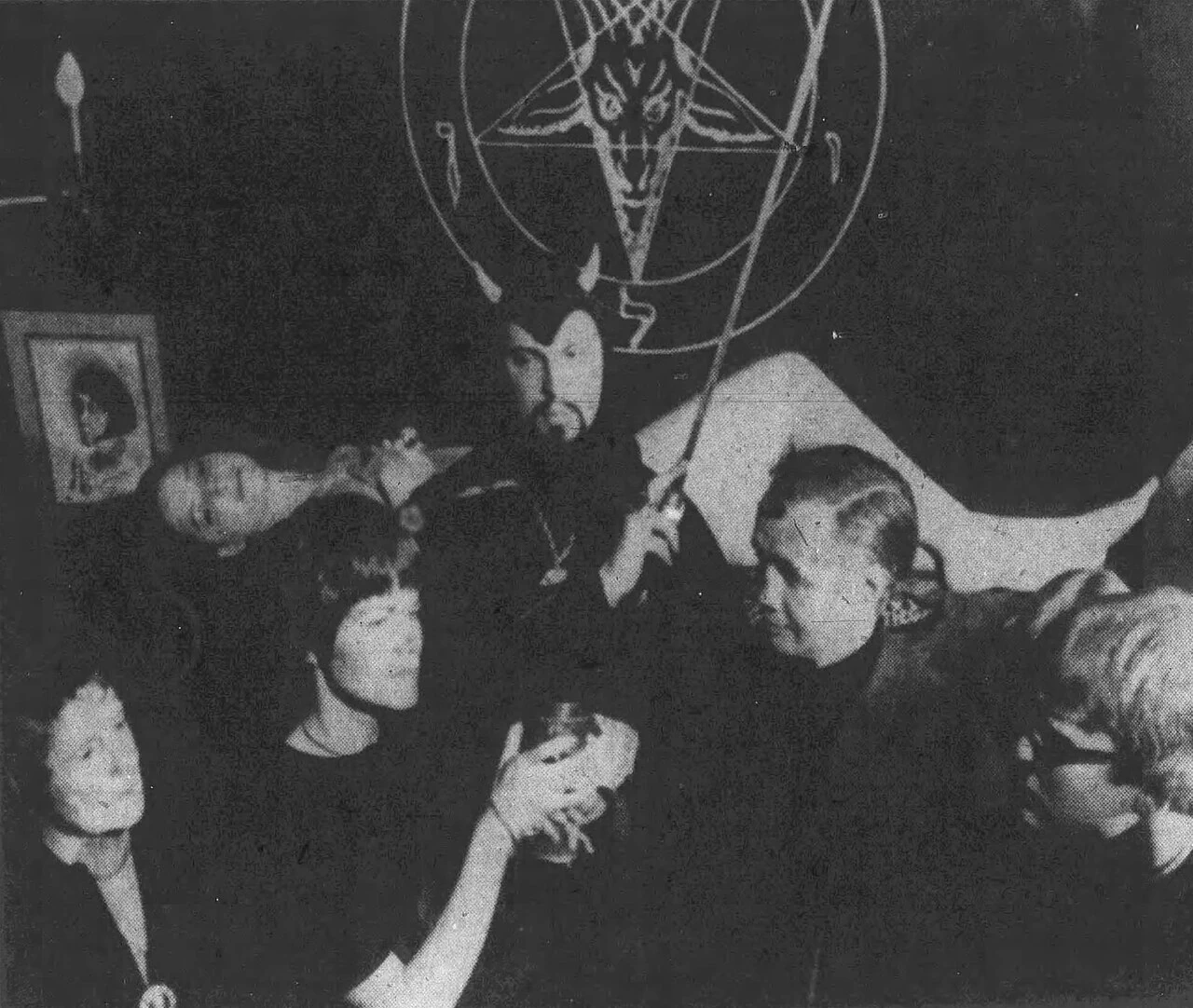
Anton LaVey’s collection of ceremonial material, published as a companion to The Satanic Bible.
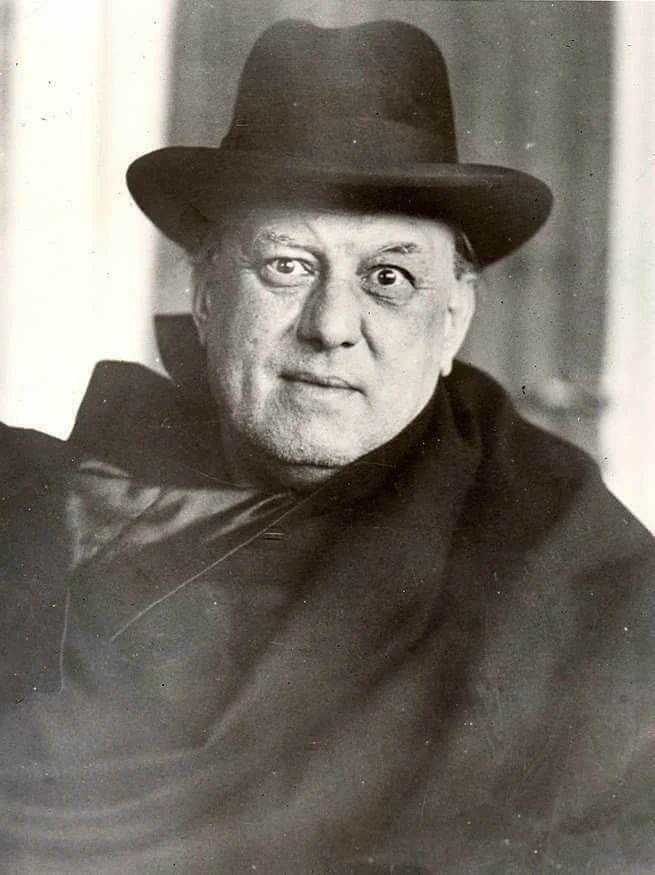
The author and religious figure associated with Thelema, The Book of the Law, and a large body of magical instruction.
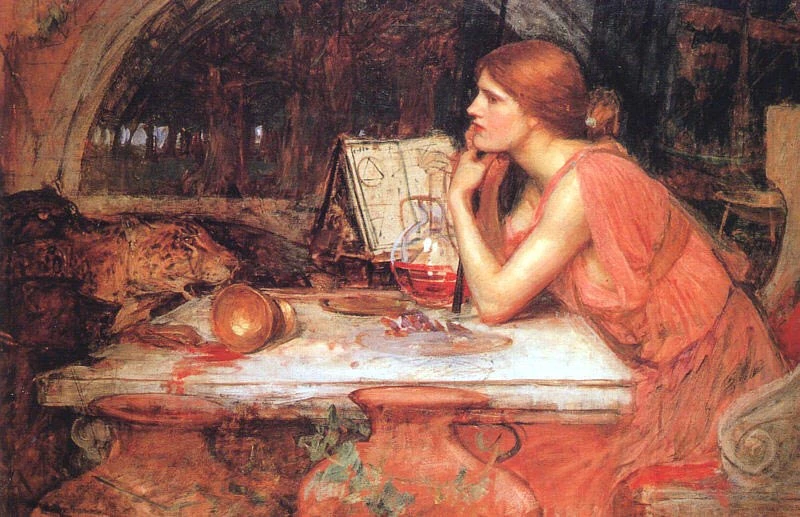
Ceremonies intended to clear, delimit, or reorder a ritual setting, with methods that vary by tradition.
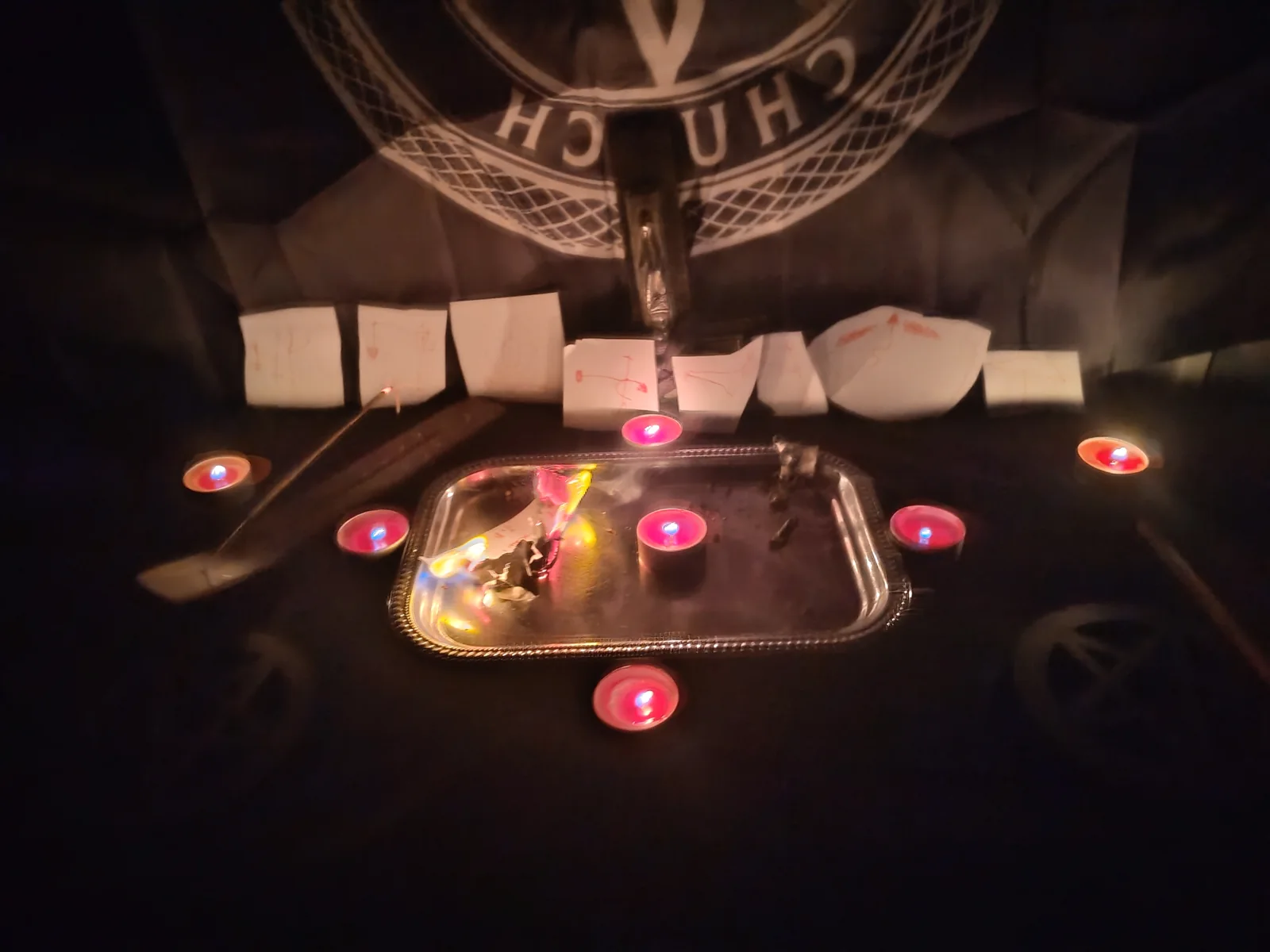
Prayer is intentional communication addressed to a deity, spirit, sacred power, or ultimate reality. It can include praise, petition, confession, thanksgiving, lament, dedication, silence, repetition, or simple direct speech. In theistic Satanism, prayer usually means addressing Satan or another spiritually real being rather than speaking only to oneself or performing a purely symbolic exercise.
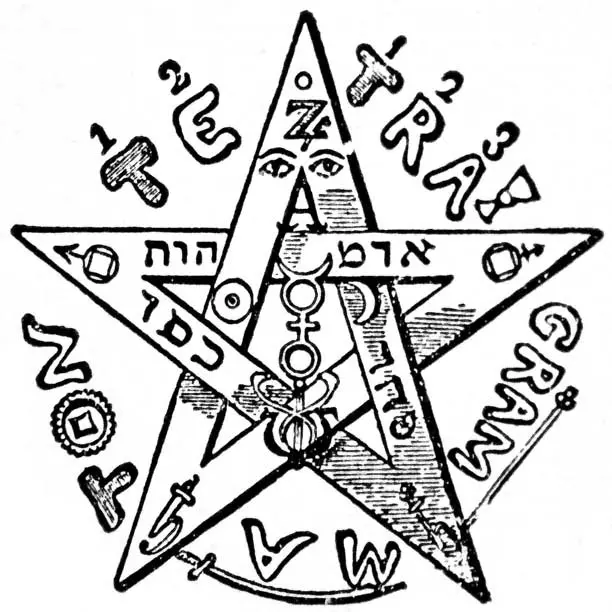
Occultism and Western esotericism provide an important historical and intellectual background for many forms of modern Satanism, but neither term is a synonym for Satanism. Western esotericism is an academic field encompassing currents such as Renaissance Hermetism, alchemy, astrology, Christian theosophy, Kabbalistic reception, Rosicrucianism, ceremonial magic, spiritualism, occultism, and later…
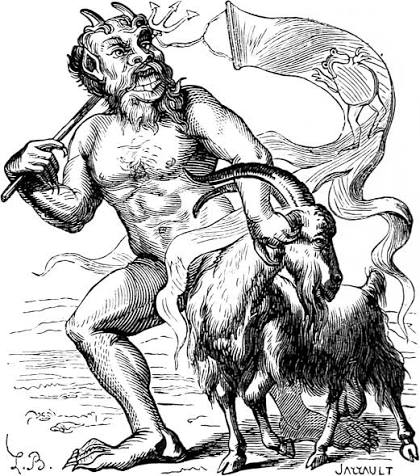
Azazel is a figure associated with the Day of Atonement in Leviticus, a rebellious Watcher in 1 Enoch, and a demonological and occult figure in later traditions. This article traces the development of Azazel from ancient Jewish texts through later demonology and modern Satanic interpretations.
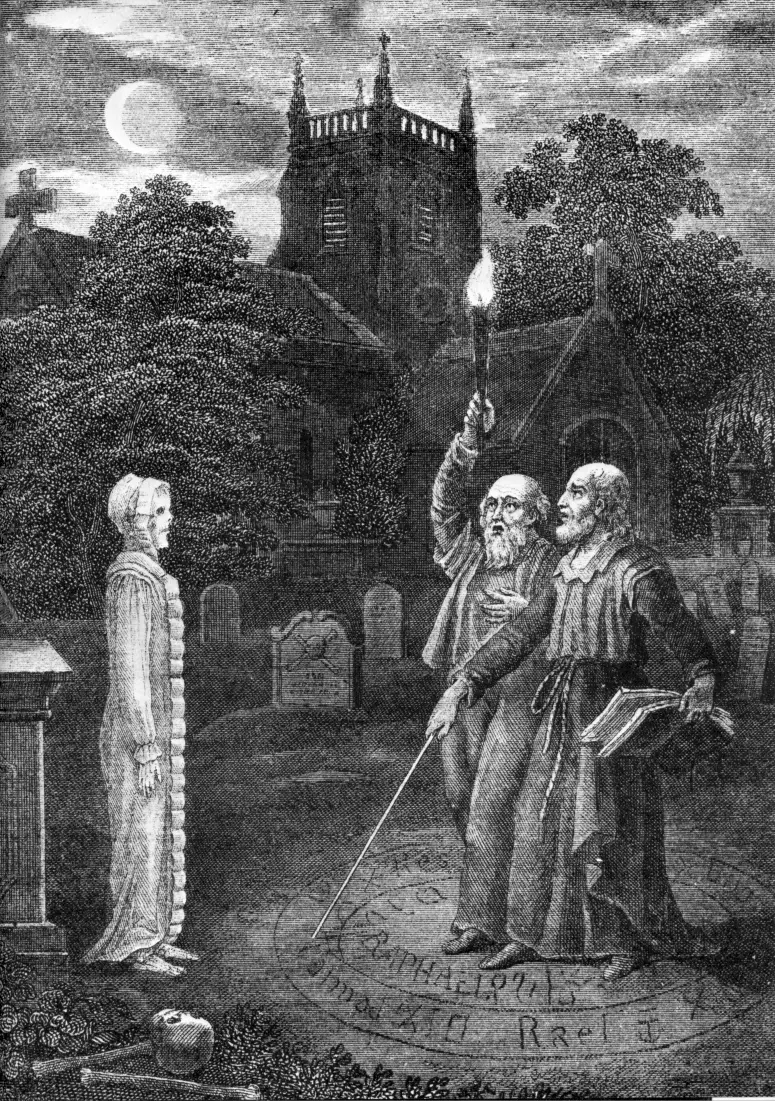
Invocation and evocation are terms used for related but differently framed religious or magical actions. Their definitions vary between authors and practice systems.
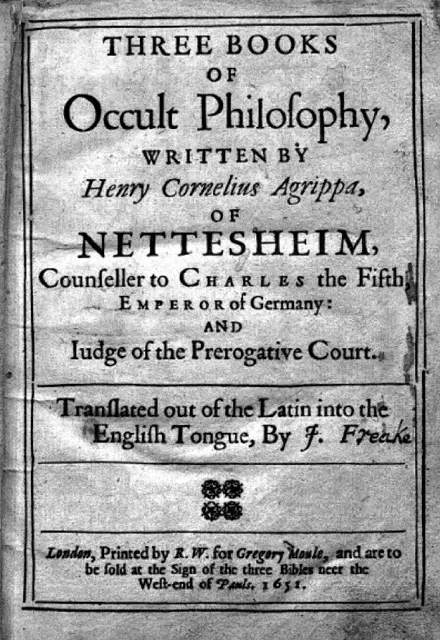
Ceremonial magic uses formally organized ritual actions. Its historical systems combine preparation, symbols, instruments, and accounts of spiritual authority in different ways.
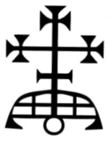
A Goetic marquis, also called Gamigin, associated with liberal studies and accounts of deceased souls.
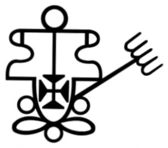
A Goetic king riding a bear, with offices concerning hidden knowledge, treasure, and cosmology.
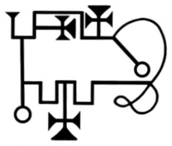
A Goetic marquis in phoenix form, associated with poetry, learning, and a hope of heavenly restoration.
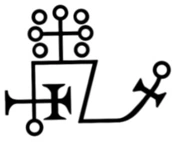
A many-faced Goetic duke carrying a book, associated with thoughts, knowledge, and visions of other people.
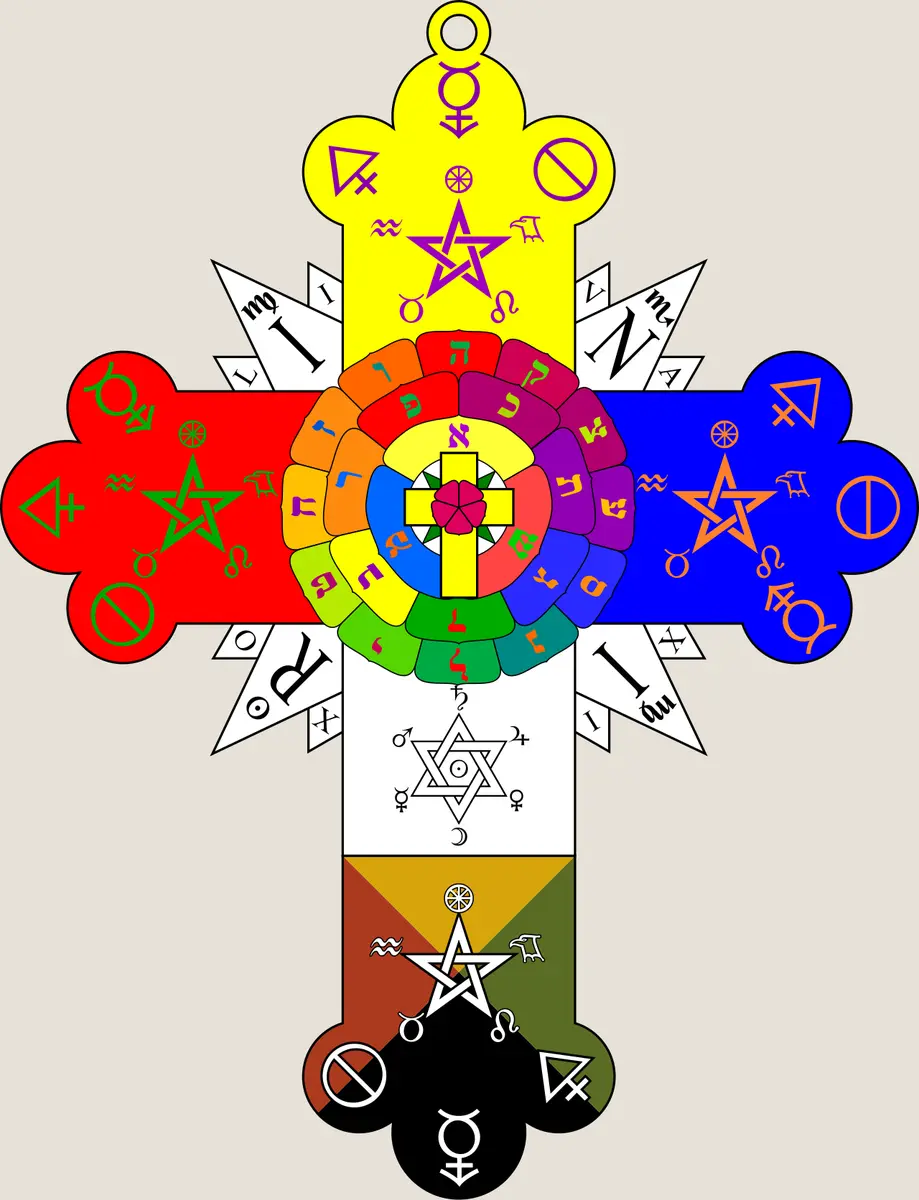
A late nineteenth-century British initiatory order that shaped modern ceremonial magic, Tarot, and Hermetic Qabalah.
The second part of the Lemegeton, arranging aerial spirits through princes, directions, and wandering hierarchies.
An angelic art in the Lemegeton, using a wax tablet, candles, and a hierarchy of heavenly altitudes.
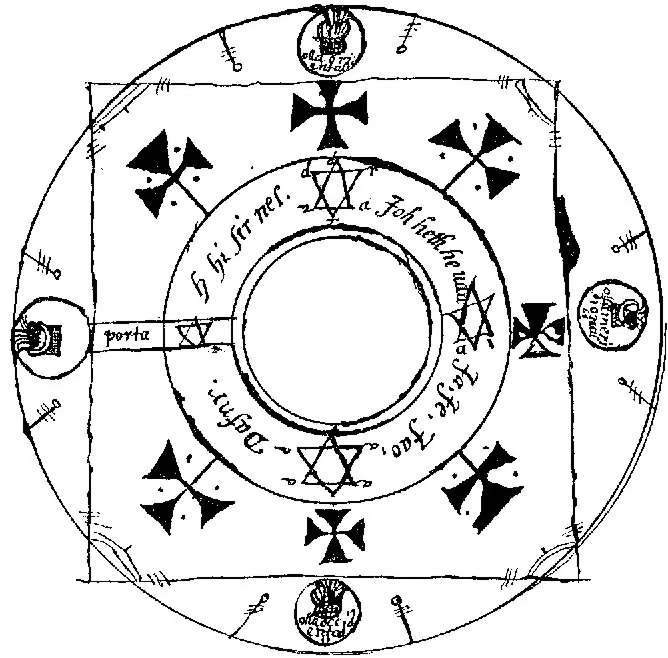
The medieval Liber Juratus, a work of sacred magic concerned with divine vision, angels, and ritual authority.
A marked ritual space whose names, divisions, and purpose differ among magical texts and modern traditions.
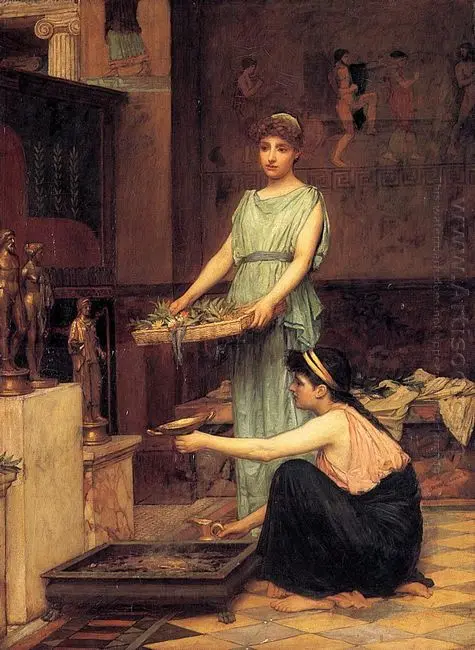
Offerings are objects, substances, actions, or works intentionally presented to a deity, spirit, sacred power, or religious community. Across religious history offerings have included food, drink, incense, flowers, animal sacrifice, money, vows, music, labor, art, and acts of service. In theistic Satanism, offerings are commonly used to express devotion, gratitude, hospitality, dedication, or…
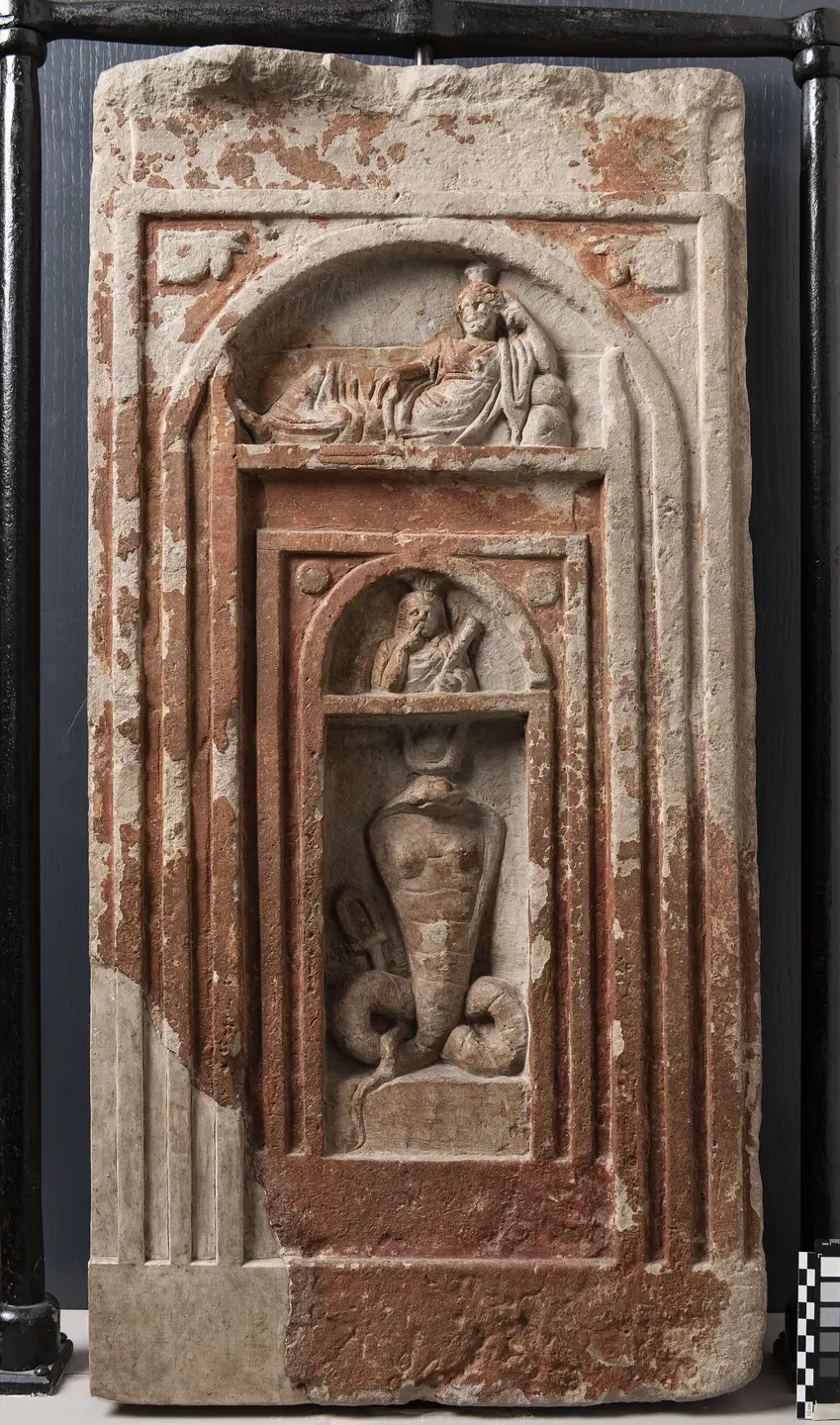
Religious syncretism concerns the combination of ideas, figures, and practices from different traditions. Similarity of names or imagery alone does not establish identity or historical continuity.