
History
Éliphas Lévi
A nineteenth-century French occult author associated with ceremonial symbolism and the influential image of Baphomet.
A nineteenth-century French occult author associated with ceremonial symbolism and the influential image of Baphomet.

Lucifer is a name whose religious meaning developed from an ancient expression for the morning star into one of the best-known names associated with the Devil, fallen angels, occult illumination, and modern Luciferian religion. The word itself is Latin: lūcifer means “light-bringer” or “light-bearer” and was used for the planet Venus when it appeared before sunrise. The later equation “Lucifer = Satan”…
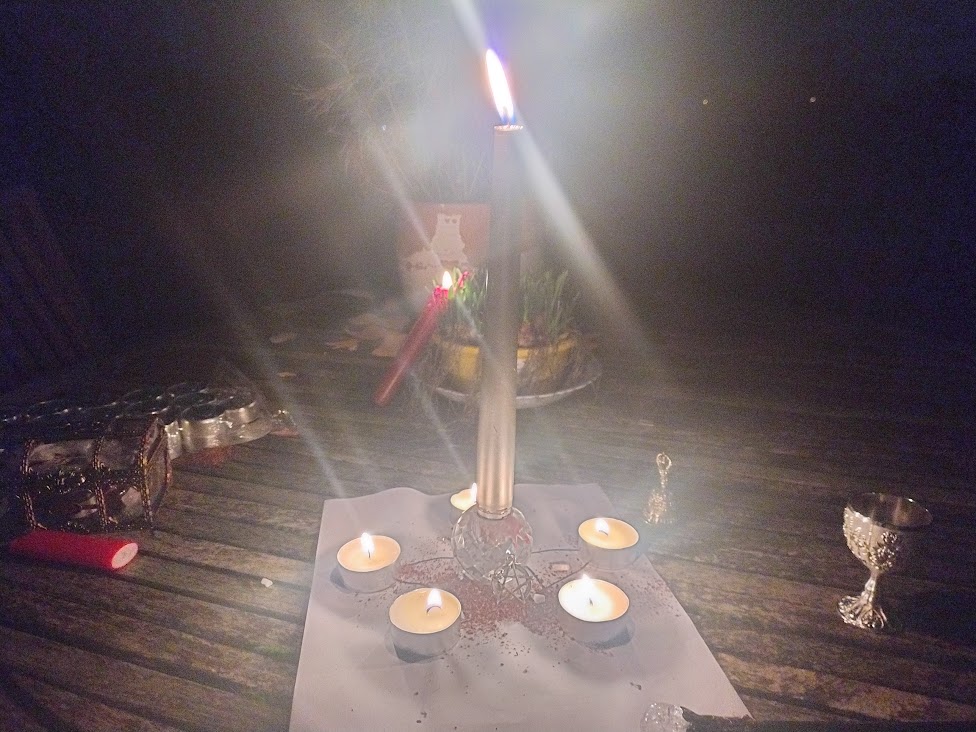
Ritual is patterned action given special religious, symbolic, social, or transformative significance. Ritual can mark time, establish sacred space, communicate with a deity, express commitment, create community, memorialize the dead, enact a transition, or focus attention on a chosen purpose. In theistic Satanism, ritual commonly includes devotional action directed toward Satan or other spirits…
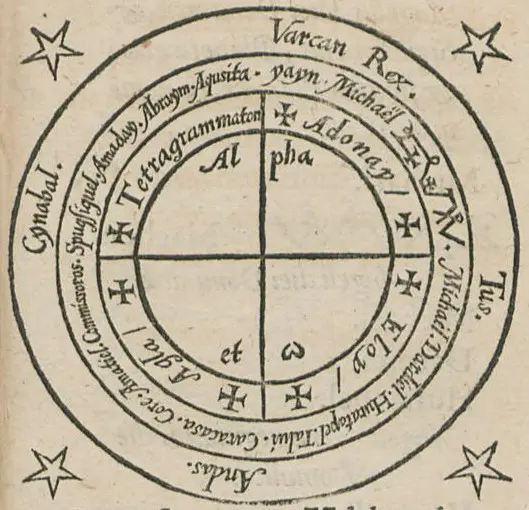
A grimoire of angelic conjuration organized around the seven days of the week.
A grimoire with a hierarchy centered on Lucifer, Beelzebub, and Astaroth, followed by spirit operations and practical recipes.
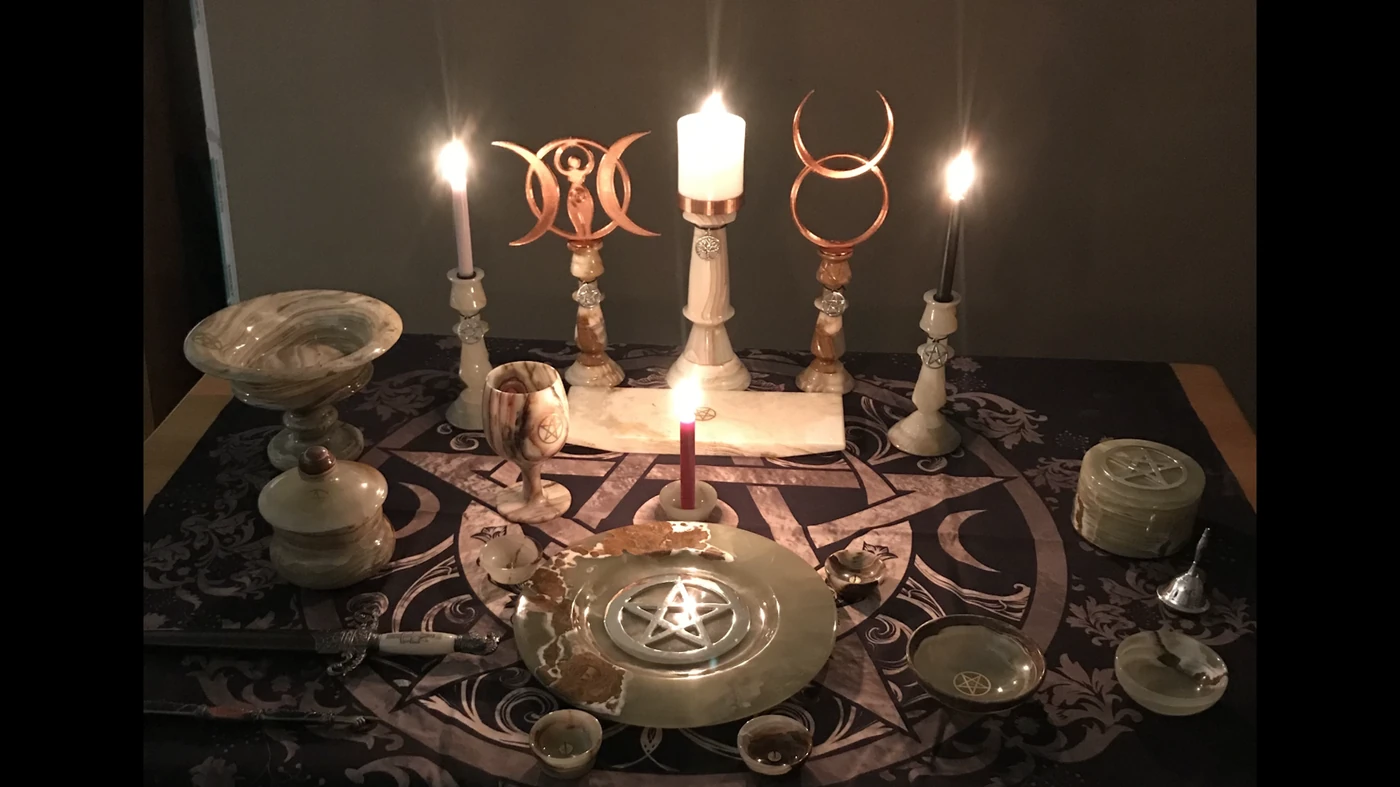
An altar is a designated place or surface used for religious devotion, ritual, offerings, sacred objects, or symbolic focus. Altars occur in many religious traditions, but their forms and meanings vary widely. In modern theistic Satanism an altar may function as a place for Prayer, Ritual, Offerings, meditation, spirit work, or the display of symbols connected with Satan and other beings.

A British occult writer associated with the Typhonian current, Thelema, and the work of Austin Osman Spare.
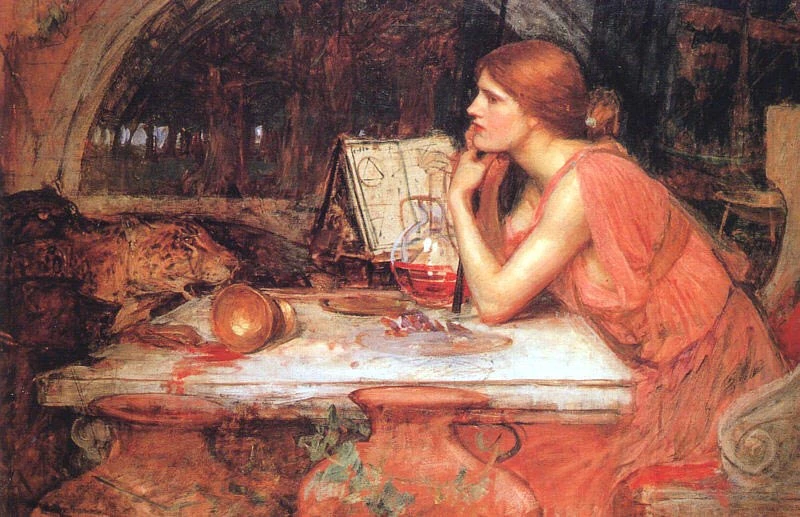
Ceremonies intended to clear, delimit, or reorder a ritual setting, with methods that vary by tradition.
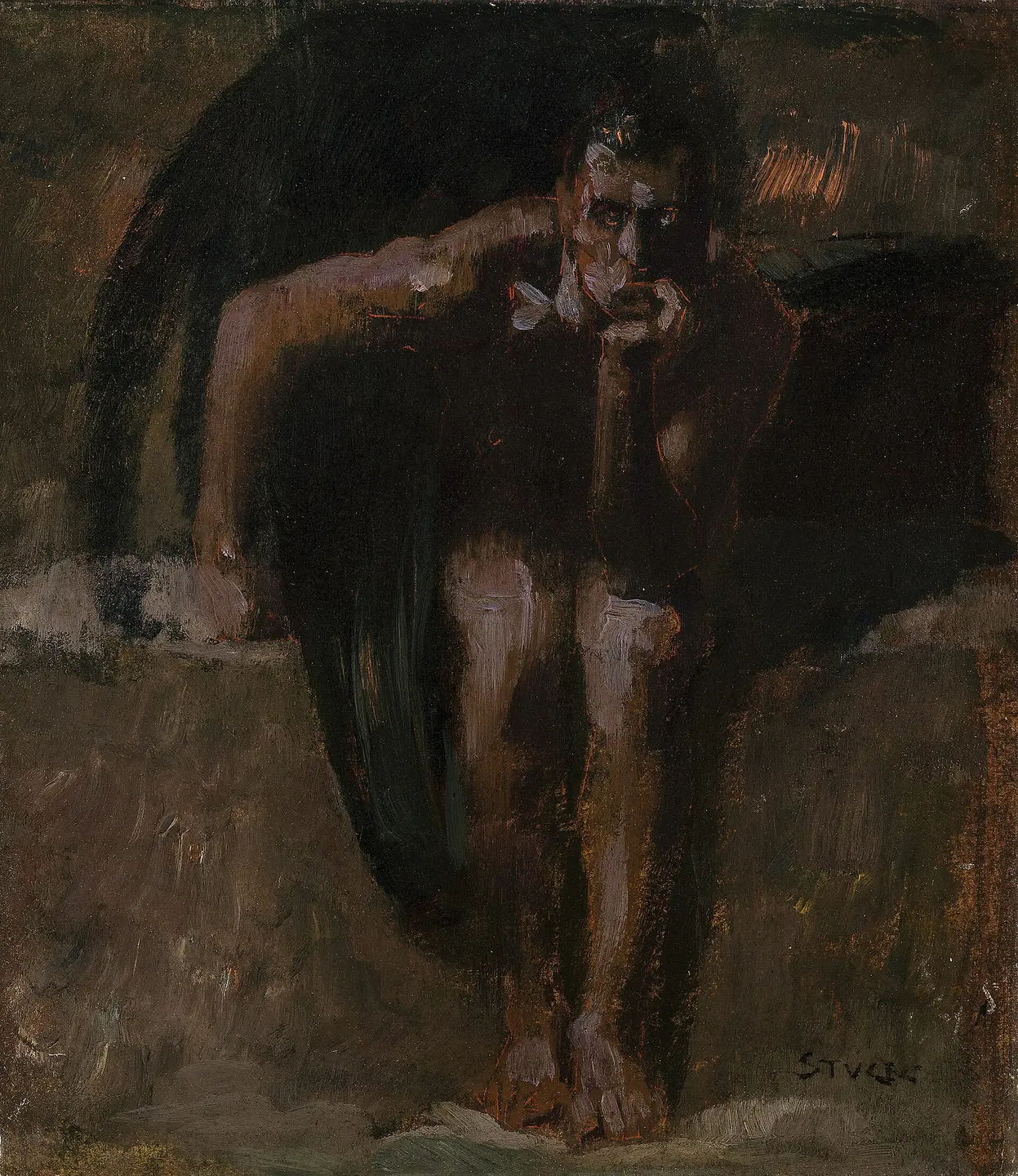
Theistic Satanism is a family of religious positions in which Satan is understood as an actually existing spiritual being, deity, intelligence, or metaphysical presence, rather than only a literary symbol or political metaphor. It is not a single church or creed. The term is best used as an umbrella for practitioners and groups whose beliefs differ on the nature of Satan, the status of other spirits,…
The Pauline Art in the Lemegeton, concerning angels of the hours and the degrees of the zodiac.
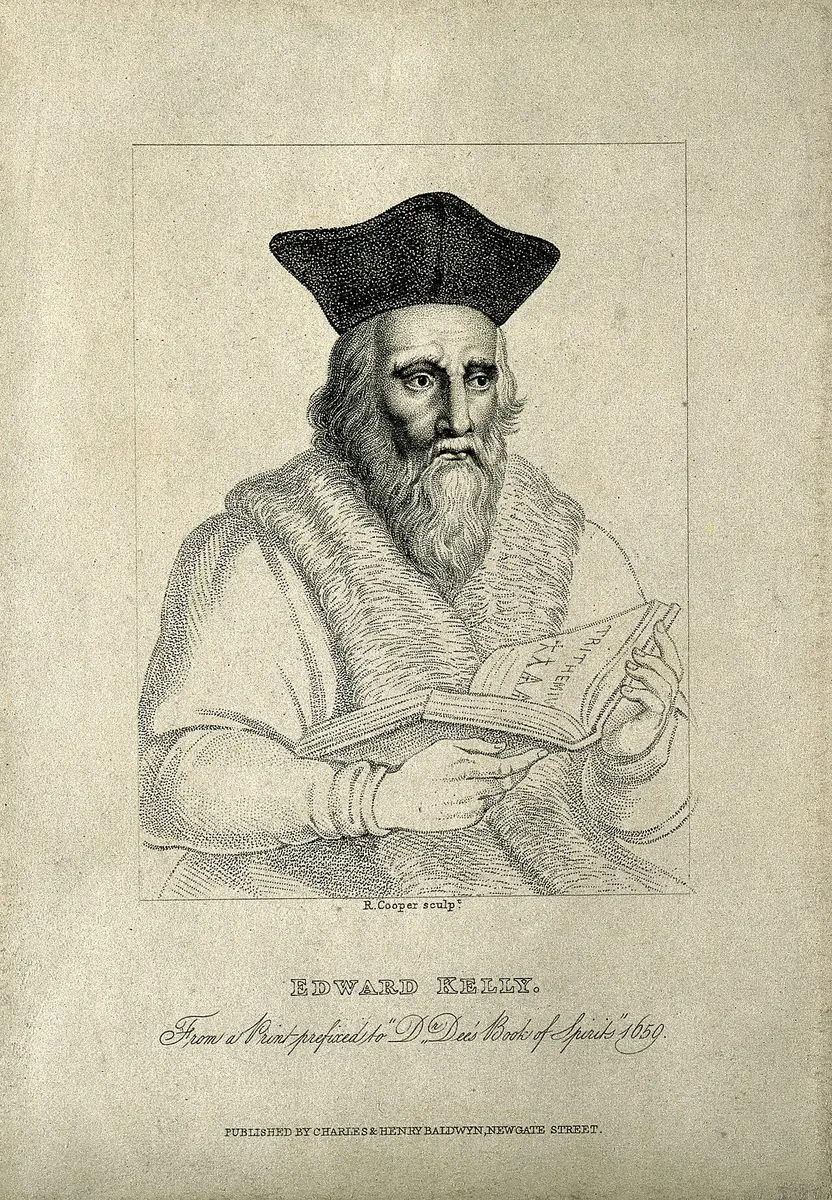
The scryer associated with John Dee’s recorded spirit conversations and later alchemical pursuits.
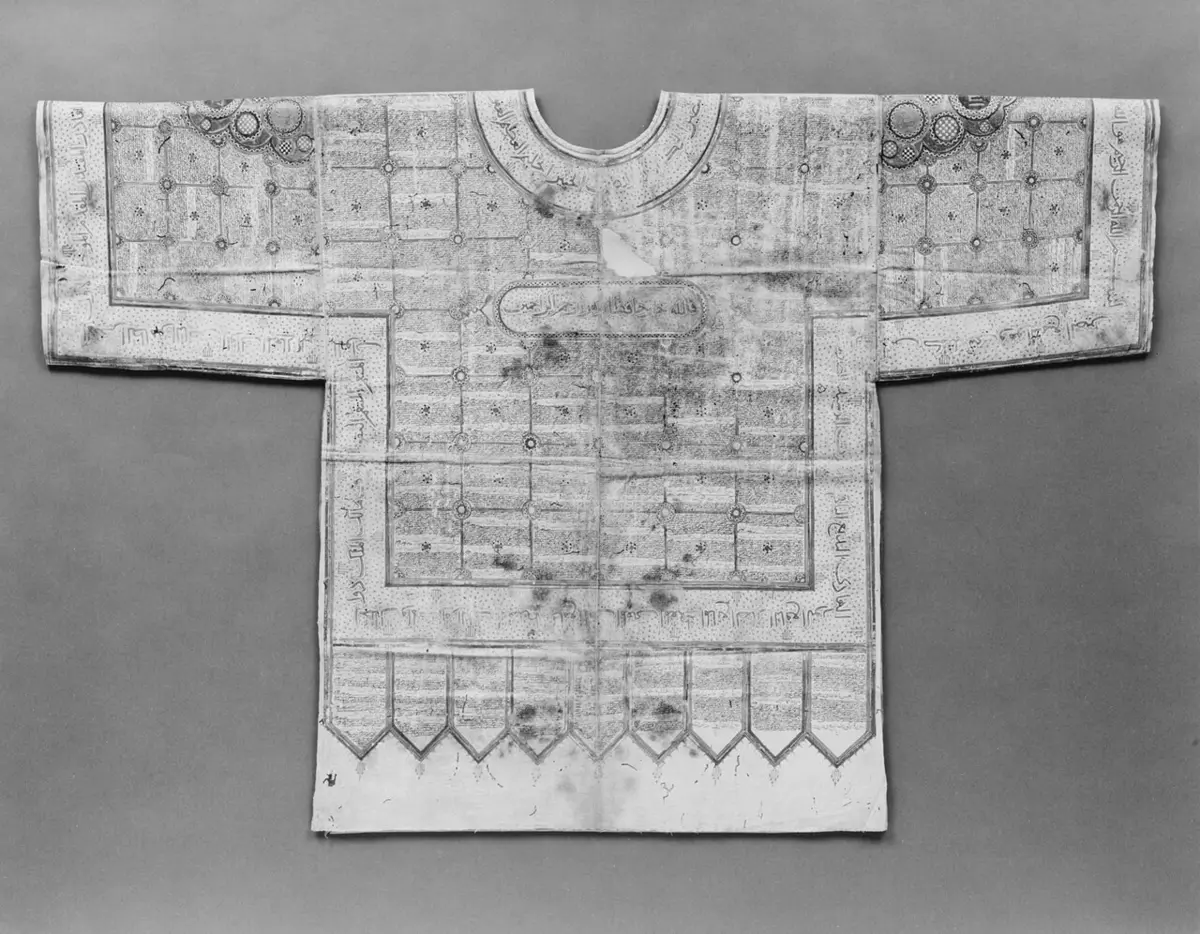
Objects prepared or used for a particular effect through inscriptions, images, materials, and ritual meaning.
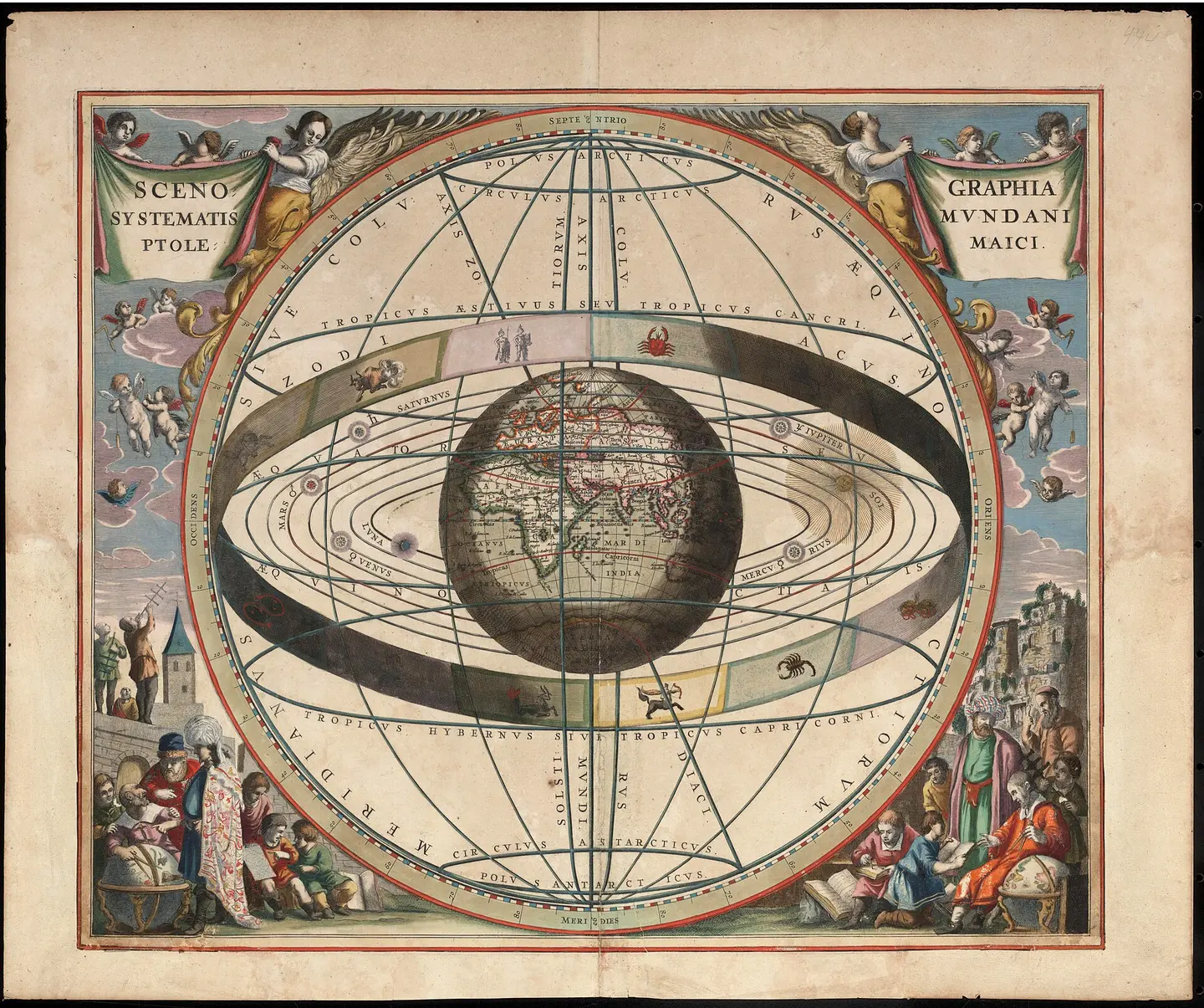
Astrology has supplied language and organizing systems to Western esoteric texts. Its historical role should be distinguished from demonstrated predictive effectiveness.
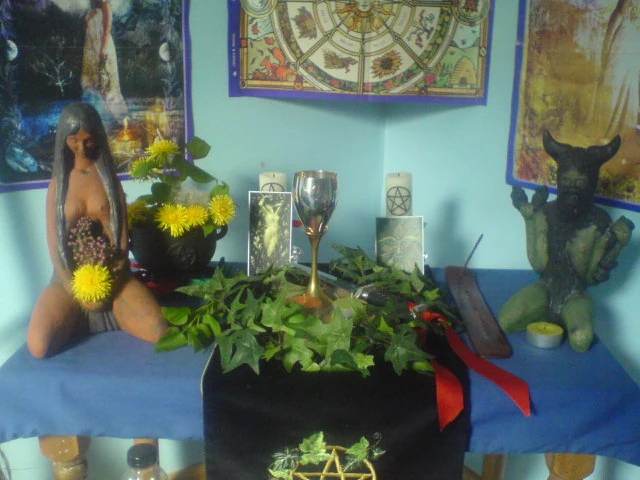
Modern Pagan religious witchcraft, its Gardnerian and Alexandrian traditions, ritual practice, and relationship to Satanism.
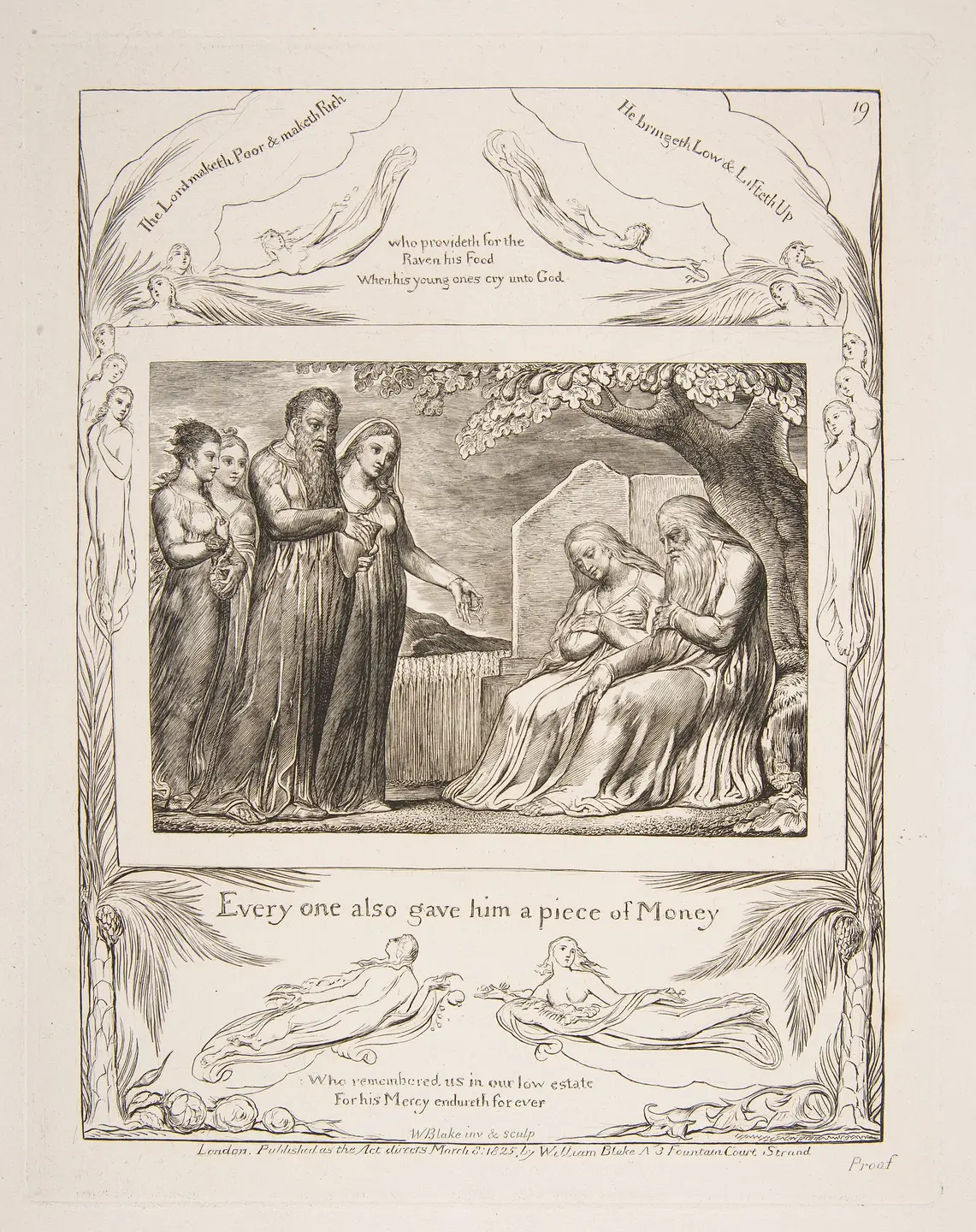
Ethics in theistic Satanism concerns the moral principles, responsibilities, virtues, prohibitions, and methods of judgement developed by Satanists who regard Satan or related beings as real rather than purely symbolic. There is no universal Satanic ethical code. Theistic Satanism is decentralized, and its practitioners may draw on personal conscience, religious devotion, philosophical individualism,…
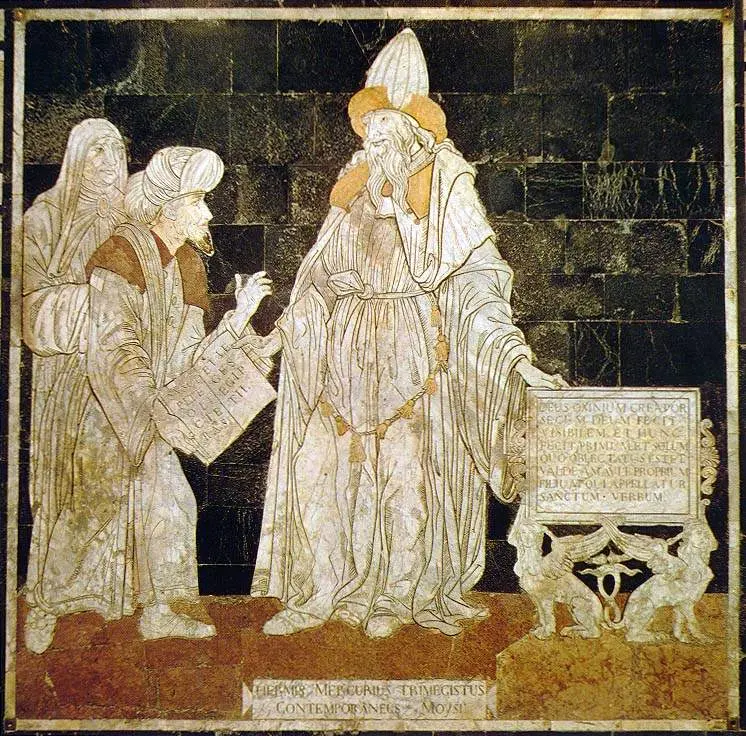
Hermeticism names several related traditions associated with Hermes Trismegistus. Philosophical dialogues, alchemical texts, and later occult systems require separate historical treatment.
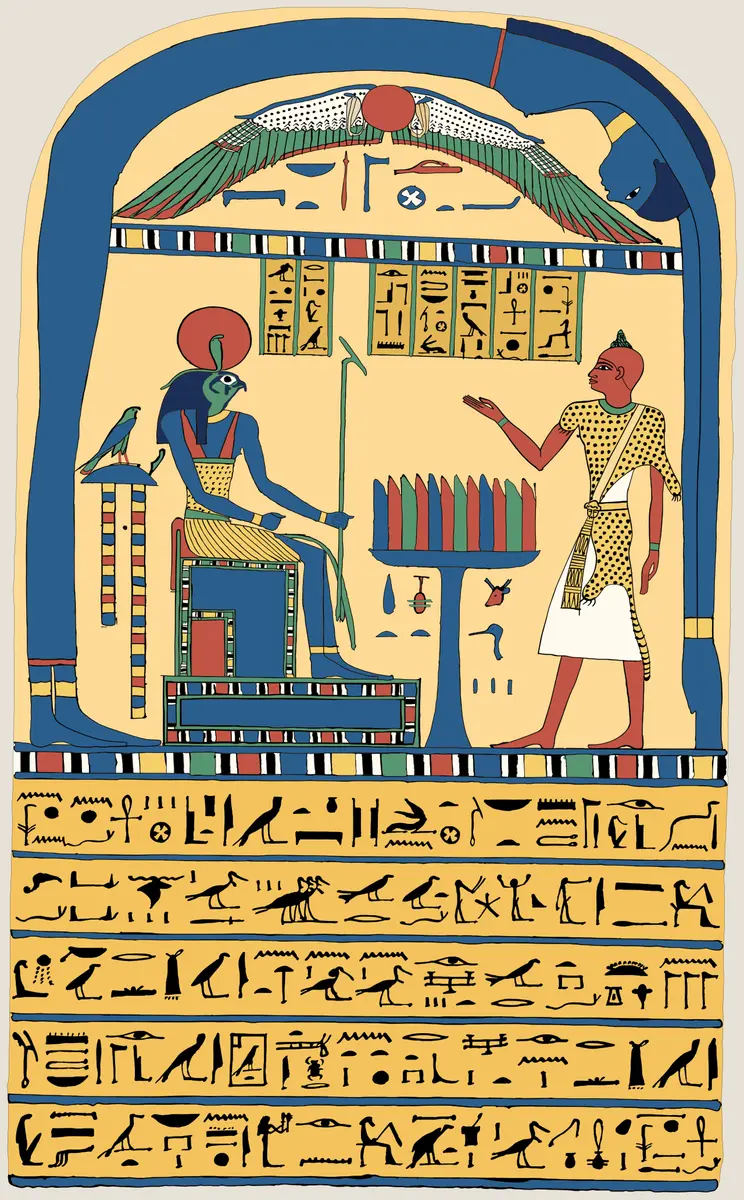
The religious and philosophical tradition associated with Aleister Crowley and The Book of the Law.
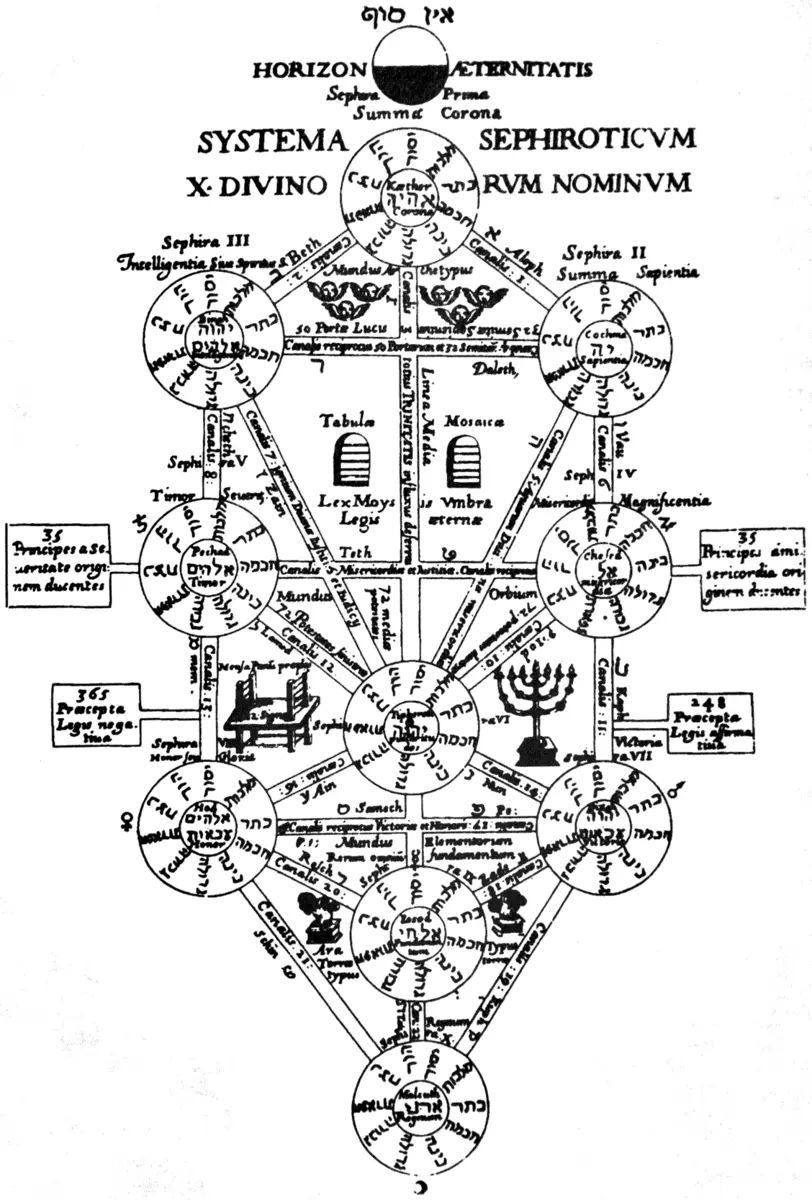
Western esoteric systems that adapt Kabbalistic ideas through ritual, correspondence tables, and symbolic interpretation.
The grimoire compilation known as the Lemegeton, including the Goetia and several angelic arts.
An angelic art in the Lemegeton, using a wax tablet, candles, and a hierarchy of heavenly altitudes.