Theology & Cosmology
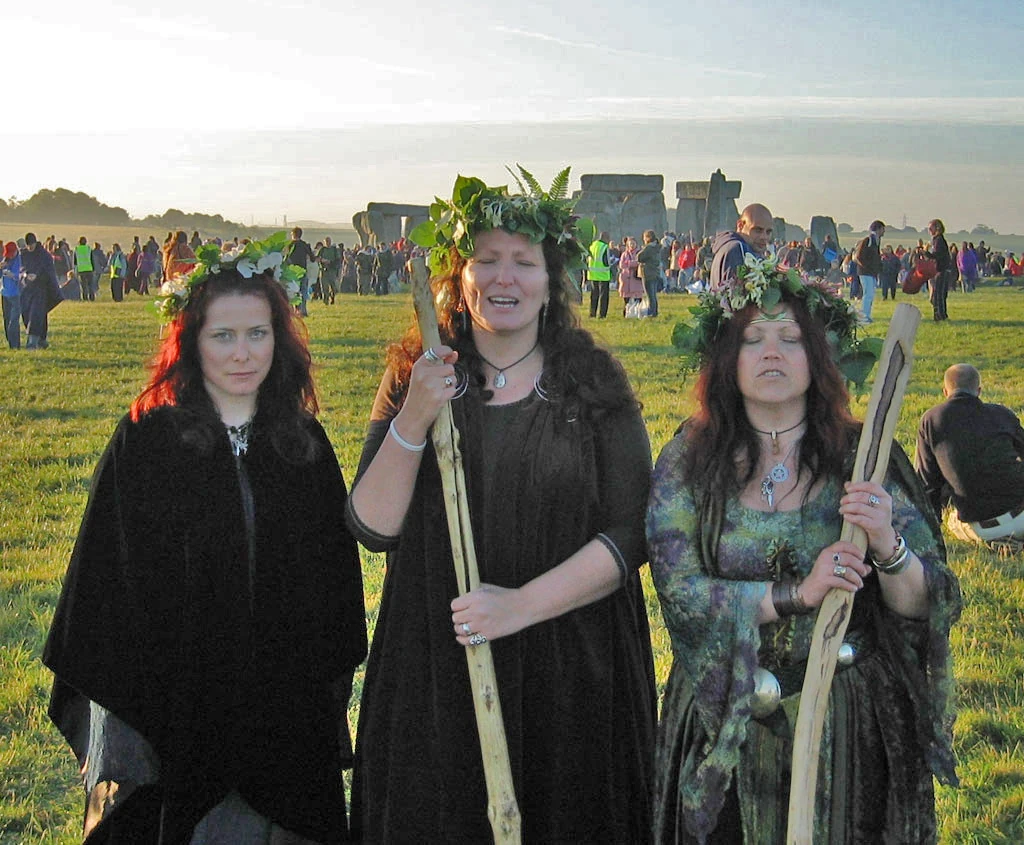
Modern Paganism
An introduction to contemporary Pagan traditions, including Wicca, Druidry, and Heathenry, and their different uses of older sources.
An introduction to contemporary Pagan traditions, including Wicca, Druidry, and Heathenry, and their different uses of older sources.
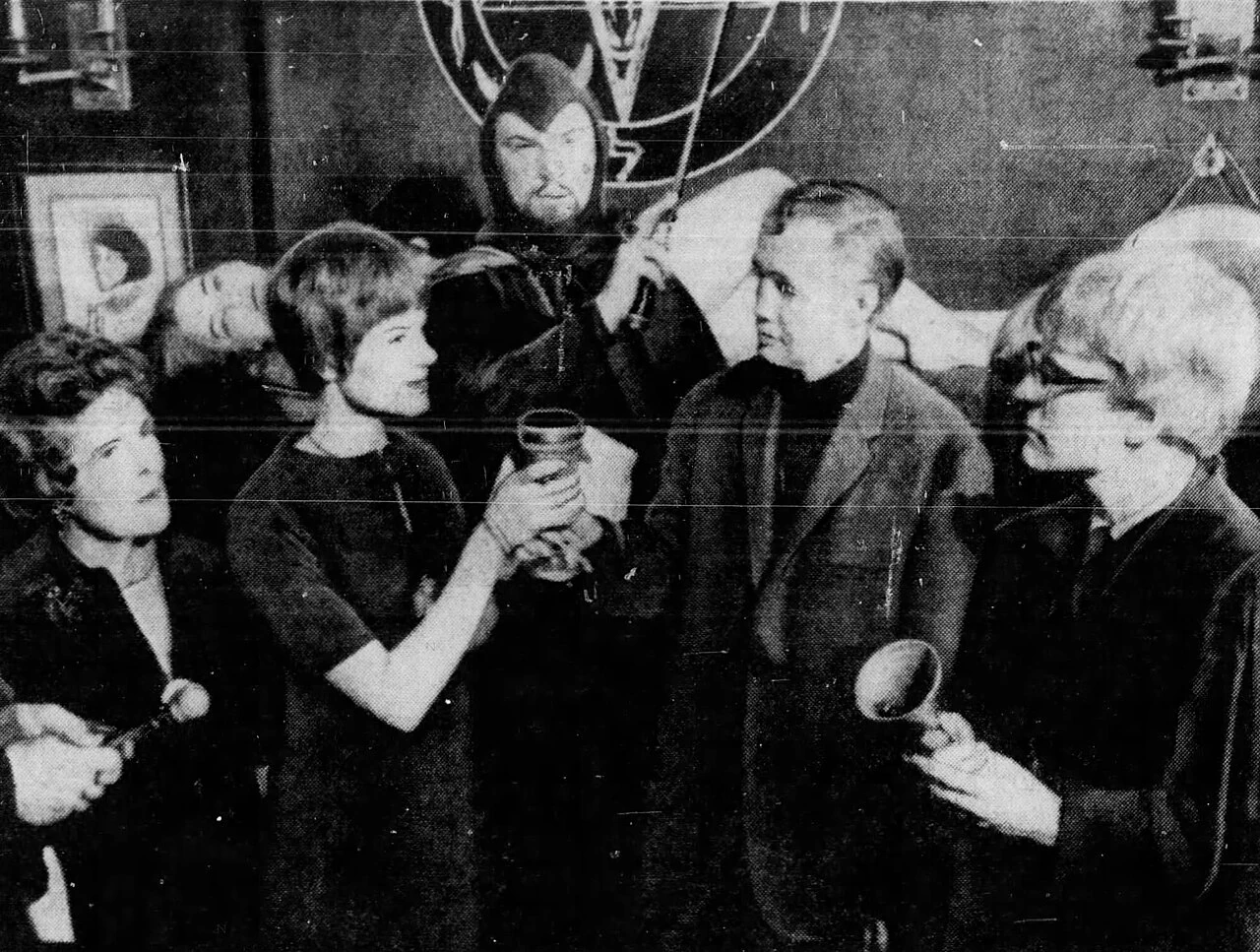
The Church of Satan is the organization founded by Anton LaVey in 1966. Its official account describes Satanism as atheistic and gives Satan a symbolic role.
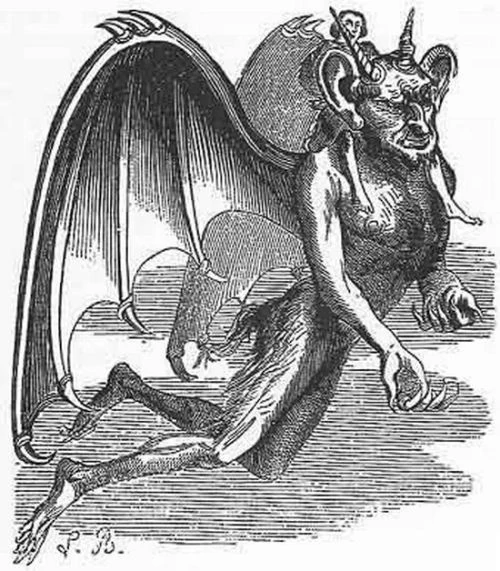
A Goetic spirit associated with learning, altered perception, familiars, and rapid travel.

A German magical fraternity whose teaching gives Saturn a central symbolic and initiatory role.

A modern approach to magic that treats techniques and belief systems as tools for practical experimentation.
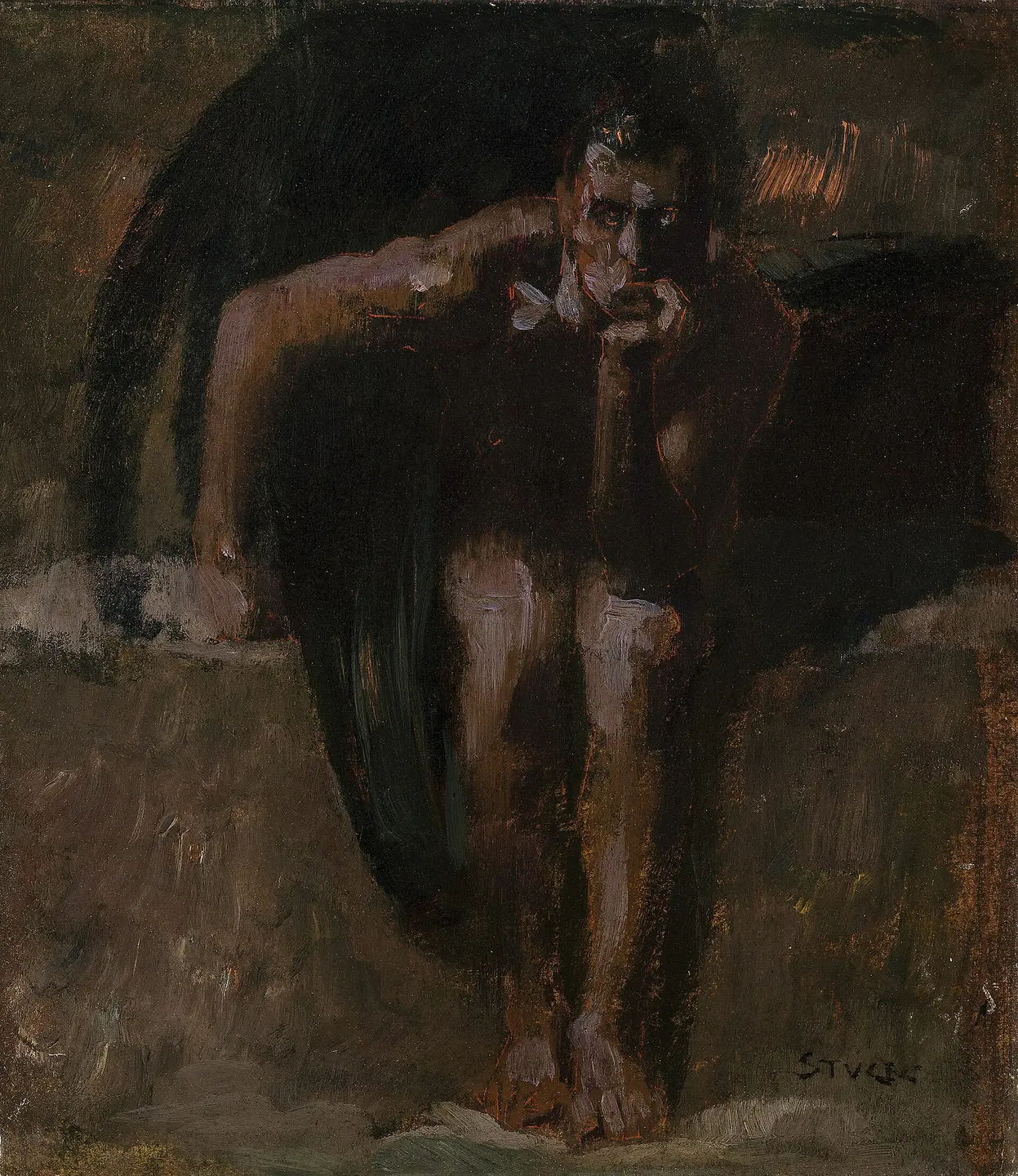
Theistic Satanism is a family of religious positions in which Satan is understood as an actually existing spiritual being, deity, intelligence, or metaphysical presence, rather than only a literary symbol or political metaphor. It is not a single church or creed. The term is best used as an umbrella for practitioners and groups whose beliefs differ on the nature of Satan, the status of other spirits,…
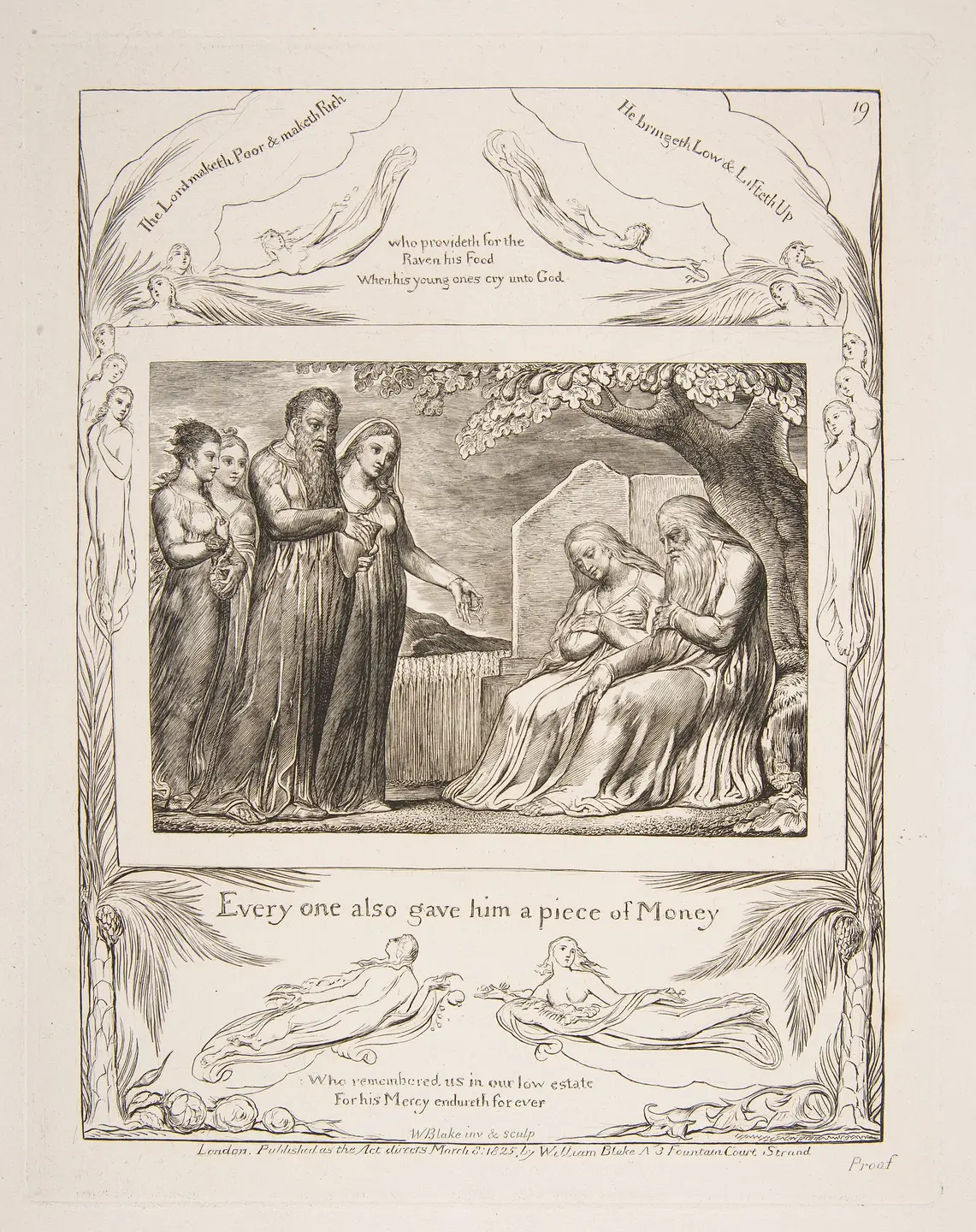
Ethics in theistic Satanism concerns the moral principles, responsibilities, virtues, prohibitions, and methods of judgement developed by Satanists who regard Satan or related beings as real rather than purely symbolic. There is no universal Satanic ethical code. Theistic Satanism is decentralized, and its practitioners may draw on personal conscience, religious devotion, philosophical individualism,…
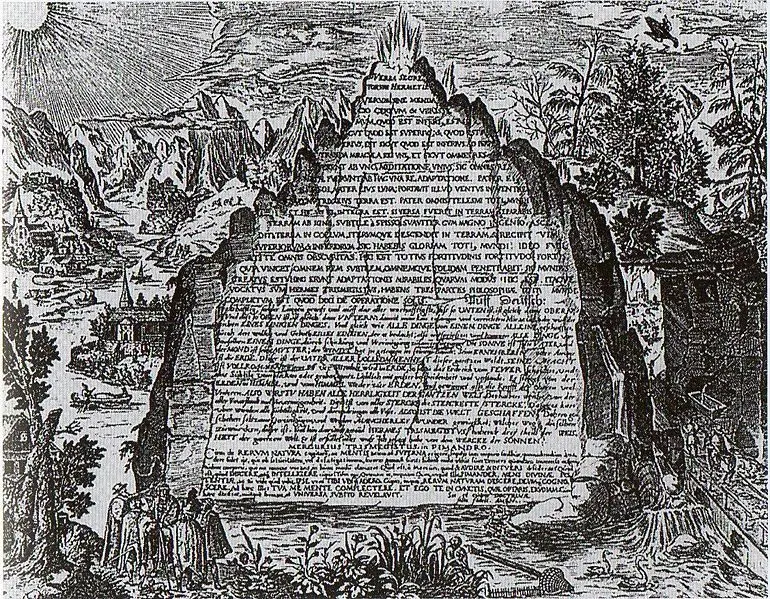
Alchemy concerns historical approaches to material transformation and the interpretation of nature. Spiritual readings form part of its reception but should not replace the material history.
Religious discernment concerns how experiences are interpreted and assessed. An immediate event, a theological explanation, and a claim about another person require different kinds of evidence.
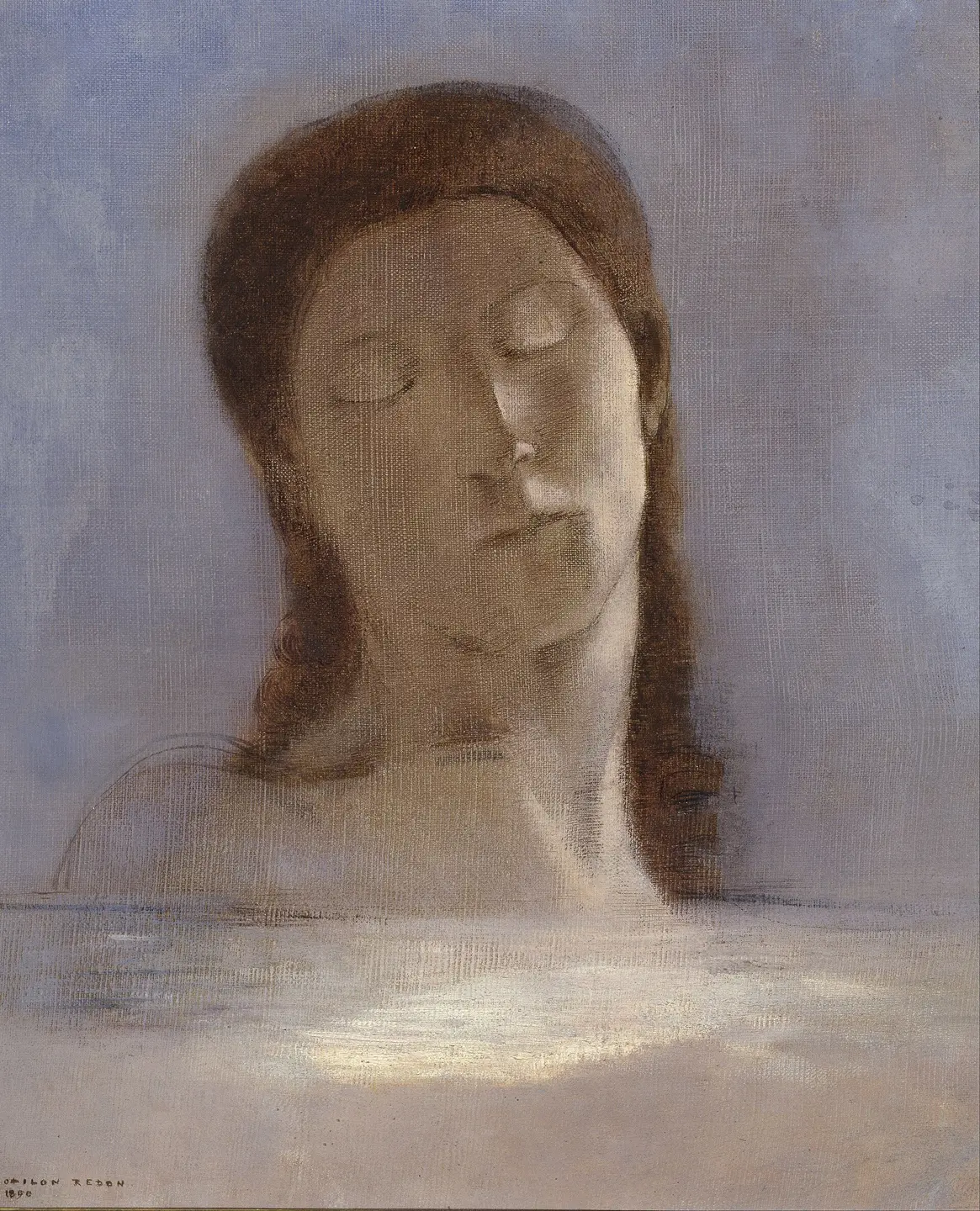
Unverified personal gnosis identifies a spiritual claim or interpretation whose source is personal experience rather than established textual or communal authority.
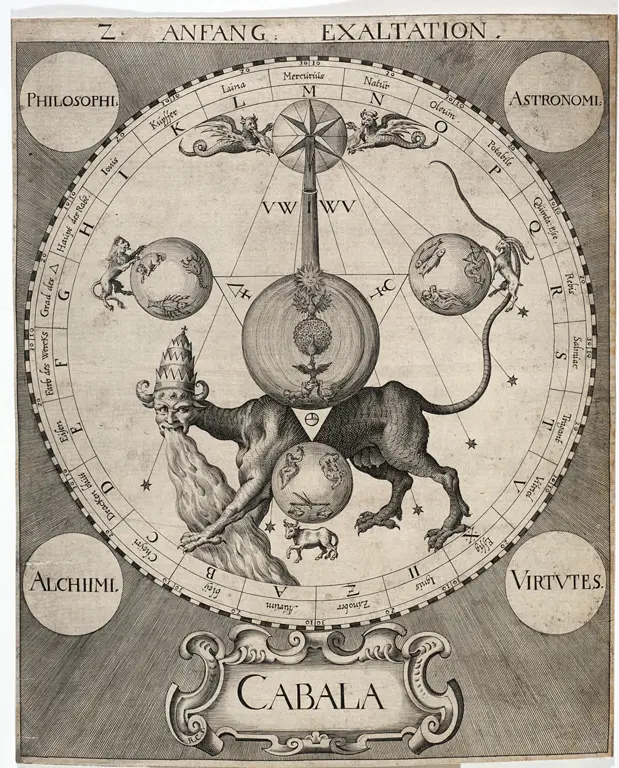
An initiatory order whose Draconian system brings together Qliphoth, Goetic magic, alchemy, and other esoteric traditions.
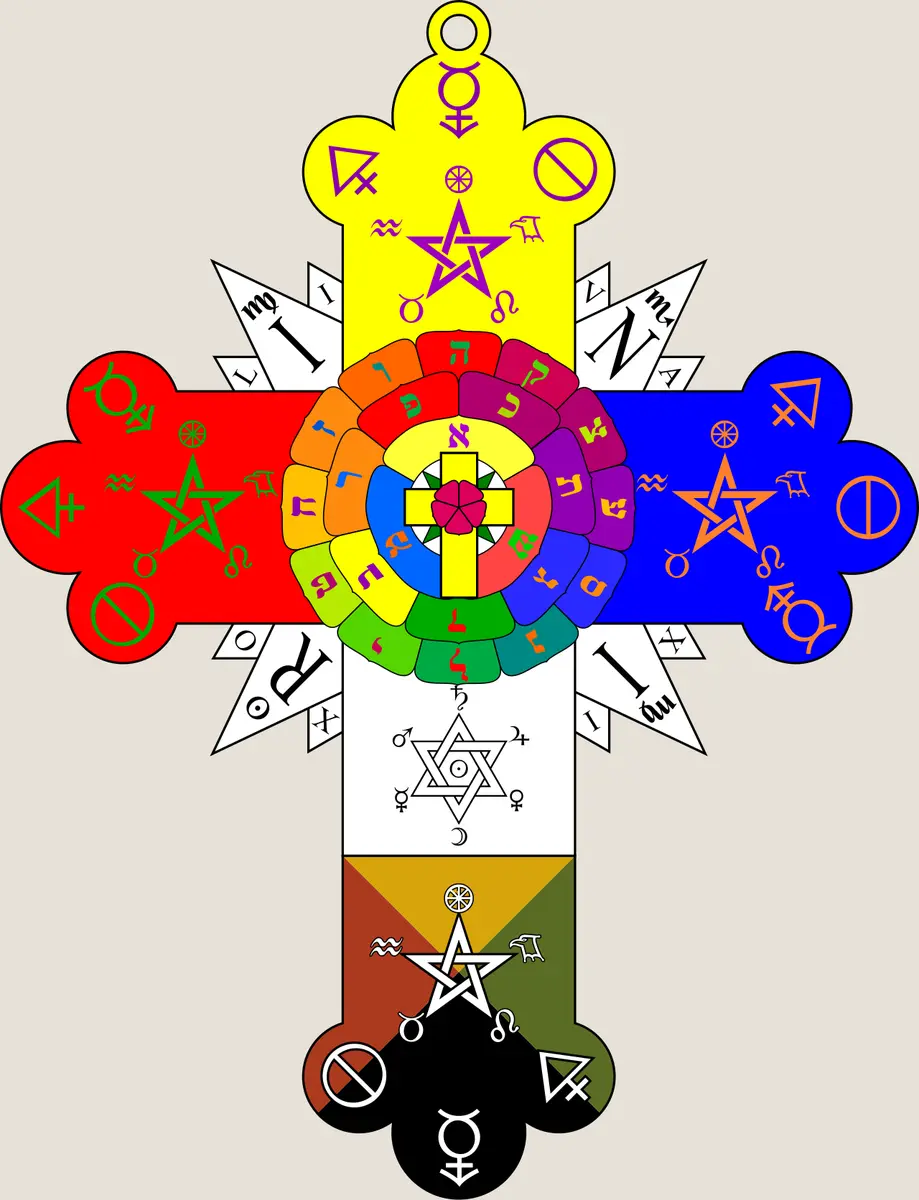
A late nineteenth-century British initiatory order that shaped modern ceremonial magic, Tarot, and Hermetic Qabalah.
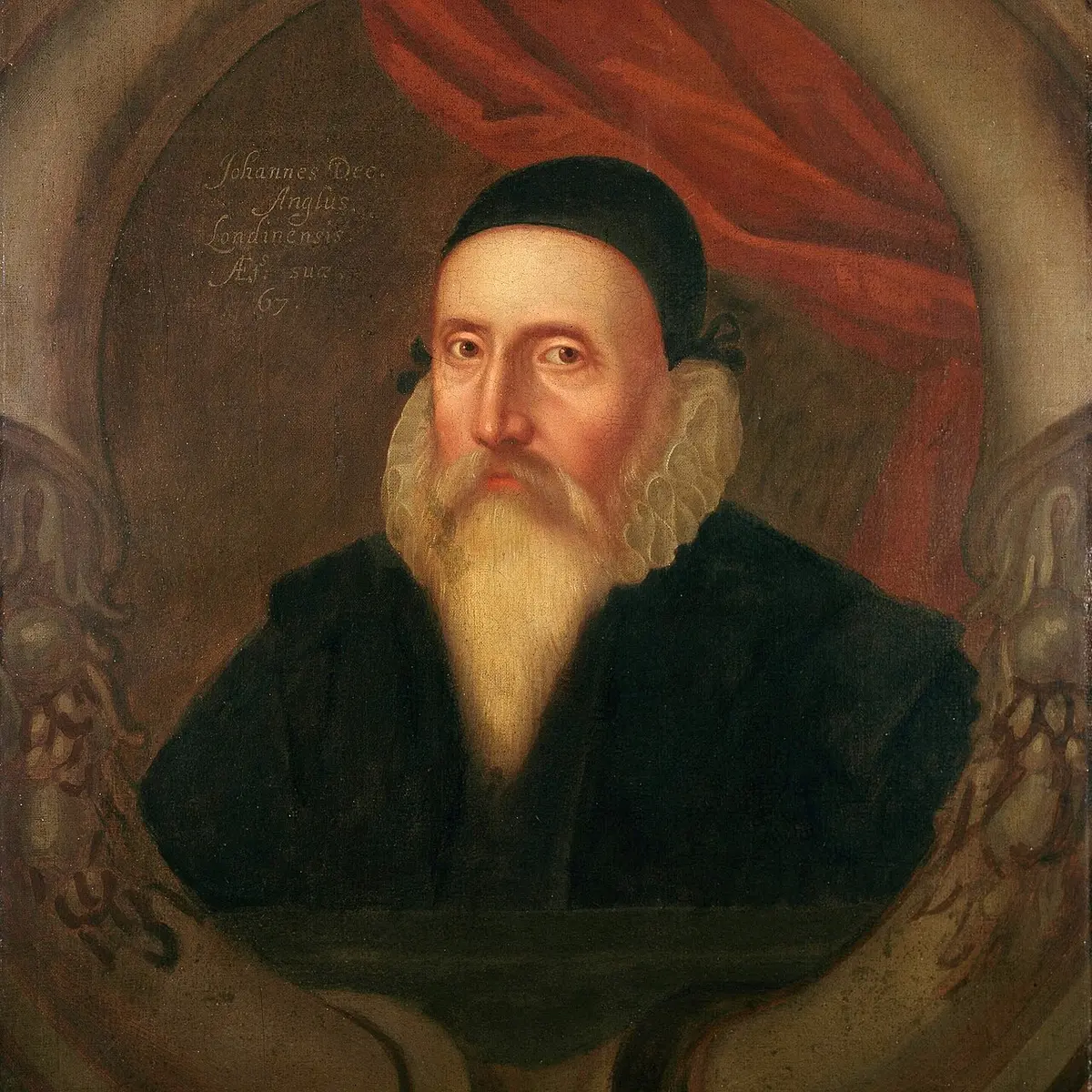
An English scholar whose records of spirit conversations became a major source for later angelic magic.
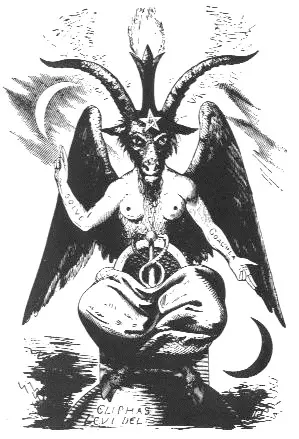
The images, names, and gestures used by Satanic traditions, whose meanings depend on their religious and historical setting.

A divinatory or visionary practice involving a reflective surface, crystal, or other focus for reported images and messages.
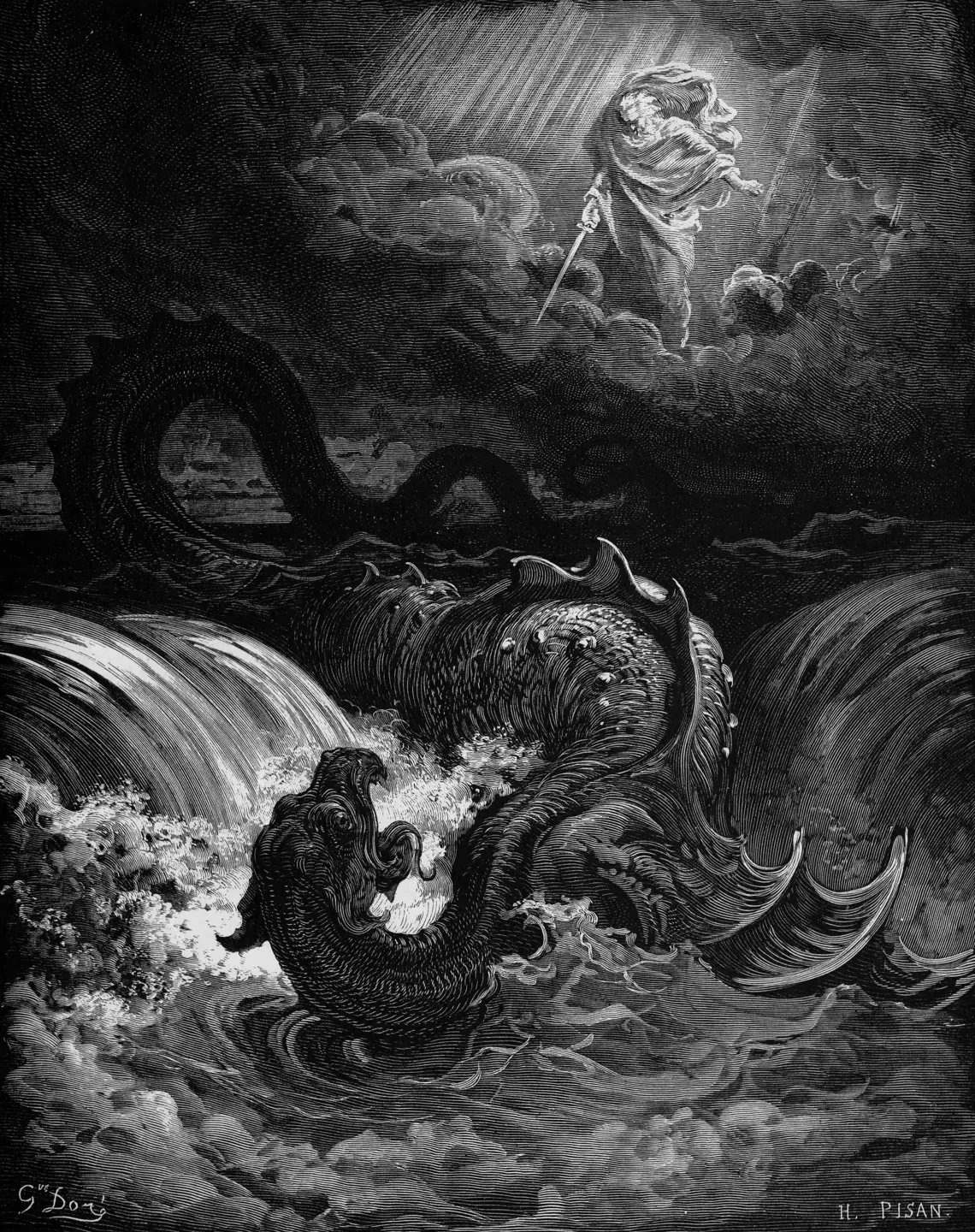
Leviathan appears in biblical poetry and later religious symbolism. The vivid descriptions belong to different literary contexts and should be interpreted accordingly.
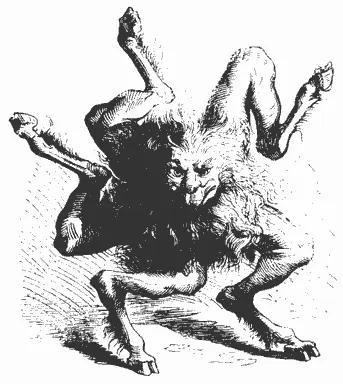
Buer is a spirit associated in magical catalogues with learning and healing. The well-known radial illustration belongs to later printed demonology.
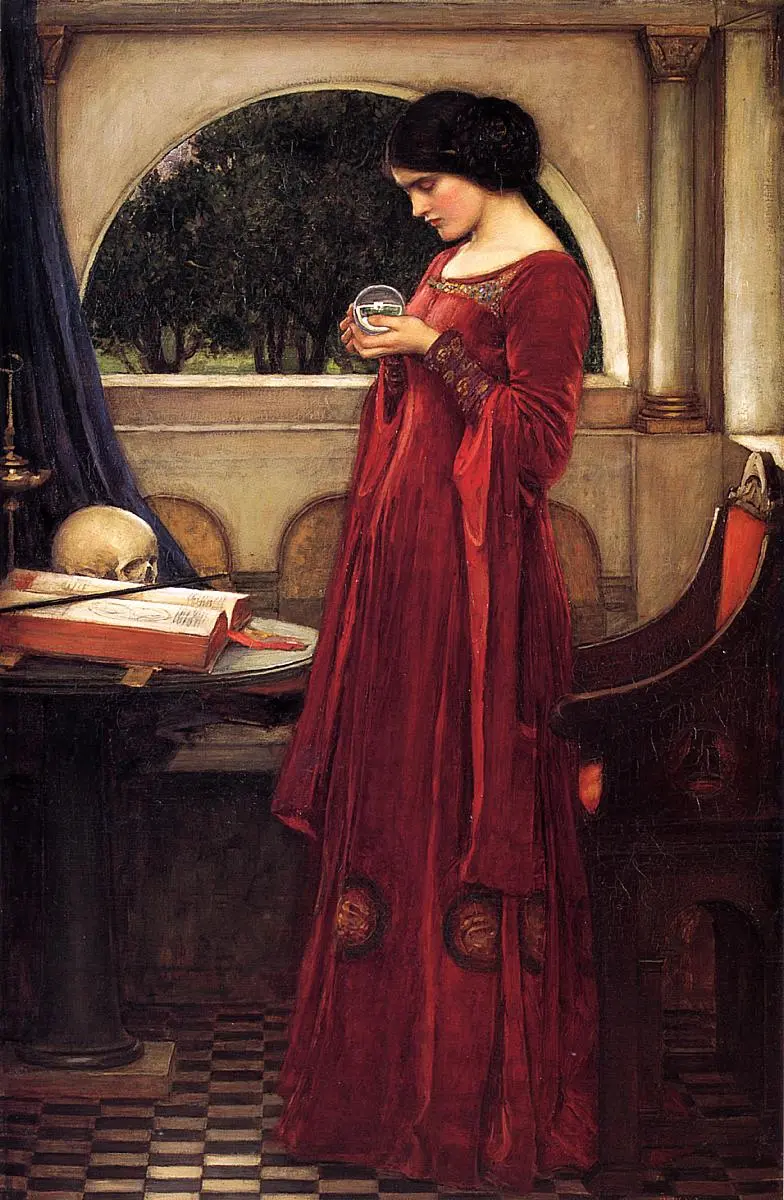
Divination consists of practices that interpret signs as answers, indications, or guidance. Methods differ in their religious assumptions and in the kinds of claims they make.
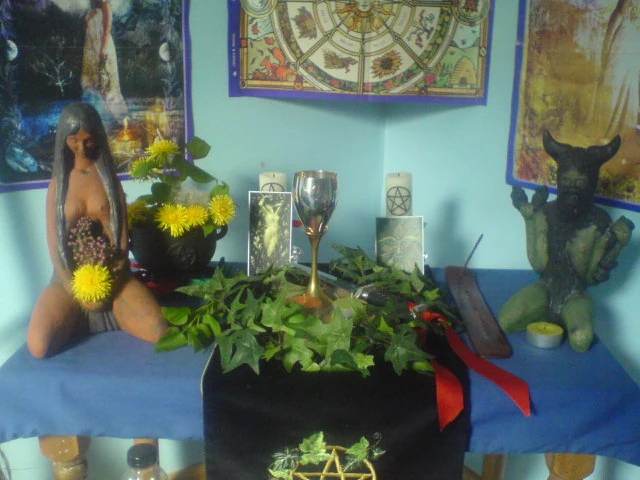
Modern Pagan religious witchcraft, its Gardnerian and Alexandrian traditions, ritual practice, and relationship to Satanism.
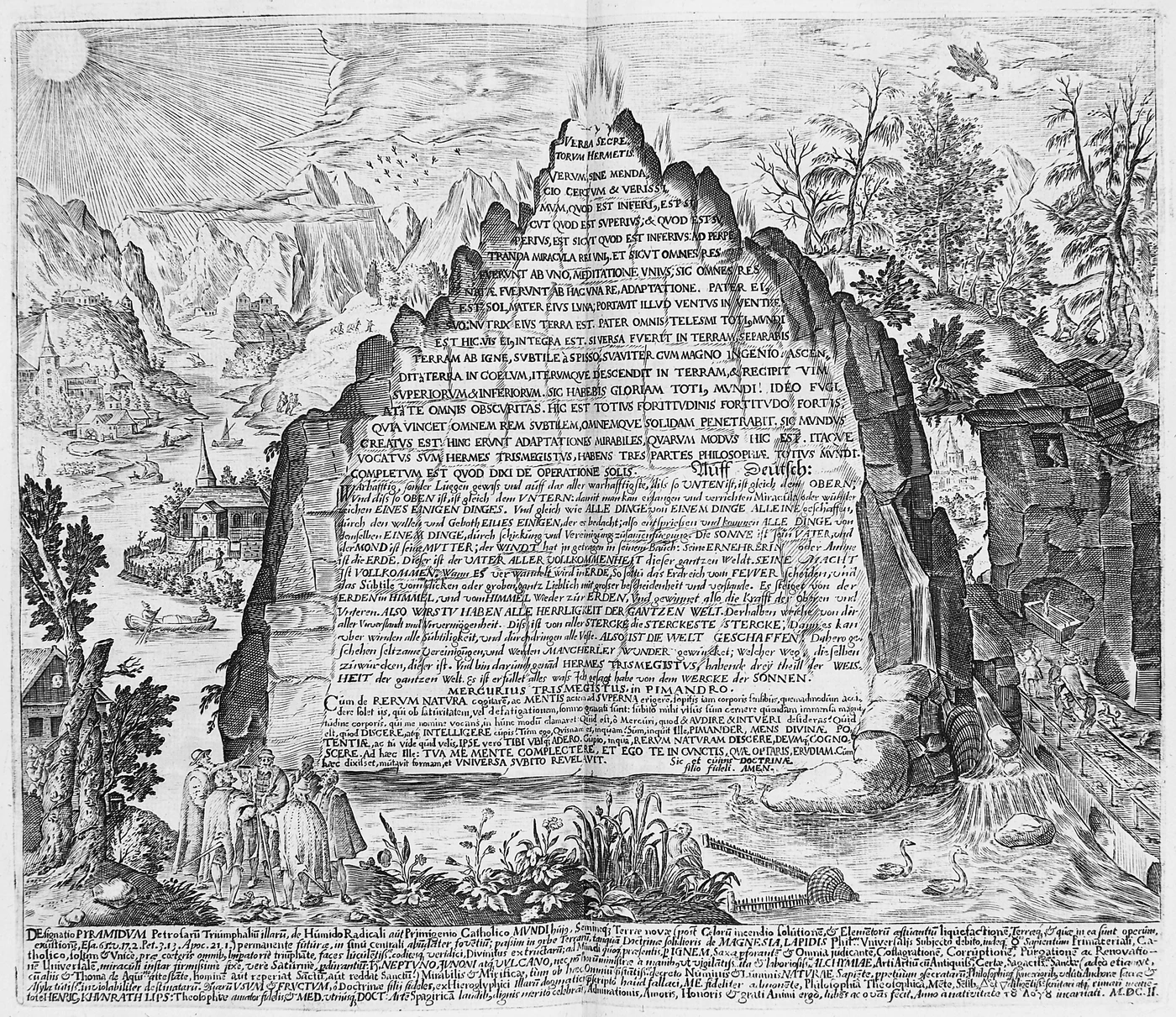
A brief Hermetic text whose images of above and below, sun and moon, and transformation influenced alchemical writing.