History
Solomon in magical literature
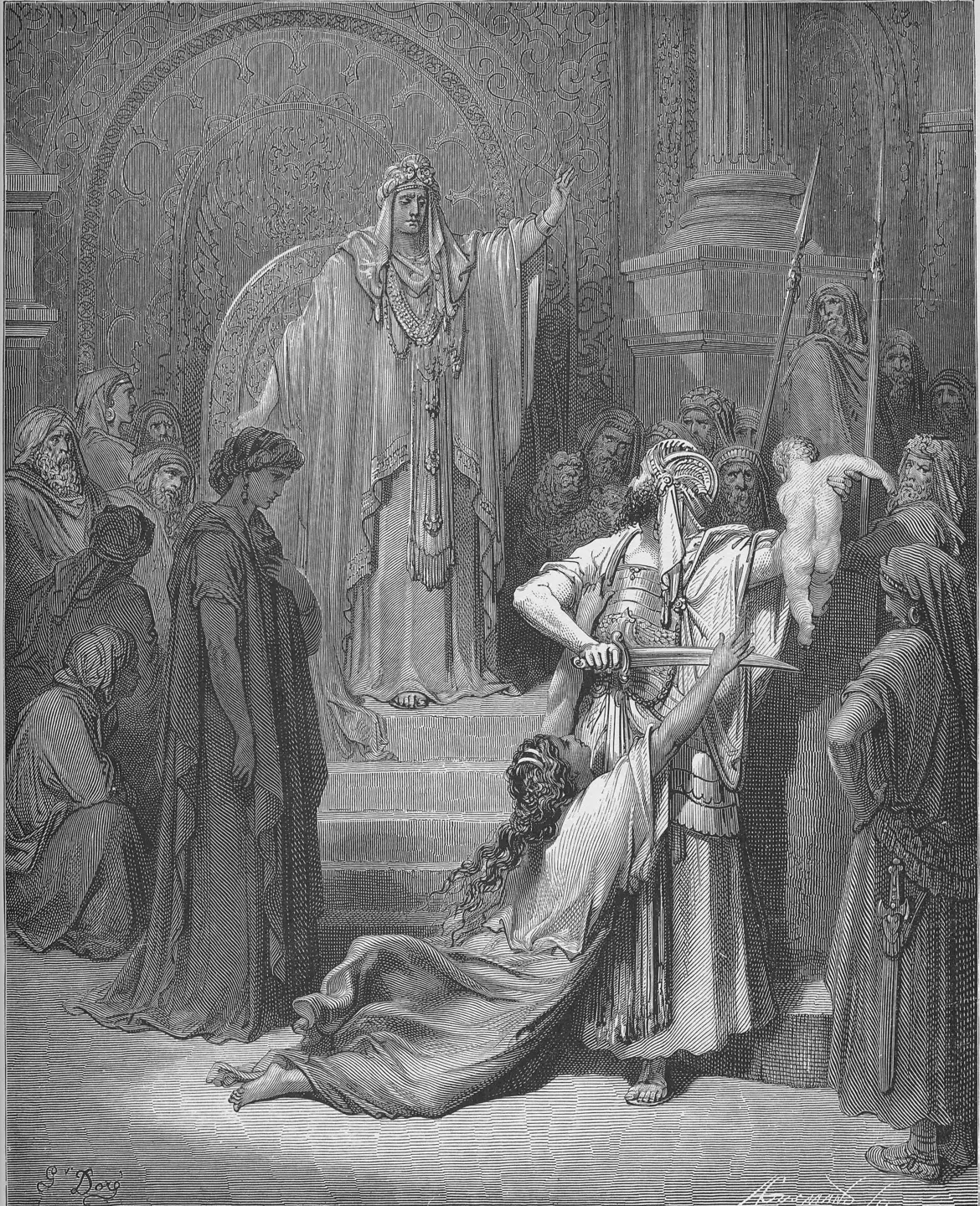
Solomon’s name supplies authority to several magical and religious works. Attribution to the king must be distinguished from the date and authorship of the surviving text.
Solomon’s name supplies authority to several magical and religious works. Attribution to the king must be distinguished from the date and authorship of the surviving text.
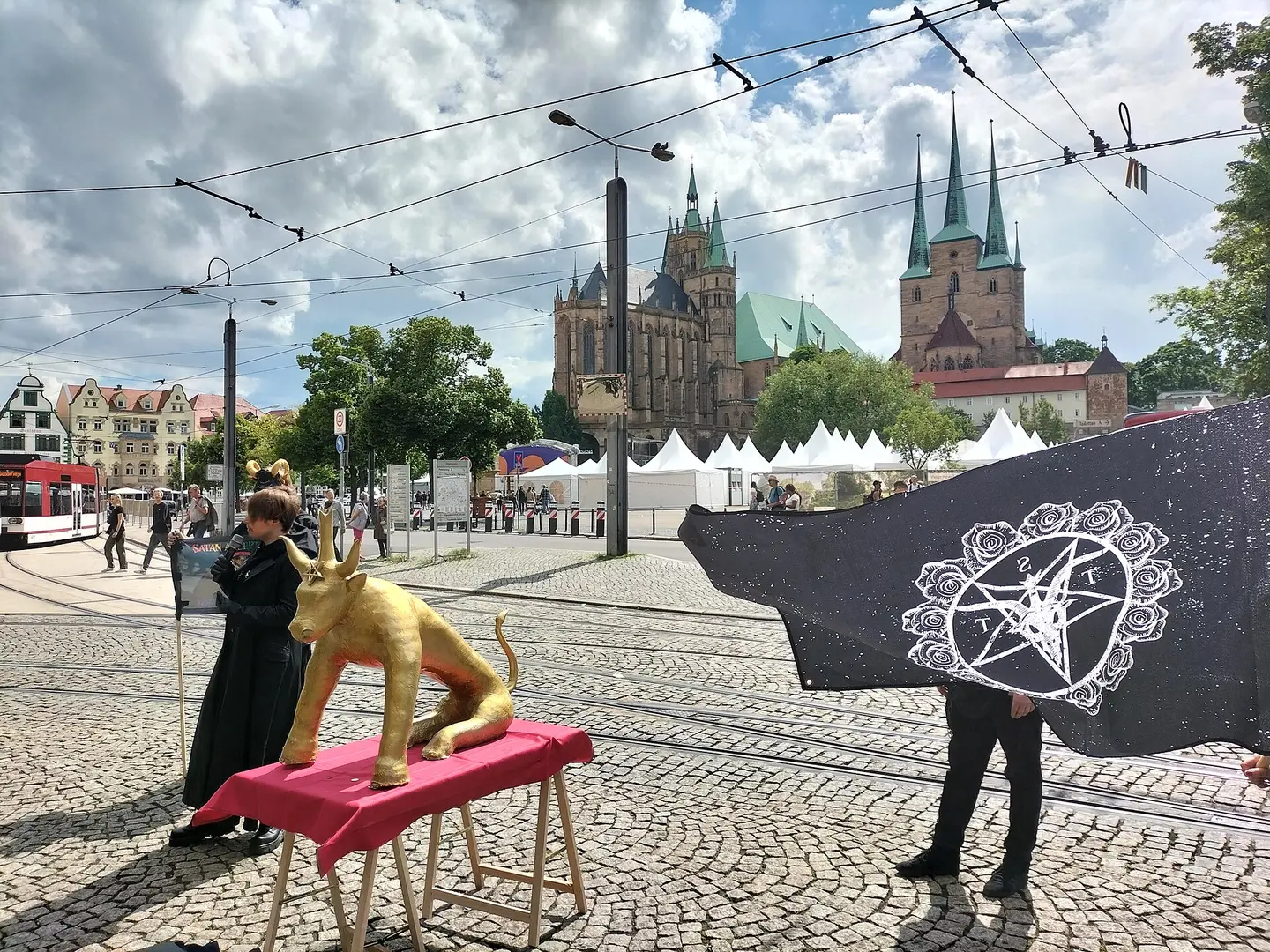
The Satanic Temple is a non-theistic religious organization whose public principles and activism differ from those of the Church of Satan and from theistic Satanist devotion.
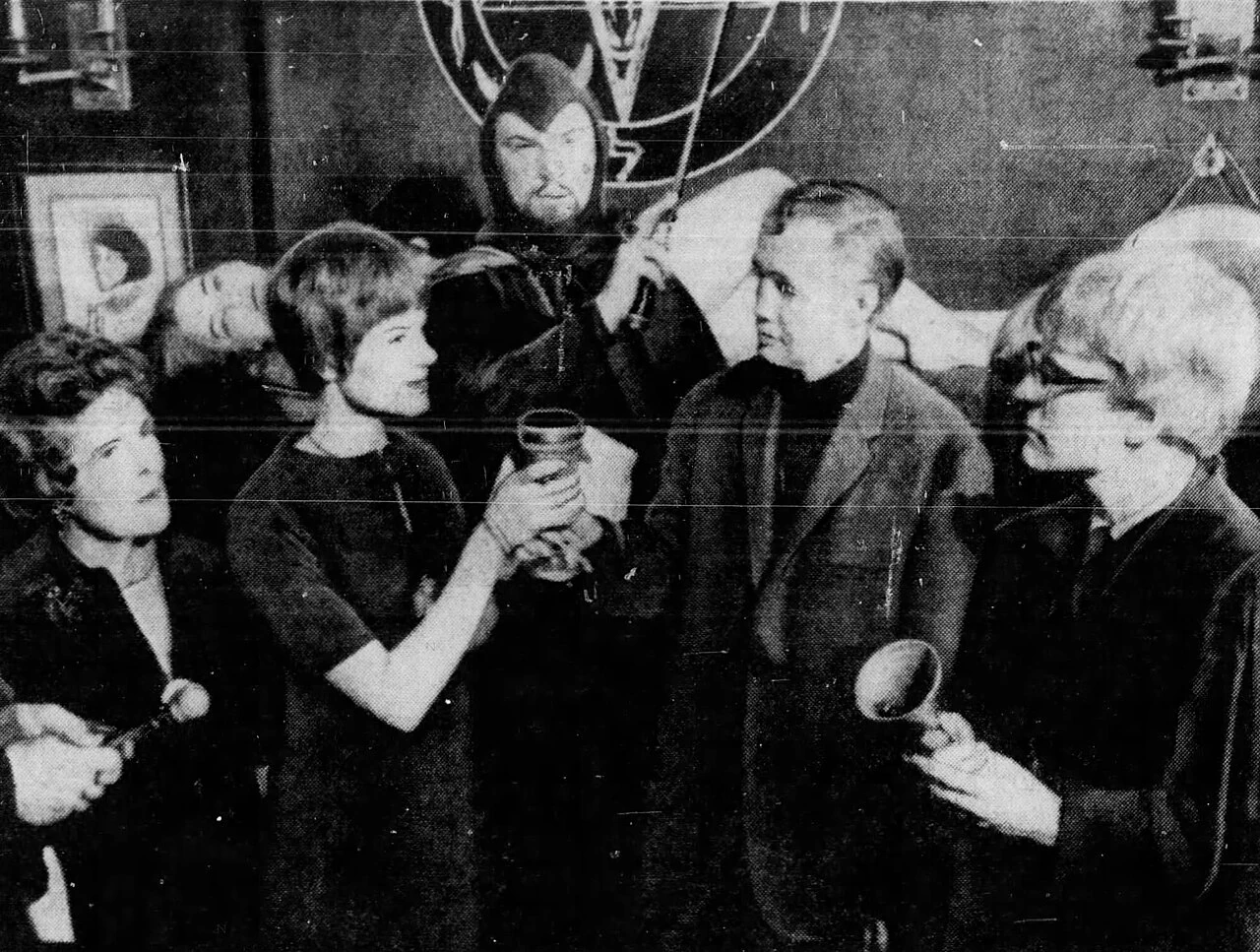
The Church of Satan is the organization founded by Anton LaVey in 1966. Its official account describes Satanism as atheistic and gives Satan a symbolic role.
A school of the Western mysteries associated with Paul Foster Case, Ann Davies, Tarot, and Qabalistic study.
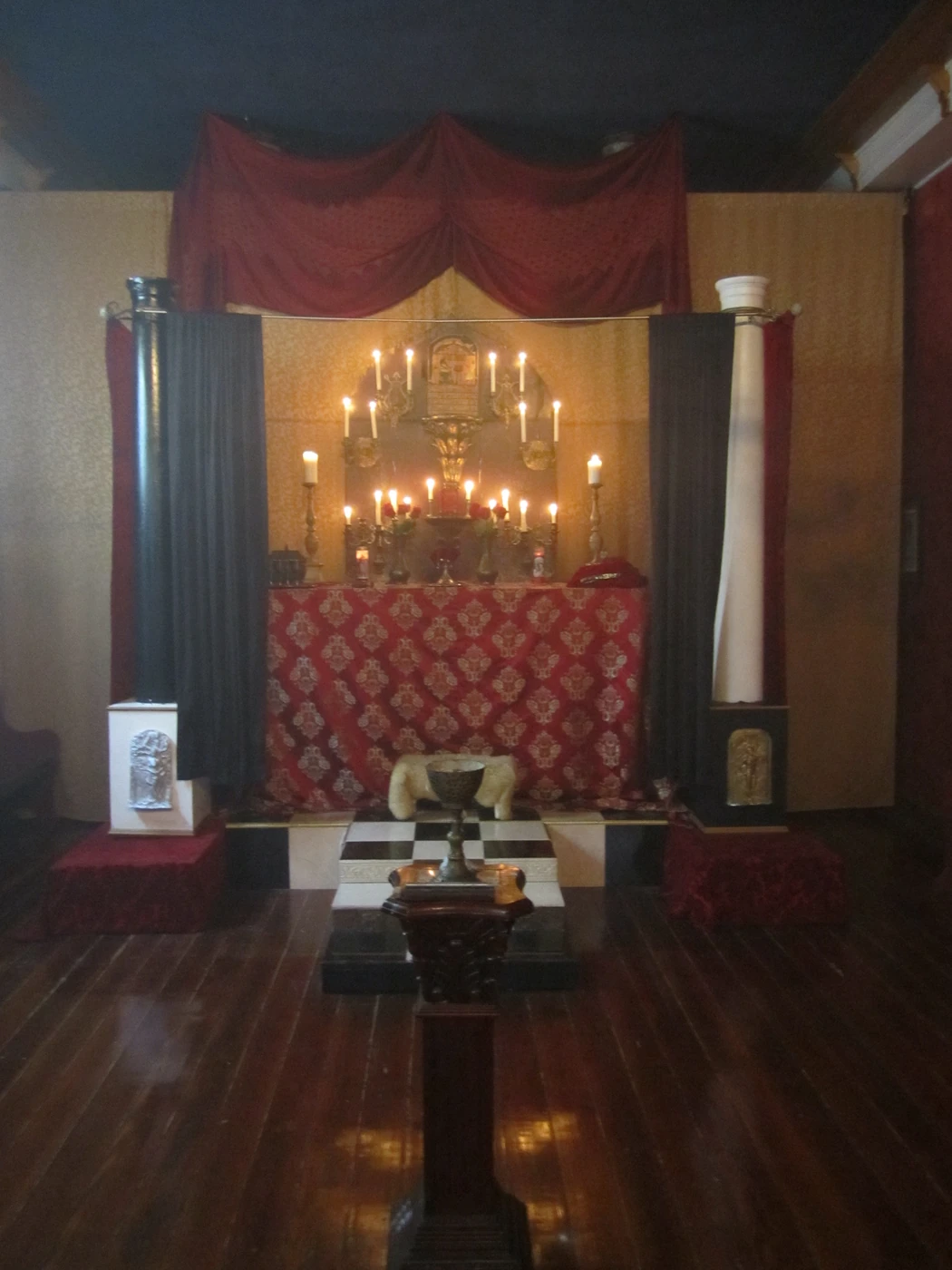
The central public liturgy of Ecclesia Gnostica Catholica, written by Aleister Crowley as Liber XV.
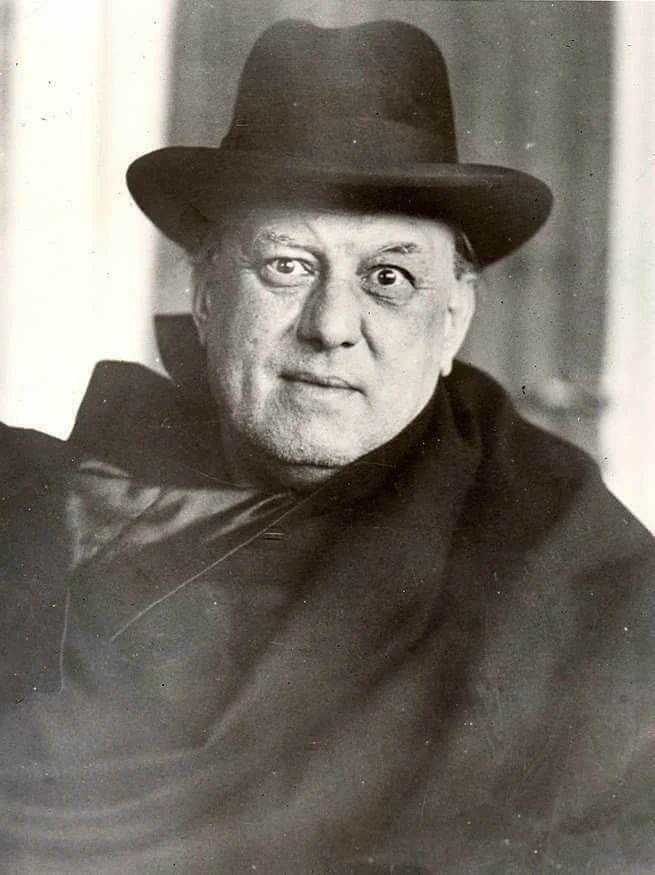
The author and religious figure associated with Thelema, The Book of the Law, and a large body of magical instruction.
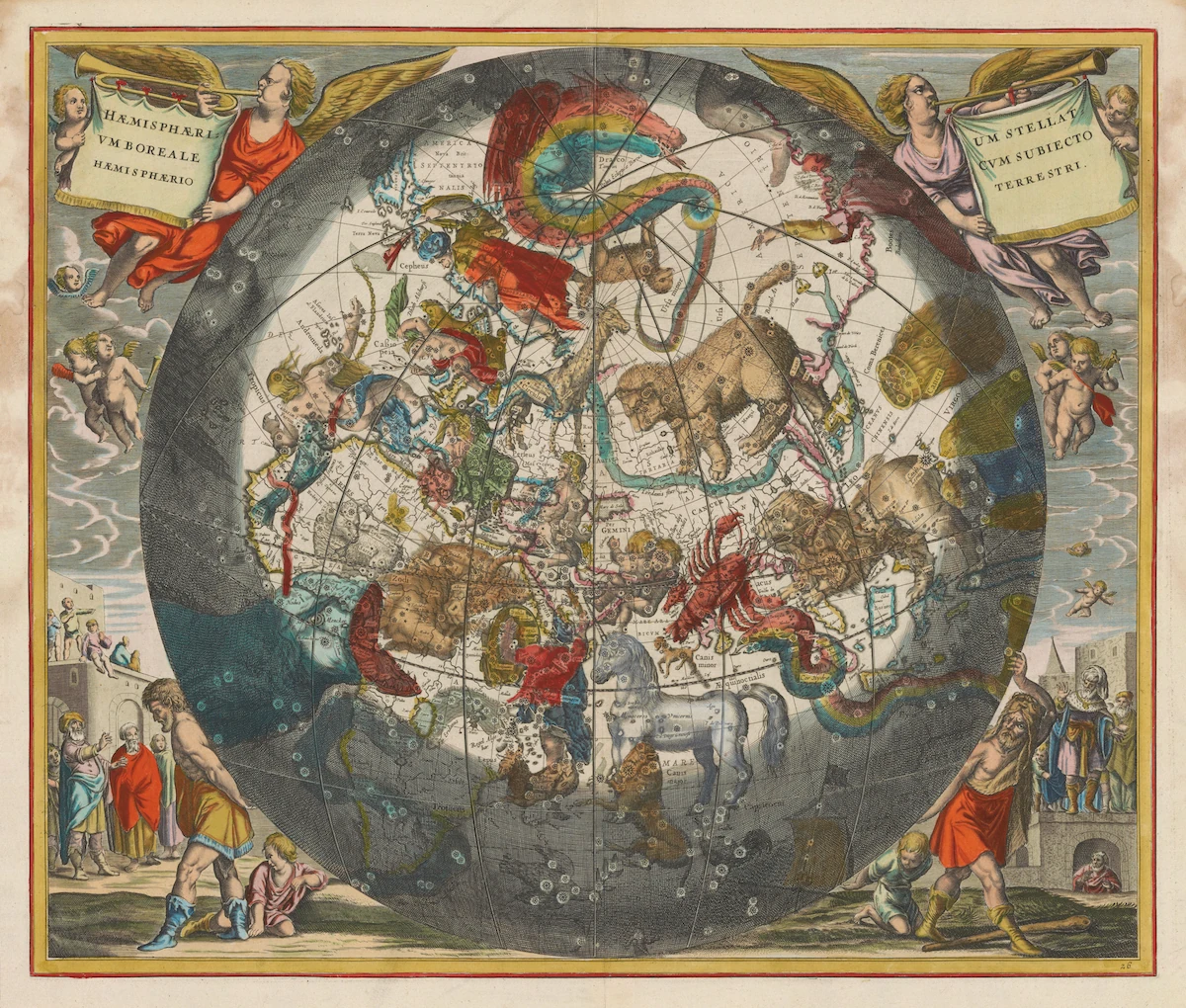
Magical systems using the seven traditional planets through timing, correspondences, images, and invocations.
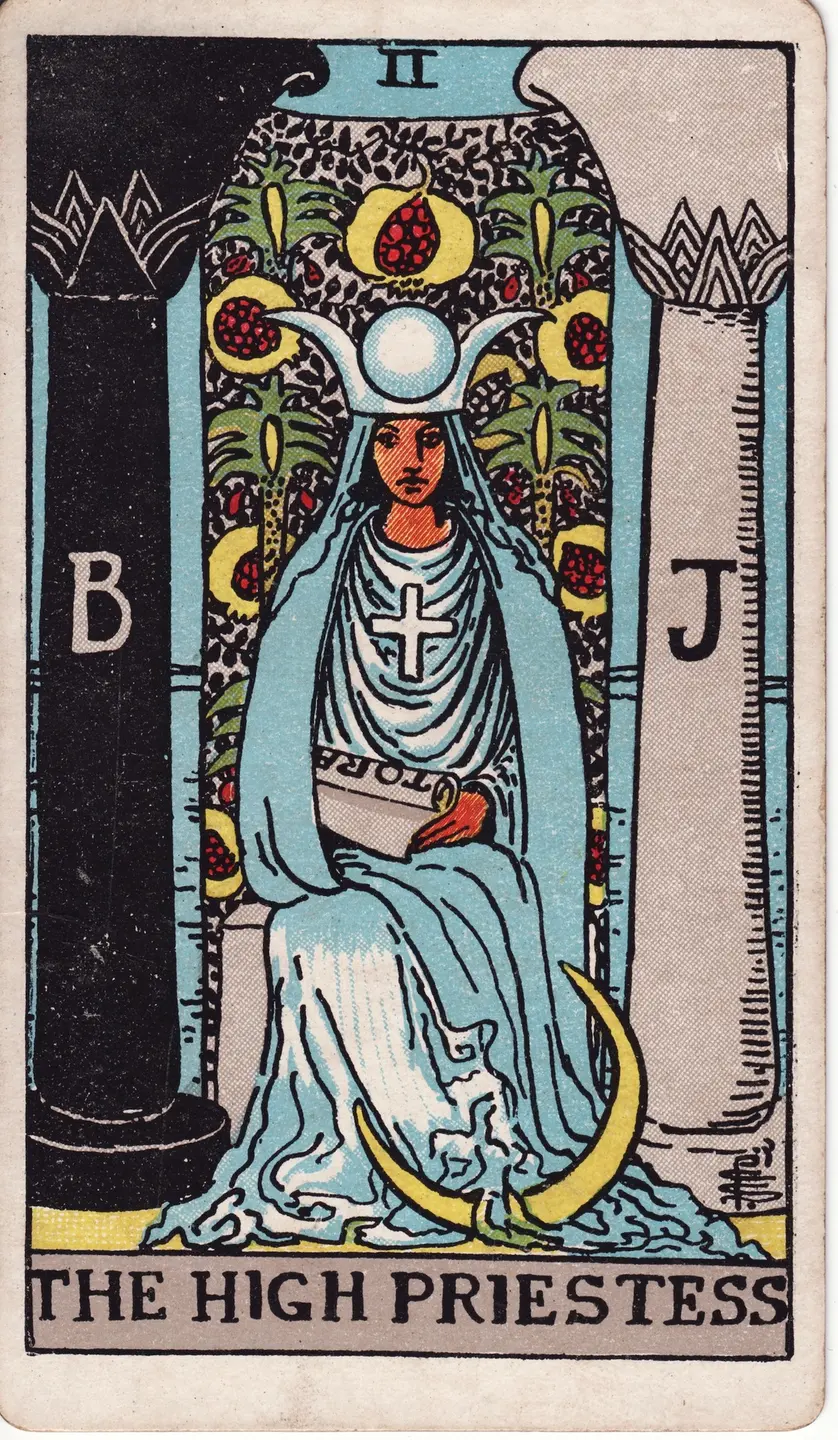
Tarot developed as playing cards before becoming an influential tool of occult interpretation. The history of the cards differs from later claims about their hidden origins.
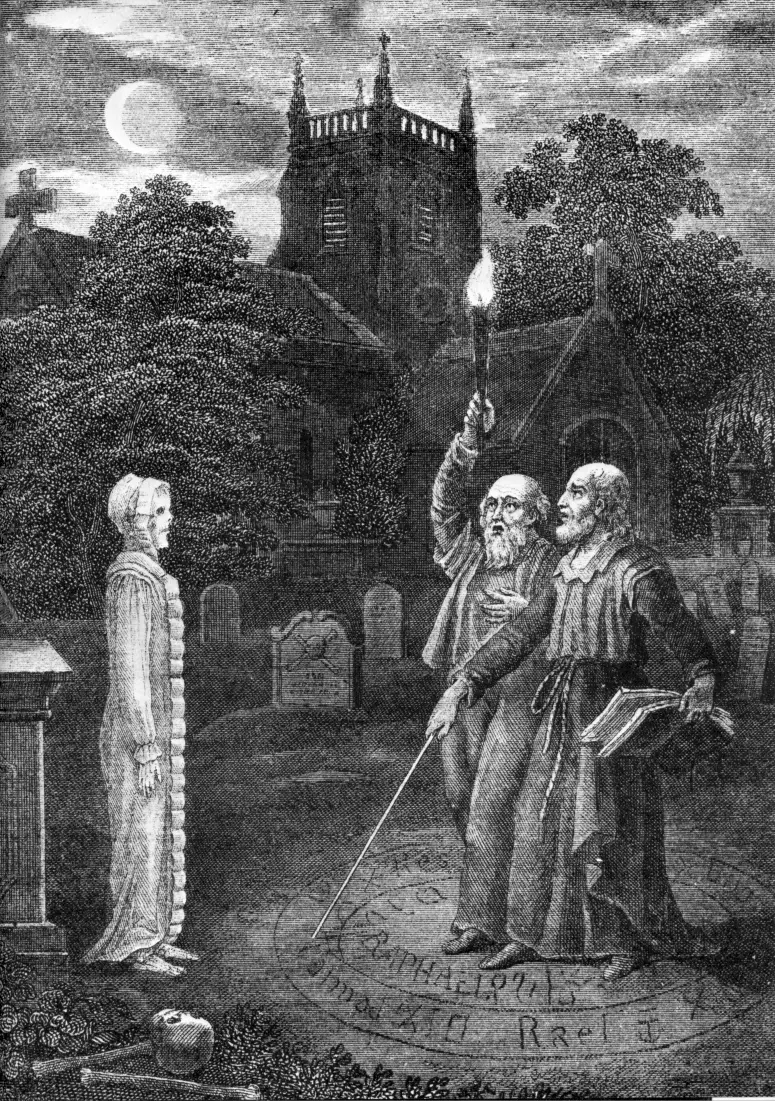
Invocation and evocation are terms used for related but differently framed religious or magical actions. Their definitions vary between authors and practice systems.
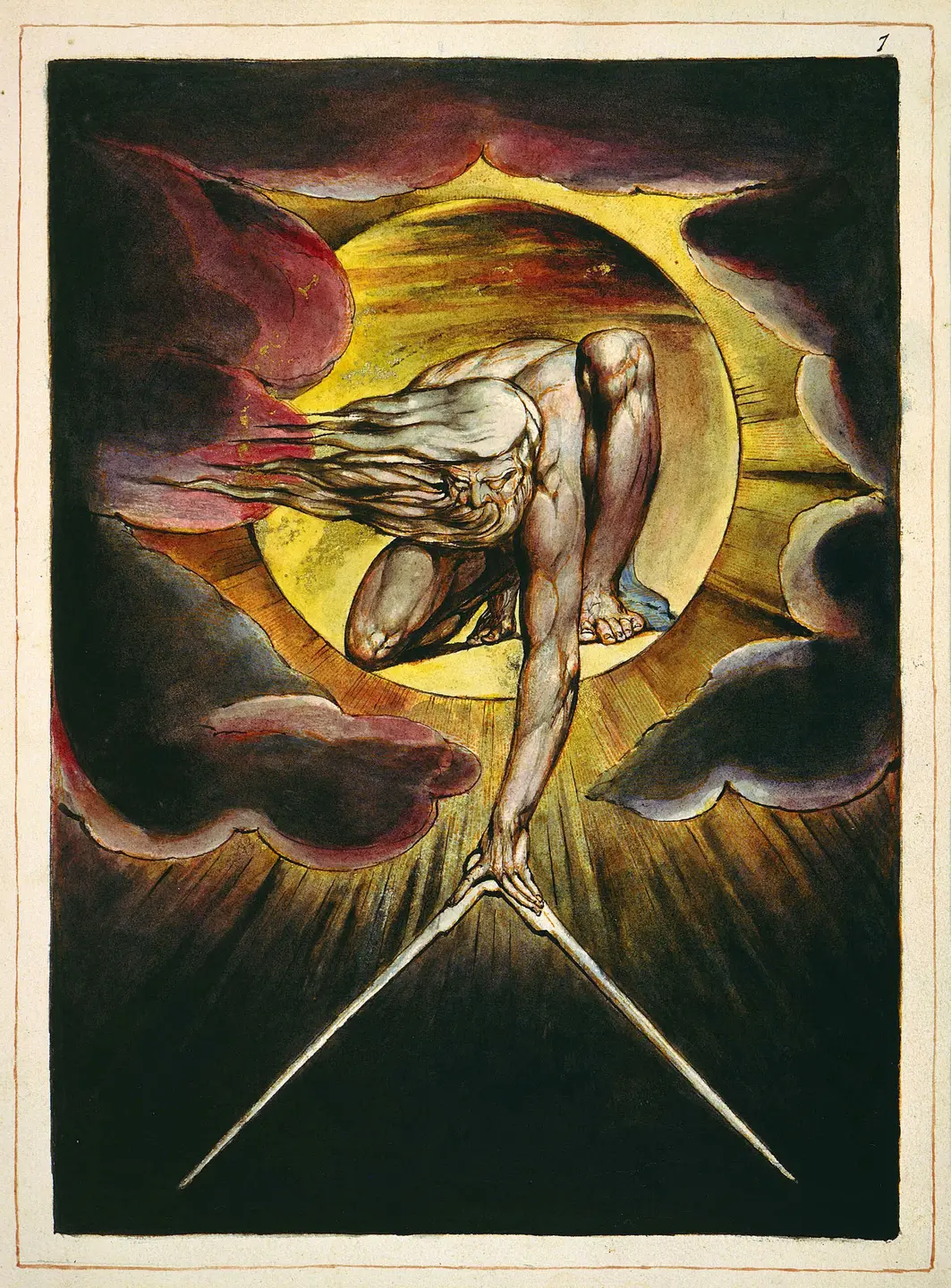
Religious discernment concerns how experiences are interpreted and assessed. An immediate event, a theological explanation, and a claim about another person require different kinds of evidence.
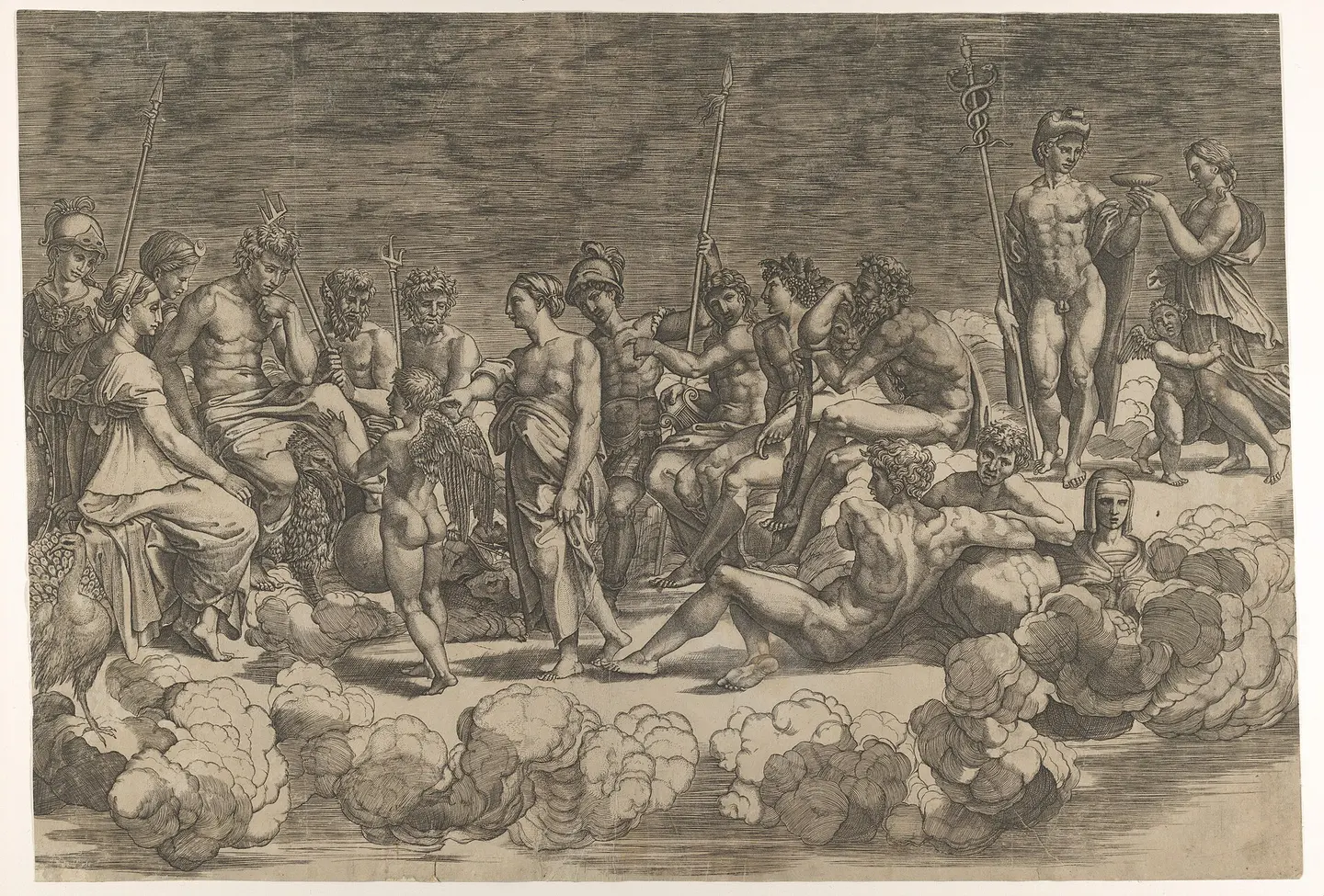
Polytheism involves belief in multiple deities. The existence of several gods does not by itself settle their relationships, moral authority, or the forms of devotion directed toward them.
A modern esoteric society with stated aims of fraternity, comparative study, and investigation of nature and human capacities.
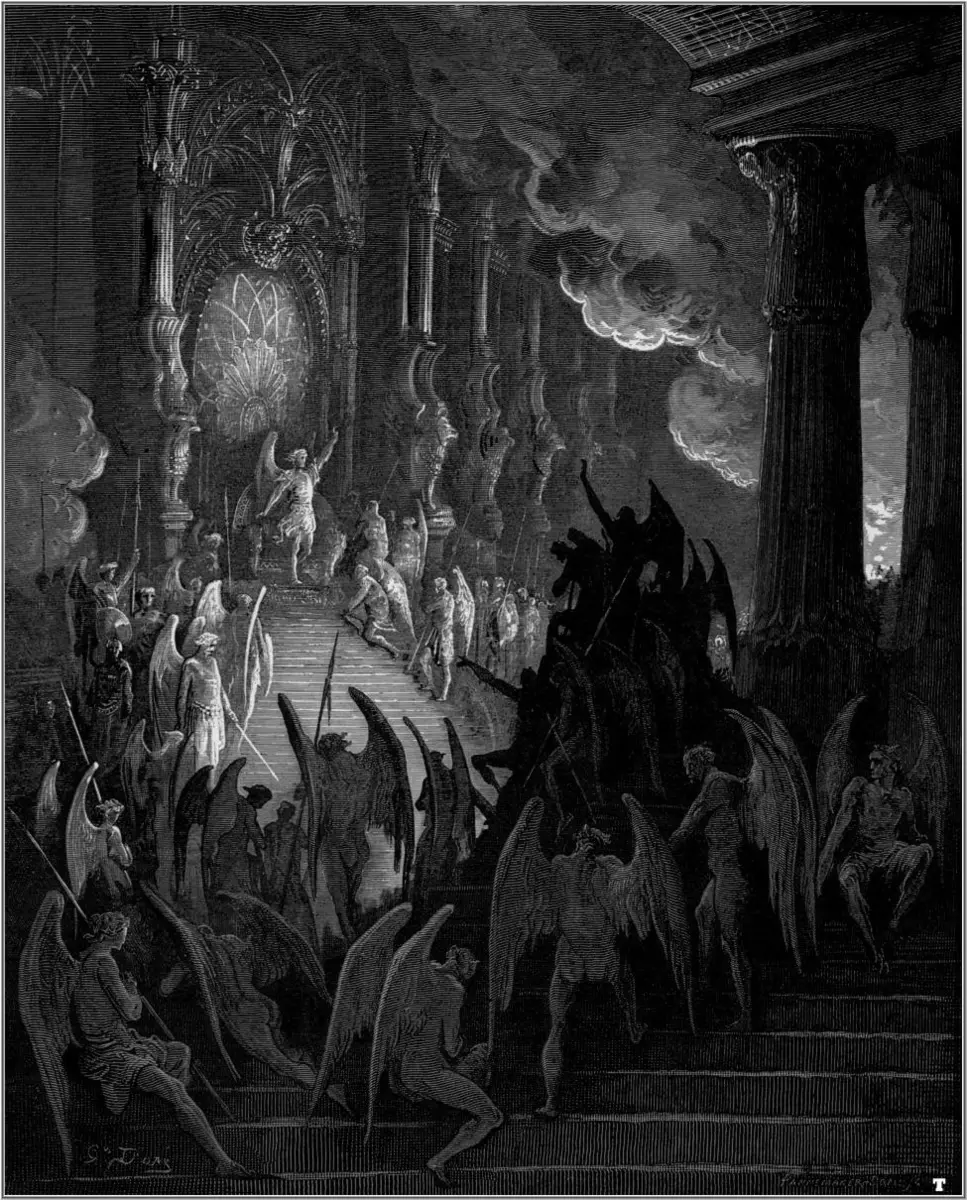
A nontheistic Satanic organization whose public principles emphasize self-determination, compassion, and responsibility.
An angelic art in the Lemegeton, using a wax tablet, candles, and a hierarchy of heavenly altitudes.
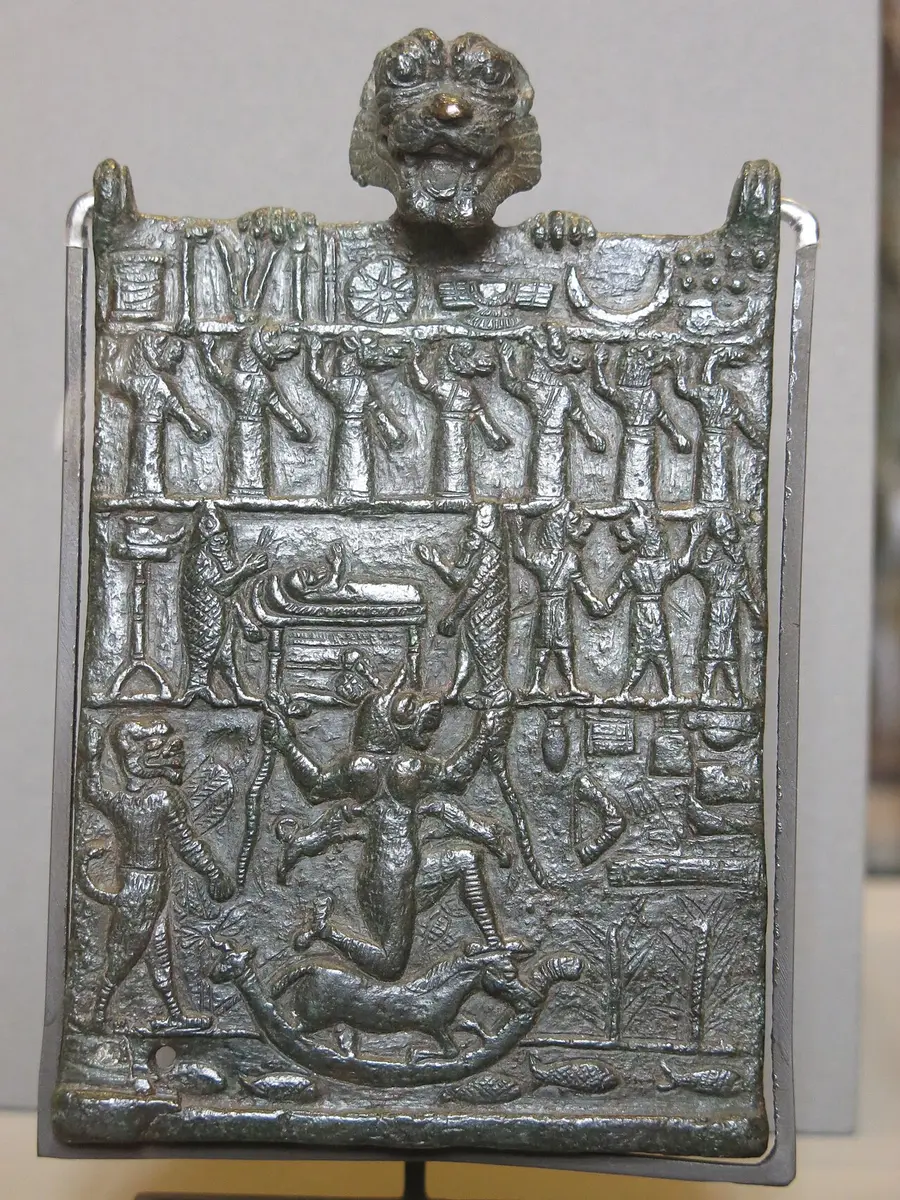
A Mesopotamian harmful female power represented on amulets and plaques intended to repel her.
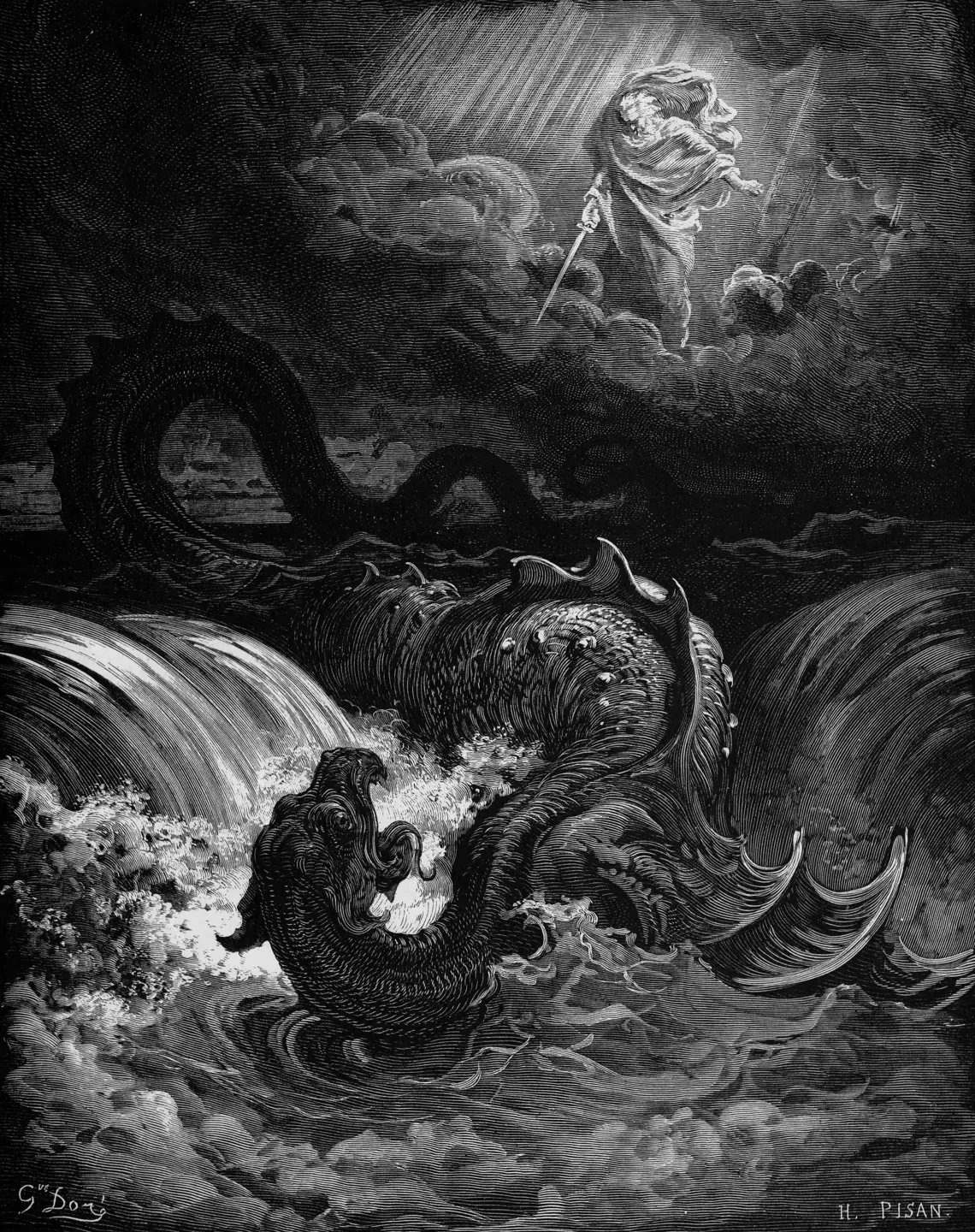
Leviathan appears in biblical poetry and later religious symbolism. The vivid descriptions belong to different literary contexts and should be interpreted accordingly.
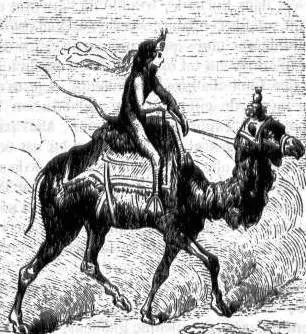
Paimon is a royal spirit described in the Ars Goetia and related literature. Musical procession and the teaching of knowledge are important elements of his received image.
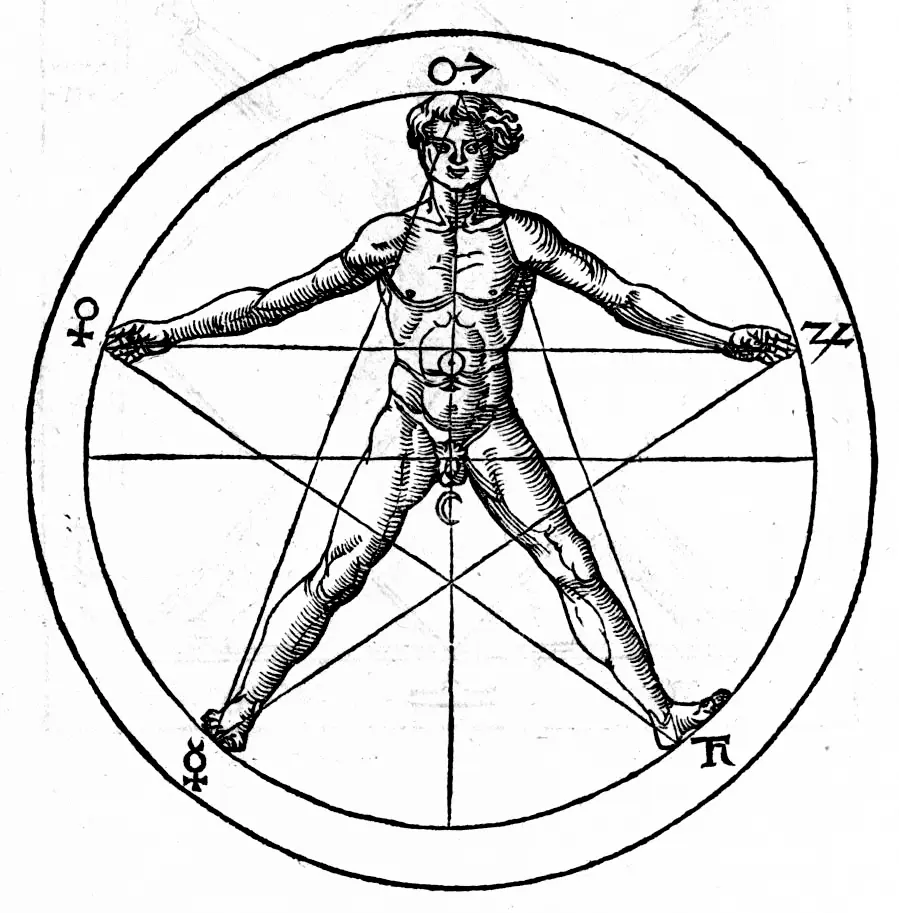
A pentagram is a five-pointed star figure used in different religious and esoteric settings. Orientation and surrounding imagery matter, but do not establish one universal meaning.
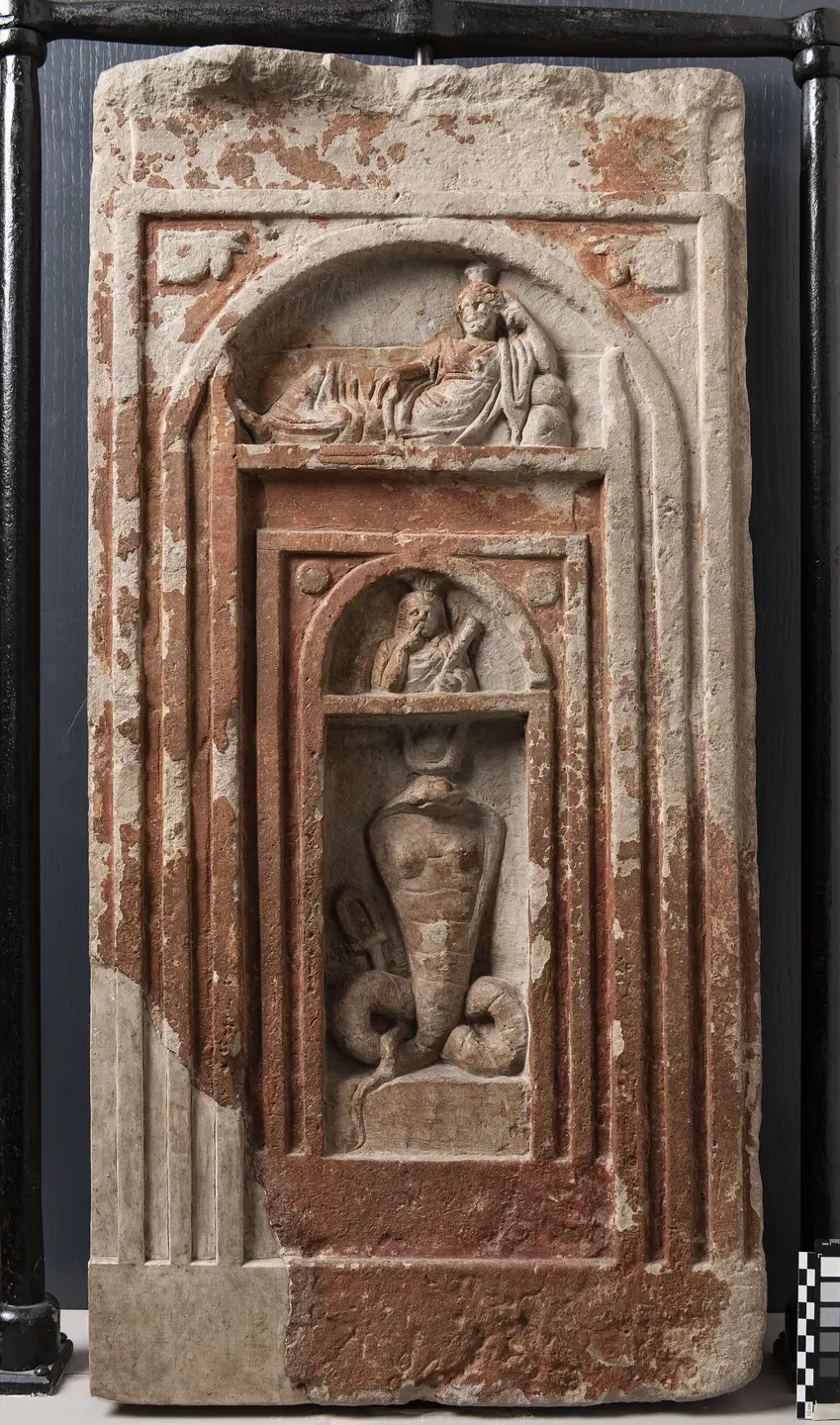
Religious syncretism concerns the combination of ideas, figures, and practices from different traditions. Similarity of names or imagery alone does not establish identity or historical continuity.
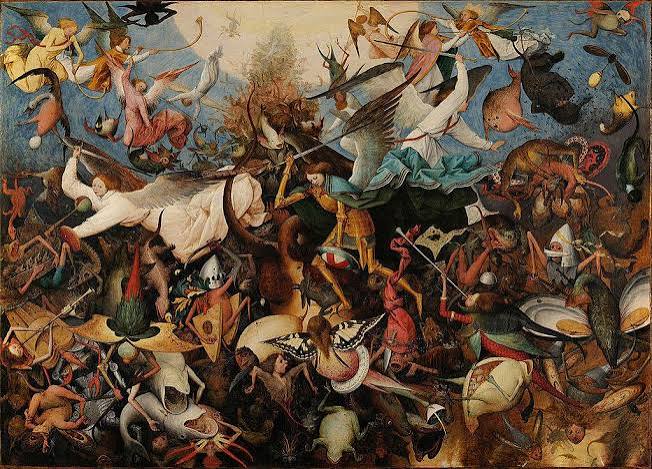
Fallen angels are heavenly beings portrayed as losing their place or proper condition through transgression. Enochic descent, Satan’s refusal to honor Adam, and the war in Revelation are distinct accounts that later interpretation can bring together.