Texts & Sources
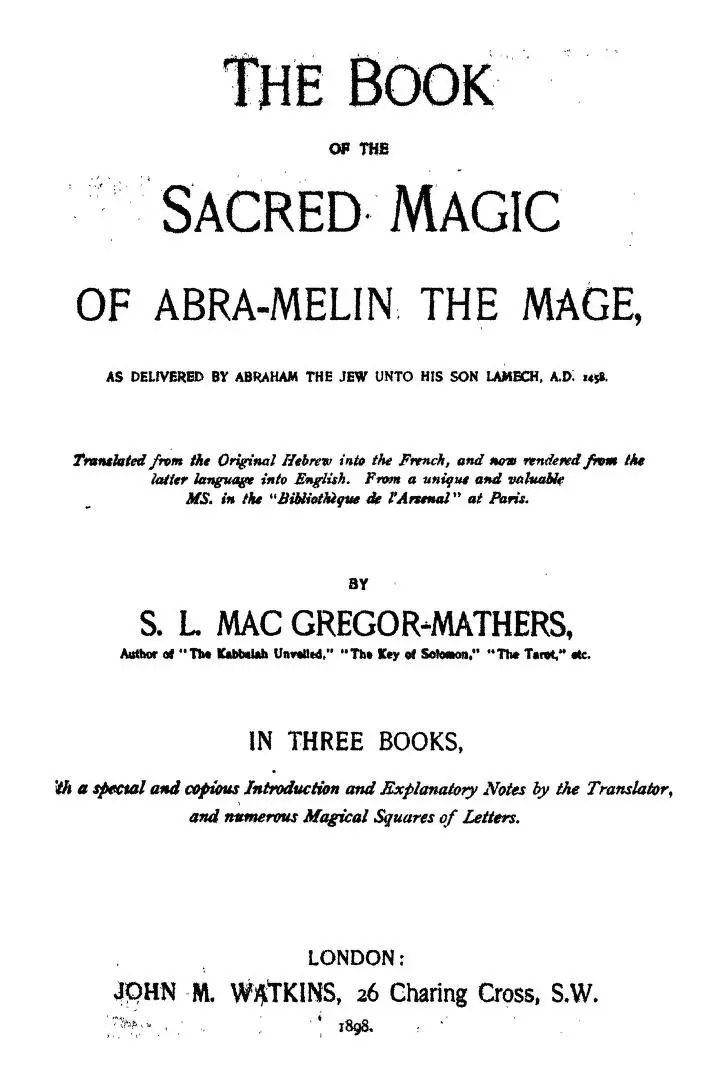
Book of Abramelin
A grimoire built around religious preparation, the guardian angel, and subsequent work with spirits and magical squares.
A grimoire built around religious preparation, the guardian angel, and subsequent work with spirits and magical squares.
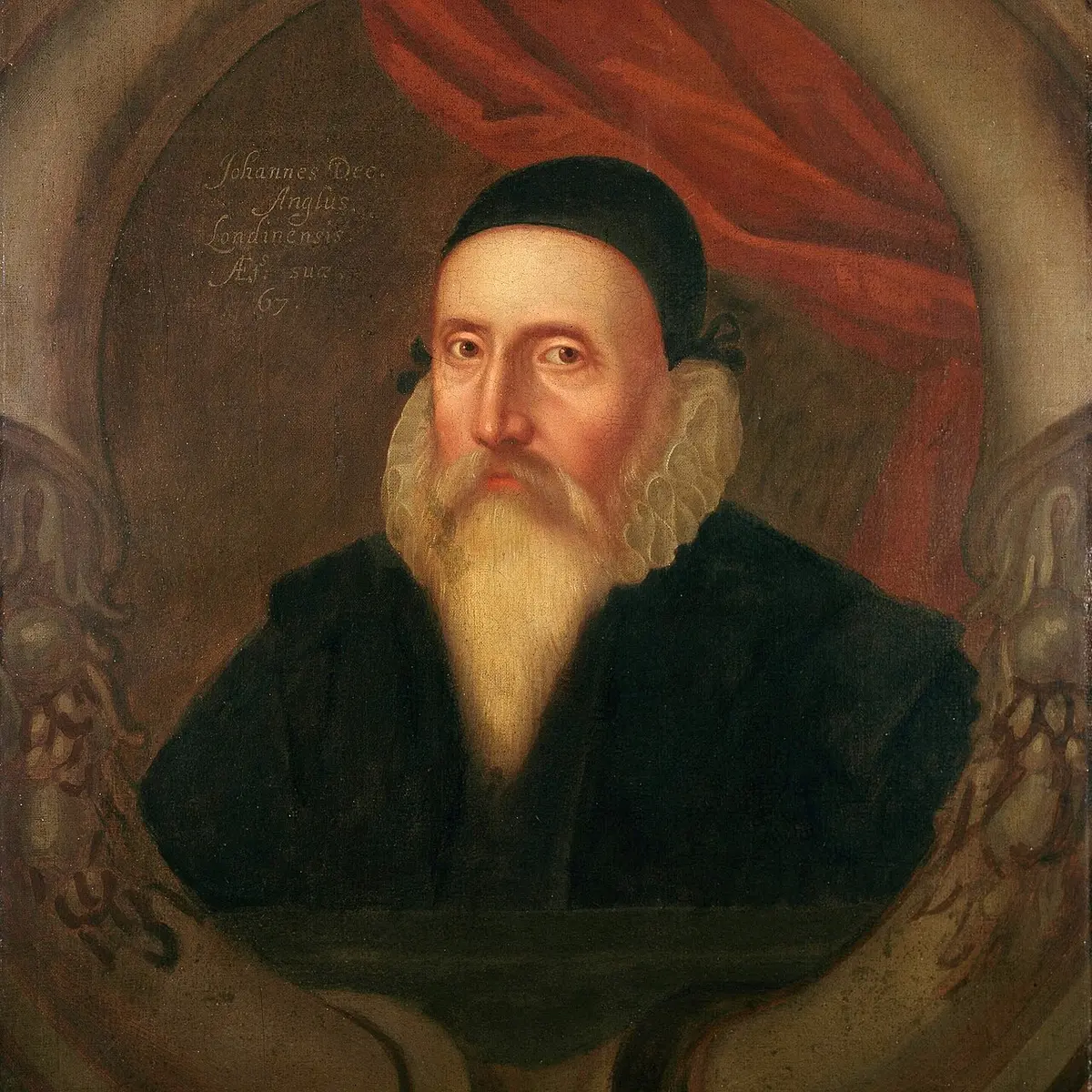
An English scholar whose records of spirit conversations became a major source for later angelic magic.
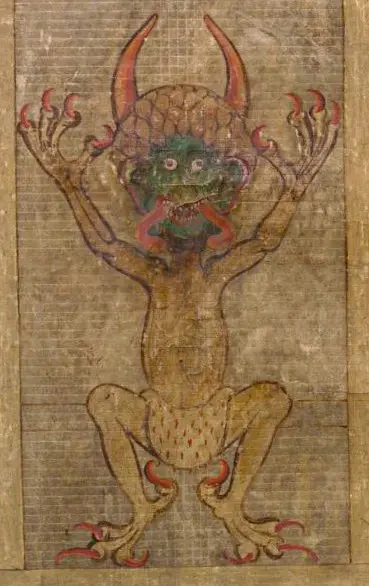
The Devil is the principal personification of evil in much of Christian tradition and a major source for later Western images of Satan. The term is not identical with every historical use of Satan, nor does it describe one unchanging character across the Bible, theology, folklore, literature, art, and modern religion. In contemporary speech “the Devil” often functions as a proper name for Satan, but…
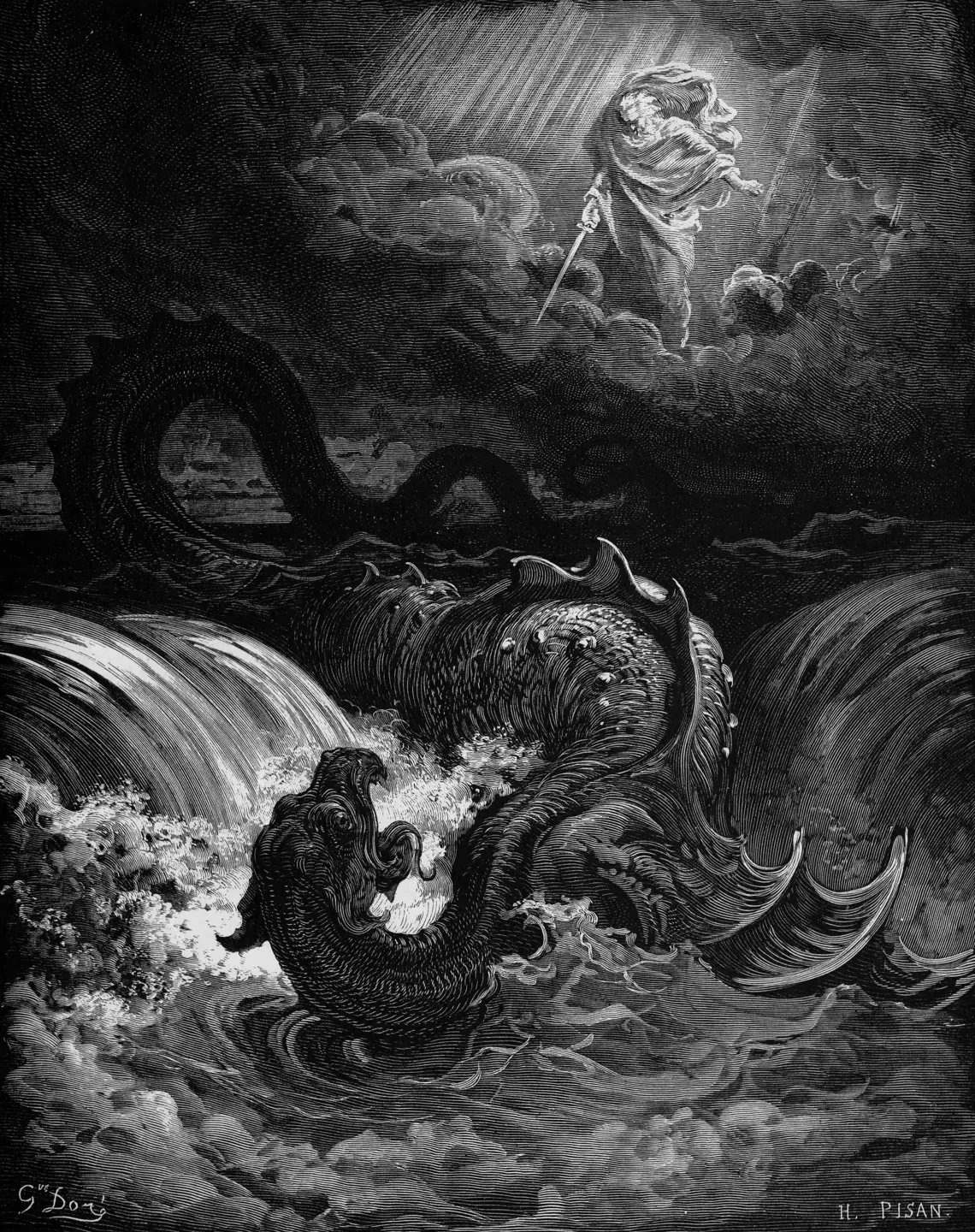
Leviathan appears in biblical poetry and later religious symbolism. The vivid descriptions belong to different literary contexts and should be interpreted accordingly.
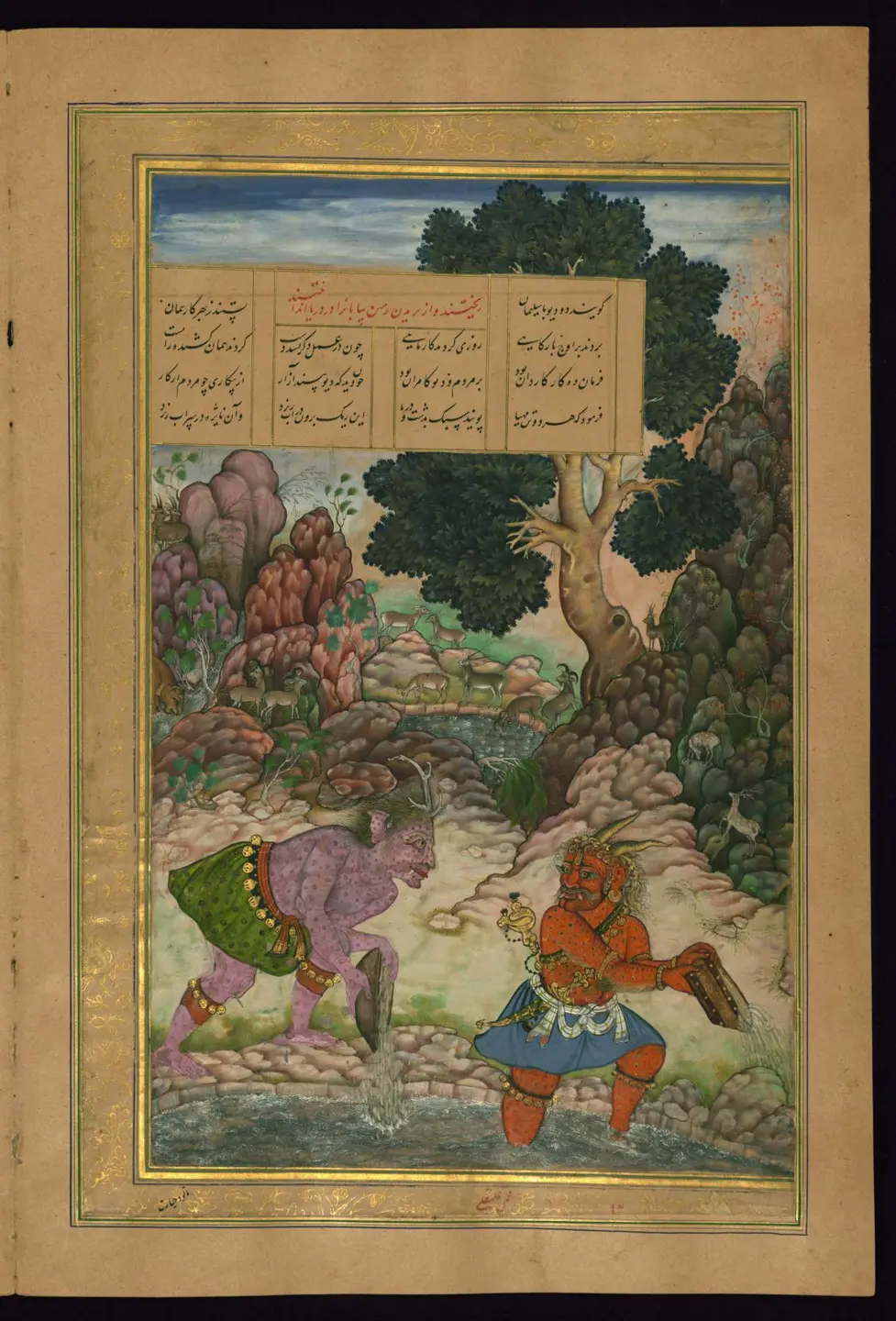
The Testament of Solomon is a pseudepigraphal religious narrative in which Solomon questions and commands spirits. It differs from later procedural Solomonic grimoires.
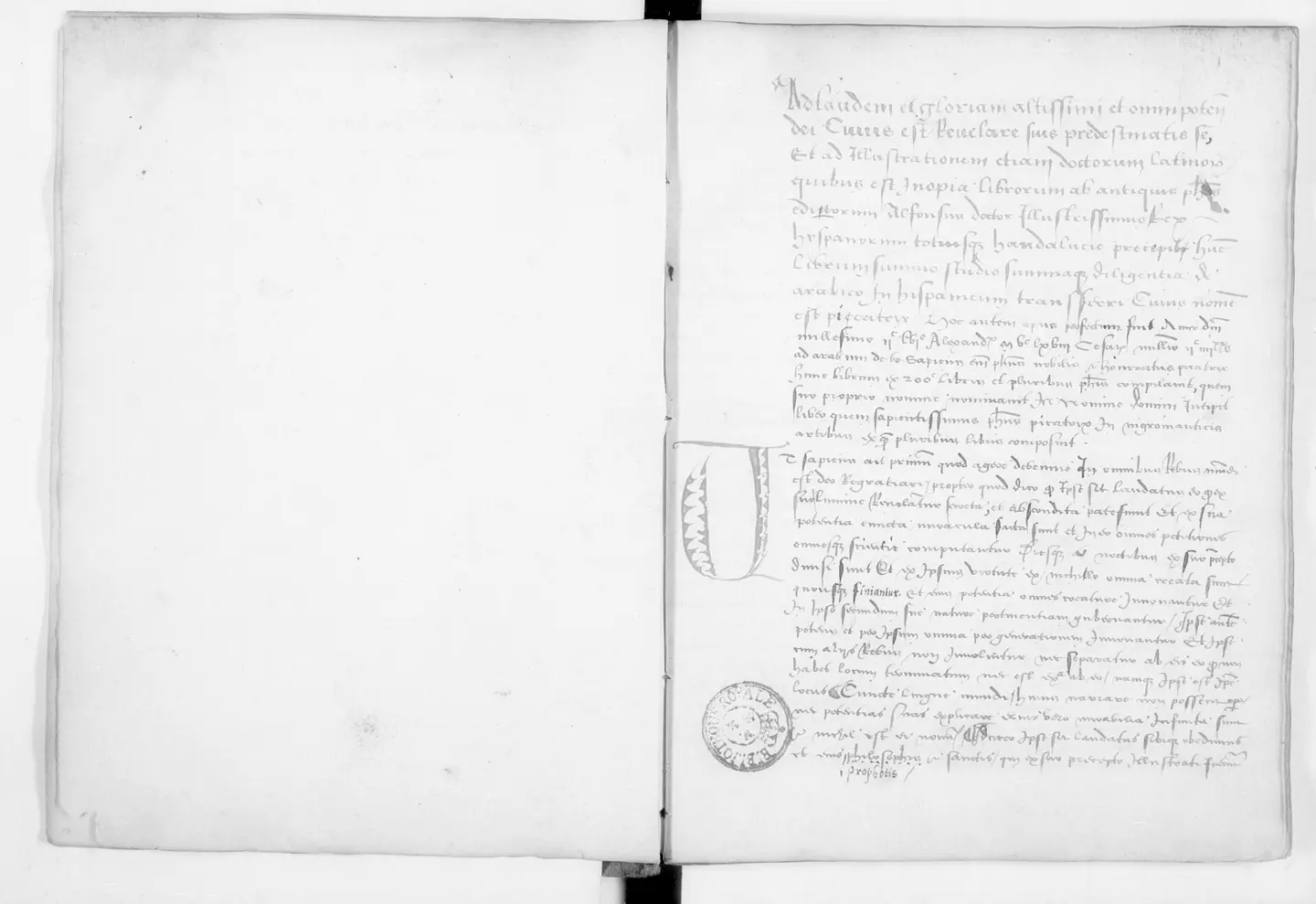
Picatrix is the Latin title associated with an influential Arabic work of astral magic. Its cosmological and ritual framework differs from a catalogue of Goetic spirits.
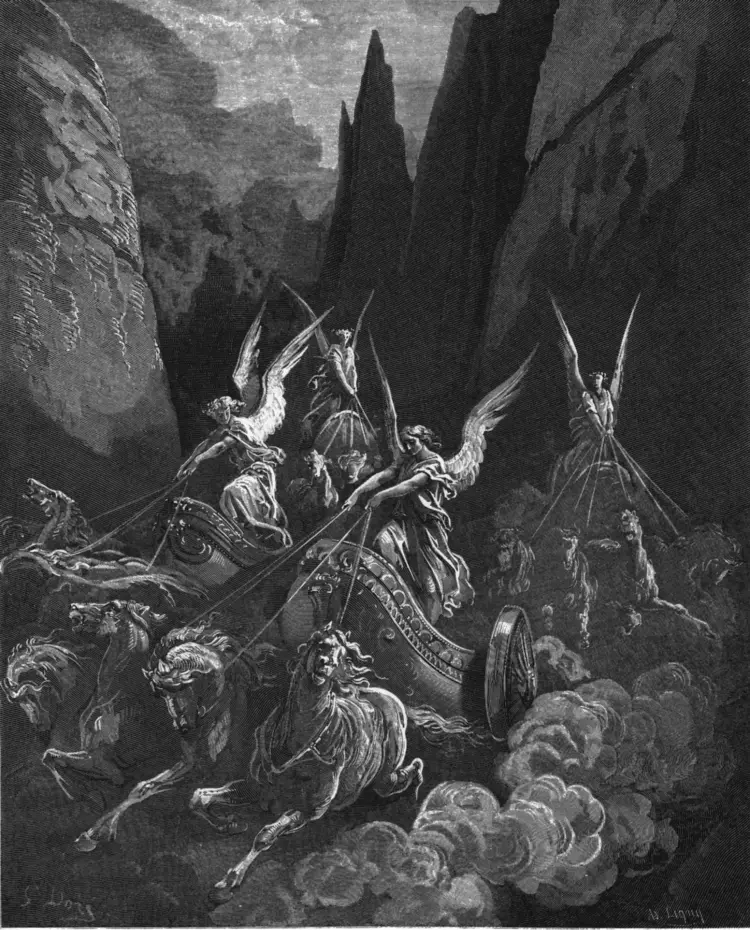
Zechariah 3 presents Satan accusing Joshua the high priest within a vision of judgment and restoration. The scene has a specific religious and literary purpose.

The life and writings of David Myatt, covering his extremist activism, later philosophy, and disputed identification as Anton Long.
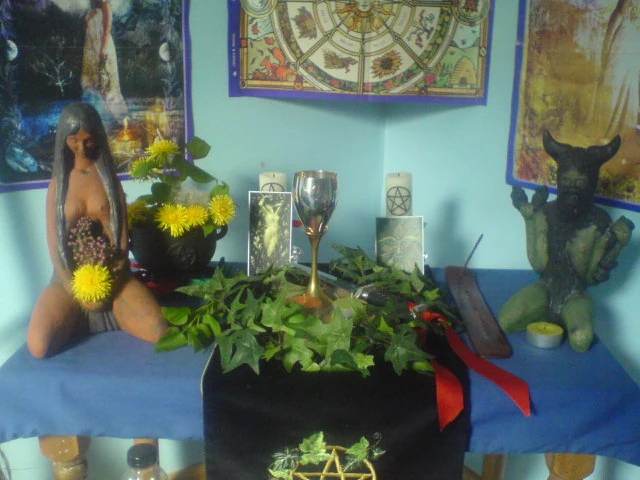
Modern Pagan religious witchcraft, its Gardnerian and Alexandrian traditions, ritual practice, and relationship to Satanism.
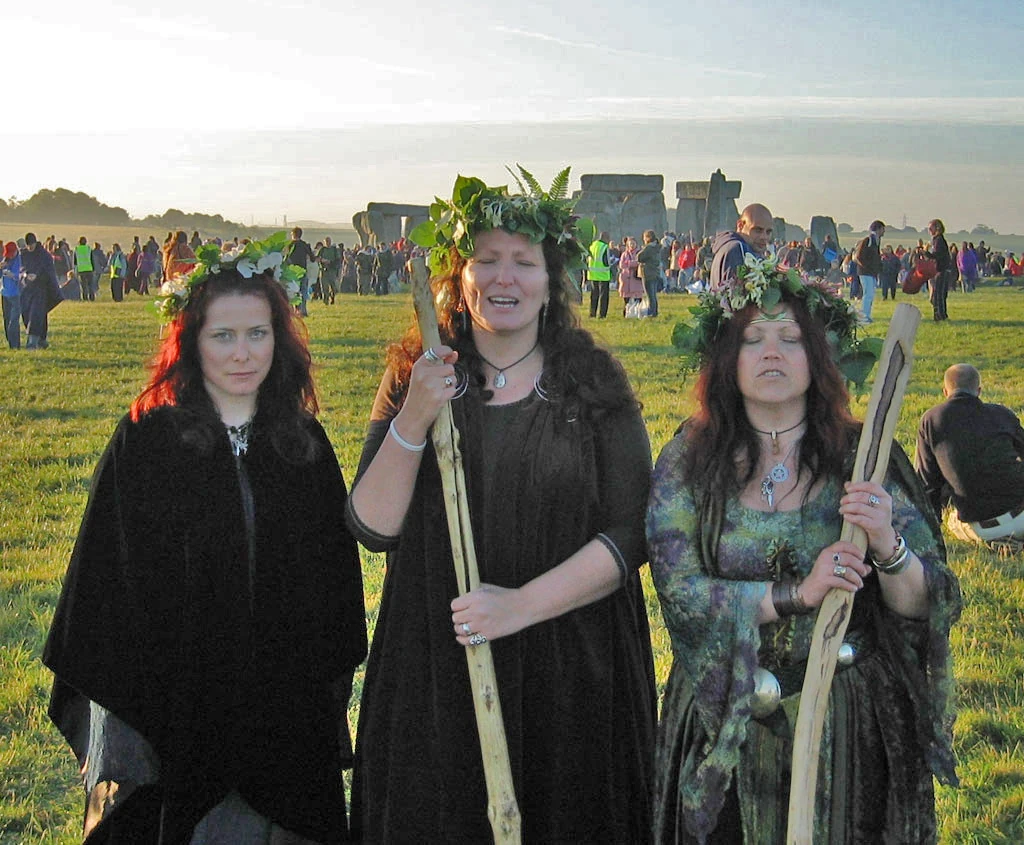
An introduction to contemporary Pagan traditions, including Wicca, Druidry, and Heathenry, and their different uses of older sources.
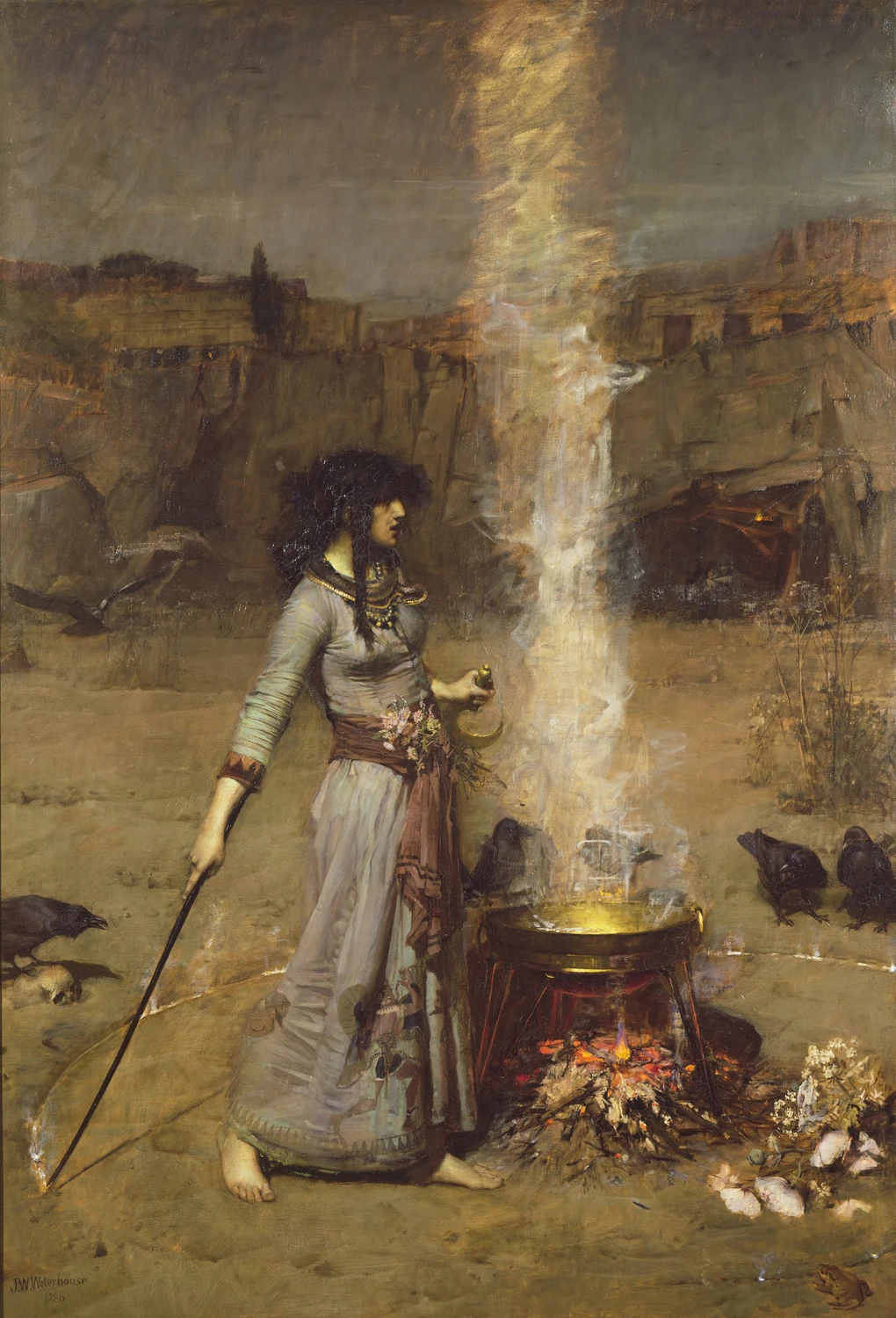
How witchcraft has meant an accusation, a magical practice, and a modern identity, with examples from museums and trial records.
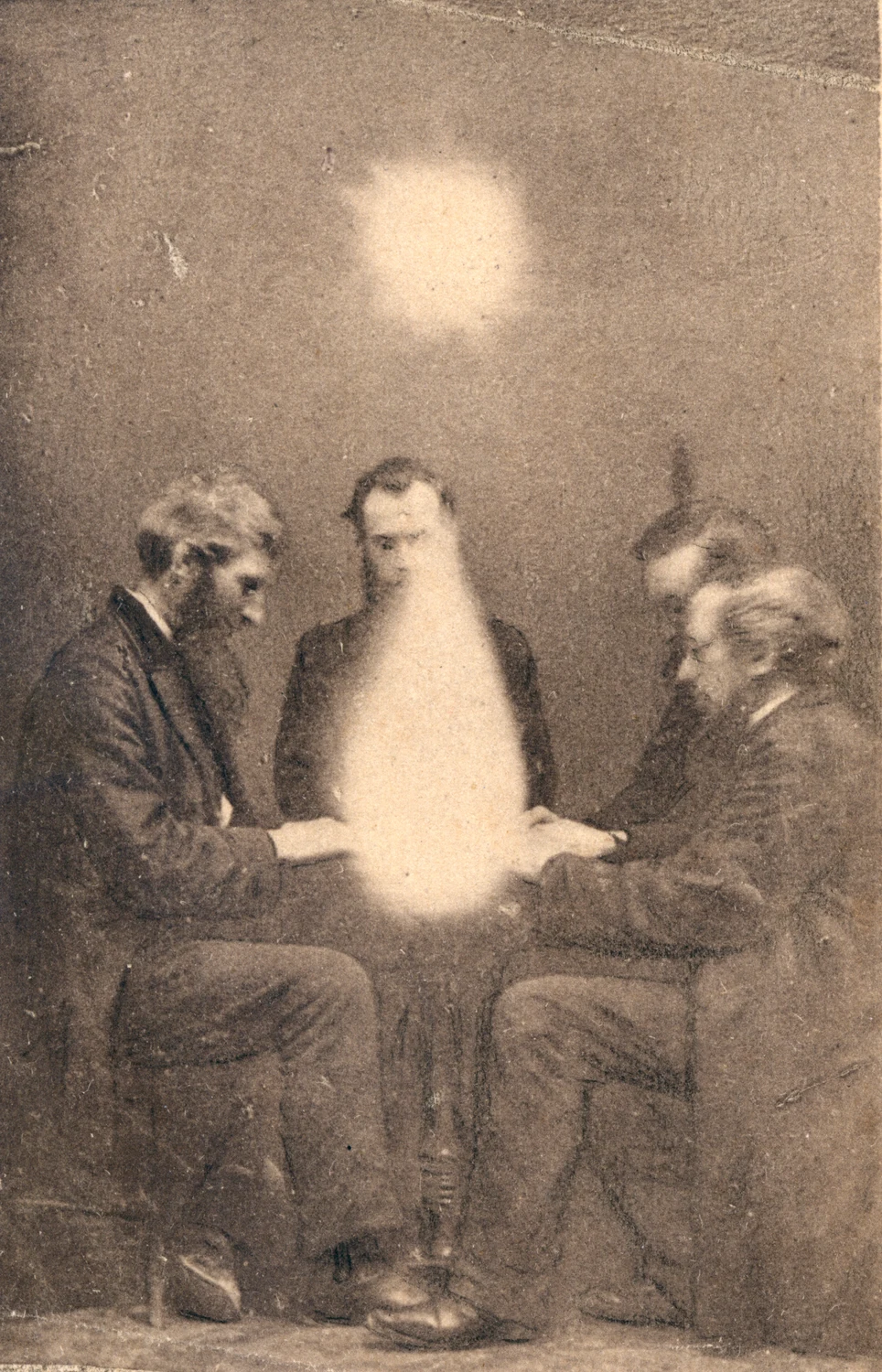
A religious movement centered on mediumship and continued personal identity after death, with church teachings and spirit photography.
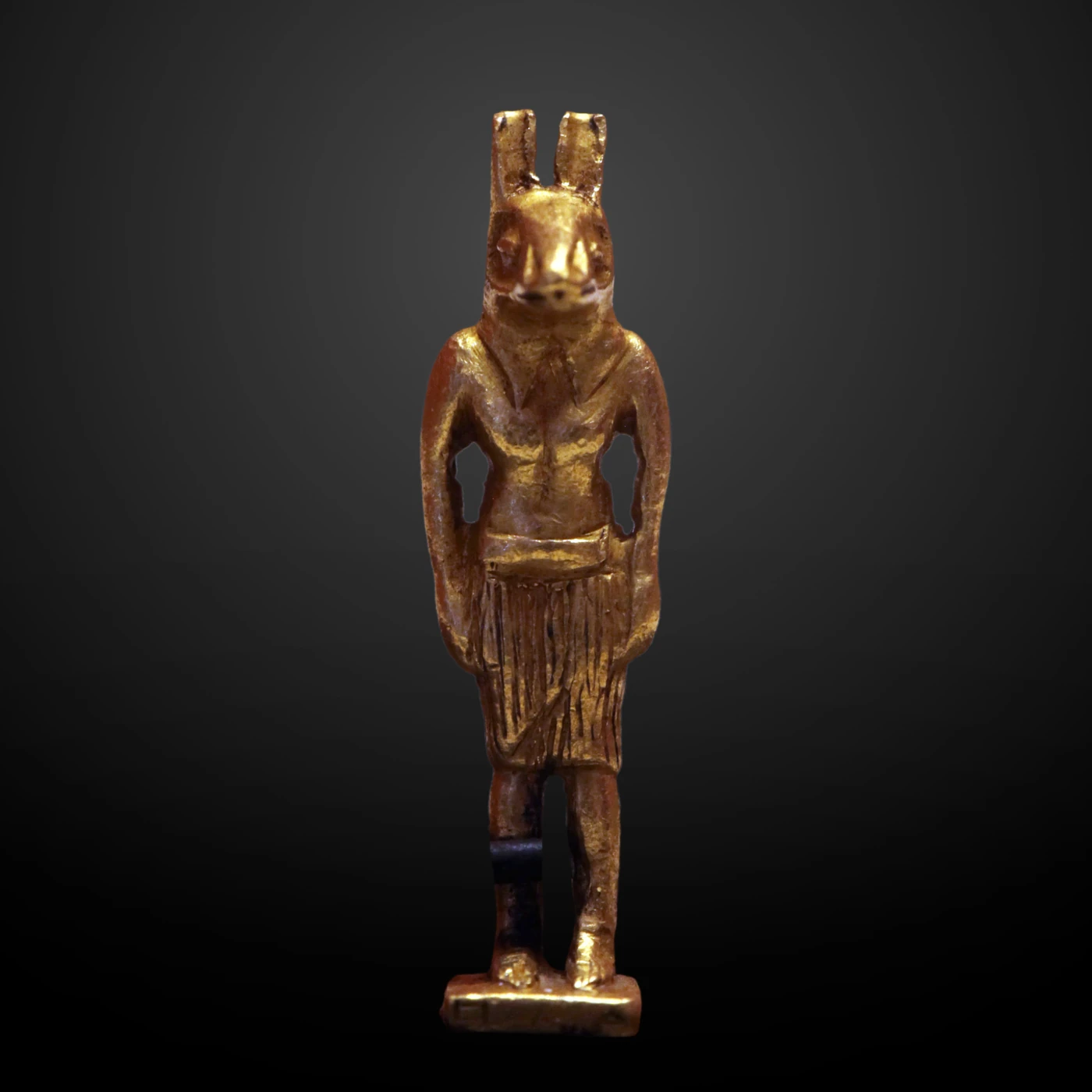
The Temple of Set is an initiatory organization whose identity centers on Set and Xeper. Its relationship with Satanism requires attention to both historical origins and later self-description.
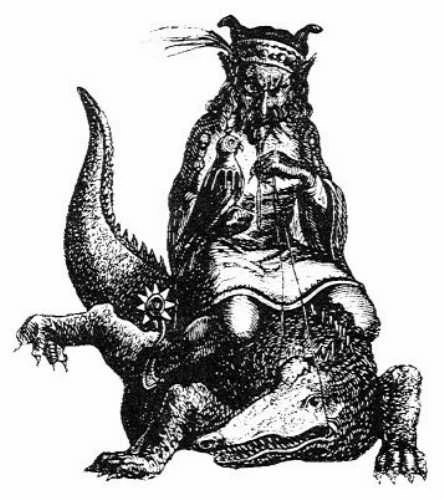
The second Goetic spirit, described as an elderly rider with a crocodile and a goshawk.
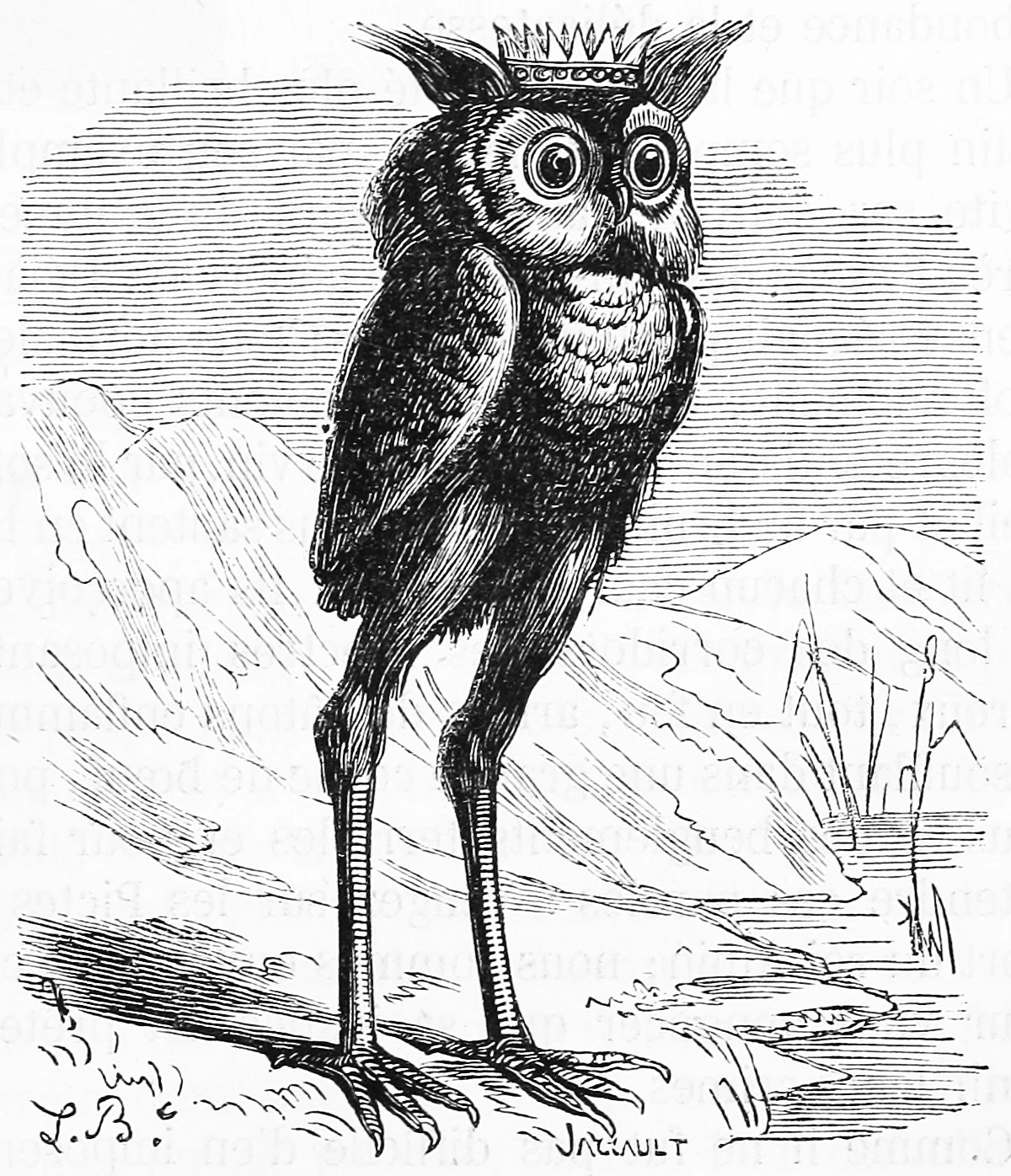
A Goetic prince associated with astronomy, herbs, and precious stones, with changing bird imagery in later reception.
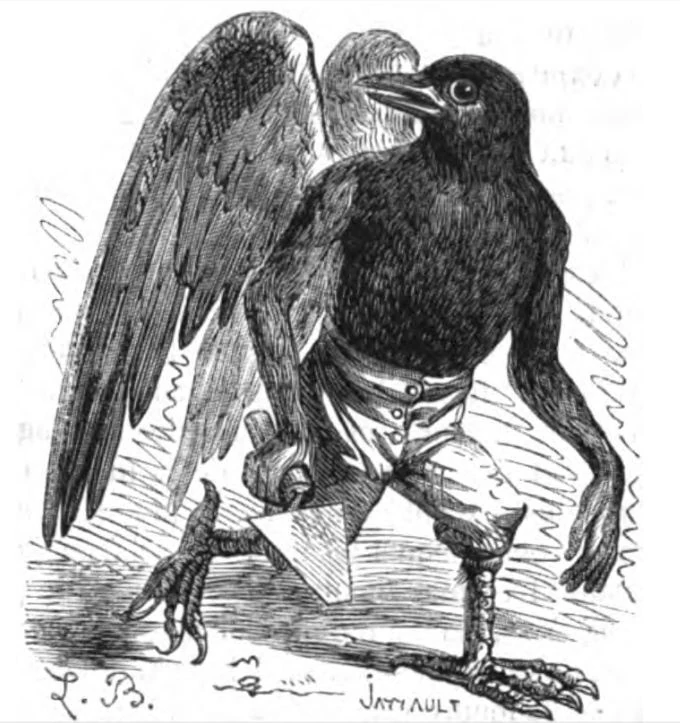
A Goetic president in a dark bird form, associated with building and a warning about offerings.

A German magical fraternity whose teaching gives Saturn a central symbolic and initiatory role.
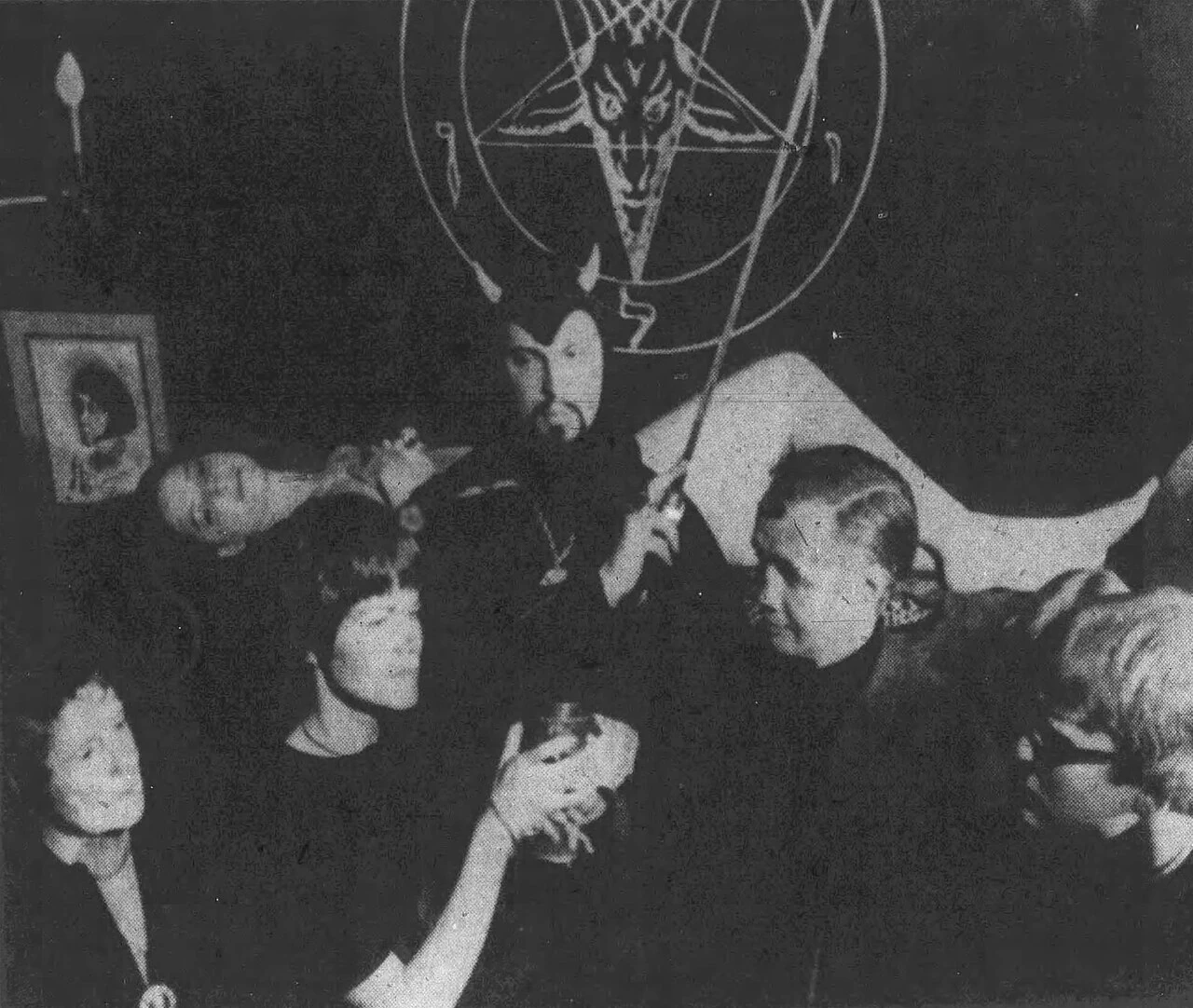
Anton LaVey’s collection of ceremonial material, published as a companion to The Satanic Bible.
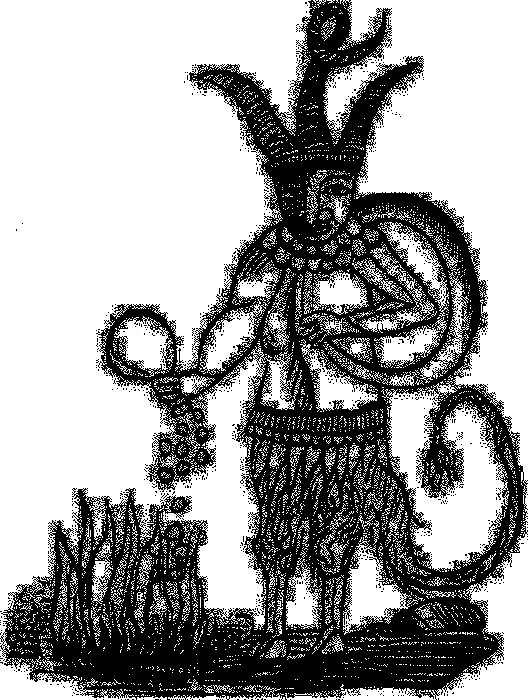
A grimoire best known for its staged encounter and pact with Lucifuge Rofocale.

The physician and author whose Pseudomonarchia daemonum supplied an important source for later spirit catalogues.