Search

Results for “Adam and Eve”

226 resultsResults prioritize title matches, then summaries and article text.Try topic browsing →
Demonology & Spirits

Demonology

Demonology is the study, classification, and interpretation of demons and related spirits. In Western religious history it has included theological arguments about the nature and powers of demons, lists of named spirits, explanations of possession and temptation, magical techniques for summoning or constraining spirits, and folklore about dangerous supernatural beings. Modern theistic Satanists and…
Texts & Sources

Grimoires

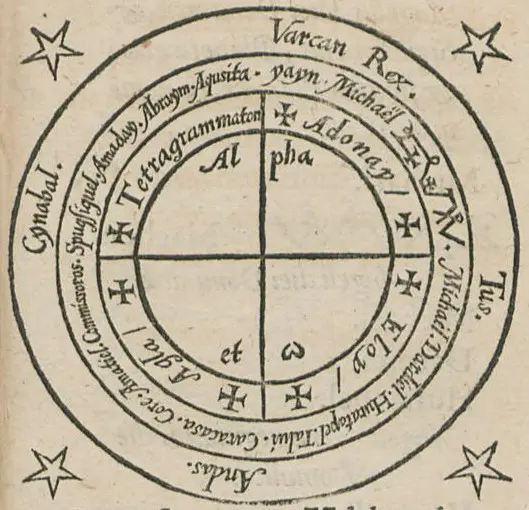
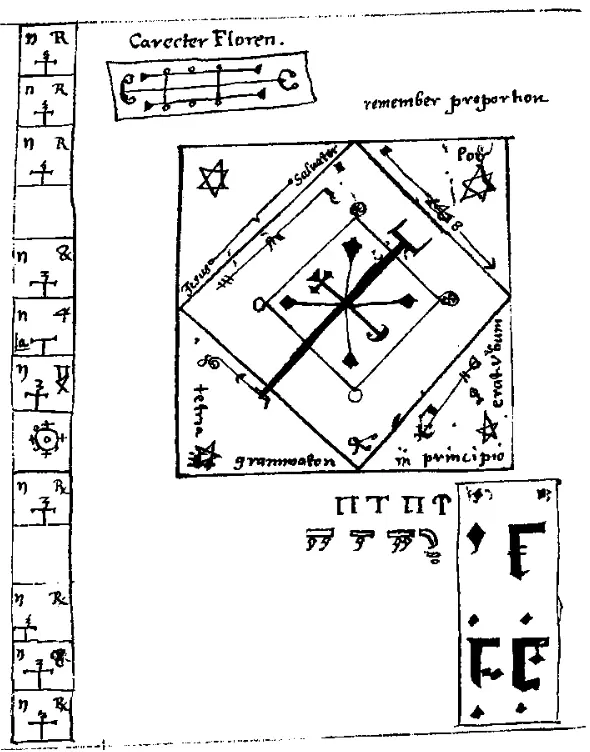
A grimoire is a book or manuscript containing magical knowledge, ritual procedures, charms, conjurations, talismans, spirit catalogues, astrological instructions, prayers, or other techniques intended to produce supernatural or occult effects. The term is most strongly associated with European magic, but scholars use it within a much wider history of magical books and written ritual technologies.

High Satanic Church

The High Satanic Church

The High Satanic Church is an independent theistic Satanist religious organization and online congregation centered on the worship of Satan as a real deity. Its public website describes the Church as theistic, devotional, and unaffiliated with both the Church of Satan and The Satanic Temple. The organization maintains public material on beliefs and practice as well as member accounts, lodges, writings,…

Demonology & Spirits

Watchers

The Watchers are heavenly beings whose descent, teachings, and punishment are narrated in 1 Enoch. Their literary identity must be distinguished from later religious interpretations.

Demonology & Spirits

Semjaza

Semjaza is a leading figure in the Enochic account of the Watchers’ oath and descent. His role differs from the teaching and punishment associated with Azazel.

Culture & Ethics

Tarot

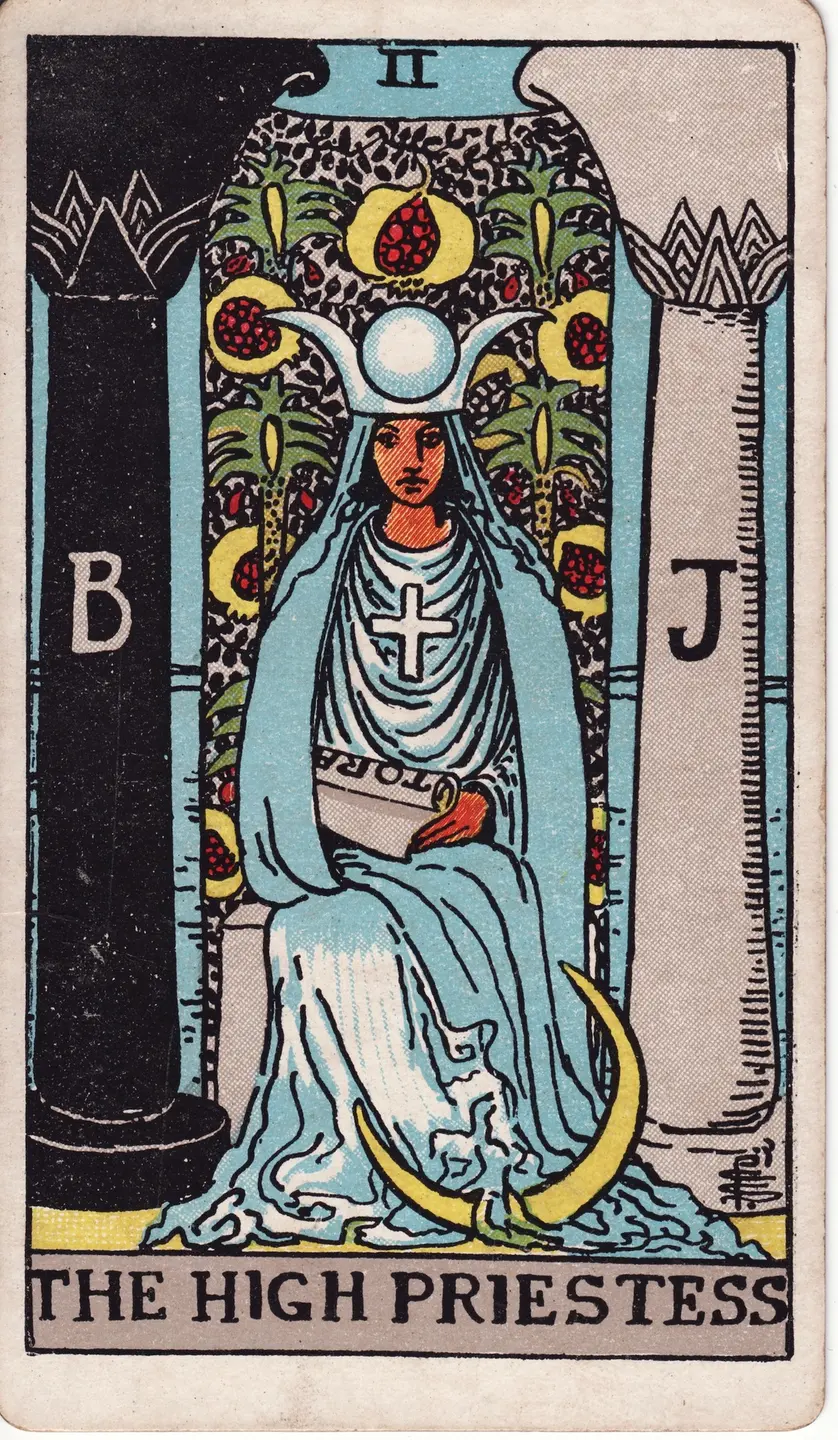
Tarot developed as playing cards before becoming an influential tool of occult interpretation. The history of the cards differs from later claims about their hidden origins.

Theistic Satanism

Demonolatry

Demonolatry refers to devotion to demons or daemonic beings. Modern accounts vary in theology, authority, and their relationship with historical grimoires.

Theology & Cosmology

Polytheism

Polytheism involves belief in multiple deities. The existence of several gods does not by itself settle their relationships, moral authority, or the forms of devotion directed toward them.

Demonology & Spirits

Botis

A Goetic spirit with the titles president and earl, associated with knowledge and reconciliation.

Demonology & Spirits

Phenex

A Goetic marquis in phoenix form, associated with poetry, learning, and a hope of heavenly restoration.

Organizations & Traditions

Dragon Rouge

An initiatory order whose Draconian system brings together Qliphoth, Goetic magic, alchemy, and other esoteric traditions.

Organizations & Traditions

Ordo Templi Orientis

An initiatory organization associated with Thelema and the public celebration of the Gnostic Mass.

Organizations & Traditions

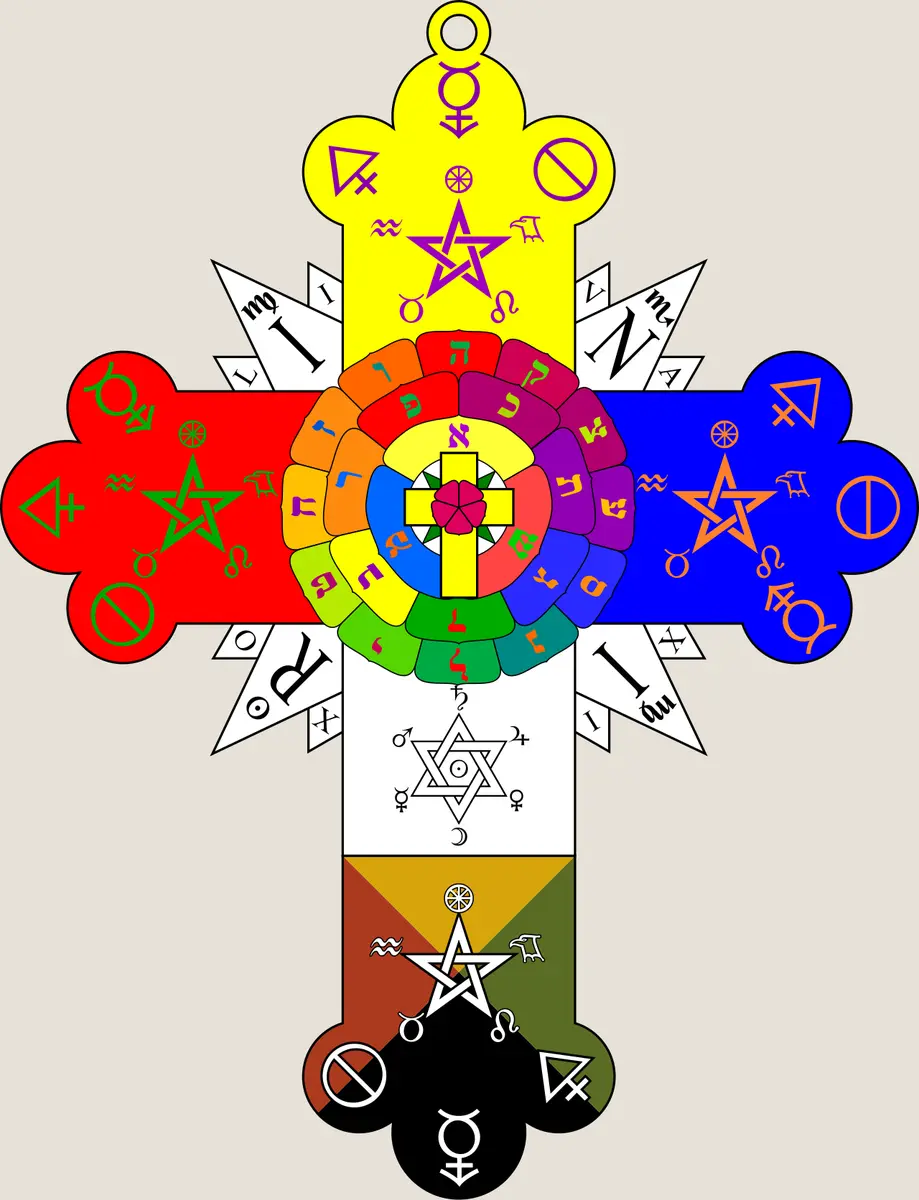
Hermetic Order of the Golden Dawn

A late nineteenth-century British initiatory order that shaped modern ceremonial magic, Tarot, and Hermetic Qabalah.

Texts & Sources

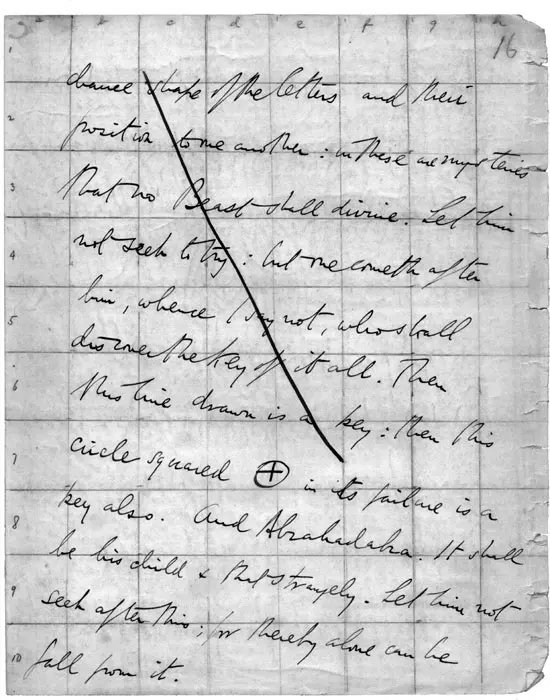
The Book of the Law

The three-chapter revelatory text at the center of Thelema, also titled Liber AL vel Legis.

Texts & Sources

Heptameron

A grimoire of angelic conjuration organized around the seven days of the week.

History

Michael Aquino

A founder and major author of the Temple of Set, associated with the modern Setian interpretation of Xeper.

Devotional Practice

Offerings

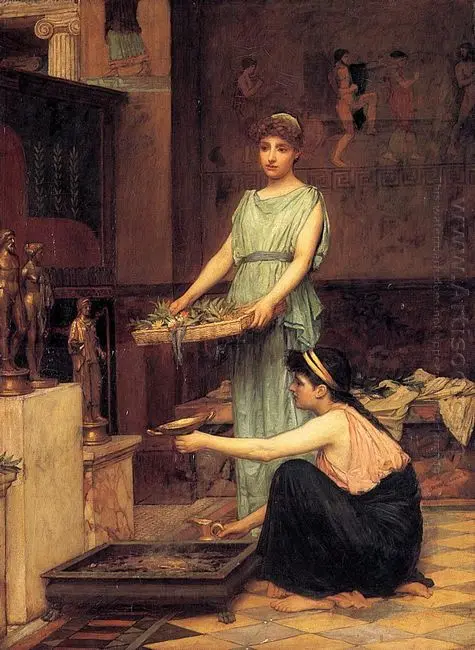
Offerings are objects, substances, actions, or works intentionally presented to a deity, spirit, sacred power, or religious community. Across religious history offerings have included food, drink, incense, flowers, animal sacrifice, money, vows, music, labor, art, and acts of service. In theistic Satanism, offerings are commonly used to express devotion, gratitude, hospitality, dedication, or…

Demonology & Spirits

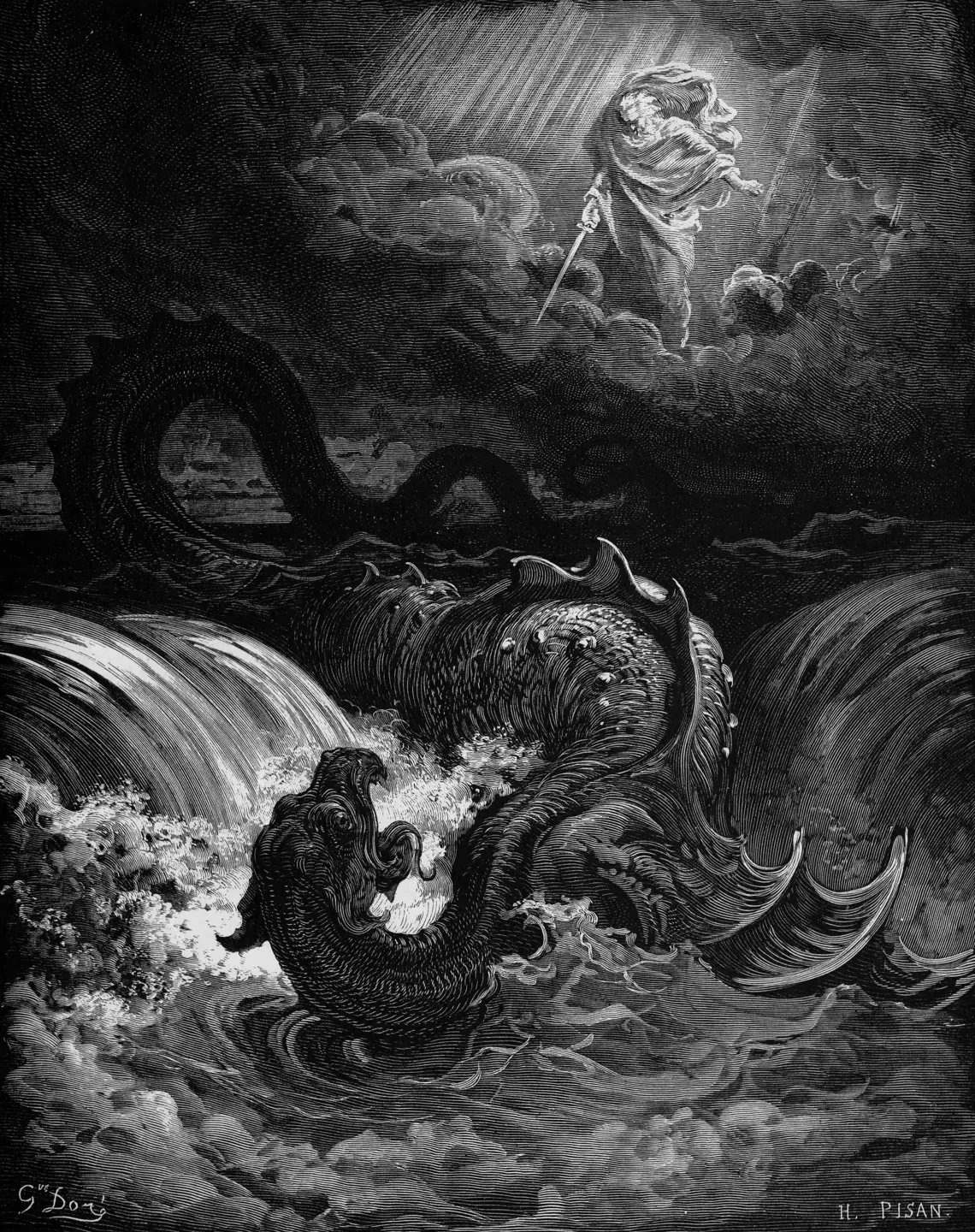
Leviathan

Leviathan appears in biblical poetry and later religious symbolism. The vivid descriptions belong to different literary contexts and should be interpreted accordingly.

Texts & Sources

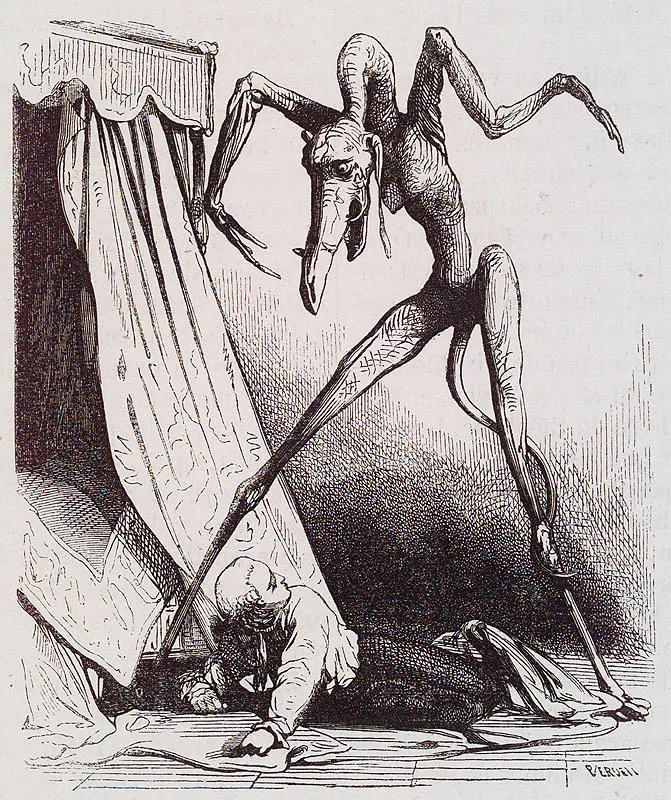
Dictionnaire infernal

Collin de Plancy’s Dictionnaire infernal gathered supernatural traditions in a dictionary format. Its 1863 entries and illustrations remain influential in modern depictions of spirits.

Texts & Sources

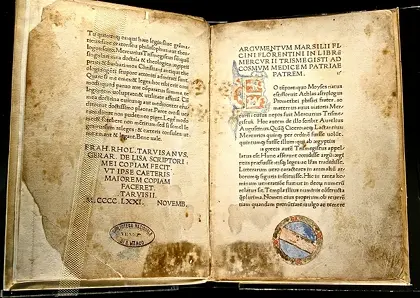
Corpus Hermeticum

The Corpus Hermeticum is a collection of philosophical religious dialogues concerning mind, the divine, the cosmos, and human knowledge. It should be distinguished from later works marketed as Hermetic teaching.