Organizations & Traditions
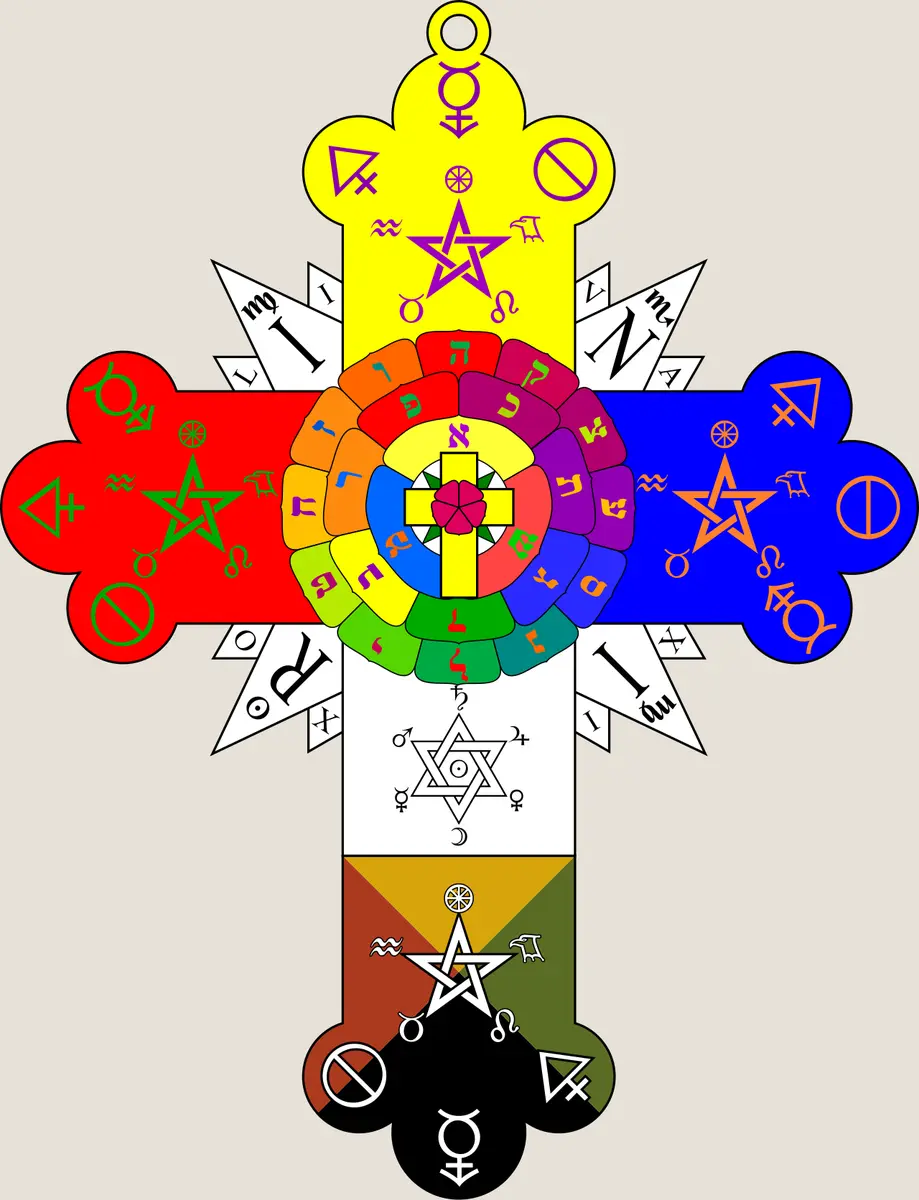
Hermetic Order of the Golden Dawn
A late nineteenth-century British initiatory order that shaped modern ceremonial magic, Tarot, and Hermetic Qabalah.
A late nineteenth-century British initiatory order that shaped modern ceremonial magic, Tarot, and Hermetic Qabalah.
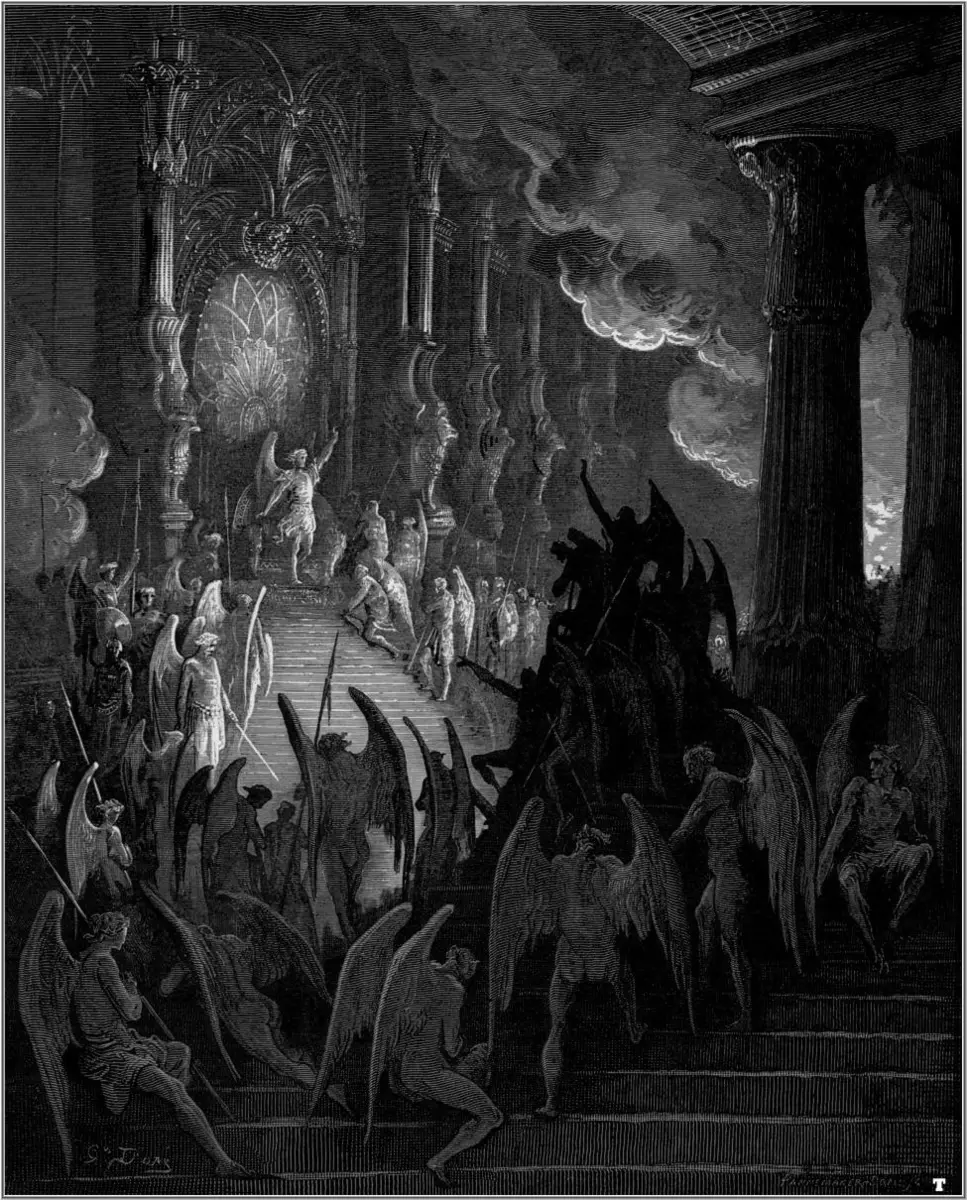
A nontheistic Satanic organization whose public principles emphasize self-determination, compassion, and responsibility.
The Pauline Art in the Lemegeton, concerning angels of the hours and the degrees of the zodiac.
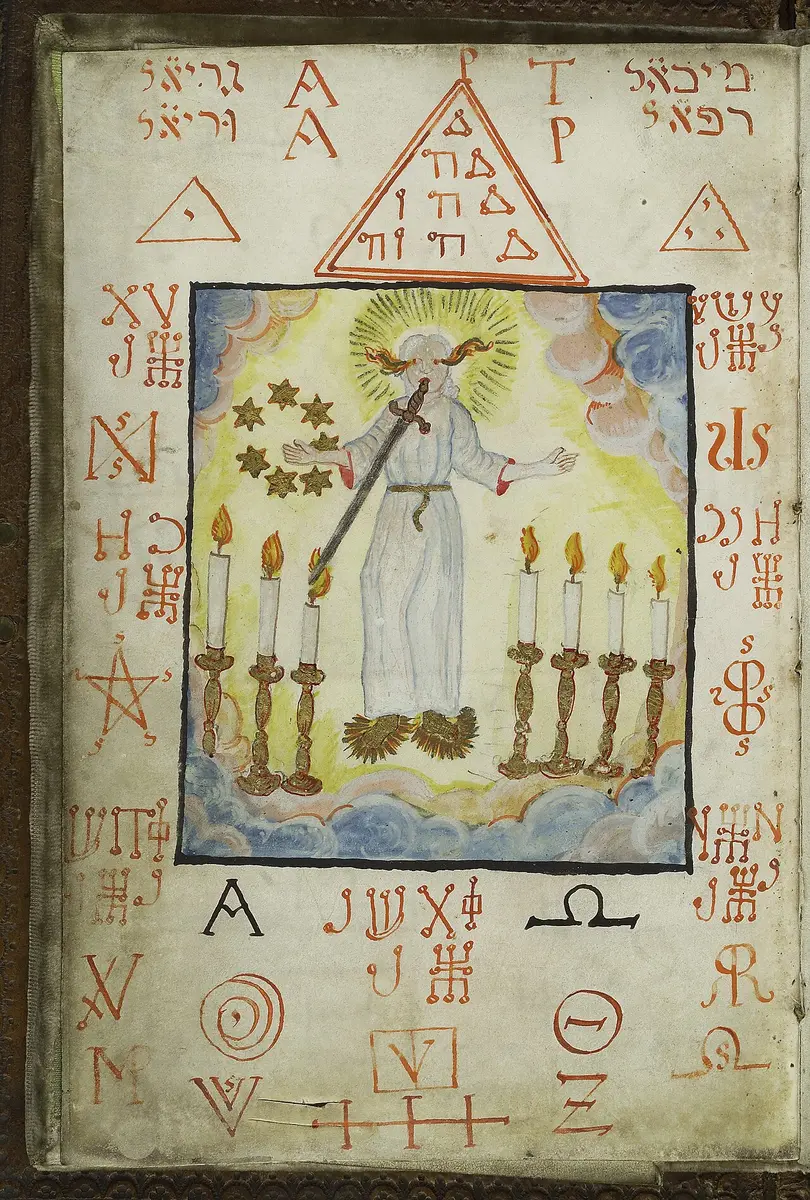
The Hebrew Enochic work associated with heavenly palaces and Enoch’s transformation into Metatron.
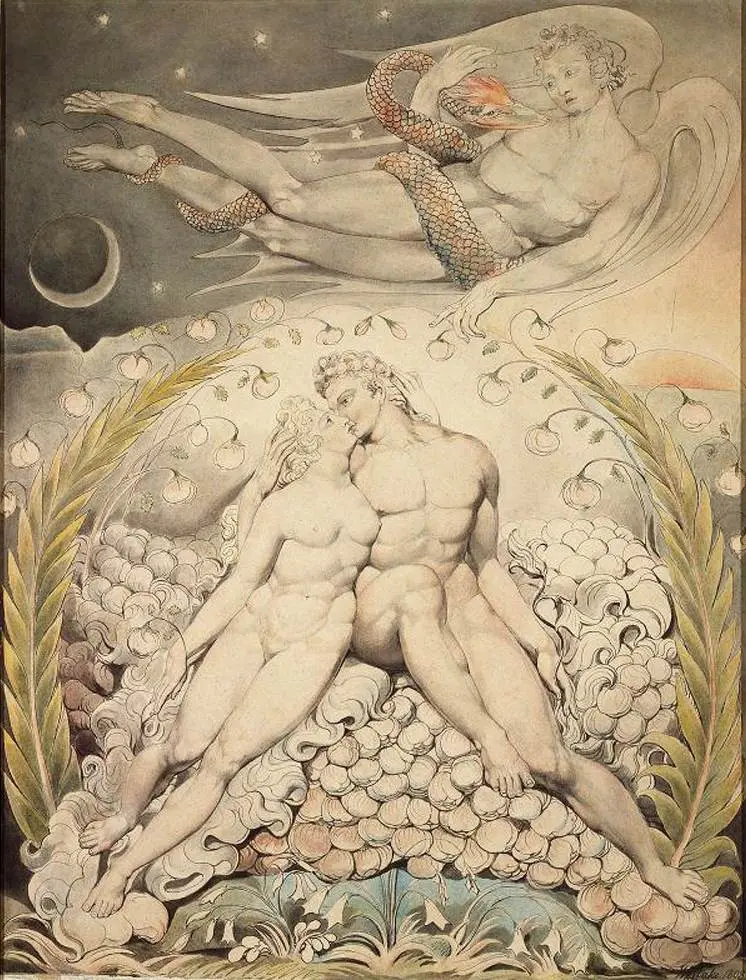
Religions that give Satan a central symbolic or divine role, with substantial differences in belief and practice.

The images, names, and gestures used by Satanic traditions, whose meanings depend on their religious and historical setting.
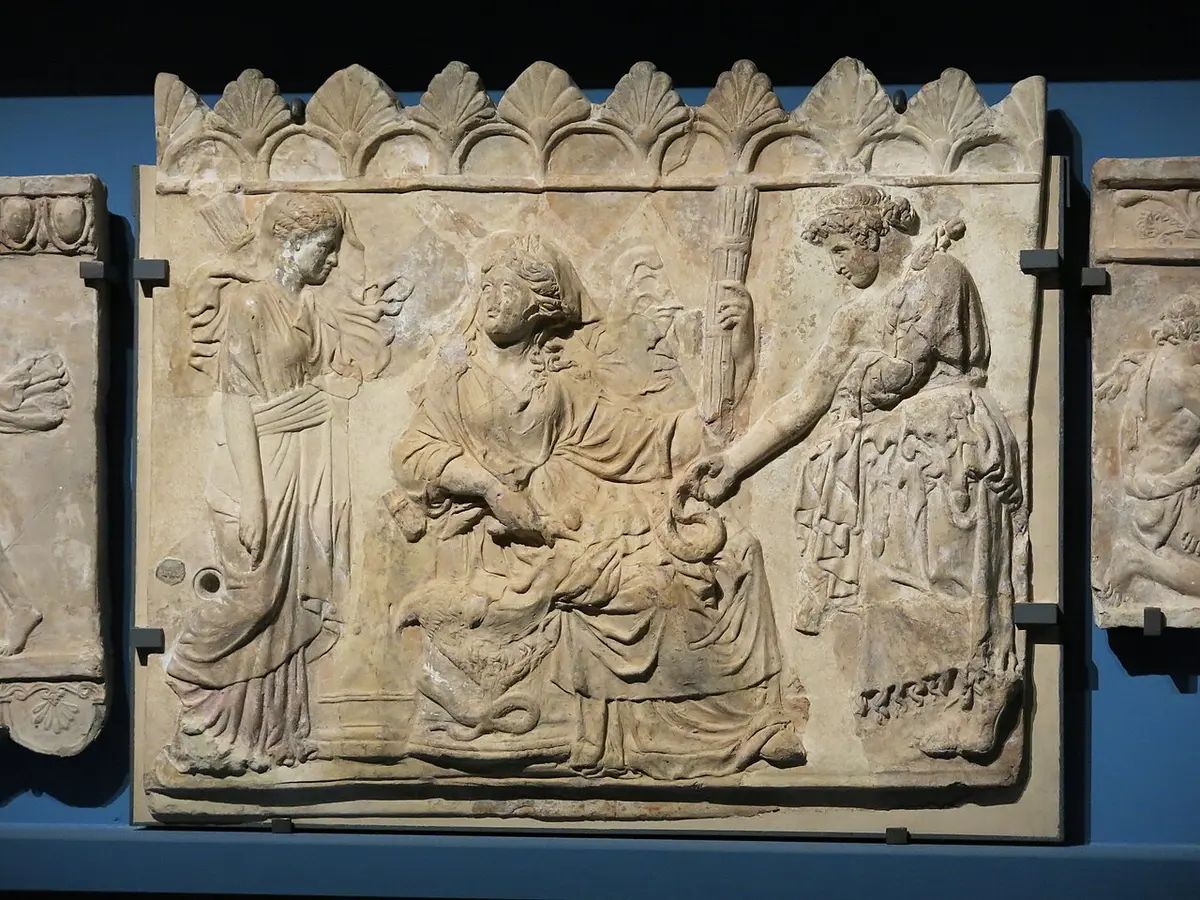
Entry into a religious or esoteric path through ceremony, instruction, recognition, and lived development.
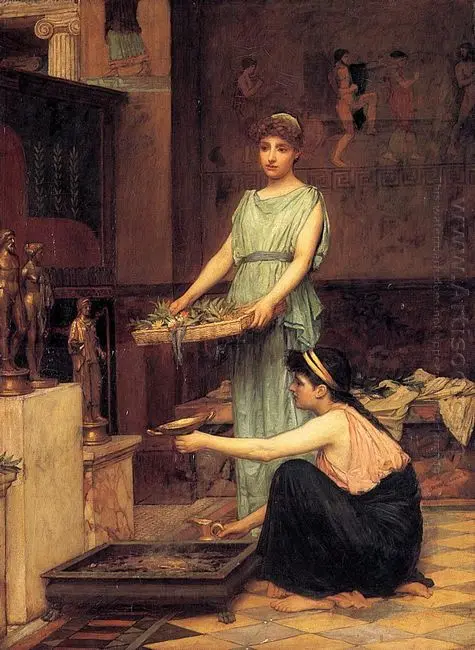
Offerings are objects, substances, actions, or works intentionally presented to a deity, spirit, sacred power, or religious community. Across religious history offerings have included food, drink, incense, flowers, animal sacrifice, money, vows, music, labor, art, and acts of service. In theistic Satanism, offerings are commonly used to express devotion, gratitude, hospitality, dedication, or…

Picatrix is the Latin title associated with an influential Arabic work of astral magic. Its cosmological and ritual framework differs from a catalogue of Goetic spirits.
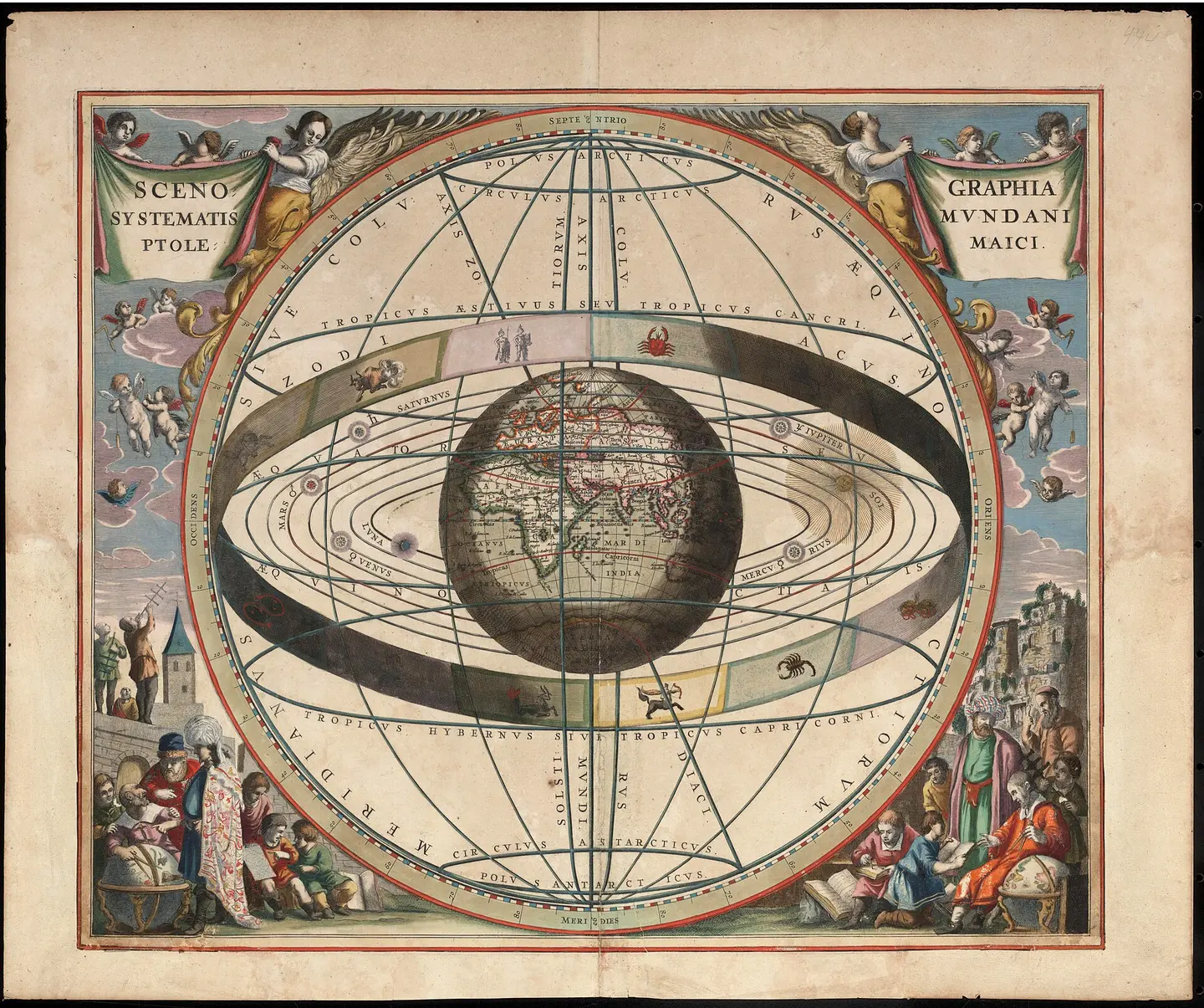
Astrology has supplied language and organizing systems to Western esoteric texts. Its historical role should be distinguished from demonstrated predictive effectiveness.

Divination consists of practices that interpret signs as answers, indications, or guidance. Methods differ in their religious assumptions and in the kinds of claims they make.
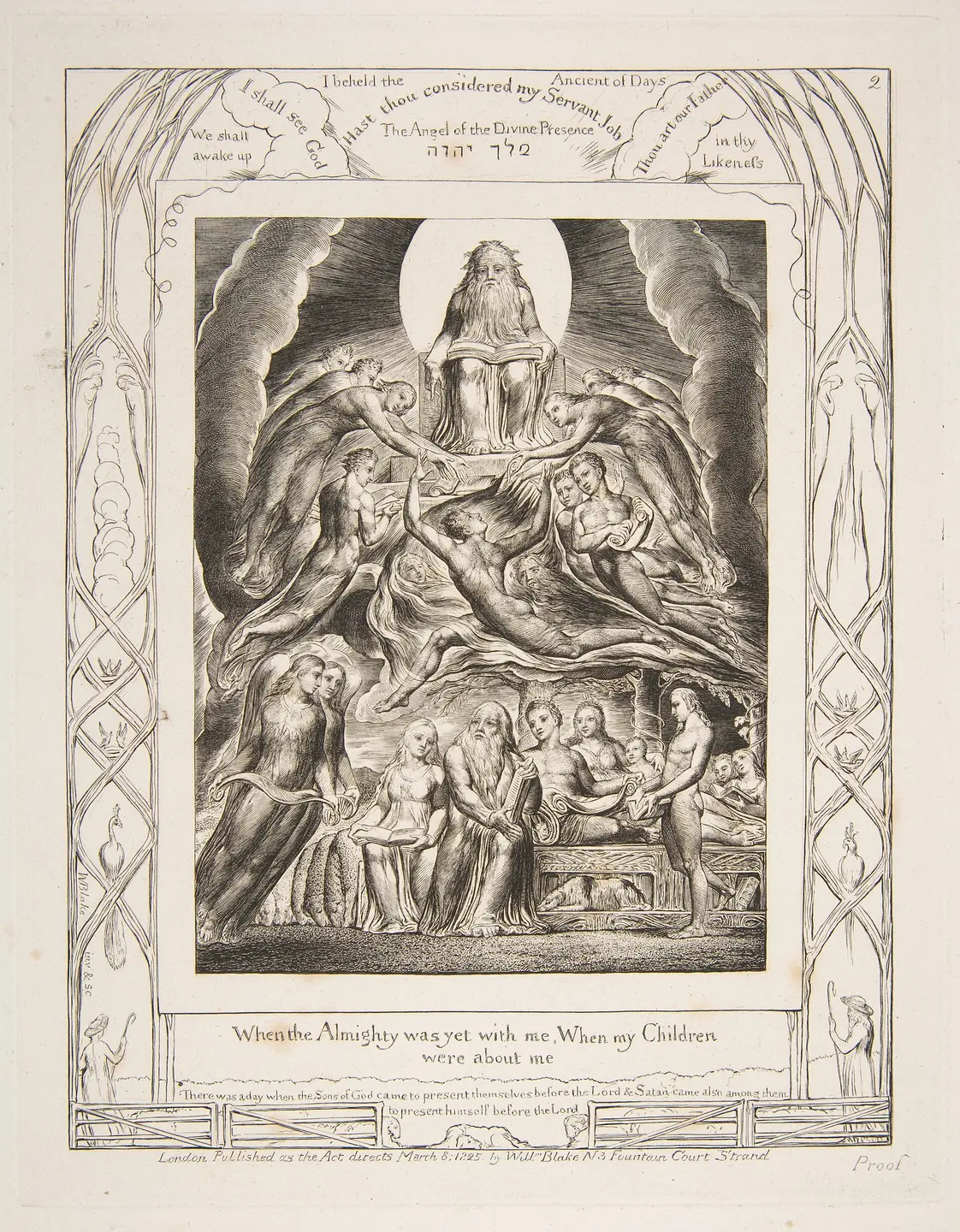
Job 1–2 presents Satan in a heavenly assembly and in a dispute about Job’s righteousness. The passage should be read before later accounts of Satan’s origins are supplied.

Primary sources provide direct evidence for a text, community, or historical setting. Reading them well requires context, precise citations, and comparison with other evidence.