
History
Anton LaVey
The founder of the Church of Satan and author of The Satanic Bible and The Satanic Rituals.
The founder of the Church of Satan and author of The Satanic Bible and The Satanic Rituals.
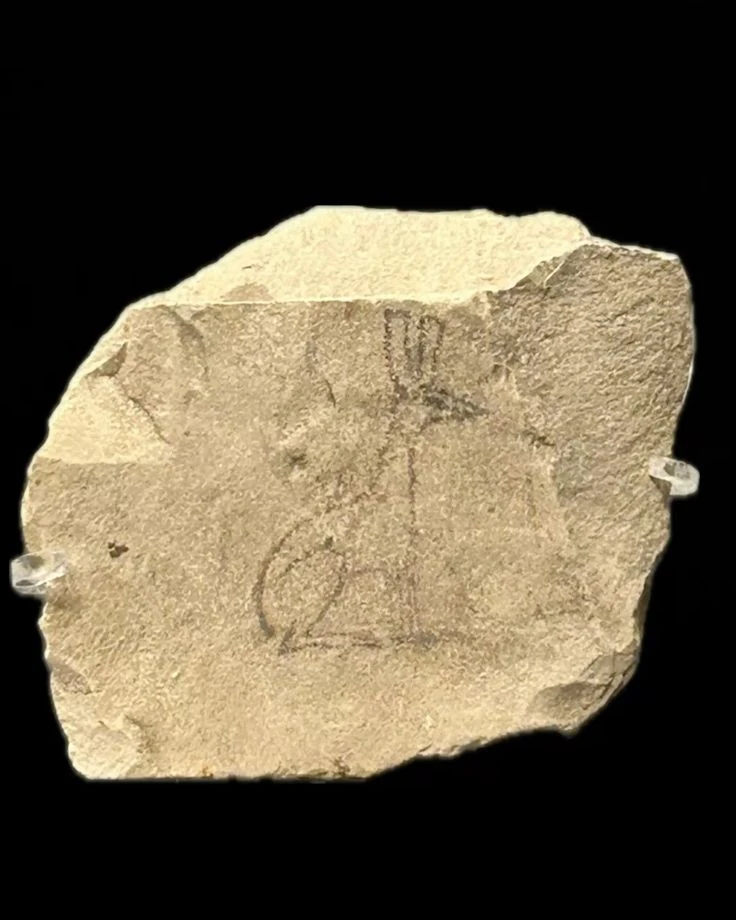
An ancient Egyptian deity associated with conflict and disorder, also reinterpreted in modern Setian religion.
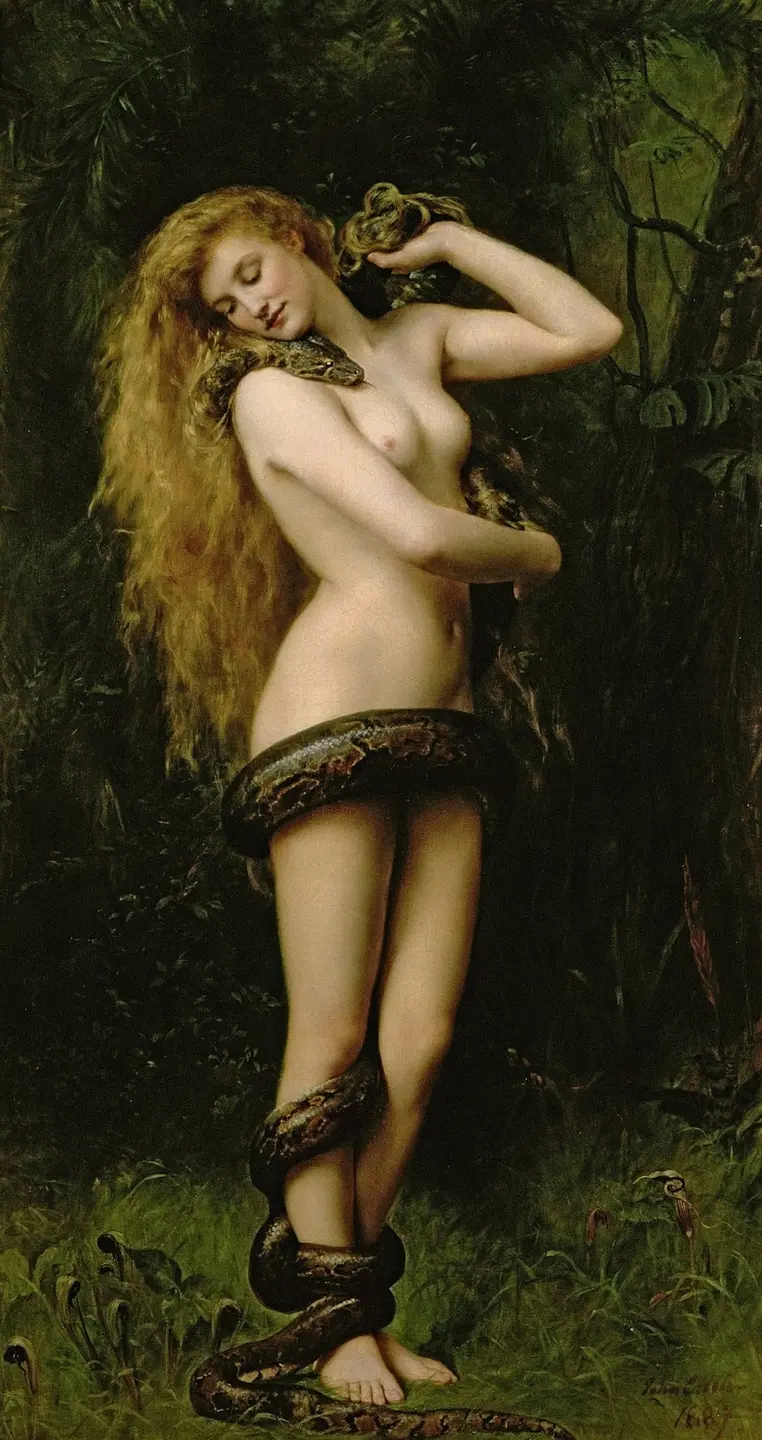
Lilith is a figure whose history spans ancient Near Eastern demonology, Jewish folklore, medieval protective magic, Kabbalah, literature, feminist reinterpretation, modern occultism, and contemporary Satanic or Luciferian religion. She is often introduced today as “Adam’s first wife,” but that familiar story is medieval rather than biblical. Earlier sources describe beings called lilith or lilin in…
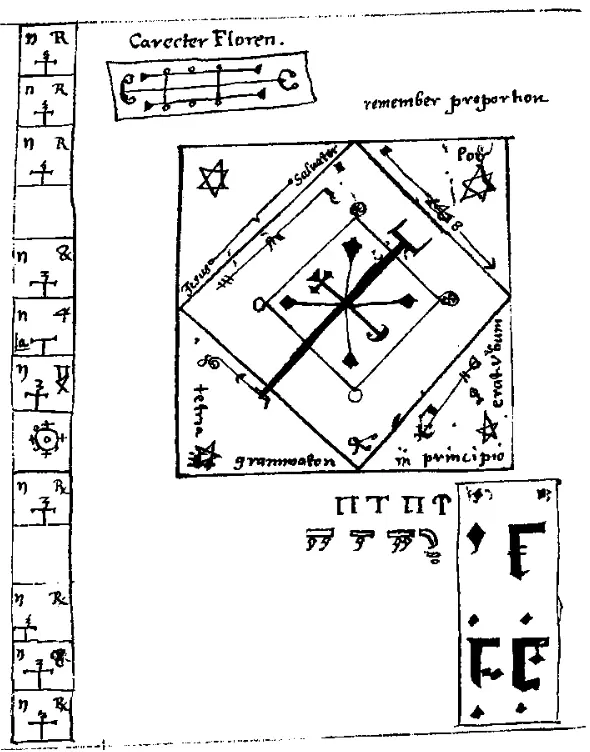
A grimoire is a book or manuscript containing magical knowledge, ritual procedures, charms, conjurations, talismans, spirit catalogues, astrological instructions, prayers, or other techniques intended to produce supernatural or occult effects. The term is most strongly associated with European magic, but scholars use it within a much wider history of magical books and written ritual technologies.
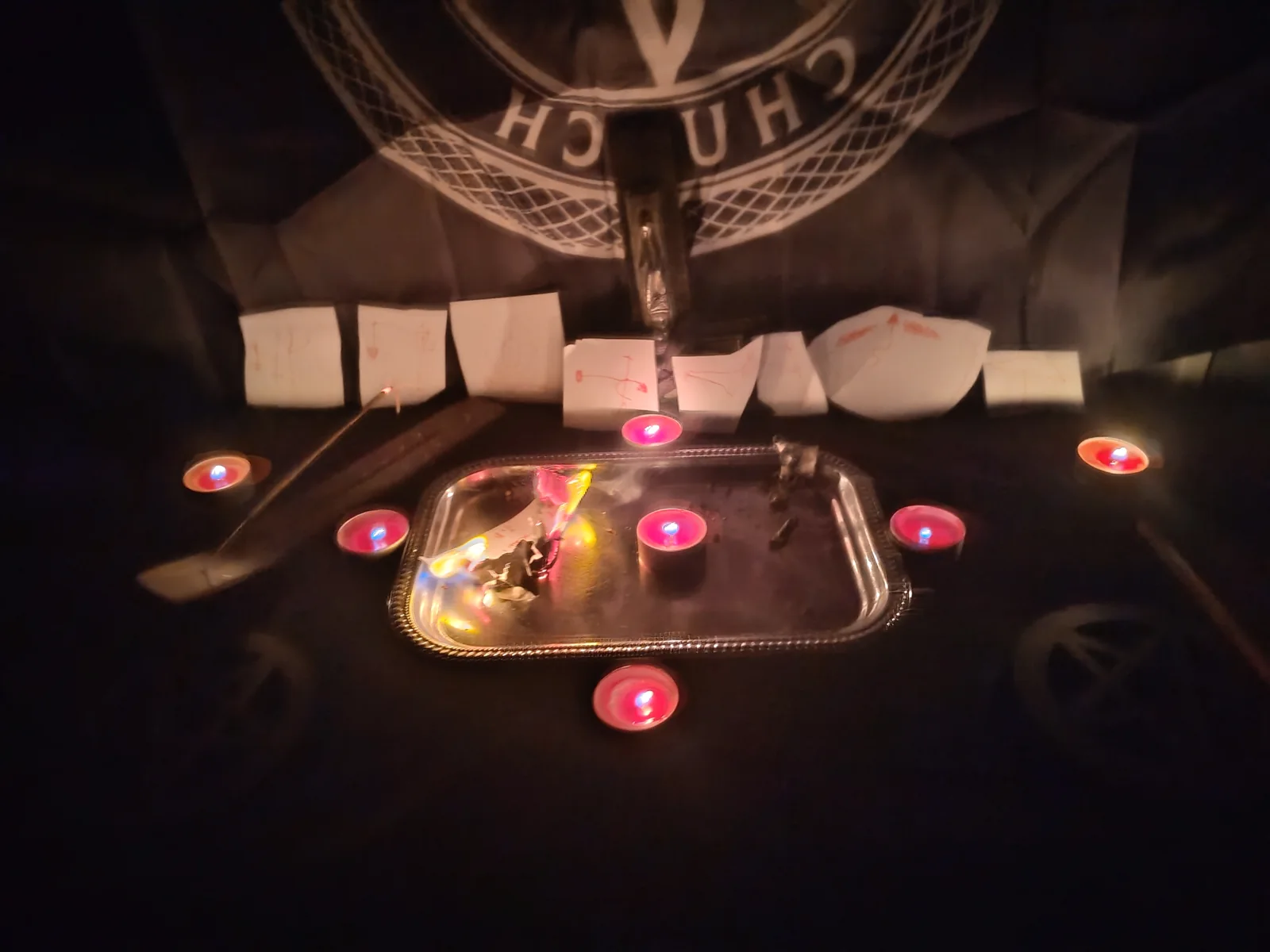
Prayer is intentional communication addressed to a deity, spirit, sacred power, or ultimate reality. It can include praise, petition, confession, thanksgiving, lament, dedication, silence, repetition, or simple direct speech. In theistic Satanism, prayer usually means addressing Satan or another spiritually real being rather than speaking only to oneself or performing a purely symbolic exercise.
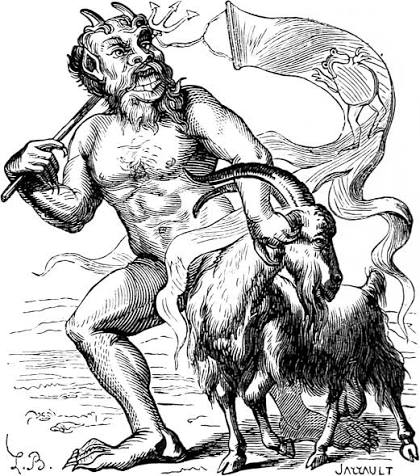
Azazel is a figure associated with the Day of Atonement in Leviticus, a rebellious Watcher in 1 Enoch, and a demonological and occult figure in later traditions. This article traces the development of Azazel from ancient Jewish texts through later demonology and modern Satanic interpretations.
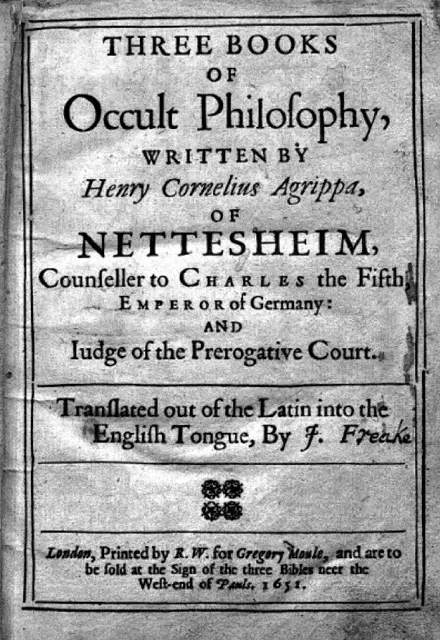
Ceremonial magic uses formally organized ritual actions. Its historical systems combine preparation, symbols, instruments, and accounts of spiritual authority in different ways.

An initiatory organization associated with Thelema and the public celebration of the Gnostic Mass.
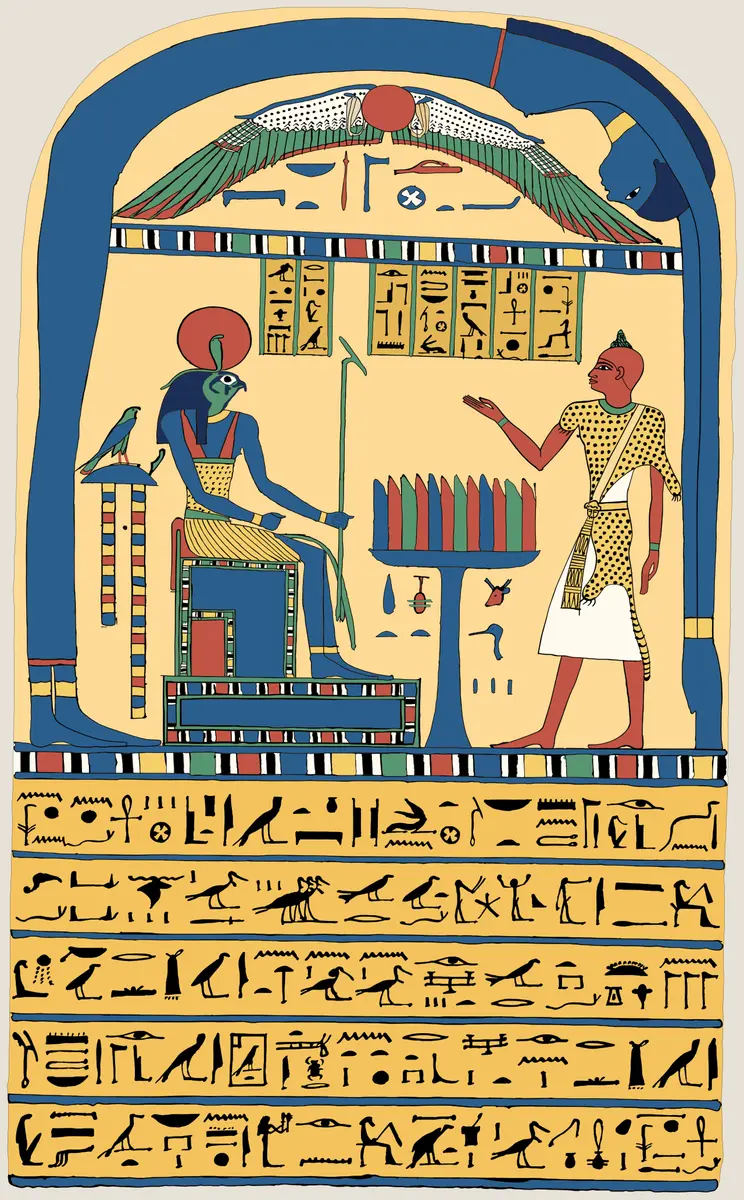
The religious and philosophical tradition associated with Aleister Crowley and The Book of the Law.
The Slavonic Enochic work also known as the Book of the Secrets of Enoch, describing ascent, creation, and instruction.
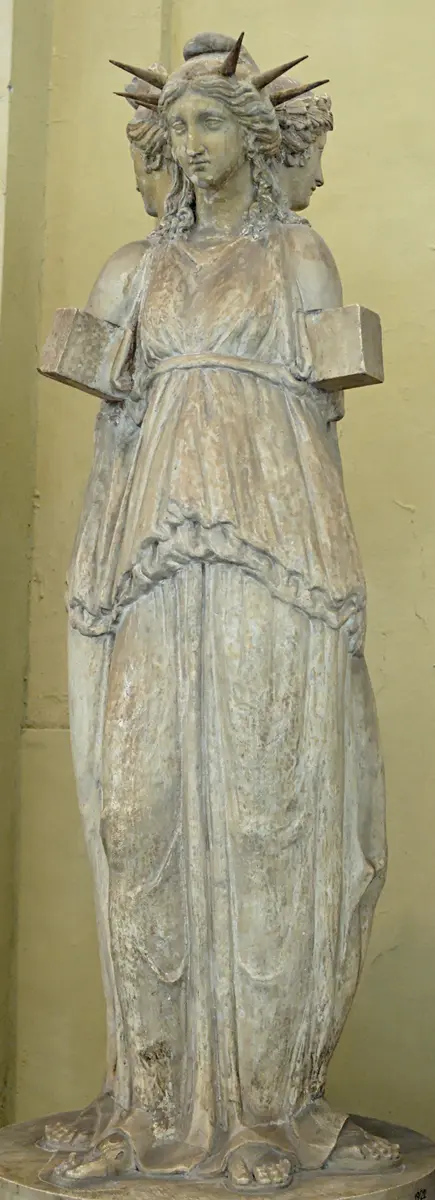
A Greek goddess with broad early powers and later associations with crossroads, spirits, and magic.
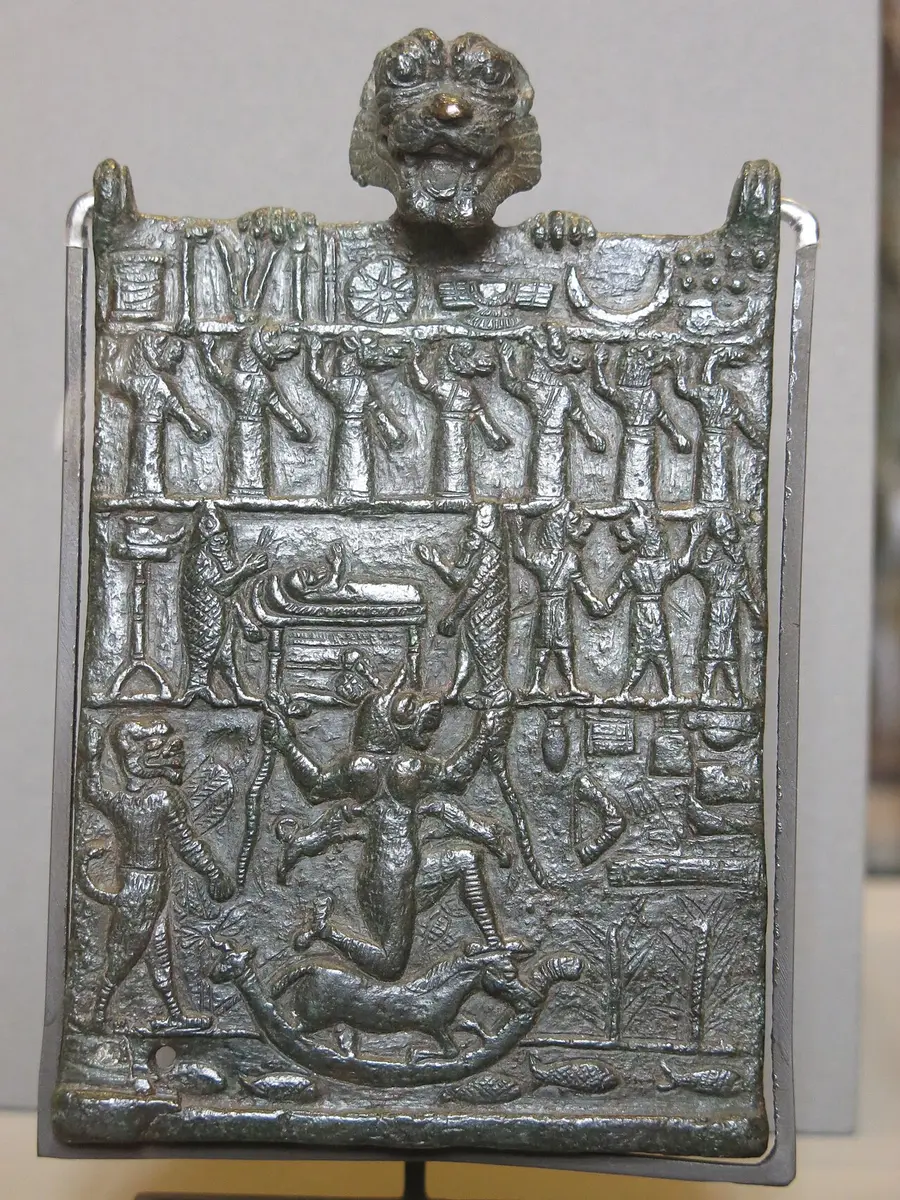
A Mesopotamian harmful female power represented on amulets and plaques intended to repel her.
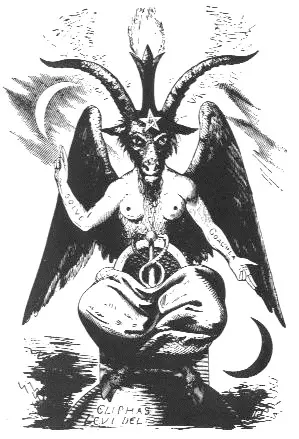
The images, names, and gestures used by Satanic traditions, whose meanings depend on their religious and historical setting.
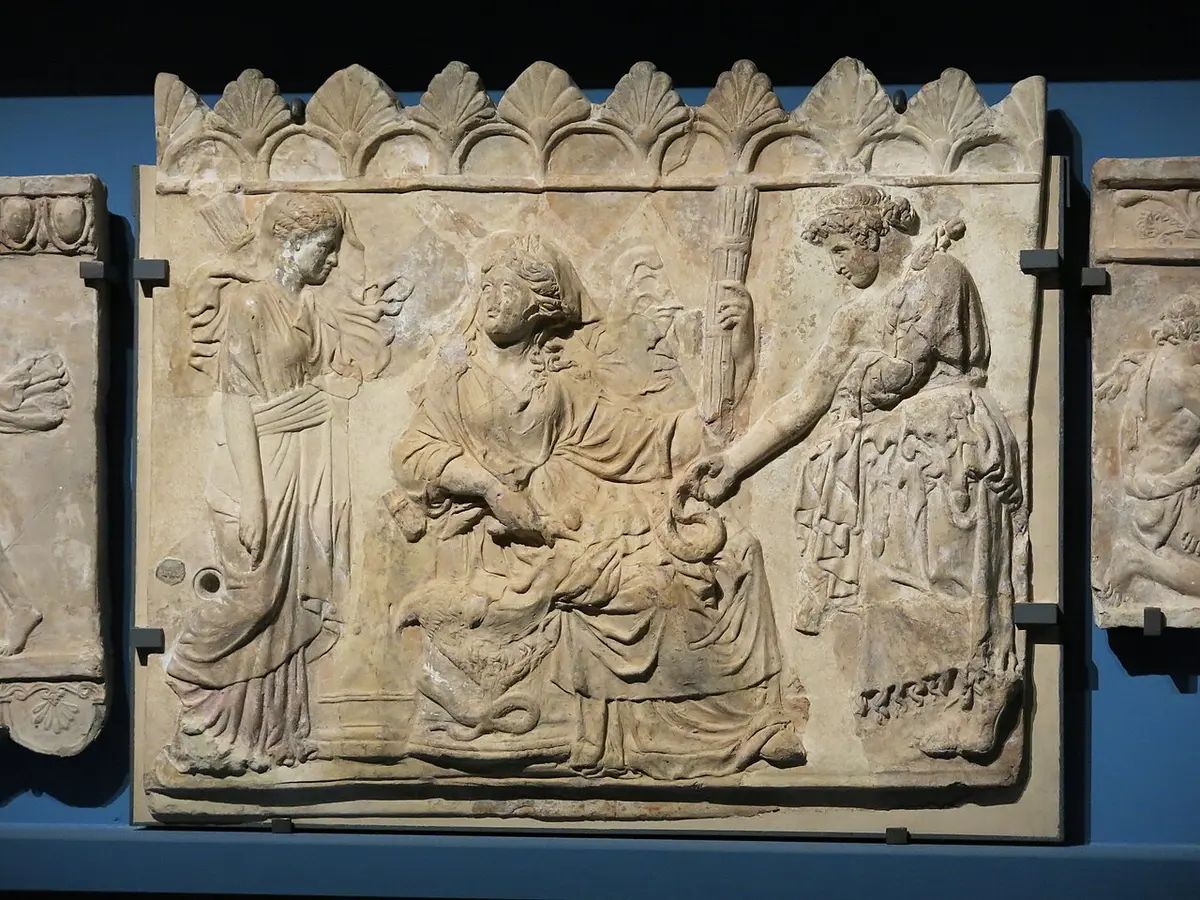
Entry into a religious or esoteric path through ceremony, instruction, recognition, and lived development.
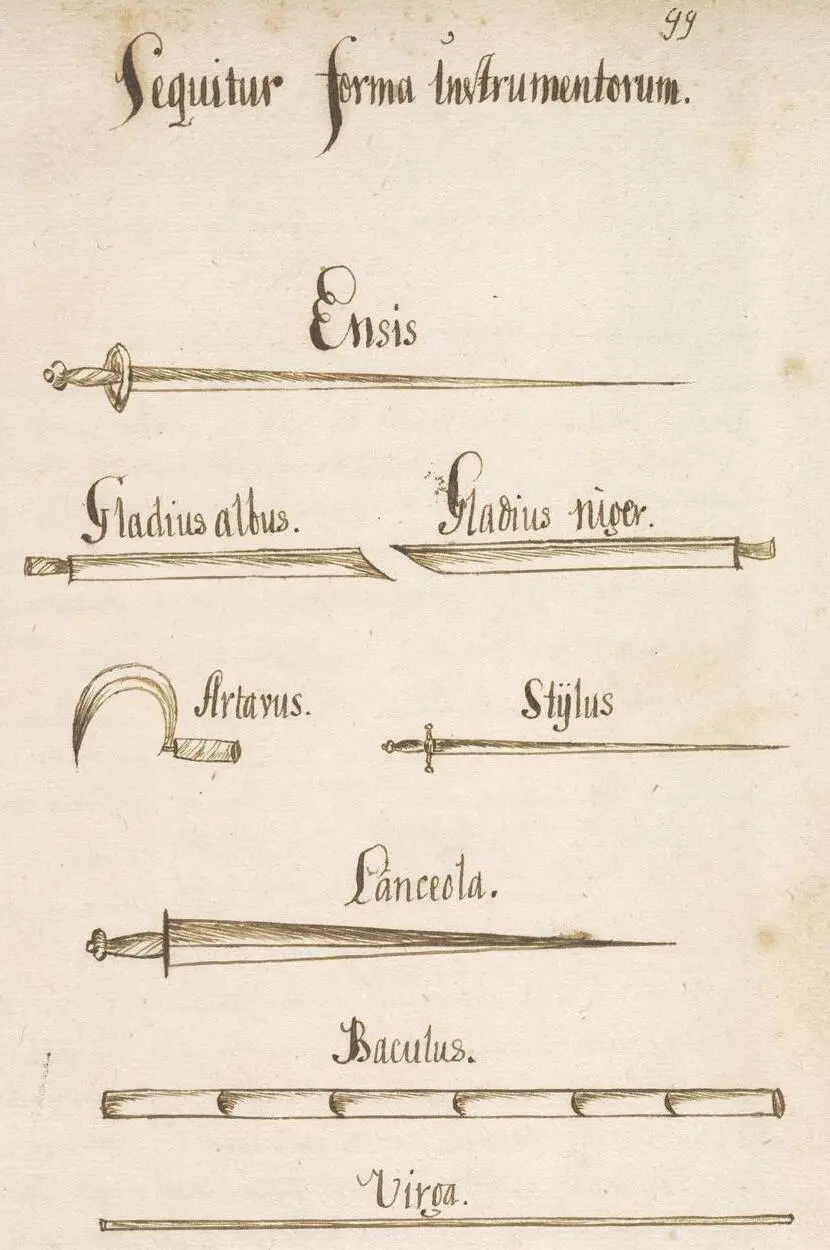
The Key of Solomon is a transmitted family of magical texts concerning preparation, ritual, and ceremonial instruments. It should be distinguished from the five-part Lesser Key of Solomon.
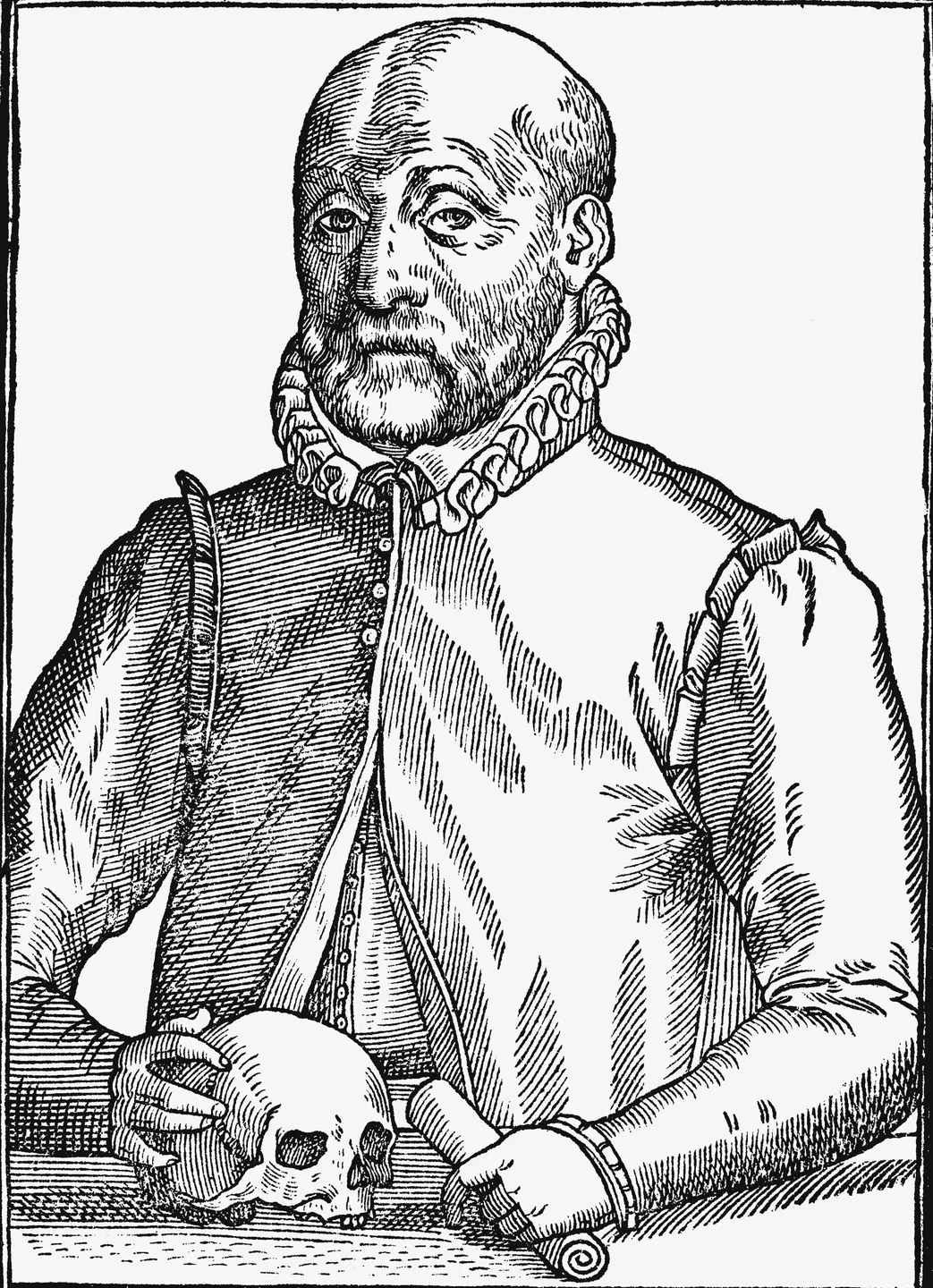
Pseudomonarchia Daemonum is a spirit catalogue associated with Johann Weyer. Its transmission helps explain similarities and differences in the later Ars Goetia.
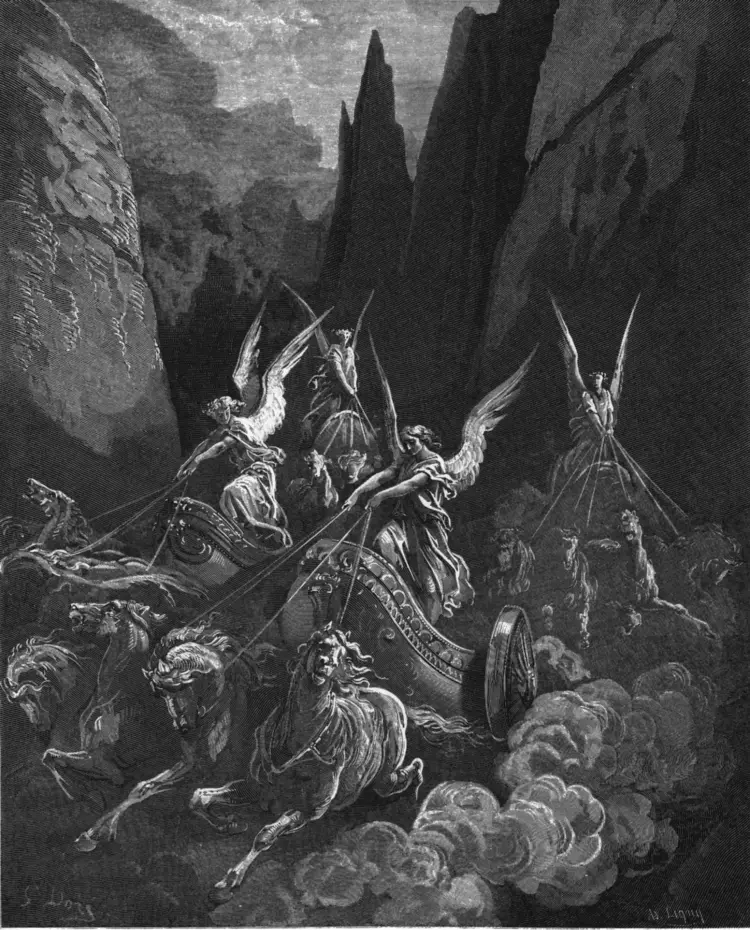
Zechariah 3 presents Satan accusing Joshua the high priest within a vision of judgment and restoration. The scene has a specific religious and literary purpose.

The Satanic Panic refers to a wave of allegations concerning organized Satanic abuse, especially in the late twentieth century. Actual evidence of harm must be distinguished from expansive conspiracy claims.
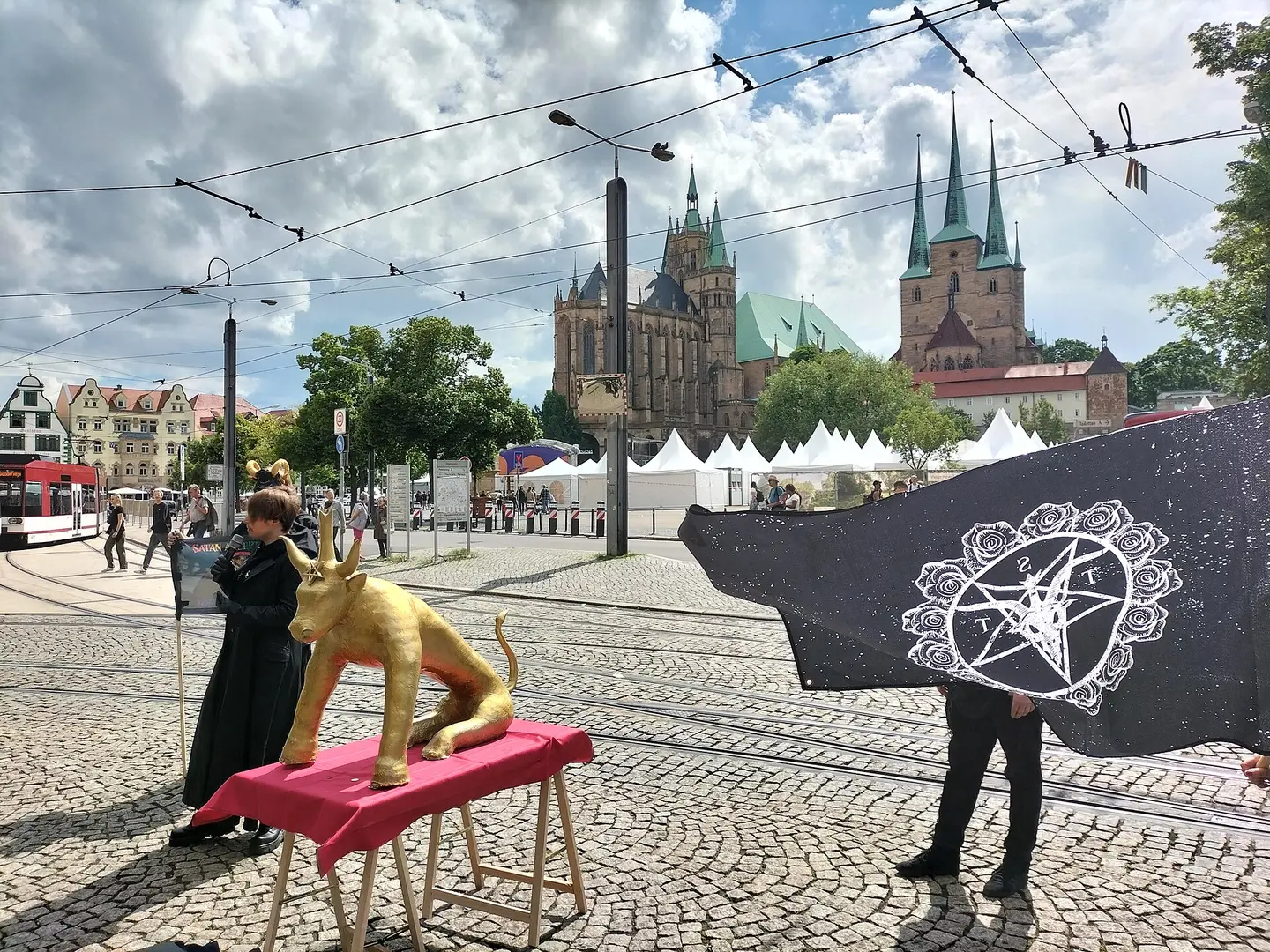
The Satanic Temple is a non-theistic religious organization whose public principles and activism differ from those of the Church of Satan and from theistic Satanist devotion.
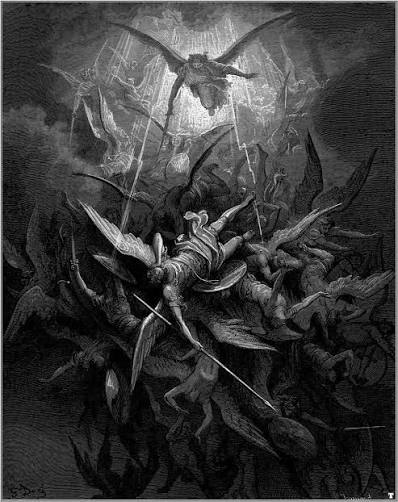
The Book of Giants names a fragmentary Jewish Enochic work represented at Qumran and a related Manichaean adaptation. Its surviving witnesses concern the offspring of the Watchers, ominous dreams, Enoch, and impending judgment.