Texts & Sources
Reading religious primary sources
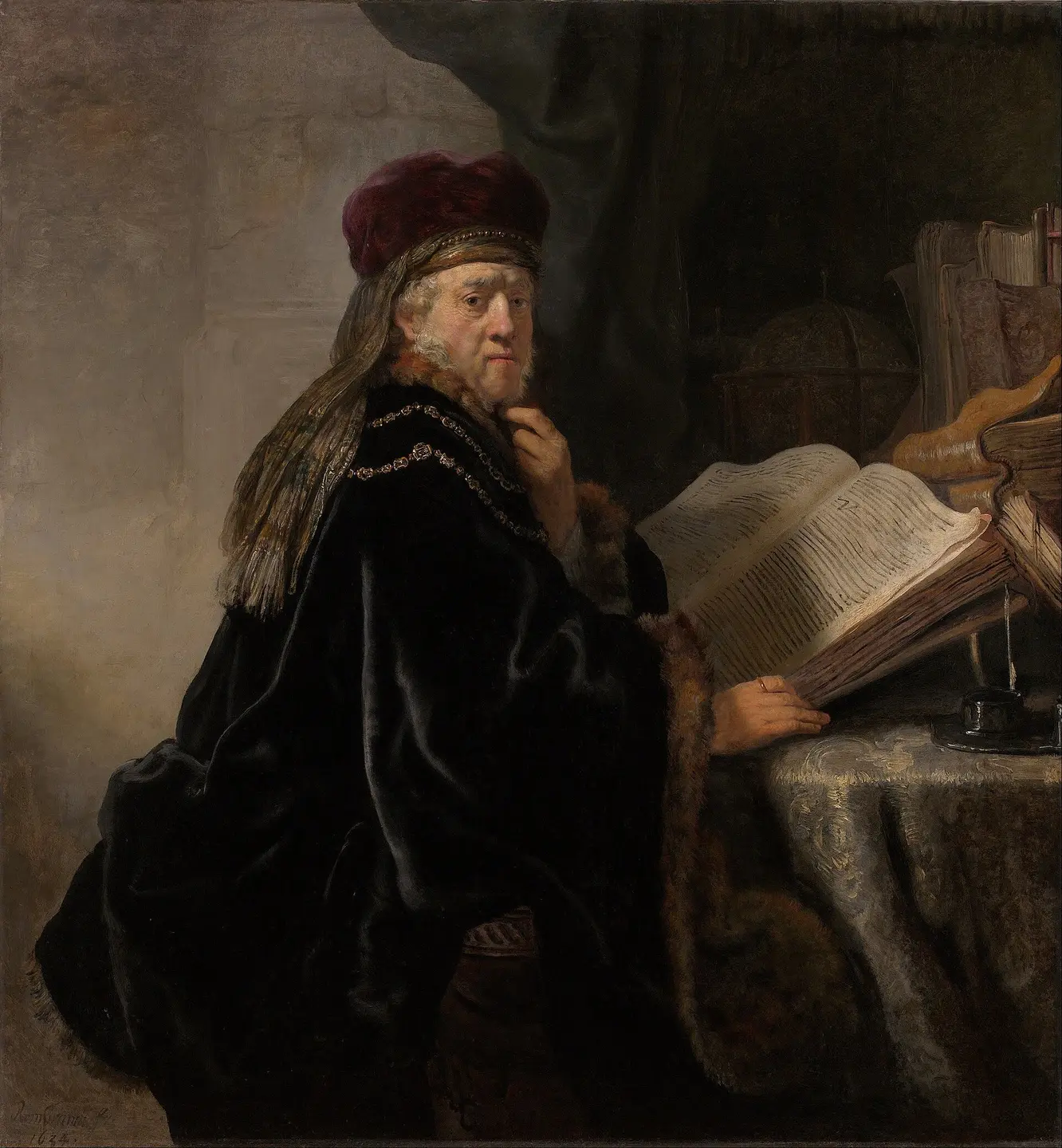
Primary sources provide direct evidence for a text, community, or historical setting. Reading them well requires context, precise citations, and comparison with other evidence.
Primary sources provide direct evidence for a text, community, or historical setting. Reading them well requires context, precise citations, and comparison with other evidence.
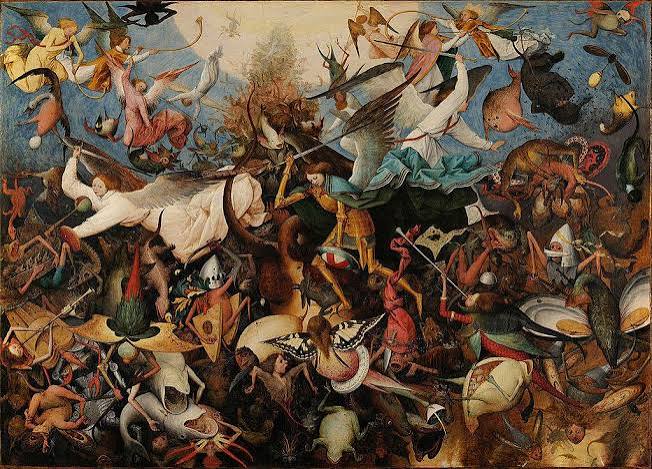
Fallen angels are heavenly beings portrayed as losing their place or proper condition through transgression. Enochic descent, Satan’s refusal to honor Adam, and the war in Revelation are distinct accounts that later interpretation can bring together.
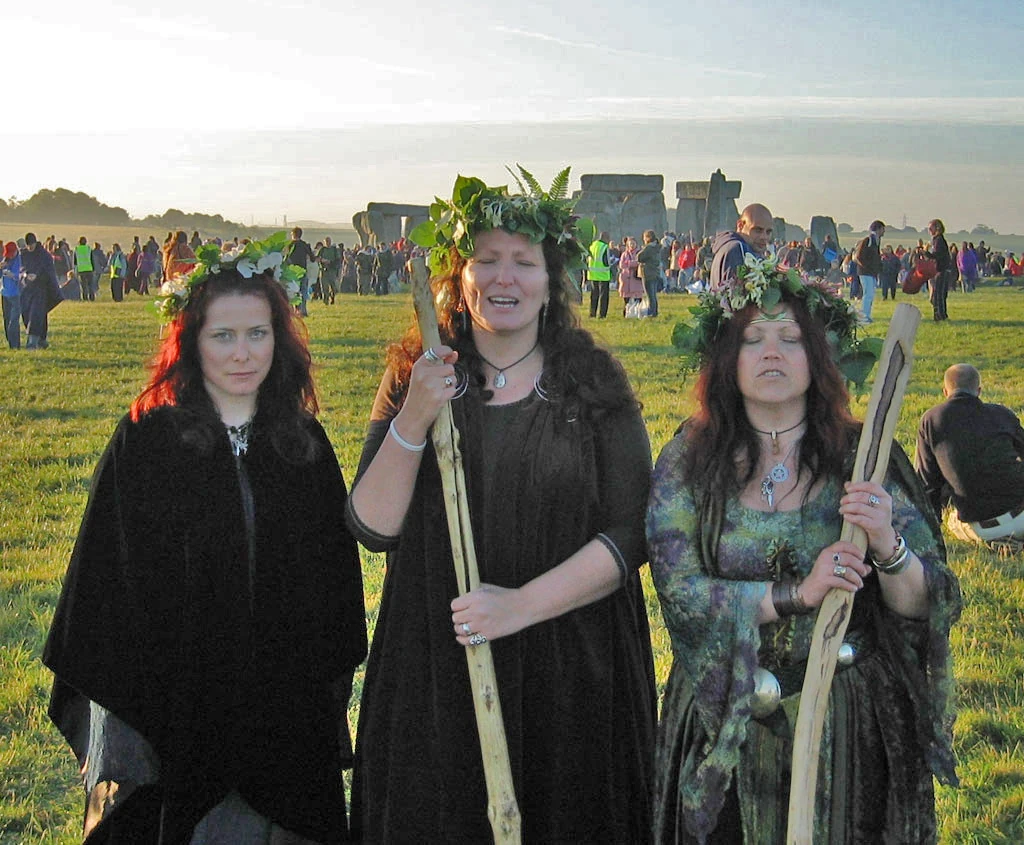
An introduction to contemporary Pagan traditions, including Wicca, Druidry, and Heathenry, and their different uses of older sources.
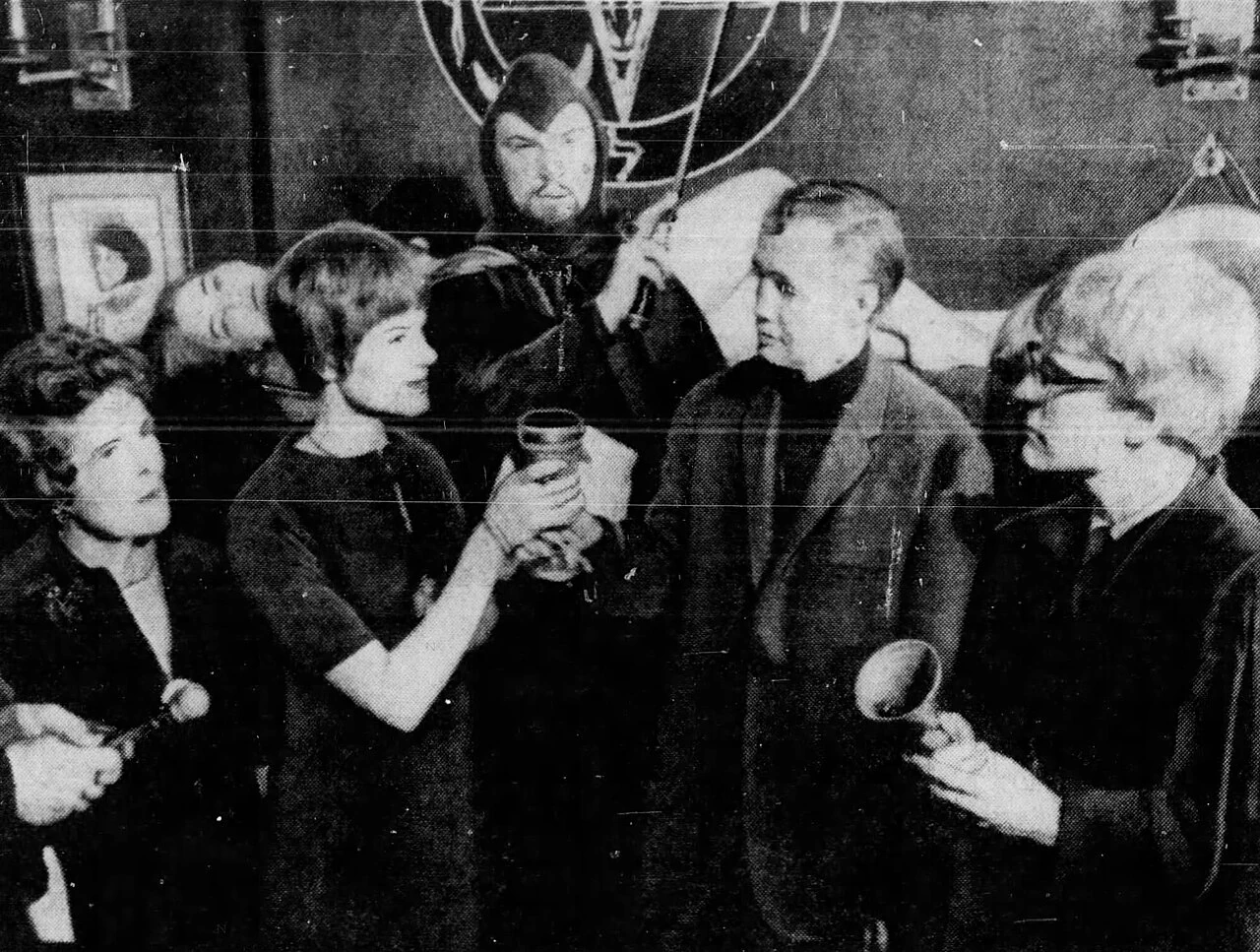
The Church of Satan is the organization founded by Anton LaVey in 1966. Its official account describes Satanism as atheistic and gives Satan a symbolic role.

A school of the Western mysteries associated with Paul Foster Case, Ann Davies, Tarot, and Qabalistic study.

The central public liturgy of Ecclesia Gnostica Catholica, written by Aleister Crowley as Liber XV.
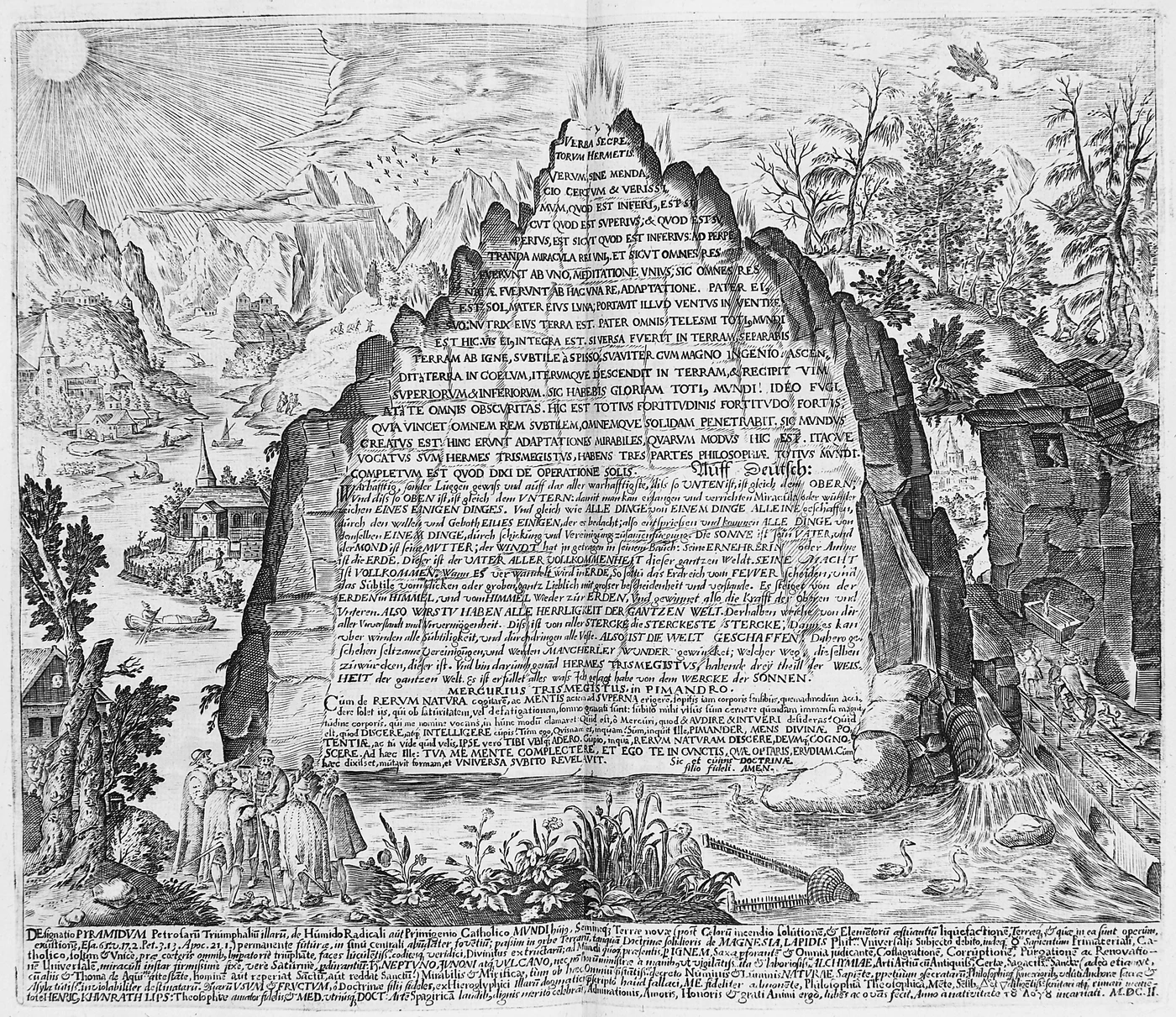
A brief Hermetic text whose images of above and below, sun and moon, and transformation influenced alchemical writing.
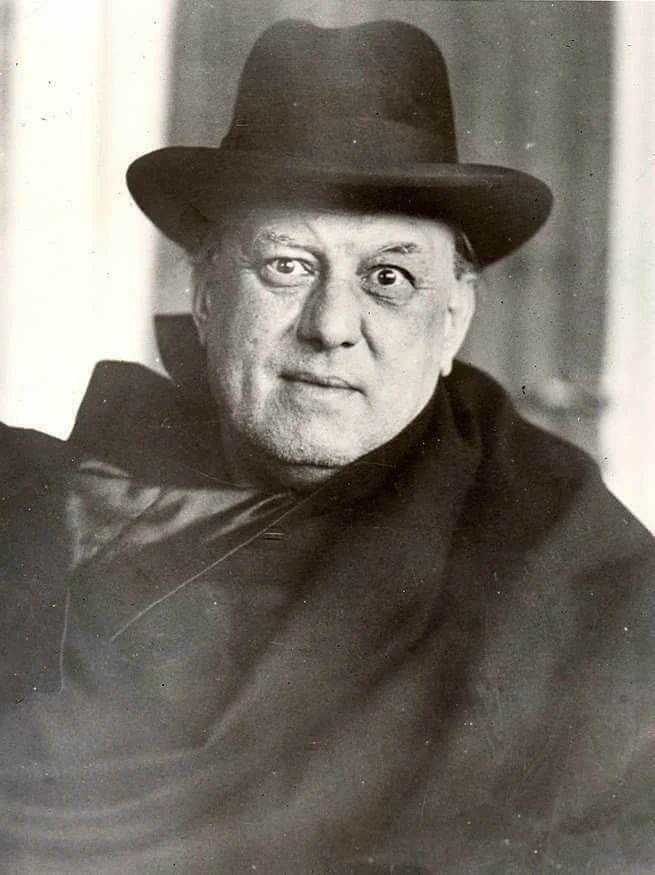
The author and religious figure associated with Thelema, The Book of the Law, and a large body of magical instruction.
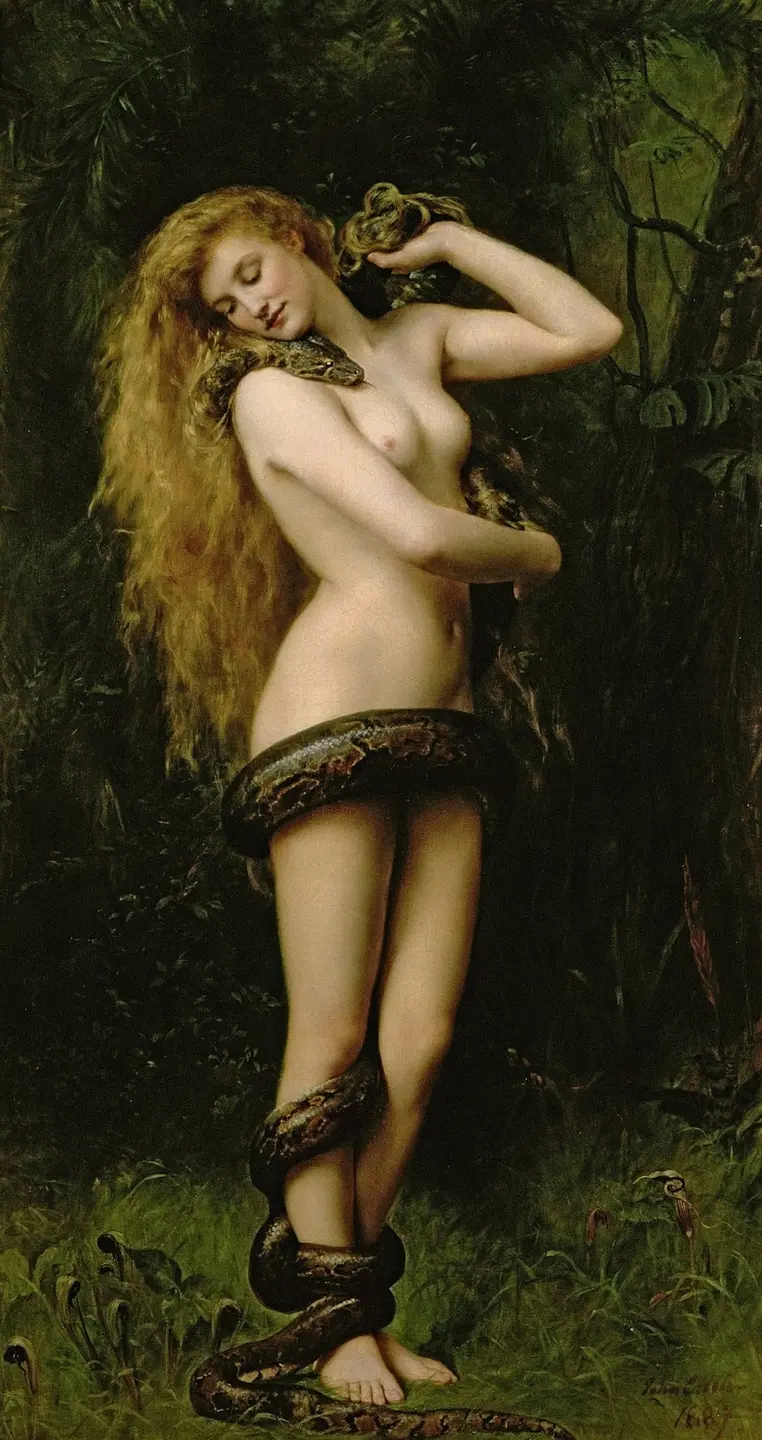
Lilith is a figure whose history spans ancient Near Eastern demonology, Jewish folklore, medieval protective magic, Kabbalah, literature, feminist reinterpretation, modern occultism, and contemporary Satanic or Luciferian religion. She is often introduced today as “Adam’s first wife,” but that familiar story is medieval rather than biblical. Earlier sources describe beings called lilith or lilin in…

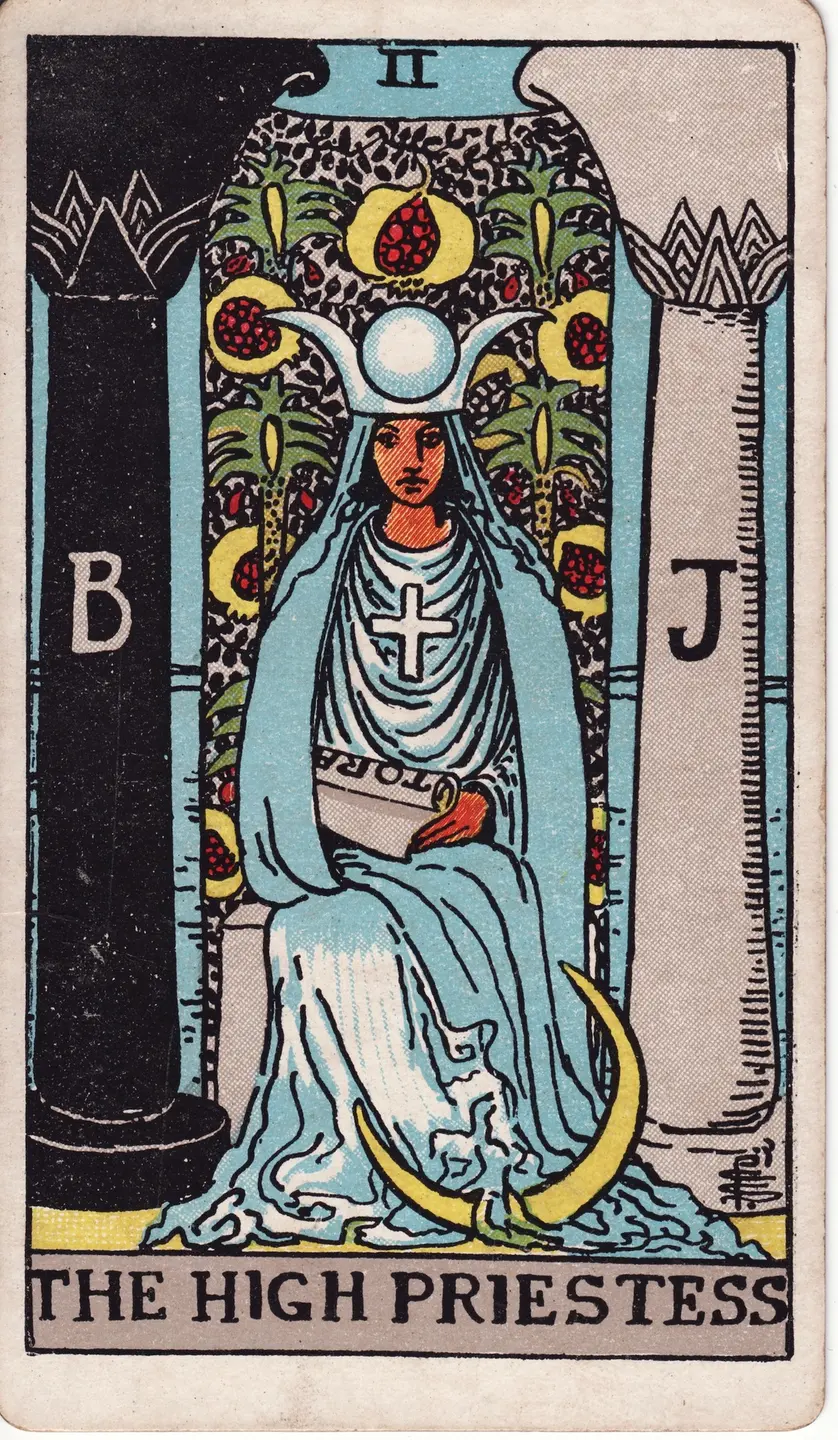
Tarot developed as playing cards before becoming an influential tool of occult interpretation. The history of the cards differs from later claims about their hidden origins.
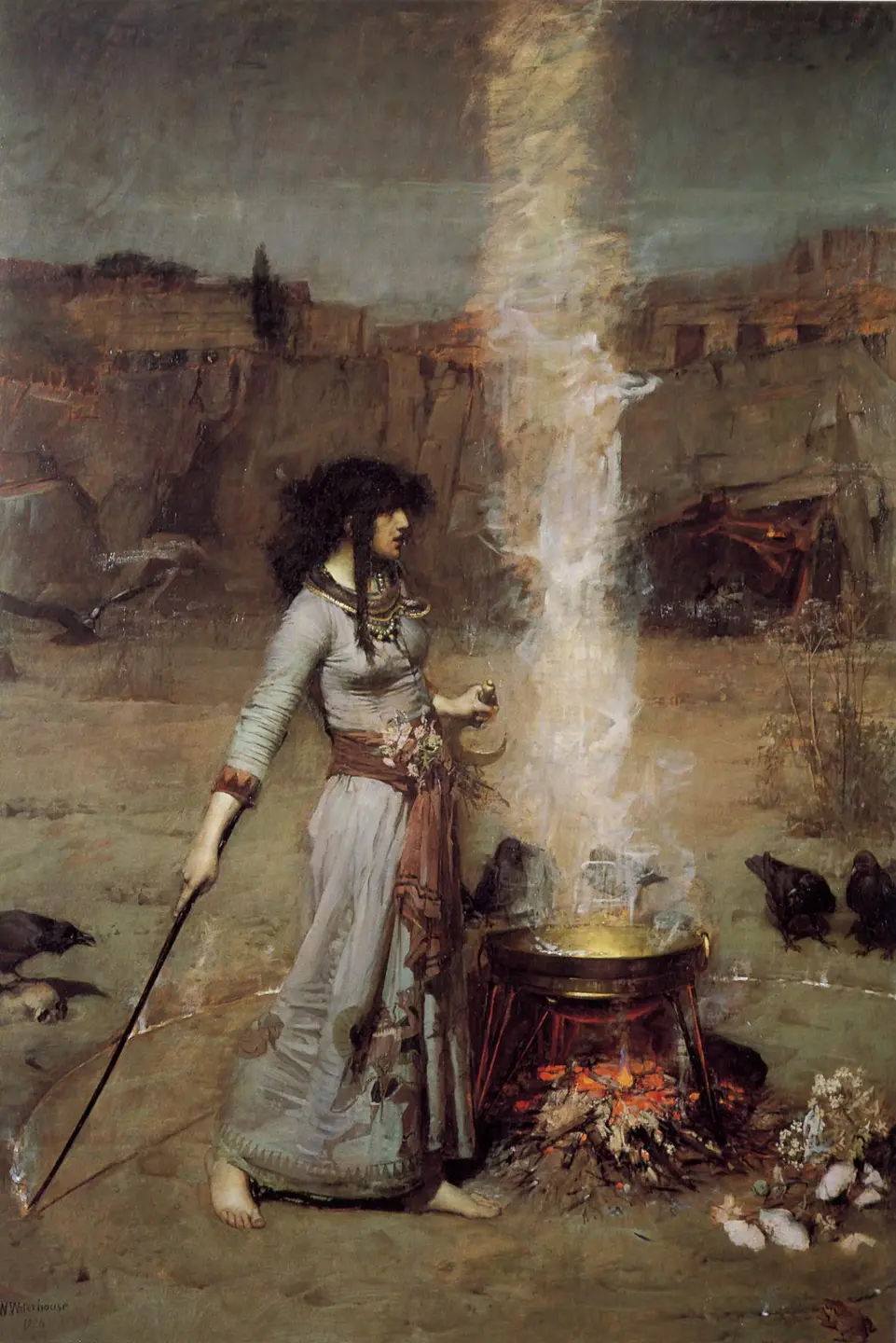
Demonolatry refers to devotion to demons or daemonic beings. Modern accounts vary in theology, authority, and their relationship with historical grimoires.
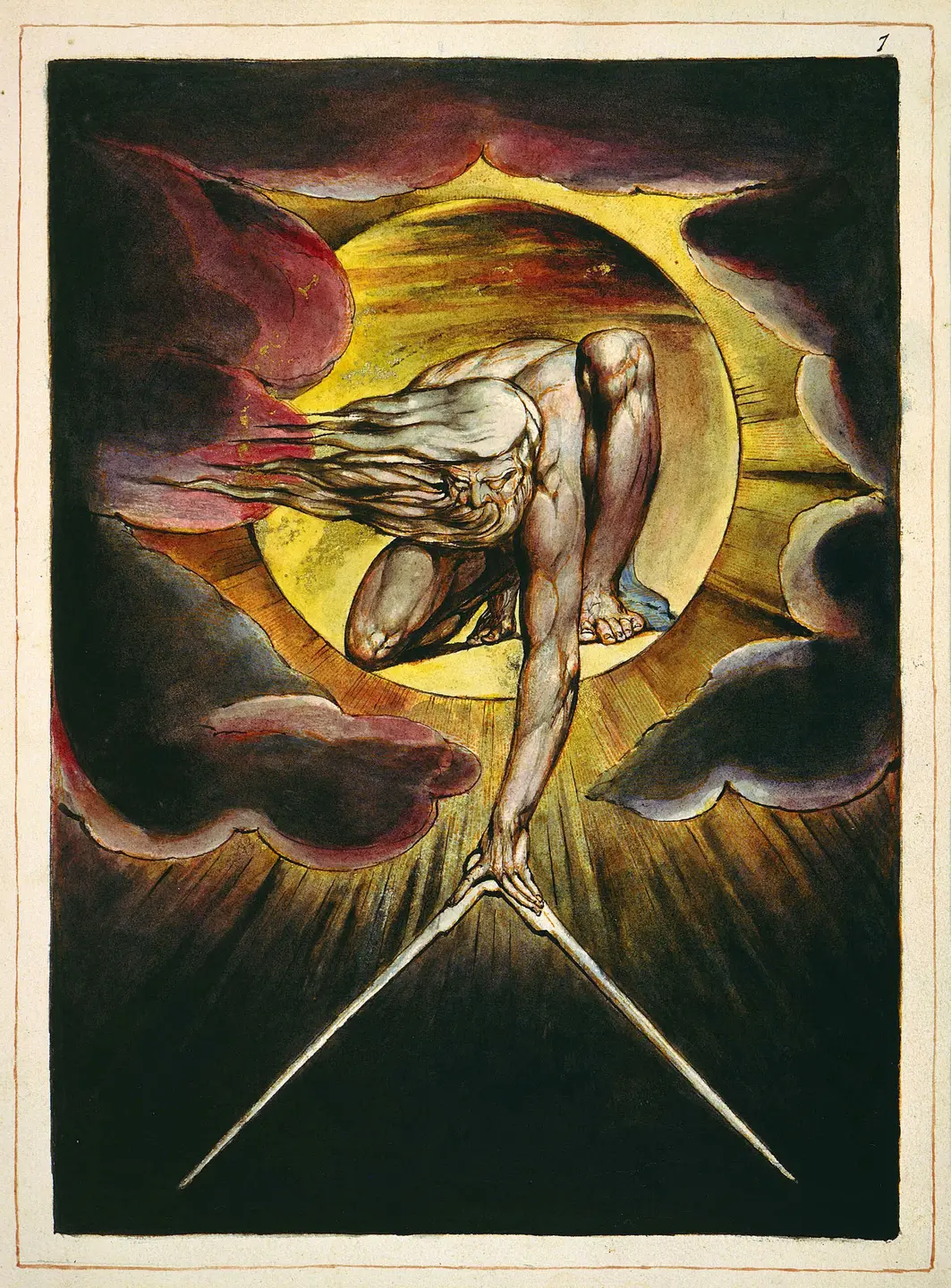
Religious discernment concerns how experiences are interpreted and assessed. An immediate event, a theological explanation, and a claim about another person require different kinds of evidence.
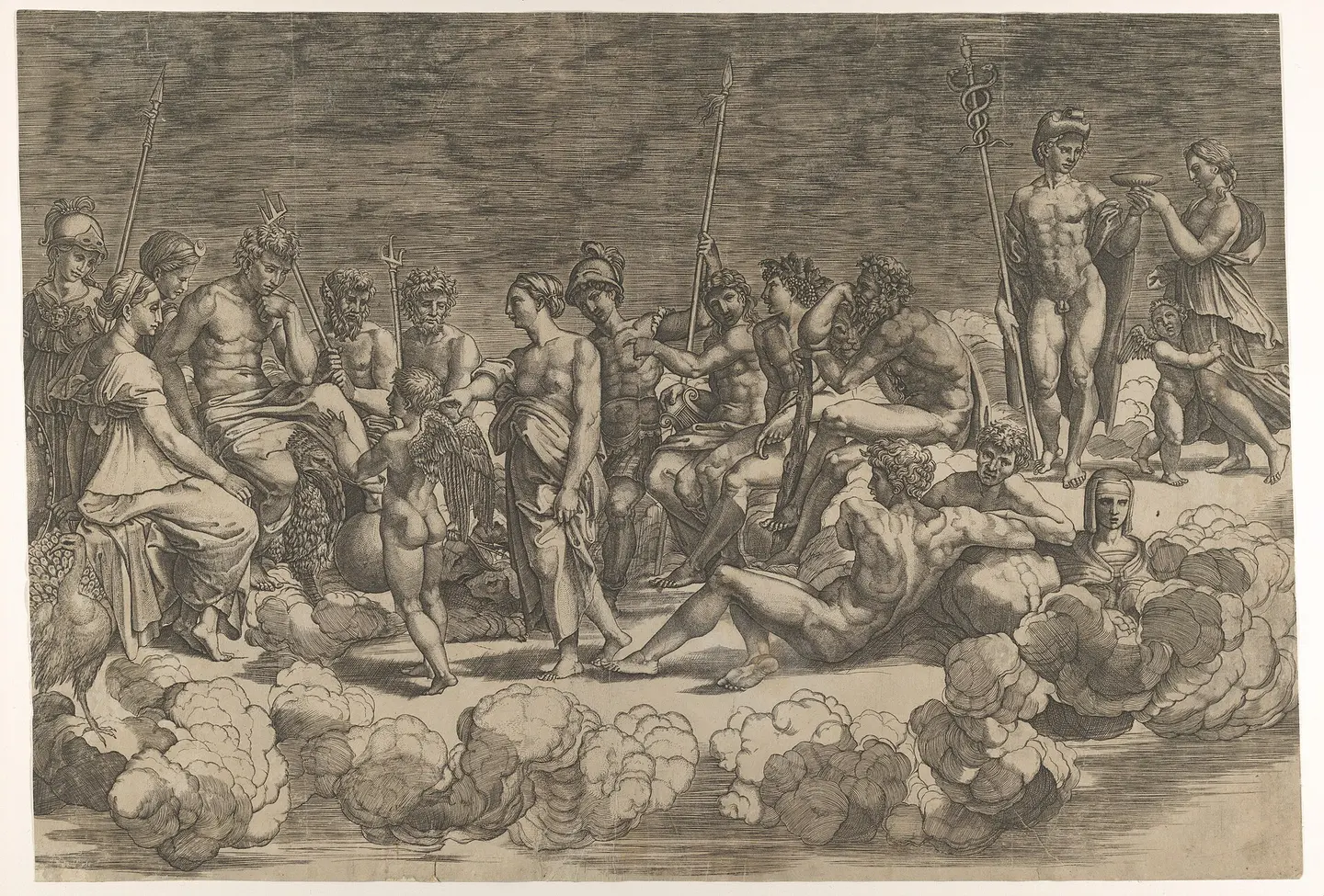
Polytheism involves belief in multiple deities. The existence of several gods does not by itself settle their relationships, moral authority, or the forms of devotion directed toward them.

A modern esoteric society with stated aims of fraternity, comparative study, and investigation of nature and human capacities.
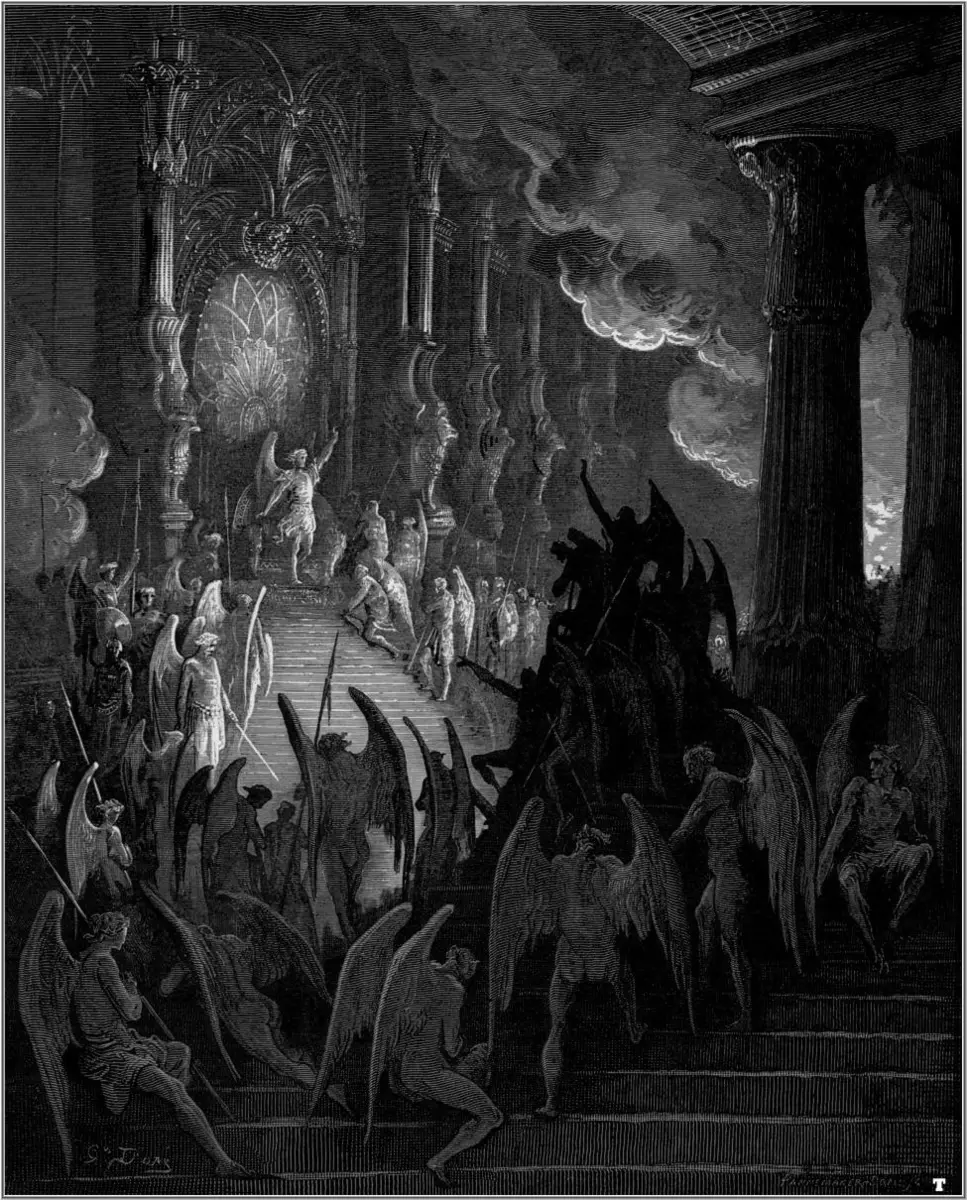
A nontheistic Satanic organization whose public principles emphasize self-determination, compassion, and responsibility.

Traditions associated with the rose and cross, the early modern Rosicrucian manifestos, and later initiatory societies.
The grimoire compilation known as the Lemegeton, including the Goetia and several angelic arts.
The Pauline Art in the Lemegeton, concerning angels of the hours and the degrees of the zodiac.
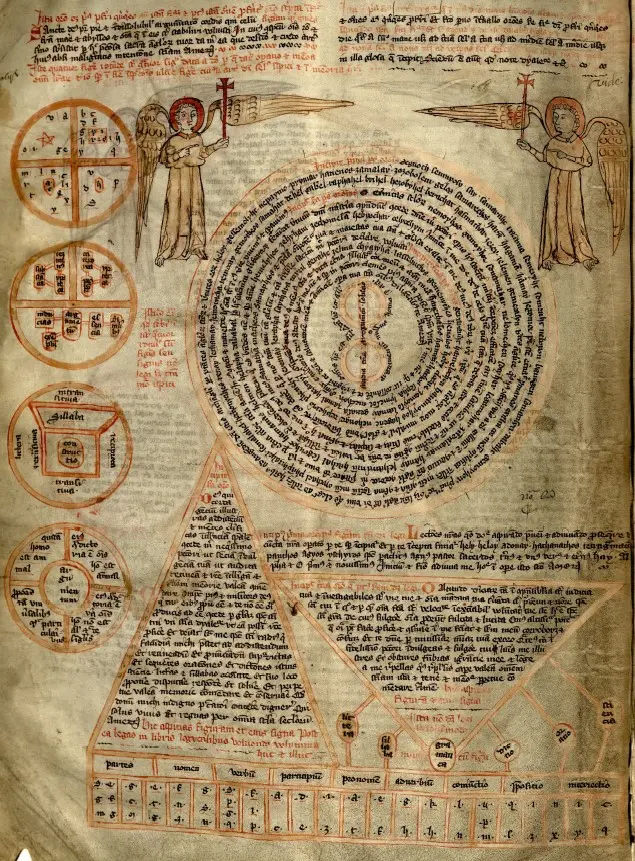
A medieval art of prayer and contemplation intended to confer learning, memory, and eloquence.