Texts & Sources
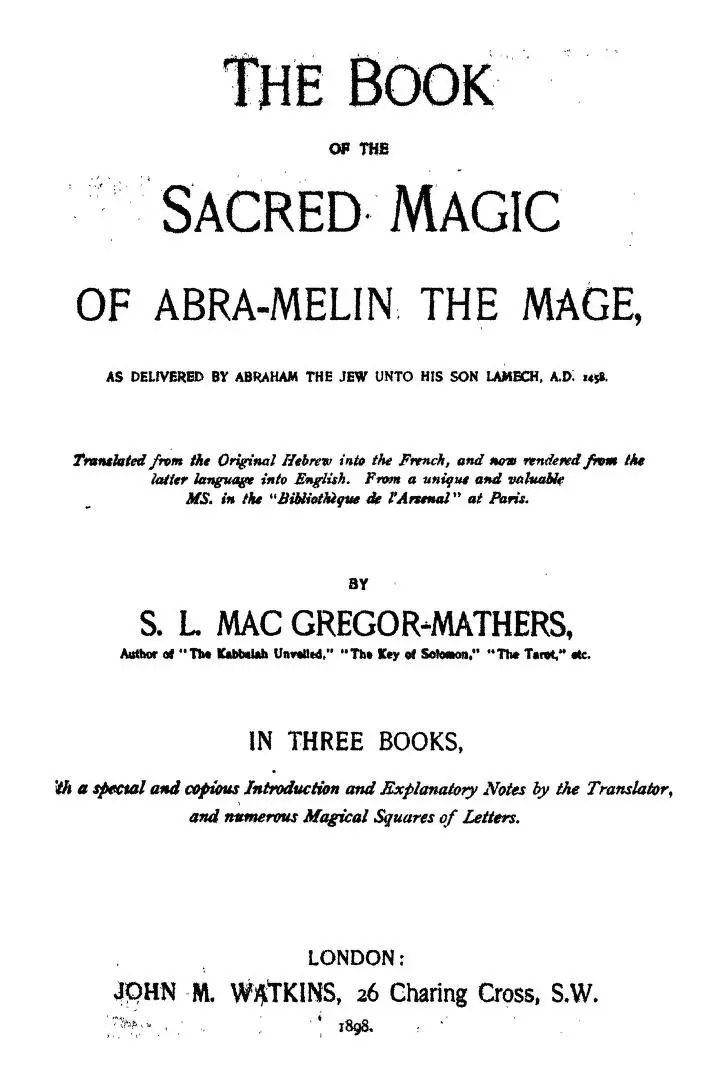
Book of Abramelin
A grimoire built around religious preparation, the guardian angel, and subsequent work with spirits and magical squares.
A grimoire built around religious preparation, the guardian angel, and subsequent work with spirits and magical squares.
The medieval Liber Juratus, a work of sacred magic concerned with divine vision, angels, and ritual authority.
The Slavonic Enochic work also known as the Book of the Secrets of Enoch, describing ascent, creation, and instruction.
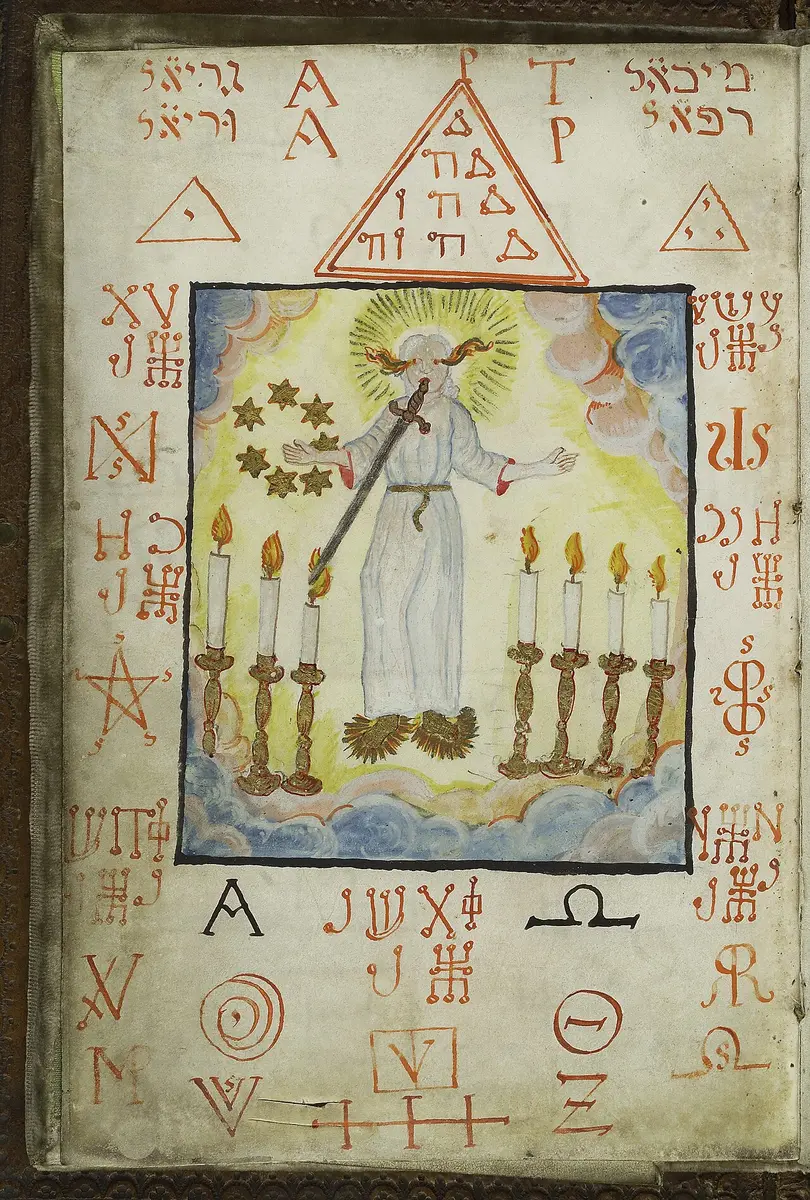
The Hebrew Enochic work associated with heavenly palaces and Enoch’s transformation into Metatron.
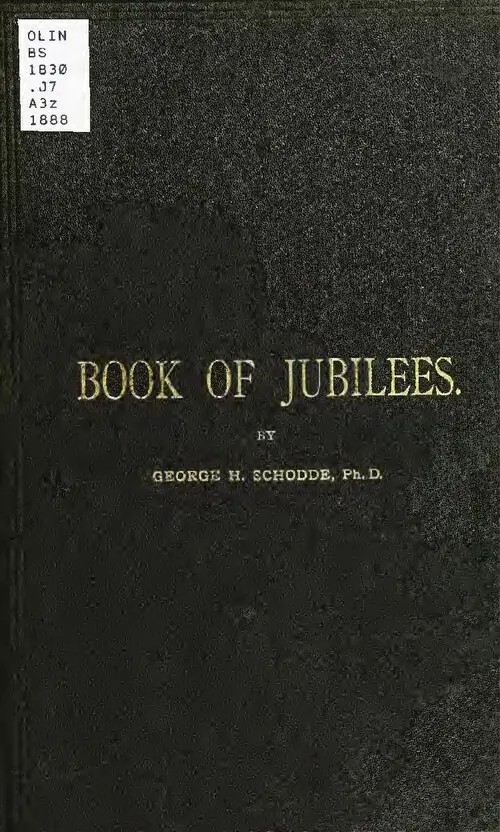
A retelling of Genesis and early Exodus arranged through jubilees, with angelic revelation, calendar teaching, and expanded narratives.
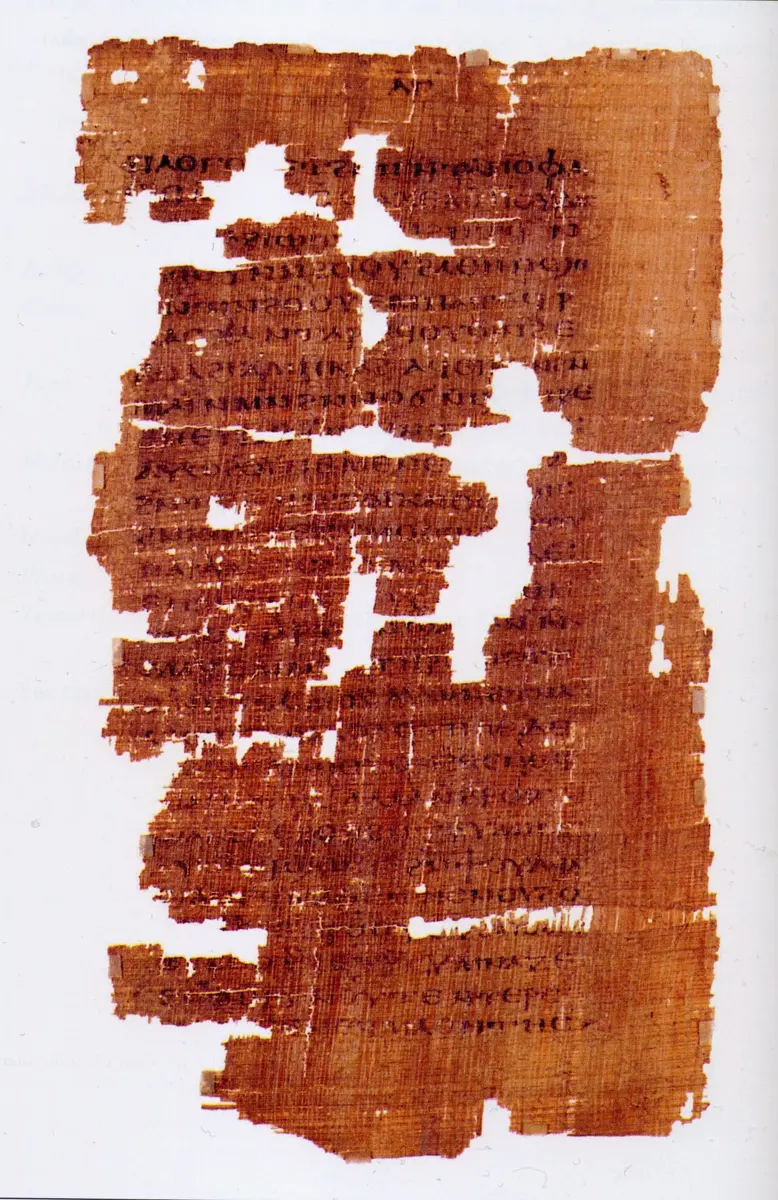
An early Christian revelation dialogue preserved in Coptic, known from the manuscript called Codex Tchacos.
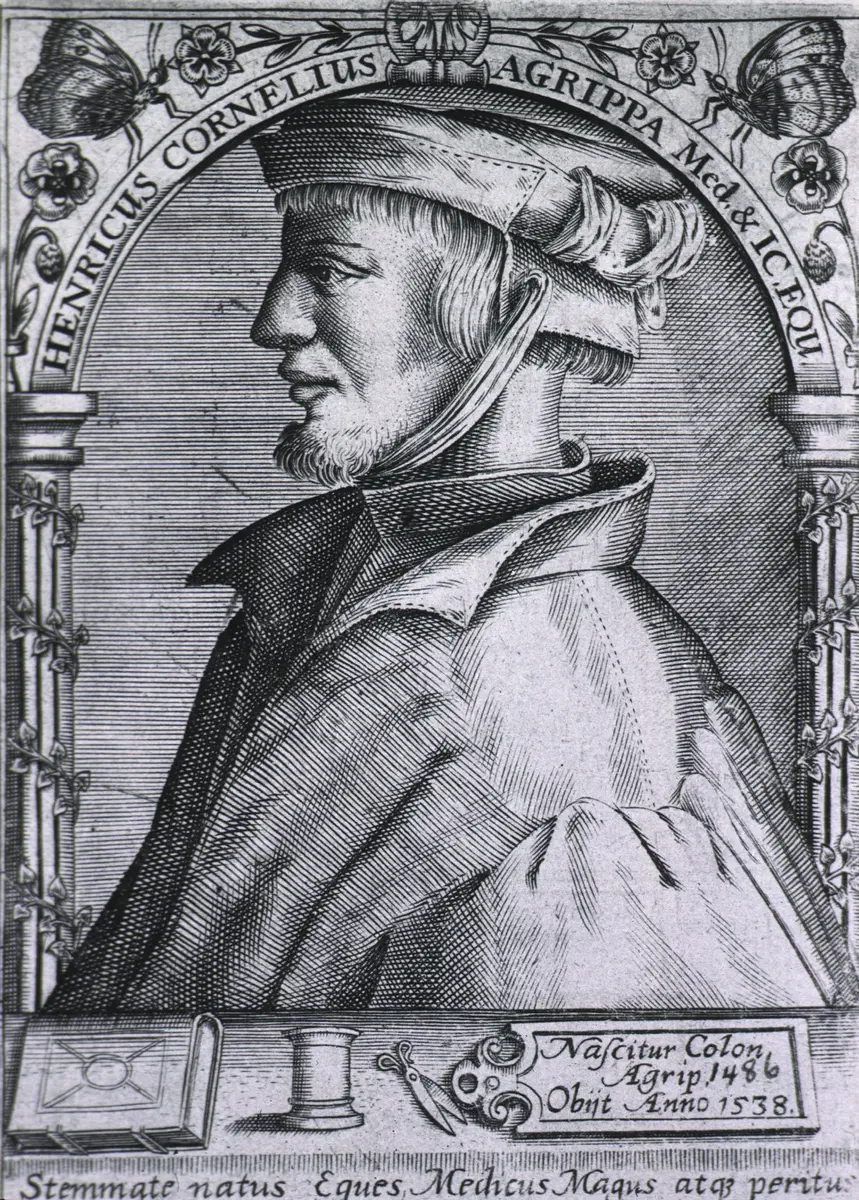
A Renaissance author whose Three Books of Occult Philosophy became a major source for Western magical systems.
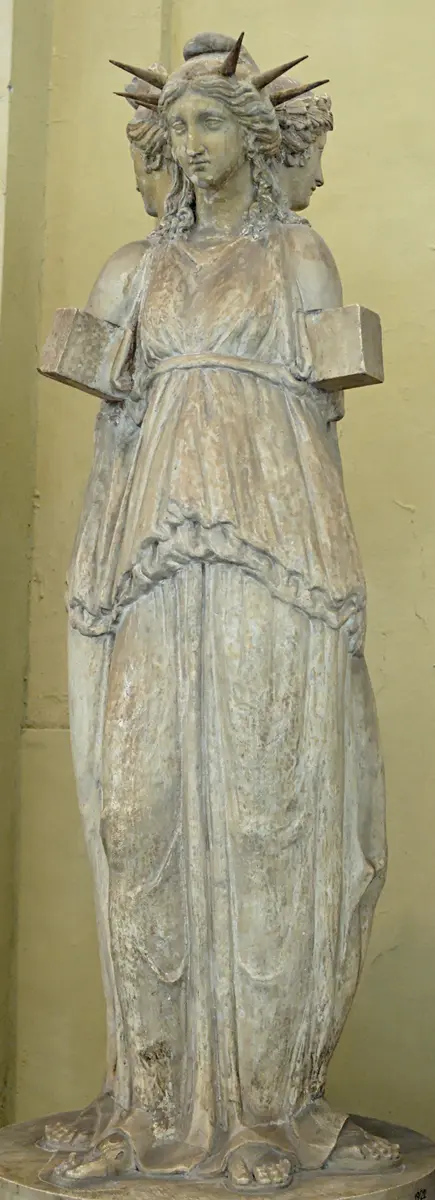
A Greek goddess with broad early powers and later associations with crossroads, spirits, and magic.
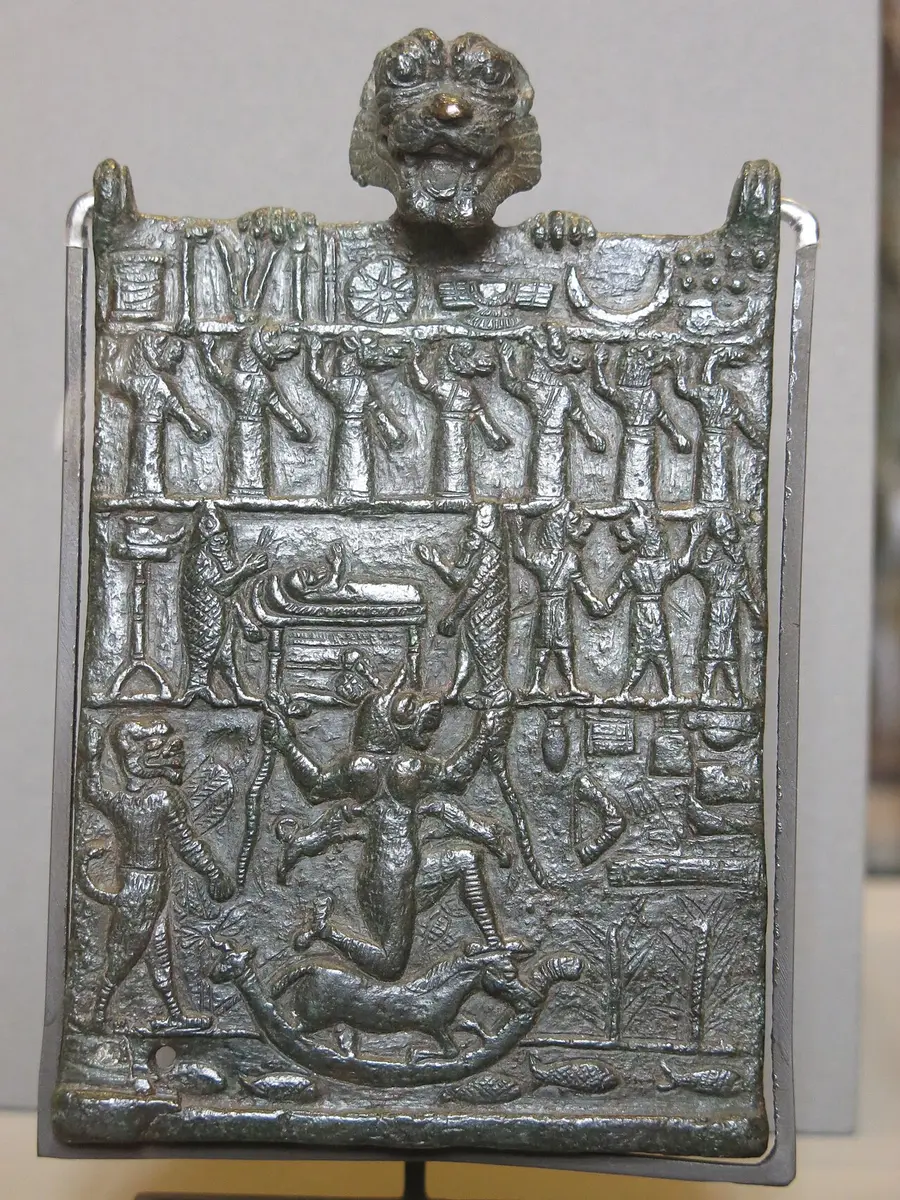
A Mesopotamian harmful female power represented on amulets and plaques intended to repel her.
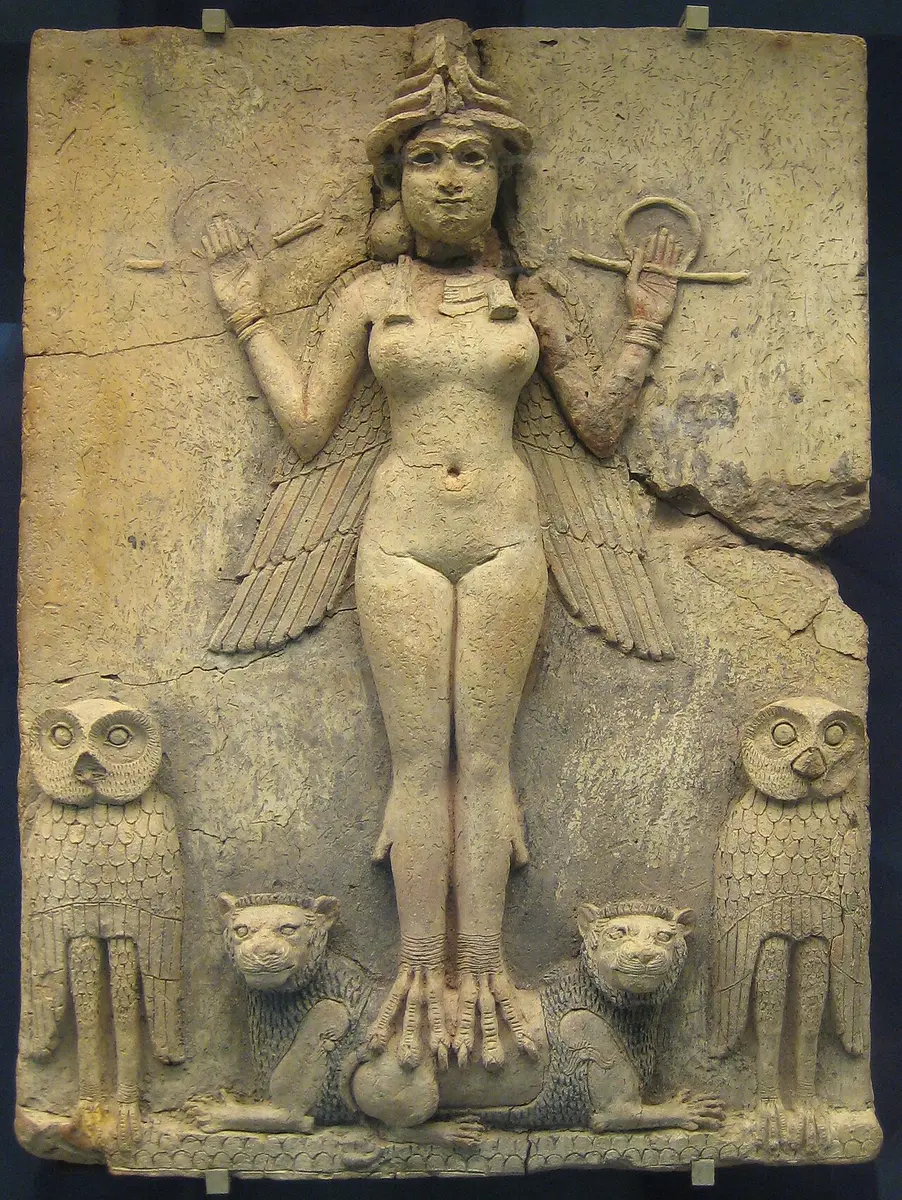
A Mesopotamian queen of the underworld, known through myths of descent and traditions concerning Nergal.
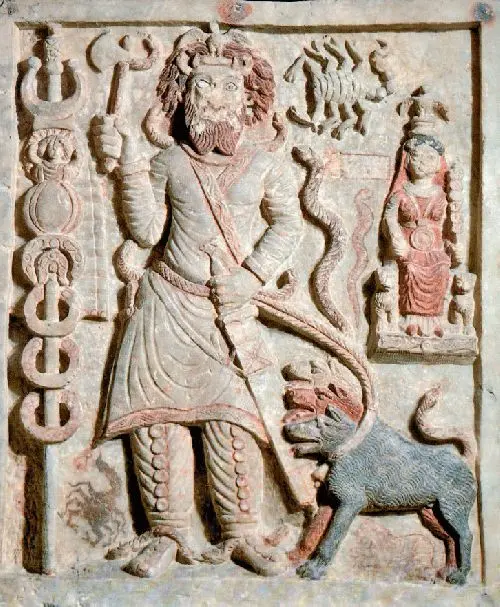
A Mesopotamian deity associated with death, war, disease, and the underworld.
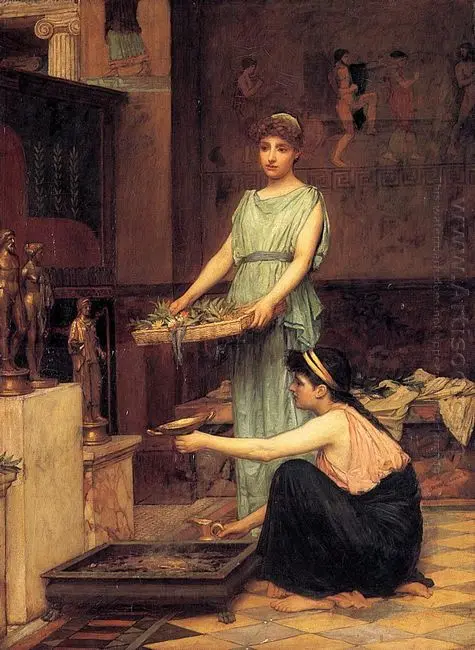
Offerings are objects, substances, actions, or works intentionally presented to a deity, spirit, sacred power, or religious community. Across religious history offerings have included food, drink, incense, flowers, animal sacrifice, money, vows, music, labor, art, and acts of service. In theistic Satanism, offerings are commonly used to express devotion, gratitude, hospitality, dedication, or…
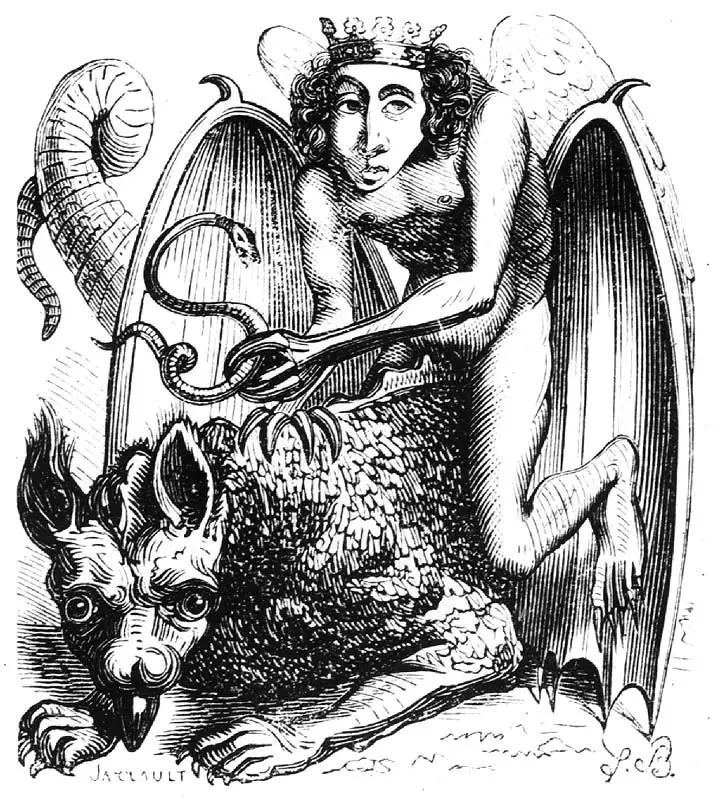
Astaroth appears in early modern spirit catalogues and later illustrated demonology. Source editions matter when comparing the figure’s rank, appearance, and supposed knowledge.
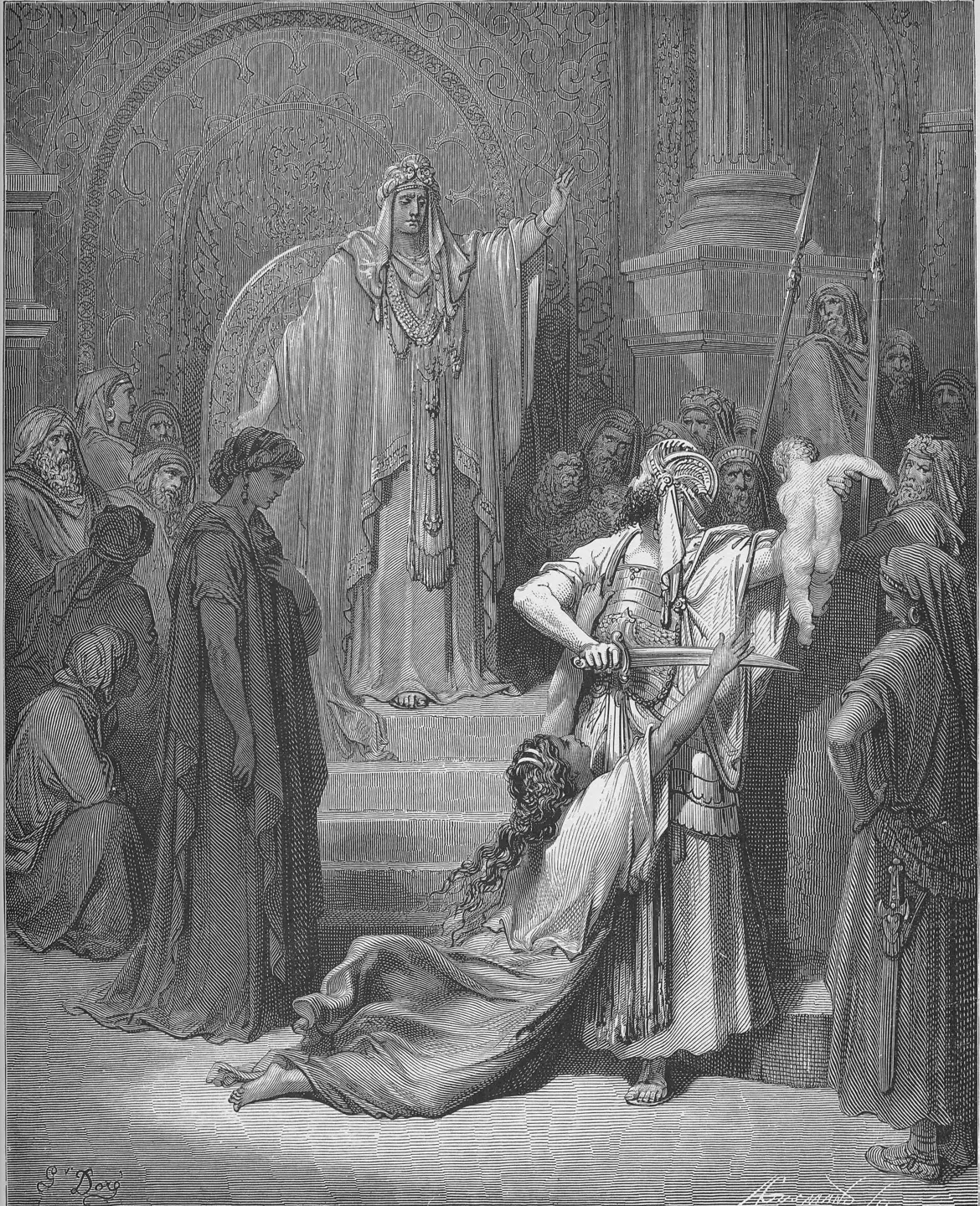
Solomon’s name supplies authority to several magical and religious works. Attribution to the king must be distinguished from the date and authorship of the surviving text.
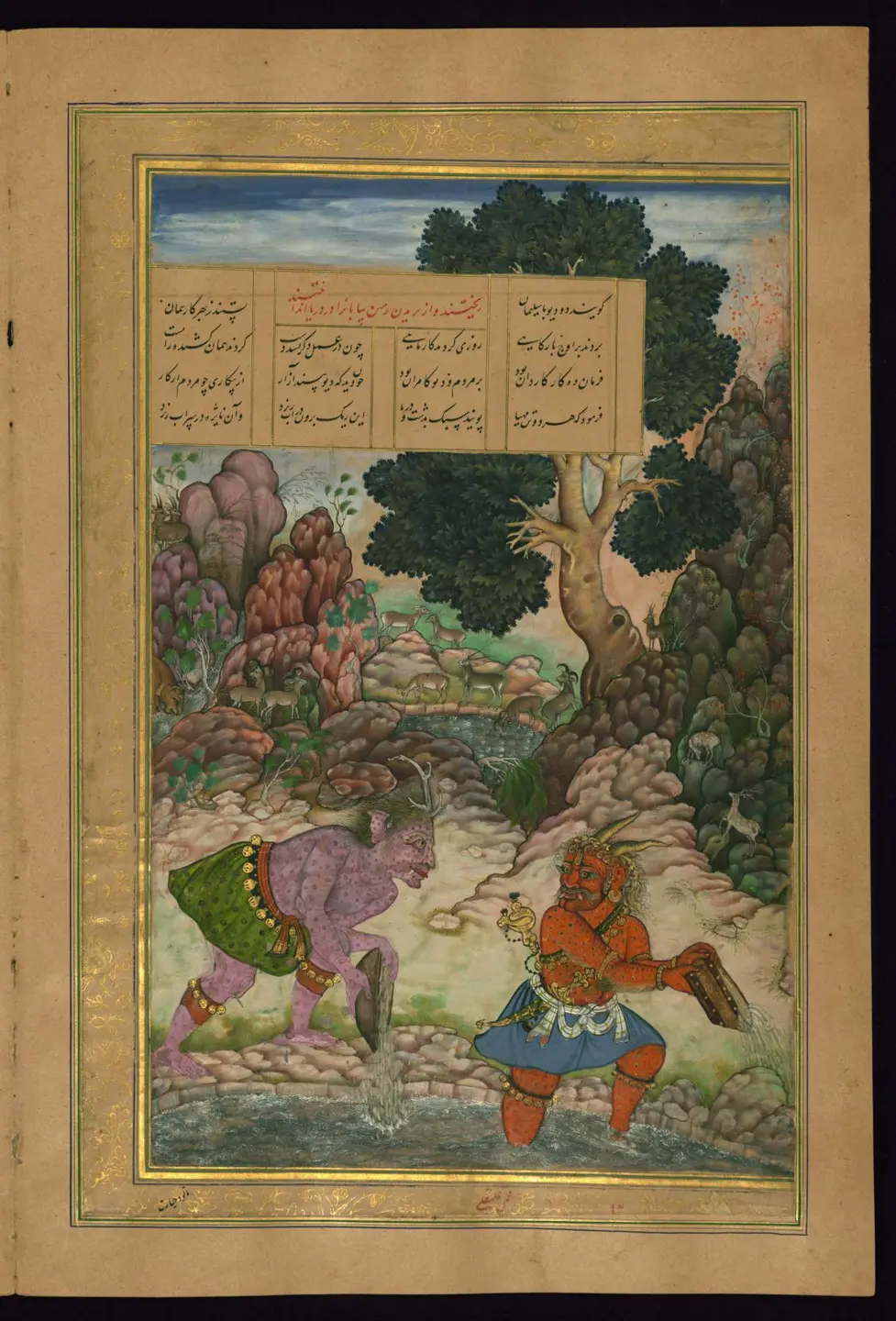
The Testament of Solomon is a pseudepigraphal religious narrative in which Solomon questions and commands spirits. It differs from later procedural Solomonic grimoires.
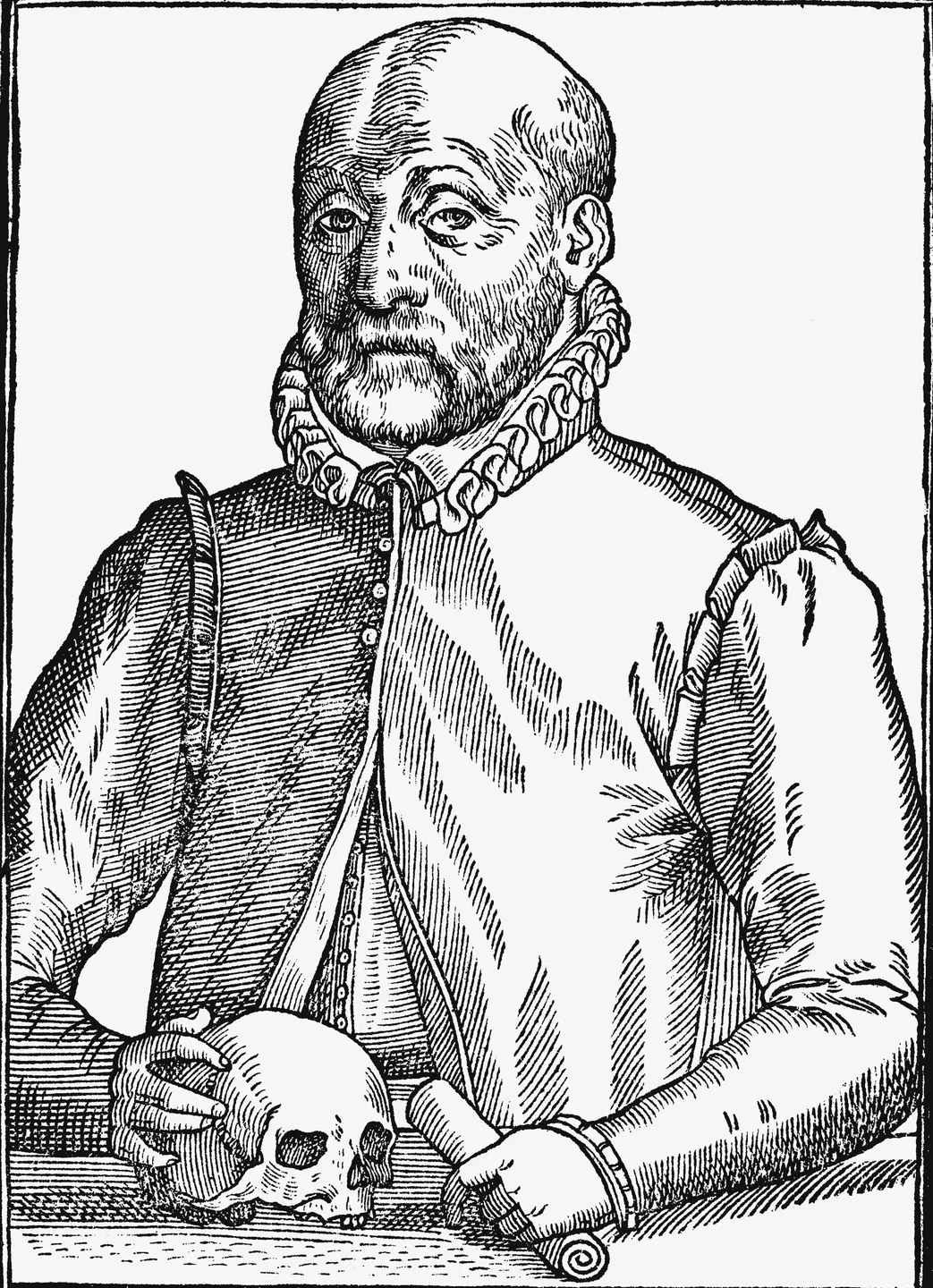
Pseudomonarchia Daemonum is a spirit catalogue associated with Johann Weyer. Its transmission helps explain similarities and differences in the later Ars Goetia.
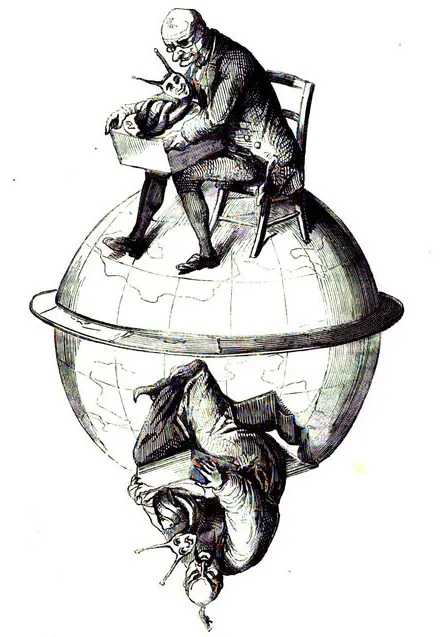
Collin de Plancy’s Dictionnaire infernal gathered supernatural traditions in a dictionary format. Its 1863 entries and illustrations remain influential in modern depictions of spirits.
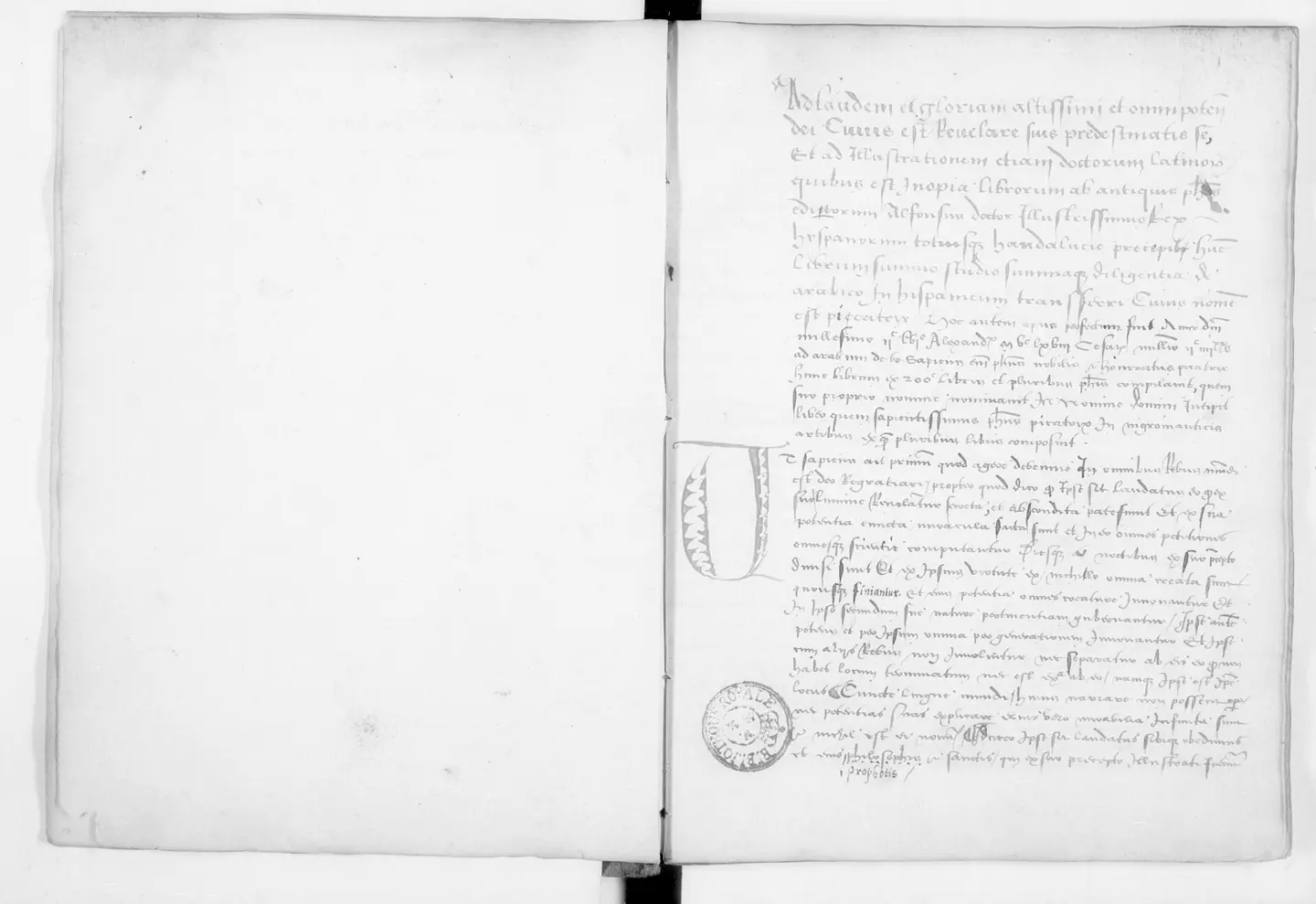
Picatrix is the Latin title associated with an influential Arabic work of astral magic. Its cosmological and ritual framework differs from a catalogue of Goetic spirits.
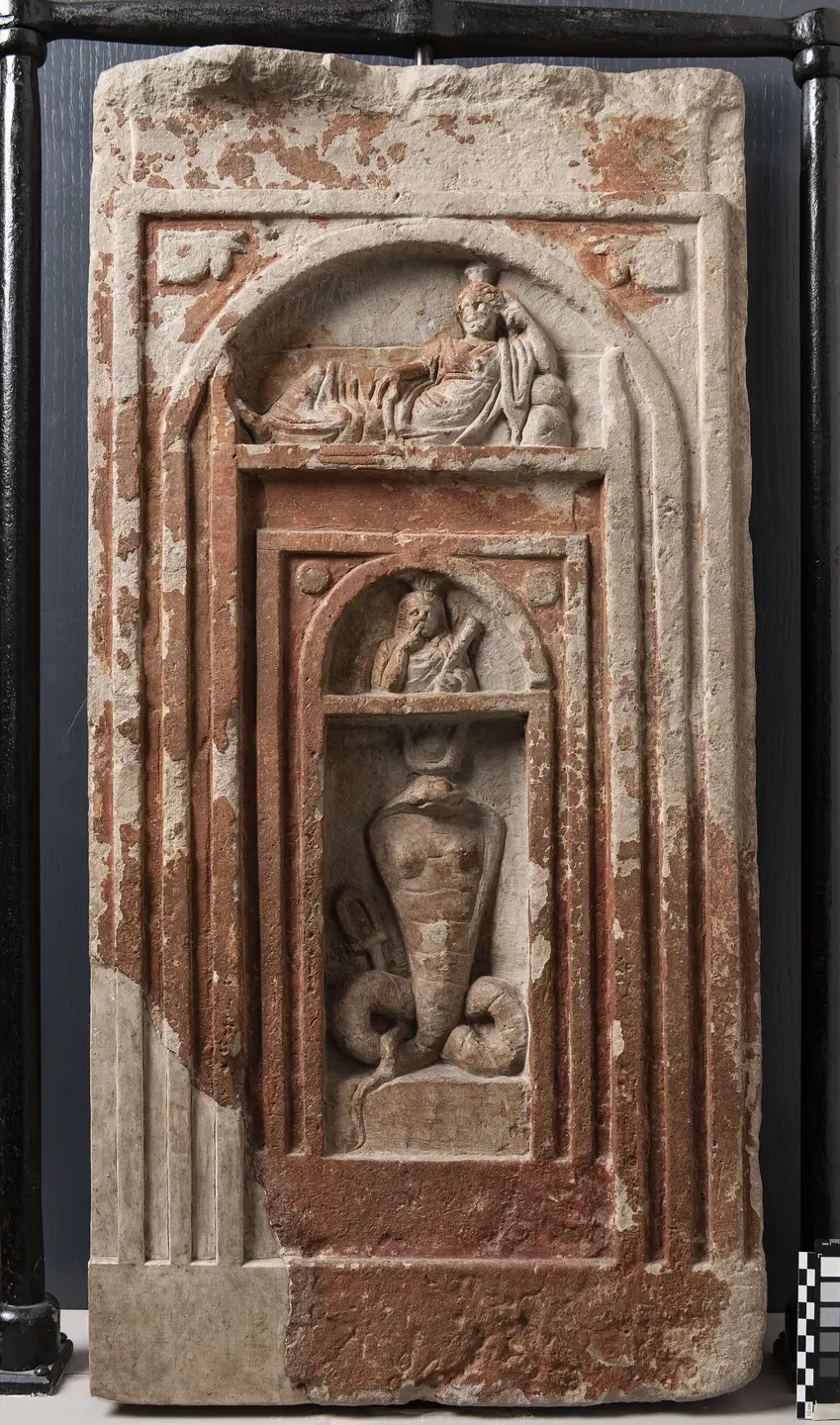
Religious syncretism concerns the combination of ideas, figures, and practices from different traditions. Similarity of names or imagery alone does not establish identity or historical continuity.
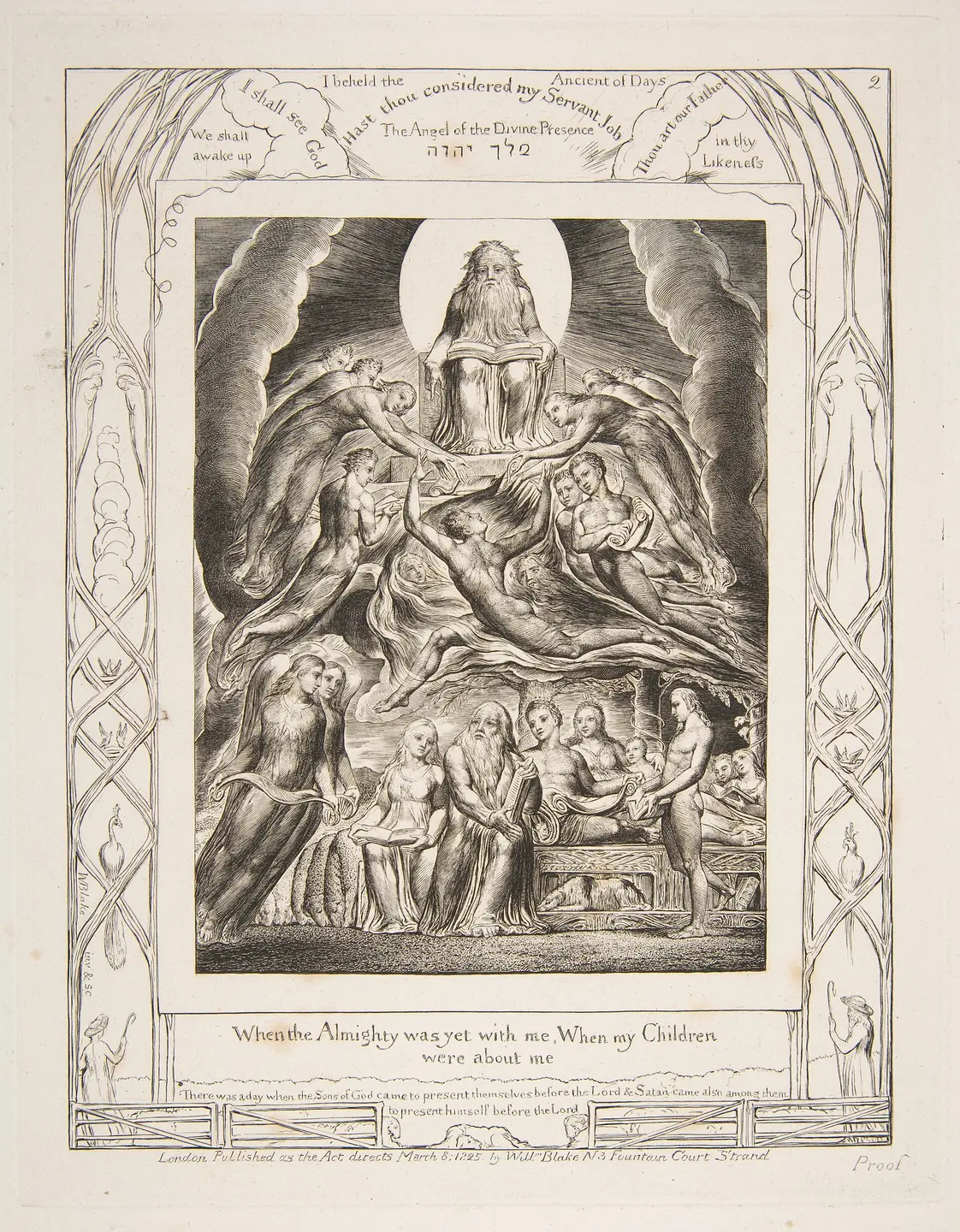
Job 1–2 presents Satan in a heavenly assembly and in a dispute about Job’s righteousness. The passage should be read before later accounts of Satan’s origins are supplied.