Theology & Cosmology
Thelema
The religious and philosophical tradition associated with Aleister Crowley and The Book of the Law.
The religious and philosophical tradition associated with Aleister Crowley and The Book of the Law.
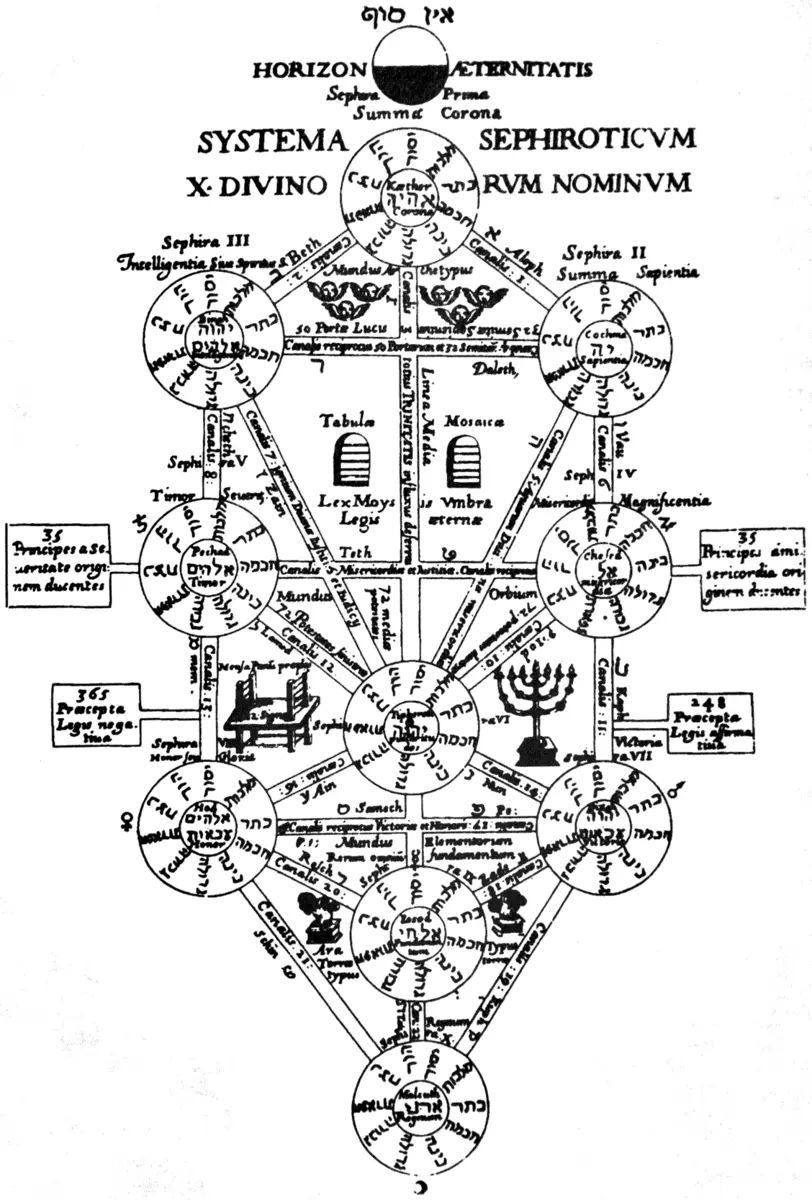
Western esoteric systems that adapt Kabbalistic ideas through ritual, correspondence tables, and symbolic interpretation.
The grimoire compilation known as the Lemegeton, including the Goetia and several angelic arts.
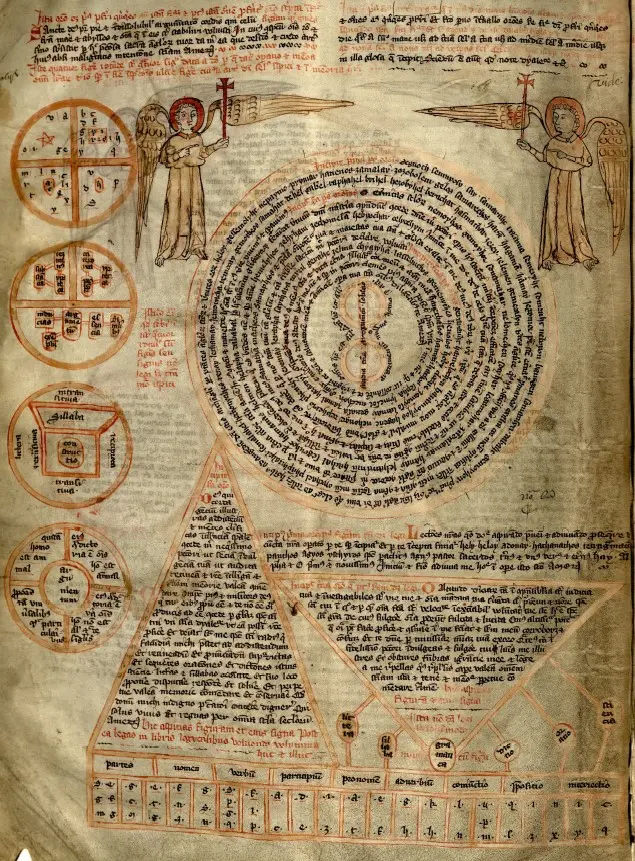
A medieval art of prayer and contemplation intended to confer learning, memory, and eloquence.
Agrippa’s Renaissance synthesis of natural, celestial, and religious magic.
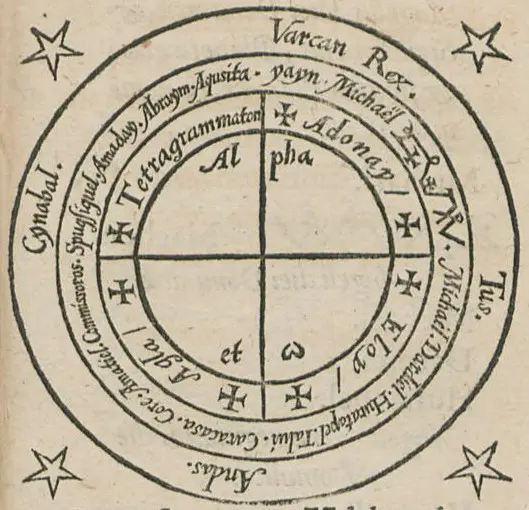
A grimoire of angelic conjuration organized around the seven days of the week.
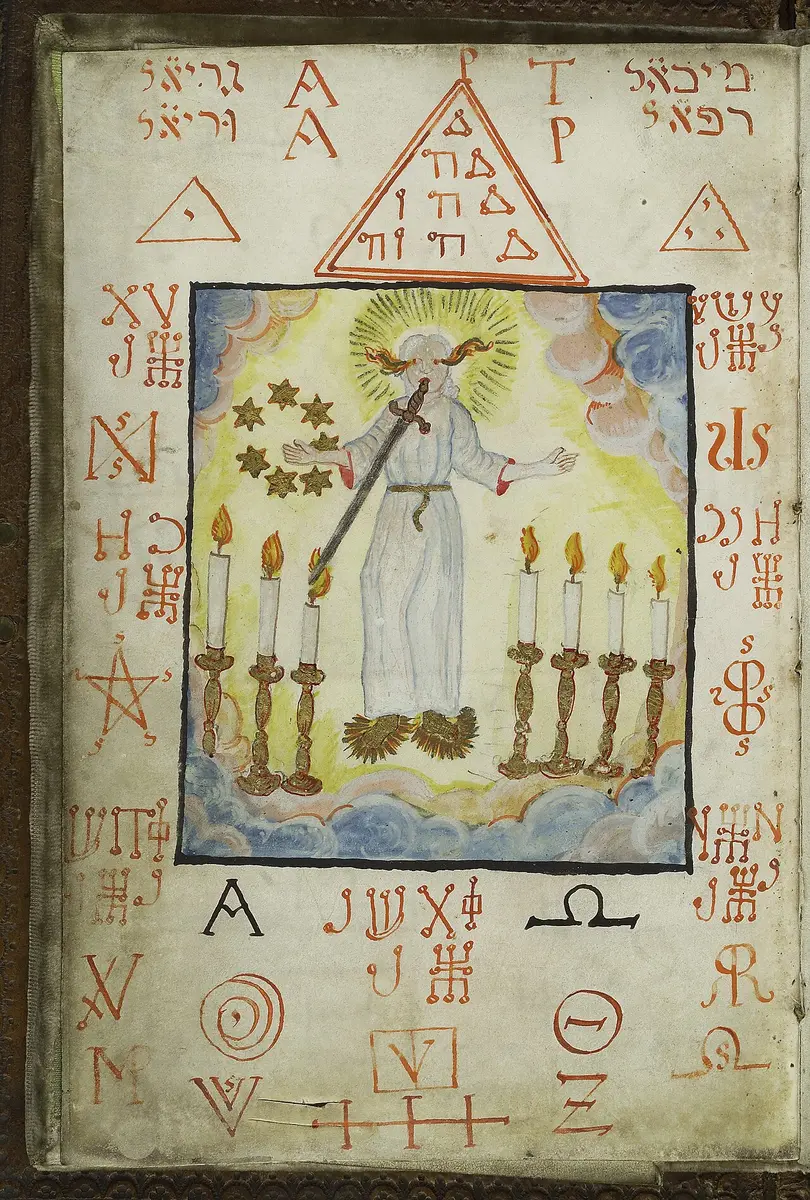
The Hebrew Enochic work associated with heavenly palaces and Enoch’s transformation into Metatron.
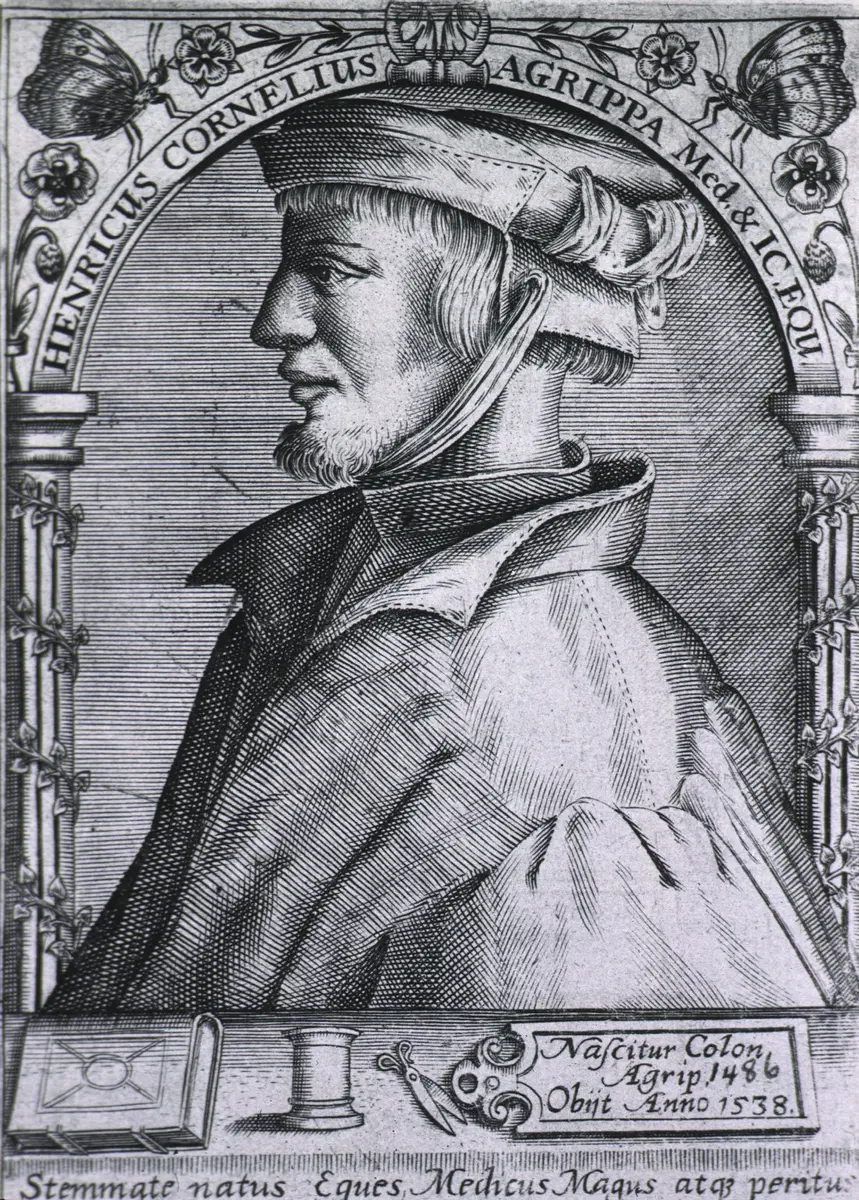
A Renaissance author whose Three Books of Occult Philosophy became a major source for Western magical systems.
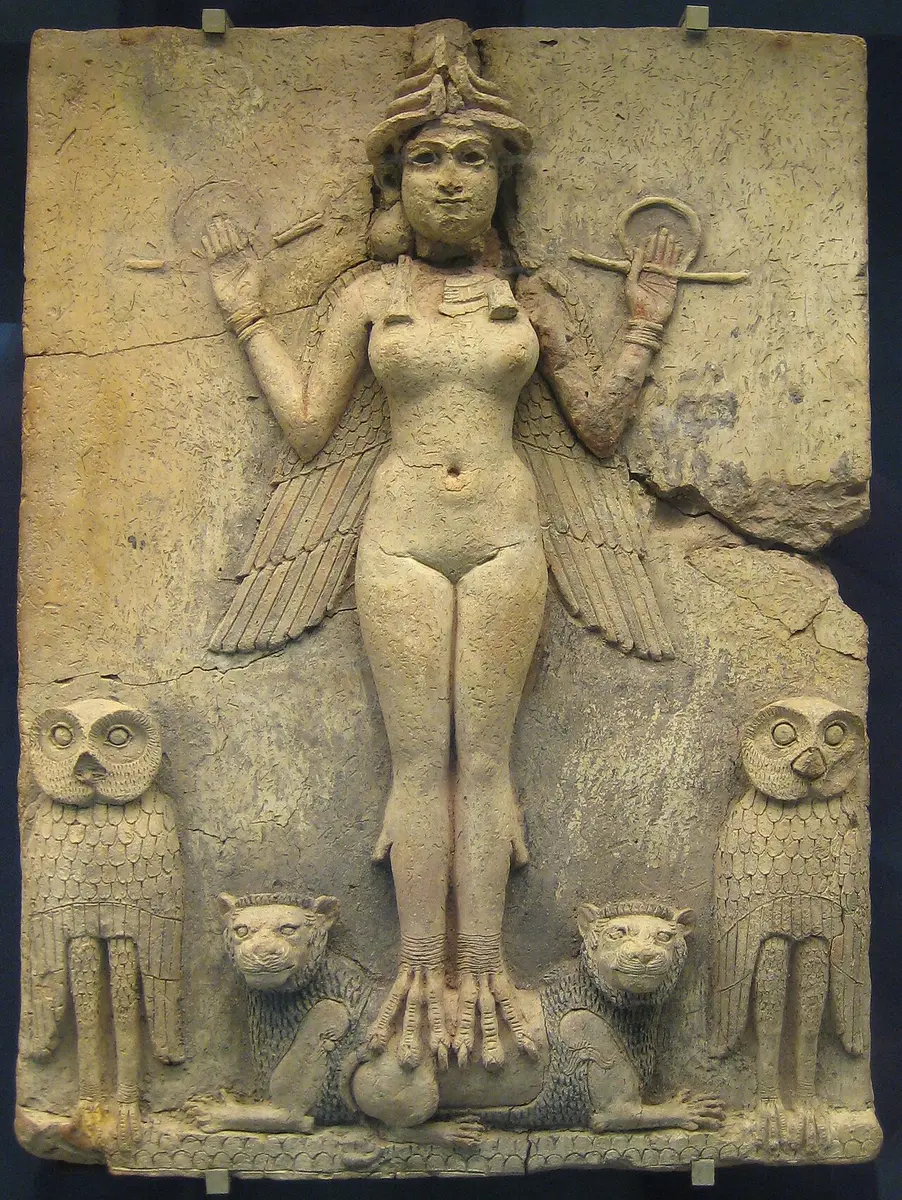
A Mesopotamian queen of the underworld, known through myths of descent and traditions concerning Nergal.
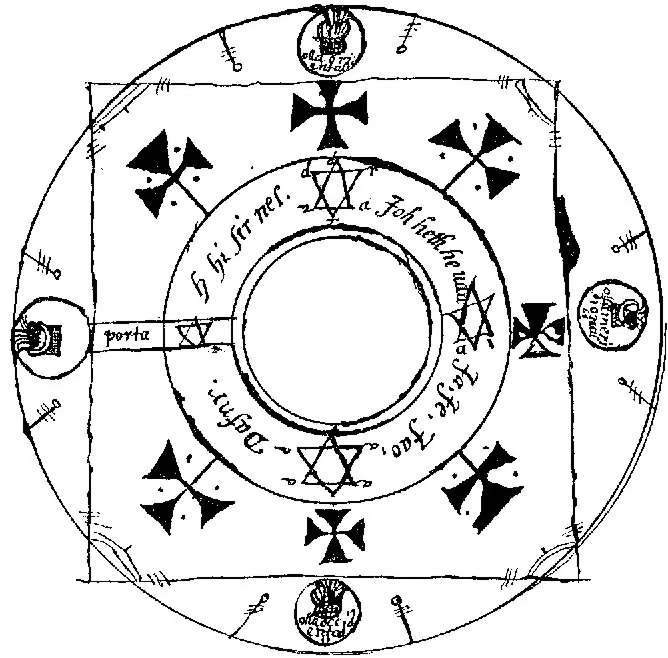
A marked ritual space whose names, divisions, and purpose differ among magical texts and modern traditions.

The Devil is the principal personification of evil in much of Christian tradition and a major source for later Western images of Satan. The term is not identical with every historical use of Satan, nor does it describe one unchanging character across the Bible, theology, folklore, literature, art, and modern religion. In contemporary speech “the Devil” often functions as a proper name for Satan, but…
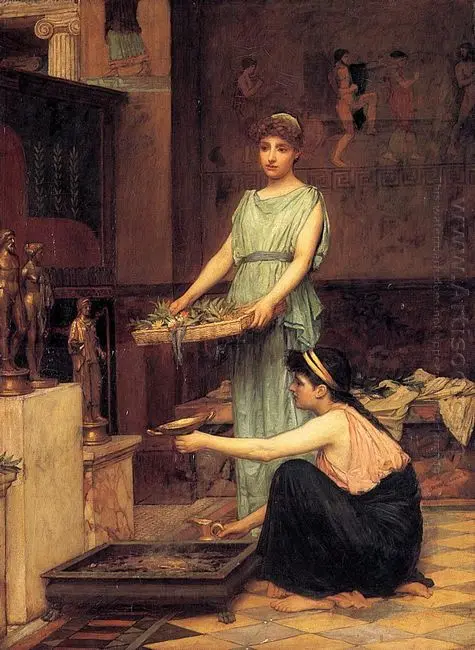
Offerings are objects, substances, actions, or works intentionally presented to a deity, spirit, sacred power, or religious community. Across religious history offerings have included food, drink, incense, flowers, animal sacrifice, money, vows, music, labor, art, and acts of service. In theistic Satanism, offerings are commonly used to express devotion, gratitude, hospitality, dedication, or…
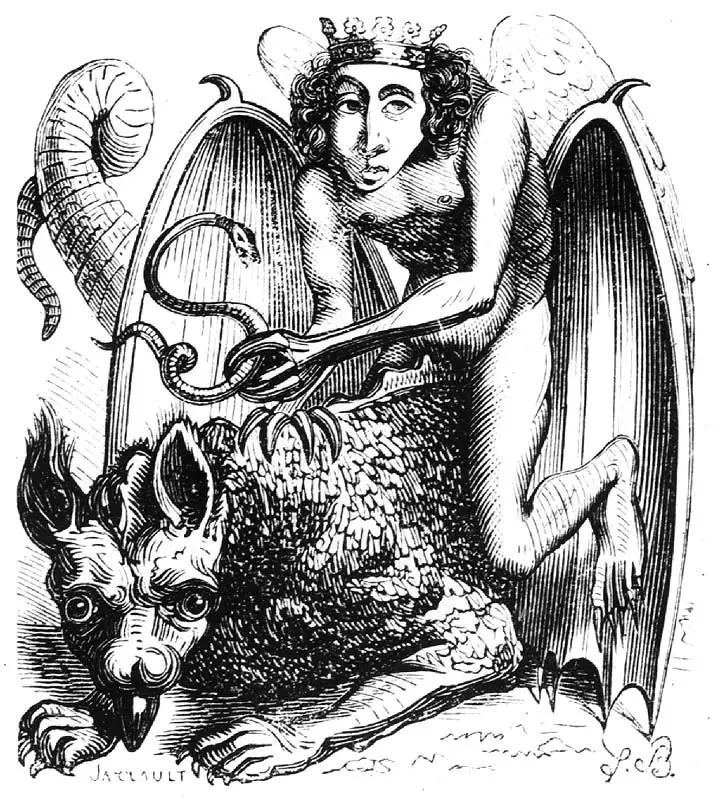
Astaroth appears in early modern spirit catalogues and later illustrated demonology. Source editions matter when comparing the figure’s rank, appearance, and supposed knowledge.
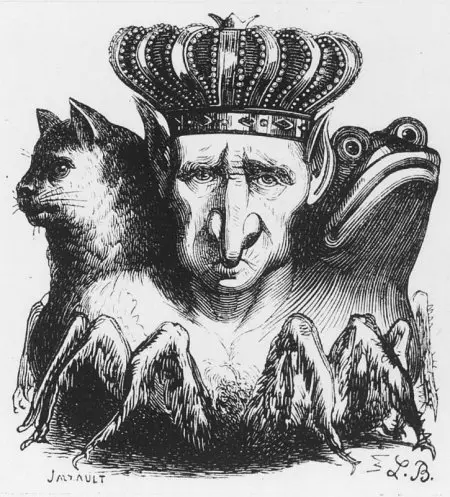
Bael is a ranked spirit in early modern magical catalogues. The Goetic figure should be distinguished from the wider use of the ancient title Baal.
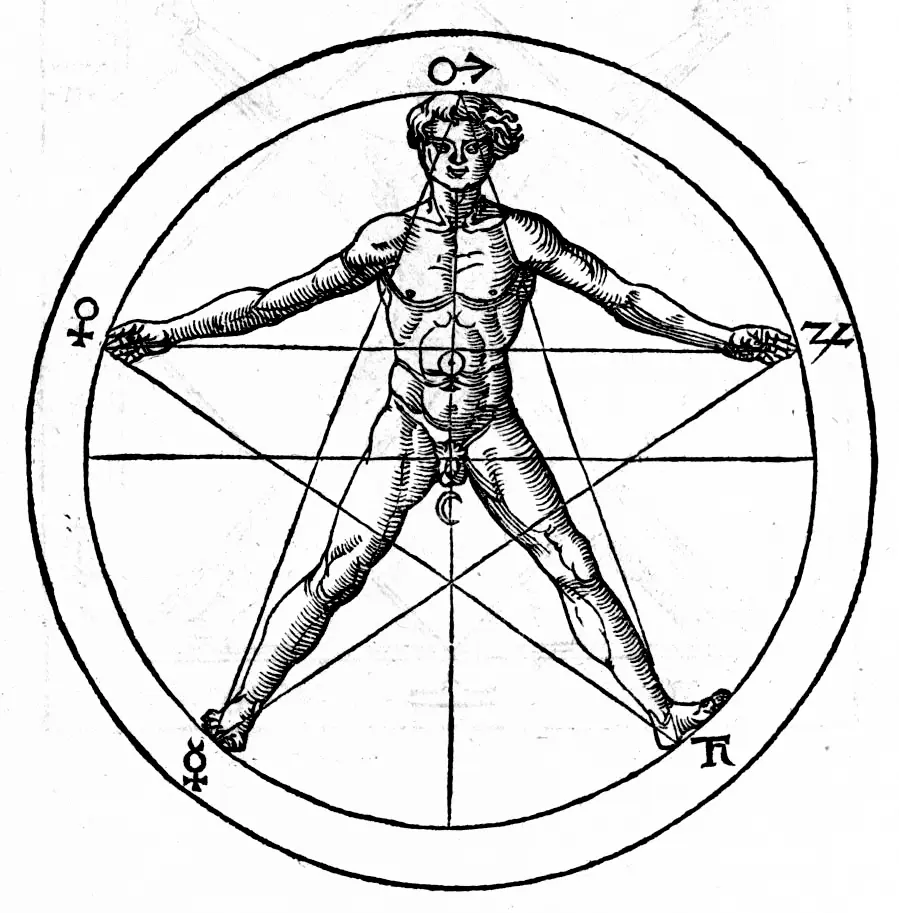
A pentagram is a five-pointed star figure used in different religious and esoteric settings. Orientation and surrounding imagery matter, but do not establish one universal meaning.
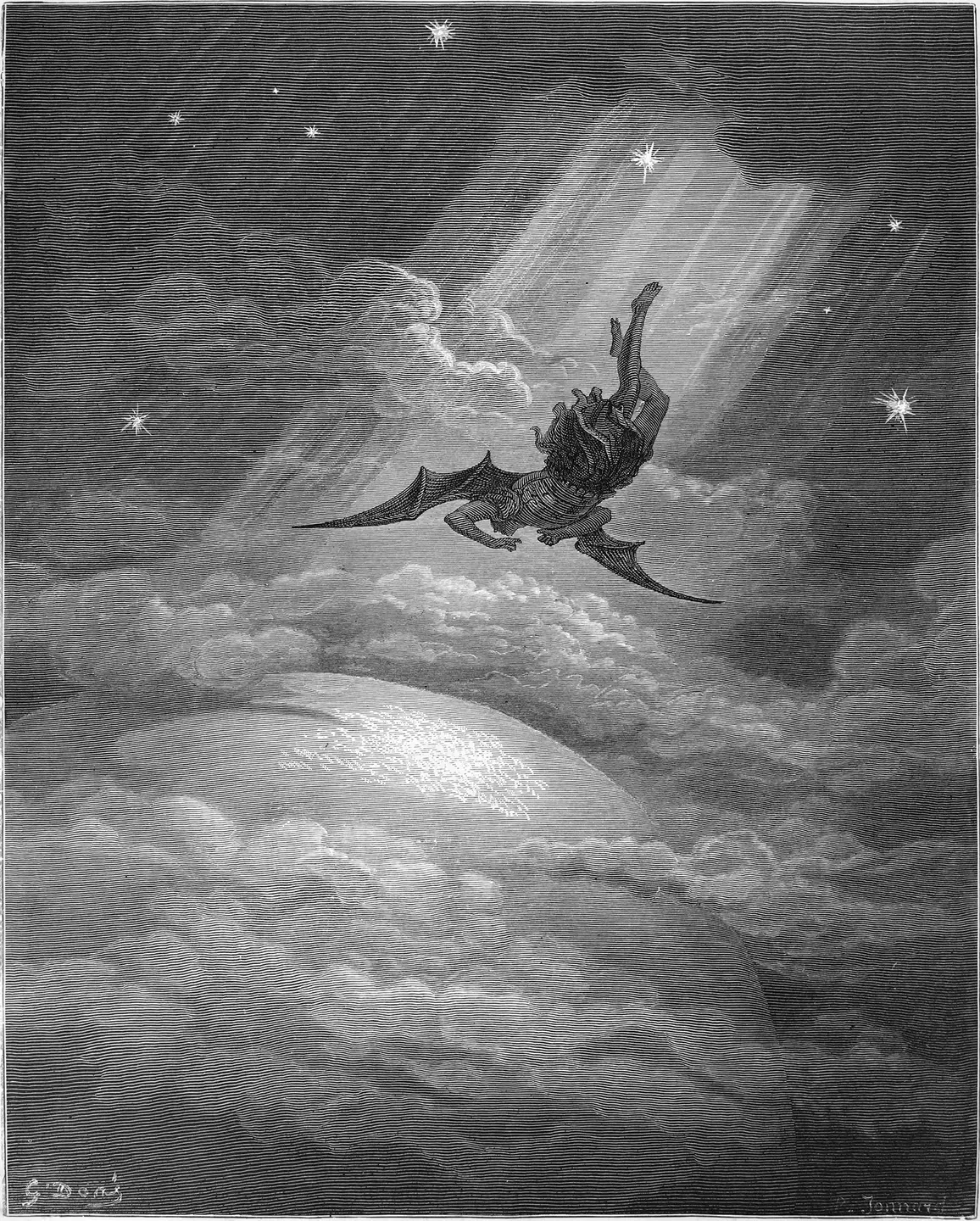
Luciferianism describes different religious and philosophical approaches that give Lucifer a positive role. Belief, practice, and identity vary among writers and communities.
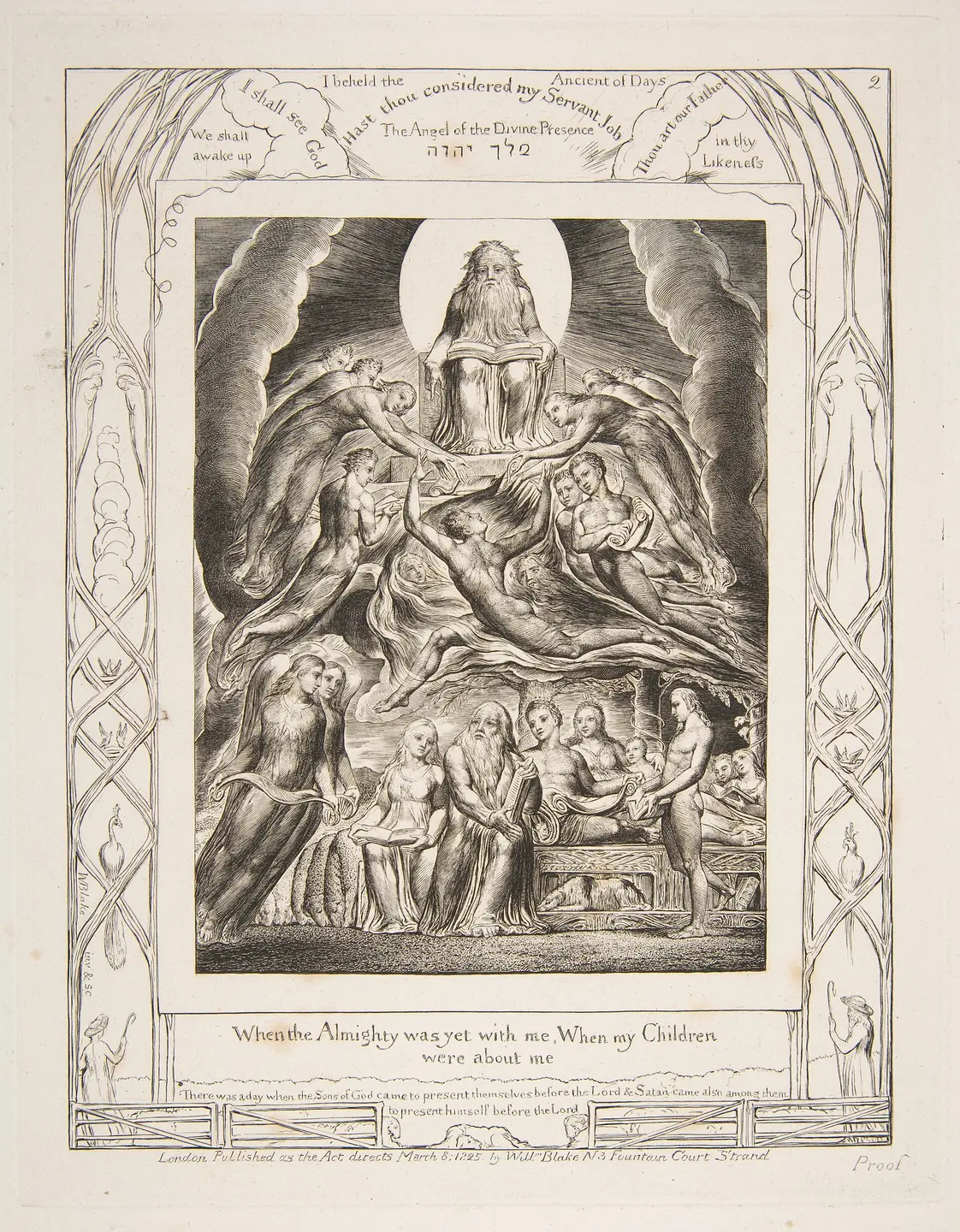
Job 1–2 presents Satan in a heavenly assembly and in a dispute about Job’s righteousness. The passage should be read before later accounts of Satan’s origins are supplied.
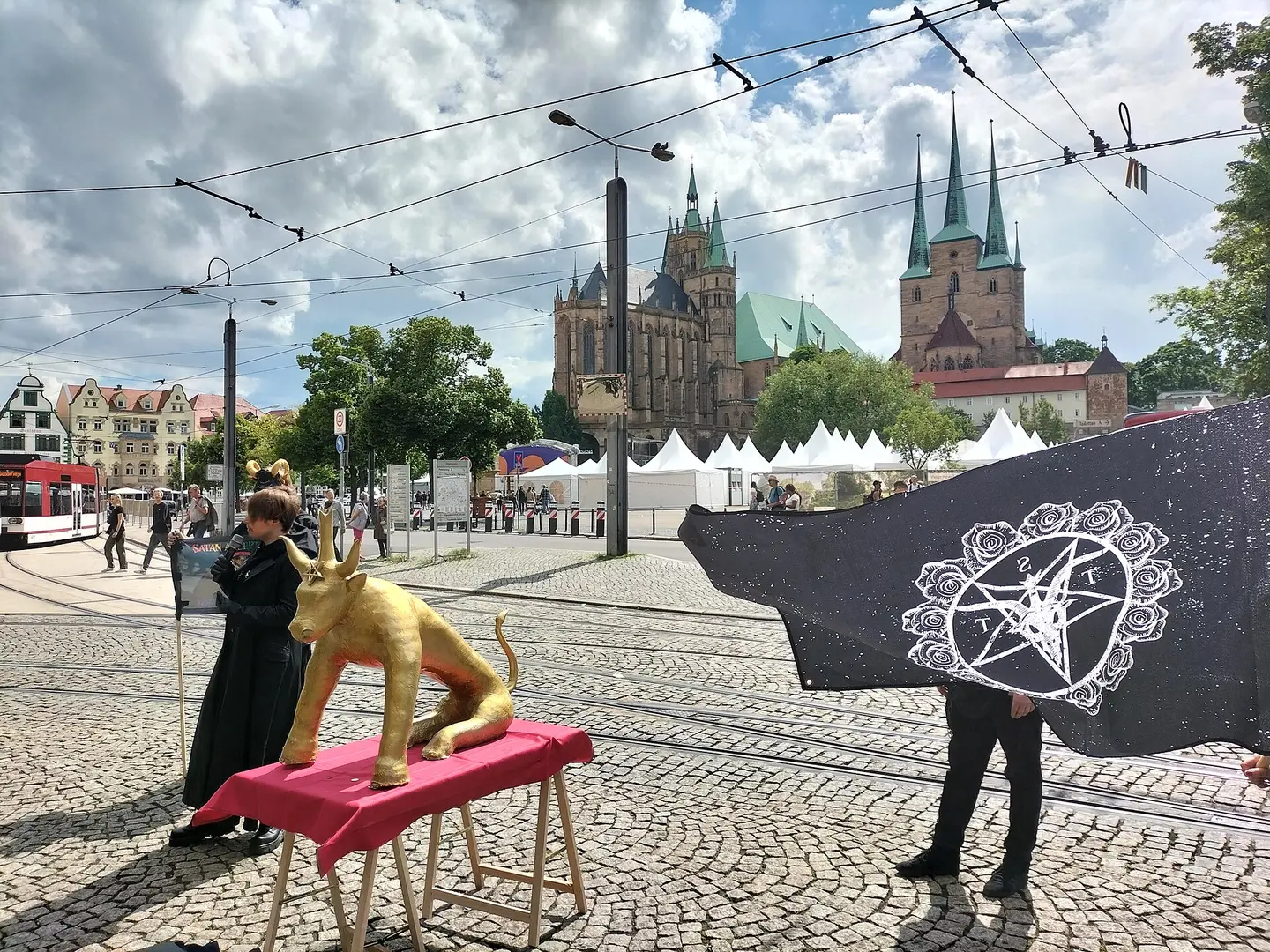
The Satanic Temple is a non-theistic religious organization whose public principles and activism differ from those of the Church of Satan and from theistic Satanist devotion.