Texts & Sources
Grimorium Verum
A grimoire with a hierarchy centered on Lucifer, Beelzebub, and Astaroth, followed by spirit operations and practical recipes.
A grimoire with a hierarchy centered on Lucifer, Beelzebub, and Astaroth, followed by spirit operations and practical recipes.
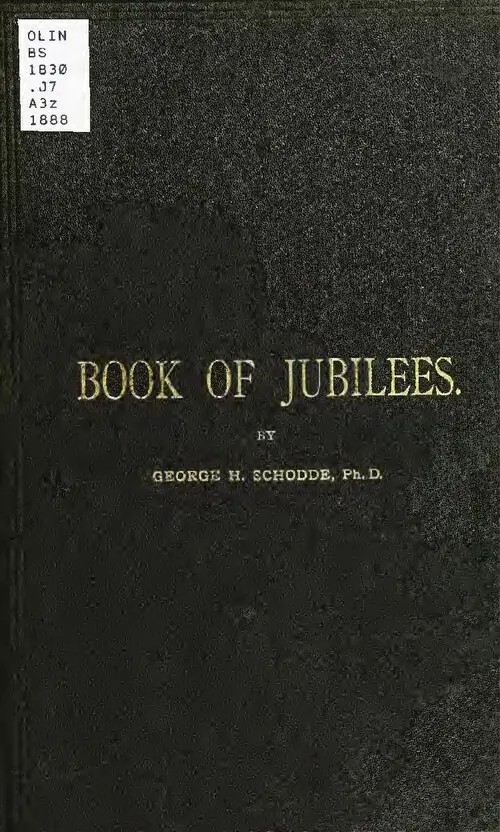
A retelling of Genesis and early Exodus arranged through jubilees, with angelic revelation, calendar teaching, and expanded narratives.
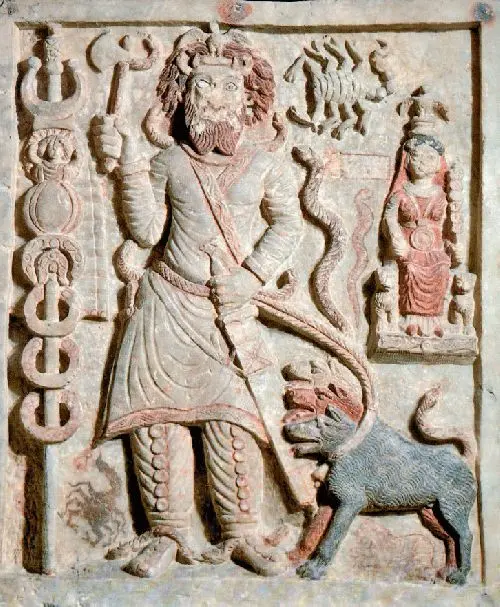
A Mesopotamian deity associated with death, war, disease, and the underworld.
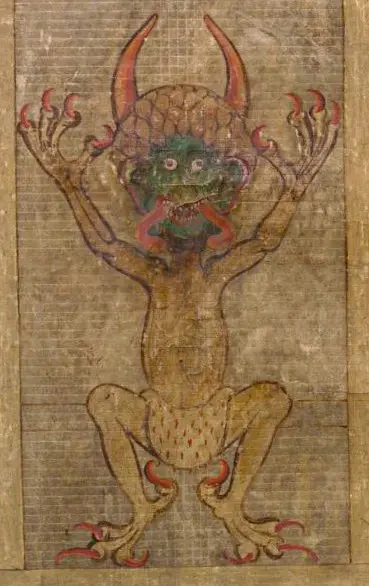
The Devil is the principal personification of evil in much of Christian tradition and a major source for later Western images of Satan. The term is not identical with every historical use of Satan, nor does it describe one unchanging character across the Bible, theology, folklore, literature, art, and modern religion. In contemporary speech “the Devil” often functions as a proper name for Satan, but…
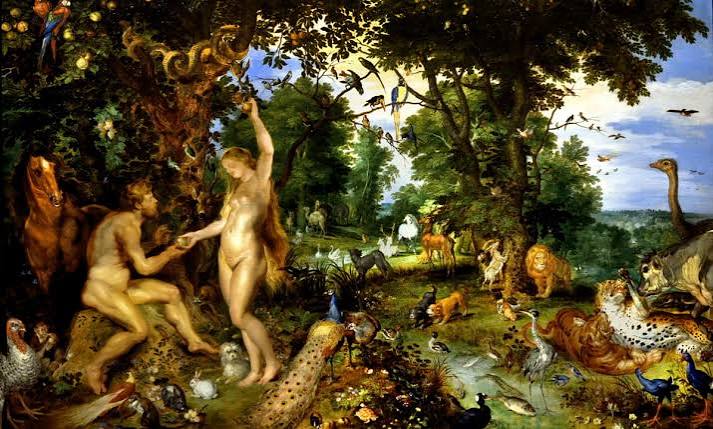
The Life of Adam and Eve is a group of related apocryphal narratives about the first humans. Its versions expand the Eden story through accounts of repentance, the Devil’s hostility, illness, burial, and hoped-for restoration.

The public holiday of 31 October, including lanterns, visiting customs, disguise, and its Celtic and Christian histories.
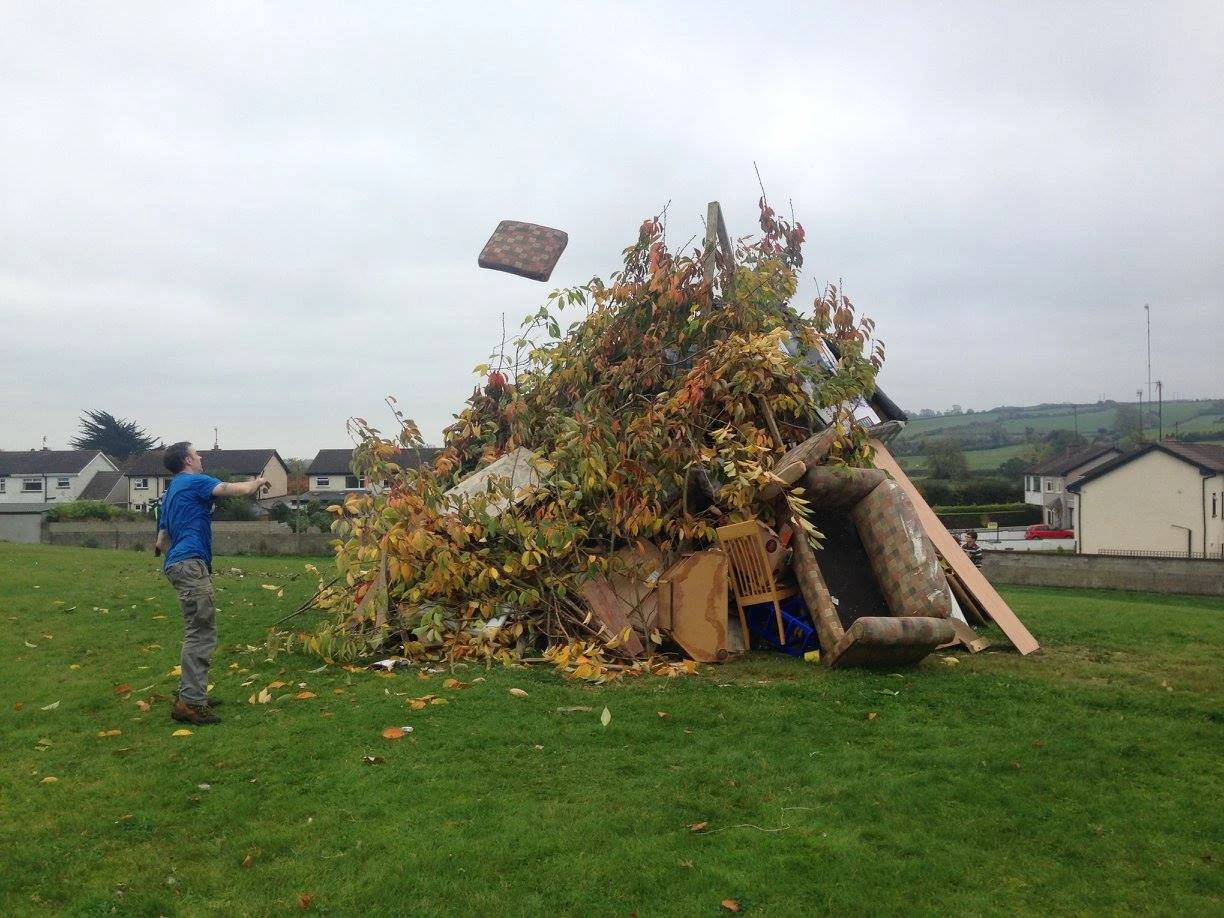
The Gaelic beginning-of-winter festival, Irish customs of food and divination, and its place in modern Pagan practice.
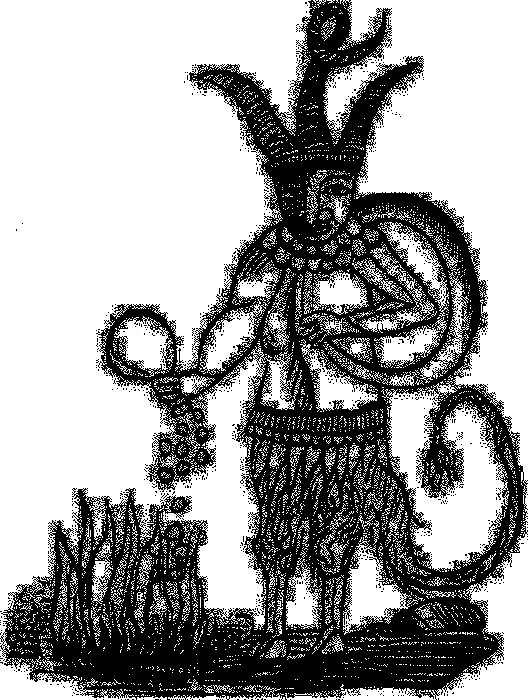
A grimoire best known for its staged encounter and pact with Lucifuge Rofocale.
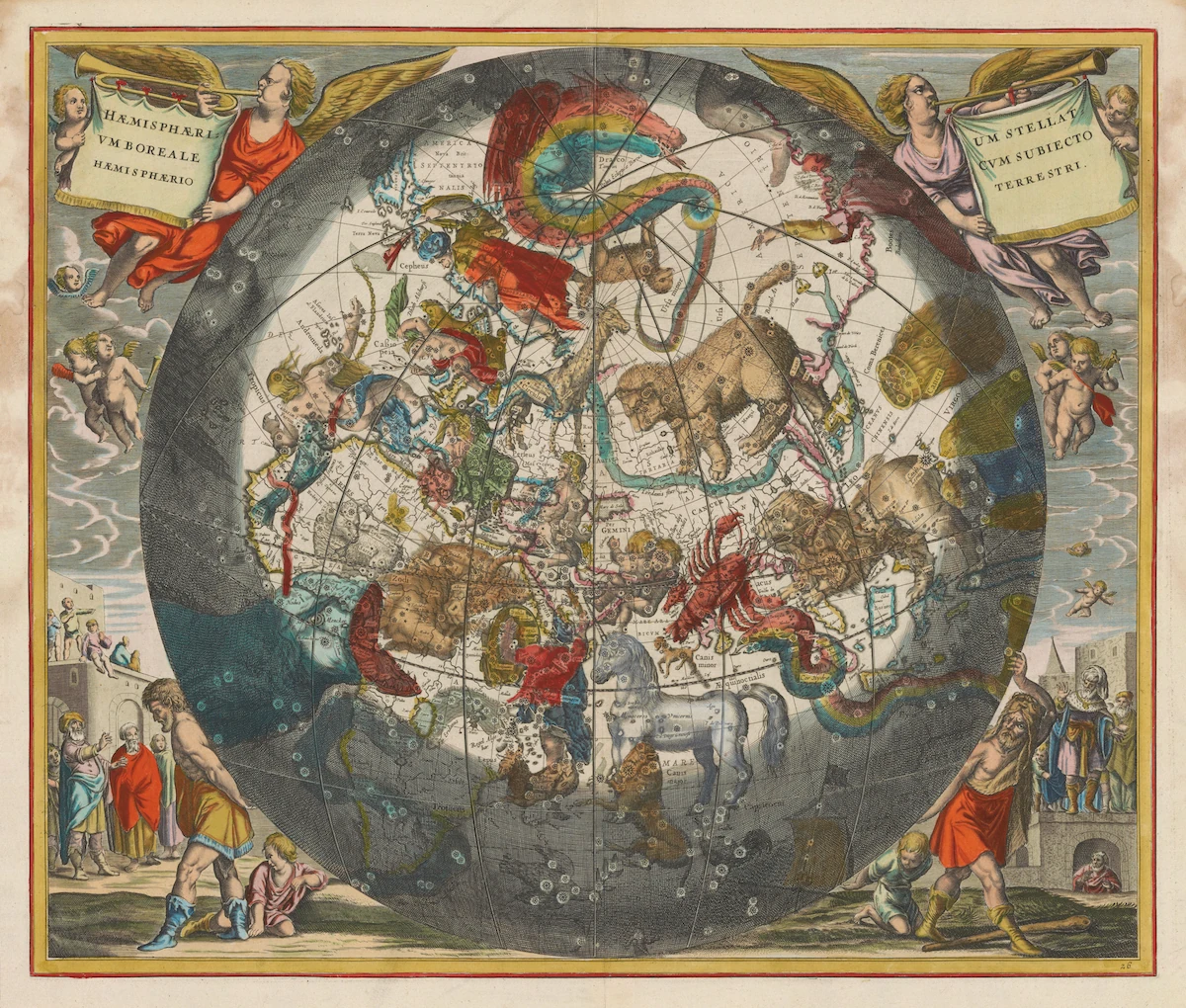
Magical systems using the seven traditional planets through timing, correspondences, images, and invocations.
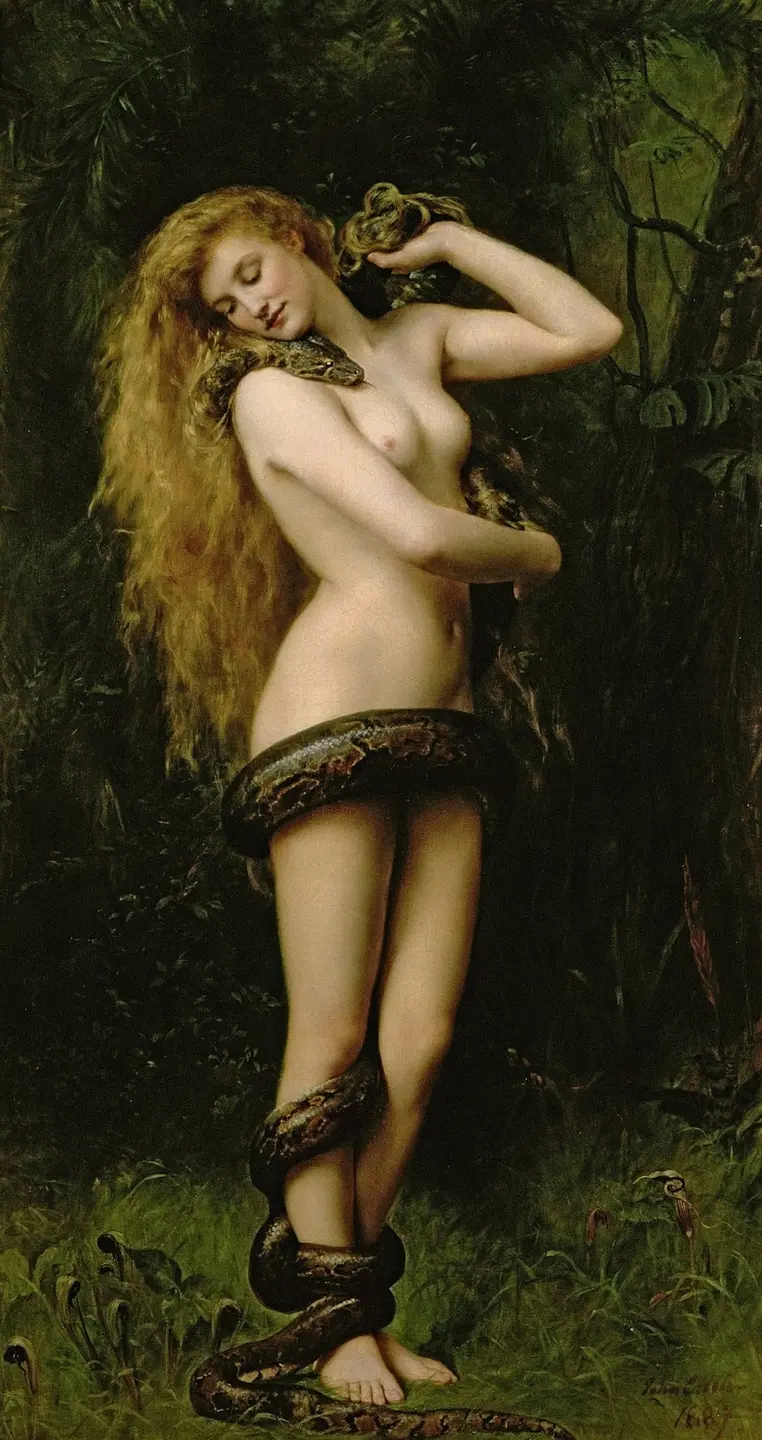
Lilith is a figure whose history spans ancient Near Eastern demonology, Jewish folklore, medieval protective magic, Kabbalah, literature, feminist reinterpretation, modern occultism, and contemporary Satanic or Luciferian religion. She is often introduced today as “Adam’s first wife,” but that familiar story is medieval rather than biblical. Earlier sources describe beings called lilith or lilin in…
Meditation in theistic Satanism refers to contemplative practices used to focus attention, examine experience, cultivate devotional awareness, or create a deliberate setting for approaching Satan and other spirits. There is no single Satanic meditation method. Practices range from silent sitting and breath awareness to visualization, repetitive prayer, sigil contemplation, journaling, and extended…
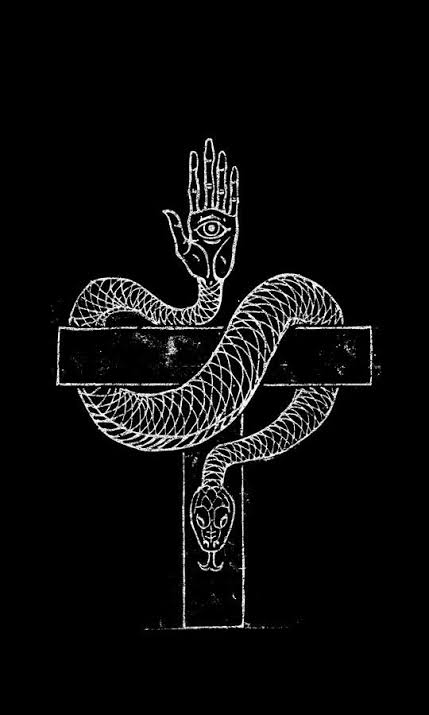
The left-hand path is a modern esoteric category used for religious and magical currents that emphasize themes such as individual self-direction, antinomianism, self-deification, initiatory transformation, or deliberate engagement with symbols rejected by dominant religious culture. It overlaps with some forms of Satanism, Luciferianism, Setianism, and modern occultism, but the terms are not synonymous.
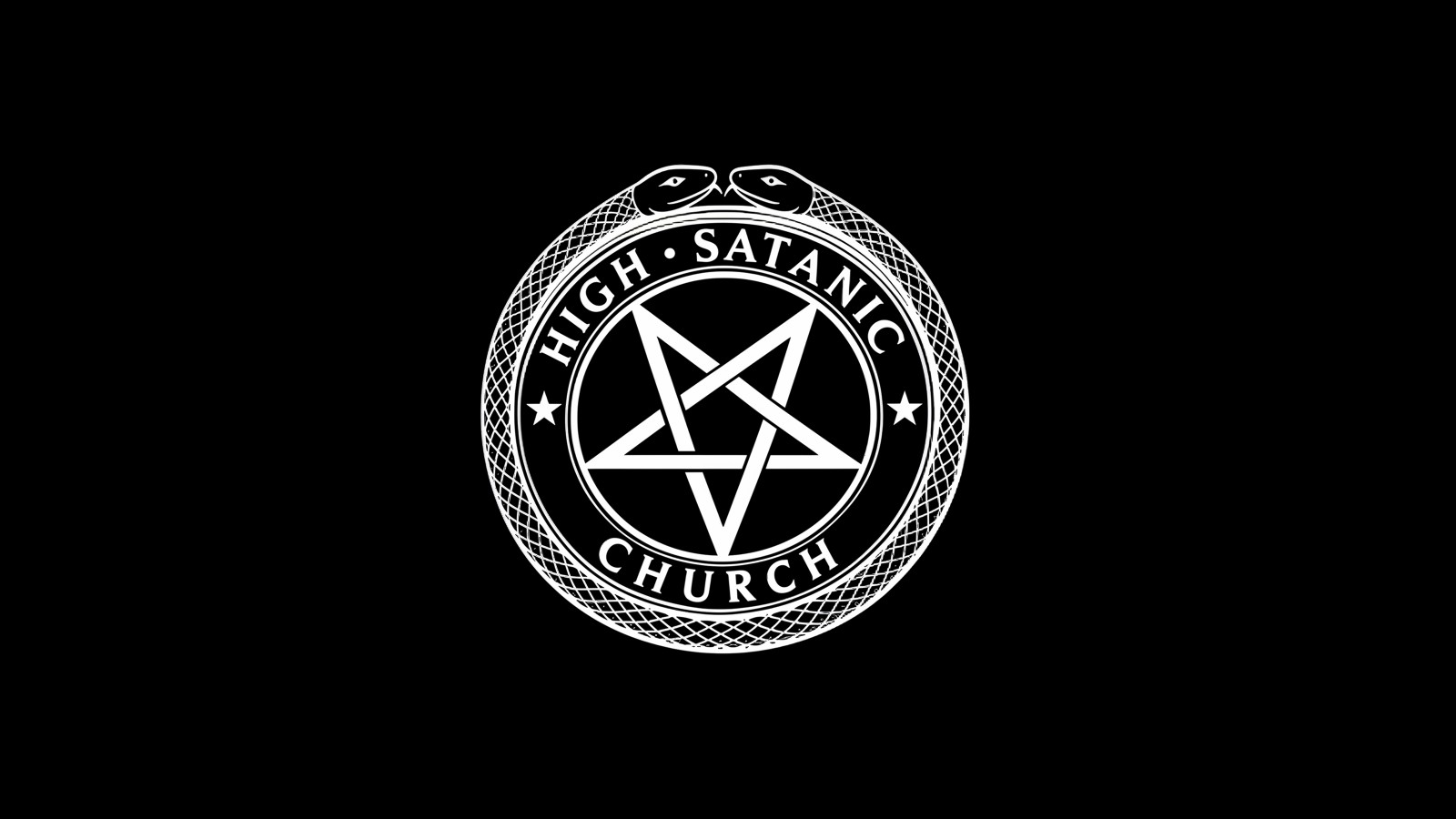
The High Satanic Church is an independent theistic Satanist religious organization and online congregation centered on the worship of Satan as a real deity. Its public website describes the Church as theistic, devotional, and unaffiliated with both the Church of Satan and The Satanic Temple. The organization maintains public material on beliefs and practice as well as member accounts, lodges, writings,…
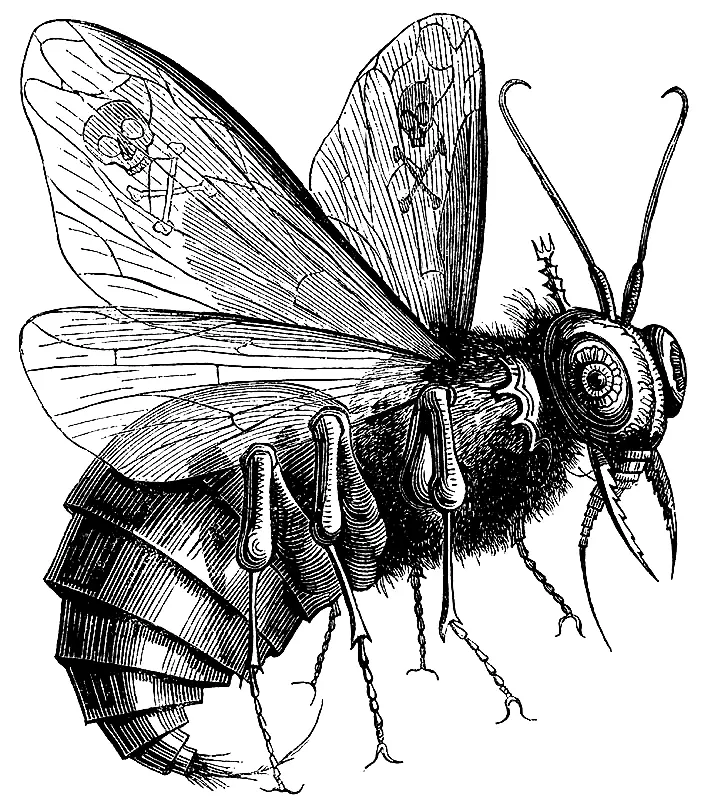
Beelzebub and related spellings appear in distinct biblical contexts. Later demonological interpretations should not be retroactively read into each earlier occurrence.
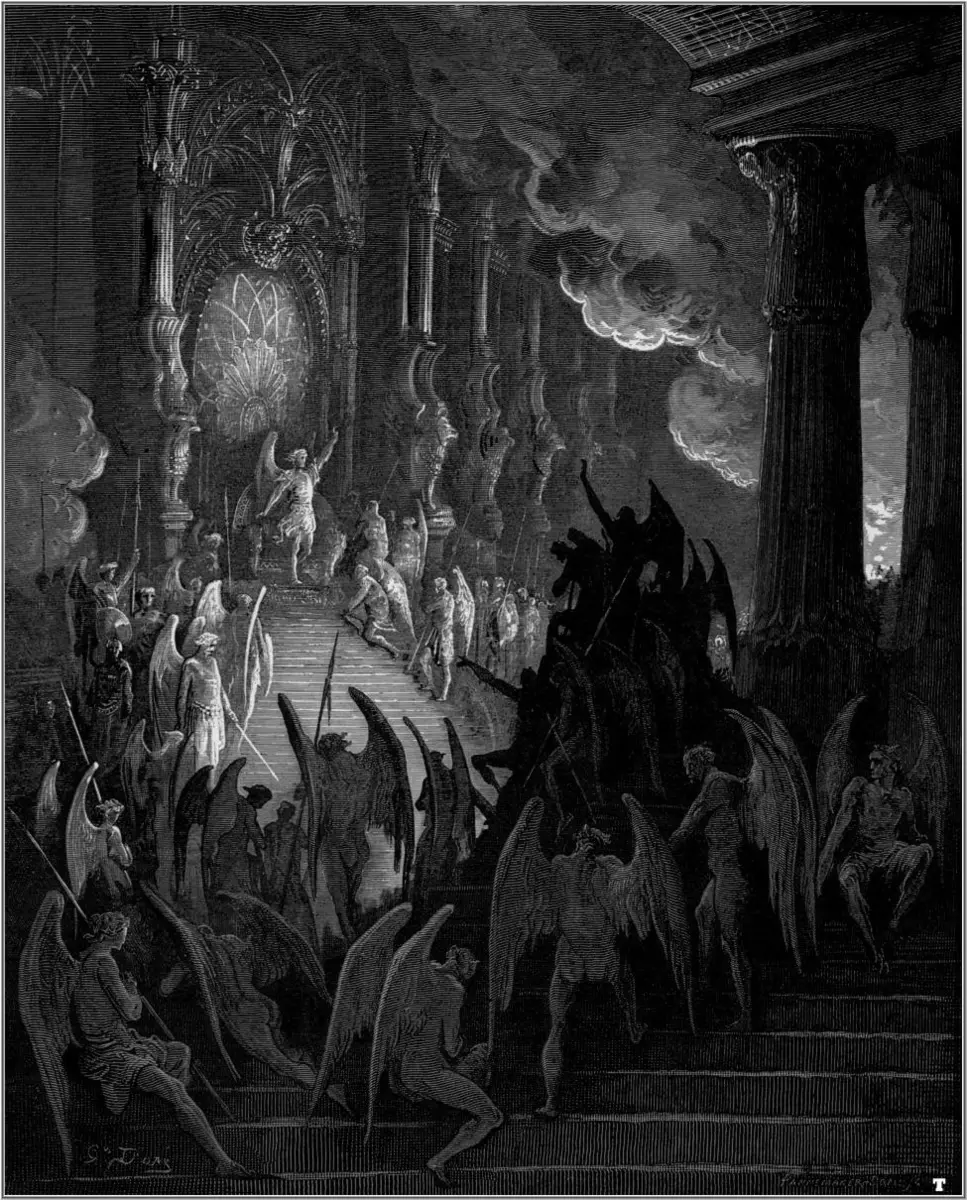
A nontheistic Satanic organization whose public principles emphasize self-determination, compassion, and responsibility.
The medieval Liber Juratus, a work of sacred magic concerned with divine vision, angels, and ritual authority.
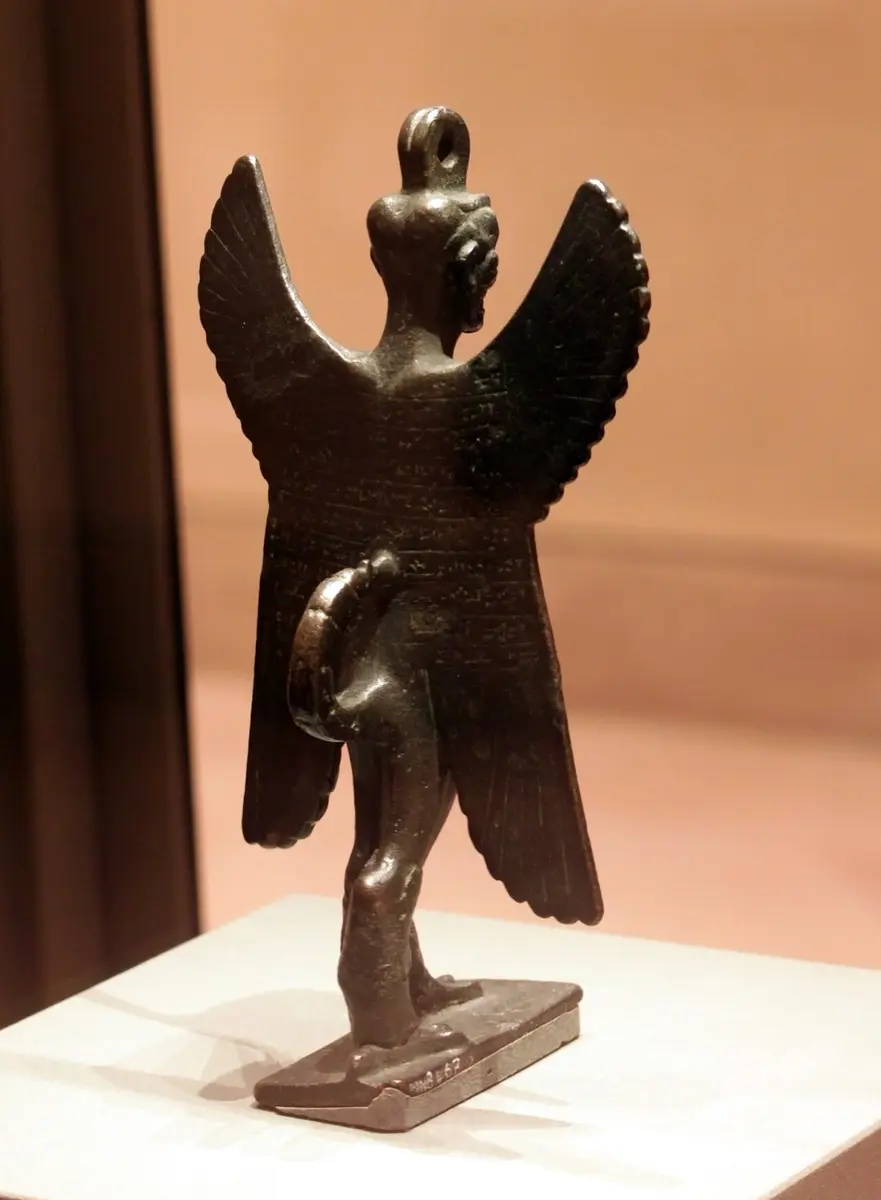
A Mesopotamian wind demon whose image was also used protectively, especially against Lamashtu.
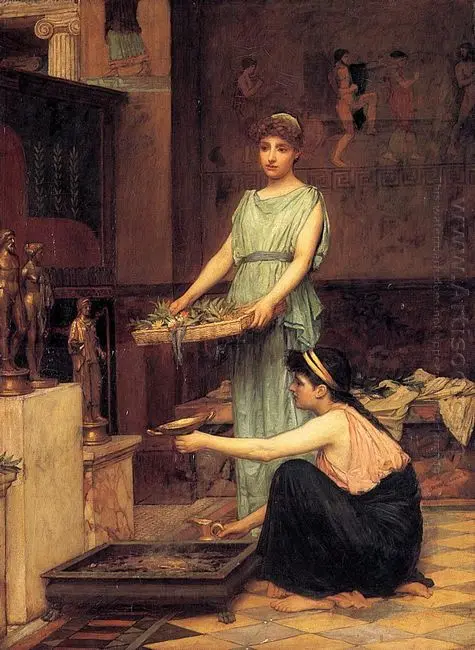
Offerings are objects, substances, actions, or works intentionally presented to a deity, spirit, sacred power, or religious community. Across religious history offerings have included food, drink, incense, flowers, animal sacrifice, money, vows, music, labor, art, and acts of service. In theistic Satanism, offerings are commonly used to express devotion, gratitude, hospitality, dedication, or…
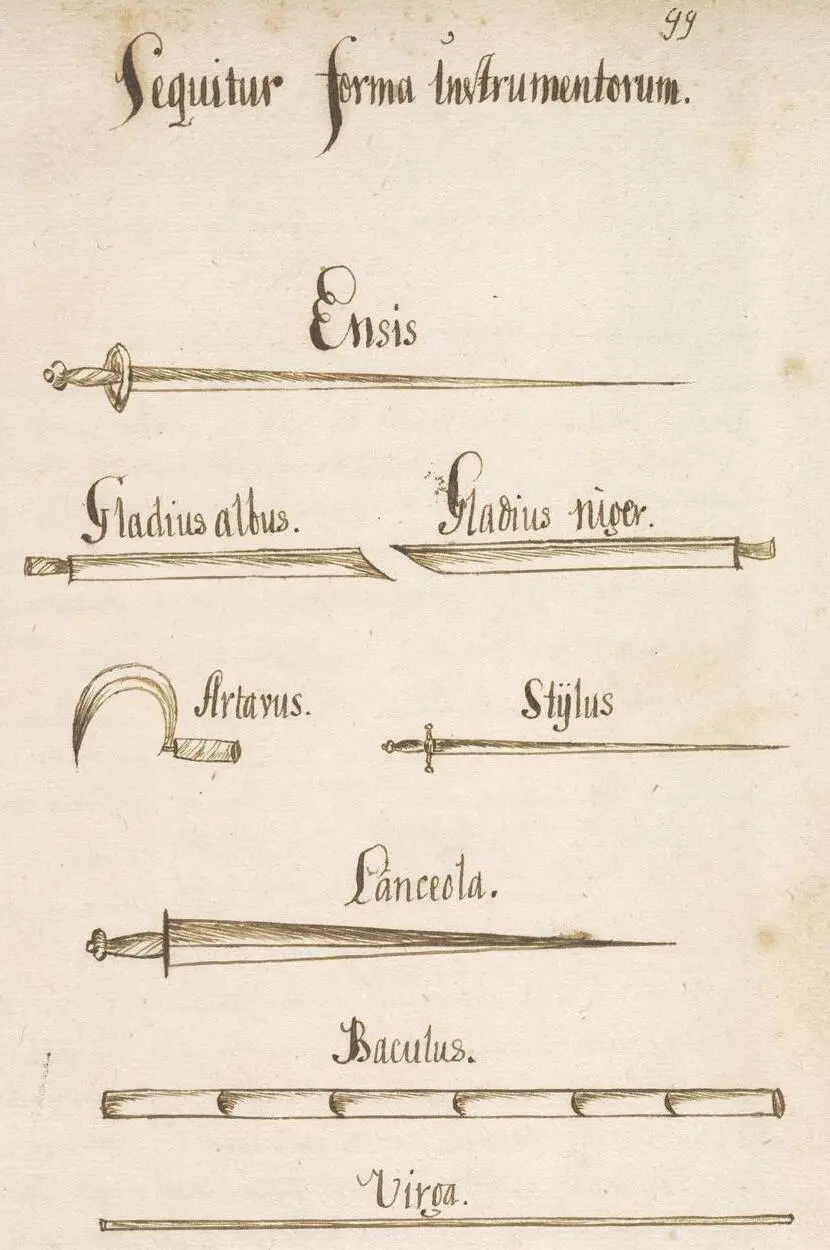
The Key of Solomon is a transmitted family of magical texts concerning preparation, ritual, and ceremonial instruments. It should be distinguished from the five-part Lesser Key of Solomon.
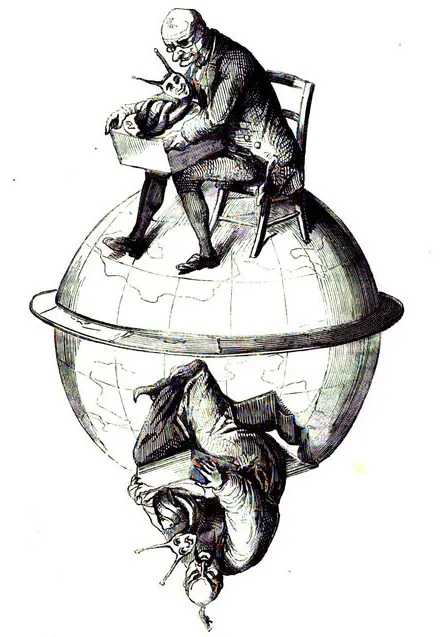
Collin de Plancy’s Dictionnaire infernal gathered supernatural traditions in a dictionary format. Its 1863 entries and illustrations remain influential in modern depictions of spirits.