Search

Results for “Astrology in Western esotericism”

226 resultsResults prioritize title matches, then summaries and article text.Try topic browsing →
Theology & Cosmology

Satan

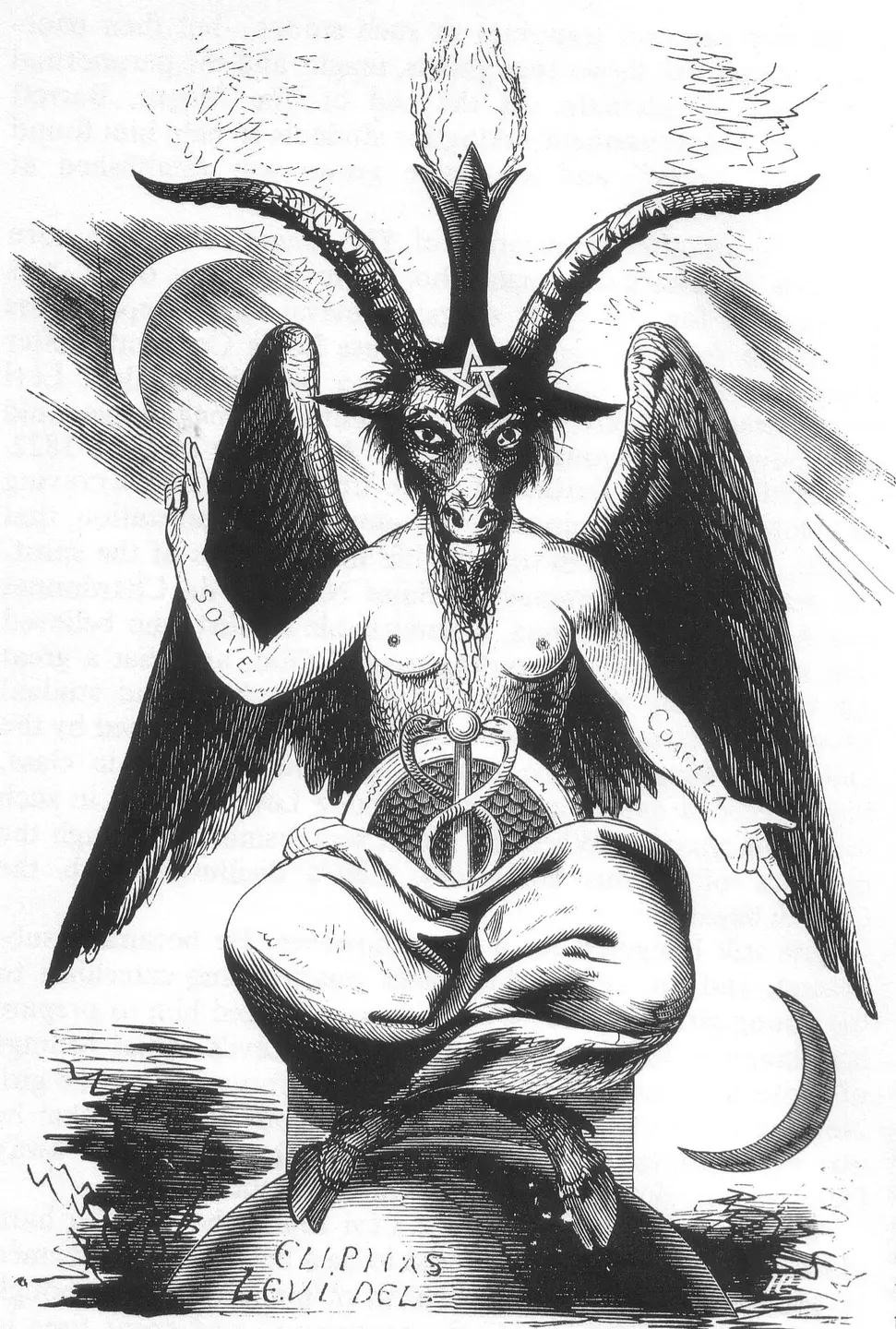
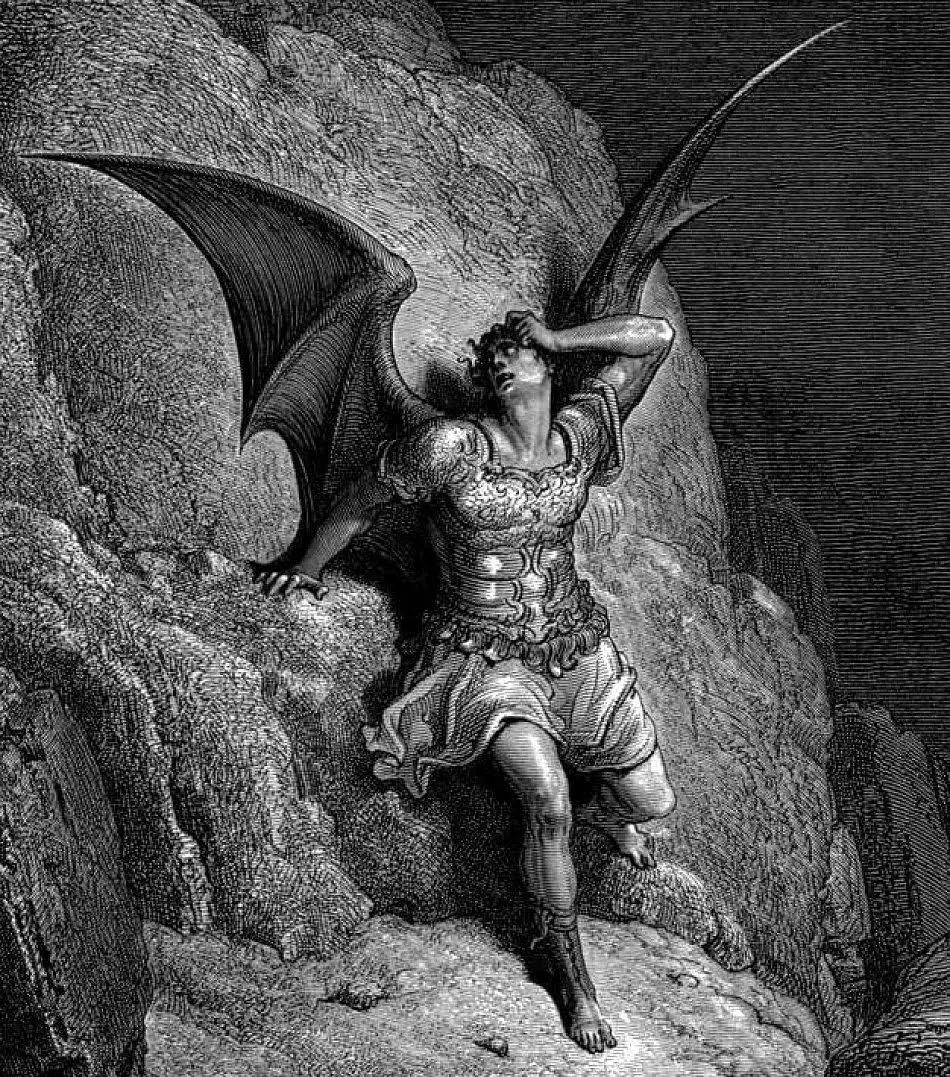
Satan is a figure whose meaning has changed substantially across Jewish, Christian, Islamic, literary, esoteric, and modern Satanic contexts. In contemporary theistic Satanism, Satan may be understood as a real deity, spirit, adversary, initiator, or metaphysical intelligence. Those modern interpretations draw on, but are not identical with, the much older history of the word and character.
Texts & Sources

Ars Goetia

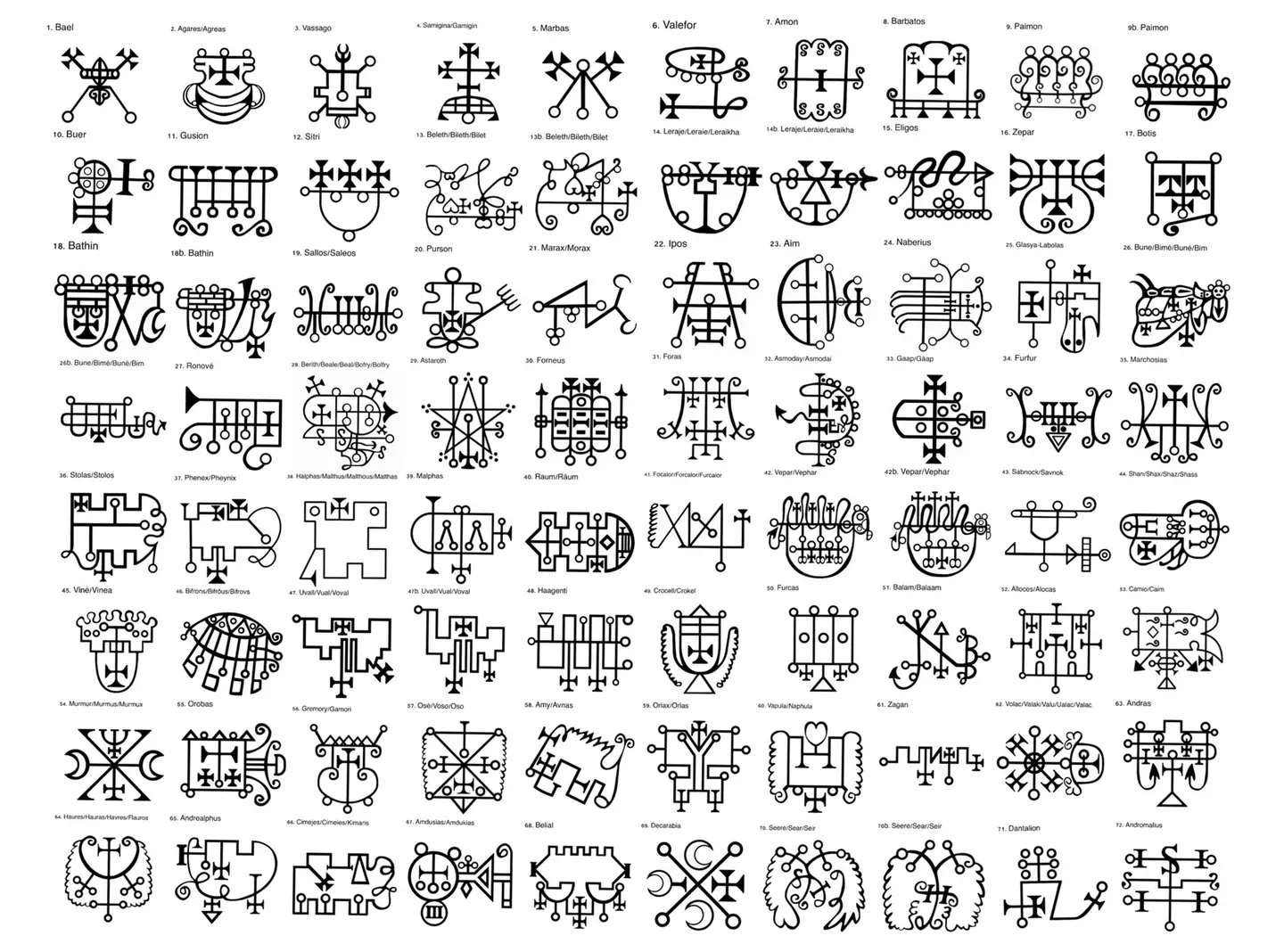
The Ars Goetia is the first section of the Lemegeton or Lesser Key of Solomon, an early modern English compilation of ceremonial magic. It is famous for a catalogue of seventy-two spirits, each described by name, rank, appearance, abilities, and a seal or character. In modern occultism the term “Goetia” is often used loosely for demon-summoning or work with these spirits, but historically the Ars Goetia…

Devotional Practice

Meditation and contemplation

Meditation in theistic Satanism refers to contemplative practices used to focus attention, examine experience, cultivate devotional awareness, or create a deliberate setting for approaching Satan and other spirits. There is no single Satanic meditation method. Practices range from silent sitting and breath awareness to visualization, repetitive prayer, sigil contemplation, journaling, and extended…

Theistic Satanism

Symbolic and theistic Satanism

Symbolic and theistic Satanism are broad labels used to distinguish Satanist traditions according to how they understand Satan’s reality. In theistic Satanism, Satan is ordinarily regarded as a real deity, spirit, intelligence, or independently existing being. In symbolic or non-theistic Satanism, Satan is understood primarily as a symbol, literary figure, archetype, cultural adversary, or name for a…

High Satanic Church

The High Satanic Church

The High Satanic Church is an independent theistic Satanist religious organization and online congregation centered on the worship of Satan as a real deity. Its public website describes the Church as theistic, devotional, and unaffiliated with both the Church of Satan and The Satanic Temple. The organization maintains public material on beliefs and practice as well as member accounts, lodges, writings,…

Demonology & Spirits

Watchers

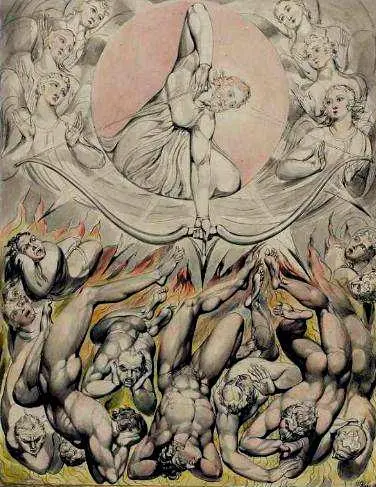
The Watchers are heavenly beings whose descent, teachings, and punishment are narrated in 1 Enoch. Their literary identity must be distinguished from later religious interpretations.

Texts & Sources

Book of Enoch

1 Enoch brings together accounts of heavenly beings, judgment, celestial order, and righteousness. It is a composite work rather than a single continuous biography of Enoch.

History

Nephilim

The Nephilim appear in brief biblical passages and in later traditions about giants. Different texts should be distinguished before their accounts are combined.

Demonology & Spirits

Semjaza

Semjaza is a leading figure in the Enochic account of the Watchers’ oath and descent. His role differs from the teaching and punishment associated with Azazel.

Demonology & Spirits

Belial

Belial appears in biblical religious language and later spirit catalogues. These uses should be distinguished rather than treated as one unchanged biography.

Demonology & Spirits

Beelzebub

Beelzebub and related spellings appear in distinct biblical contexts. Later demonological interpretations should not be retroactively read into each earlier occurrence.

Culture & Ethics

Tarot

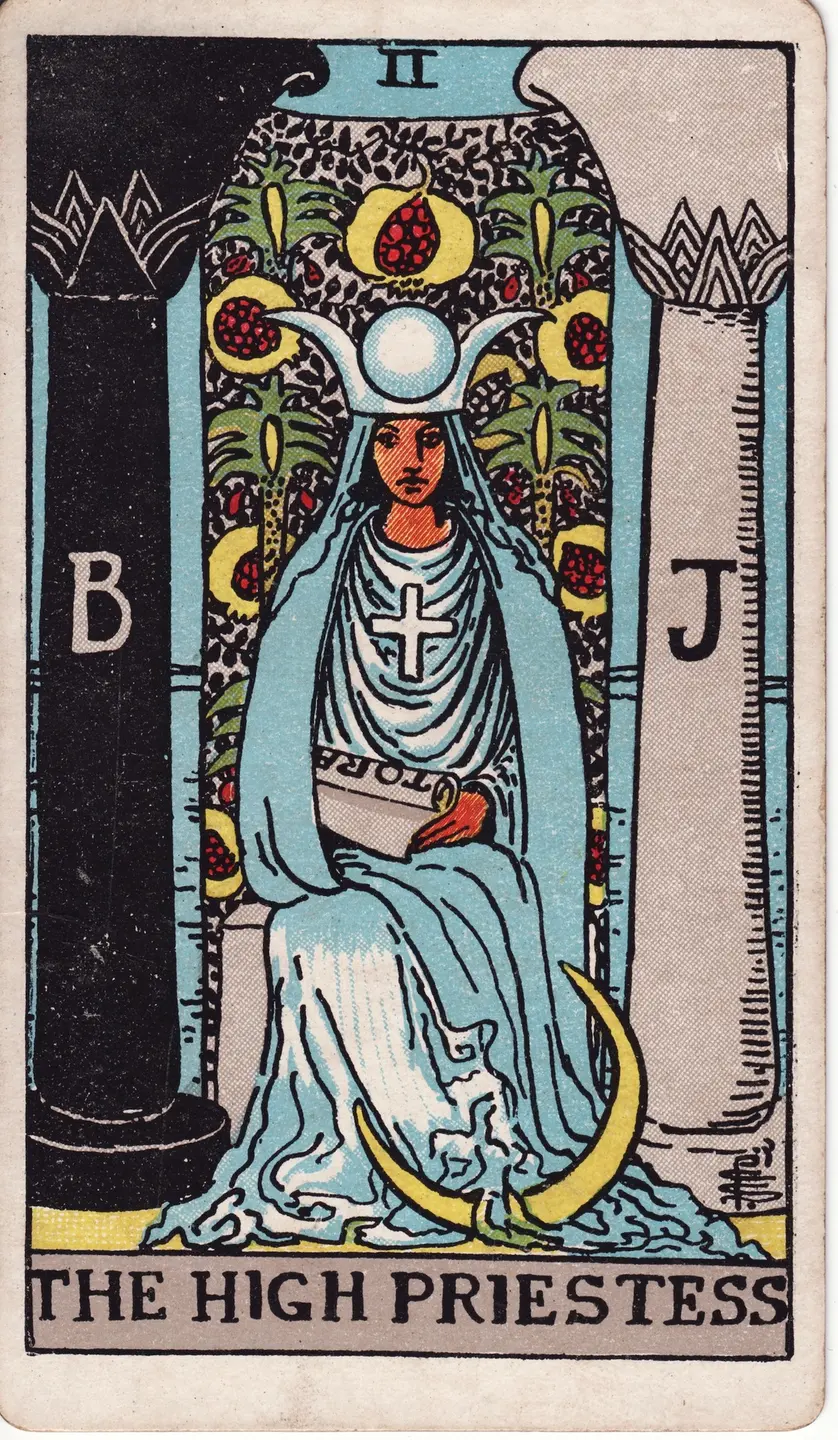
Tarot developed as playing cards before becoming an influential tool of occult interpretation. The history of the cards differs from later claims about their hidden origins.

Devotional Practice

Sigils

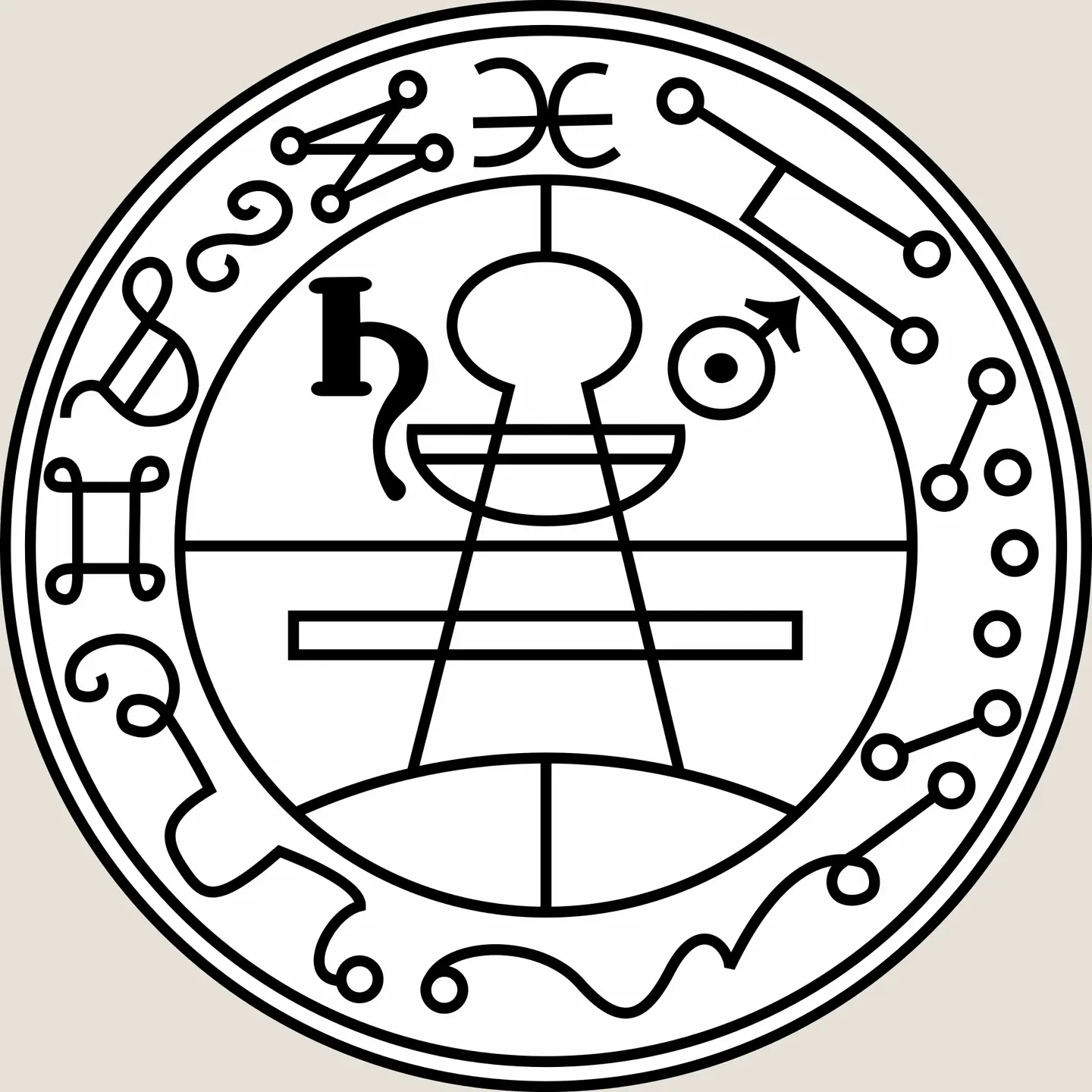
Sigils are graphic signs used in particular magical systems. Historical spirit seals, ceremonial figures, and modern personal signs should be distinguished.

Devotional Practice

Ceremonial magic

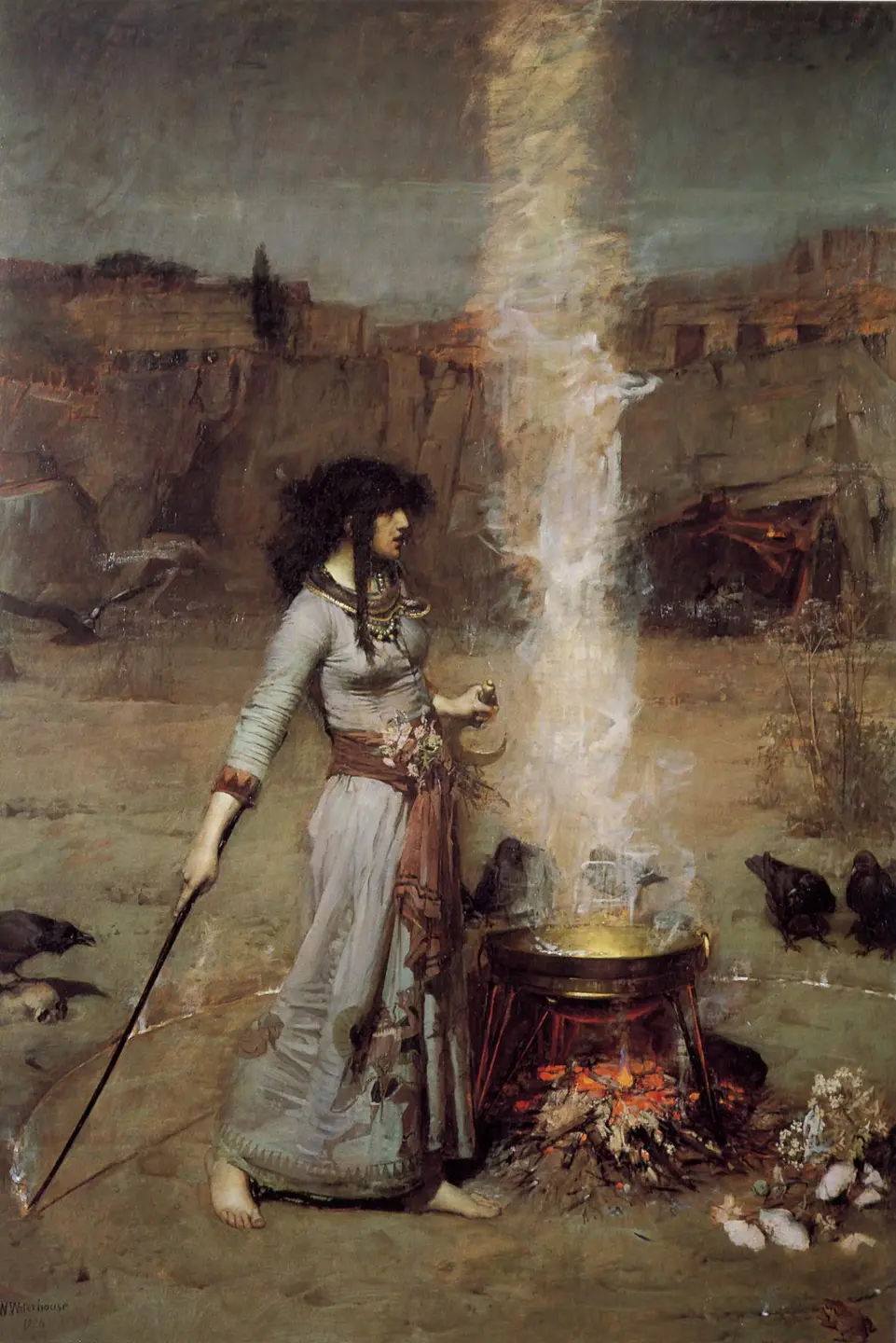
Ceremonial magic uses formally organized ritual actions. Its historical systems combine preparation, symbols, instruments, and accounts of spiritual authority in different ways.

Theistic Satanism

Demonolatry

Demonolatry refers to devotion to demons or daemonic beings. Modern accounts vary in theology, authority, and their relationship with historical grimoires.

Devotional Practice

Religious experience and discernment

Religious discernment concerns how experiences are interpreted and assessed. An immediate event, a theological explanation, and a claim about another person require different kinds of evidence.

Theology & Cosmology

Polytheism

Polytheism involves belief in multiple deities. The existence of several gods does not by itself settle their relationships, moral authority, or the forms of devotion directed toward them.

Culture & Ethics

Myth and literal belief

A religious myth can organize meaning while also receiving literal belief. Literary form, personal interpretation, and historical evidence should be discussed as related but distinct questions.

Culture & Ethics

Unverified personal gnosis

Unverified personal gnosis identifies a spiritual claim or interpretation whose source is personal experience rather than established textual or communal authority.

Demonology & Spirits

Vassago

A Goetic prince associated with finding lost things and knowledge of past and future events.