Demonology & Spirits
Andromalius
The final Goetic spirit, associated with stolen goods, concealed wrongdoing, and hidden treasure.
The final Goetic spirit, associated with stolen goods, concealed wrongdoing, and hidden treasure.
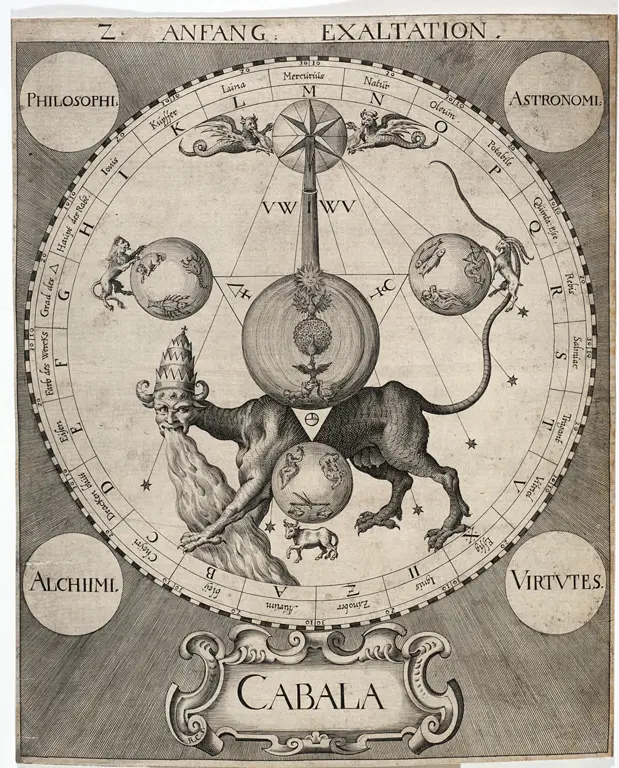
An initiatory order whose Draconian system brings together Qliphoth, Goetic magic, alchemy, and other esoteric traditions.

An initiatory organization associated with Thelema and the public celebration of the Gnostic Mass.
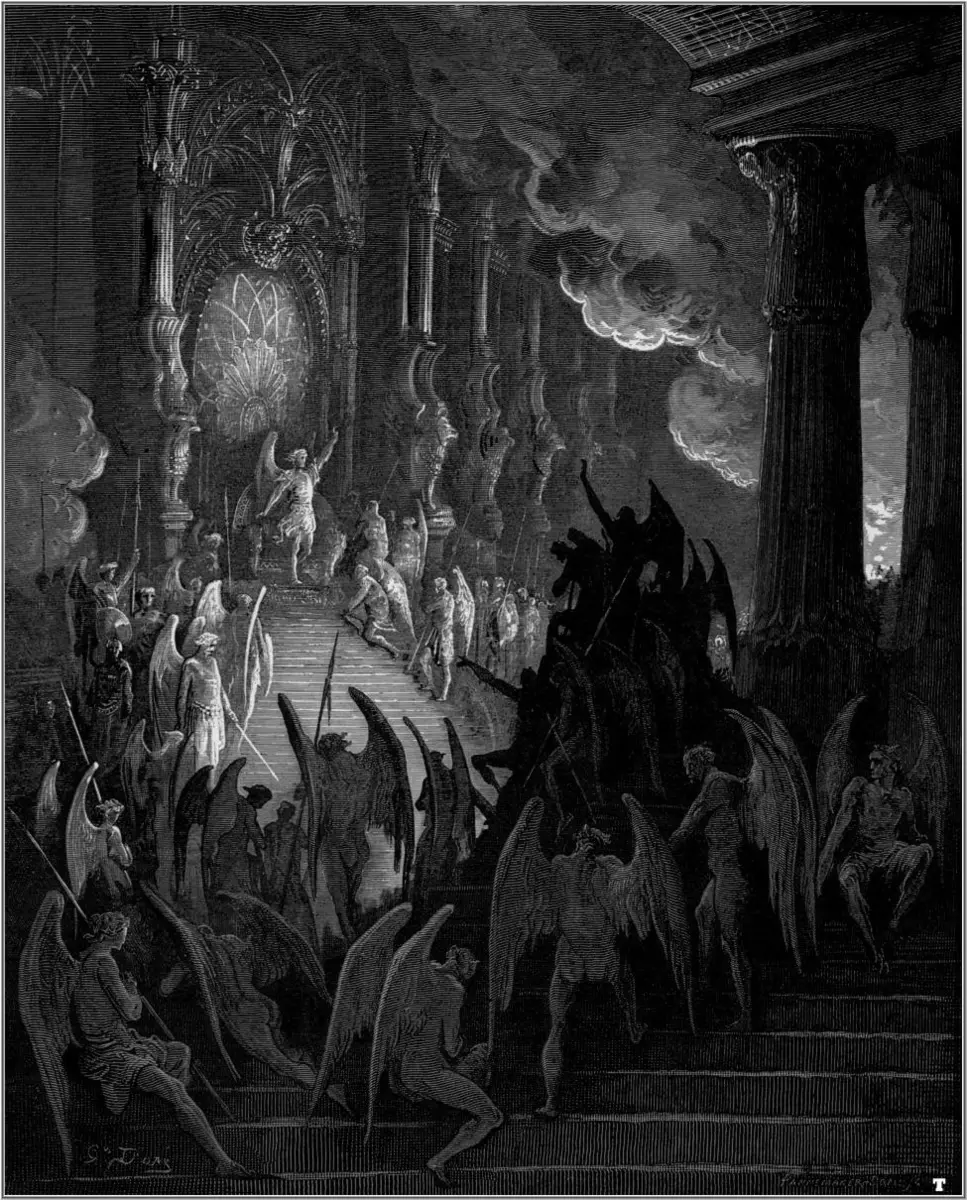
A nontheistic Satanic organization whose public principles emphasize self-determination, compassion, and responsibility.

Traditions associated with the rose and cross, the early modern Rosicrucian manifestos, and later initiatory societies.
The grimoire compilation known as the Lemegeton, including the Goetia and several angelic arts.
The Pauline Art in the Lemegeton, concerning angels of the hours and the degrees of the zodiac.
An angelic art in the Lemegeton, using a wax tablet, candles, and a hierarchy of heavenly altitudes.
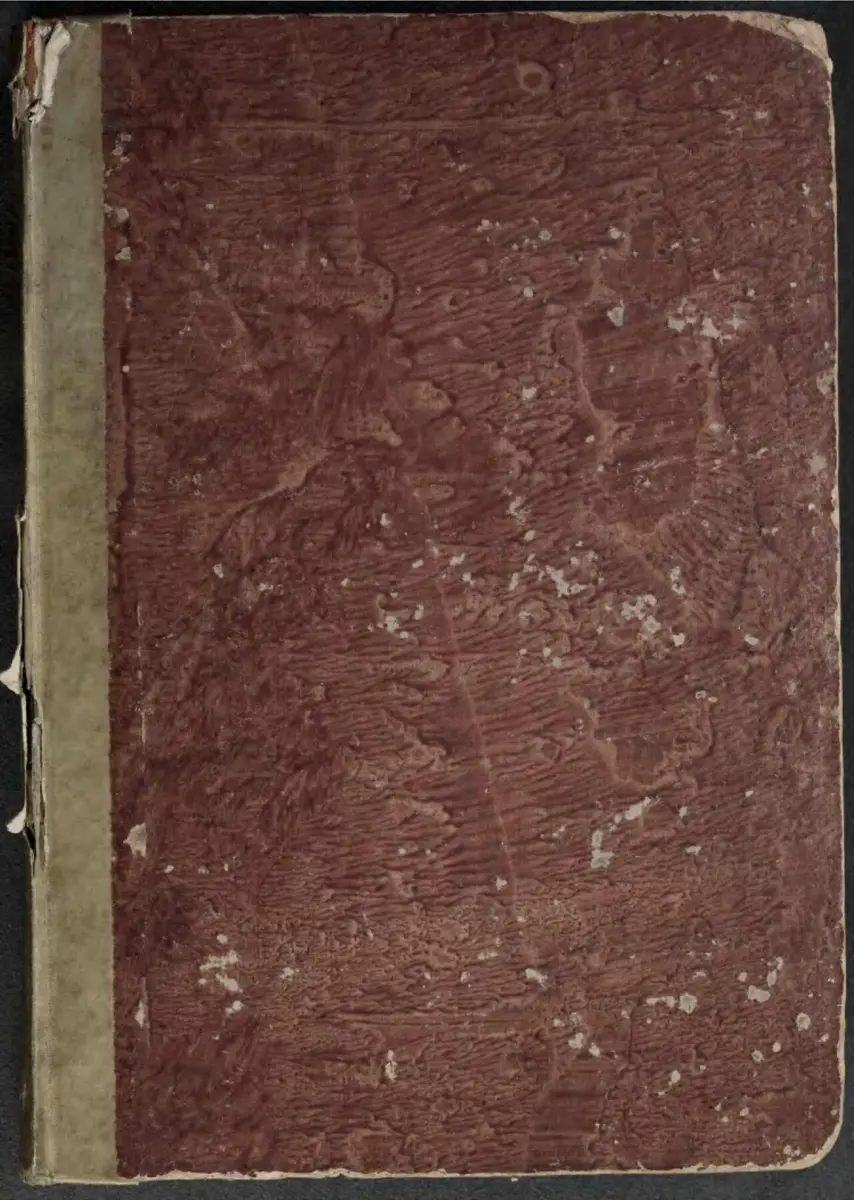
Agrippa’s Renaissance synthesis of natural, celestial, and religious magic.
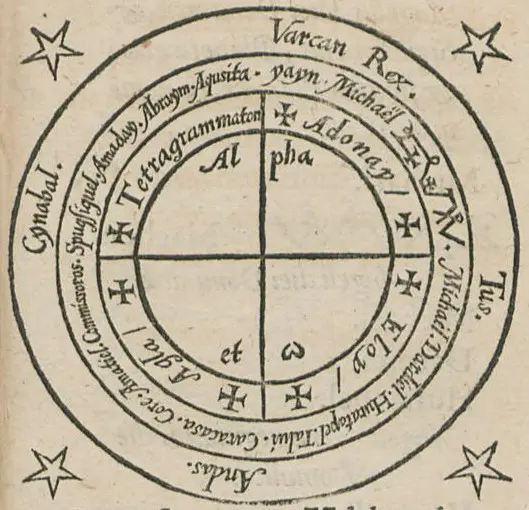
A grimoire of angelic conjuration organized around the seven days of the week.
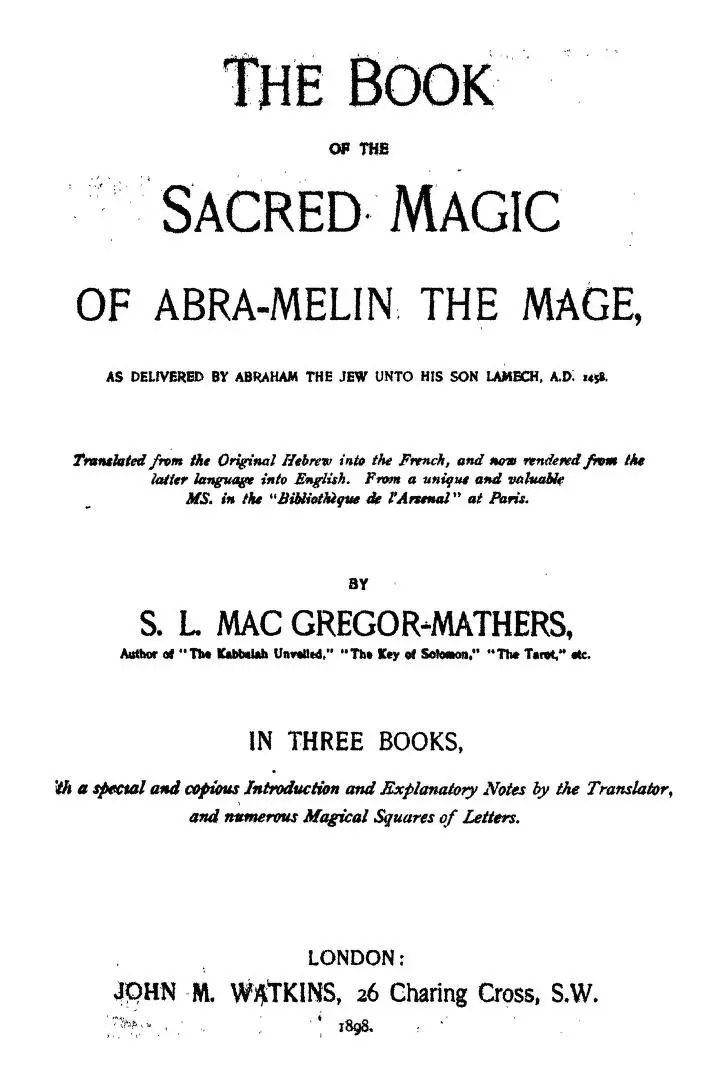
A grimoire built around religious preparation, the guardian angel, and subsequent work with spirits and magical squares.
The medieval Liber Juratus, a work of sacred magic concerned with divine vision, angels, and ritual authority.
The Slavonic Enochic work also known as the Book of the Secrets of Enoch, describing ascent, creation, and instruction.
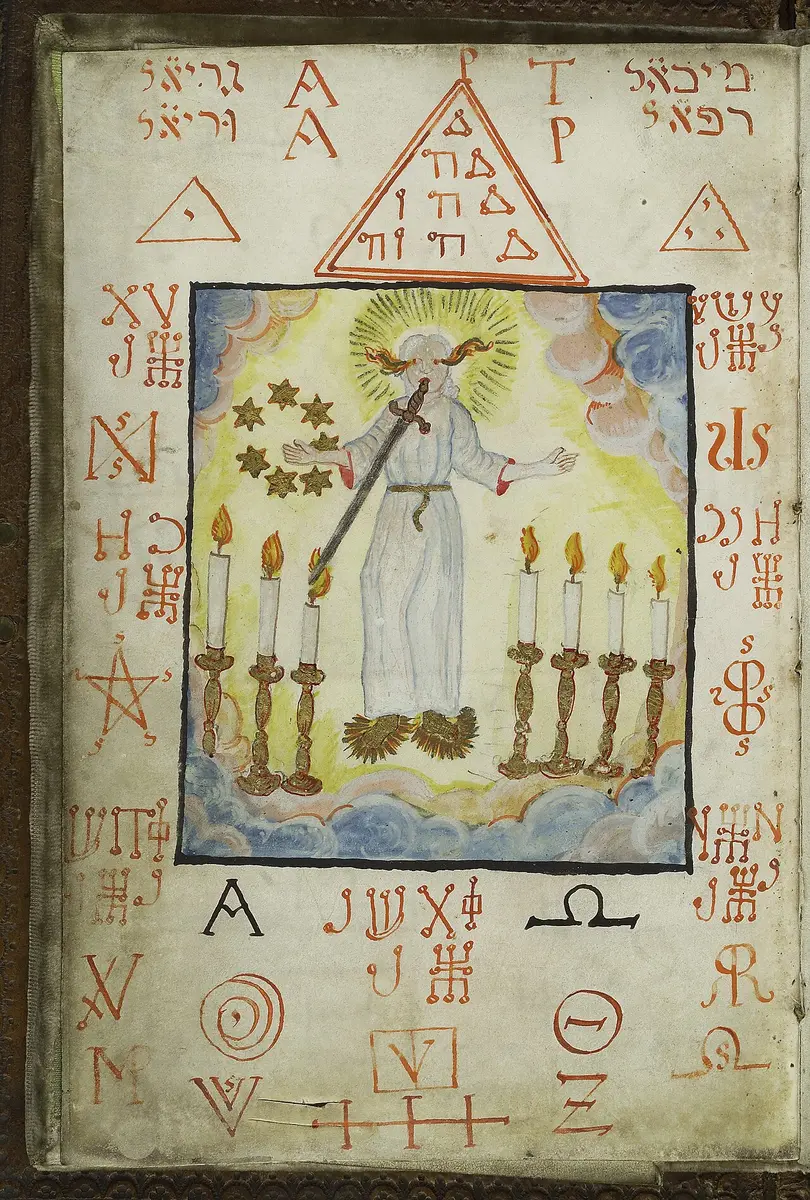
The Hebrew Enochic work associated with heavenly palaces and Enoch’s transformation into Metatron.
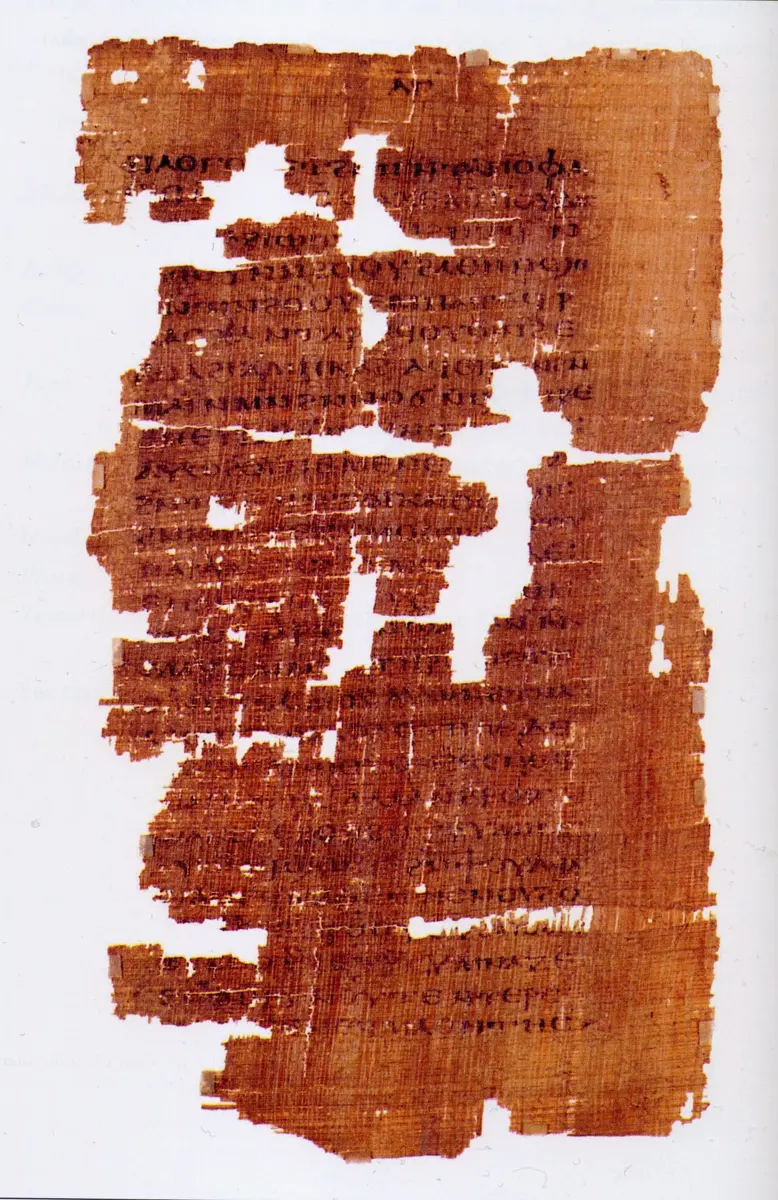
An early Christian revelation dialogue preserved in Coptic, known from the manuscript called Codex Tchacos.
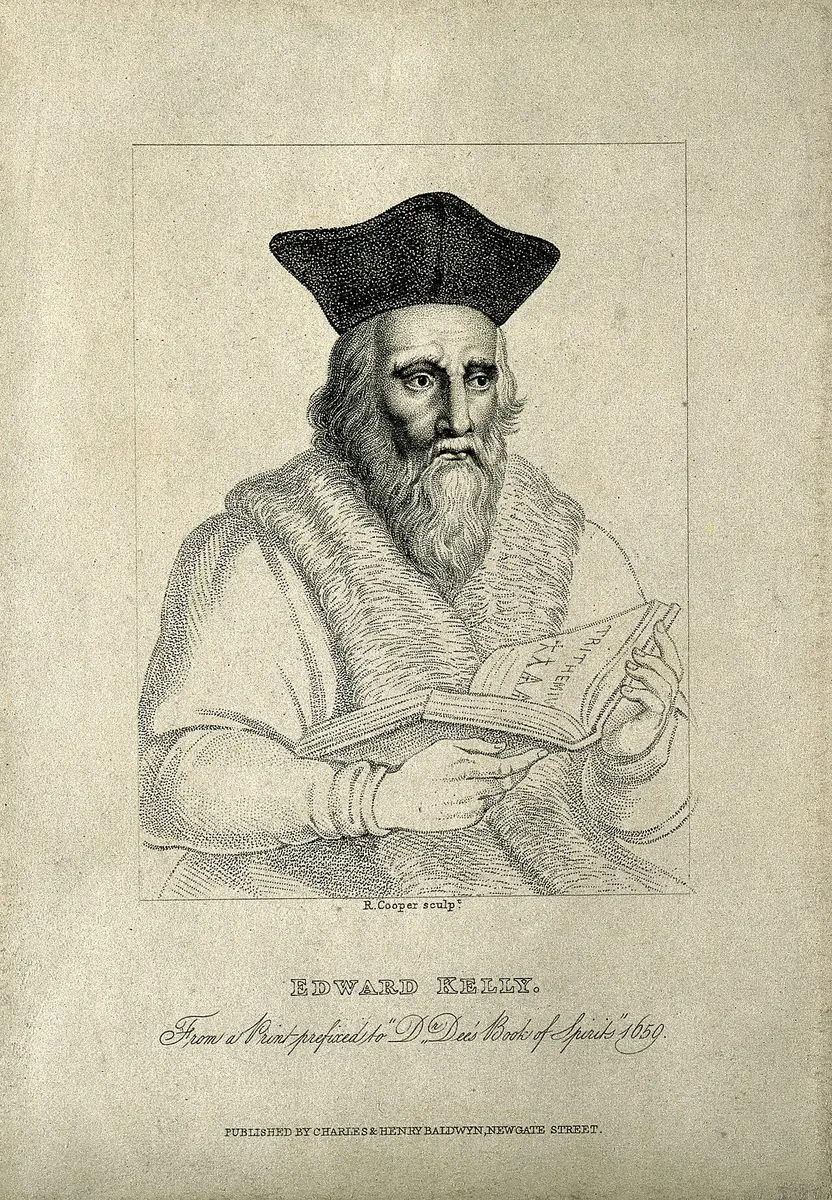
The scryer associated with John Dee’s recorded spirit conversations and later alchemical pursuits.

A founder and major author of the Temple of Set, associated with the modern Setian interpretation of Xeper.
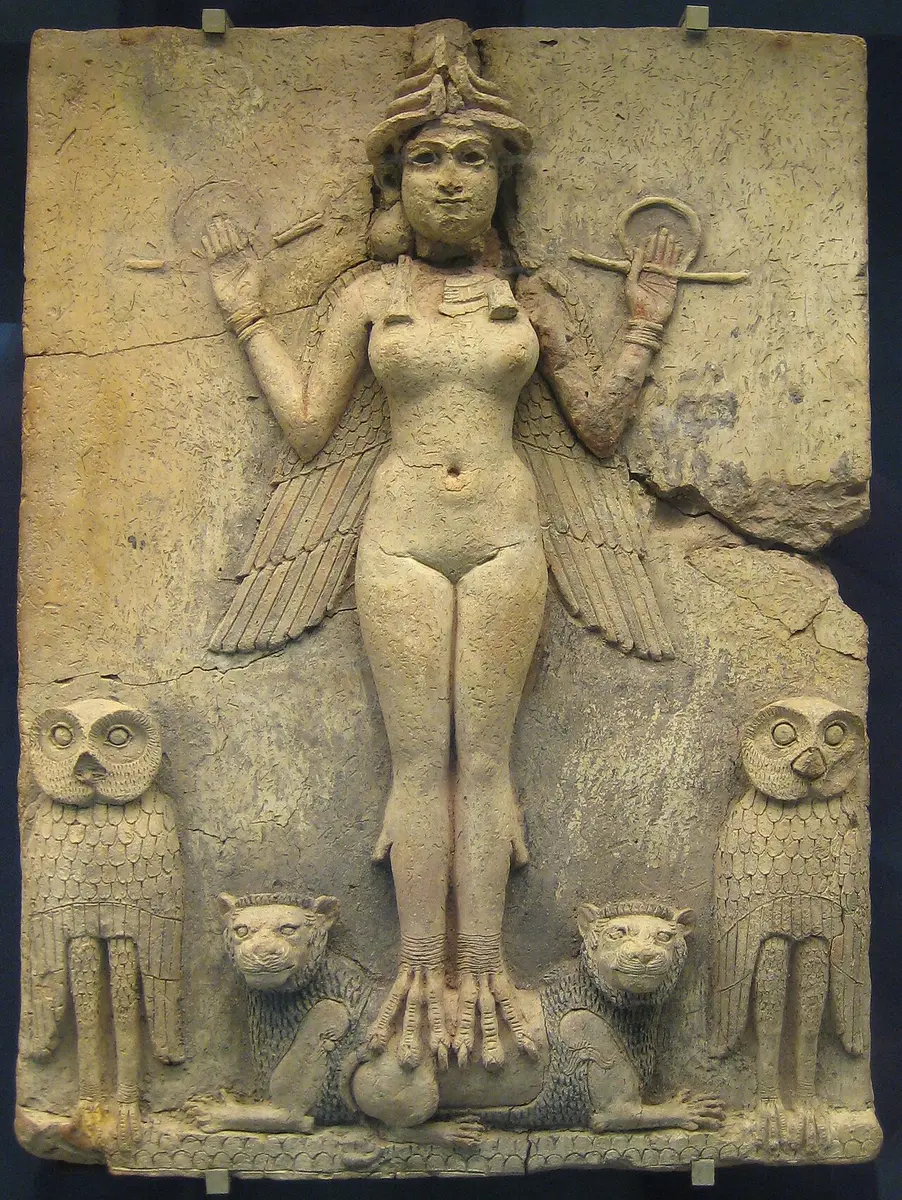
A Mesopotamian queen of the underworld, known through myths of descent and traditions concerning Nergal.
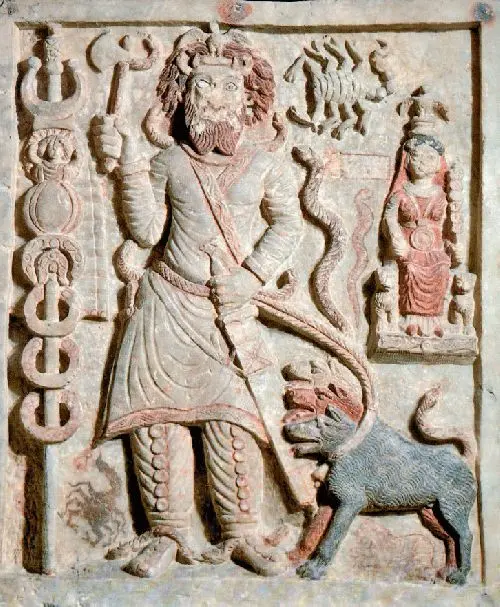
A Mesopotamian deity associated with death, war, disease, and the underworld.
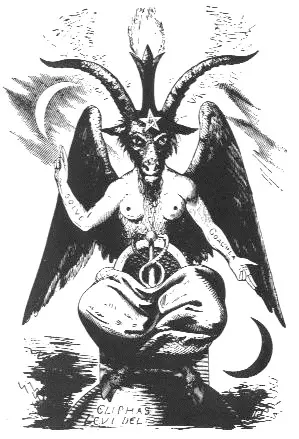
The images, names, and gestures used by Satanic traditions, whose meanings depend on their religious and historical setting.