Demonology & Spirits
Cimejes
A mounted Goetic marquis associated with grammar, rhetoric, logic, and hidden treasure.
A mounted Goetic marquis associated with grammar, rhetoric, logic, and hidden treasure.
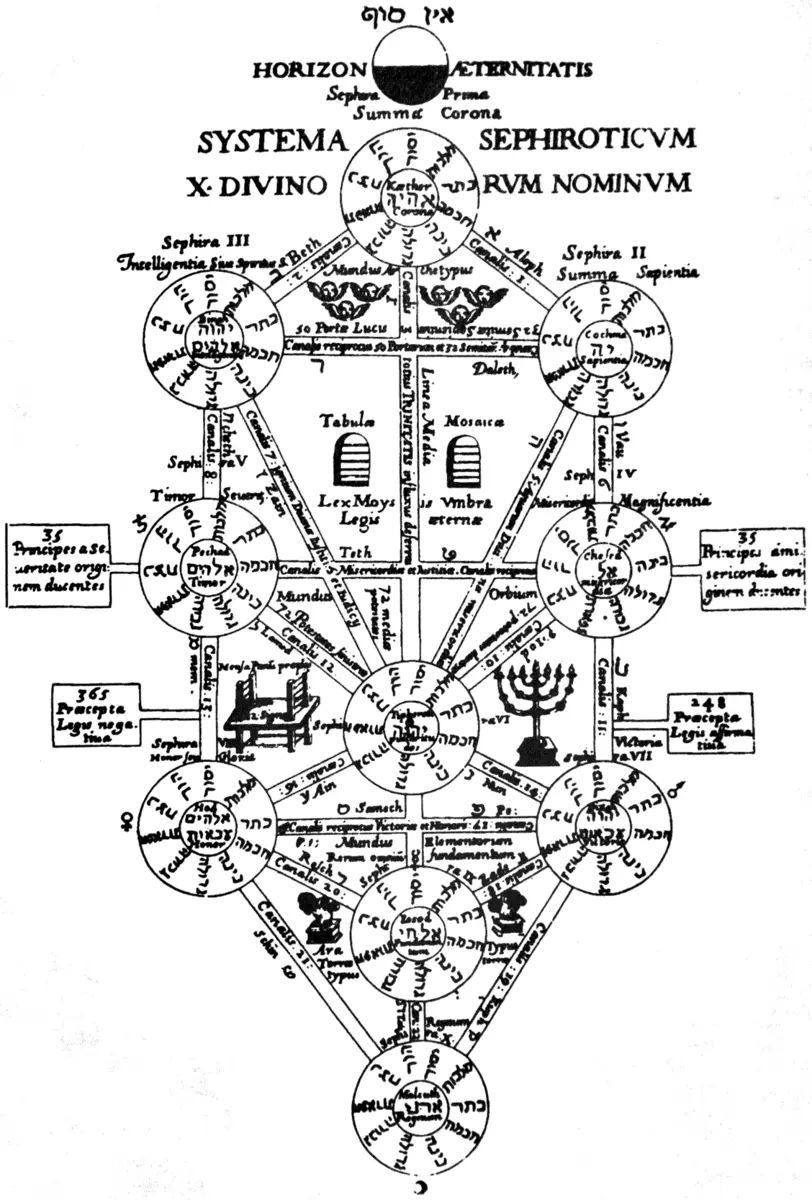
Western esoteric systems that adapt Kabbalistic ideas through ritual, correspondence tables, and symbolic interpretation.
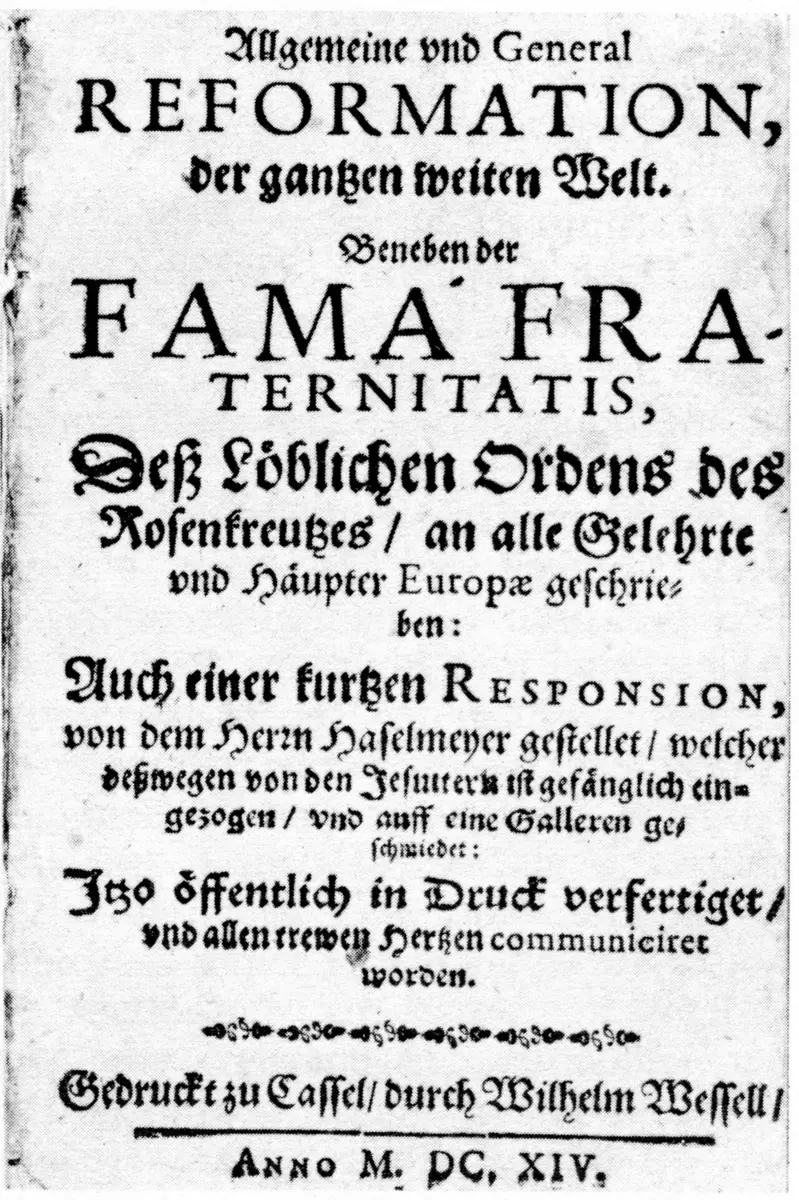
Traditions associated with the rose and cross, the early modern Rosicrucian manifestos, and later initiatory societies.
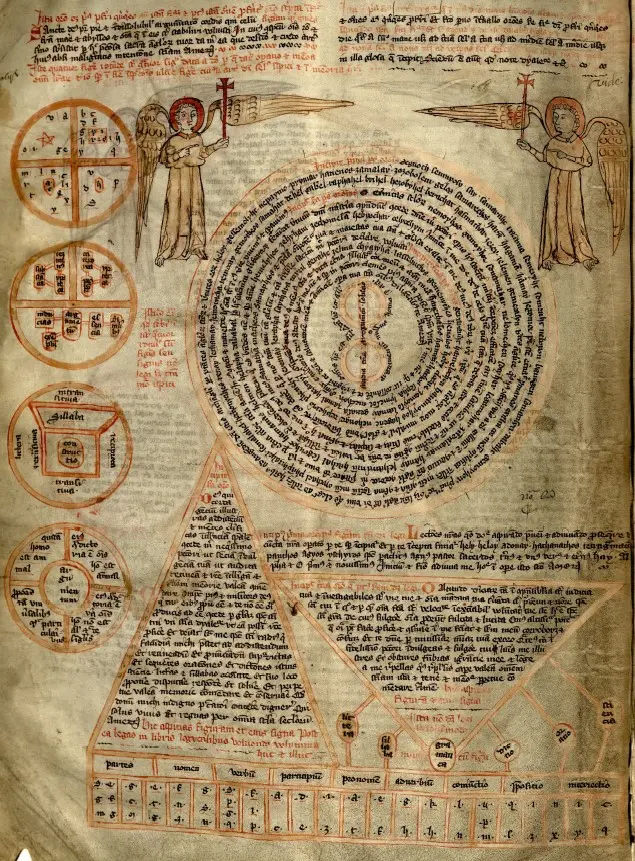
A medieval art of prayer and contemplation intended to confer learning, memory, and eloquence.
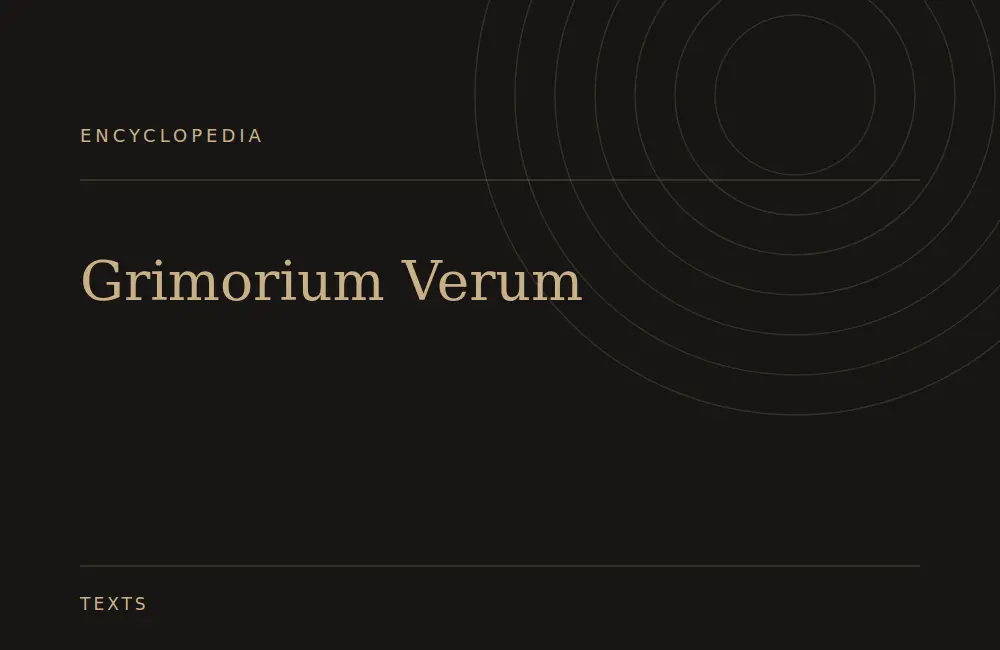
A grimoire with a hierarchy centered on Lucifer, Beelzebub, and Astaroth, followed by spirit operations and practical recipes.
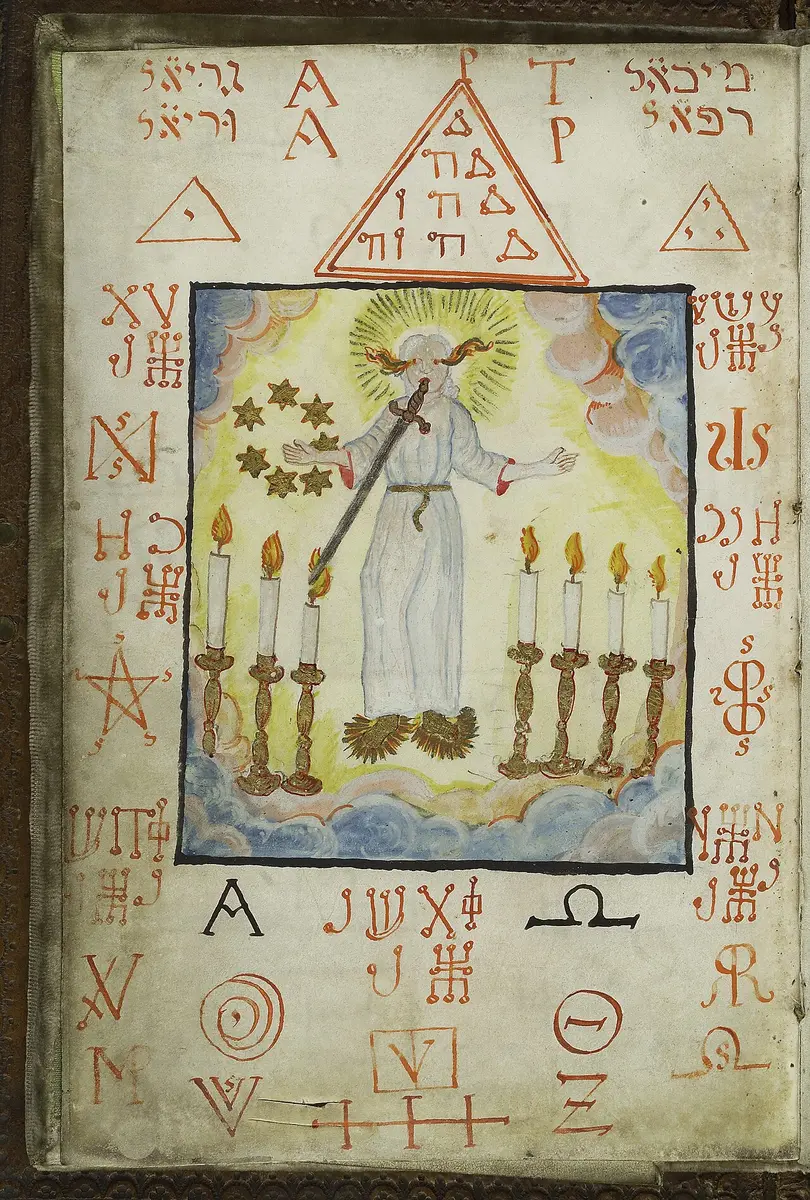
The Hebrew Enochic work associated with heavenly palaces and Enoch’s transformation into Metatron.
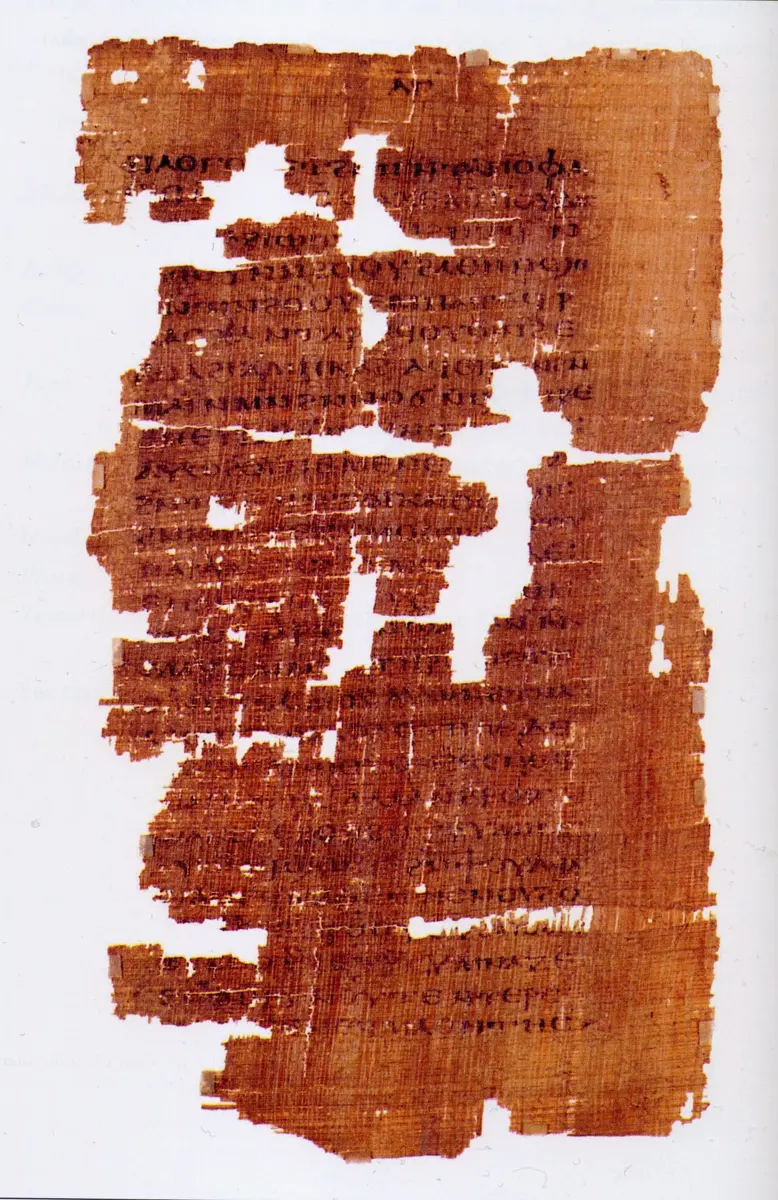
An early Christian revelation dialogue preserved in Coptic, known from the manuscript called Codex Tchacos.
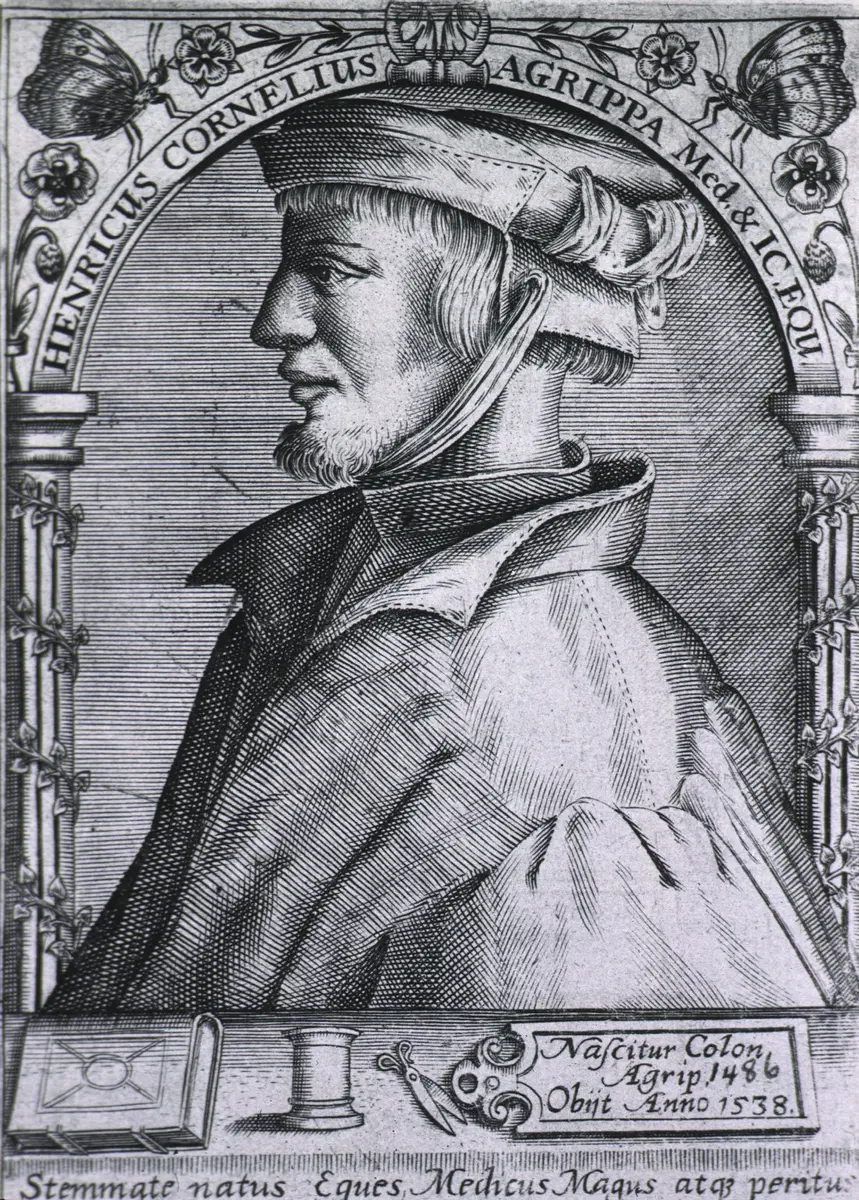
A Renaissance author whose Three Books of Occult Philosophy became a major source for Western magical systems.
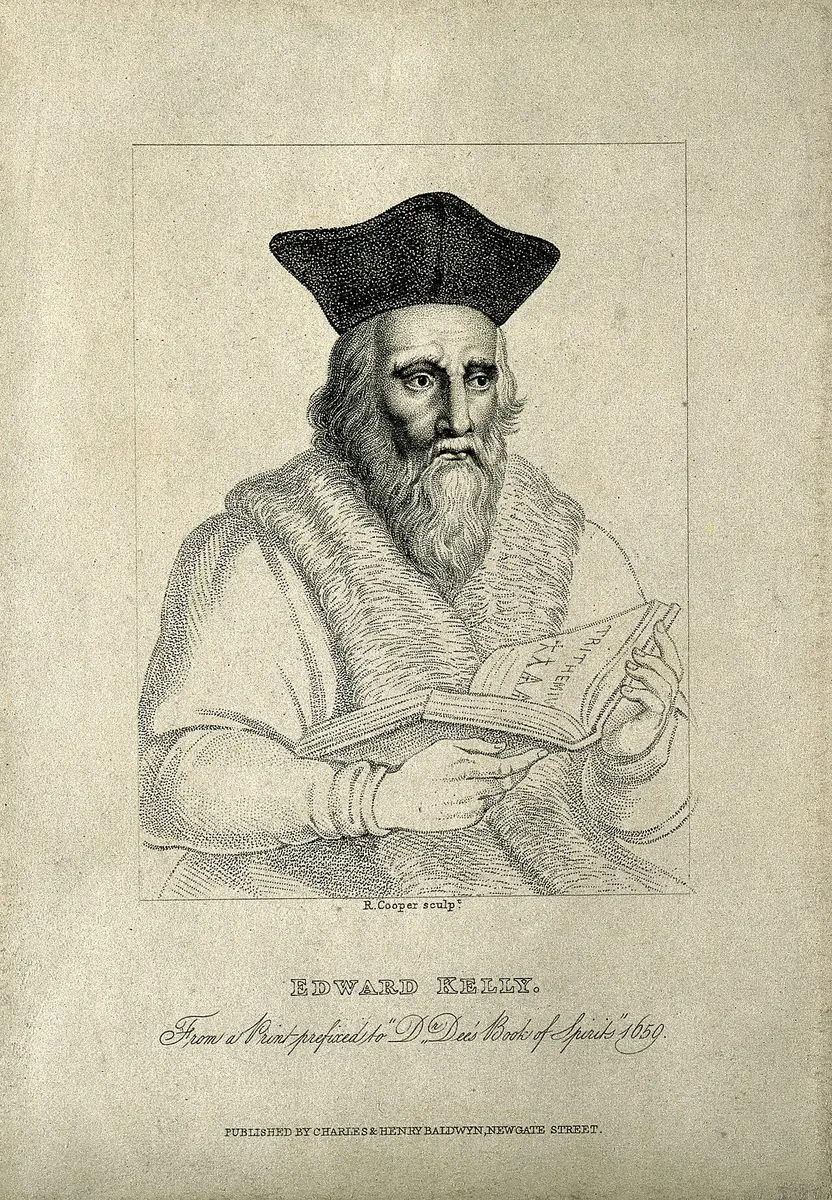
The scryer associated with John Dee’s recorded spirit conversations and later alchemical pursuits.
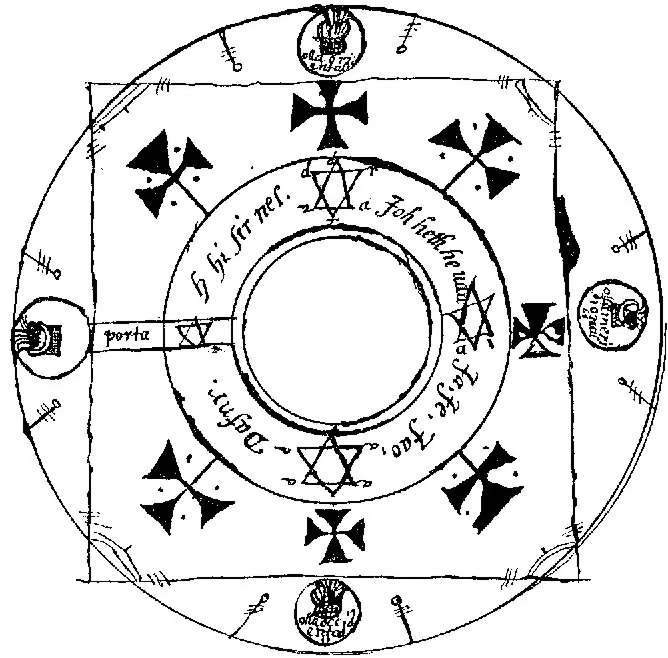
A marked ritual space whose names, divisions, and purpose differ among magical texts and modern traditions.
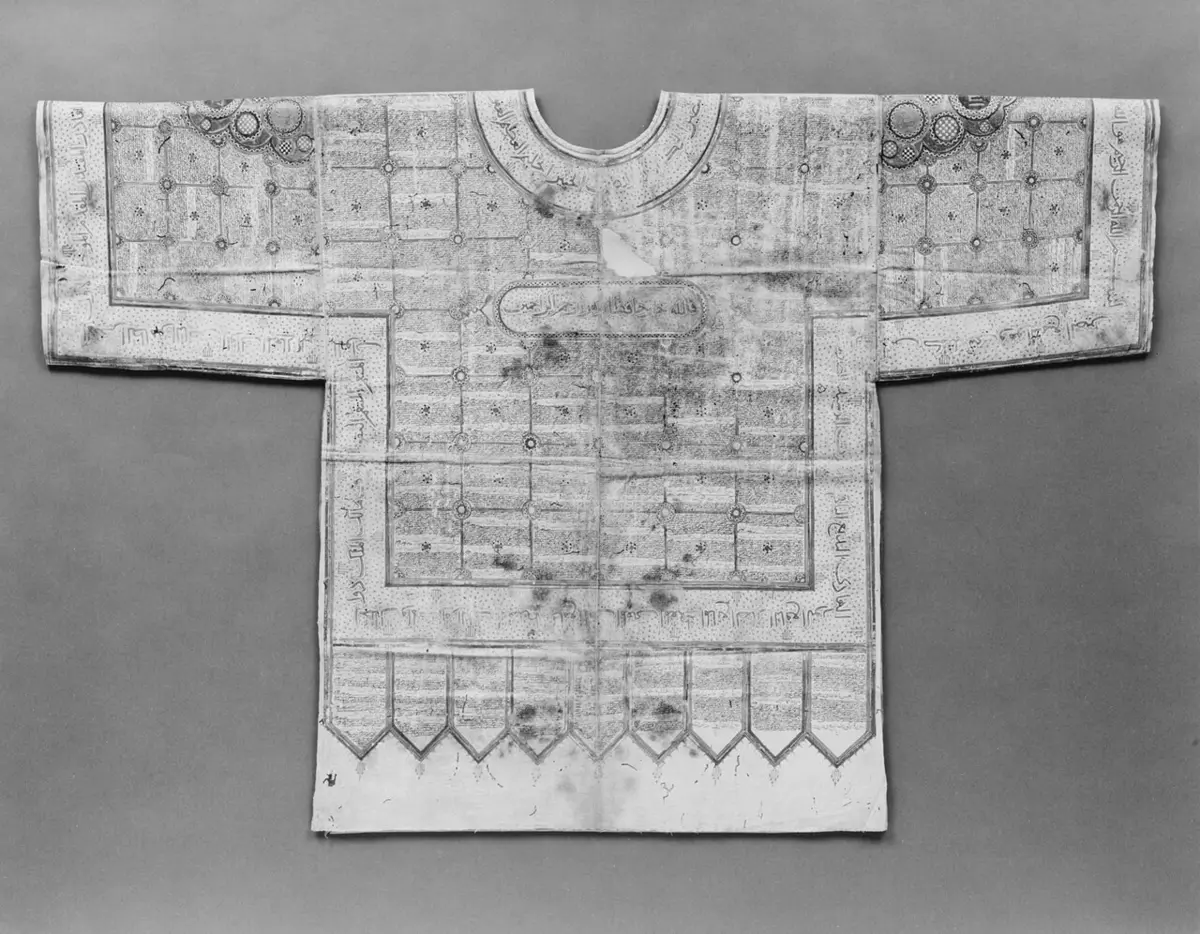
Objects prepared or used for a particular effect through inscriptions, images, materials, and ritual meaning.
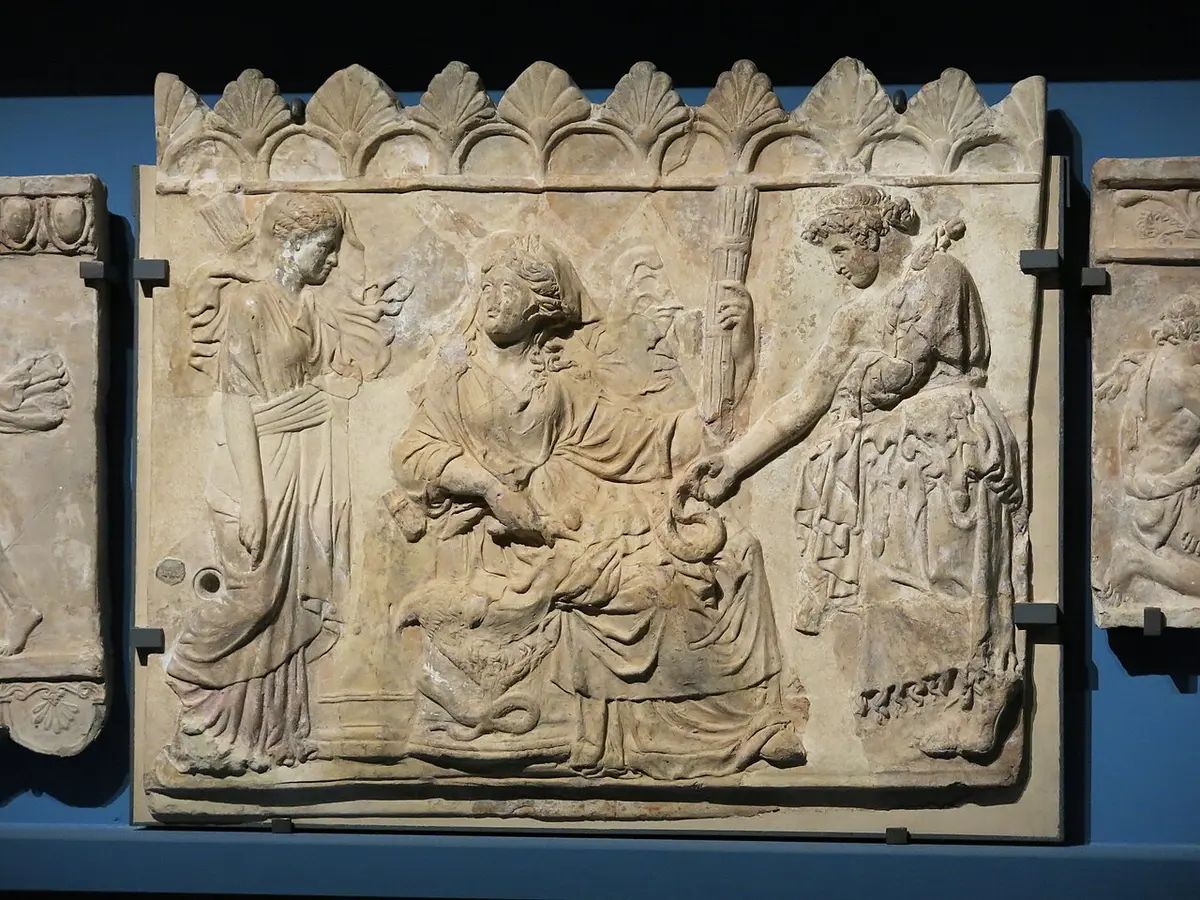
Entry into a religious or esoteric path through ceremony, instruction, recognition, and lived development.
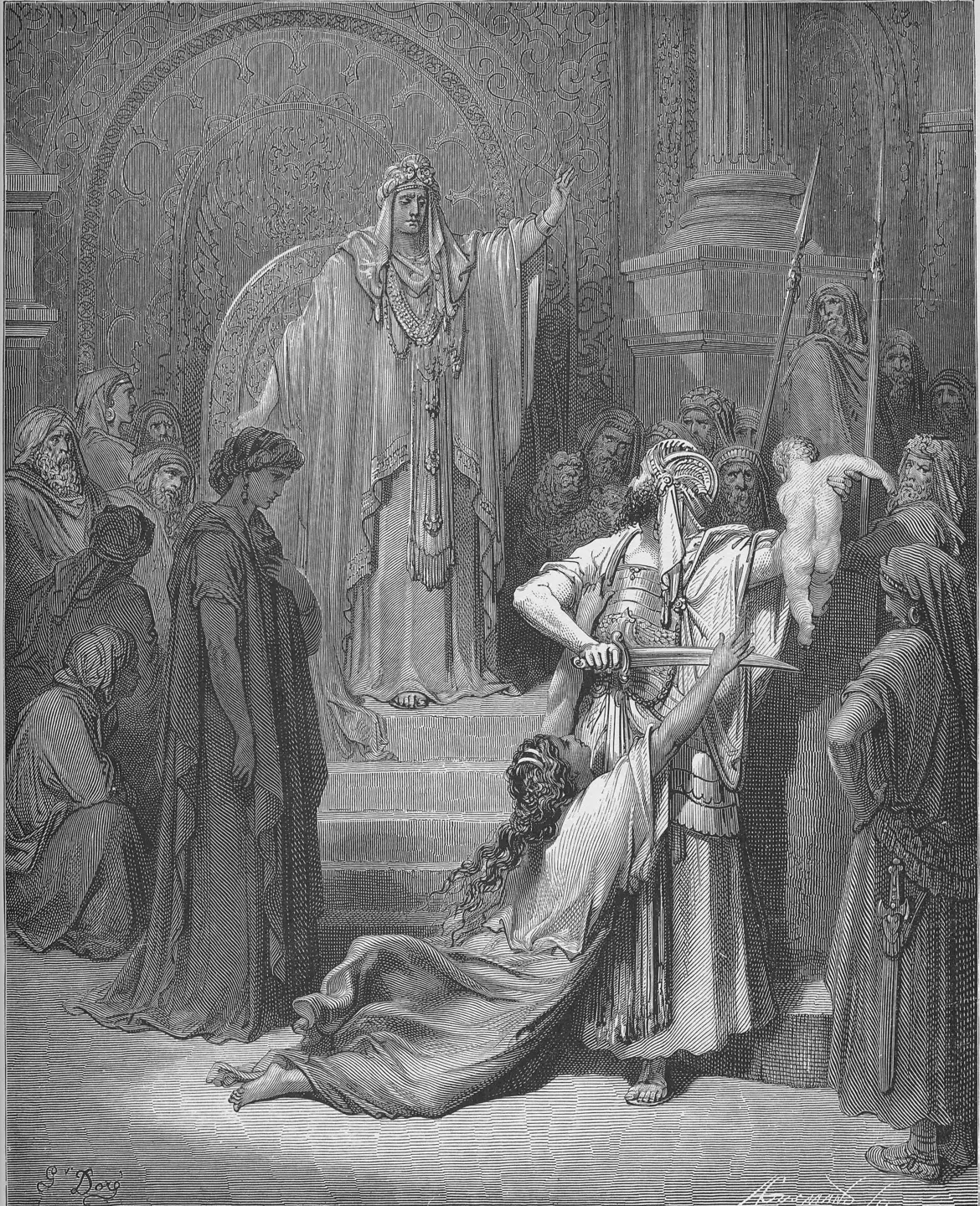
Solomon’s name supplies authority to several magical and religious works. Attribution to the king must be distinguished from the date and authorship of the surviving text.
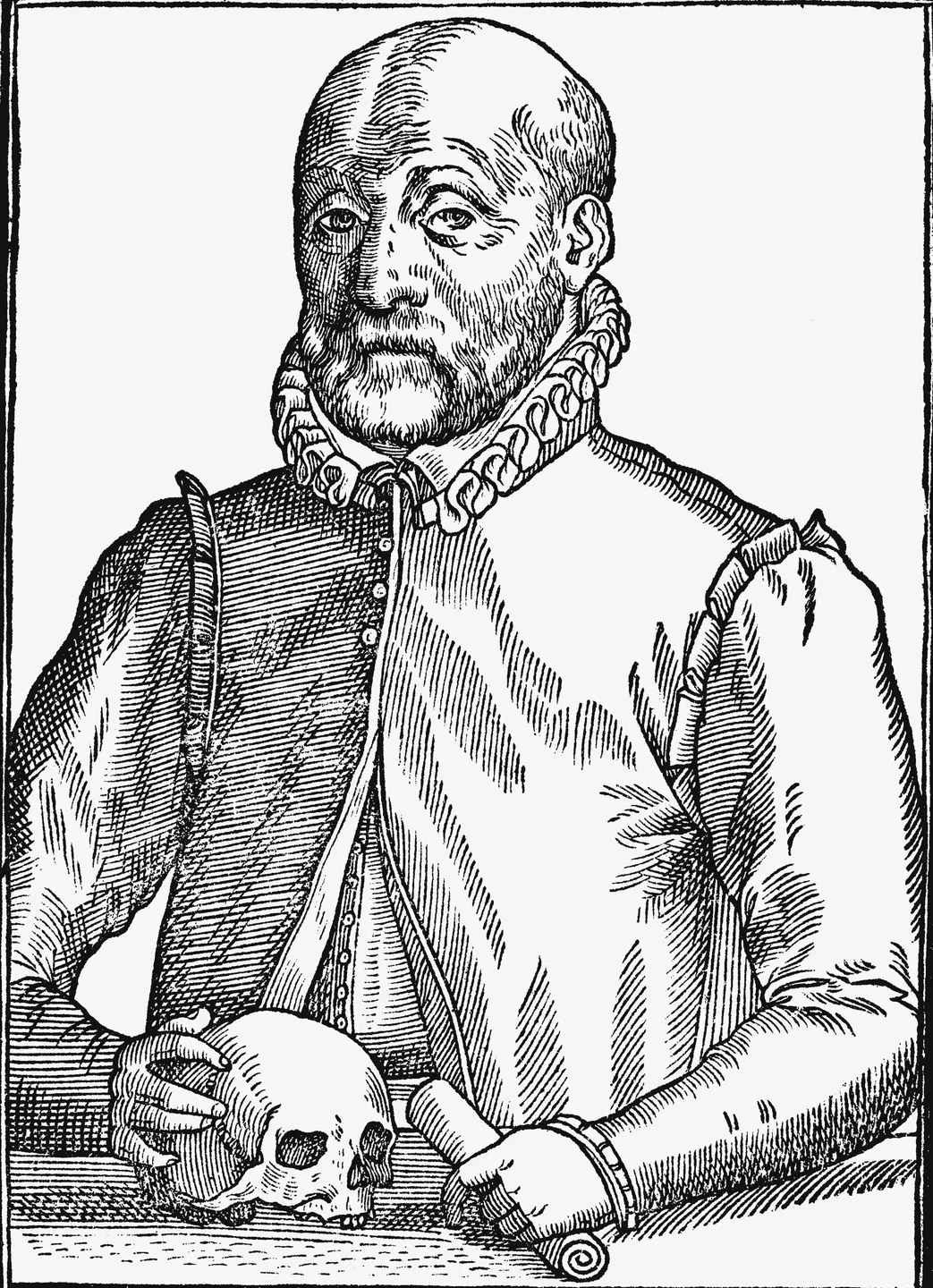
Pseudomonarchia Daemonum is a spirit catalogue associated with Johann Weyer. Its transmission helps explain similarities and differences in the later Ars Goetia.
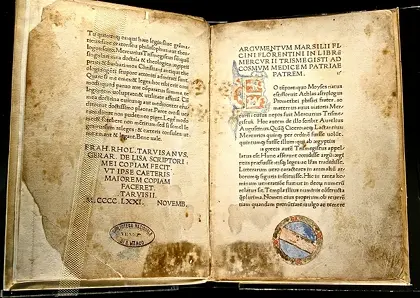
The Corpus Hermeticum is a collection of philosophical religious dialogues concerning mind, the divine, the cosmos, and human knowledge. It should be distinguished from later works marketed as Hermetic teaching.
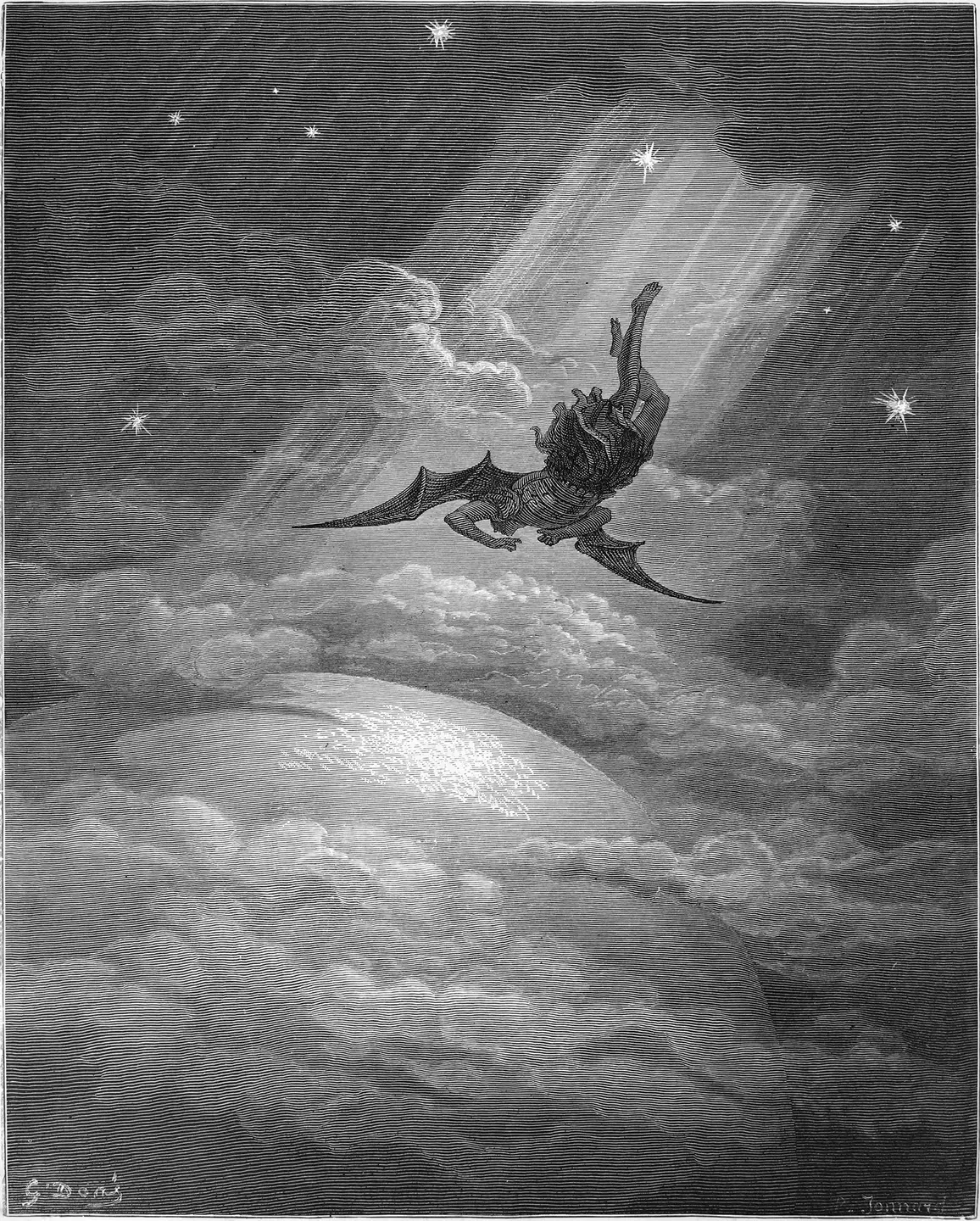
Luciferianism describes different religious and philosophical approaches that give Lucifer a positive role. Belief, practice, and identity vary among writers and communities.
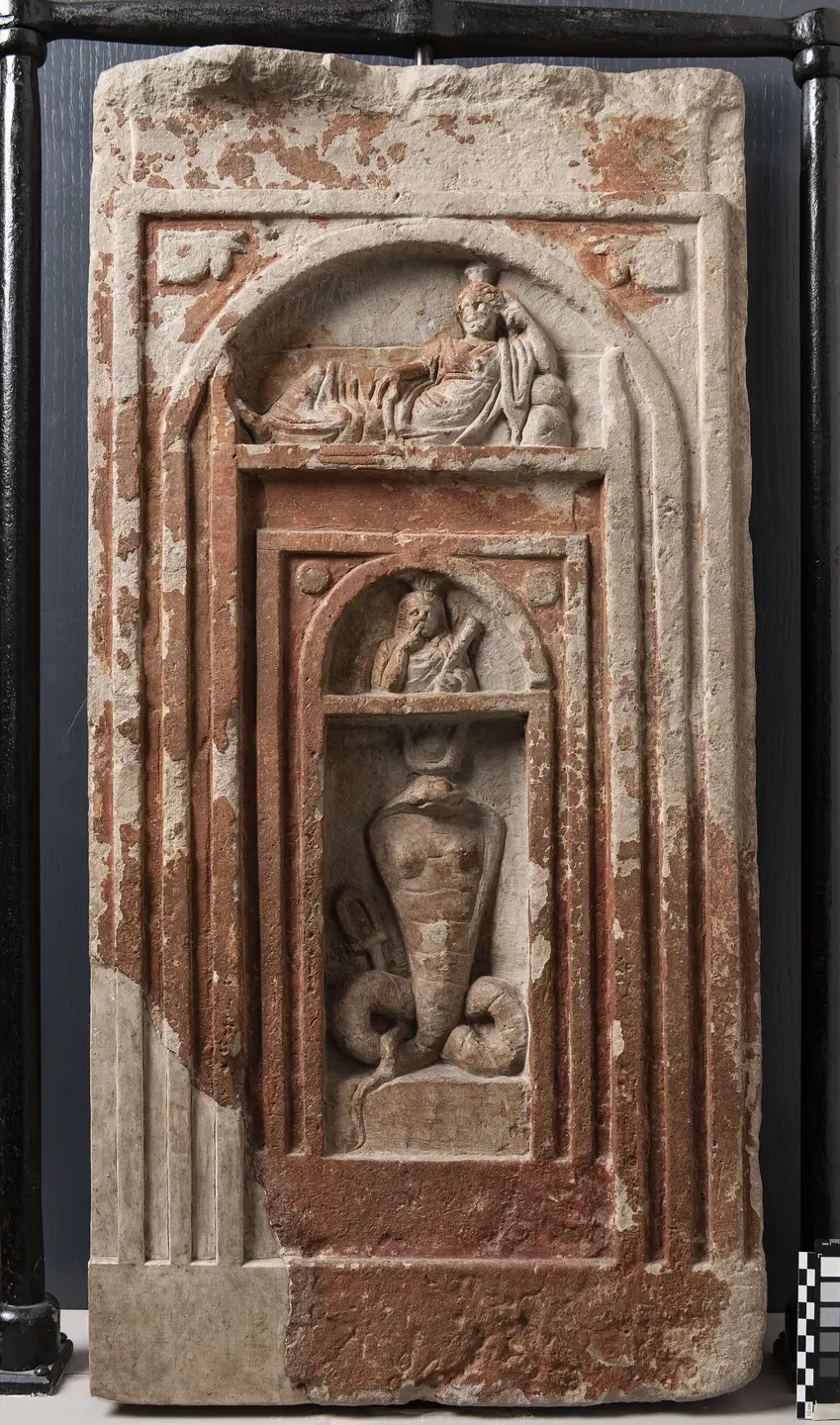
Religious syncretism concerns the combination of ideas, figures, and practices from different traditions. Similarity of names or imagery alone does not establish identity or historical continuity.
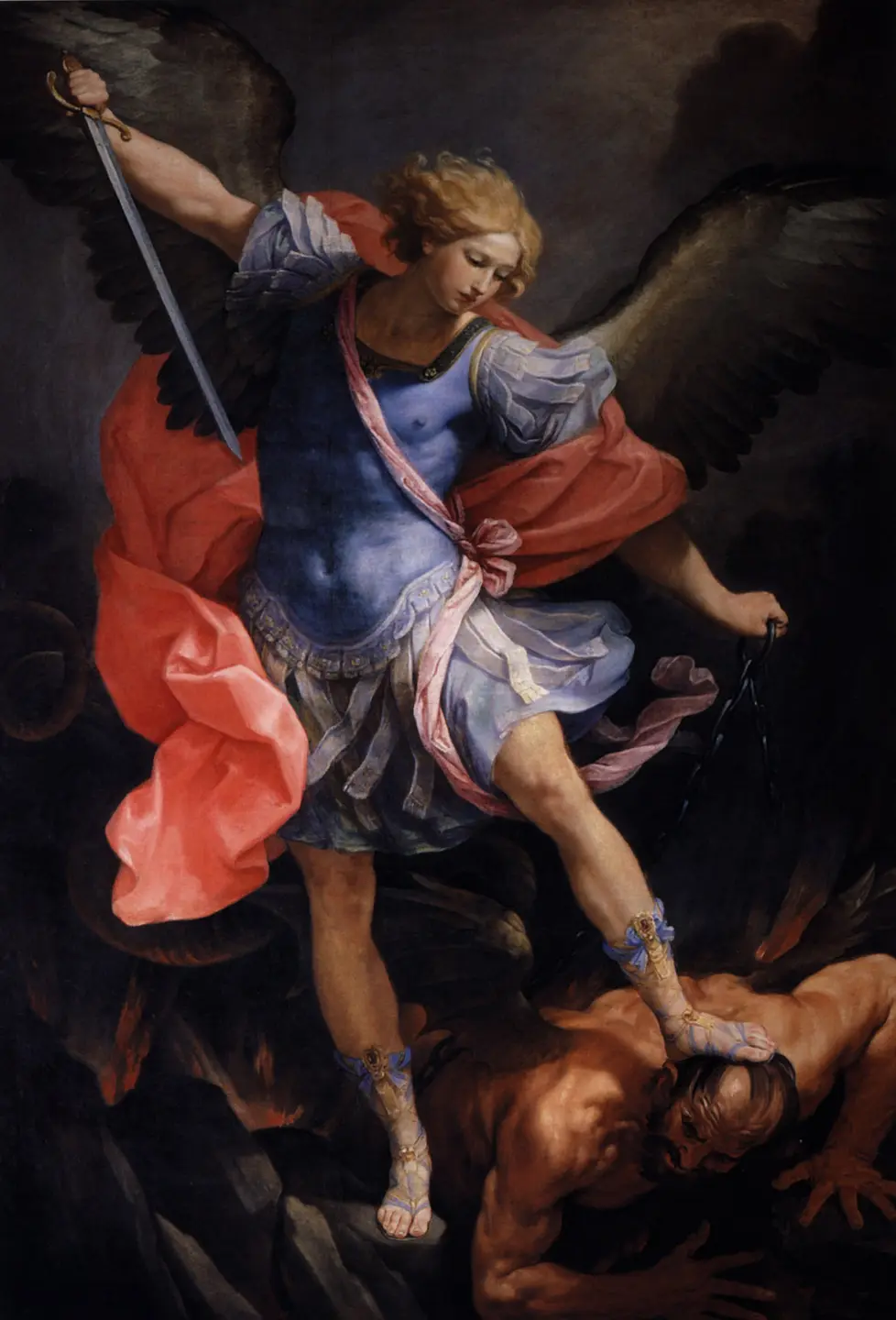
Monotheism and religious dualism concern different questions about ultimate reality. The presence of an adversary does not automatically establish two equal divine principles.
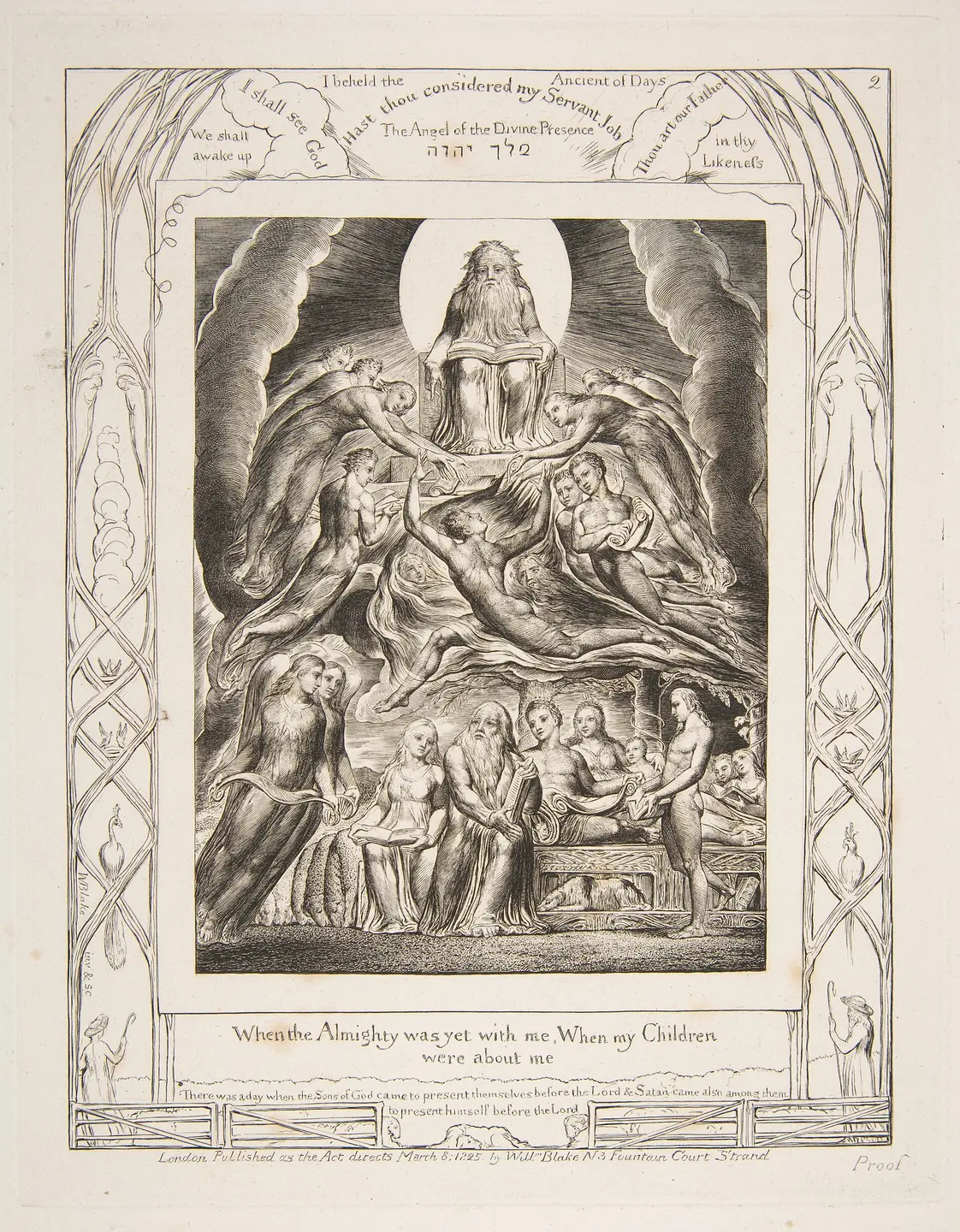
Job 1–2 presents Satan in a heavenly assembly and in a dispute about Job’s righteousness. The passage should be read before later accounts of Satan’s origins are supplied.
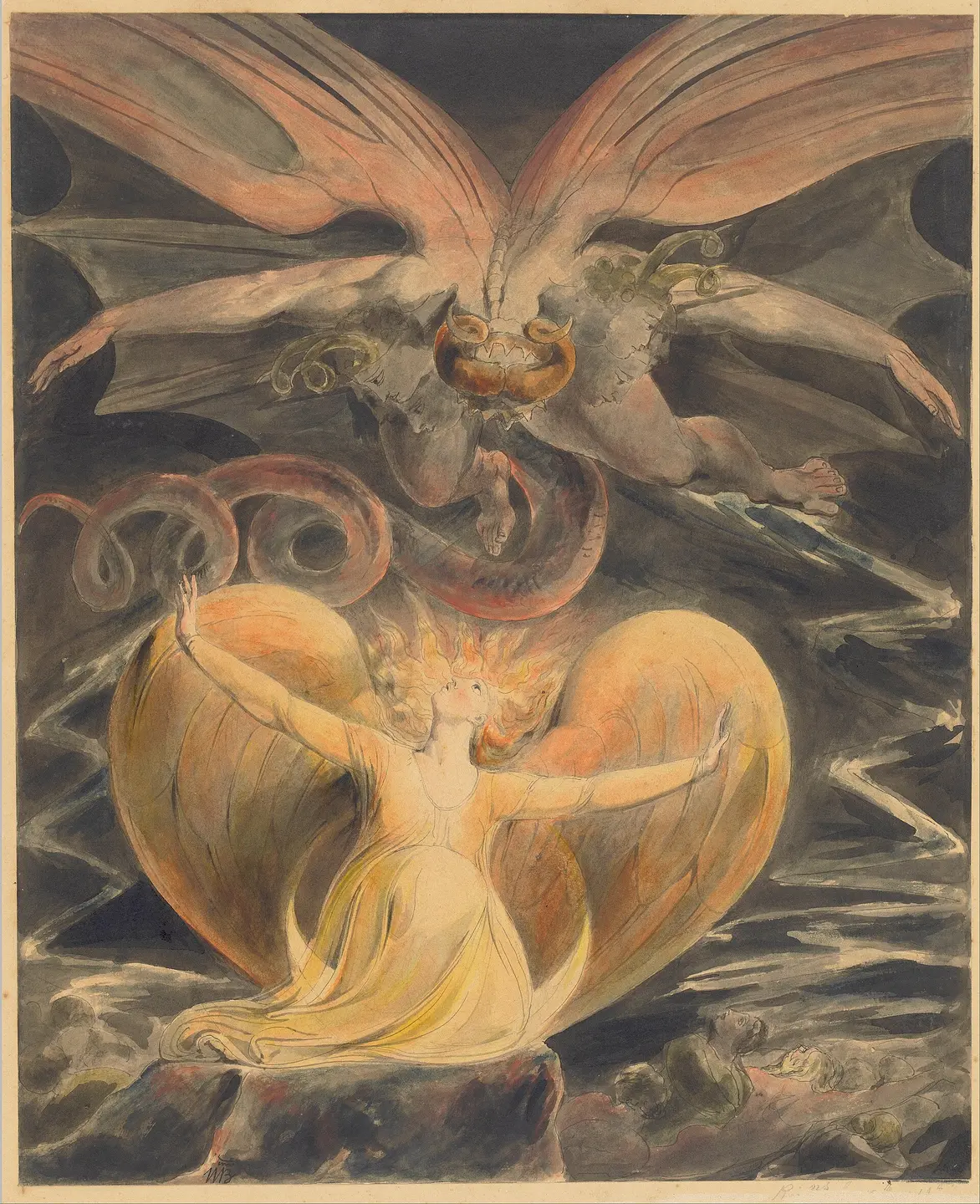
Revelation 12 identifies its dragon with the Devil and Satan. The chapter’s imagery should be read in its apocalyptic narrative before being used to interpret other passages.