Texts & Sources
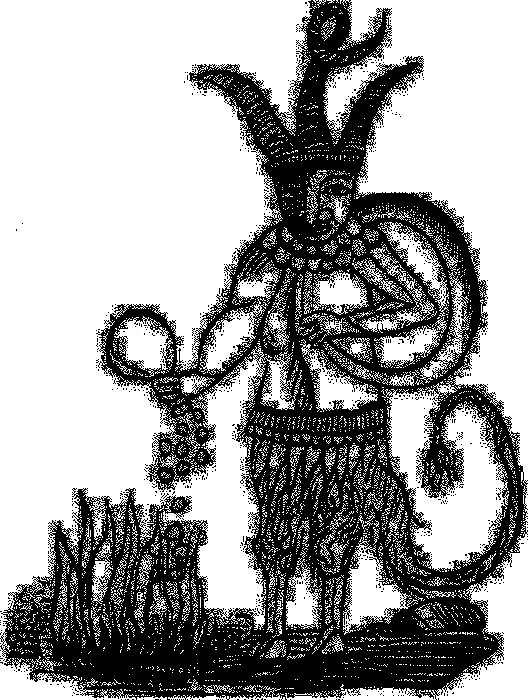
Grand Grimoire
A grimoire best known for its staged encounter and pact with Lucifuge Rofocale.
A grimoire best known for its staged encounter and pact with Lucifuge Rofocale.

The physician and author whose Pseudomonarchia daemonum supplied an important source for later spirit catalogues.
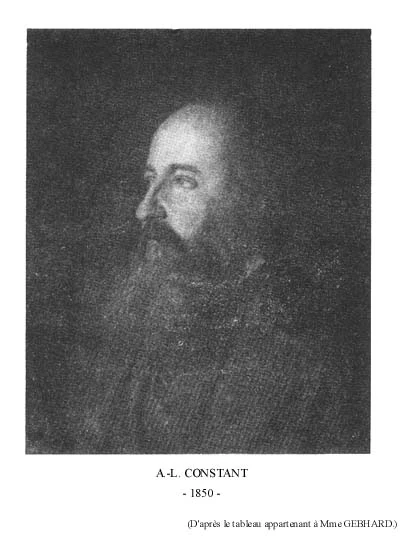
A nineteenth-century French occult author associated with ceremonial symbolism and the influential image of Baphomet.

The founder of the Church of Satan and author of The Satanic Bible and The Satanic Rituals.
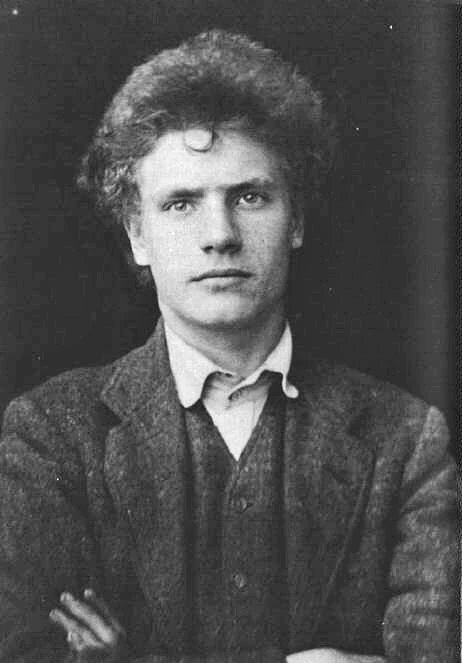
An English artist and occult author whose treatment of desire and sigils influenced later magical practice.
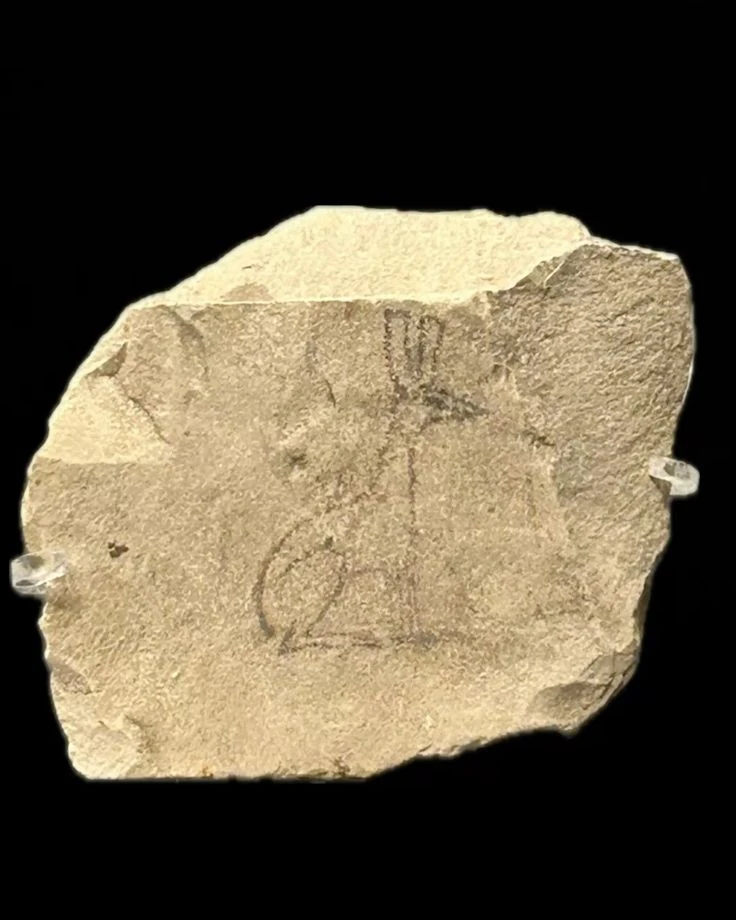
An ancient Egyptian deity associated with conflict and disorder, also reinterpreted in modern Setian religion.
The primordial sea figure in the Babylonian creation epic Enuma Elish, defeated by Marduk in its account of cosmic ordering.
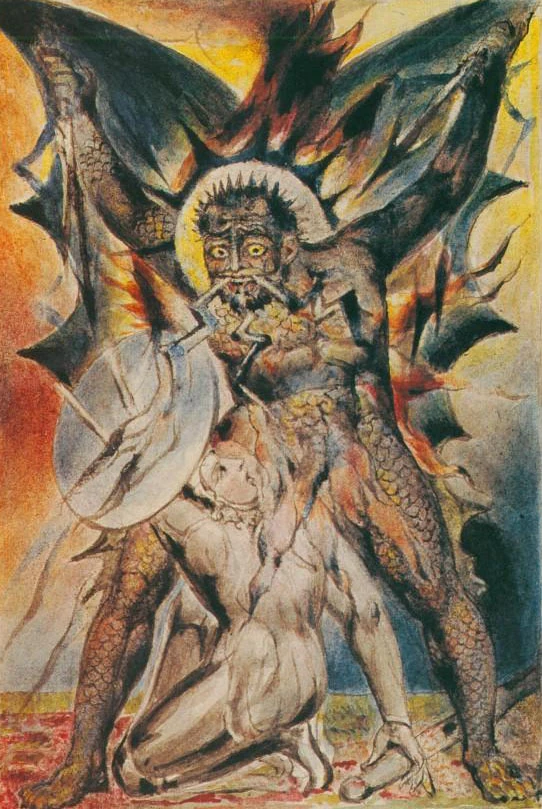
A biblical name associated with destruction, used in Revelation for the angel of the abyss.
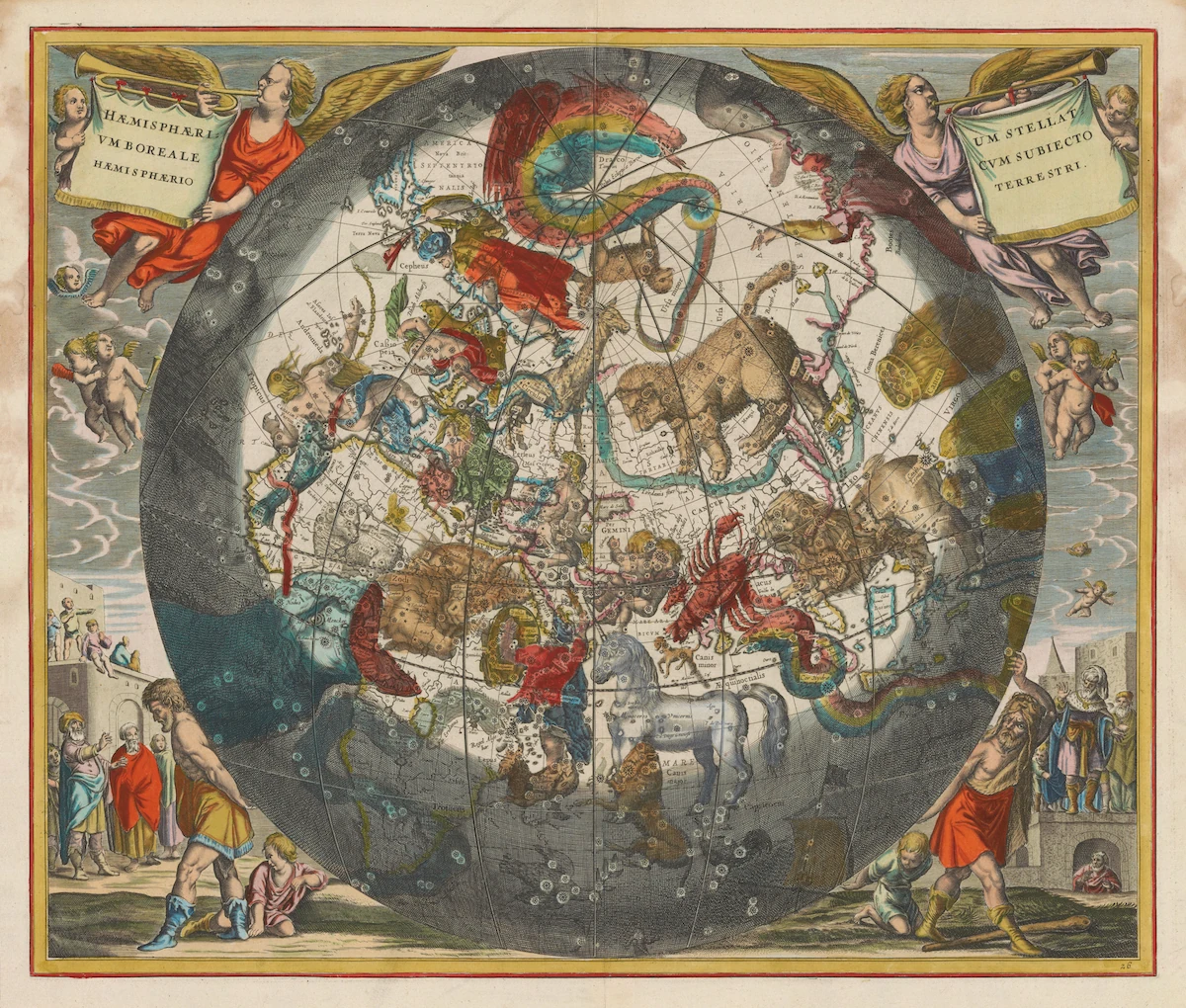
Magical systems using the seven traditional planets through timing, correspondences, images, and invocations.
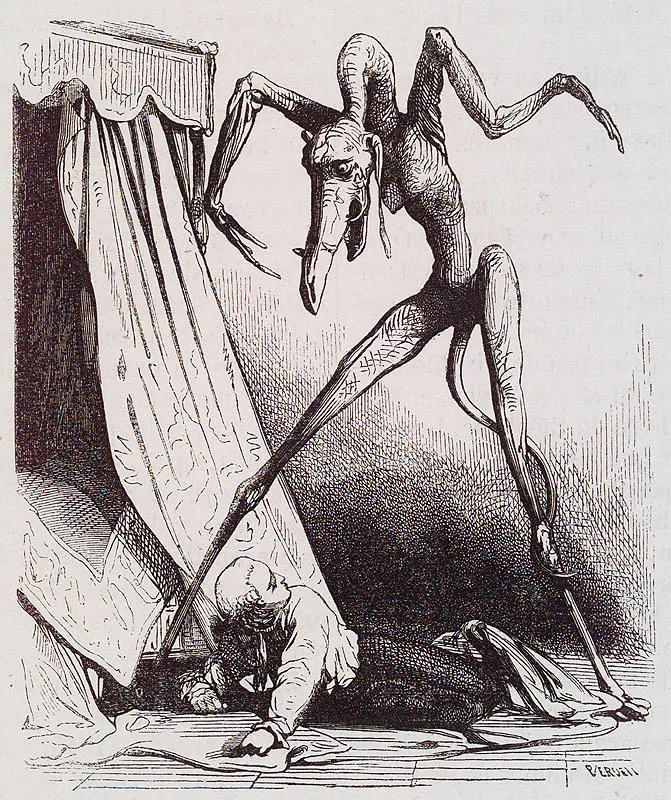
Demonology is the study, classification, and interpretation of demons and related spirits. In Western religious history it has included theological arguments about the nature and powers of demons, lists of named spirits, explanations of possession and temptation, magical techniques for summoning or constraining spirits, and folklore about dangerous supernatural beings. Modern theistic Satanists and…
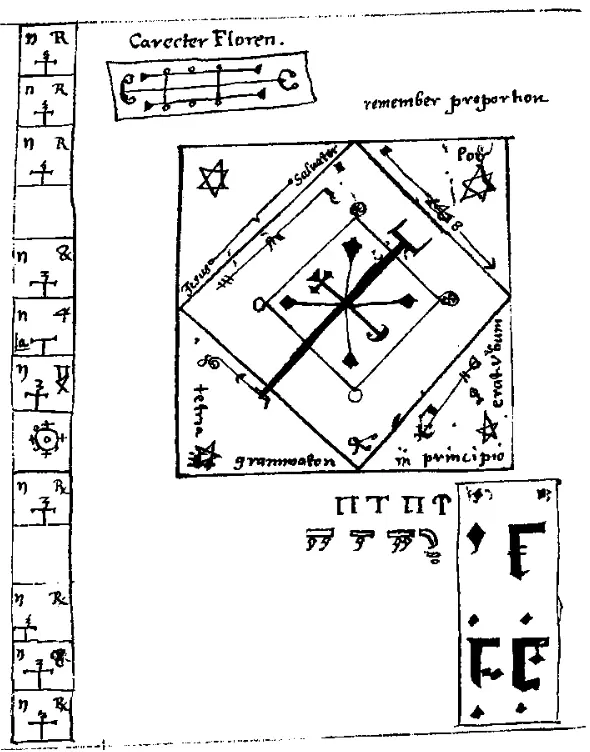
A grimoire is a book or manuscript containing magical knowledge, ritual procedures, charms, conjurations, talismans, spirit catalogues, astrological instructions, prayers, or other techniques intended to produce supernatural or occult effects. The term is most strongly associated with European magic, but scholars use it within a much wider history of magical books and written ritual technologies.
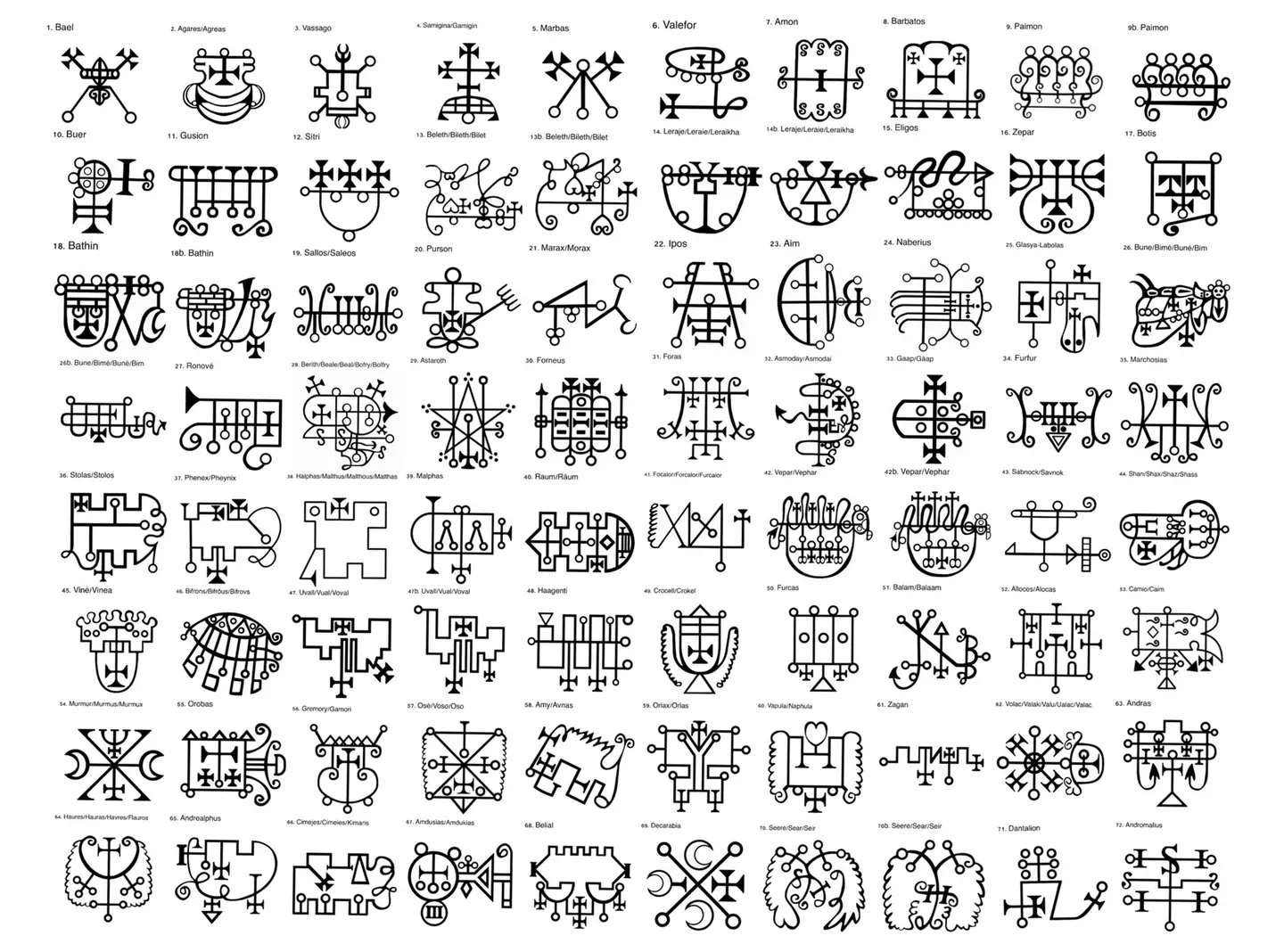
The Ars Goetia is the first section of the Lemegeton or Lesser Key of Solomon, an early modern English compilation of ceremonial magic. It is famous for a catalogue of seventy-two spirits, each described by name, rank, appearance, abilities, and a seal or character. In modern occultism the term “Goetia” is often used loosely for demon-summoning or work with these spirits, but historically the Ars Goetia…
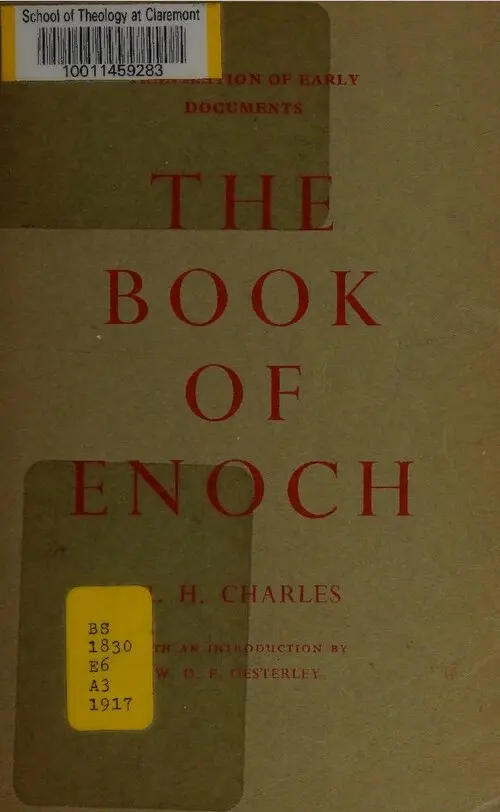
1 Enoch brings together accounts of heavenly beings, judgment, celestial order, and righteousness. It is a composite work rather than a single continuous biography of Enoch.
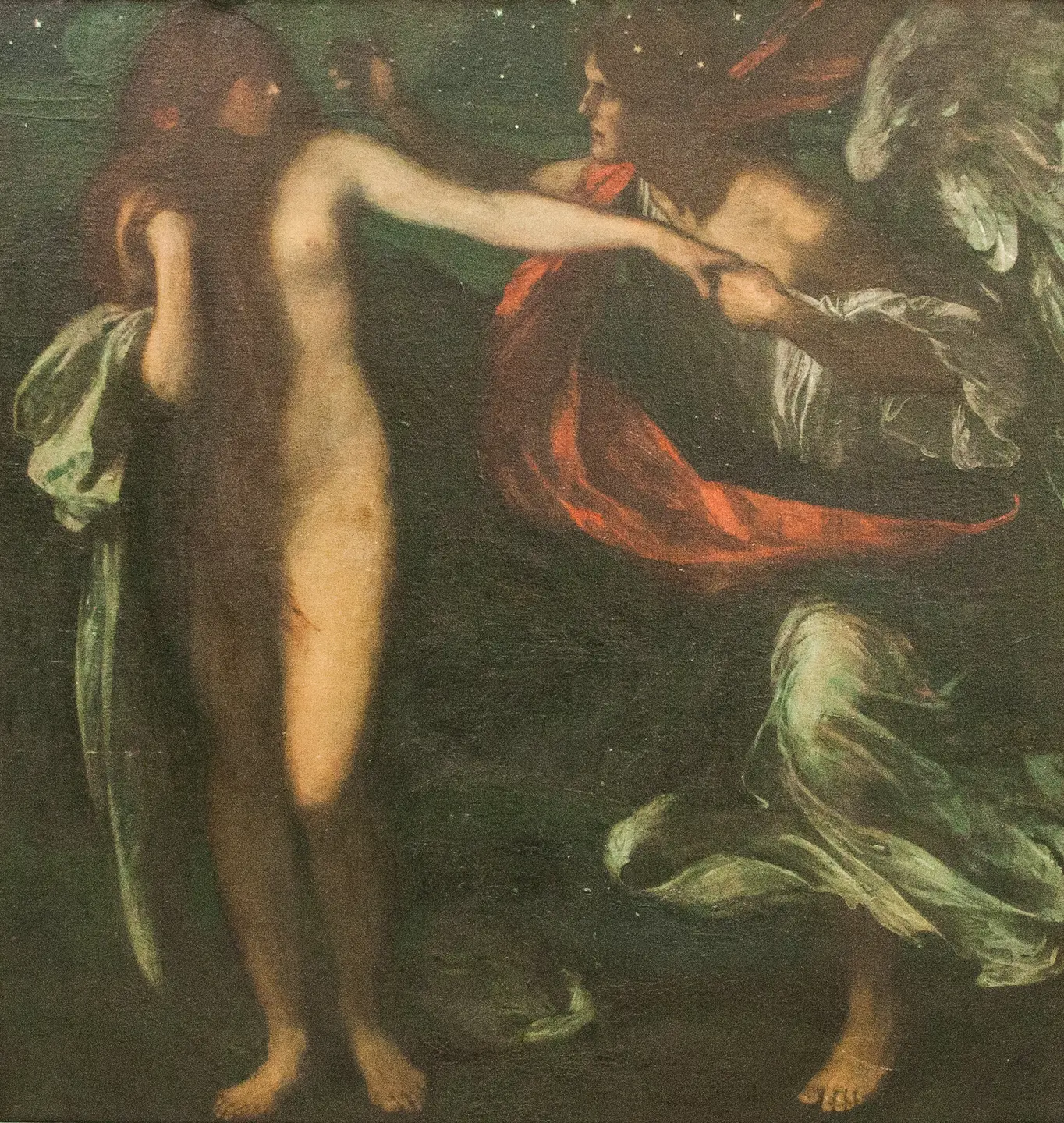
The Nephilim appear in brief biblical passages and in later traditions about giants. Different texts should be distinguished before their accounts are combined.
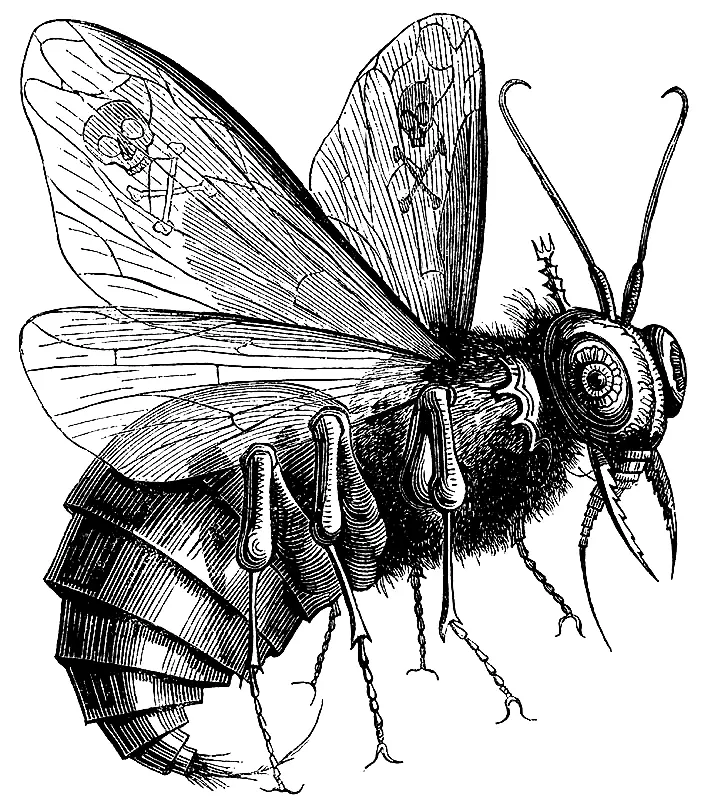
Beelzebub and related spellings appear in distinct biblical contexts. Later demonological interpretations should not be retroactively read into each earlier occurrence.
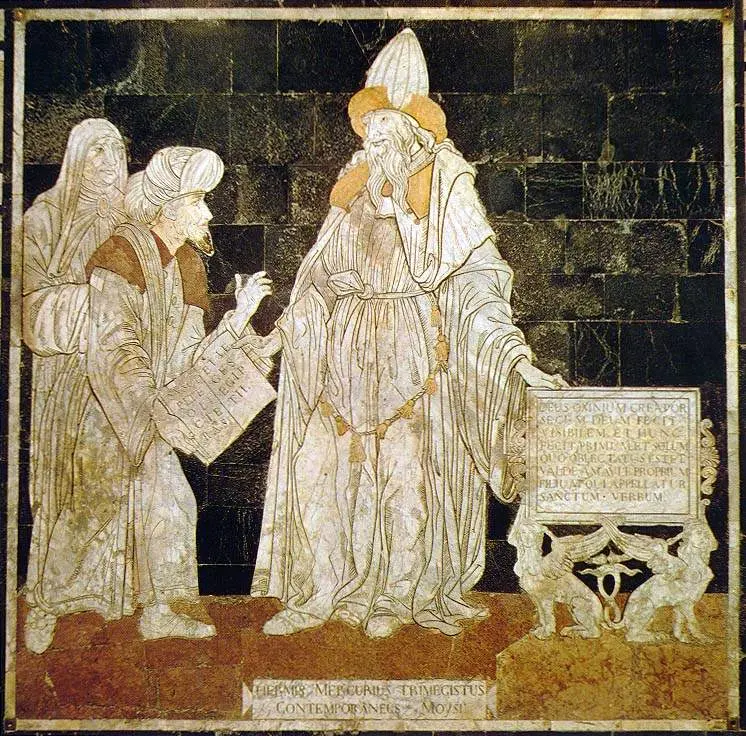
Hermeticism names several related traditions associated with Hermes Trismegistus. Philosophical dialogues, alchemical texts, and later occult systems require separate historical treatment.
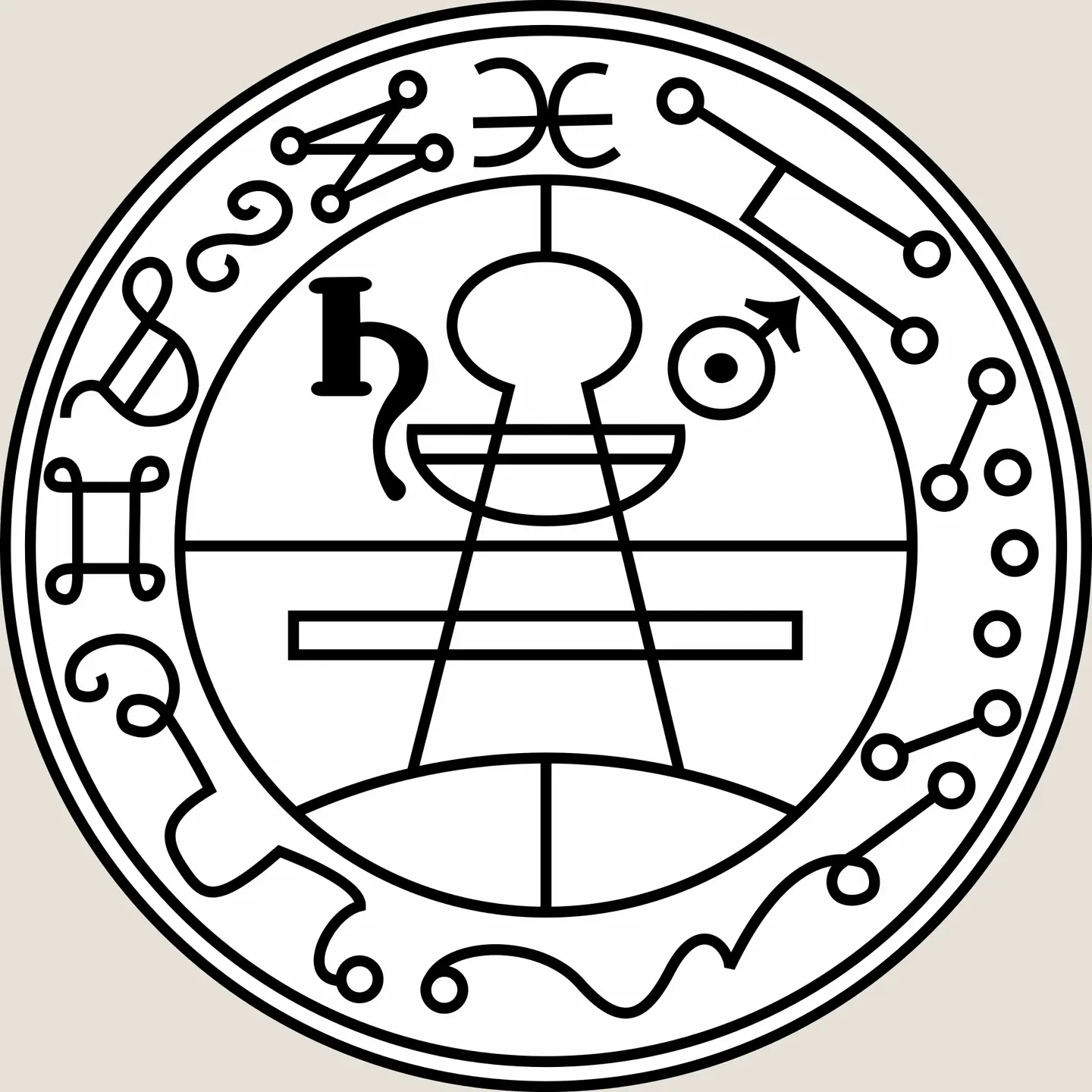
Sigils are graphic signs used in particular magical systems. Historical spirit seals, ceremonial figures, and modern personal signs should be distinguished.
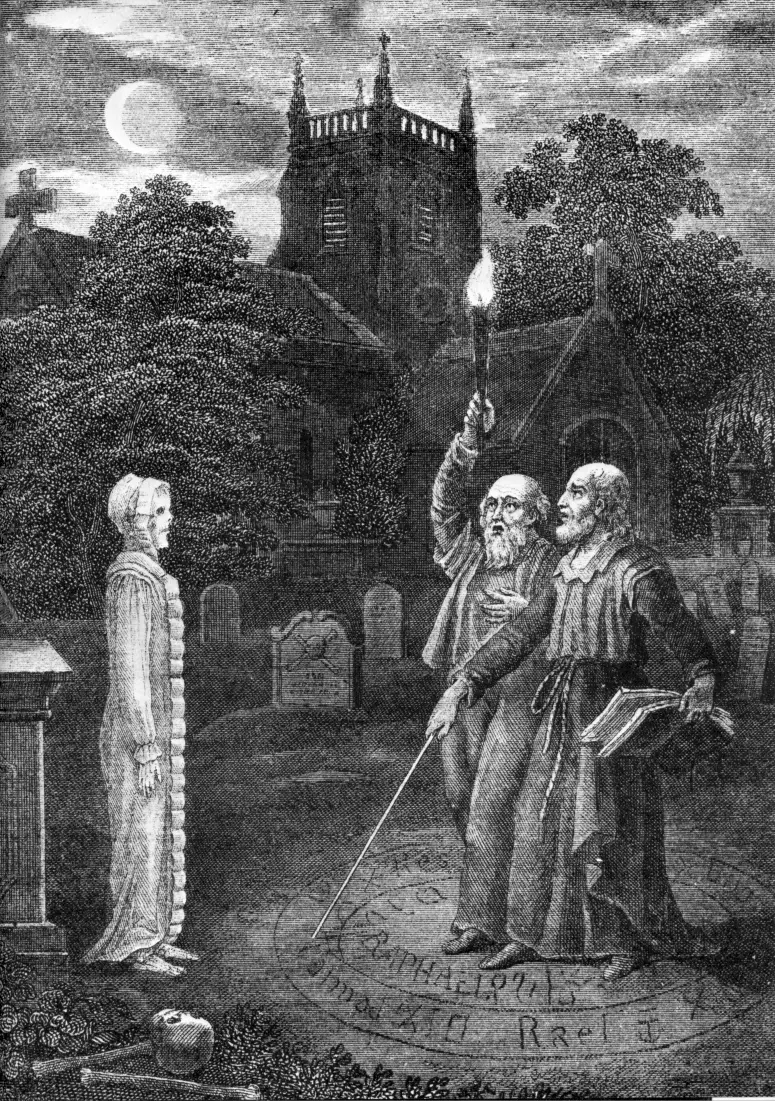
Invocation and evocation are terms used for related but differently framed religious or magical actions. Their definitions vary between authors and practice systems.
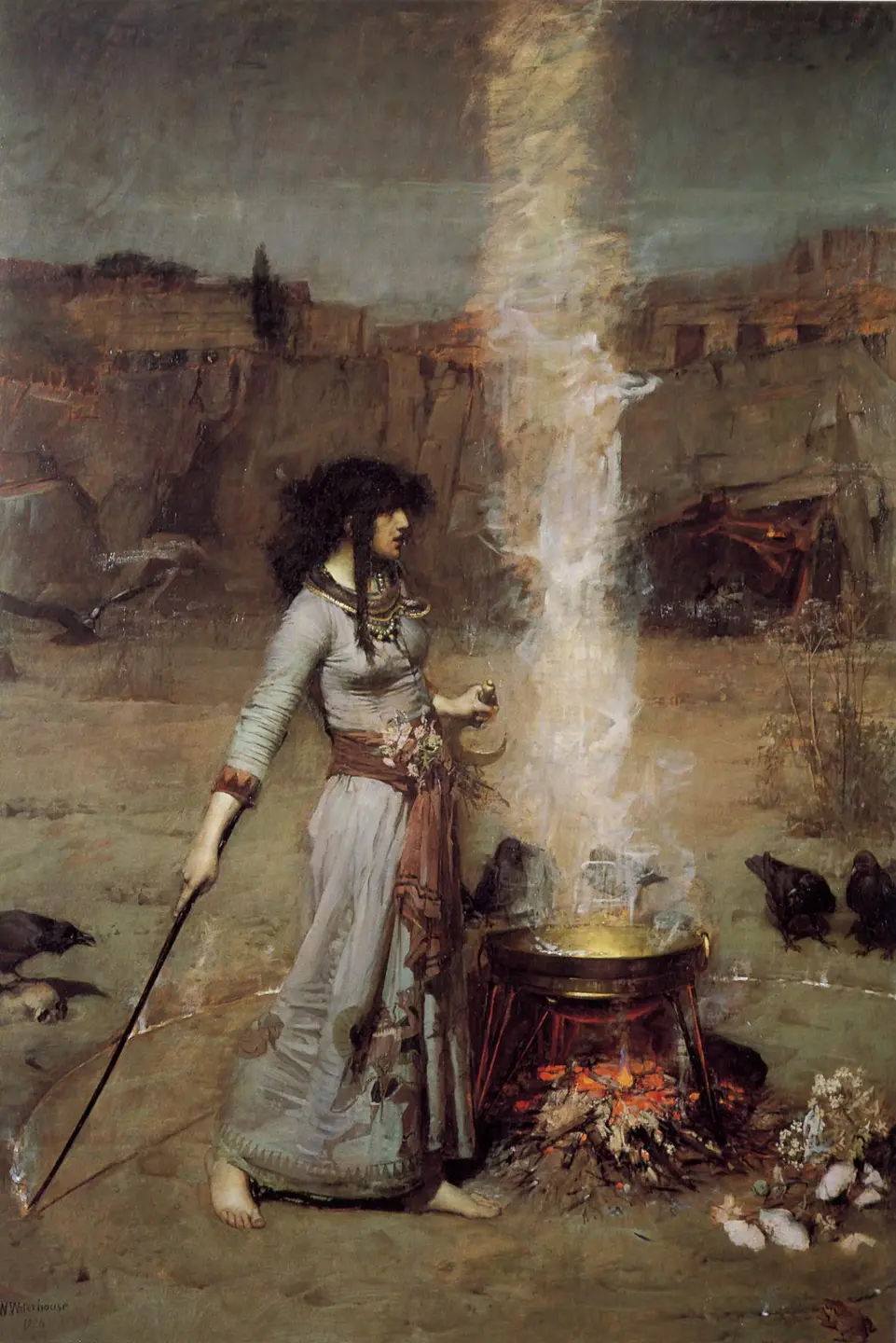
Demonolatry refers to devotion to demons or daemonic beings. Modern accounts vary in theology, authority, and their relationship with historical grimoires.
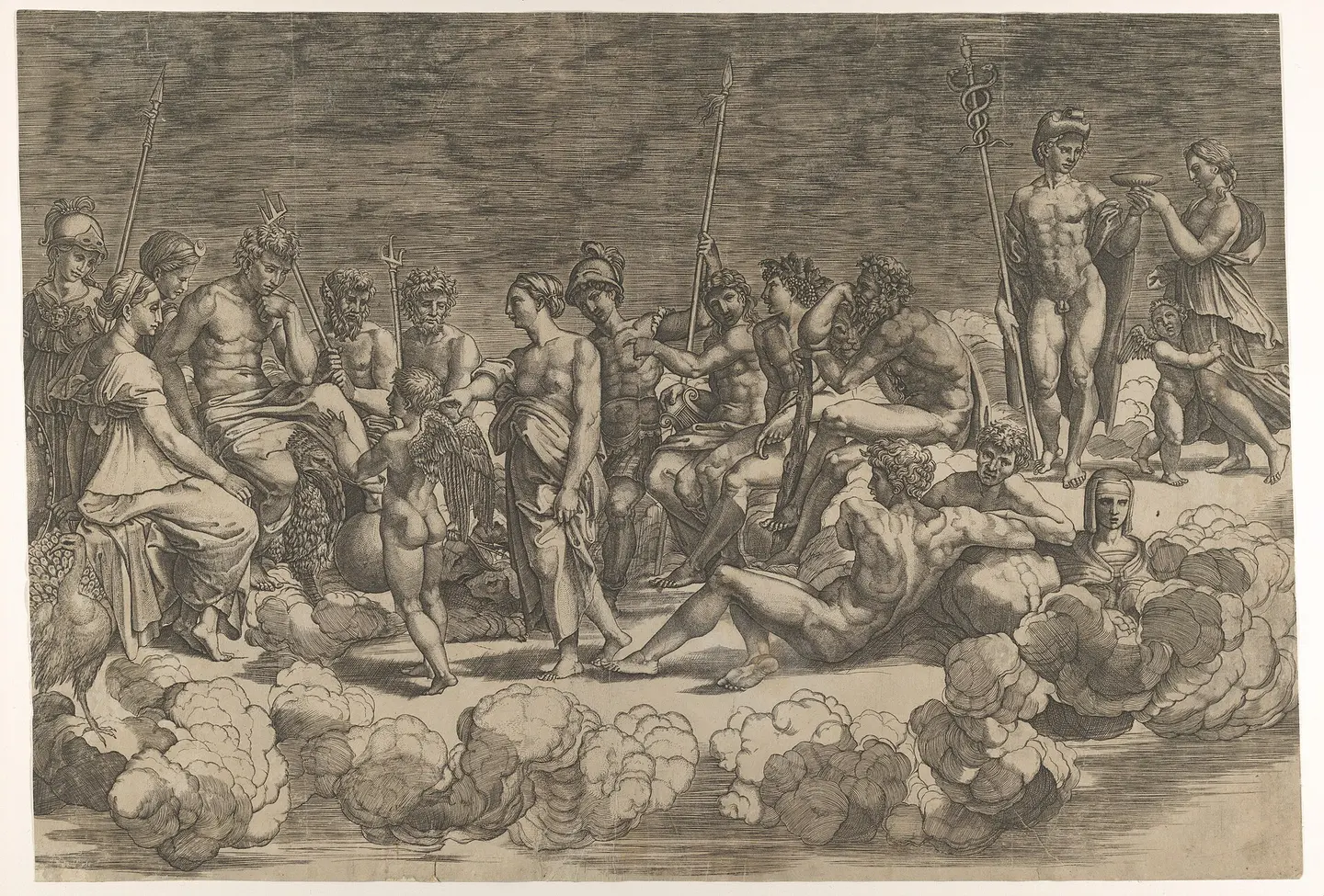
Polytheism involves belief in multiple deities. The existence of several gods does not by itself settle their relationships, moral authority, or the forms of devotion directed toward them.