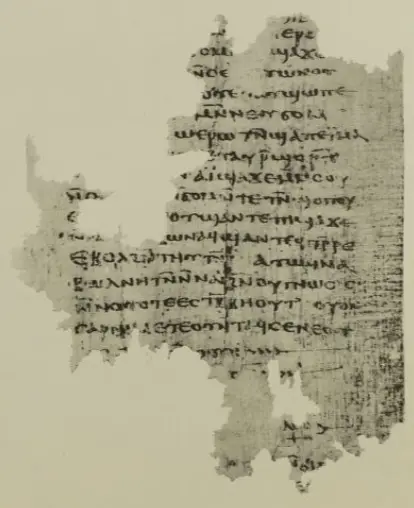
History
Gnosticism
A modern umbrella term for several ancient religious movements and texts concerned with saving knowledge and divine origins.
A modern umbrella term for several ancient religious movements and texts concerned with saving knowledge and divine origins.
The second part of the Lemegeton, arranging aerial spirits through princes, directions, and wandering hierarchies.
An angelic art in the Lemegeton, using a wax tablet, candles, and a hierarchy of heavenly altitudes.
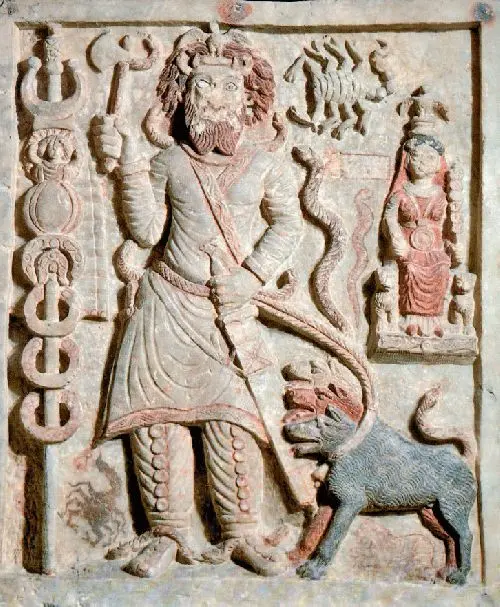
A Mesopotamian deity associated with death, war, disease, and the underworld.
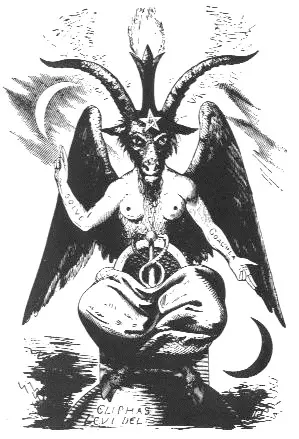
The images, names, and gestures used by Satanic traditions, whose meanings depend on their religious and historical setting.
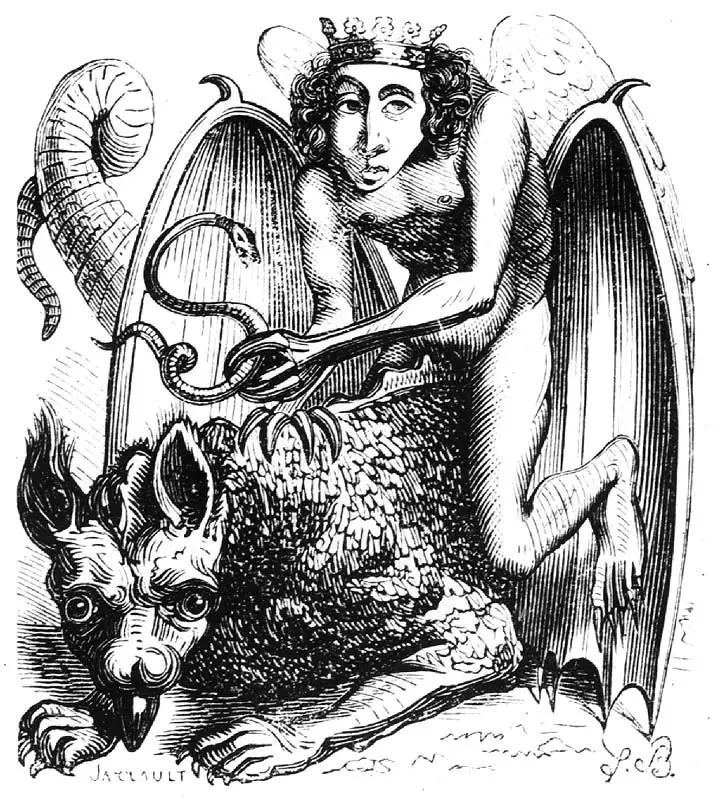
Astaroth appears in early modern spirit catalogues and later illustrated demonology. Source editions matter when comparing the figure’s rank, appearance, and supposed knowledge.
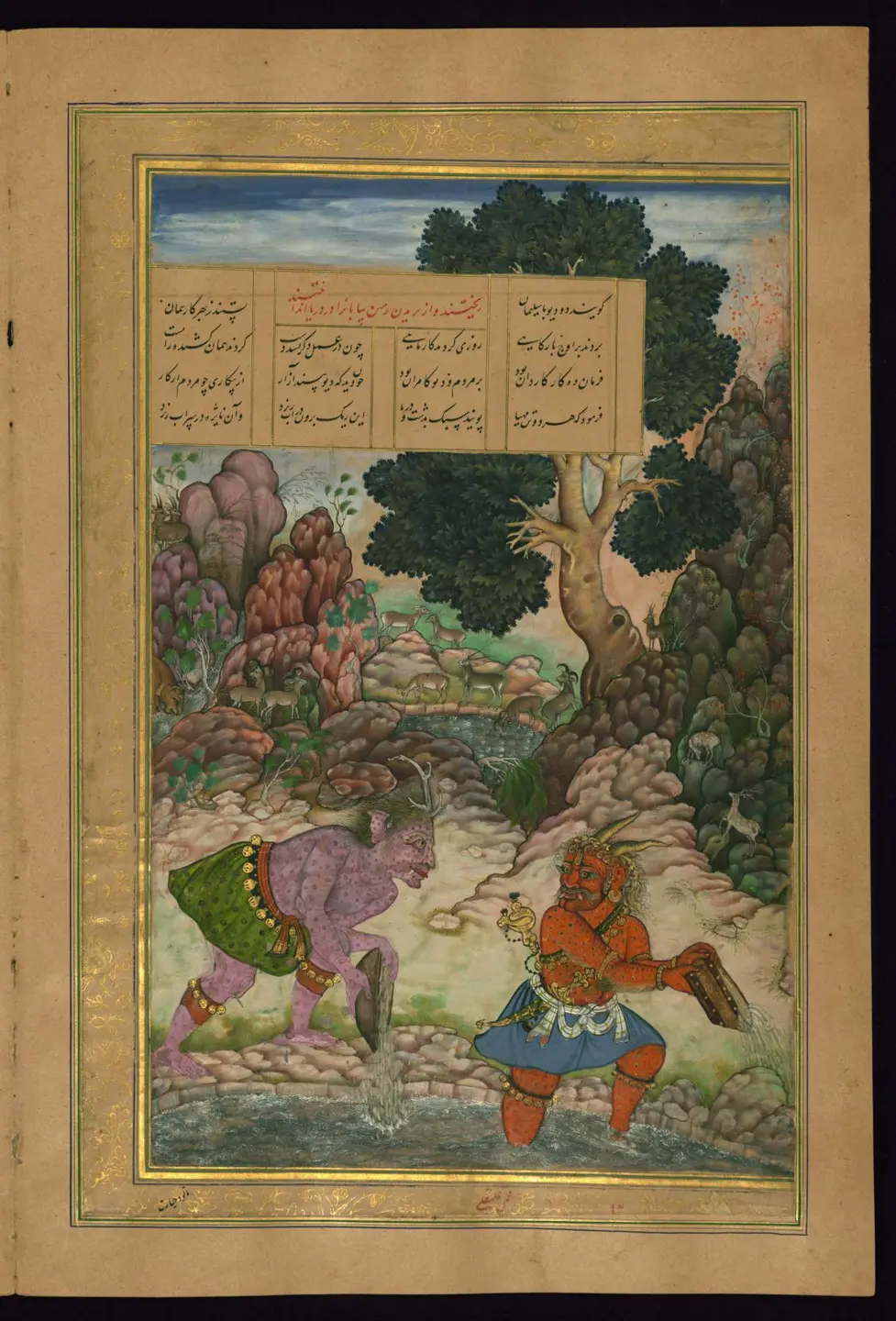
The Testament of Solomon is a pseudepigraphal religious narrative in which Solomon questions and commands spirits. It differs from later procedural Solomonic grimoires.
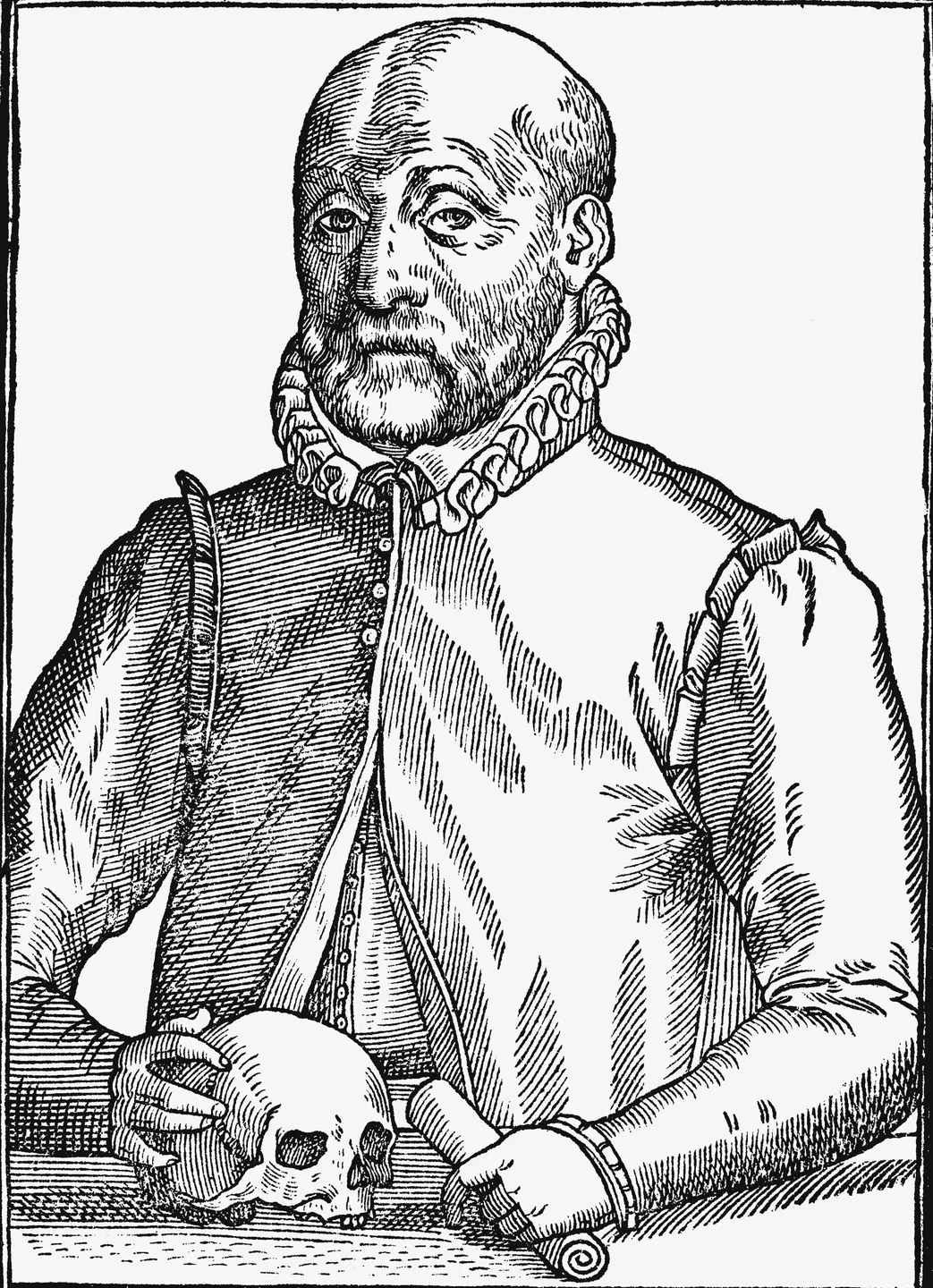
Pseudomonarchia Daemonum is a spirit catalogue associated with Johann Weyer. Its transmission helps explain similarities and differences in the later Ars Goetia.
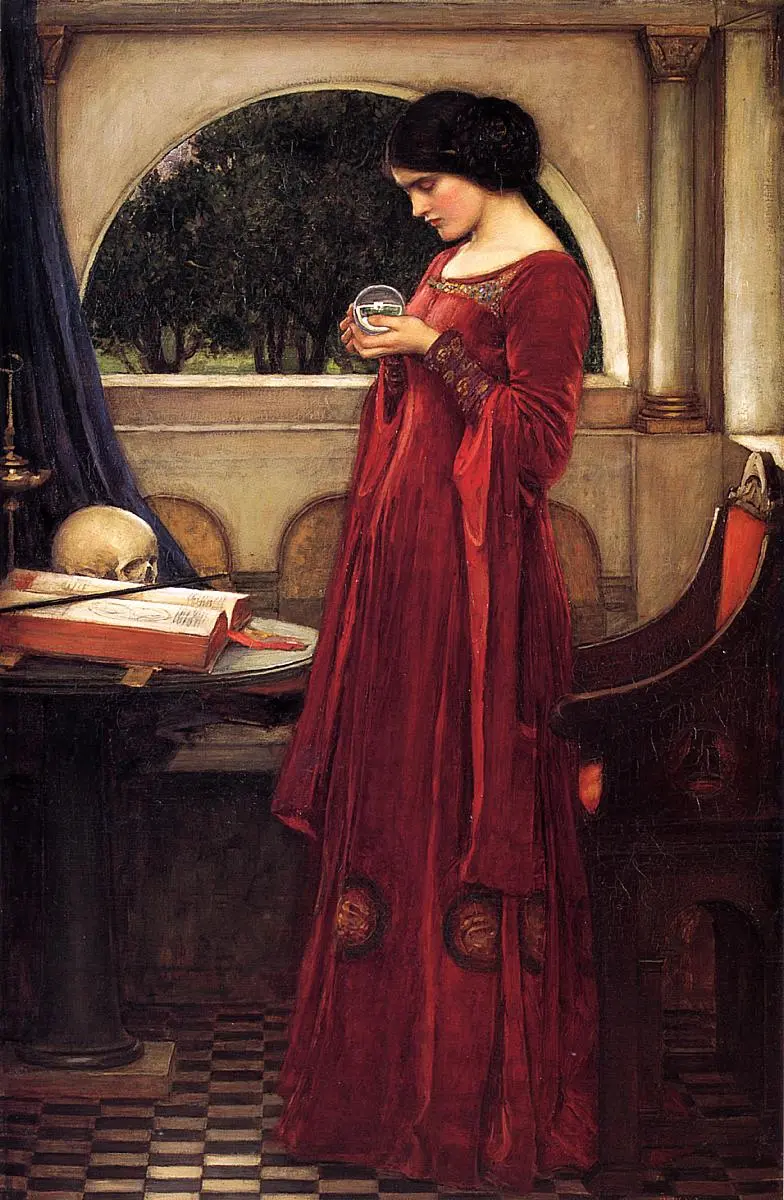
Divination consists of practices that interpret signs as answers, indications, or guidance. Methods differ in their religious assumptions and in the kinds of claims they make.
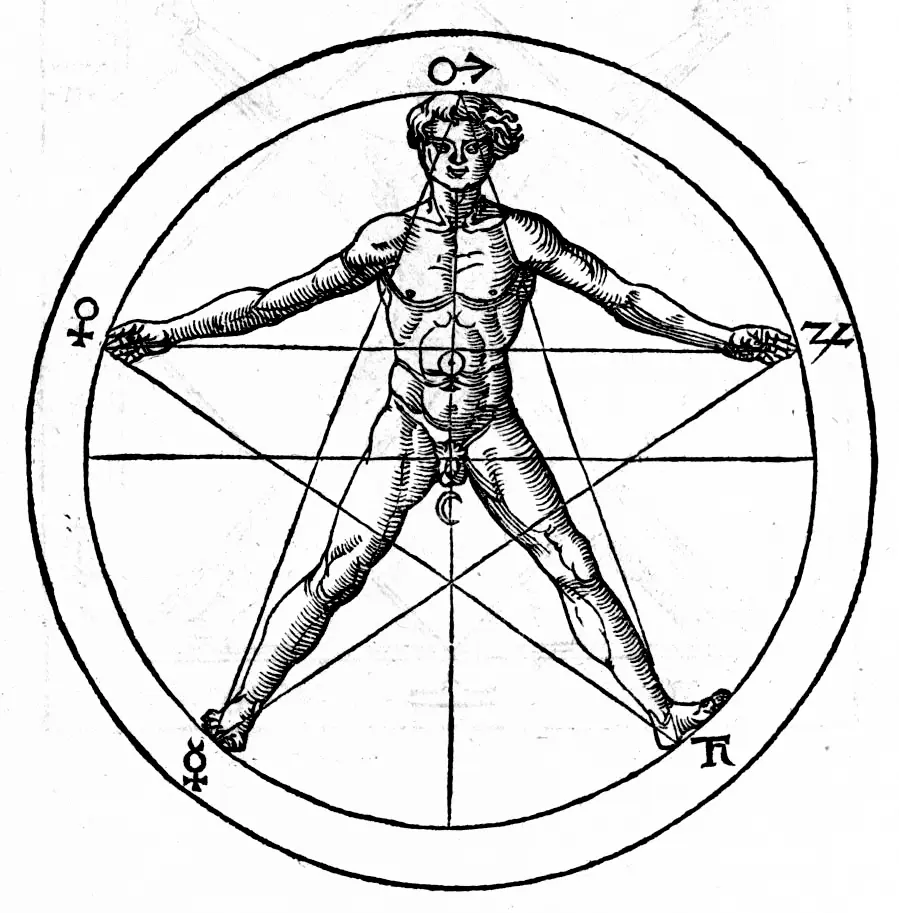
A pentagram is a five-pointed star figure used in different religious and esoteric settings. Orientation and surrounding imagery matter, but do not establish one universal meaning.
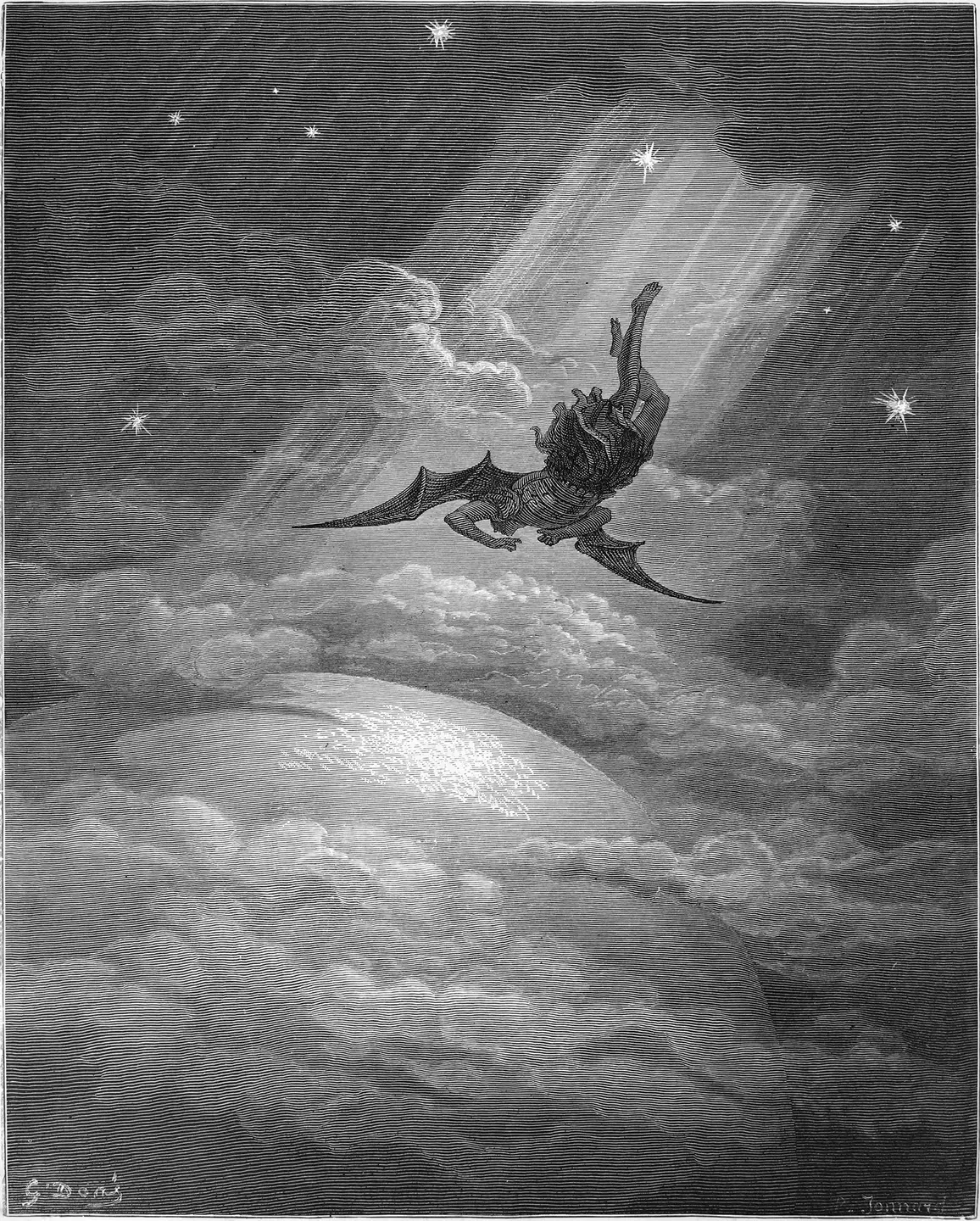
Luciferianism describes different religious and philosophical approaches that give Lucifer a positive role. Belief, practice, and identity vary among writers and communities.
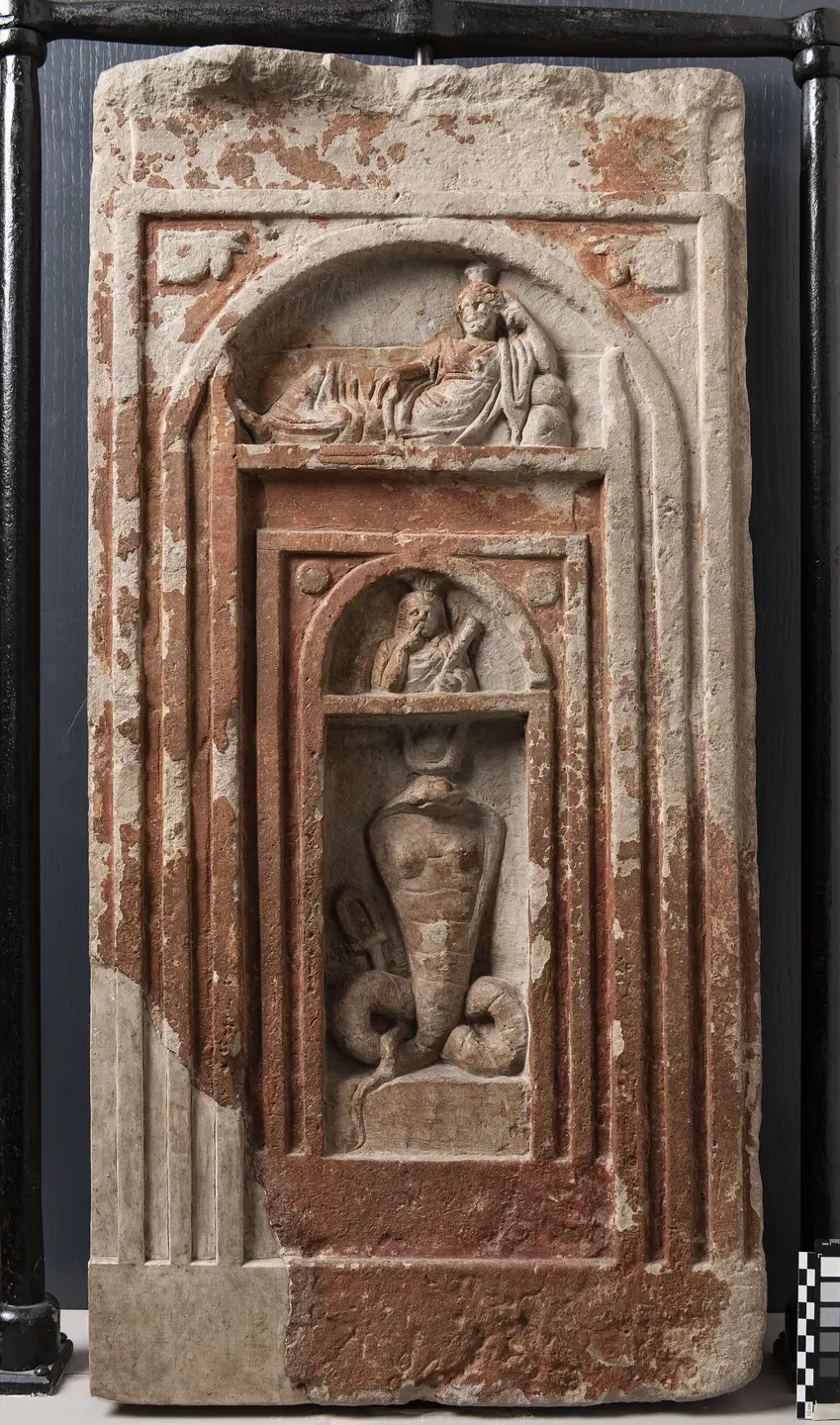
Religious syncretism concerns the combination of ideas, figures, and practices from different traditions. Similarity of names or imagery alone does not establish identity or historical continuity.