Culture & Ethics
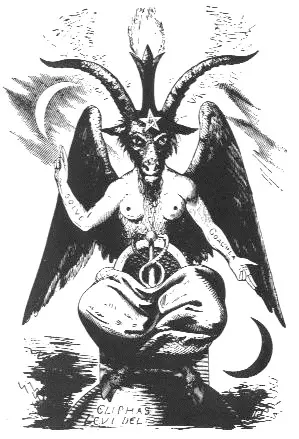
Satanic symbolism
The images, names, and gestures used by Satanic traditions, whose meanings depend on their religious and historical setting.
The images, names, and gestures used by Satanic traditions, whose meanings depend on their religious and historical setting.
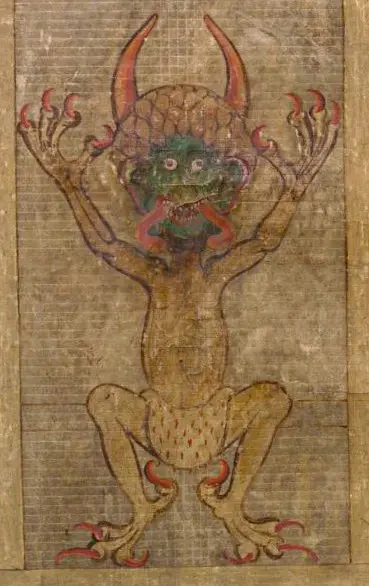
The Devil is the principal personification of evil in much of Christian tradition and a major source for later Western images of Satan. The term is not identical with every historical use of Satan, nor does it describe one unchanging character across the Bible, theology, folklore, literature, art, and modern religion. In contemporary speech “the Devil” often functions as a proper name for Satan, but…
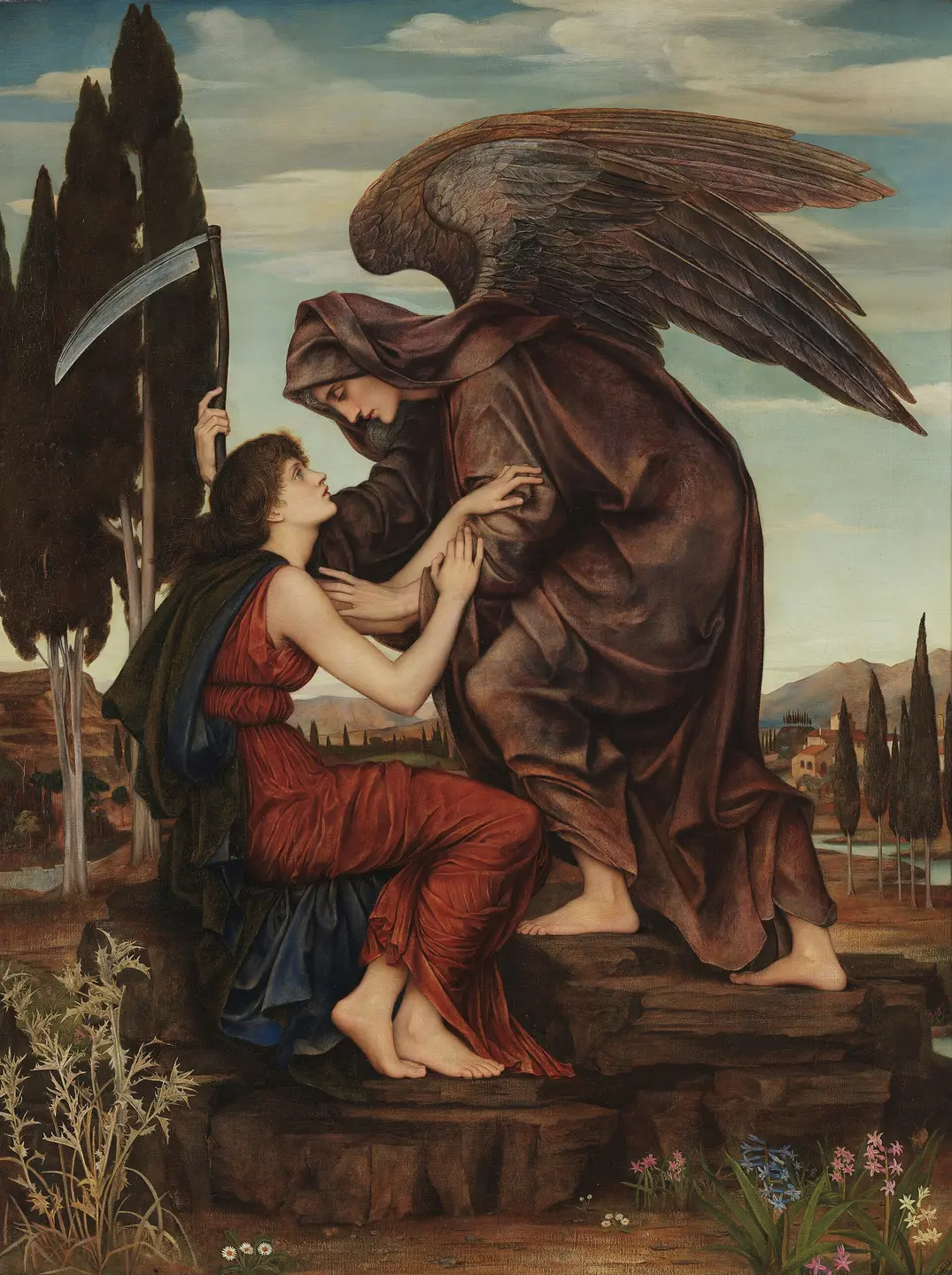
Samael appears in Jewish interpretive literature in roles that vary between texts. His relationship with Satan, the serpent, and other figures should be described source by source.
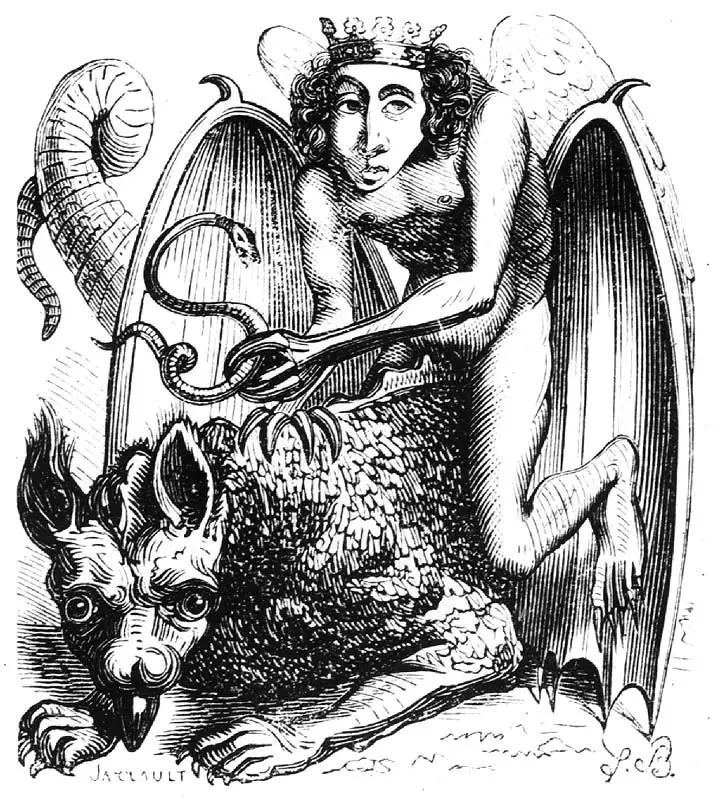
Astaroth appears in early modern spirit catalogues and later illustrated demonology. Source editions matter when comparing the figure’s rank, appearance, and supposed knowledge.
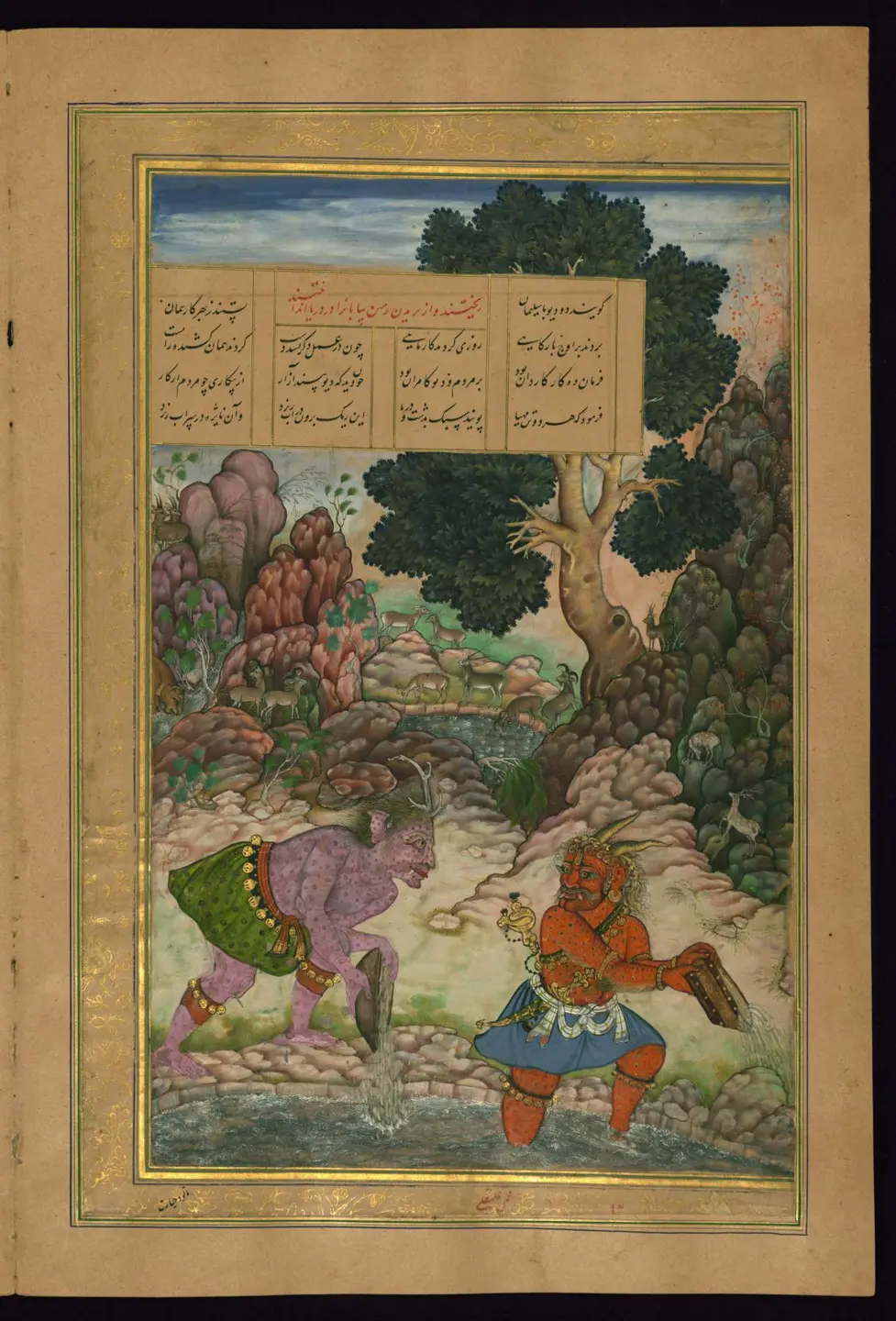
The Testament of Solomon is a pseudepigraphal religious narrative in which Solomon questions and commands spirits. It differs from later procedural Solomonic grimoires.
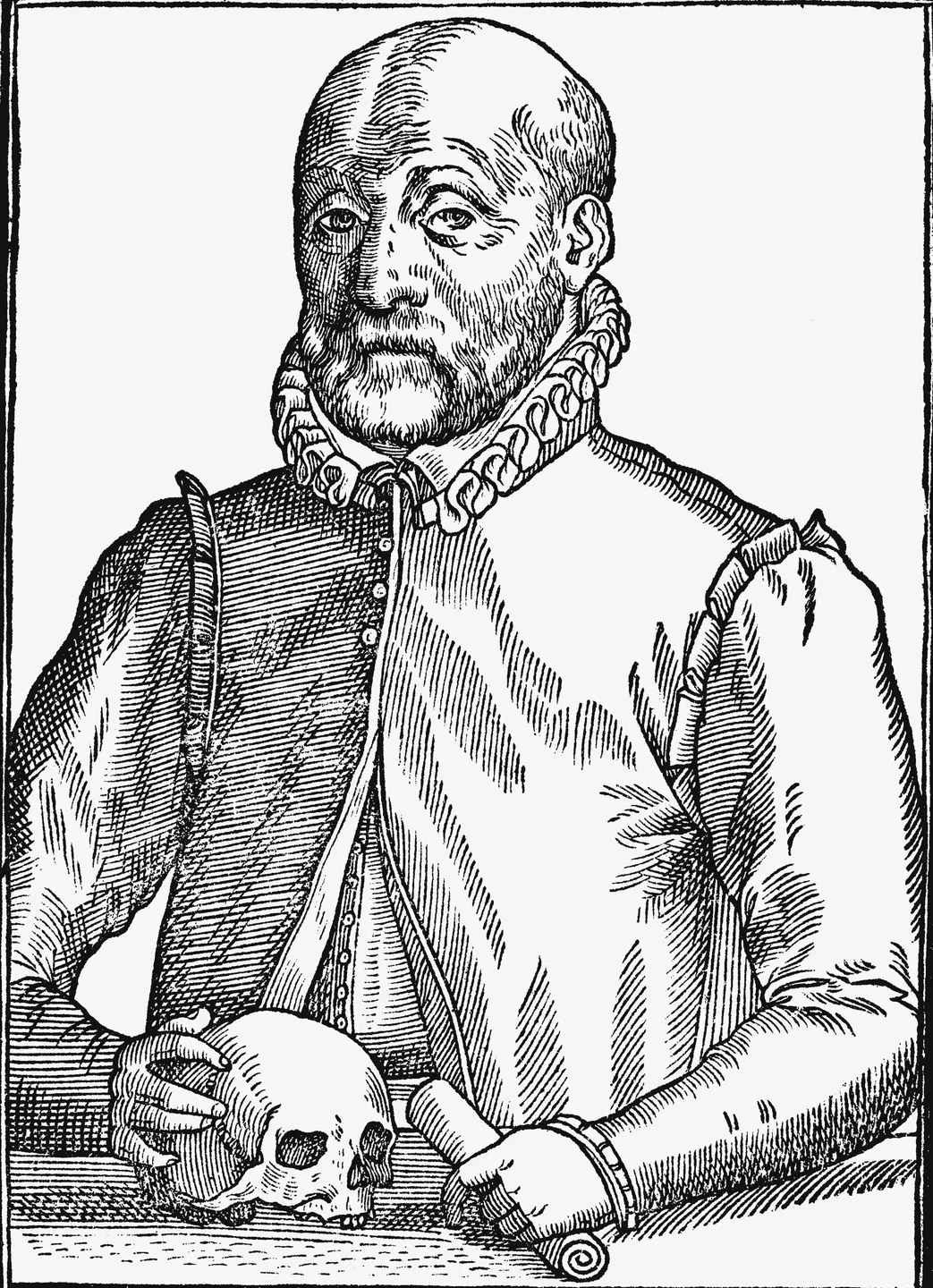
Pseudomonarchia Daemonum is a spirit catalogue associated with Johann Weyer. Its transmission helps explain similarities and differences in the later Ars Goetia.
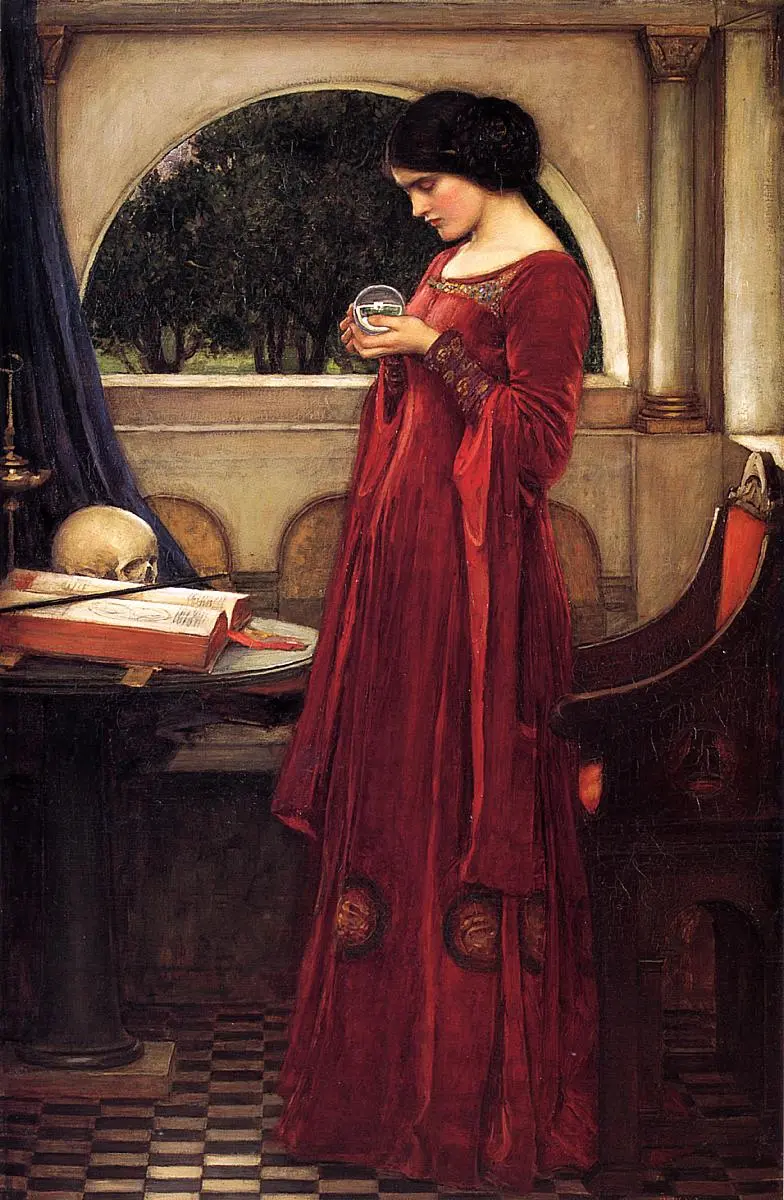
Divination consists of practices that interpret signs as answers, indications, or guidance. Methods differ in their religious assumptions and in the kinds of claims they make.
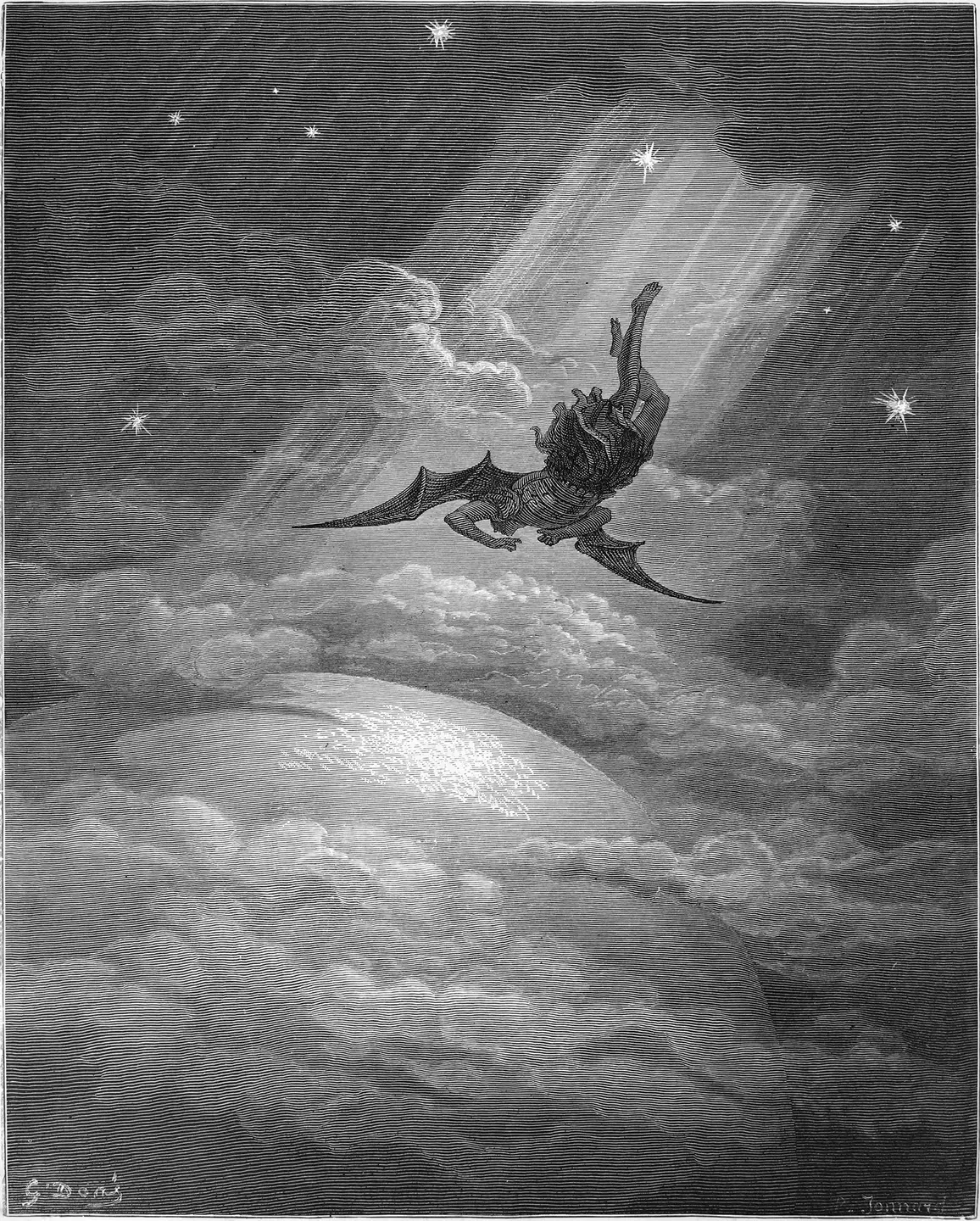
Luciferianism describes different religious and philosophical approaches that give Lucifer a positive role. Belief, practice, and identity vary among writers and communities.
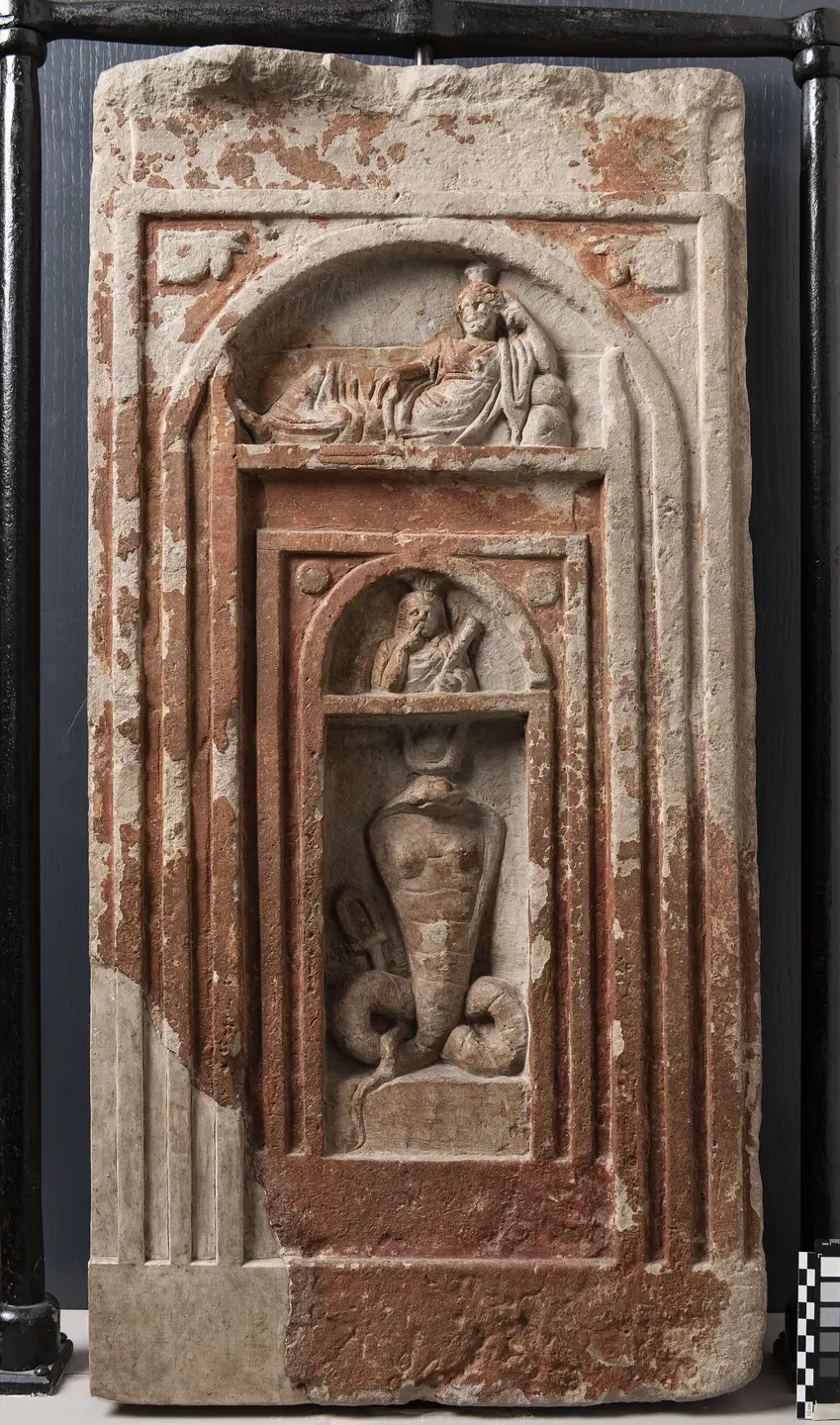
Religious syncretism concerns the combination of ideas, figures, and practices from different traditions. Similarity of names or imagery alone does not establish identity or historical continuity.