Book of Giants
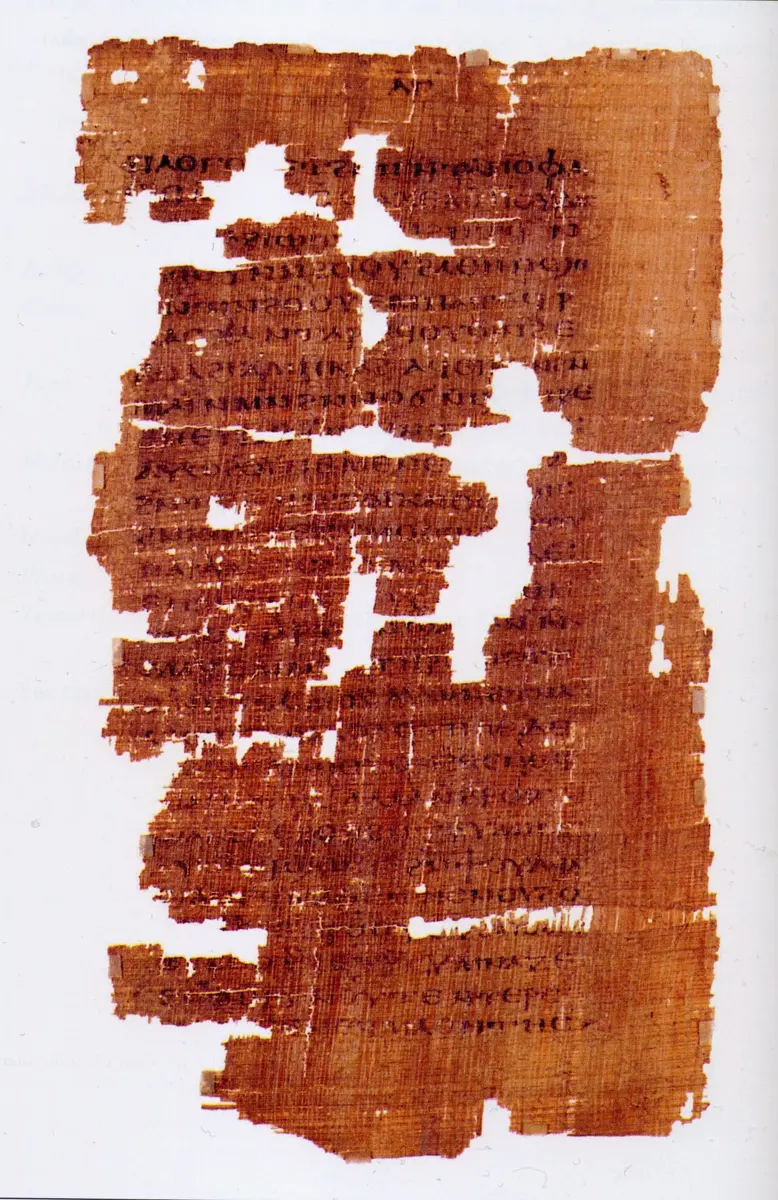
The Book of Giants names a fragmentary Jewish Enochic work represented at Qumran and a related Manichaean adaptation. Its surviving witnesses concern the offspring of the Watchers, ominous dreams, Enoch, and impending judgment.
The Book of Giants names a fragmentary Jewish Enochic work represented at Qumran and a related Manichaean adaptation. Its surviving witnesses concern the offspring of the Watchers, ominous dreams, Enoch, and impending judgment.
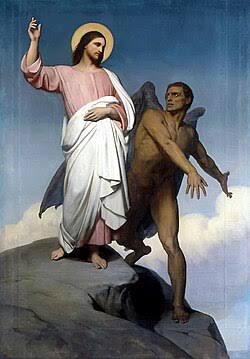
The temptation of Jesus is an encounter with Satan in the wilderness narrated by Matthew, Mark, and Luke. Its differing forms connect hunger, divine sonship, scriptural argument, worldly rule, and worship.

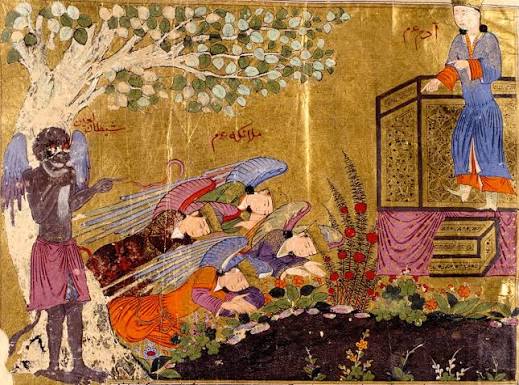
Iblis is the figure who refuses God’s command to bow to Adam in the Qur’an. Islamic commentary and Sufi literature explore his pride, his relationship to the jinn, his role as a tempter, and the meaning of his disobedience.

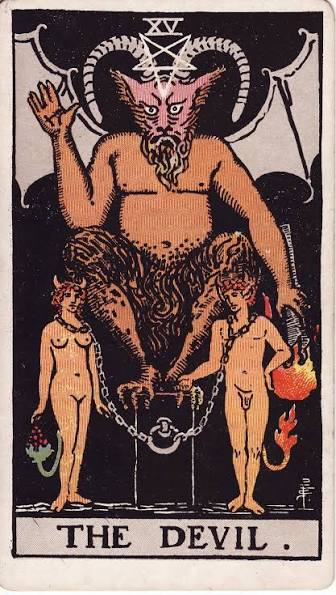
The Devil is a tarot trump commonly numbered XV. Its imagery and interpretation vary between decks and writers. Waite and Papus connect it with material constraint, fatality, and occult forces, while tarot’s history begins in the world of playing cards.

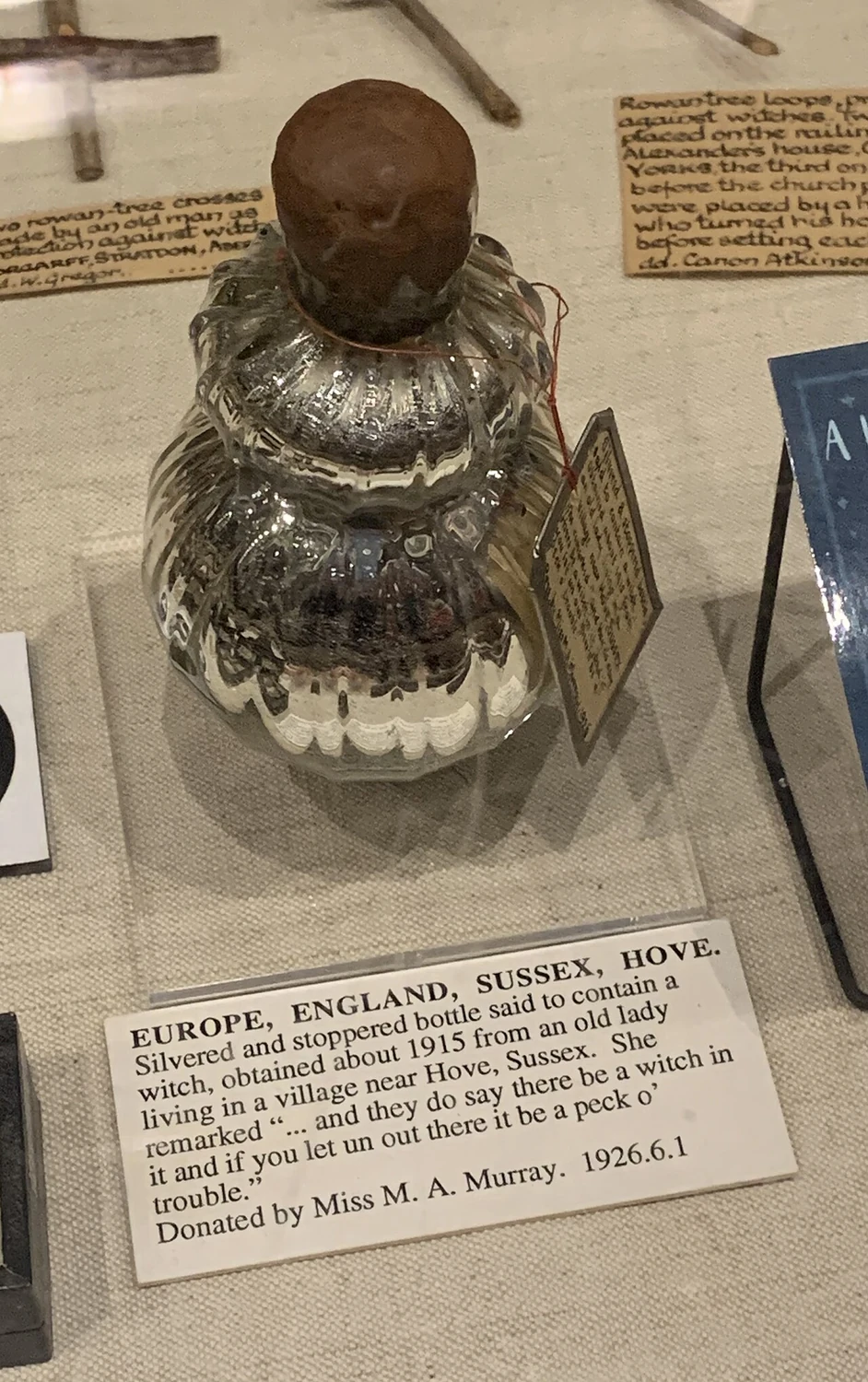
Protective charms, witch bottles, and everyday materials in local magical traditions, with documented British museum examples.

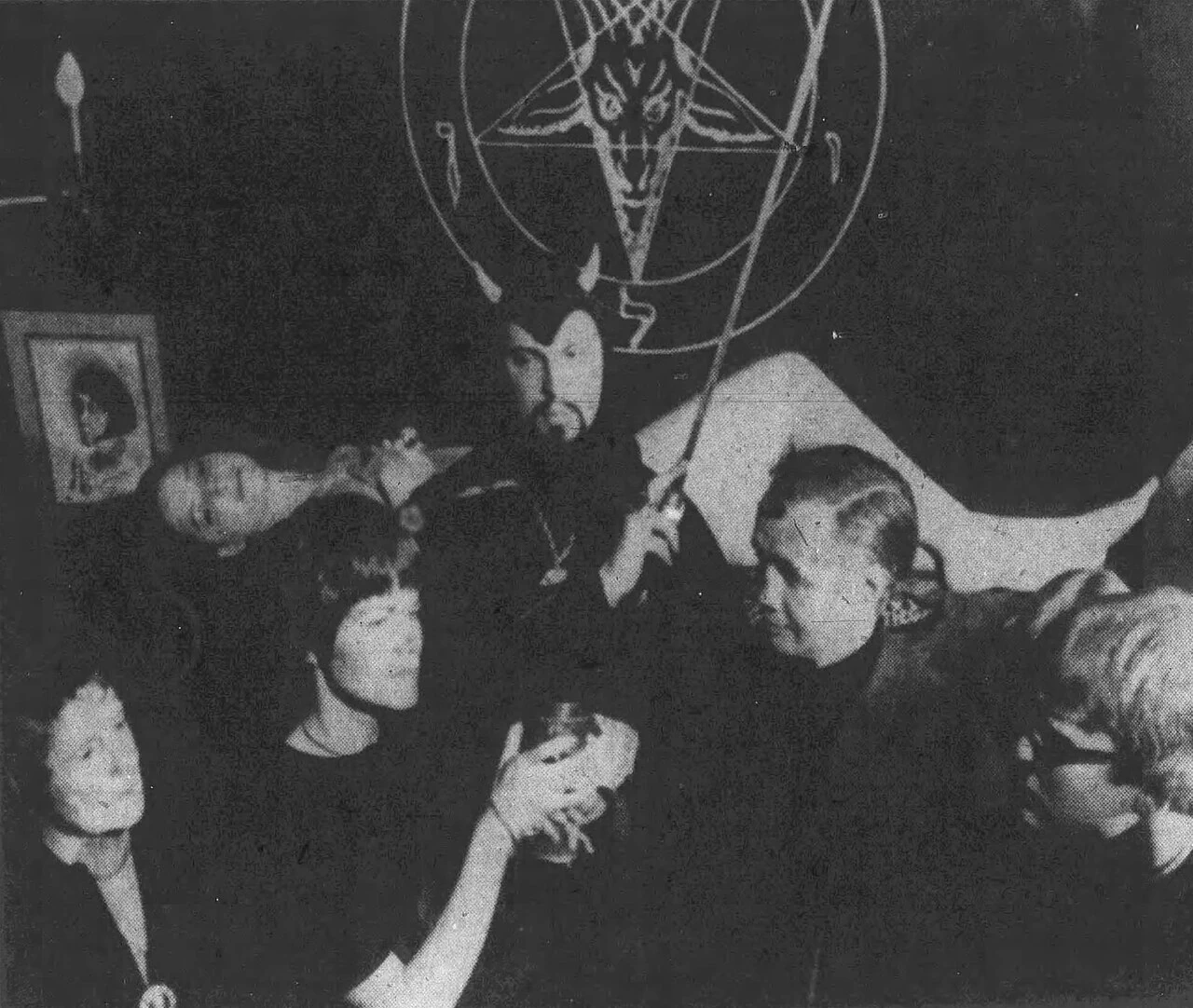
Anton LaVey’s 1969 book of Satanic philosophy and ritual, foundational to the Church of Satan.

Anton LaVey’s collection of ceremonial material, published as a companion to The Satanic Bible.

A British occult writer associated with the Typhonian current, Thelema, and the work of Austin Osman Spare.

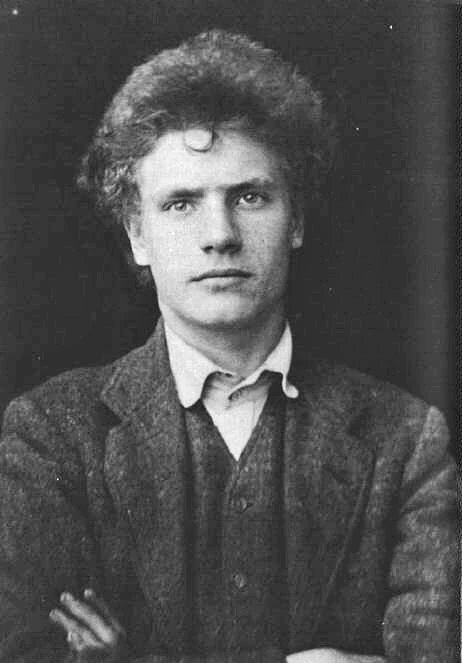
An English artist and occult author whose treatment of desire and sigils influenced later magical practice.

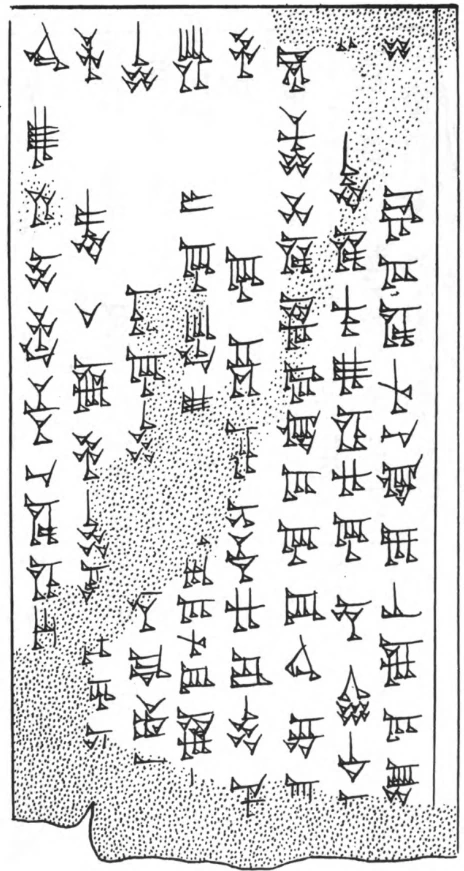
The primordial sea figure in the Babylonian creation epic Enuma Elish, defeated by Marduk in its account of cosmic ordering.

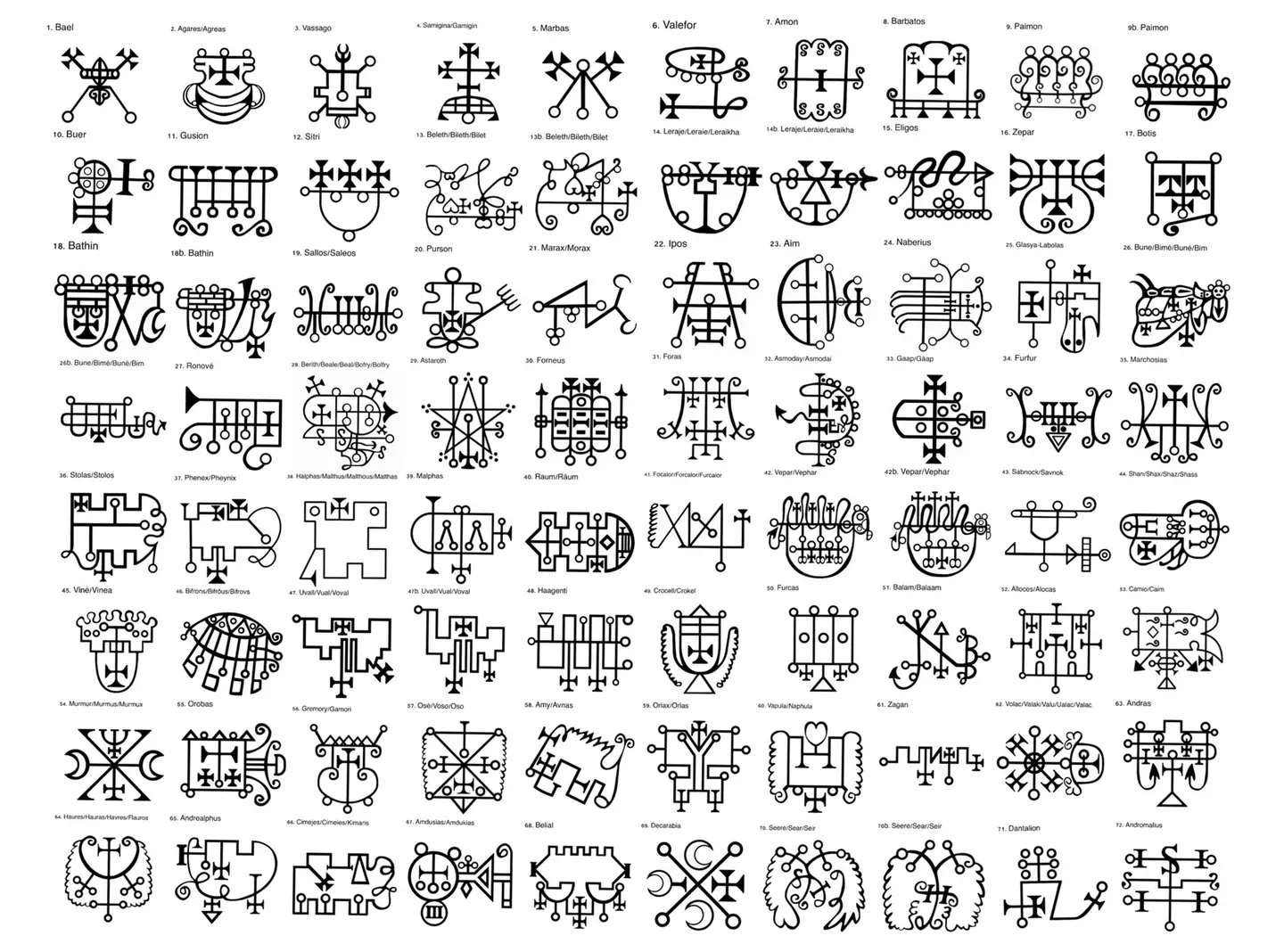
The Ars Goetia is the first section of the Lemegeton or Lesser Key of Solomon, an early modern English compilation of ceremonial magic. It is famous for a catalogue of seventy-two spirits, each described by name, rank, appearance, abilities, and a seal or character. In modern occultism the term “Goetia” is often used loosely for demon-summoning or work with these spirits, but historically the Ars Goetia…

Azazel is a figure associated with the Day of Atonement in Leviticus, a rebellious Watcher in 1 Enoch, and a demonological and occult figure in later traditions. This article traces the development of Azazel from ancient Jewish texts through later demonology and modern Satanic interpretations.

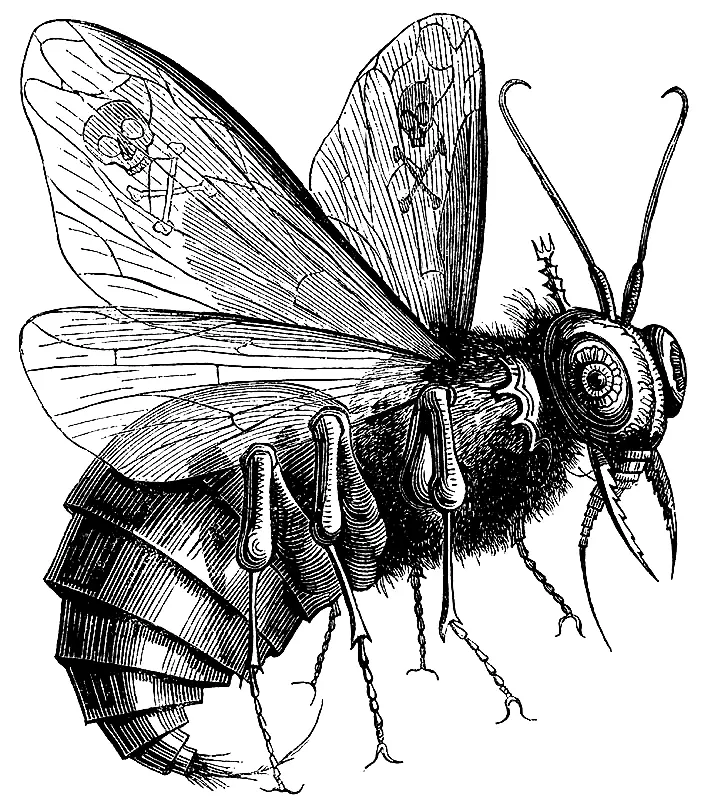
Beelzebub and related spellings appear in distinct biblical contexts. Later demonological interpretations should not be retroactively read into each earlier occurrence.

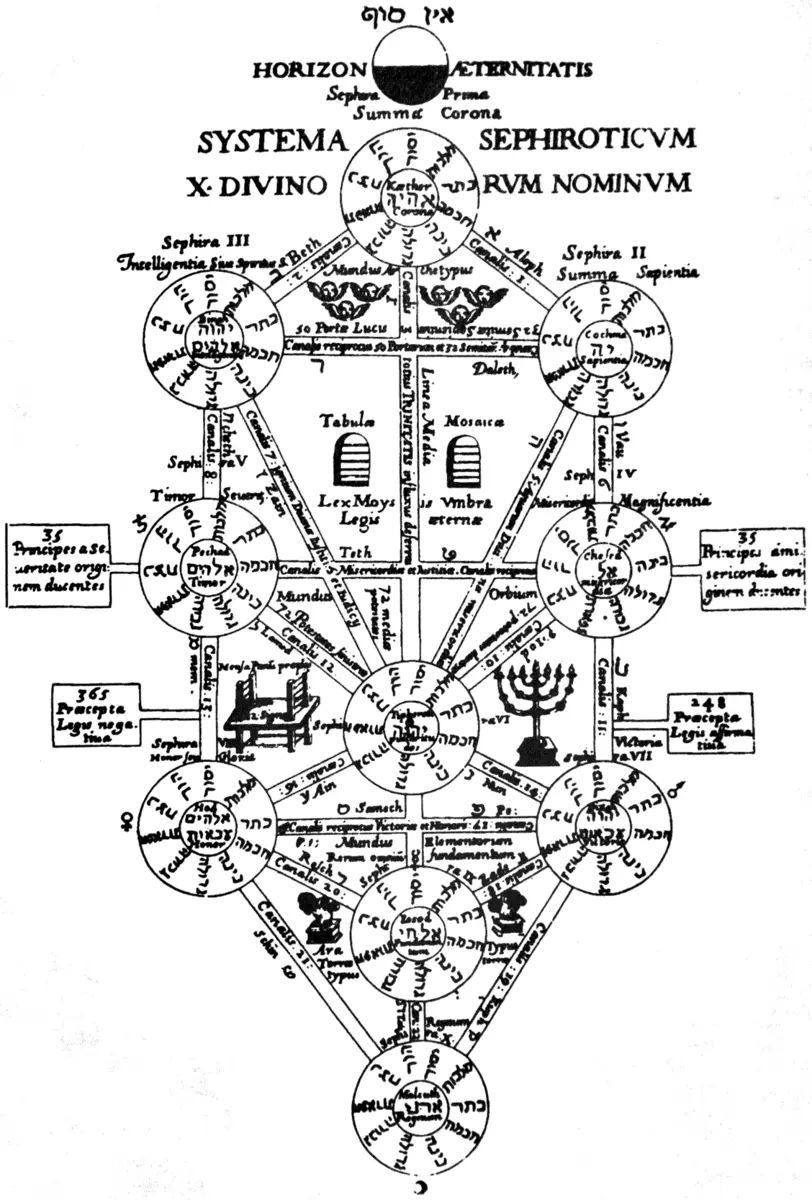
Western esoteric systems that adapt Kabbalistic ideas through ritual, correspondence tables, and symbolic interpretation.

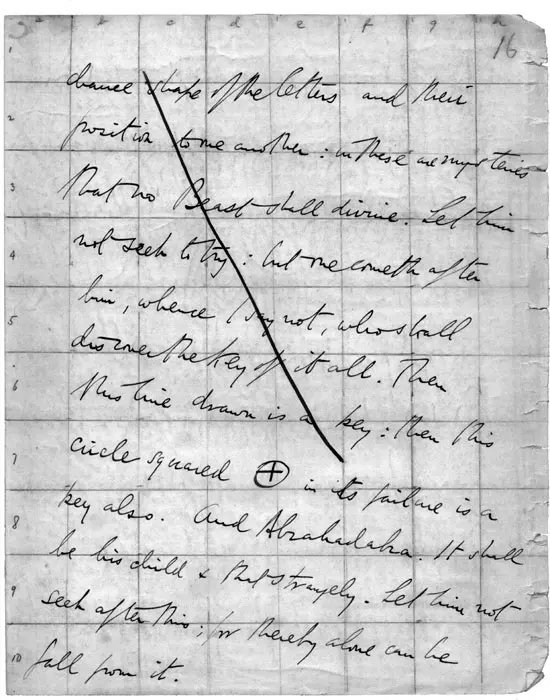
The three-chapter revelatory text at the center of Thelema, also titled Liber AL vel Legis.

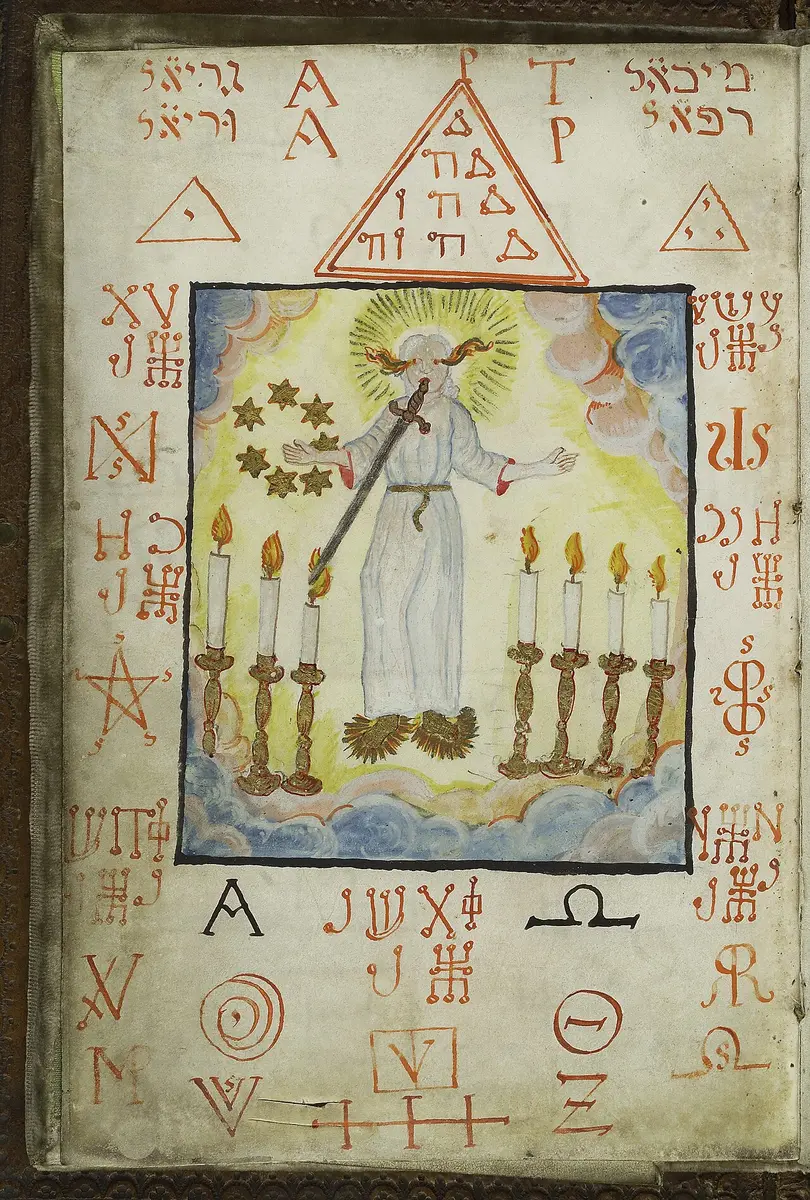
An angelic art in the Lemegeton, using a wax tablet, candles, and a hierarchy of heavenly altitudes.

The Hebrew Enochic work associated with heavenly palaces and Enoch’s transformation into Metatron.

A retelling of Genesis and early Exodus arranged through jubilees, with angelic revelation, calendar teaching, and expanded narratives.

An early Christian revelation dialogue preserved in Coptic, known from the manuscript called Codex Tchacos.

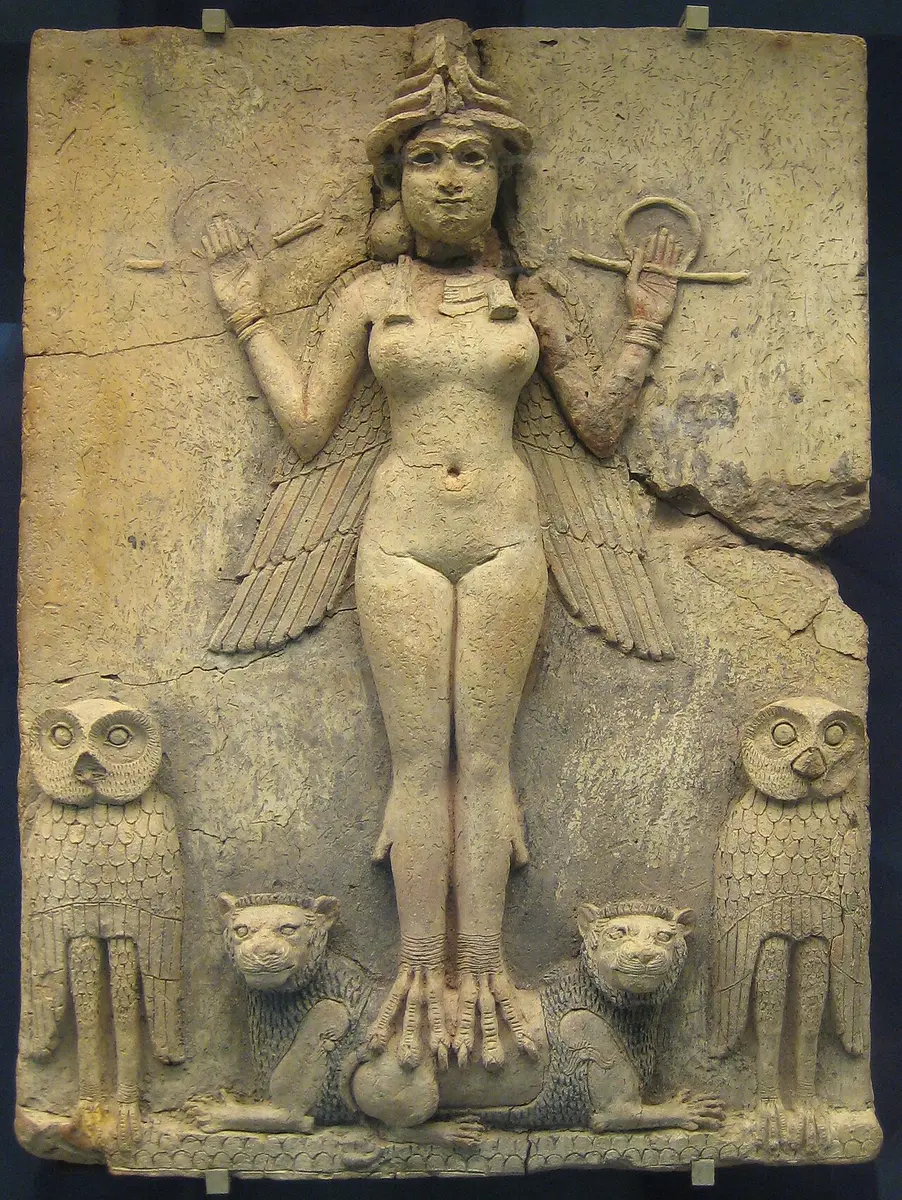
A Mesopotamian queen of the underworld, known through myths of descent and traditions concerning Nergal.