Texts & Sources
Satan in 1 Chronicles
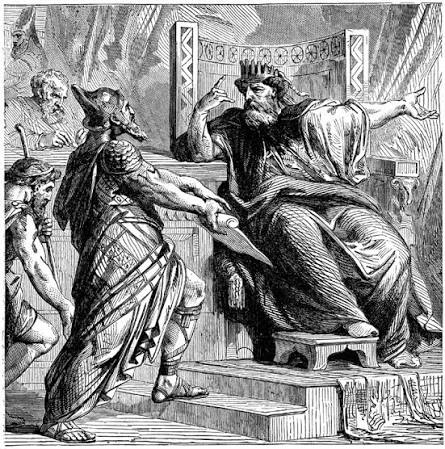
In 1 Chronicles 21, Satan or an adversary incites David to count Israel. Comparison with 2 Samuel 24 raises questions about divine agency, translation, and the development of the adversary figure.
In 1 Chronicles 21, Satan or an adversary incites David to count Israel. Comparison with 2 Samuel 24 raises questions about divine agency, translation, and the development of the adversary figure.
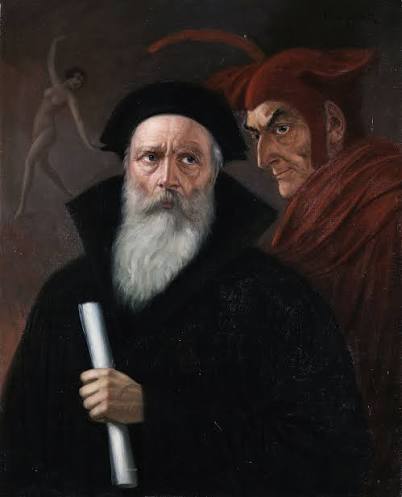
Faust is the scholar or magician at the center of a European legend about bargaining with the Devil. The 1587 Faust book, Marlowe’s Doctor Faustus, and Goethe’s Faust give the story different treatments of knowledge, desire, damnation, and human striving.
The Malleus Maleficarum is a Latin treatise associated with the inquisitor Heinrich Kramer. It combined demonological argument with proposals for prosecuting alleged witches. Its allegations, treatment of women, and influence require critical historical reading.
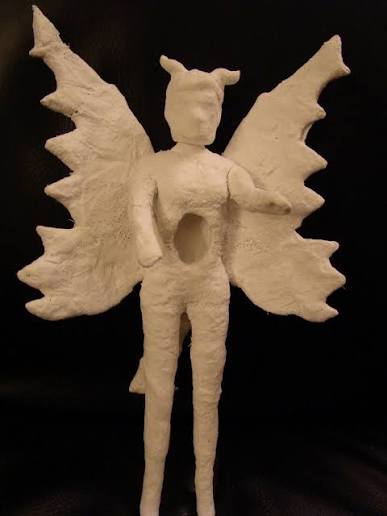
Mastema is a leader of harmful spirits in the Book of Jubilees. His appearances in the stories of Noah, Abraham, and Moses connect temptation, accusation, and hostility with a power that remains subject to divine limits.
A Goetic king riding a pale horse, associated with desire and an elaborate ceremonial reception.
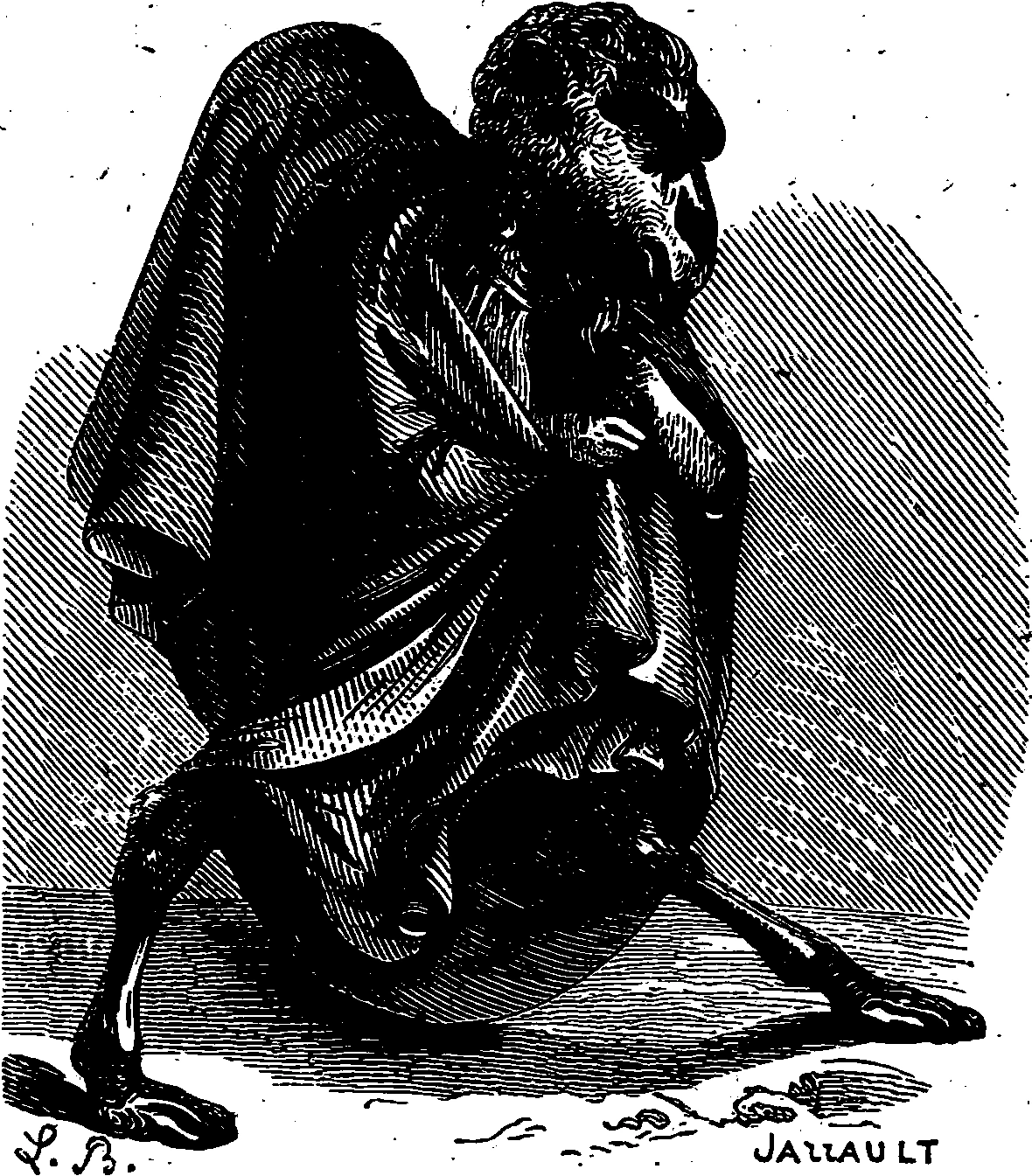
A Goetic duke first appearing as a dromedary, associated with affection, friendship, and knowledge.
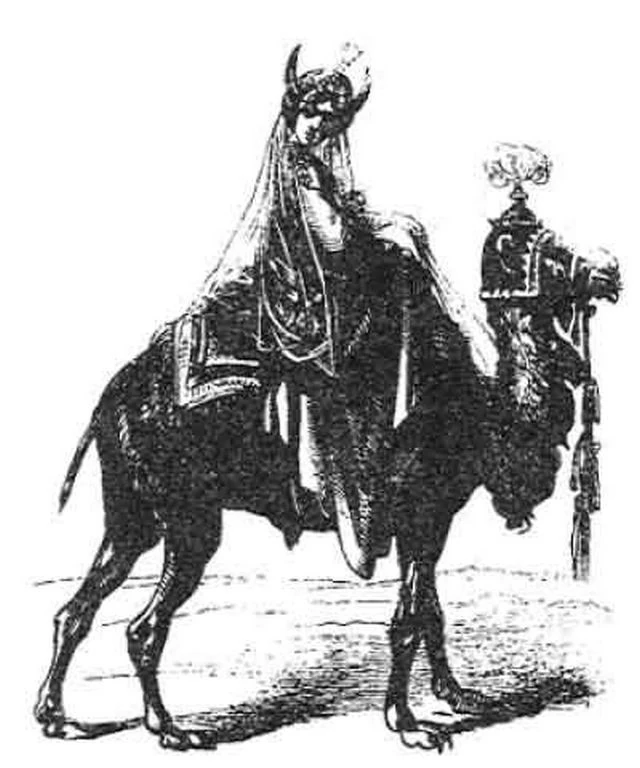
A Goetic duke depicted as a woman on a camel, associated with hidden knowledge, treasure, and attraction.

A German magical fraternity whose teaching gives Saturn a central symbolic and initiatory role.

A modern approach to magic that treats techniques and belief systems as tools for practical experimentation.
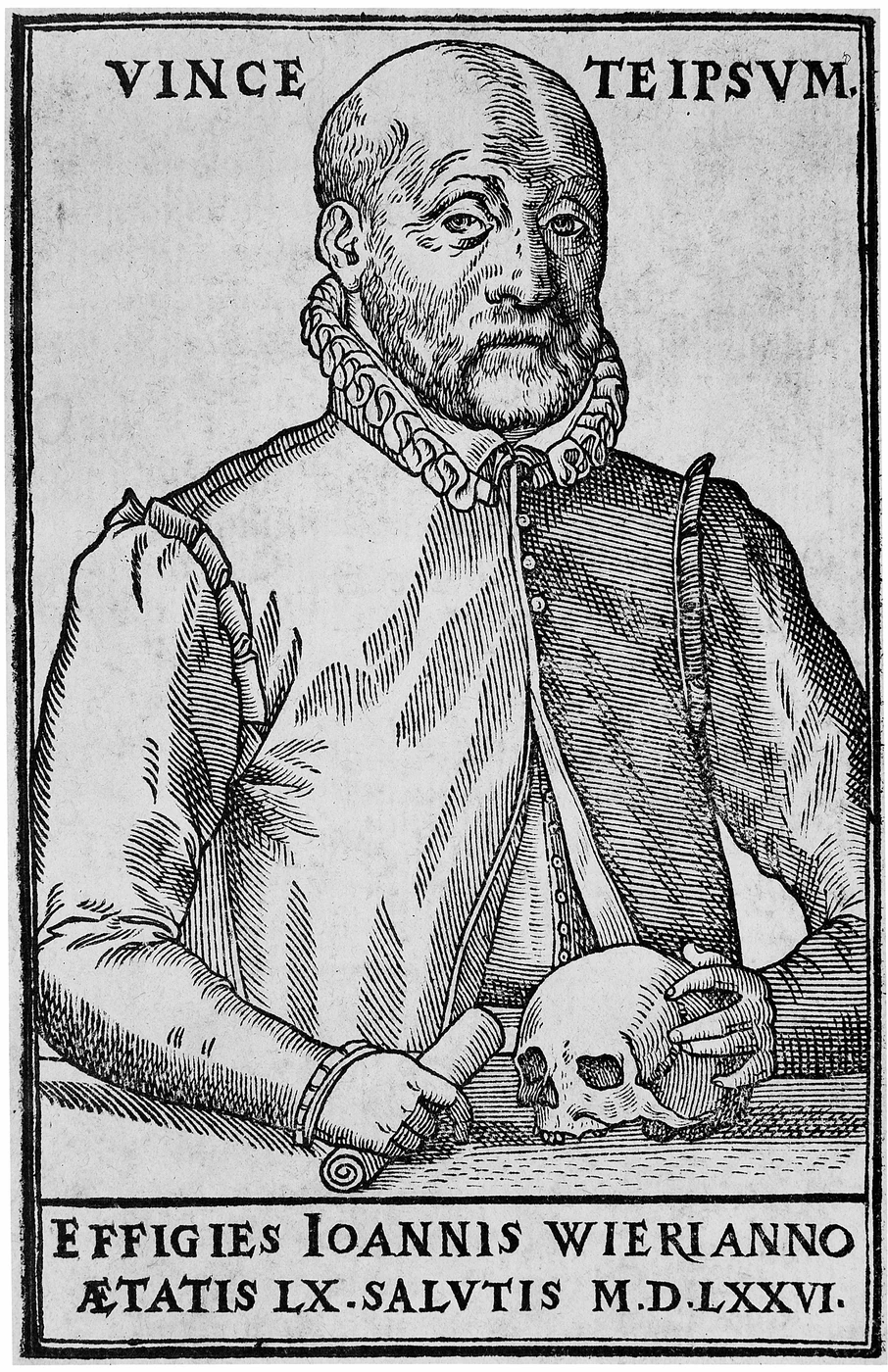
The physician and author whose Pseudomonarchia daemonum supplied an important source for later spirit catalogues.
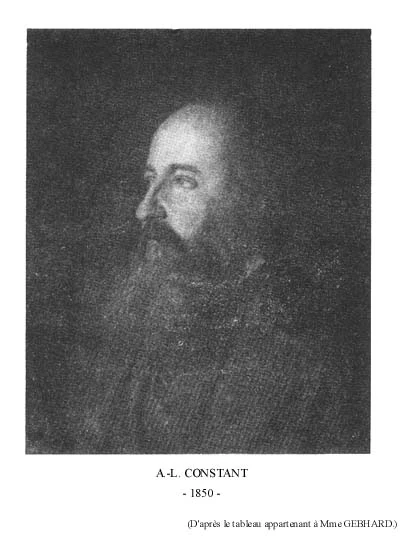
A nineteenth-century French occult author associated with ceremonial symbolism and the influential image of Baphomet.

A British occult writer associated with the Typhonian current, Thelema, and the work of Austin Osman Spare.
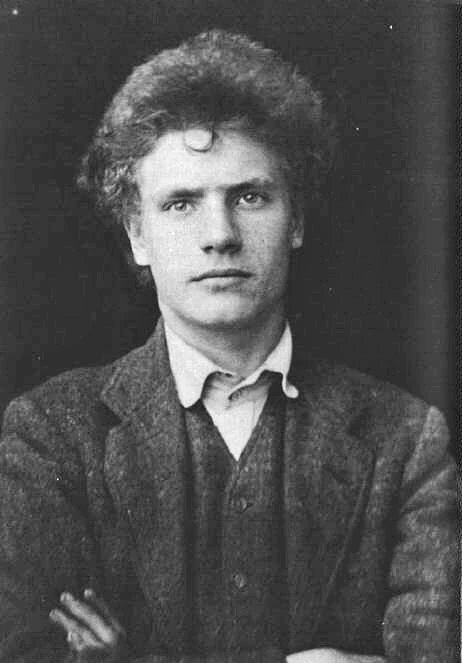
An English artist and occult author whose treatment of desire and sigils influenced later magical practice.
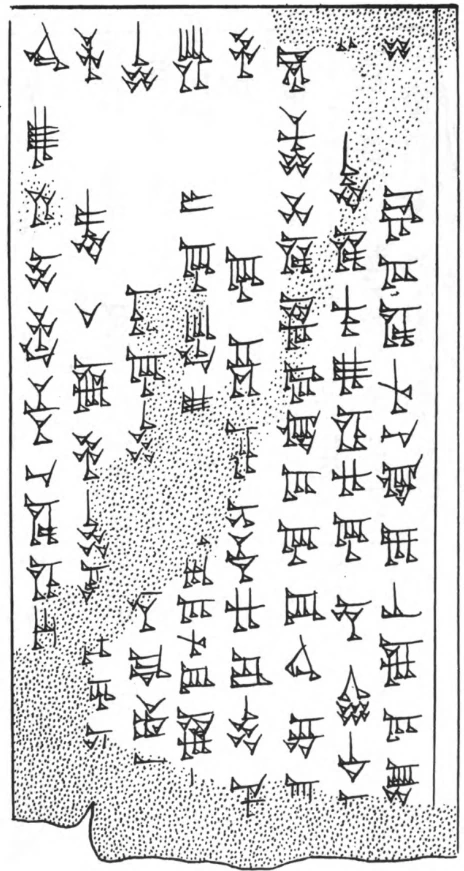
The primordial sea figure in the Babylonian creation epic Enuma Elish, defeated by Marduk in its account of cosmic ordering.
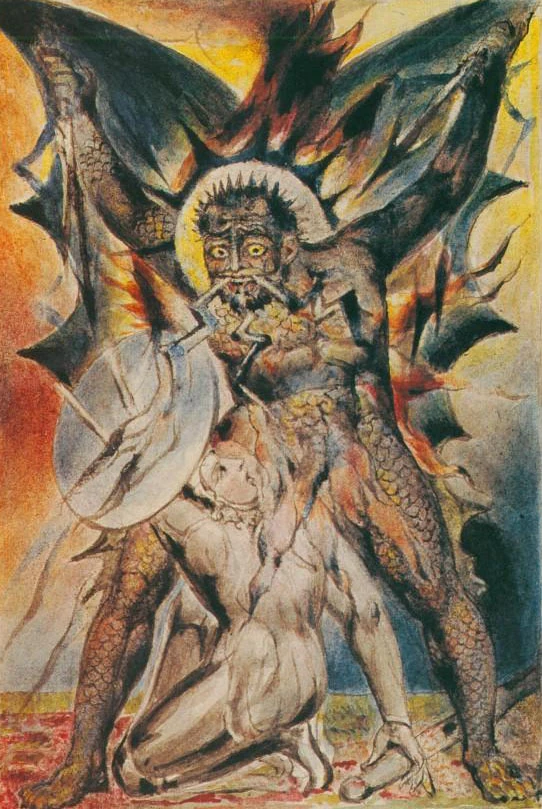
A biblical name associated with destruction, used in Revelation for the angel of the abyss.

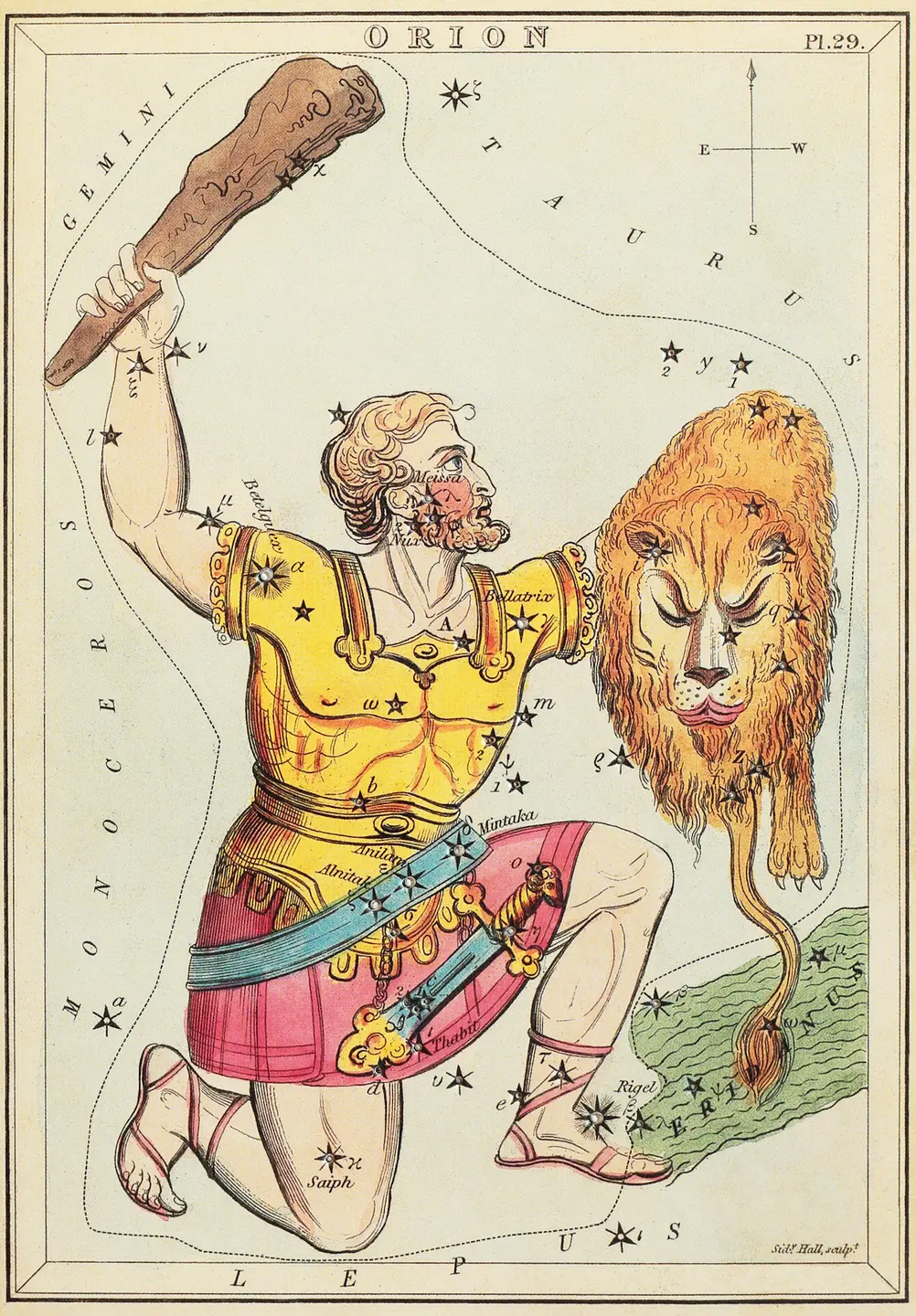
Semjaza is a leading figure in the Enochic account of the Watchers’ oath and descent. His role differs from the teaching and punishment associated with Azazel.
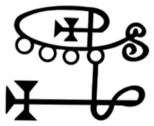
A Goetic duke whose description combines a lion-like form with a warning about theft and familiar spirits.

A Goetic duke associated with wealth, eloquence, and the places of the dead.

A Goetic marquis described as a sea monster, associated with language, reputation, and rhetoric.