Texts & Sources
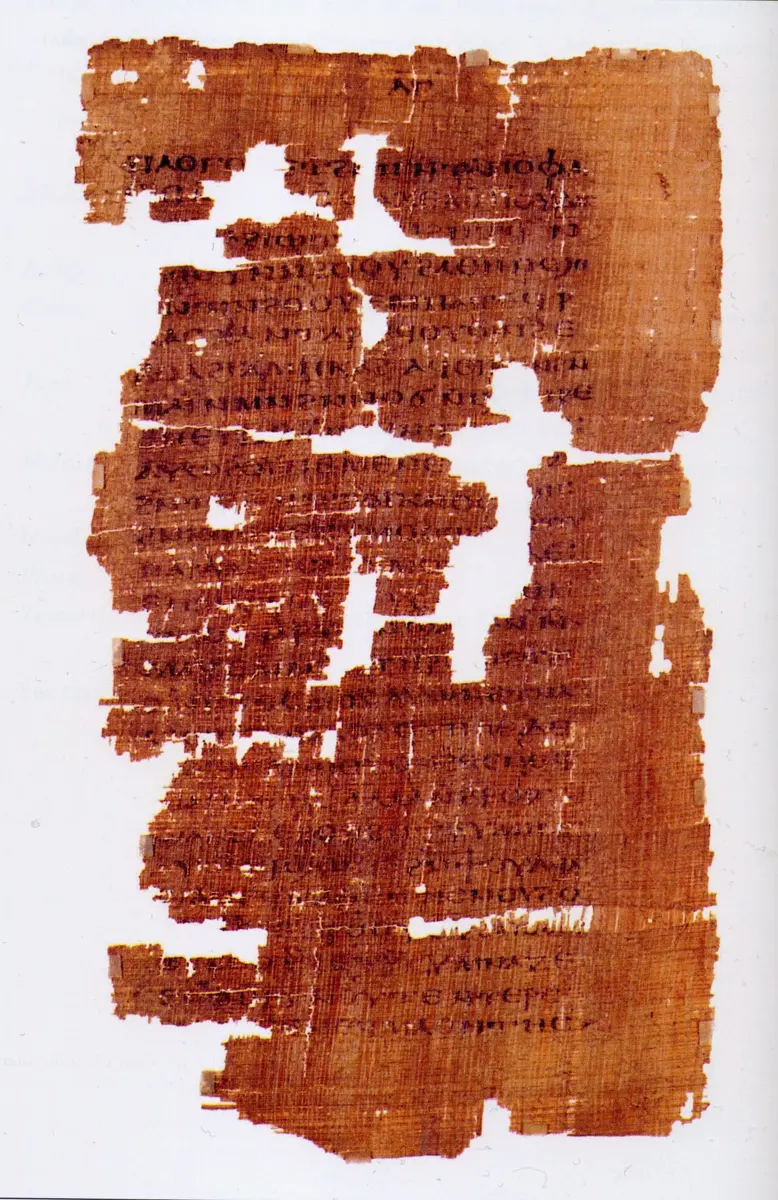
Gospel of Judas
An early Christian revelation dialogue preserved in Coptic, known from the manuscript called Codex Tchacos.
An early Christian revelation dialogue preserved in Coptic, known from the manuscript called Codex Tchacos.
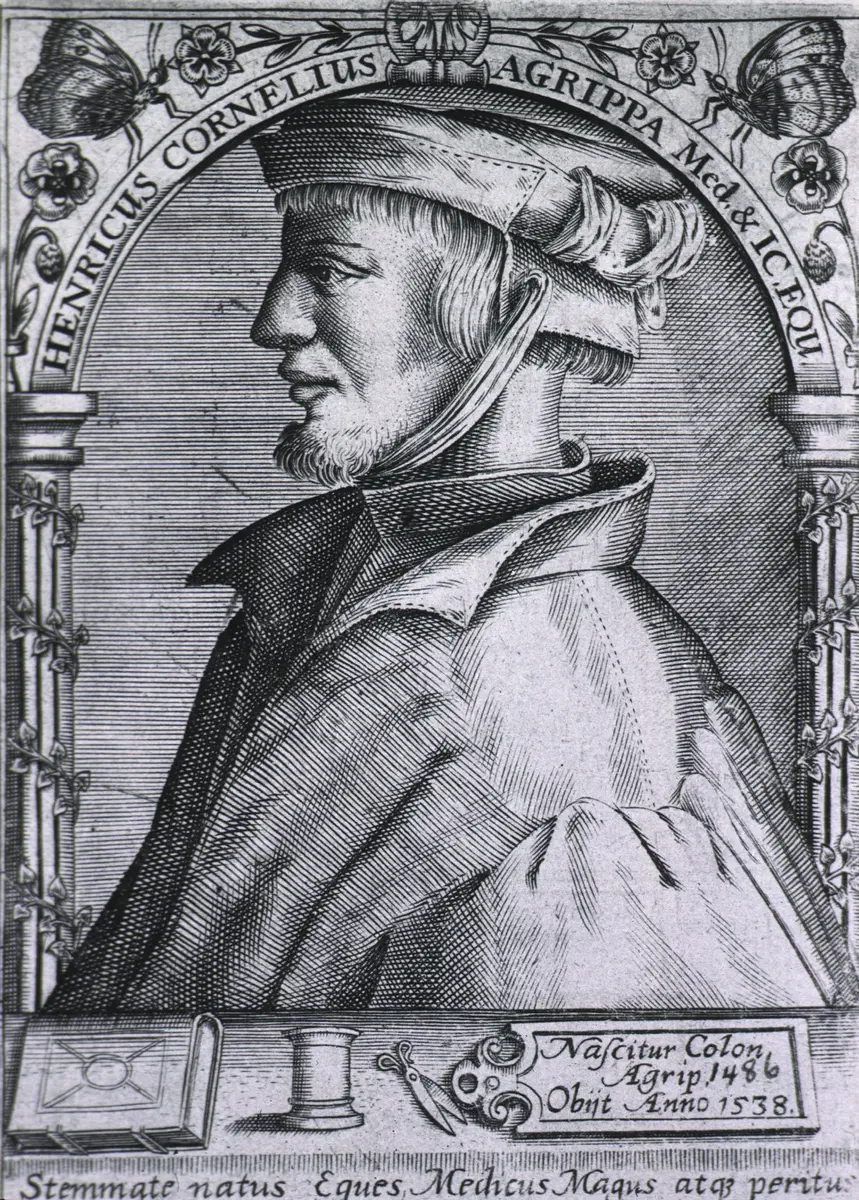
A Renaissance author whose Three Books of Occult Philosophy became a major source for Western magical systems.
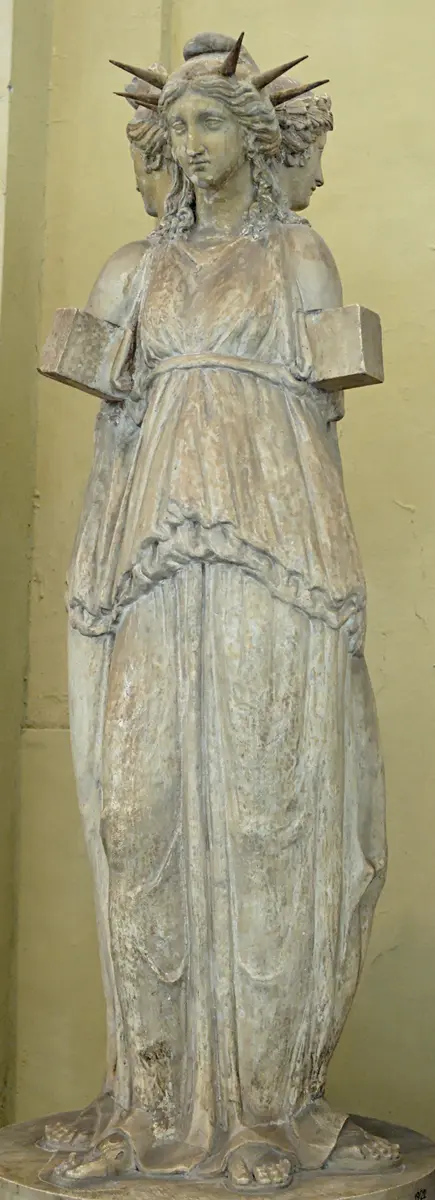
A Greek goddess with broad early powers and later associations with crossroads, spirits, and magic.
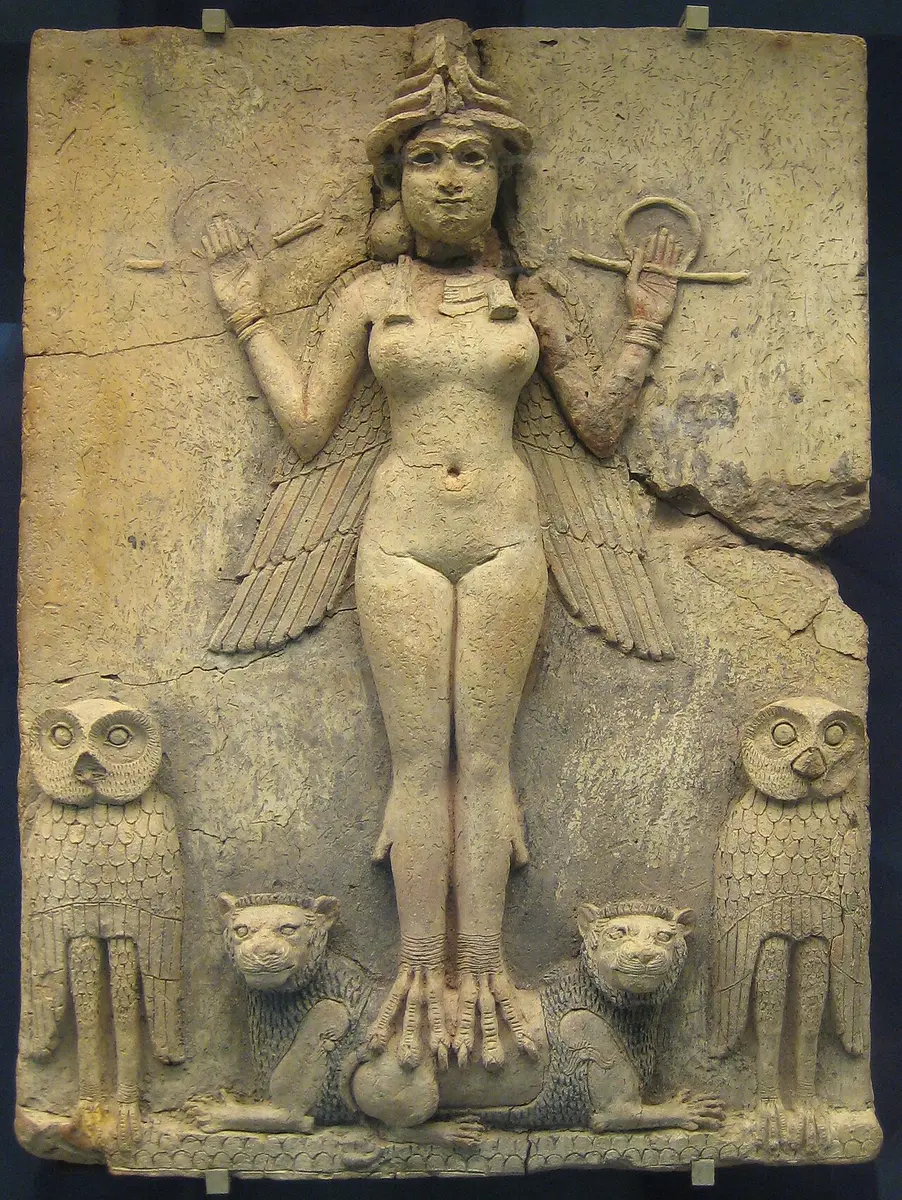
A Mesopotamian queen of the underworld, known through myths of descent and traditions concerning Nergal.
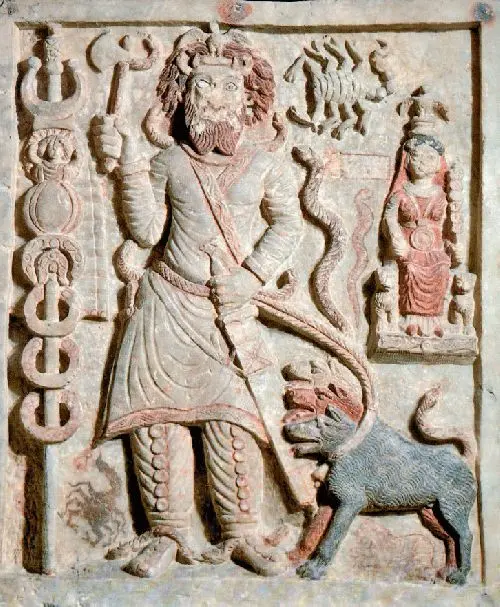
A Mesopotamian deity associated with death, war, disease, and the underworld.
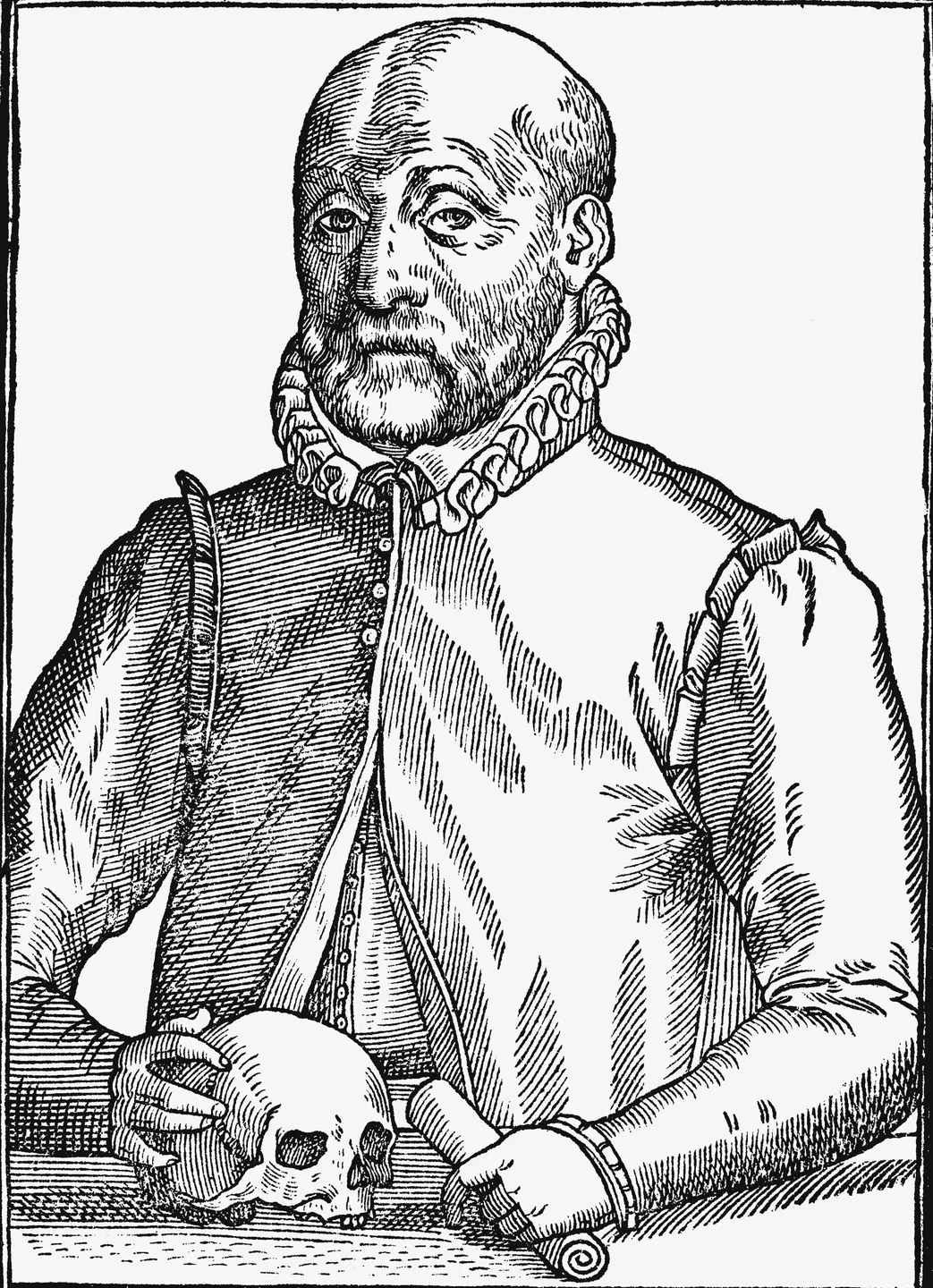
Pseudomonarchia Daemonum is a spirit catalogue associated with Johann Weyer. Its transmission helps explain similarities and differences in the later Ars Goetia.
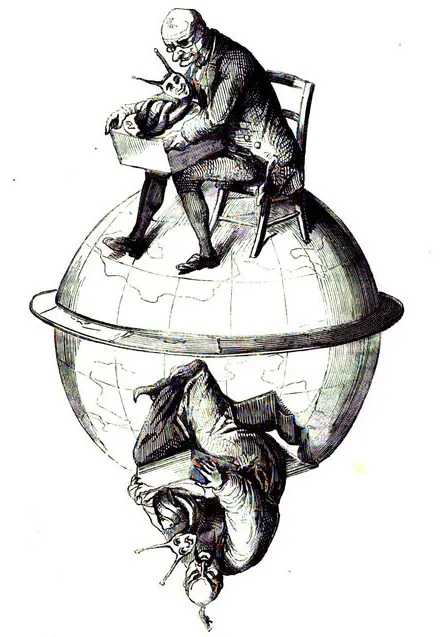
Collin de Plancy’s Dictionnaire infernal gathered supernatural traditions in a dictionary format. Its 1863 entries and illustrations remain influential in modern depictions of spirits.
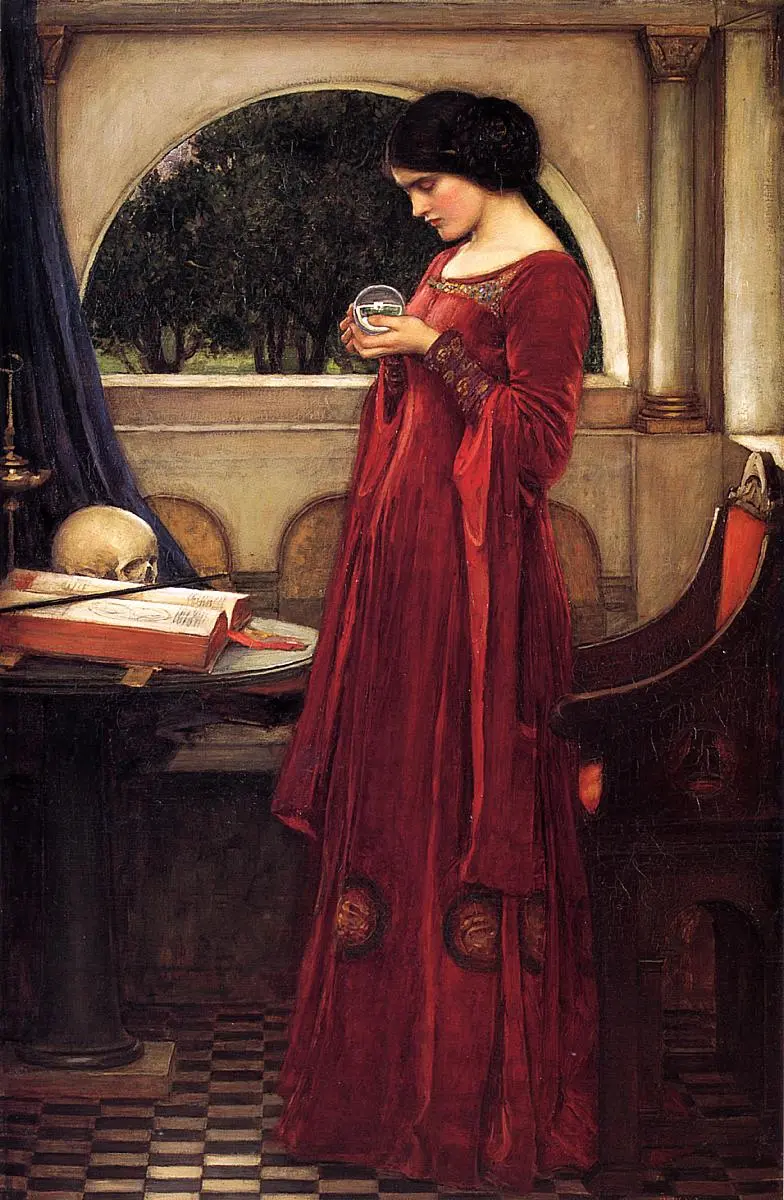
Divination consists of practices that interpret signs as answers, indications, or guidance. Methods differ in their religious assumptions and in the kinds of claims they make.
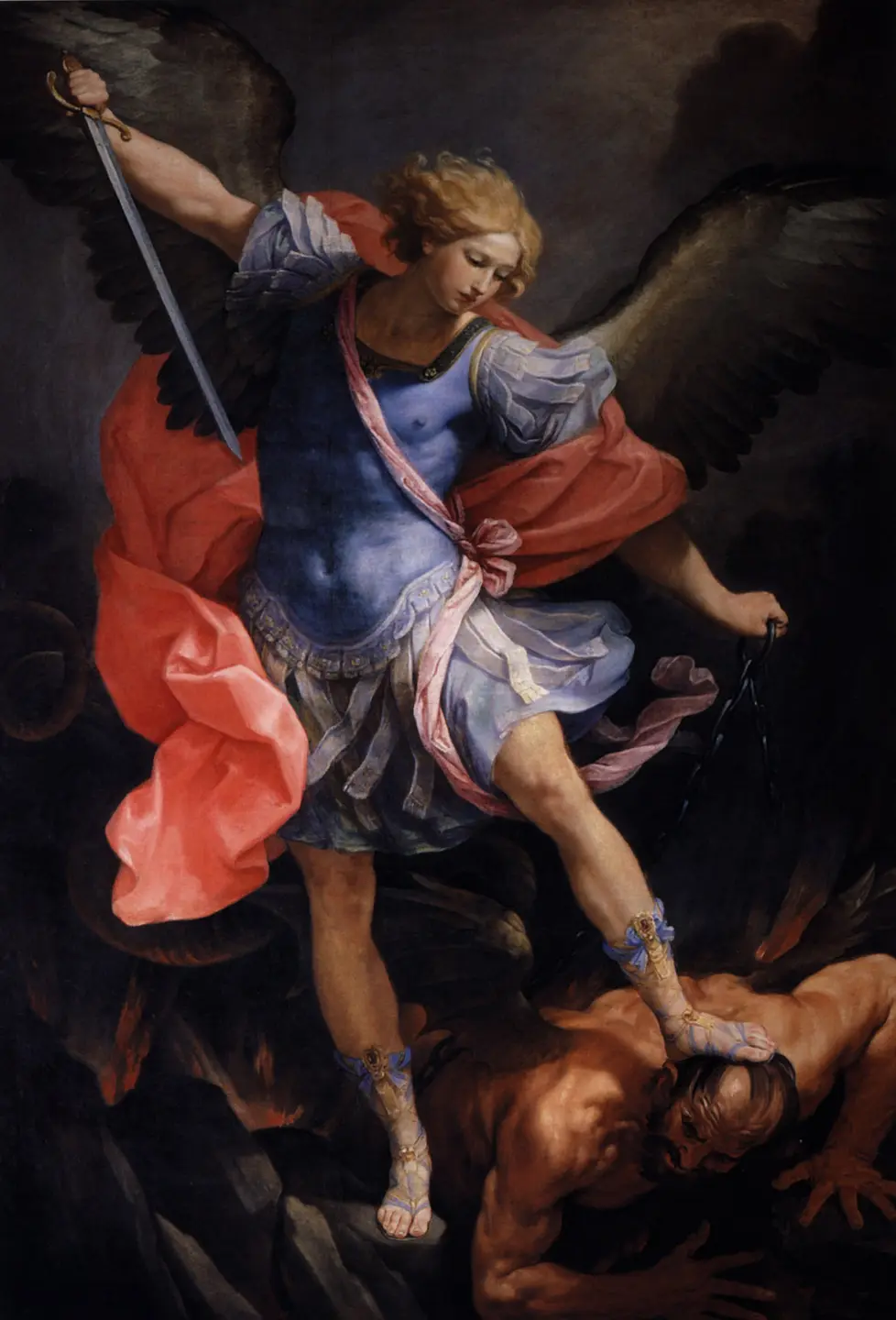
Monotheism and religious dualism concern different questions about ultimate reality. The presence of an adversary does not automatically establish two equal divine principles.
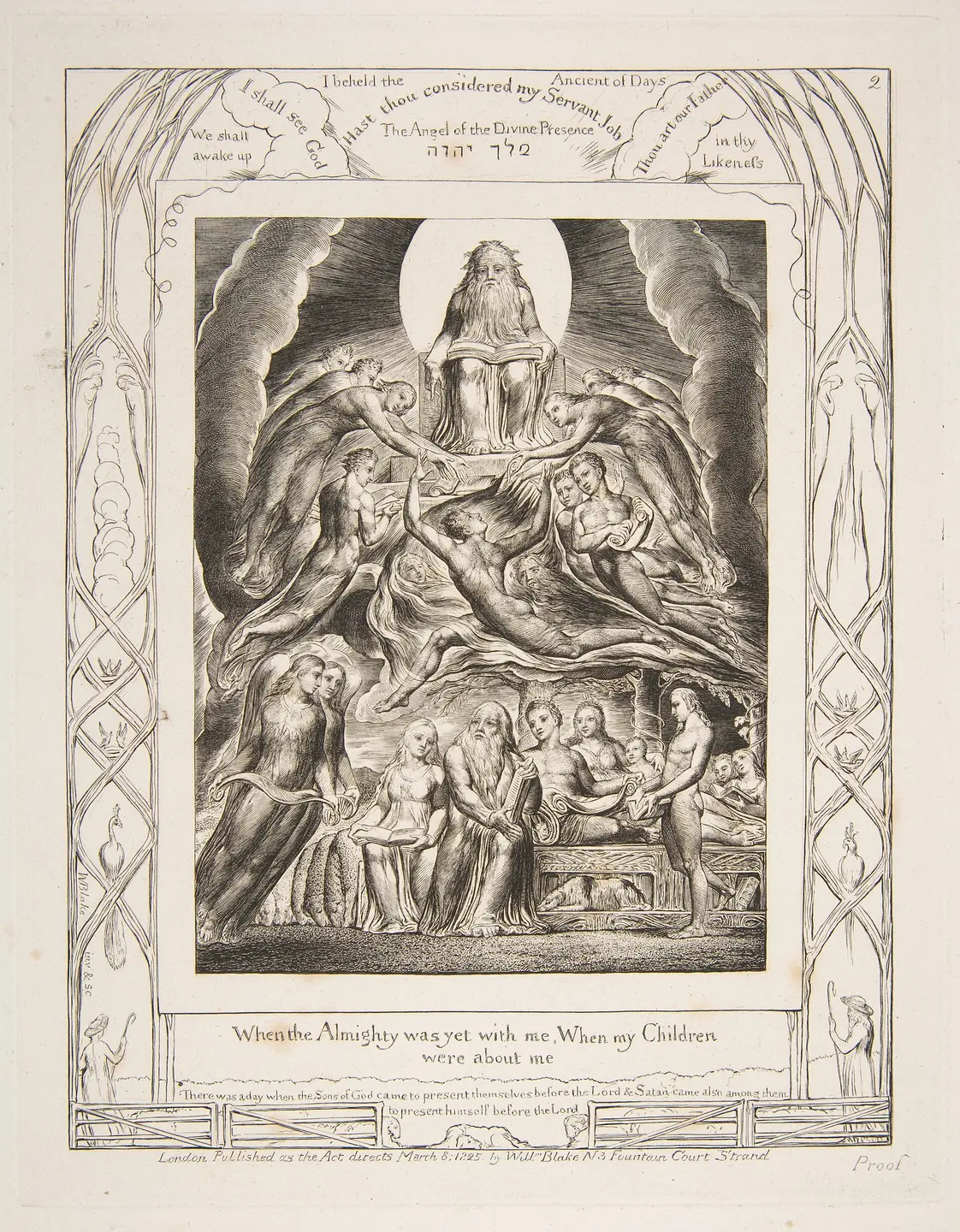
Job 1–2 presents Satan in a heavenly assembly and in a dispute about Job’s righteousness. The passage should be read before later accounts of Satan’s origins are supplied.
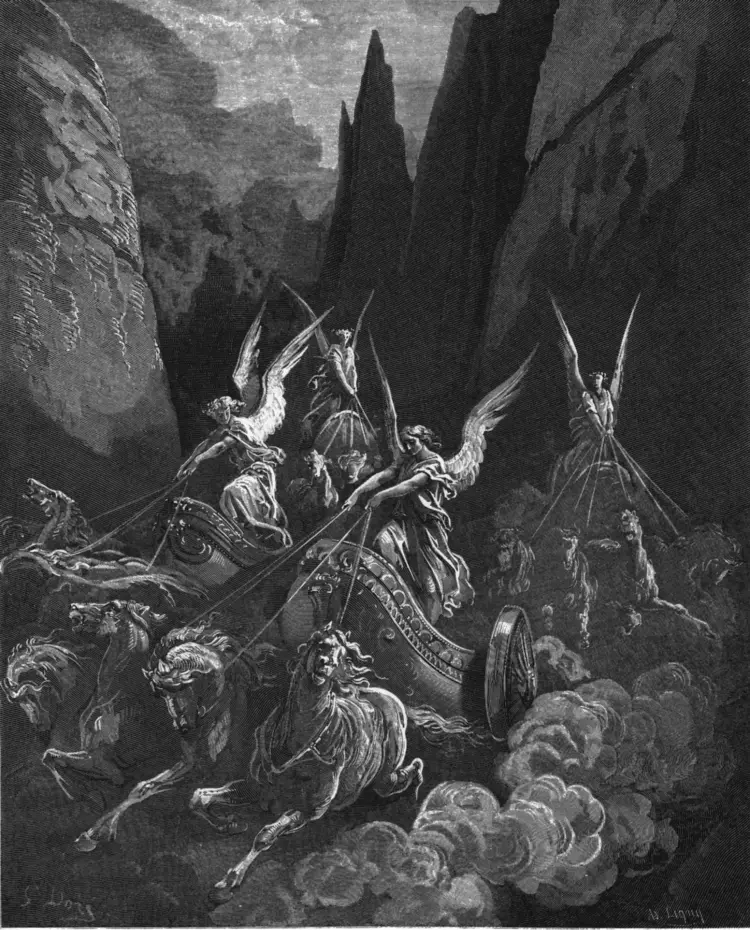
Zechariah 3 presents Satan accusing Joshua the high priest within a vision of judgment and restoration. The scene has a specific religious and literary purpose.
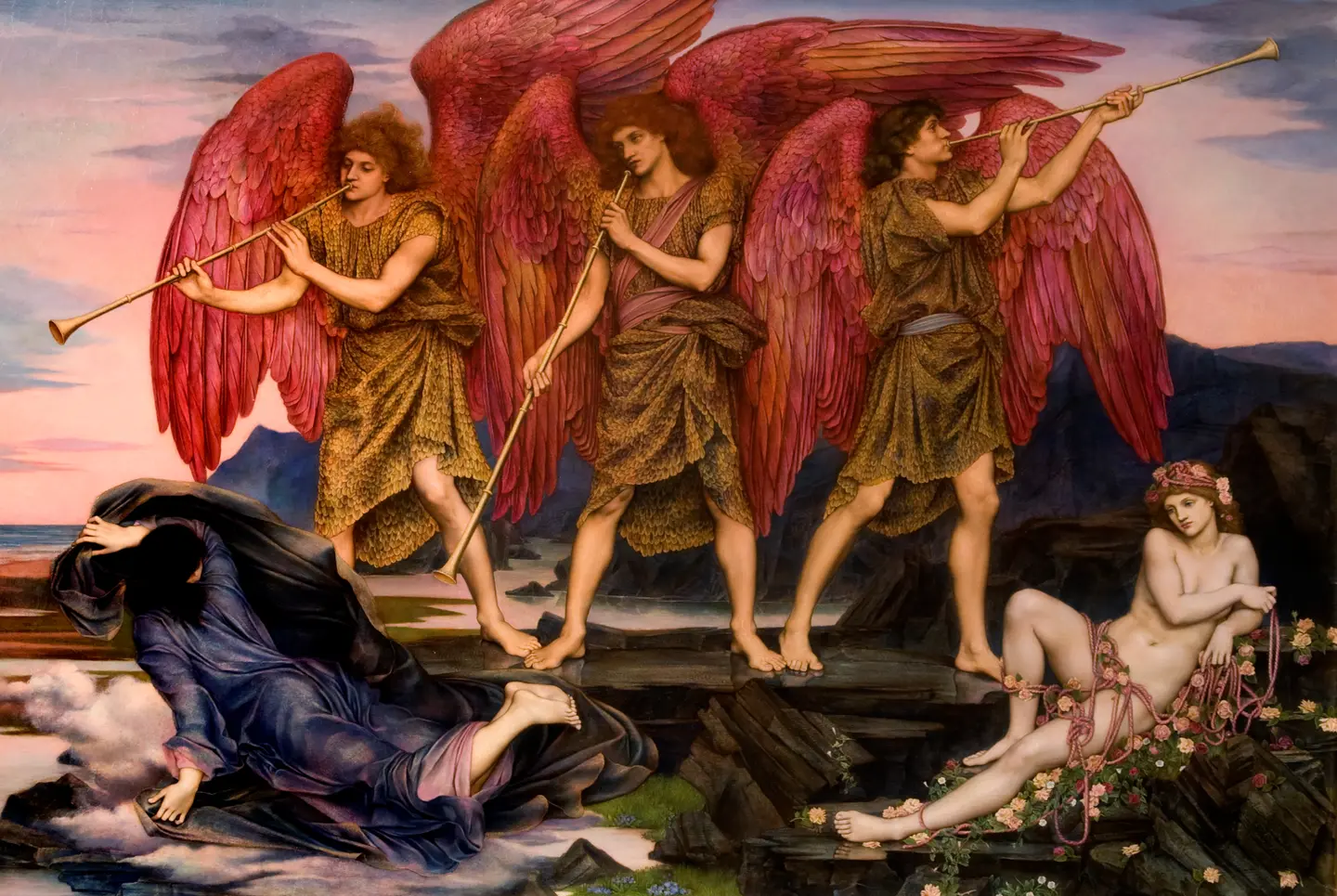
Isaiah 14 addresses the downfall of a ruler through an image of a fallen morning star. Later religious interpretations connect the passage with Lucifer and Satan.
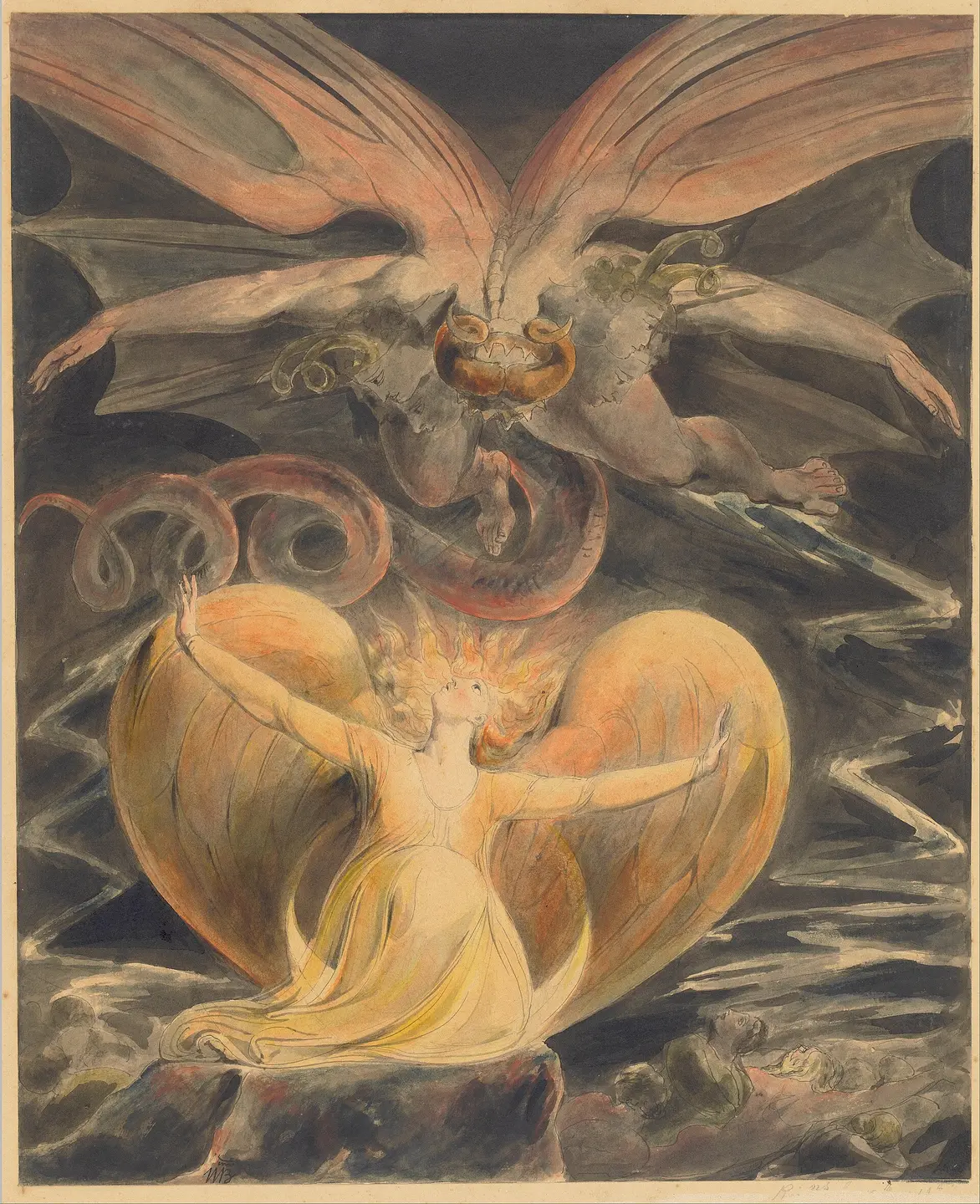
Revelation 12 identifies its dragon with the Devil and Satan. The chapter’s imagery should be read in its apocalyptic narrative before being used to interpret other passages.
The life and writings of David Myatt, covering his extremist activism, later philosophy, and disputed identification as Anton Long.