Devotional Practice
Initiation
Entry into a religious or esoteric path through ceremony, instruction, recognition, and lived development.
Entry into a religious or esoteric path through ceremony, instruction, recognition, and lived development.
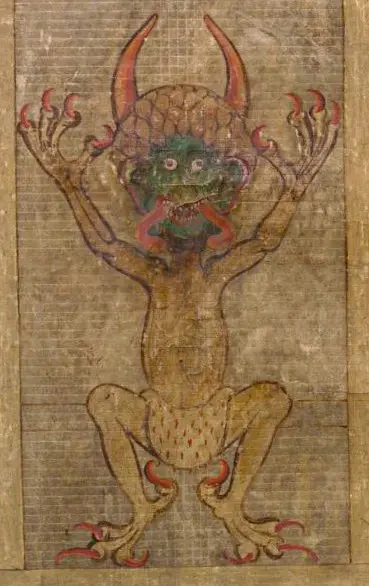
The Devil is the principal personification of evil in much of Christian tradition and a major source for later Western images of Satan. The term is not identical with every historical use of Satan, nor does it describe one unchanging character across the Bible, theology, folklore, literature, art, and modern religion. In contemporary speech “the Devil” often functions as a proper name for Satan, but…
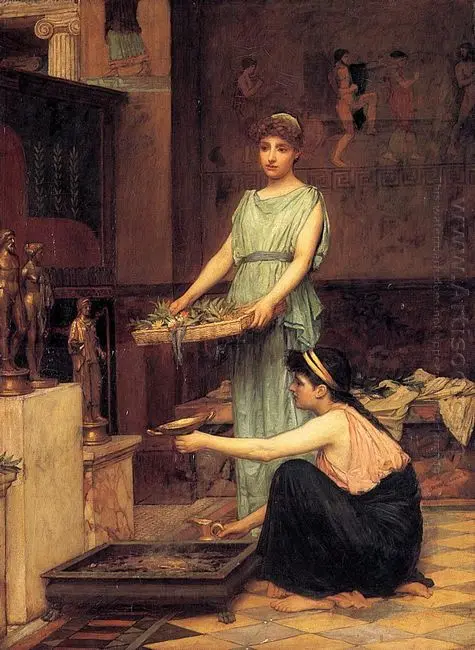
Offerings are objects, substances, actions, or works intentionally presented to a deity, spirit, sacred power, or religious community. Across religious history offerings have included food, drink, incense, flowers, animal sacrifice, money, vows, music, labor, art, and acts of service. In theistic Satanism, offerings are commonly used to express devotion, gratitude, hospitality, dedication, or…
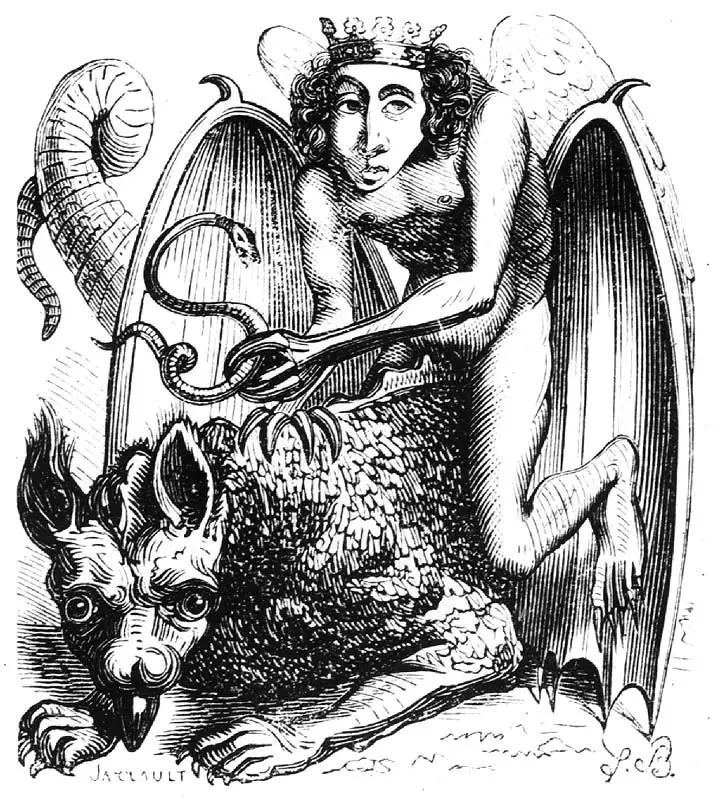
Astaroth appears in early modern spirit catalogues and later illustrated demonology. Source editions matter when comparing the figure’s rank, appearance, and supposed knowledge.
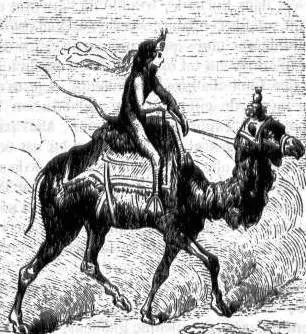
Paimon is a royal spirit described in the Ars Goetia and related literature. Musical procession and the teaching of knowledge are important elements of his received image.
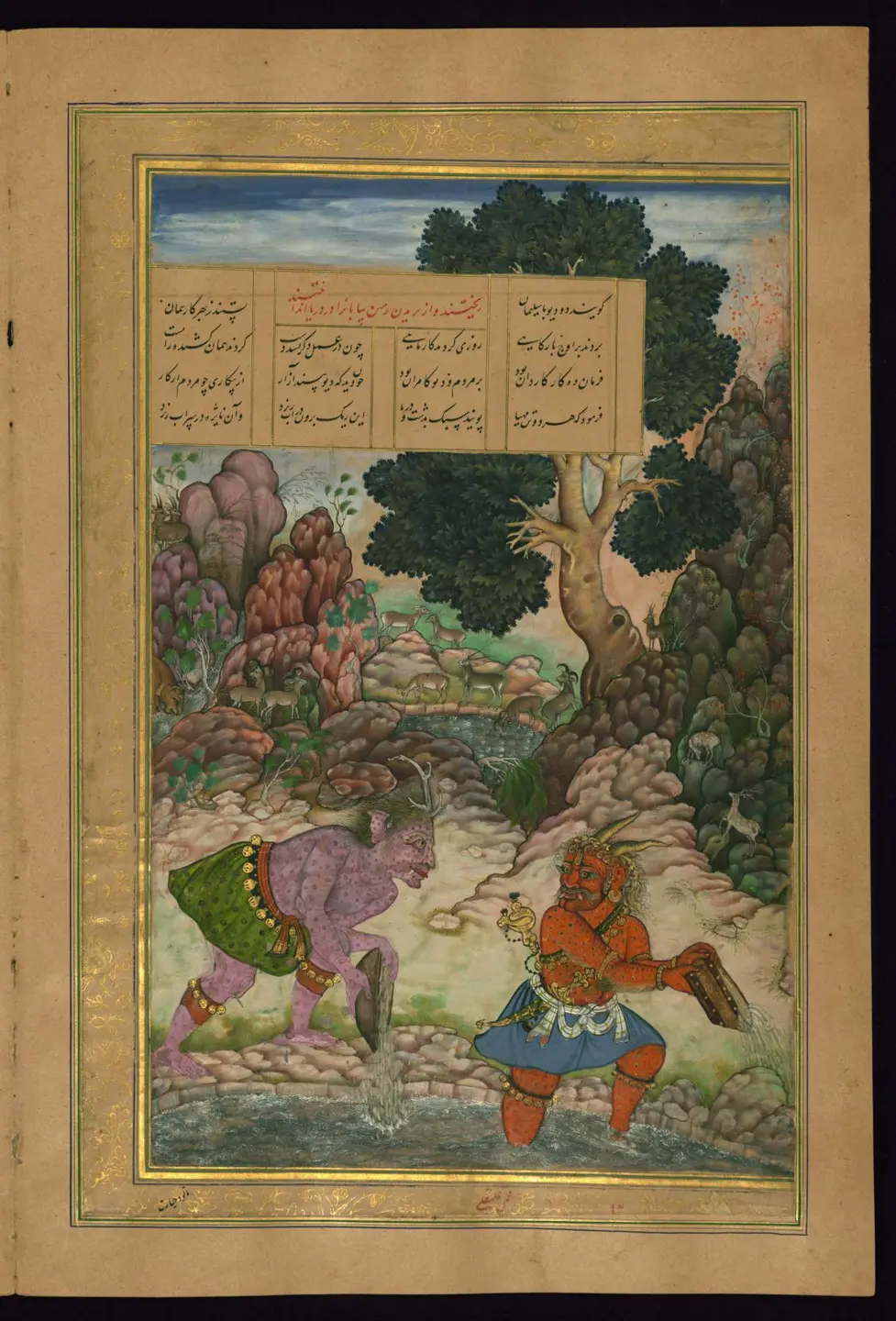
The Testament of Solomon is a pseudepigraphal religious narrative in which Solomon questions and commands spirits. It differs from later procedural Solomonic grimoires.
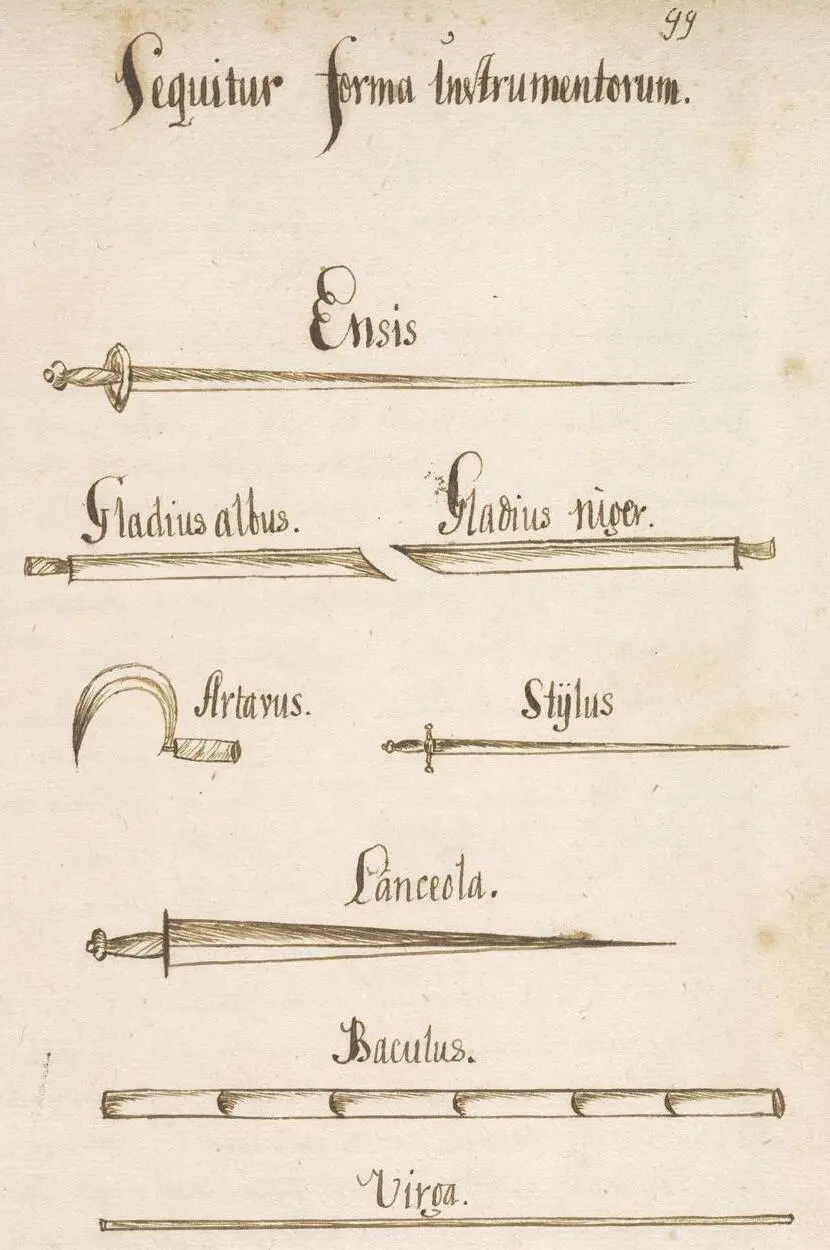
The Key of Solomon is a transmitted family of magical texts concerning preparation, ritual, and ceremonial instruments. It should be distinguished from the five-part Lesser Key of Solomon.
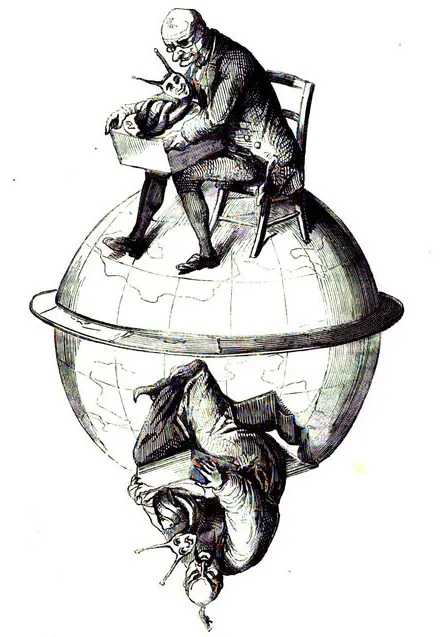
Collin de Plancy’s Dictionnaire infernal gathered supernatural traditions in a dictionary format. Its 1863 entries and illustrations remain influential in modern depictions of spirits.
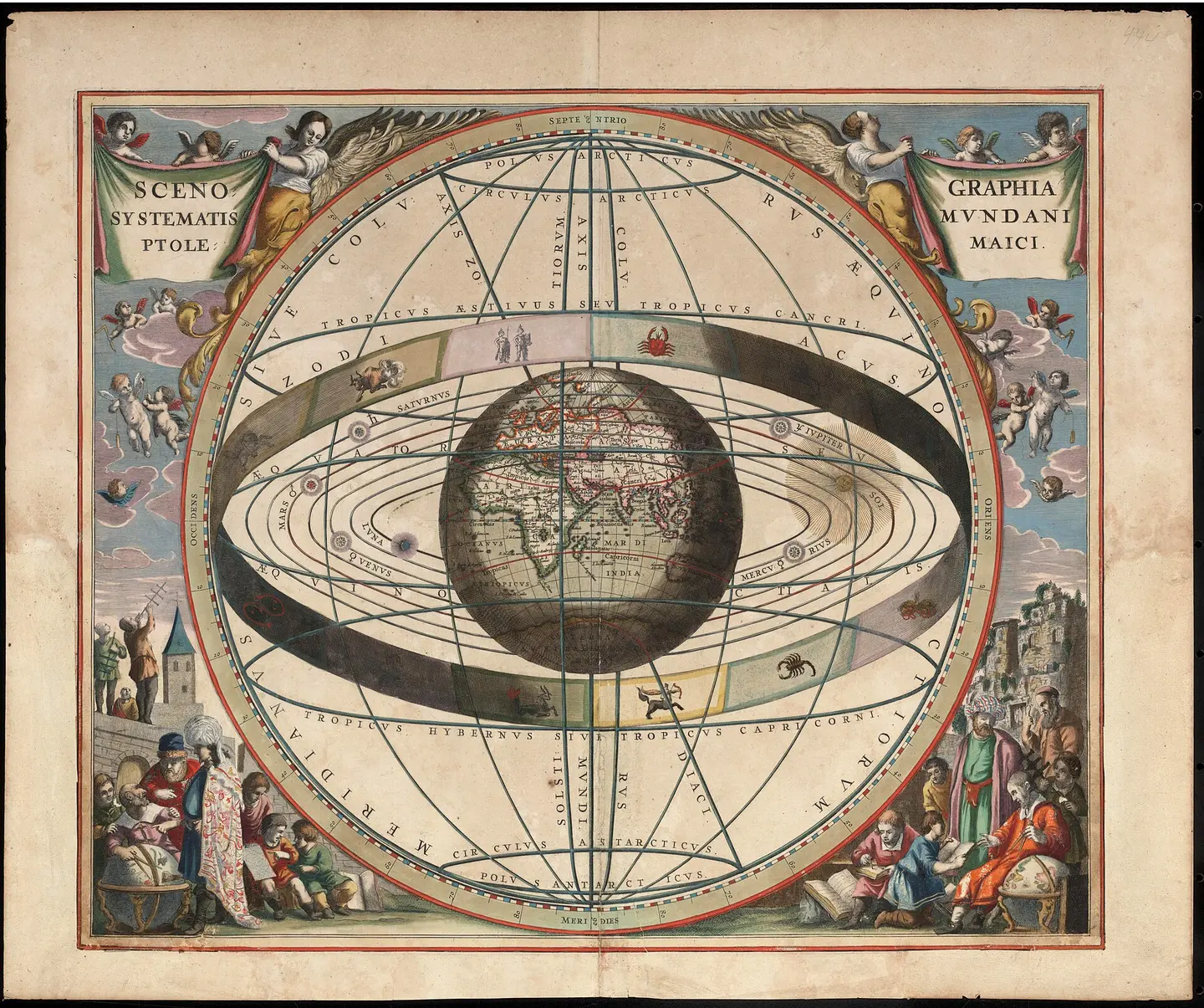
Astrology has supplied language and organizing systems to Western esoteric texts. Its historical role should be distinguished from demonstrated predictive effectiveness.
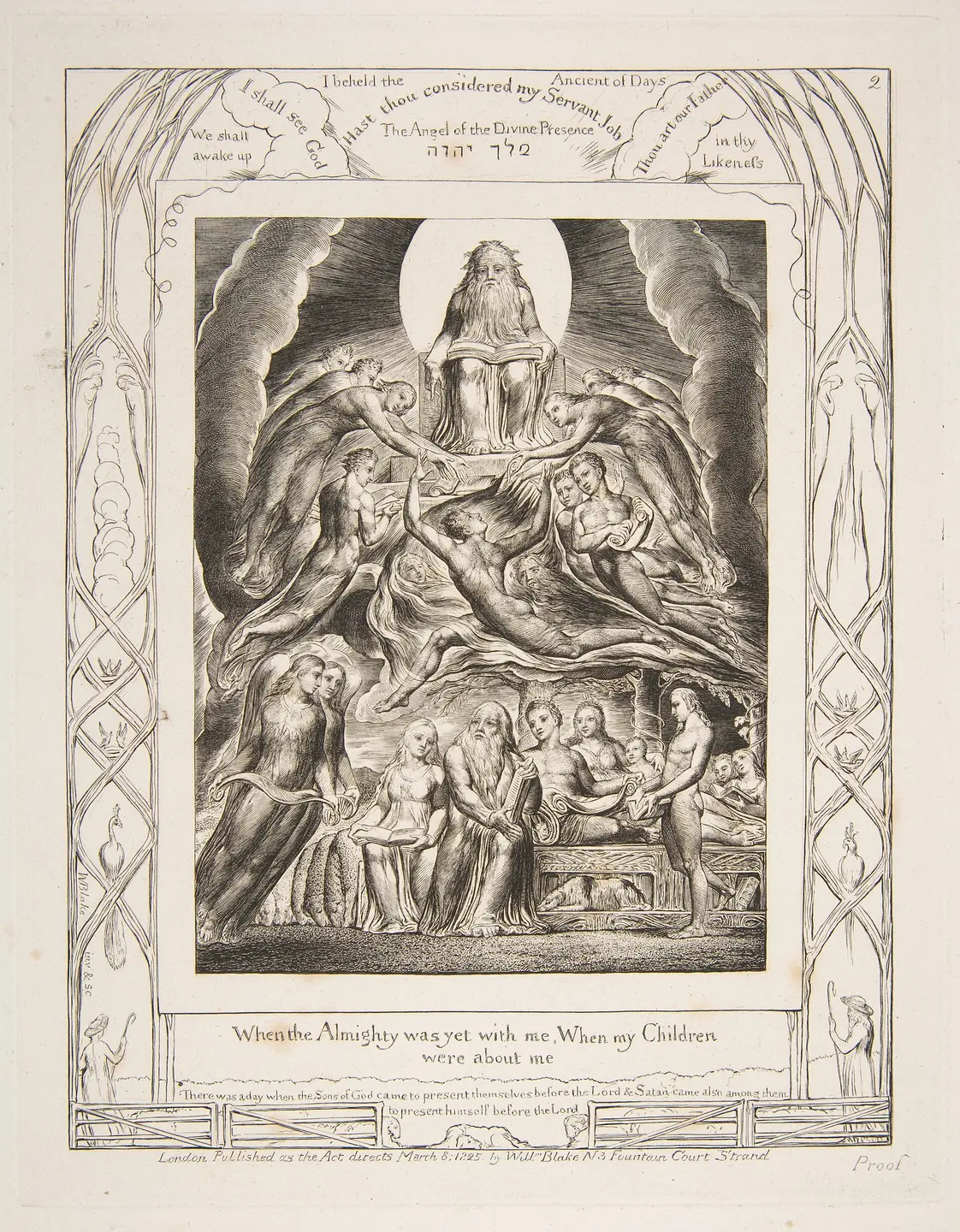
Job 1–2 presents Satan in a heavenly assembly and in a dispute about Job’s righteousness. The passage should be read before later accounts of Satan’s origins are supplied.
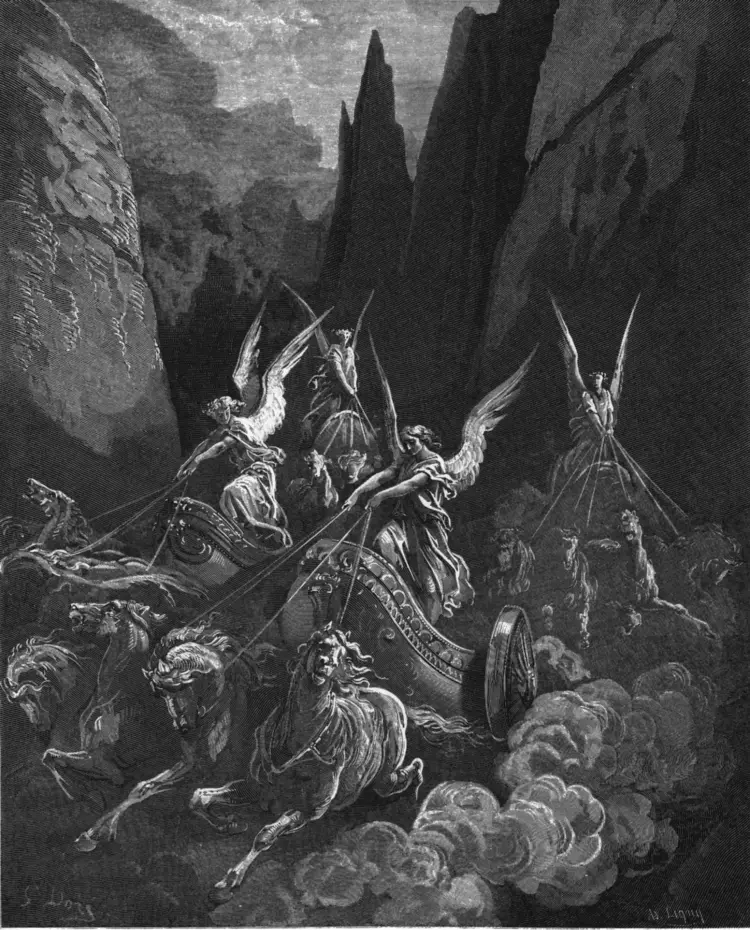
Zechariah 3 presents Satan accusing Joshua the high priest within a vision of judgment and restoration. The scene has a specific religious and literary purpose.
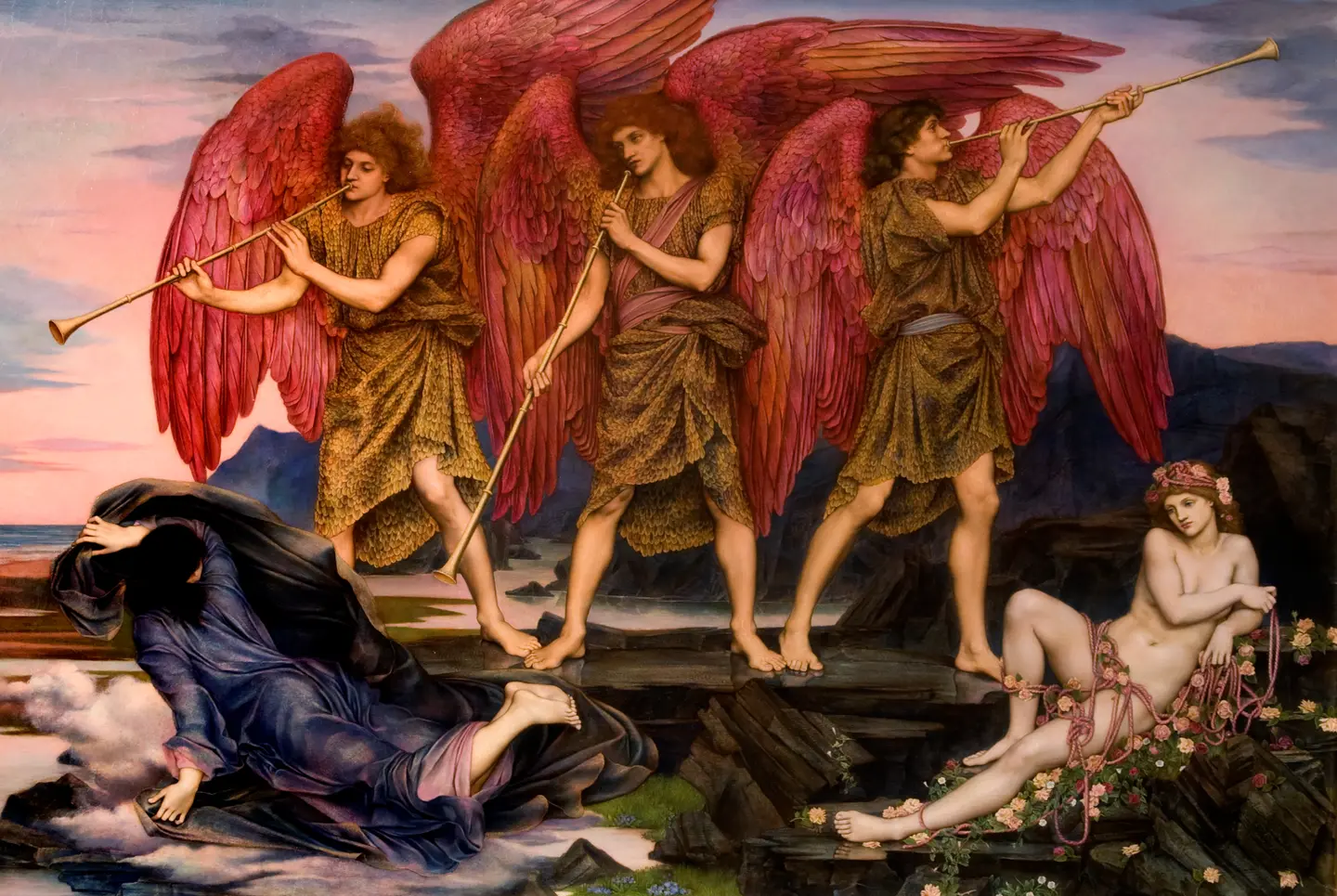
Isaiah 14 addresses the downfall of a ruler through an image of a fallen morning star. Later religious interpretations connect the passage with Lucifer and Satan.
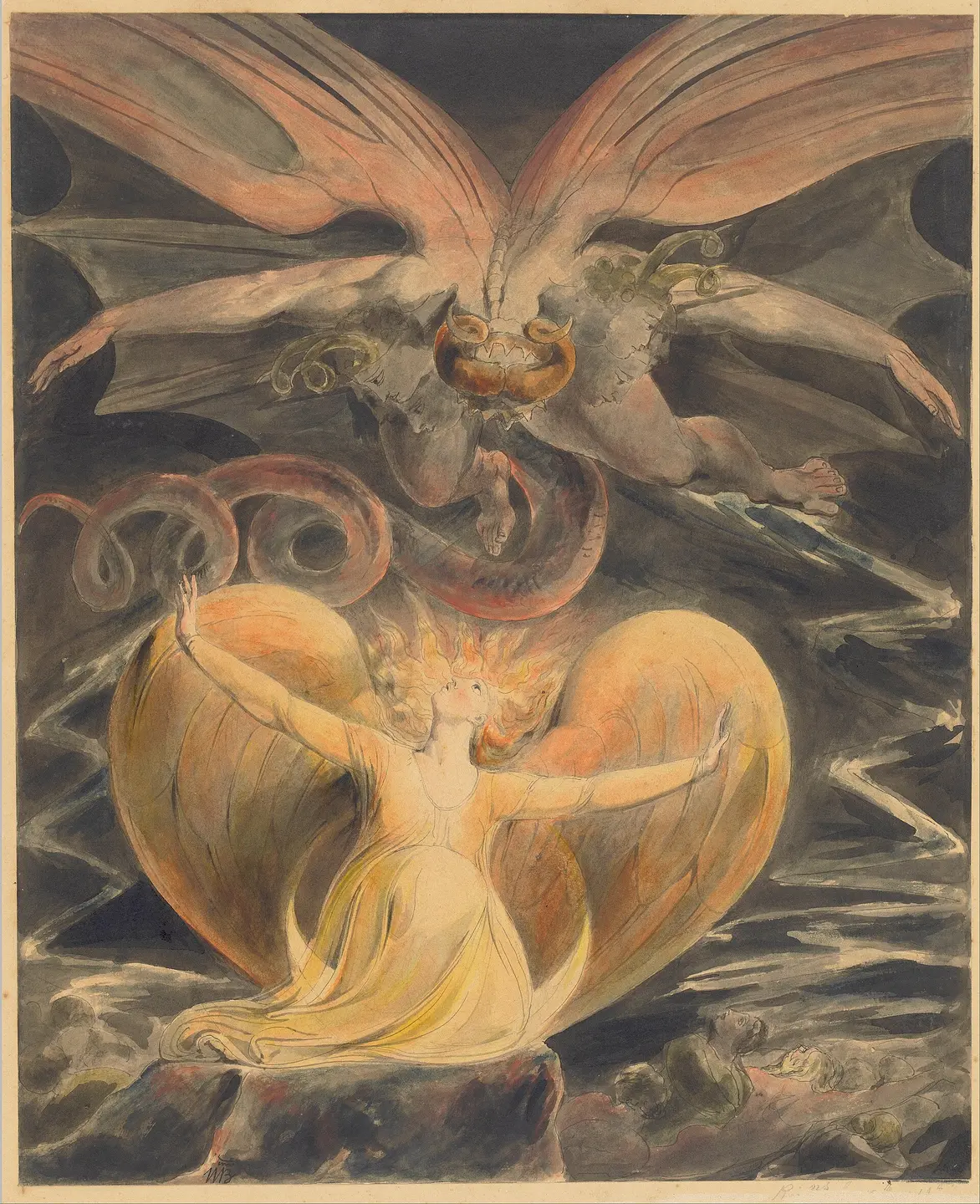
Revelation 12 identifies its dragon with the Devil and Satan. The chapter’s imagery should be read in its apocalyptic narrative before being used to interpret other passages.
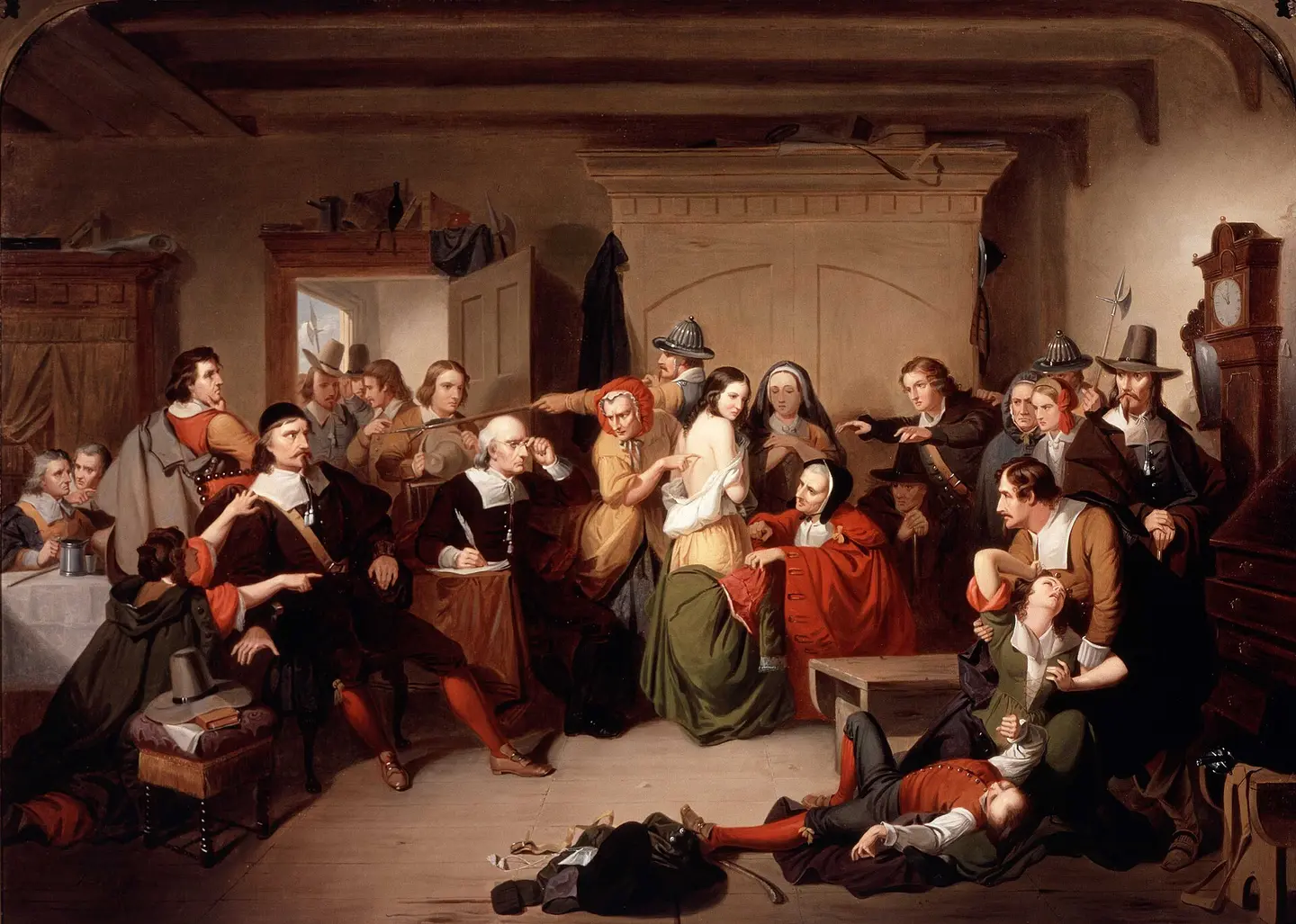
Witch trials produced records of accusations about harmful magic and the Devil. Those records require attention to how testimony was obtained and to the purposes of judges and writers.