Texts & Sources
Ars Theurgia-Goetia
The second part of the Lemegeton, arranging aerial spirits through princes, directions, and wandering hierarchies.
The second part of the Lemegeton, arranging aerial spirits through princes, directions, and wandering hierarchies.
An angelic art in the Lemegeton, using a wax tablet, candles, and a hierarchy of heavenly altitudes.
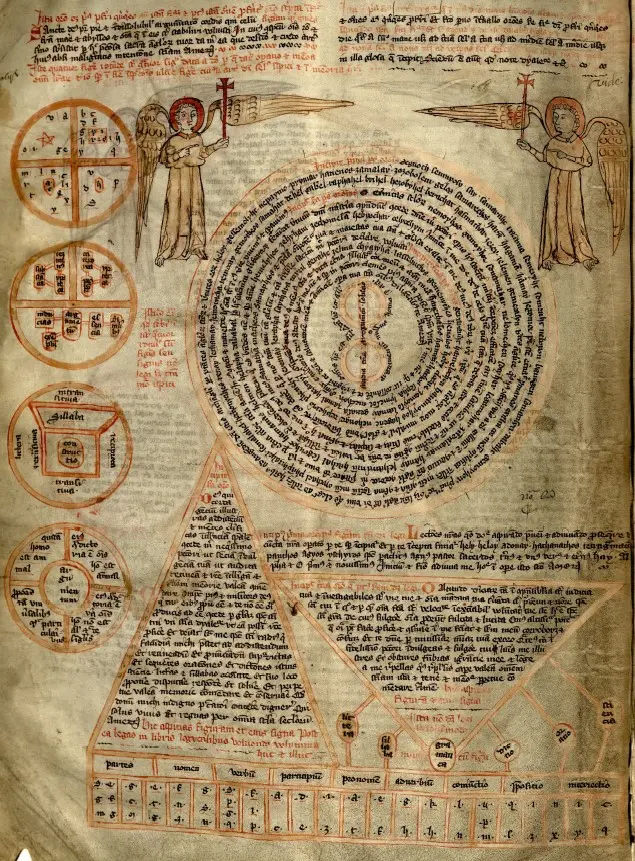
A medieval art of prayer and contemplation intended to confer learning, memory, and eloquence.
The medieval Liber Juratus, a work of sacred magic concerned with divine vision, angels, and ritual authority.
The Slavonic Enochic work also known as the Book of the Secrets of Enoch, describing ascent, creation, and instruction.
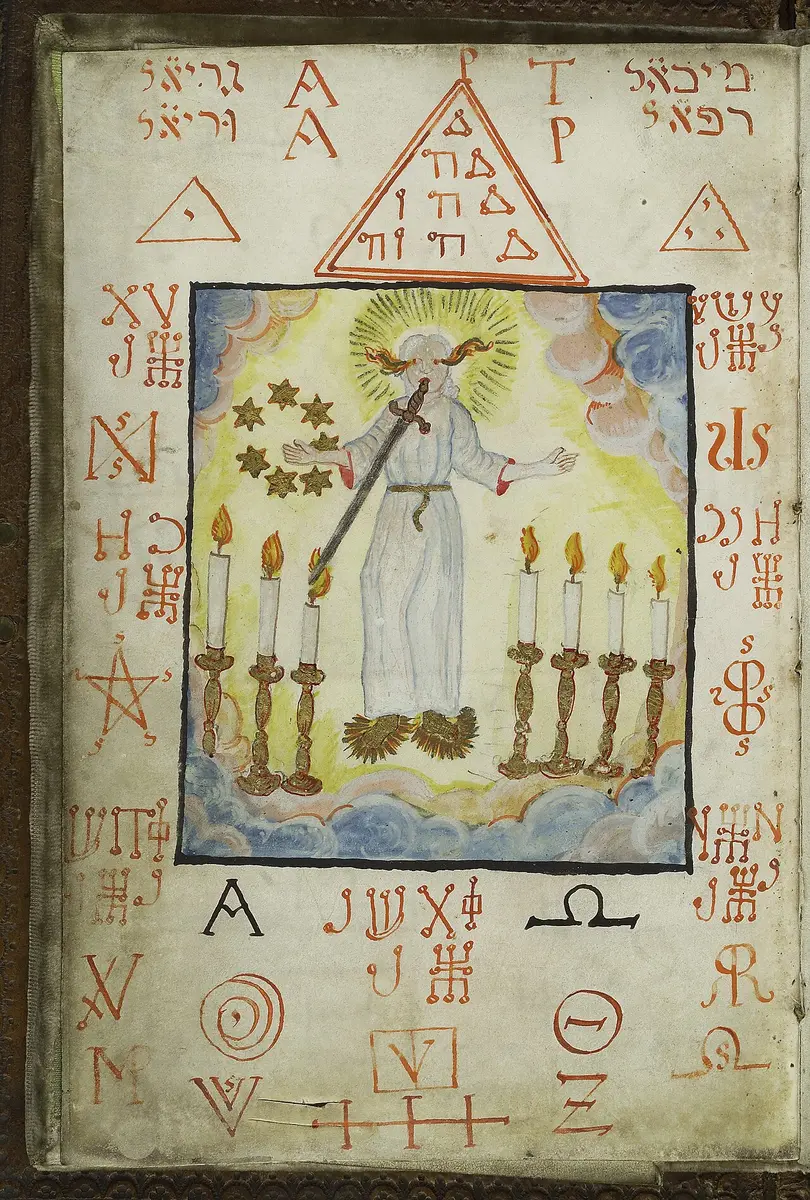
The Hebrew Enochic work associated with heavenly palaces and Enoch’s transformation into Metatron.
A retelling of Genesis and early Exodus arranged through jubilees, with angelic revelation, calendar teaching, and expanded narratives.
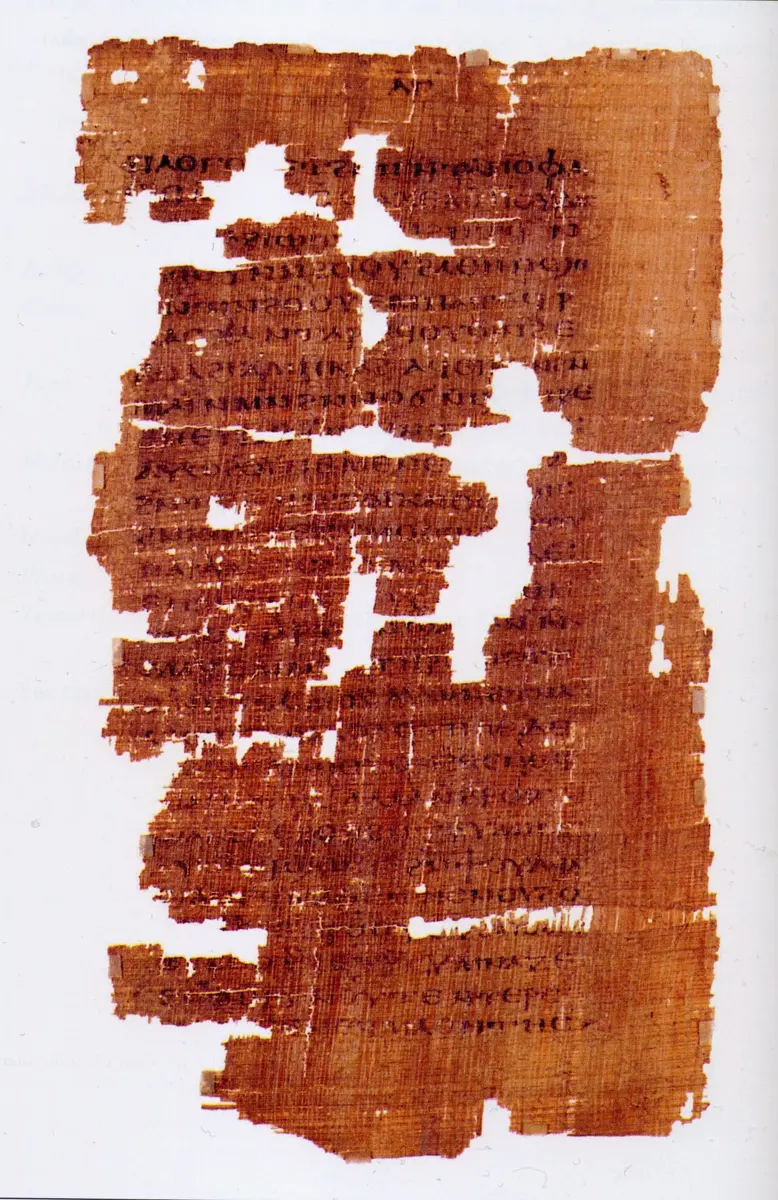
An early Christian revelation dialogue preserved in Coptic, known from the manuscript called Codex Tchacos.
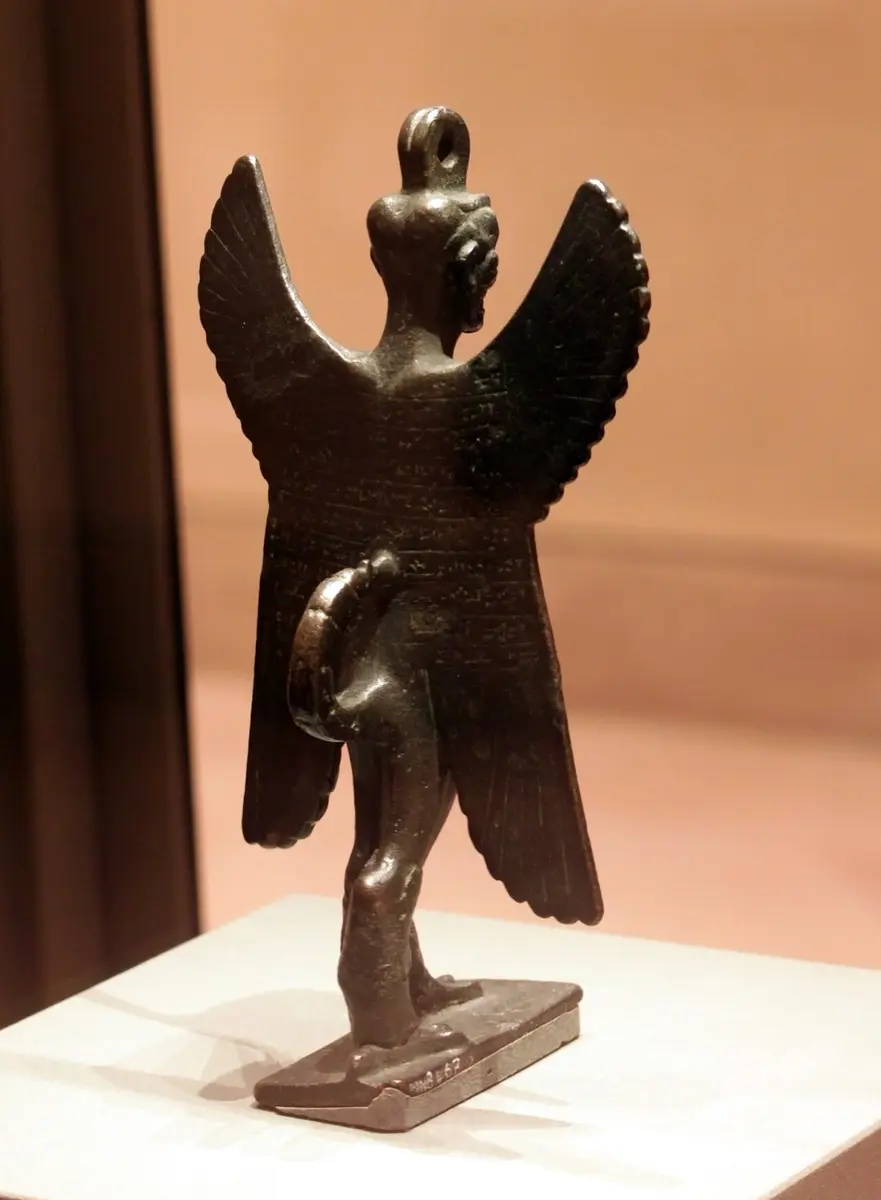
A Mesopotamian wind demon whose image was also used protectively, especially against Lamashtu.
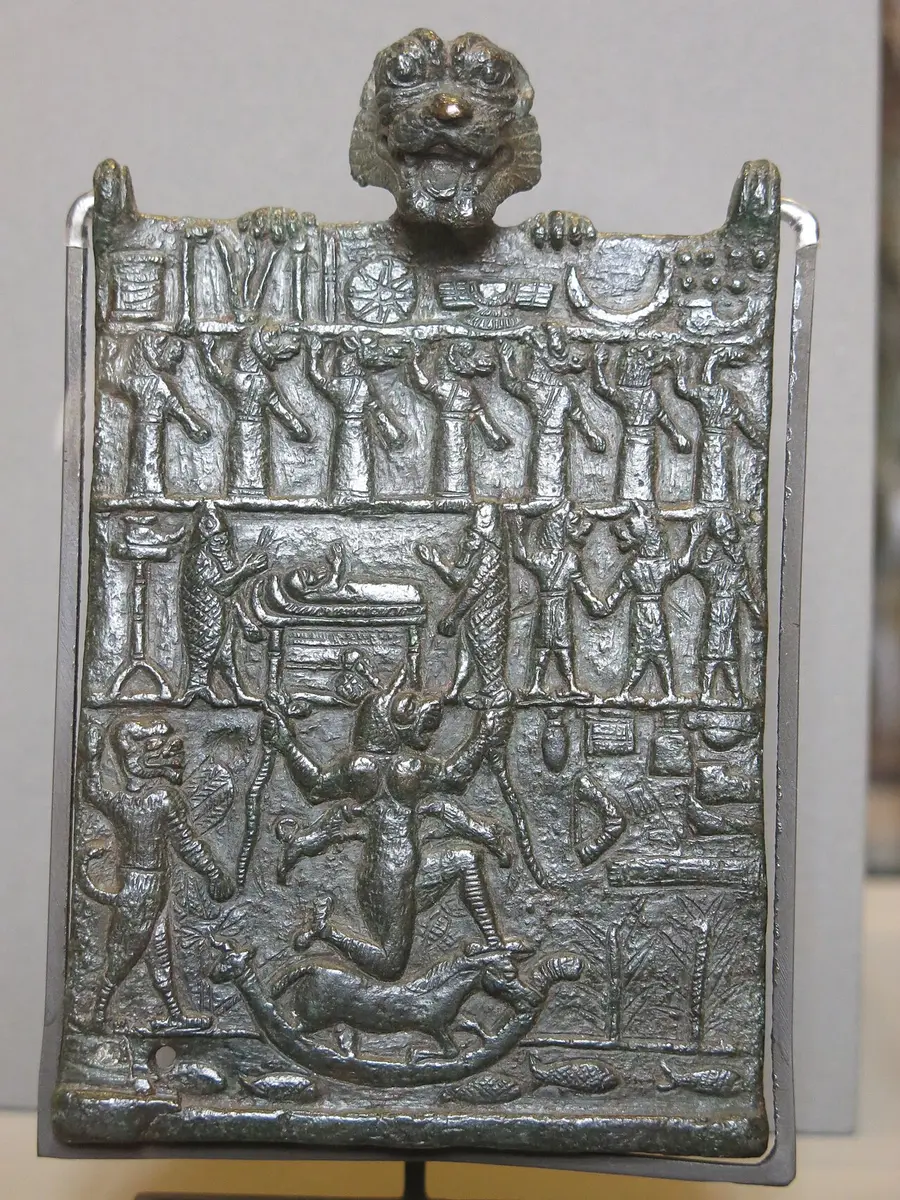
A Mesopotamian harmful female power represented on amulets and plaques intended to repel her.
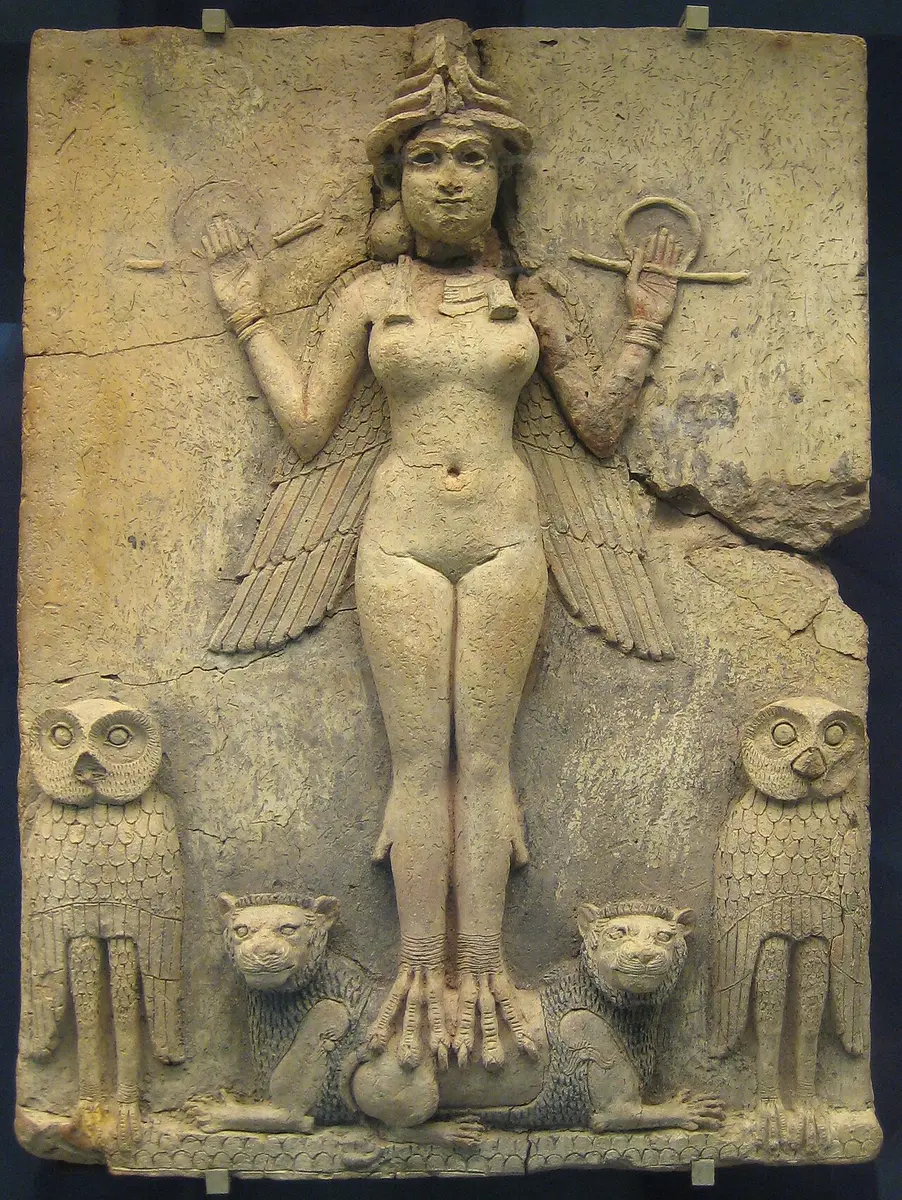
A Mesopotamian queen of the underworld, known through myths of descent and traditions concerning Nergal.
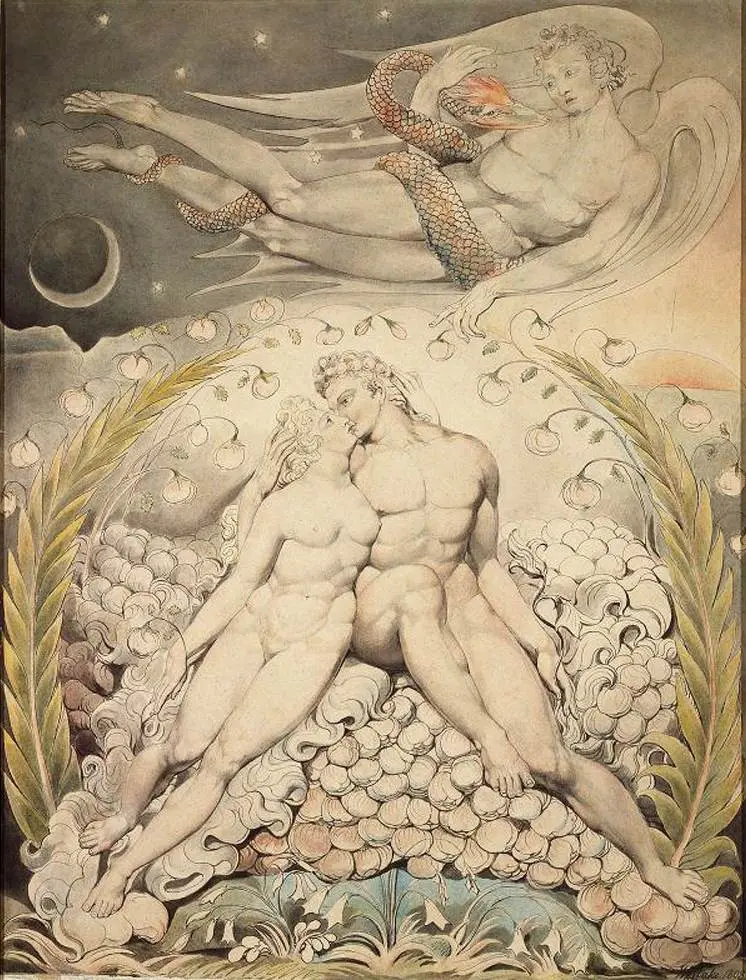
Religions that give Satan a central symbolic or divine role, with substantial differences in belief and practice.
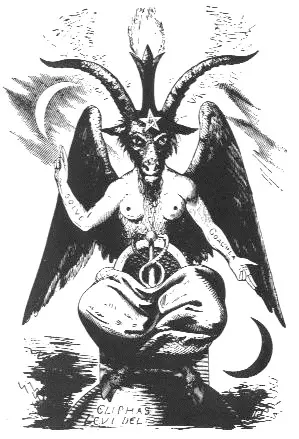
The images, names, and gestures used by Satanic traditions, whose meanings depend on their religious and historical setting.
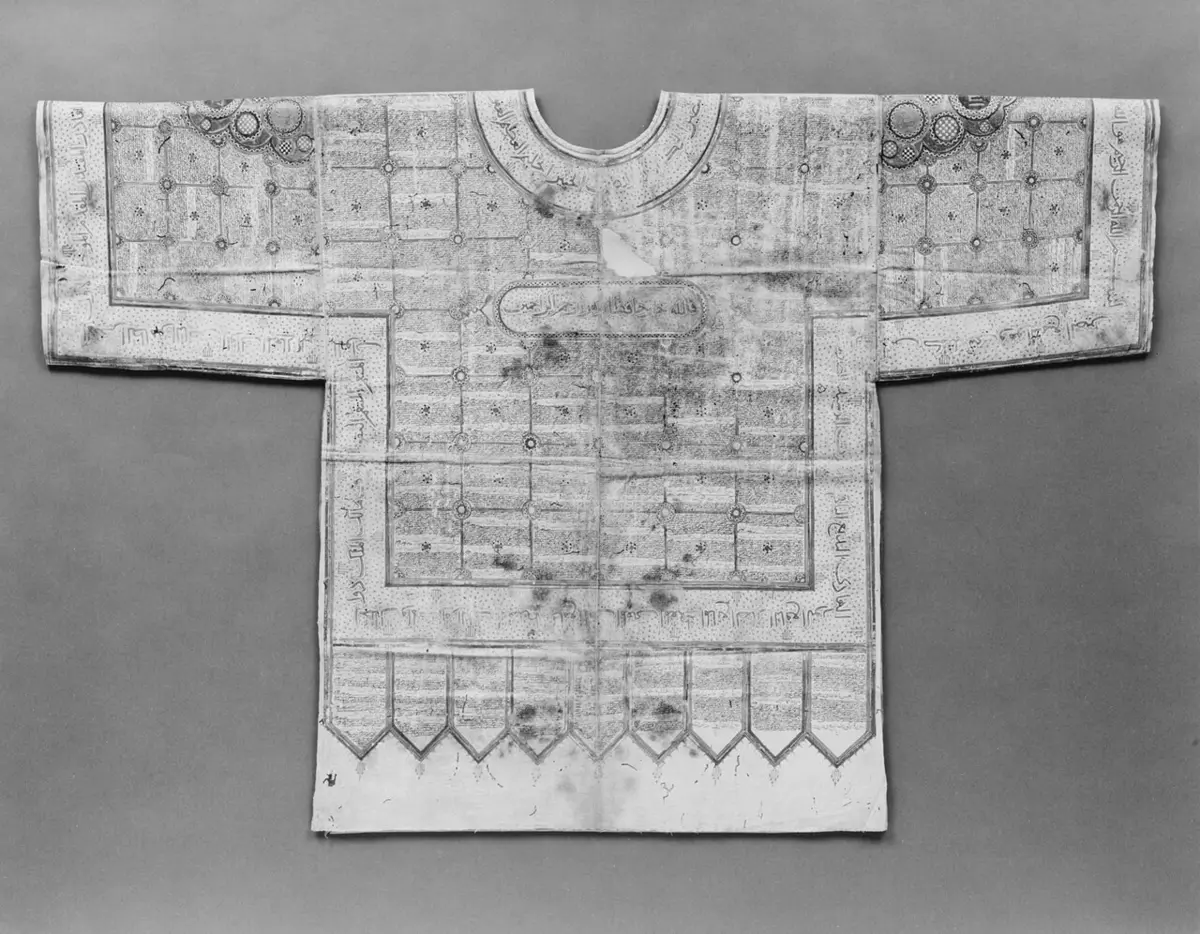
Objects prepared or used for a particular effect through inscriptions, images, materials, and ritual meaning.
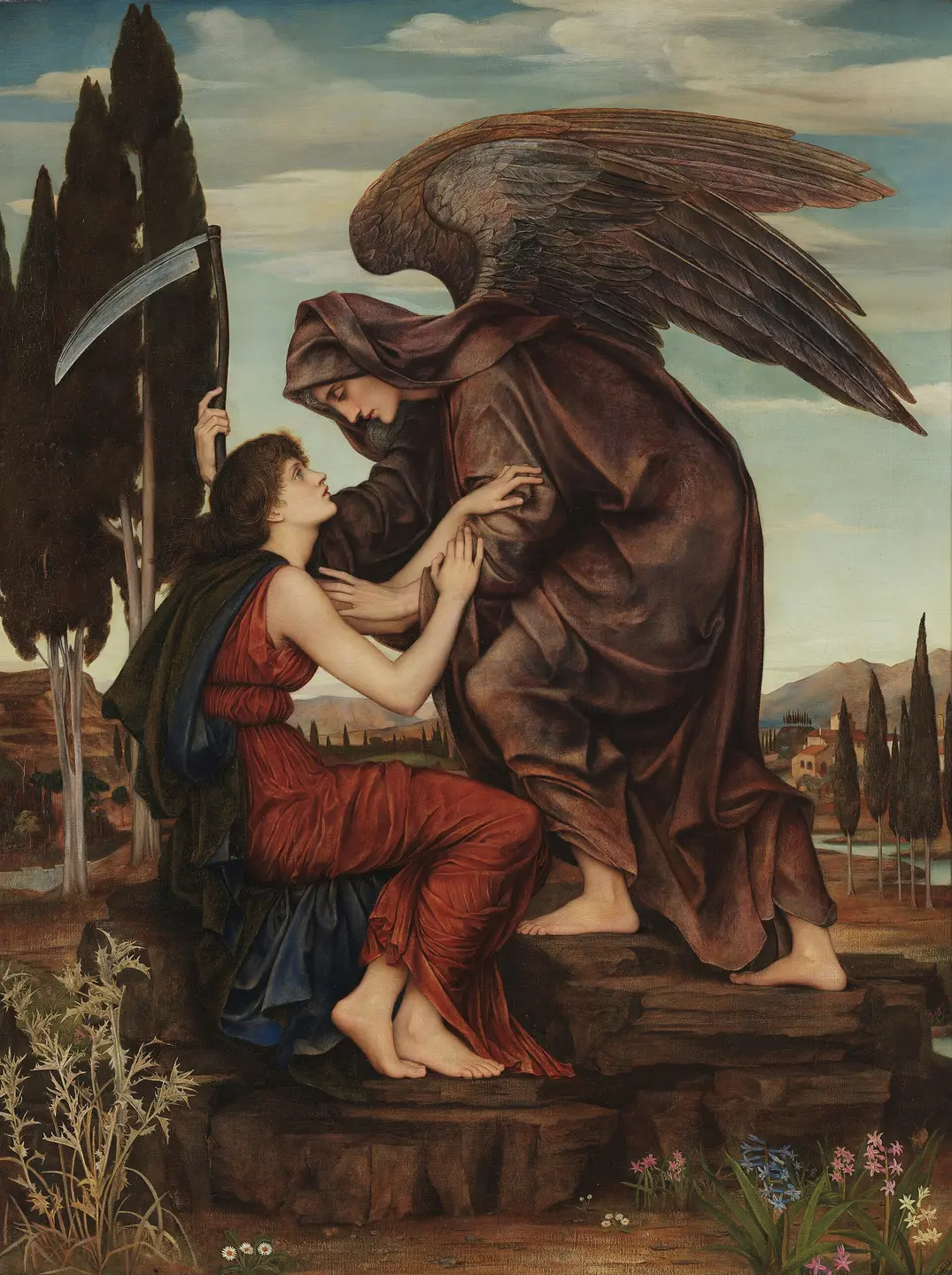
Samael appears in Jewish interpretive literature in roles that vary between texts. His relationship with Satan, the serpent, and other figures should be described source by source.
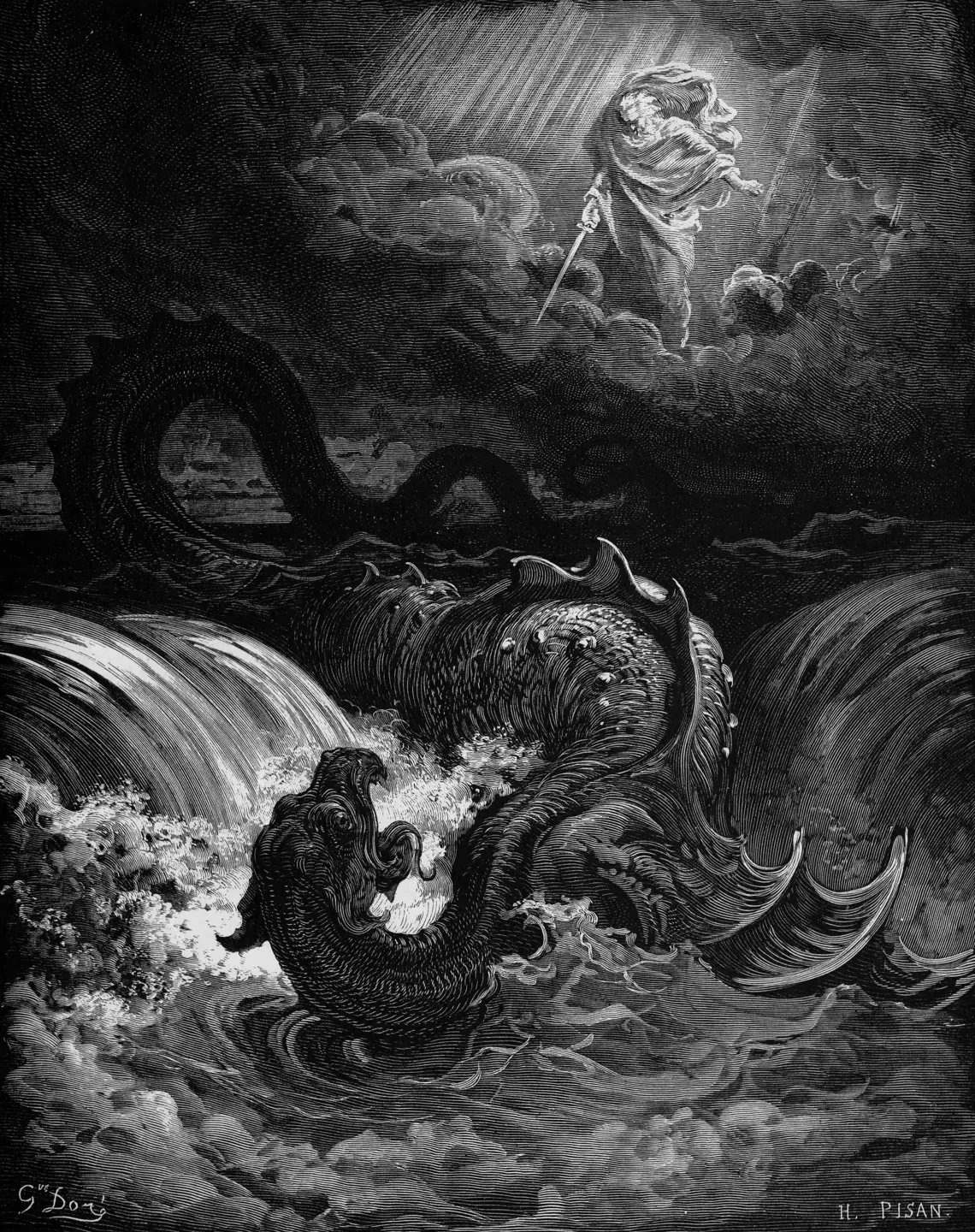
Leviathan appears in biblical poetry and later religious symbolism. The vivid descriptions belong to different literary contexts and should be interpreted accordingly.
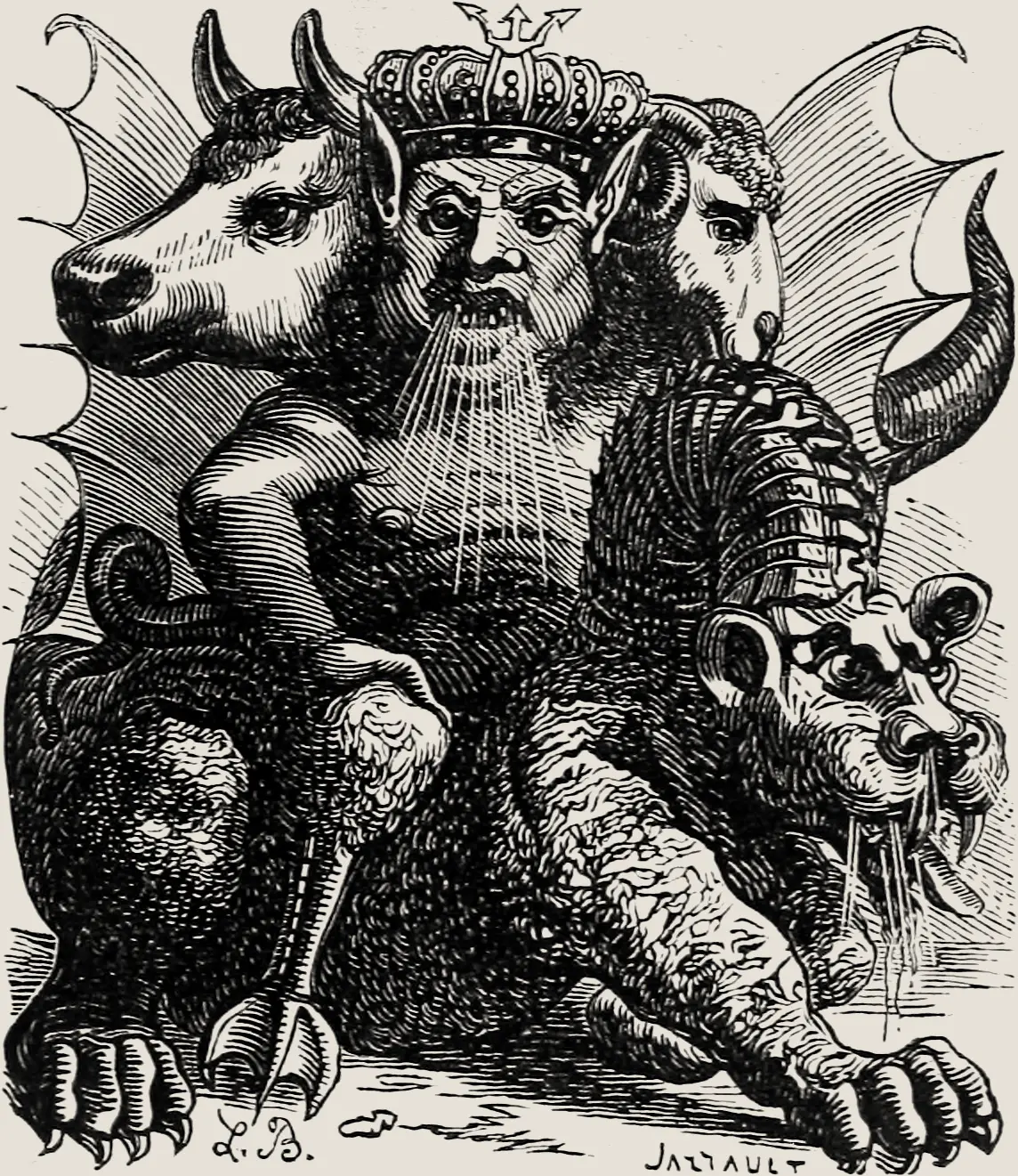
Asmodeus appears in the narrative of Tobit and in later magical and demonological literature. His different roles reflect the purposes of those texts.
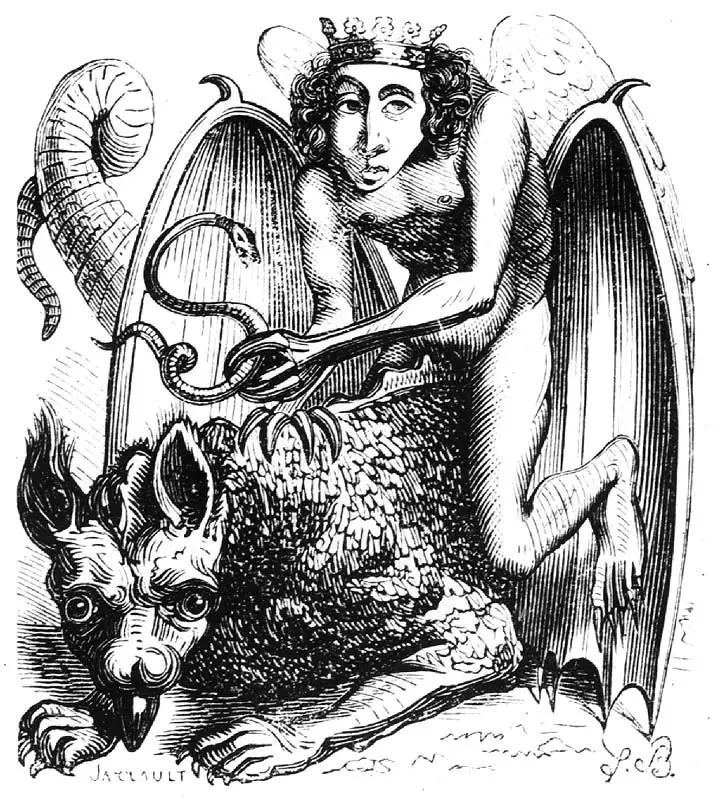
Astaroth appears in early modern spirit catalogues and later illustrated demonology. Source editions matter when comparing the figure’s rank, appearance, and supposed knowledge.
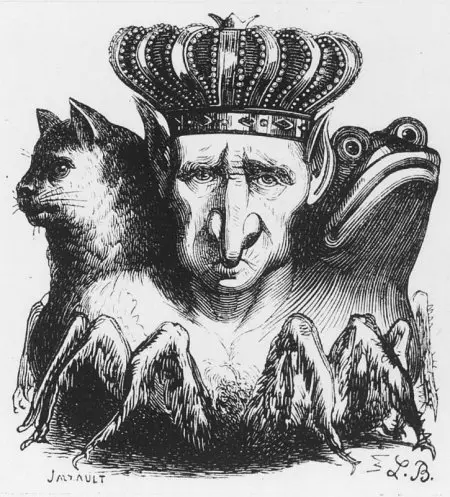
Bael is a ranked spirit in early modern magical catalogues. The Goetic figure should be distinguished from the wider use of the ancient title Baal.
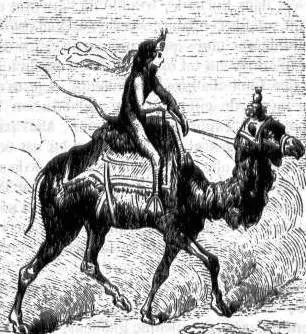
Paimon is a royal spirit described in the Ars Goetia and related literature. Musical procession and the teaching of knowledge are important elements of his received image.