History
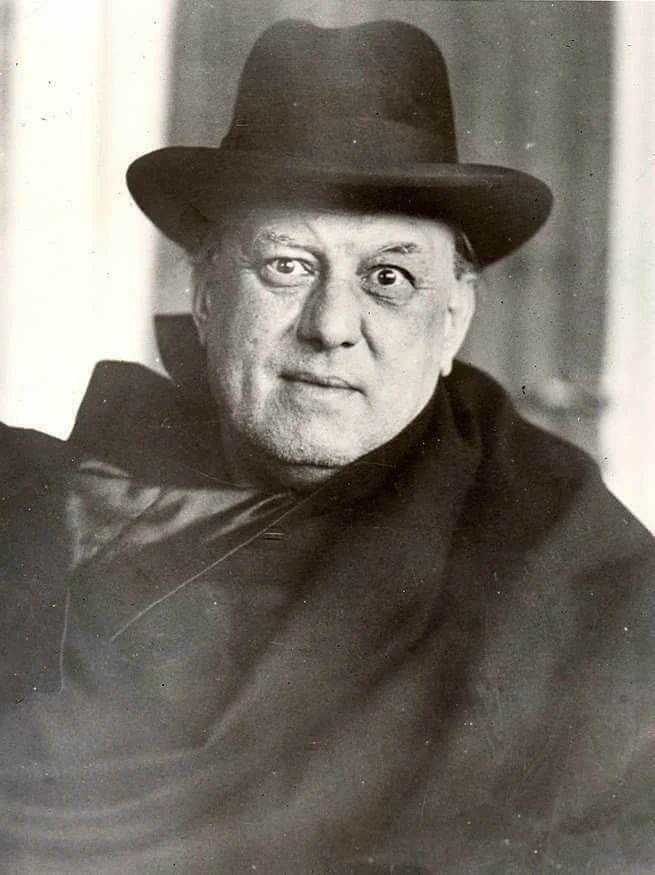
Aleister Crowley
The author and religious figure associated with Thelema, The Book of the Law, and a large body of magical instruction.
The author and religious figure associated with Thelema, The Book of the Law, and a large body of magical instruction.

The founder of the Church of Satan and author of The Satanic Bible and The Satanic Rituals.

An English artist and occult author whose treatment of desire and sigils influenced later magical practice.
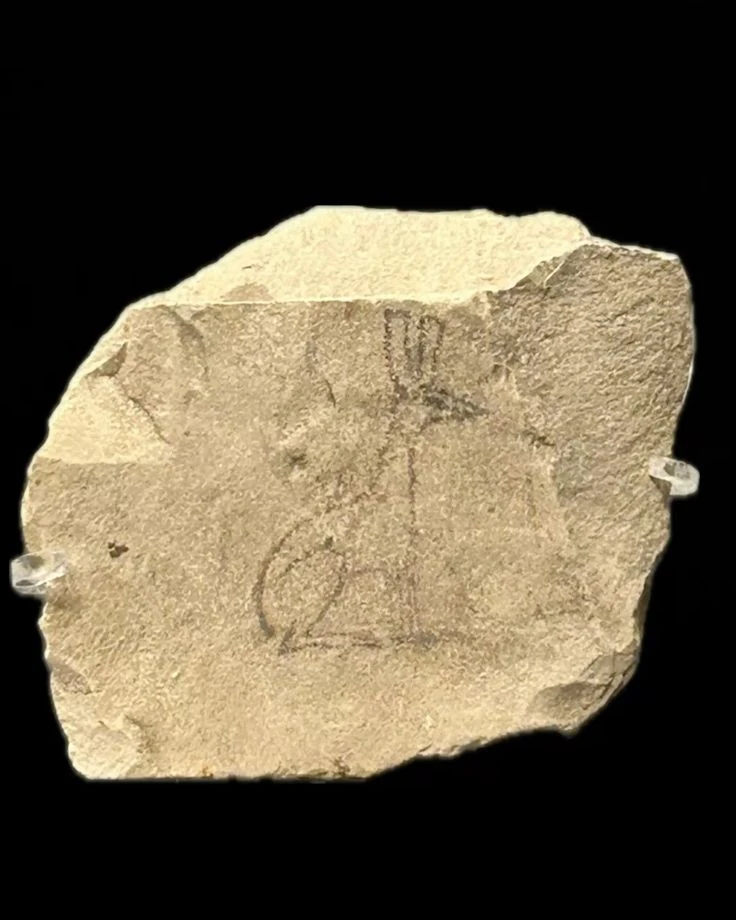
An ancient Egyptian deity associated with conflict and disorder, also reinterpreted in modern Setian religion.
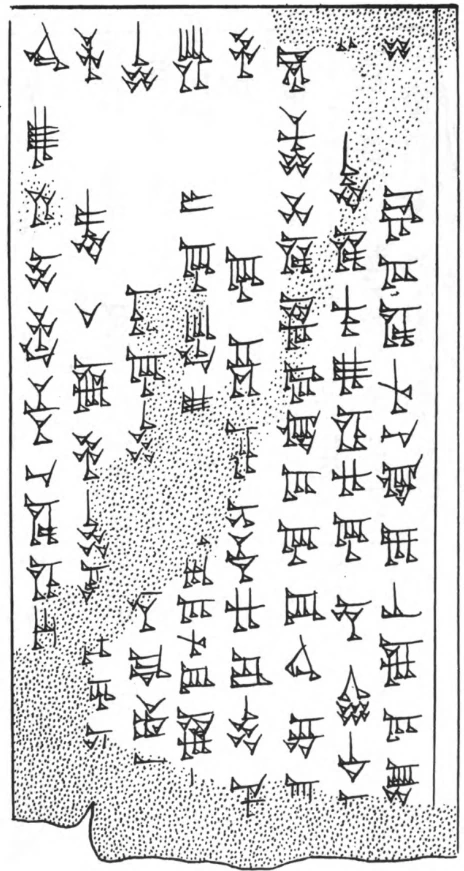
The primordial sea figure in the Babylonian creation epic Enuma Elish, defeated by Marduk in its account of cosmic ordering.
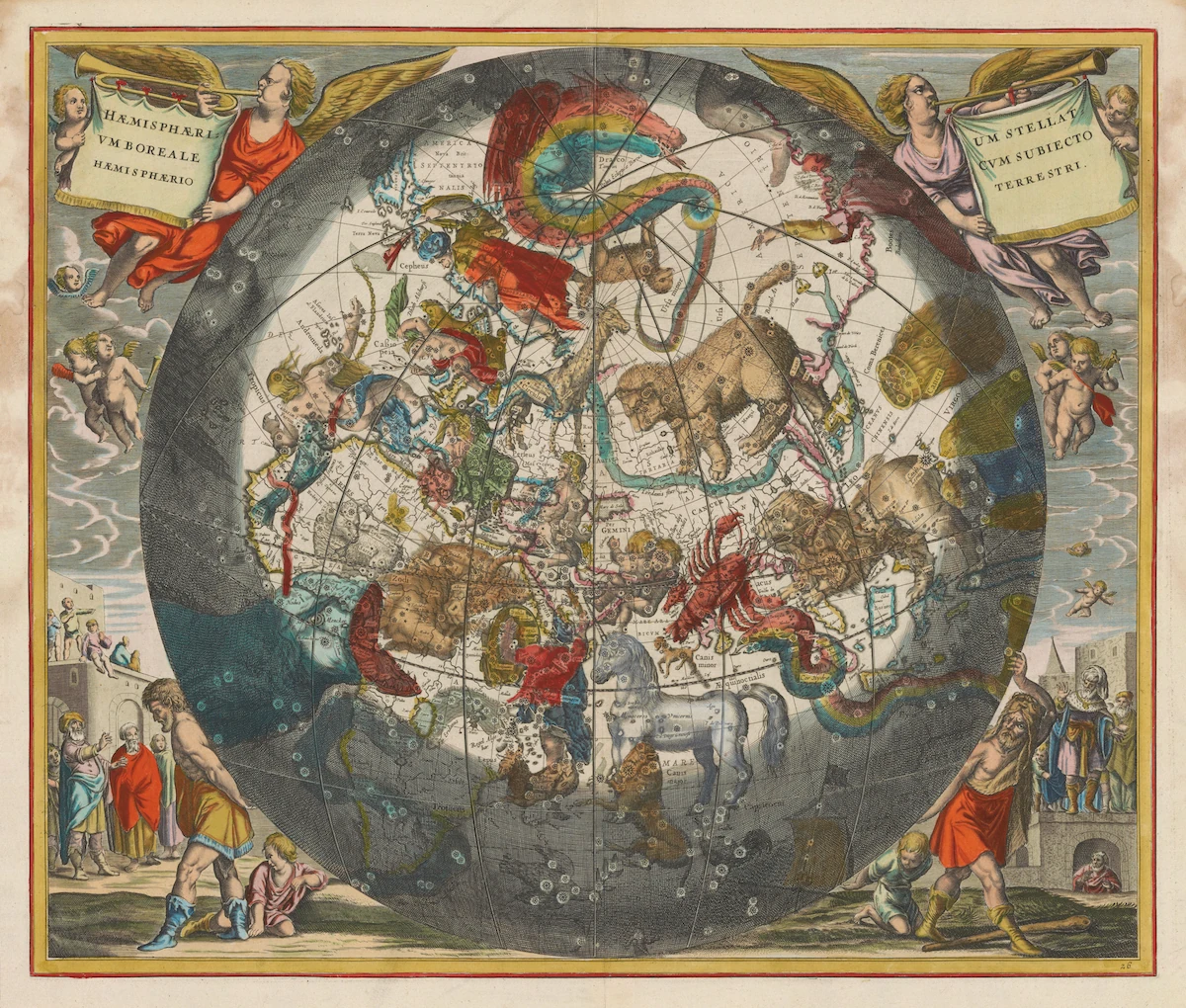
Magical systems using the seven traditional planets through timing, correspondences, images, and invocations.
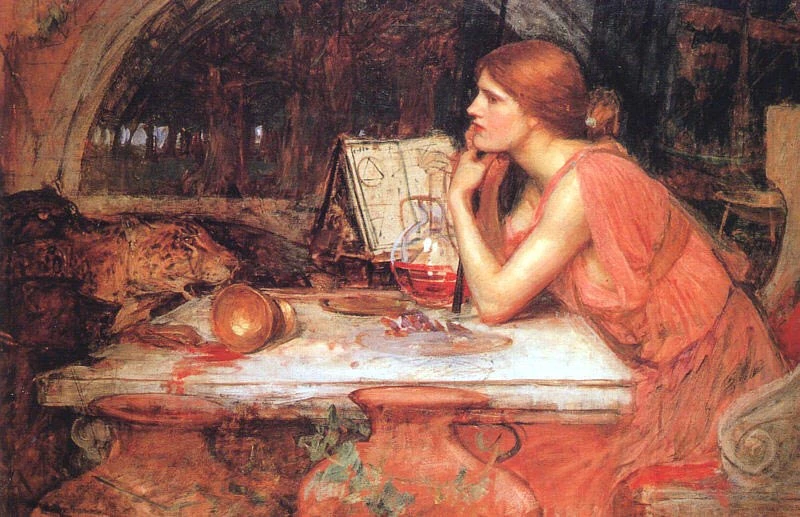
Ceremonies intended to clear, delimit, or reorder a ritual setting, with methods that vary by tradition.
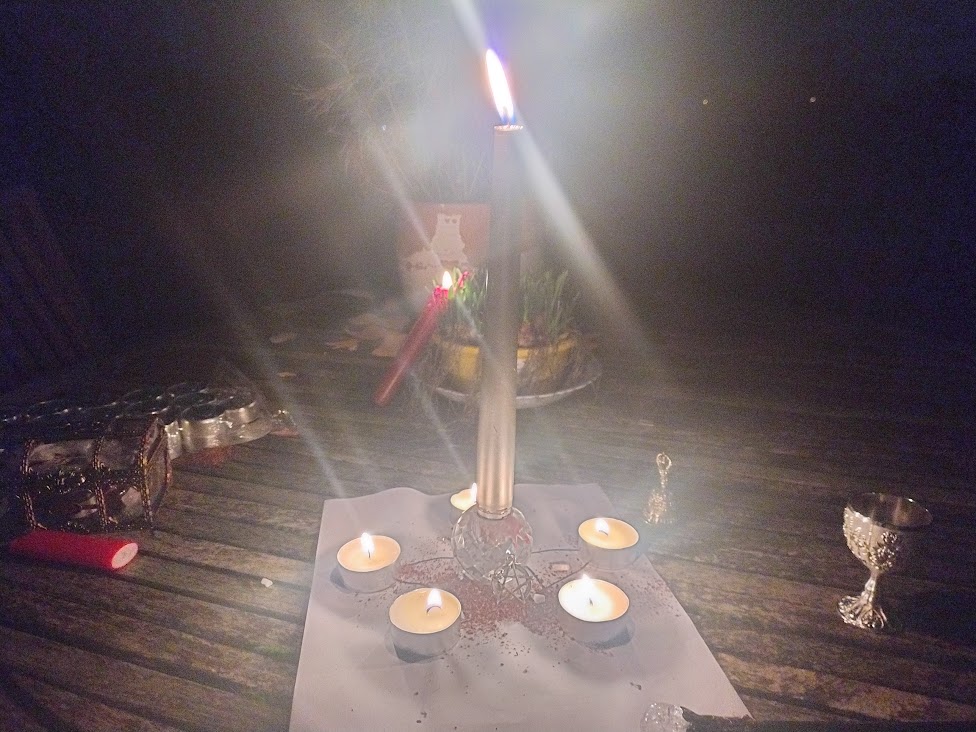
Ritual is patterned action given special religious, symbolic, social, or transformative significance. Ritual can mark time, establish sacred space, communicate with a deity, express commitment, create community, memorialize the dead, enact a transition, or focus attention on a chosen purpose. In theistic Satanism, ritual commonly includes devotional action directed toward Satan or other spirits…

Meditation in theistic Satanism refers to contemplative practices used to focus attention, examine experience, cultivate devotional awareness, or create a deliberate setting for approaching Satan and other spirits. There is no single Satanic meditation method. Practices range from silent sitting and breath awareness to visualization, repetitive prayer, sigil contemplation, journaling, and extended…
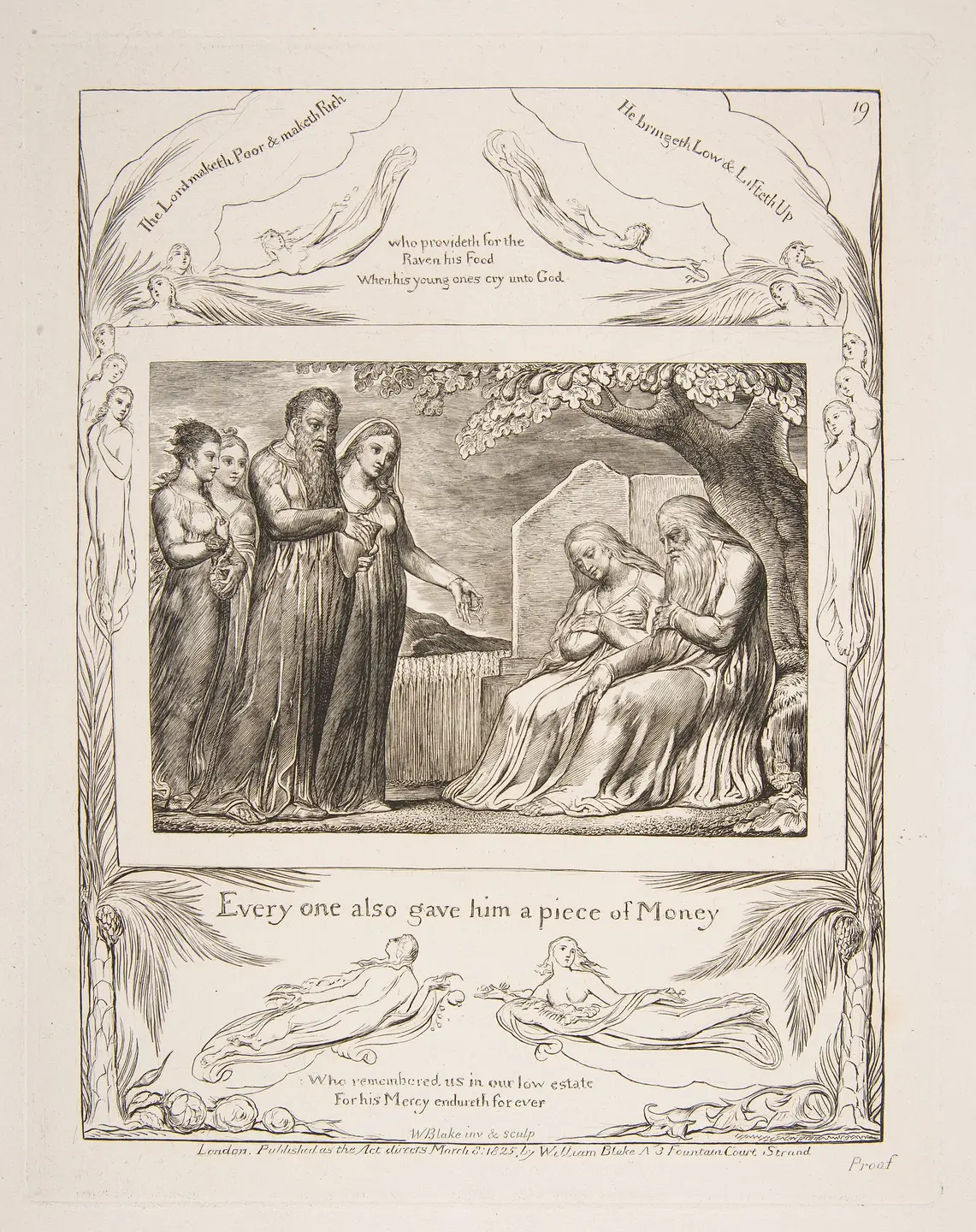
Ethics in theistic Satanism concerns the moral principles, responsibilities, virtues, prohibitions, and methods of judgement developed by Satanists who regard Satan or related beings as real rather than purely symbolic. There is no universal Satanic ethical code. Theistic Satanism is decentralized, and its practitioners may draw on personal conscience, religious devotion, philosophical individualism,…
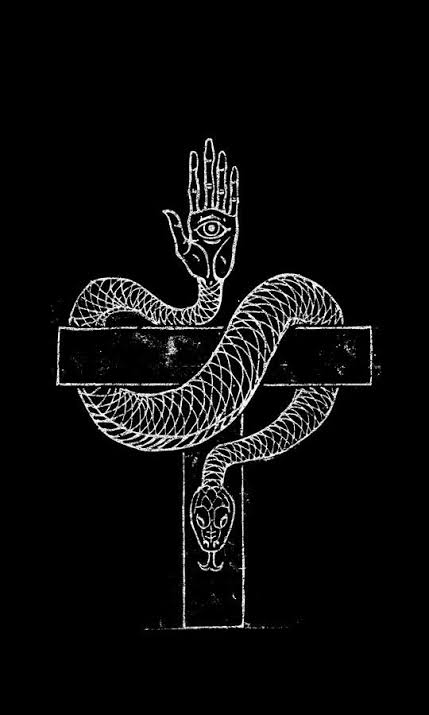
The left-hand path is a modern esoteric category used for religious and magical currents that emphasize themes such as individual self-direction, antinomianism, self-deification, initiatory transformation, or deliberate engagement with symbols rejected by dominant religious culture. It overlaps with some forms of Satanism, Luciferianism, Setianism, and modern occultism, but the terms are not synonymous.
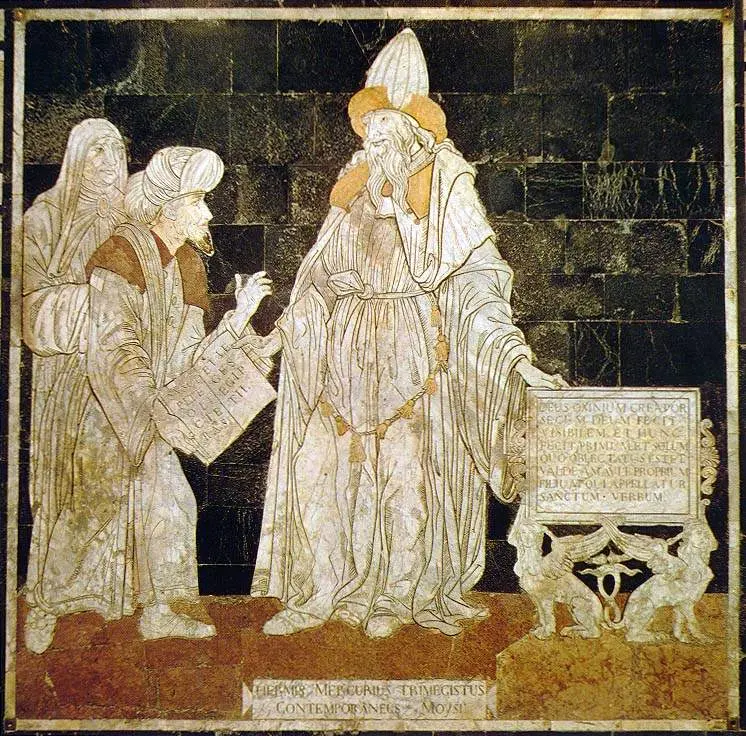
Hermeticism names several related traditions associated with Hermes Trismegistus. Philosophical dialogues, alchemical texts, and later occult systems require separate historical treatment.
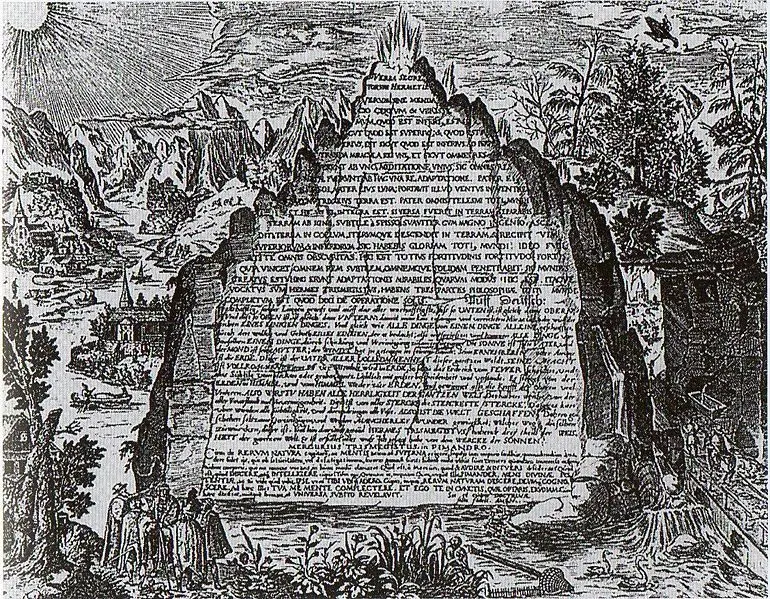
Alchemy concerns historical approaches to material transformation and the interpretation of nature. Spiritual readings form part of its reception but should not replace the material history.
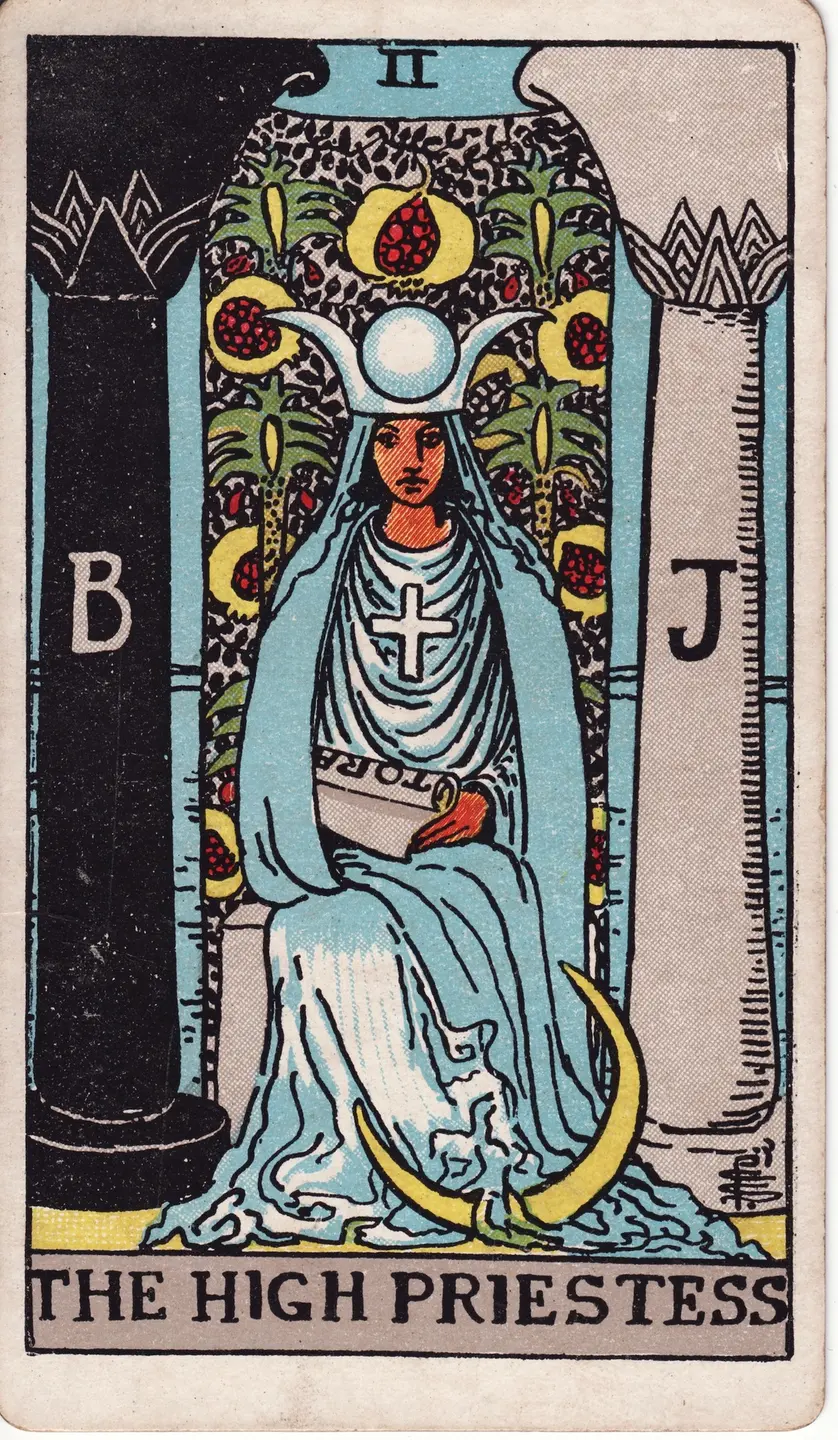
Tarot developed as playing cards before becoming an influential tool of occult interpretation. The history of the cards differs from later claims about their hidden origins.
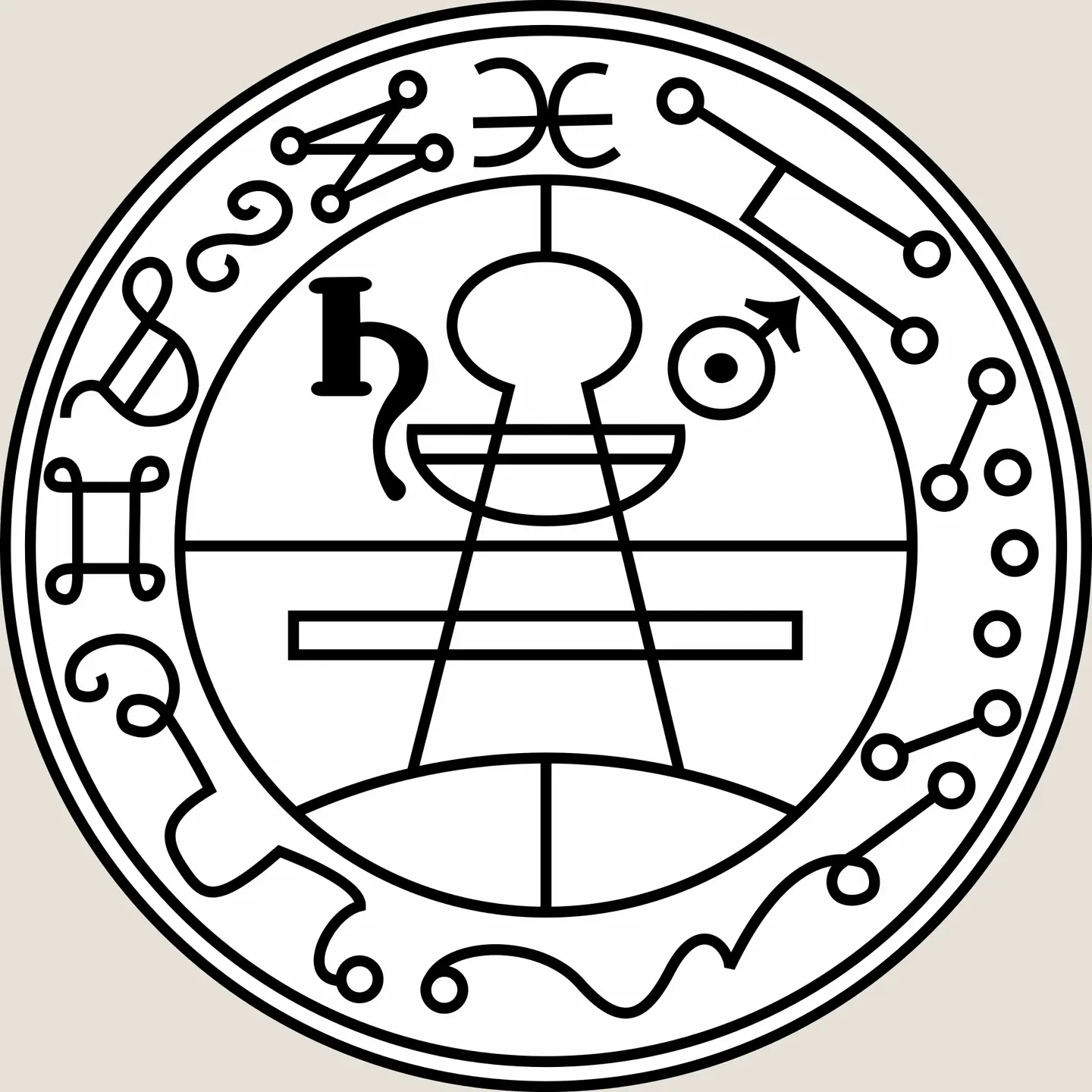
Sigils are graphic signs used in particular magical systems. Historical spirit seals, ceremonial figures, and modern personal signs should be distinguished.
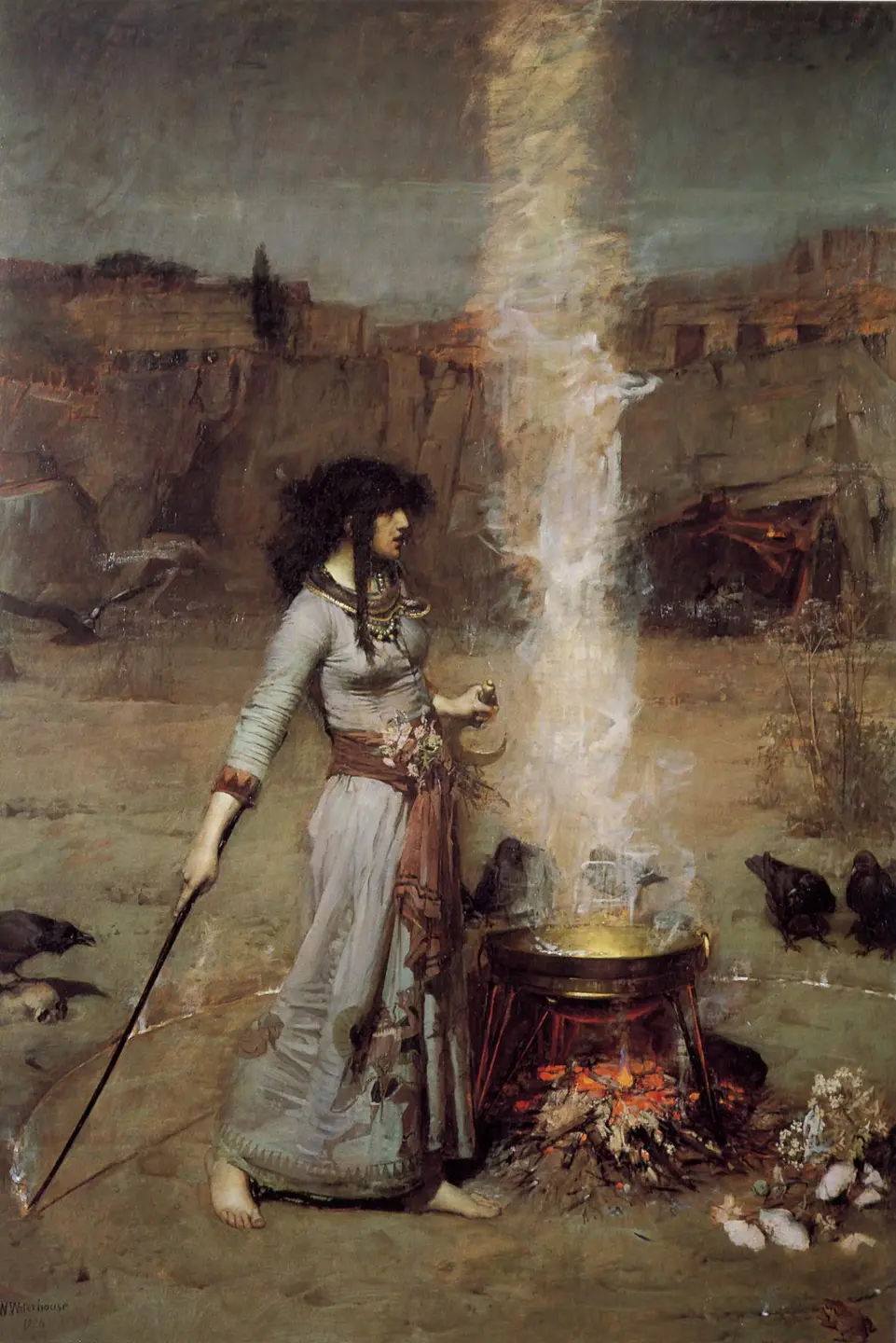
Demonolatry refers to devotion to demons or daemonic beings. Modern accounts vary in theology, authority, and their relationship with historical grimoires.
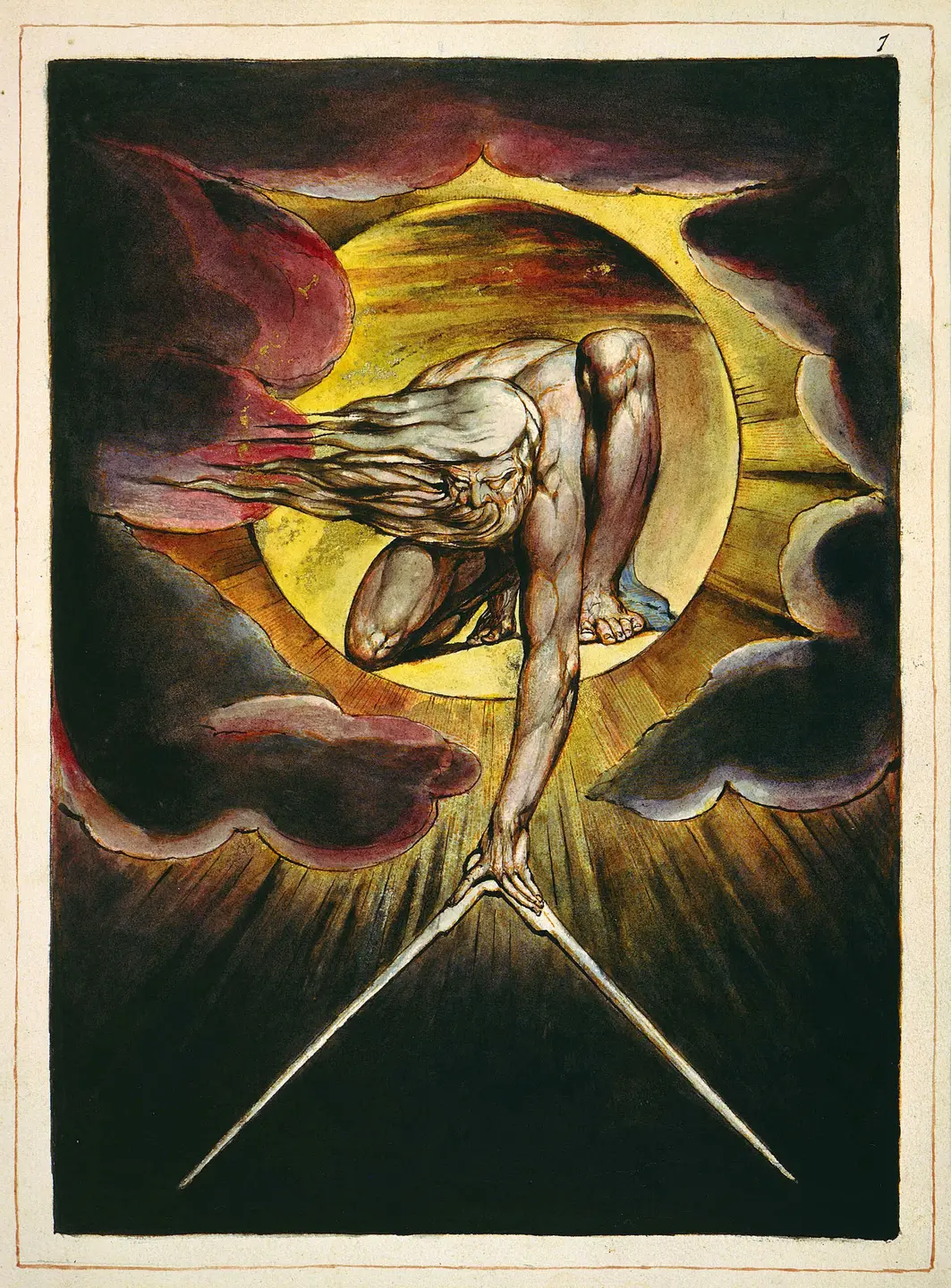
Religious discernment concerns how experiences are interpreted and assessed. An immediate event, a theological explanation, and a claim about another person require different kinds of evidence.
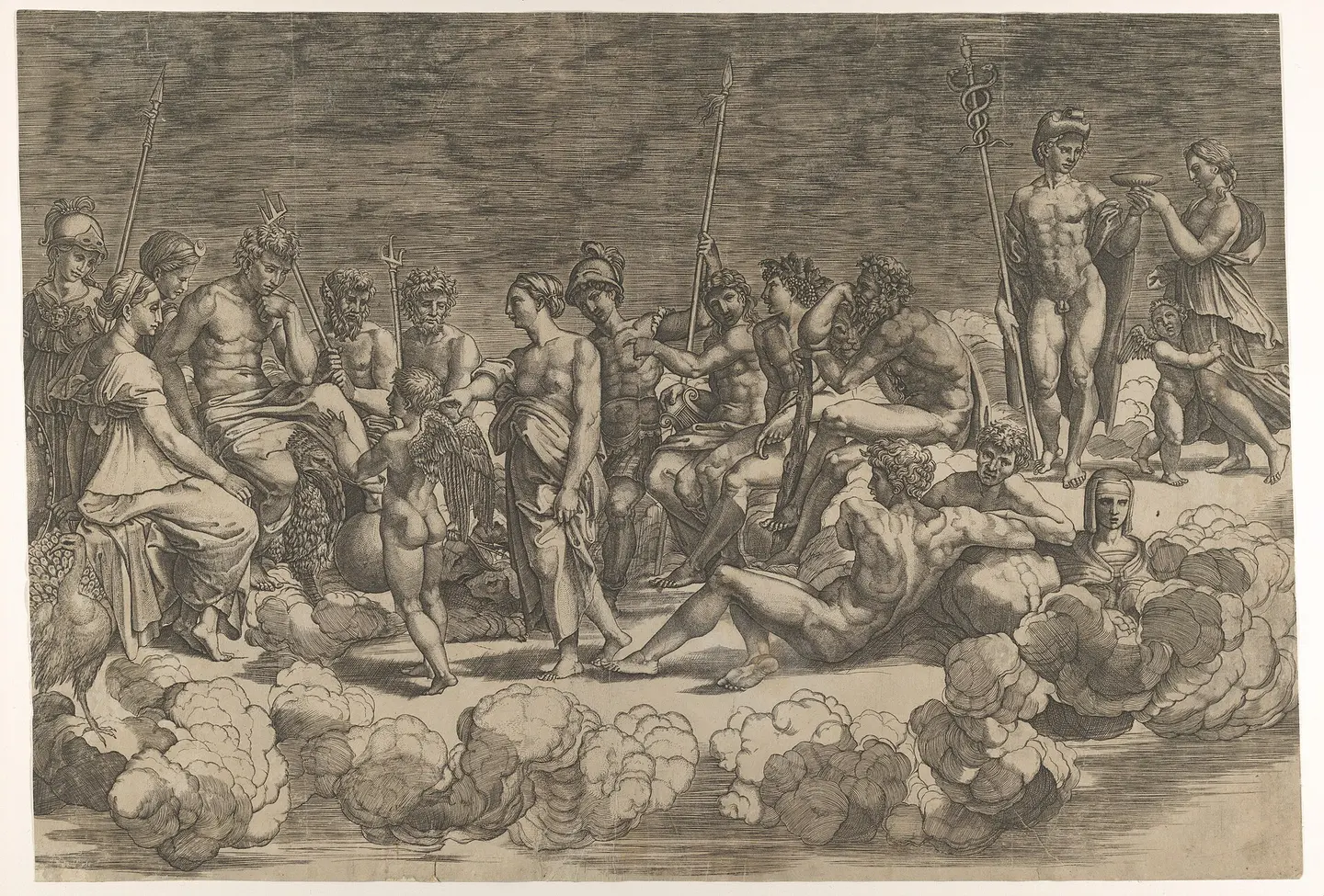
Polytheism involves belief in multiple deities. The existence of several gods does not by itself settle their relationships, moral authority, or the forms of devotion directed toward them.
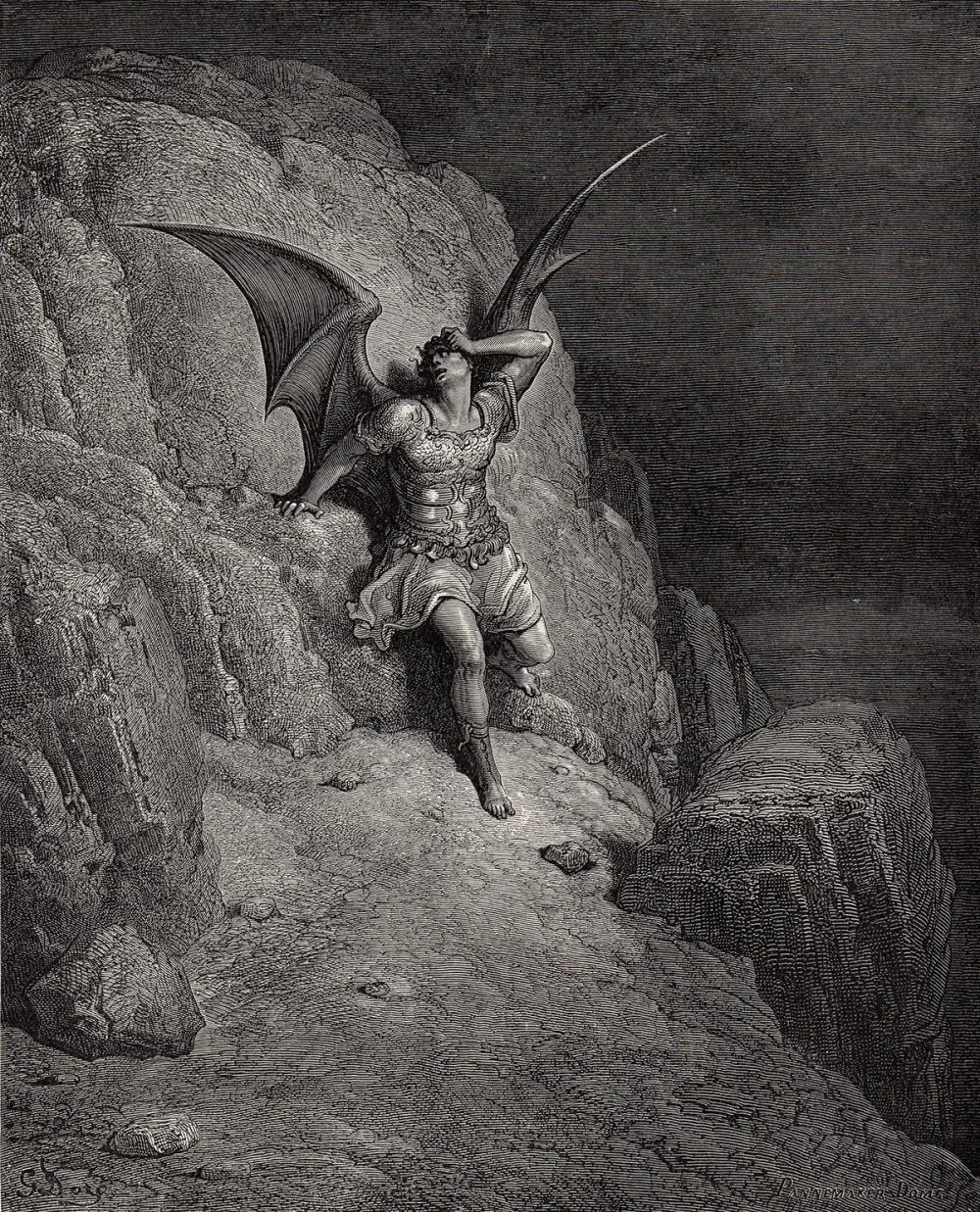
Milton’s Paradise Lost gives Satan an influential literary characterization. His persuasive speeches must be read alongside the narrator’s account and the consequences of his actions.
Unverified personal gnosis identifies a spiritual claim or interpretation whose source is personal experience rather than established textual or communal authority.