Texts & Sources
Three Books of Occult Philosophy
Agrippa’s Renaissance synthesis of natural, celestial, and religious magic.
Agrippa’s Renaissance synthesis of natural, celestial, and religious magic.
A grimoire with a hierarchy centered on Lucifer, Beelzebub, and Astaroth, followed by spirit operations and practical recipes.
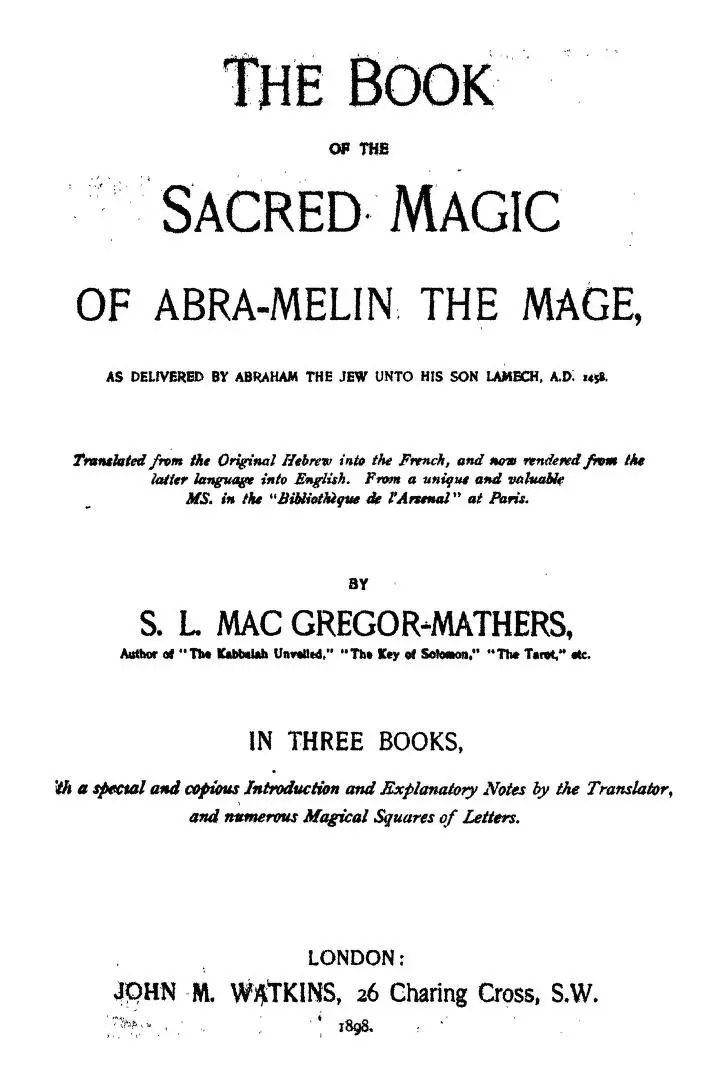
A grimoire built around religious preparation, the guardian angel, and subsequent work with spirits and magical squares.
The medieval Liber Juratus, a work of sacred magic concerned with divine vision, angels, and ritual authority.
The Slavonic Enochic work also known as the Book of the Secrets of Enoch, describing ascent, creation, and instruction.
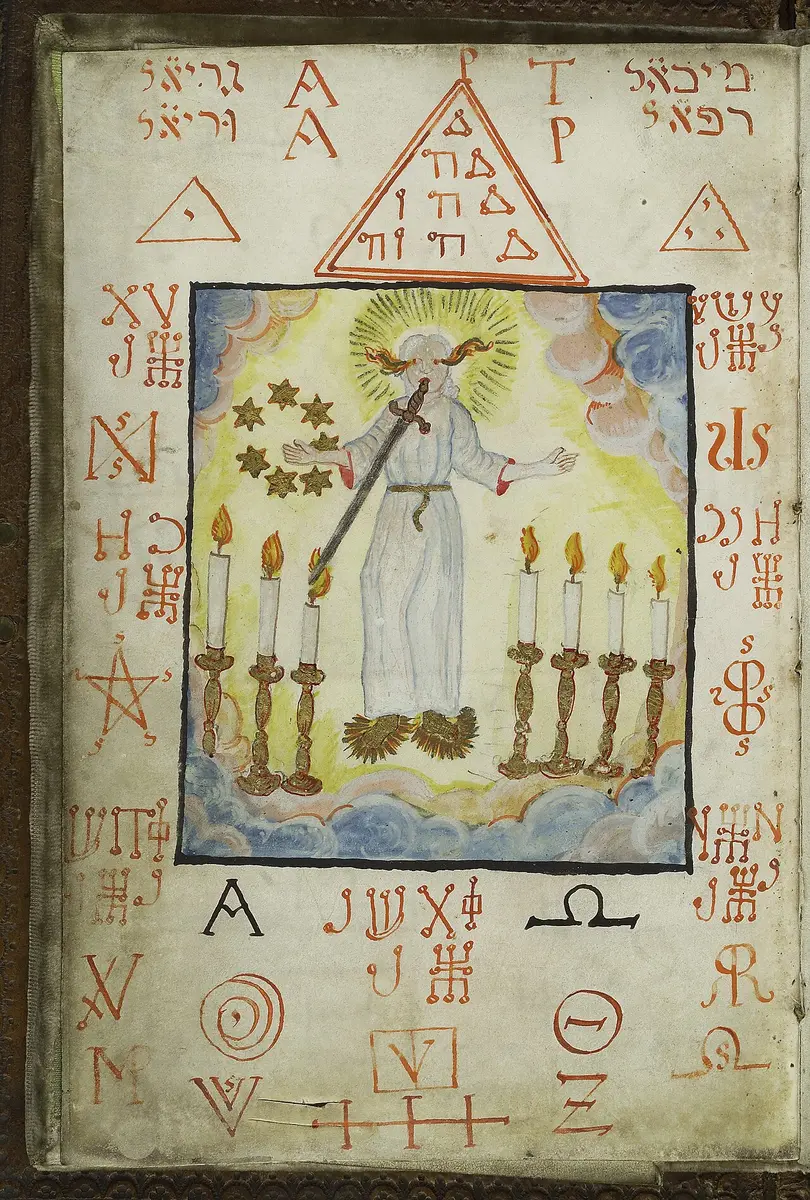
The Hebrew Enochic work associated with heavenly palaces and Enoch’s transformation into Metatron.
A retelling of Genesis and early Exodus arranged through jubilees, with angelic revelation, calendar teaching, and expanded narratives.
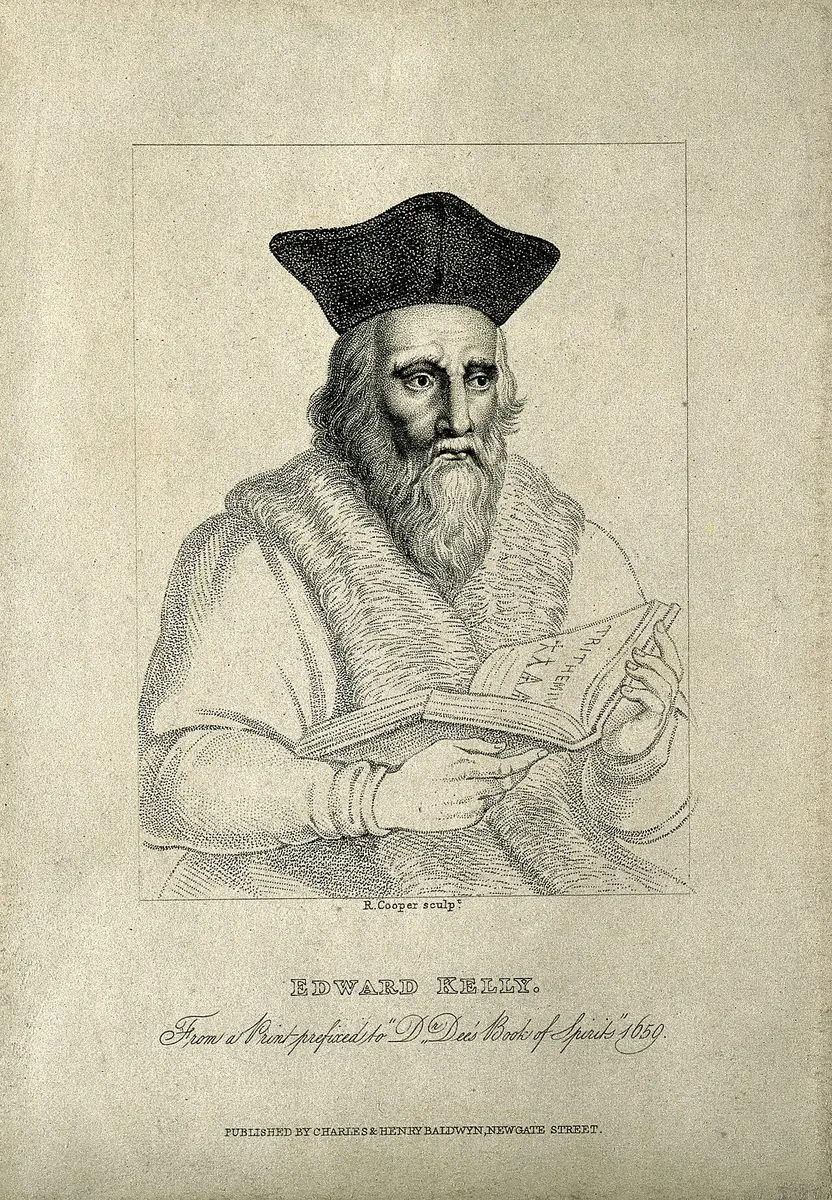
The scryer associated with John Dee’s recorded spirit conversations and later alchemical pursuits.

A founder and major author of the Temple of Set, associated with the modern Setian interpretation of Xeper.
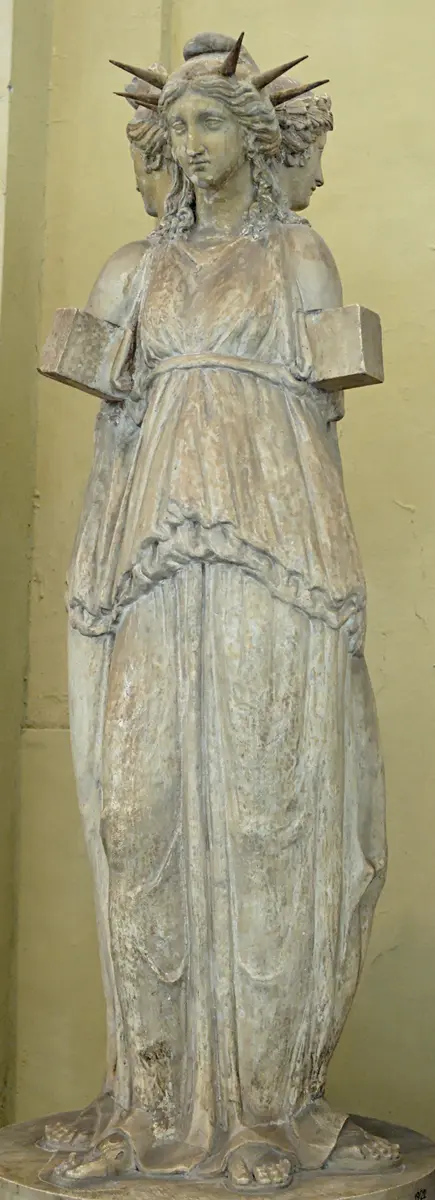
A Greek goddess with broad early powers and later associations with crossroads, spirits, and magic.
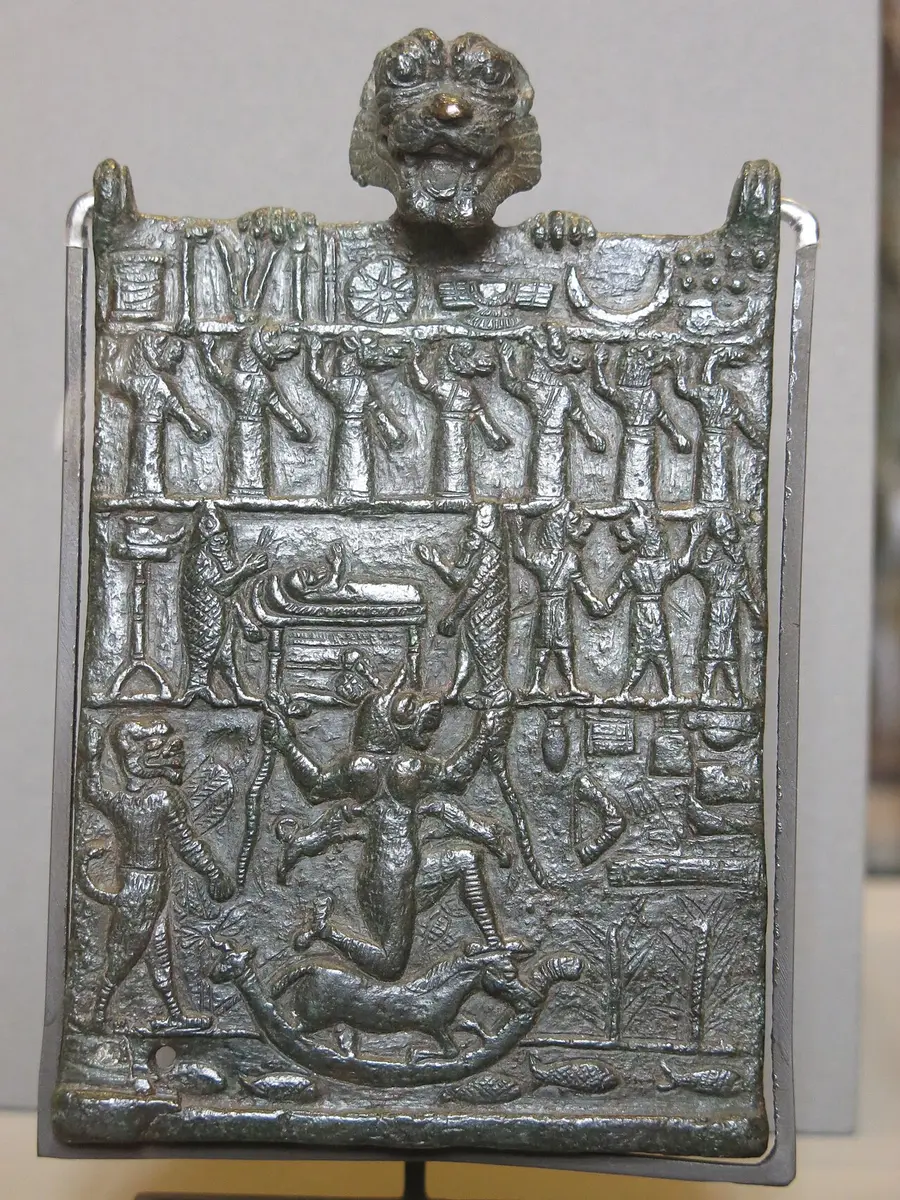
A Mesopotamian harmful female power represented on amulets and plaques intended to repel her.
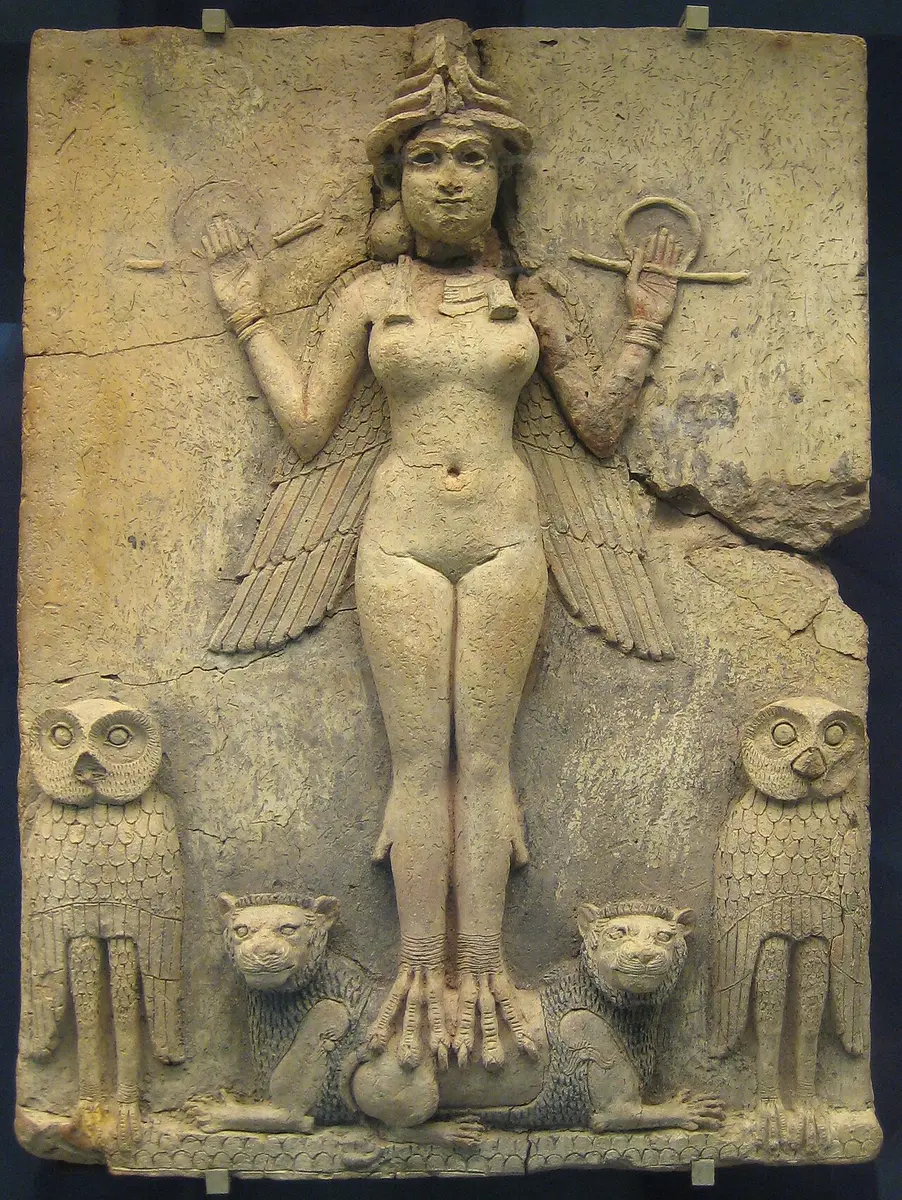
A Mesopotamian queen of the underworld, known through myths of descent and traditions concerning Nergal.
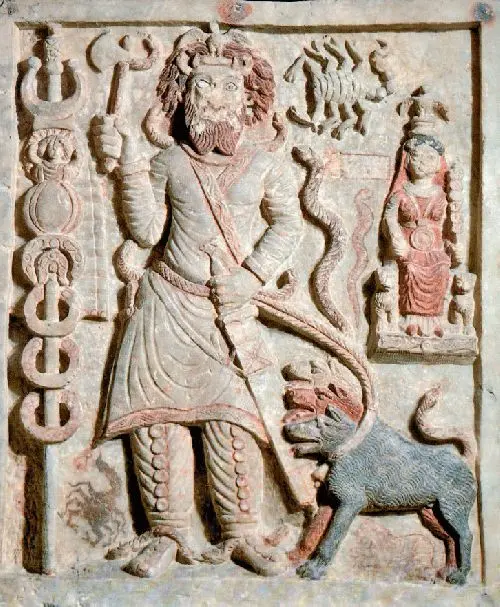
A Mesopotamian deity associated with death, war, disease, and the underworld.
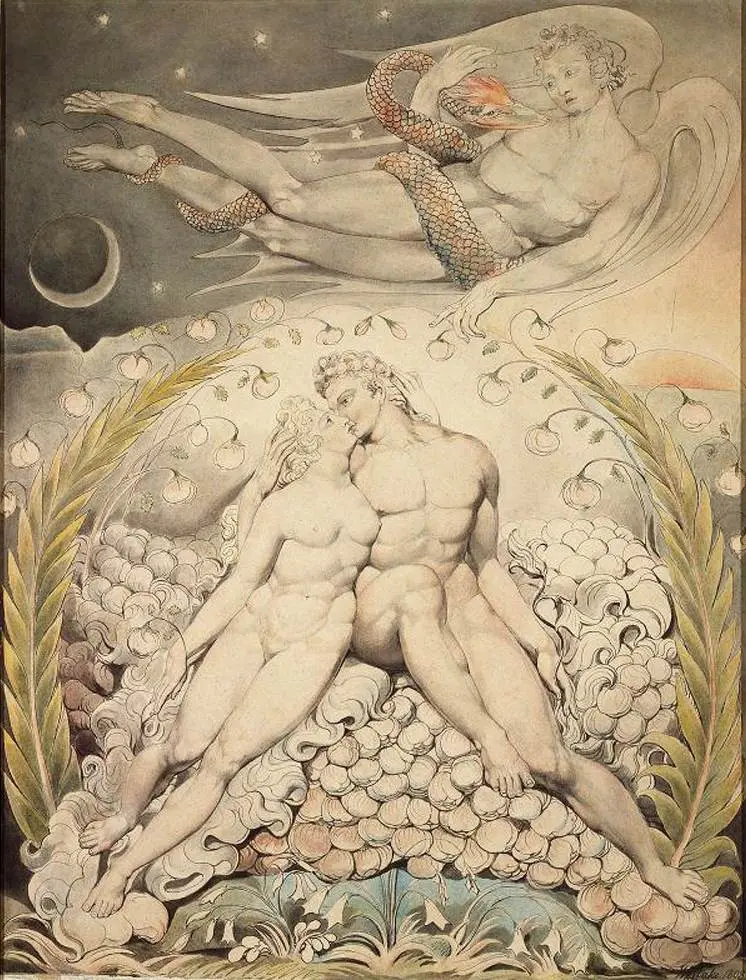
Religions that give Satan a central symbolic or divine role, with substantial differences in belief and practice.
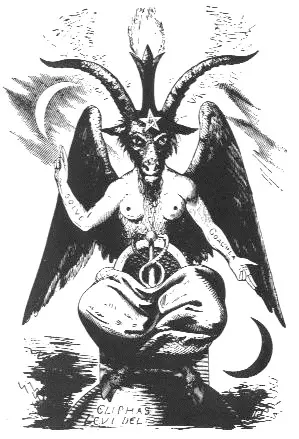
The images, names, and gestures used by Satanic traditions, whose meanings depend on their religious and historical setting.
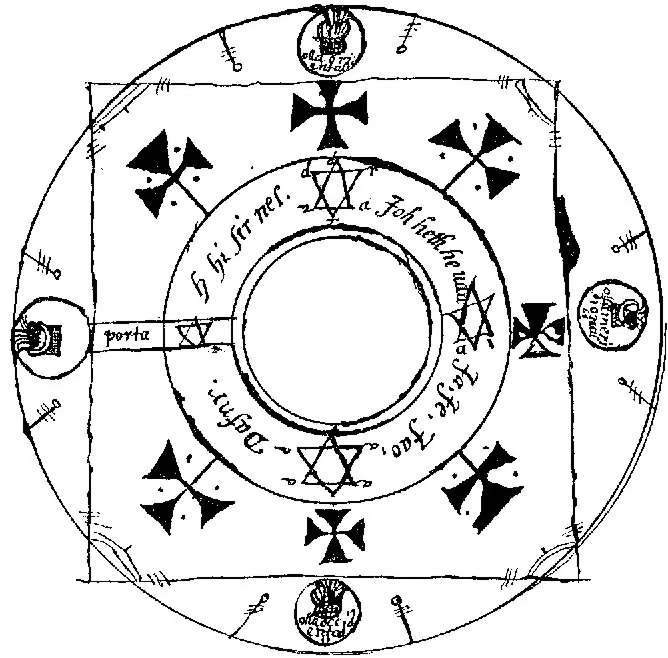
A marked ritual space whose names, divisions, and purpose differ among magical texts and modern traditions.
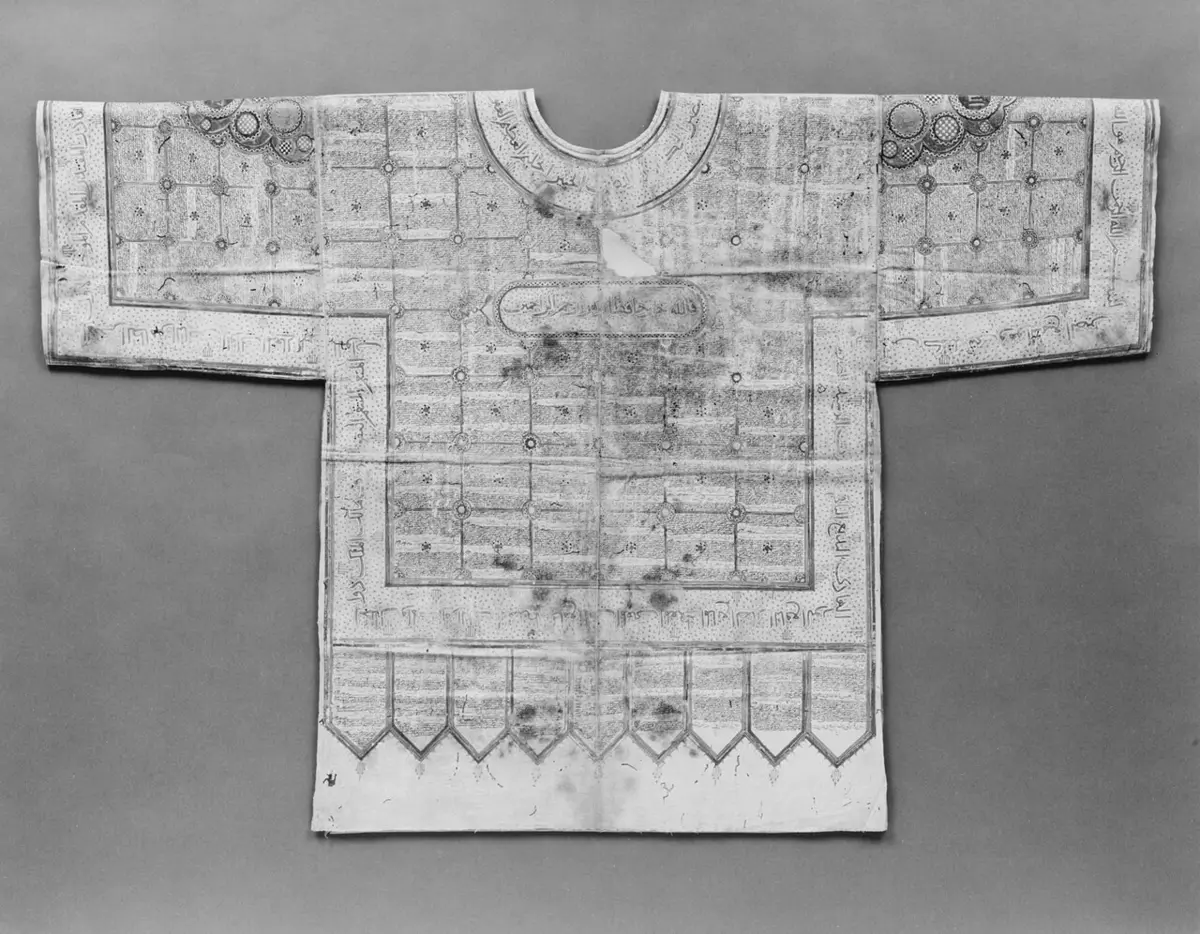
Objects prepared or used for a particular effect through inscriptions, images, materials, and ritual meaning.
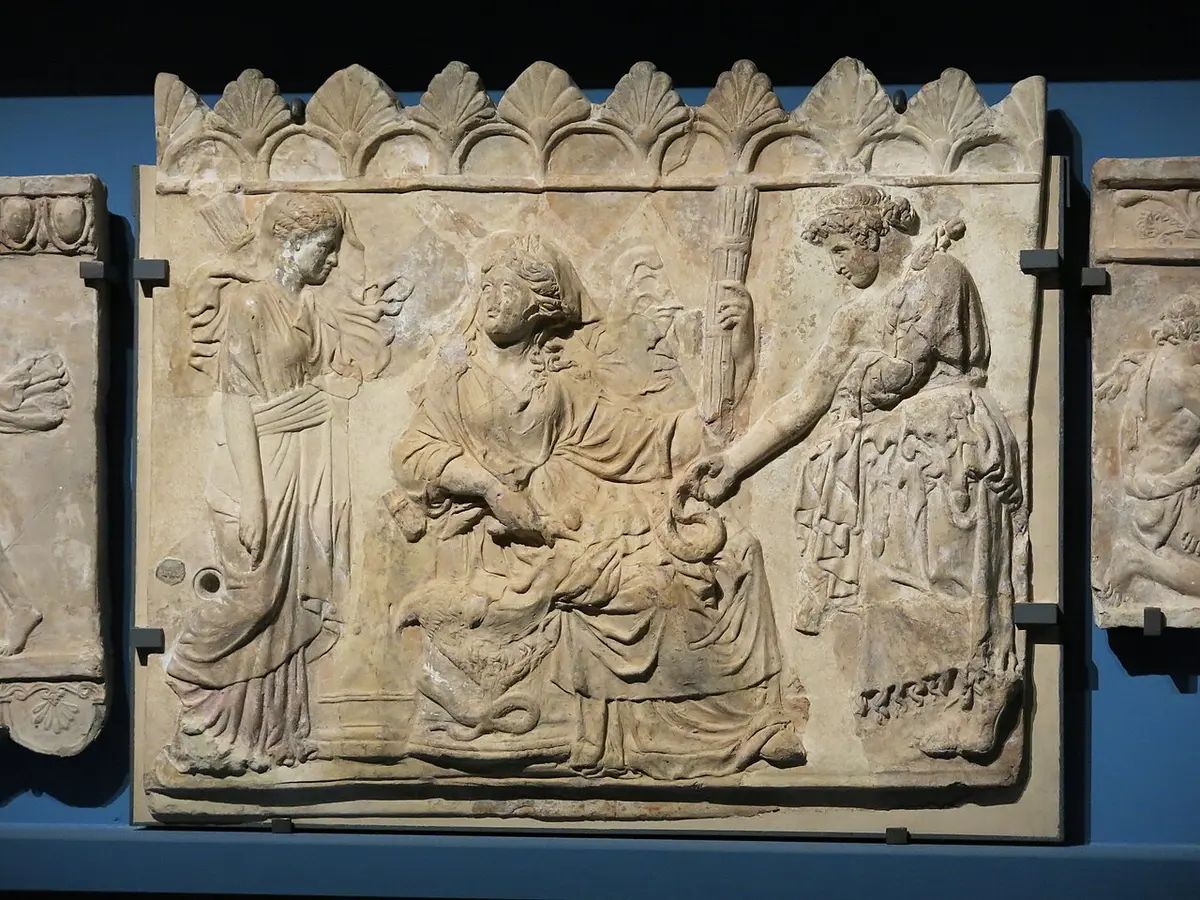
Entry into a religious or esoteric path through ceremony, instruction, recognition, and lived development.

A divinatory or visionary practice involving a reflective surface, crystal, or other focus for reported images and messages.
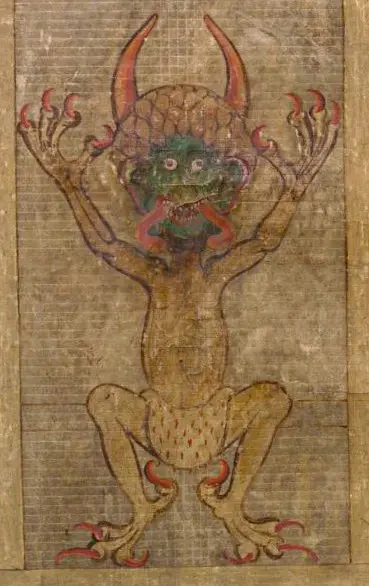
The Devil is the principal personification of evil in much of Christian tradition and a major source for later Western images of Satan. The term is not identical with every historical use of Satan, nor does it describe one unchanging character across the Bible, theology, folklore, literature, art, and modern religion. In contemporary speech “the Devil” often functions as a proper name for Satan, but…