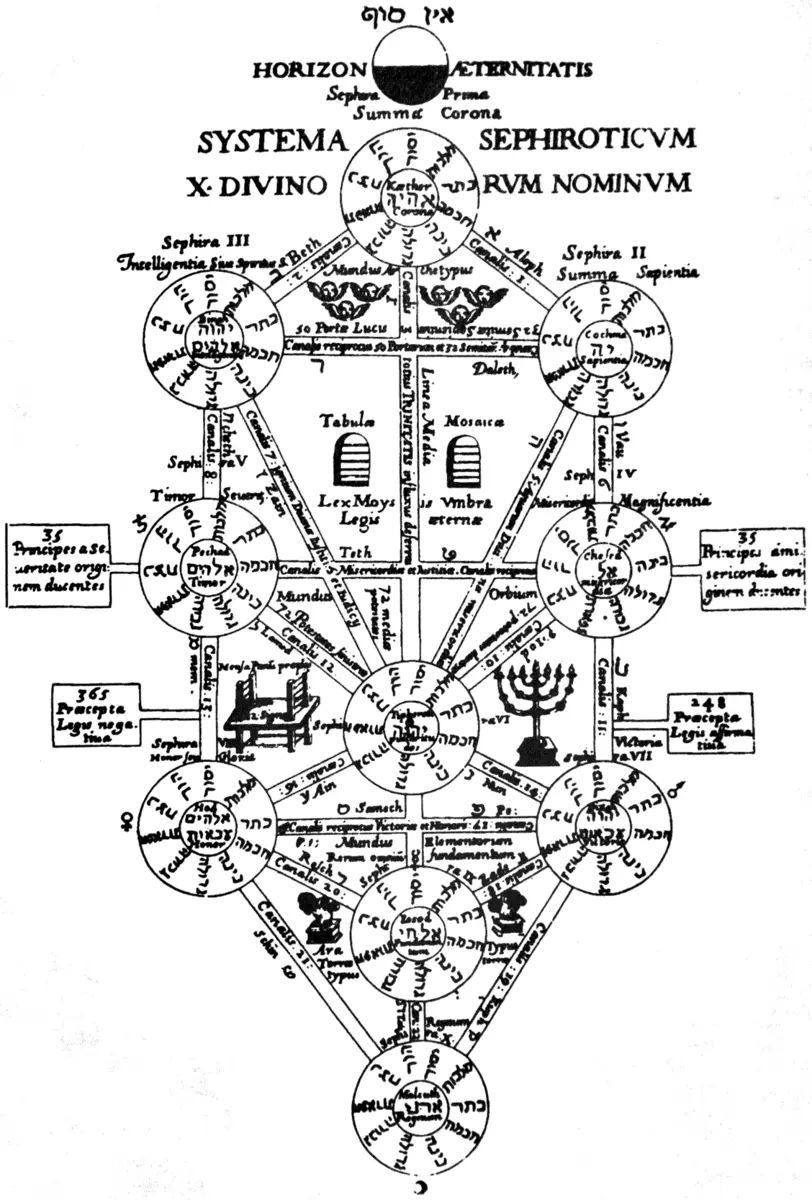
Theology & Cosmology
Hermetic Qabalah
Western esoteric systems that adapt Kabbalistic ideas through ritual, correspondence tables, and symbolic interpretation.
Western esoteric systems that adapt Kabbalistic ideas through ritual, correspondence tables, and symbolic interpretation.
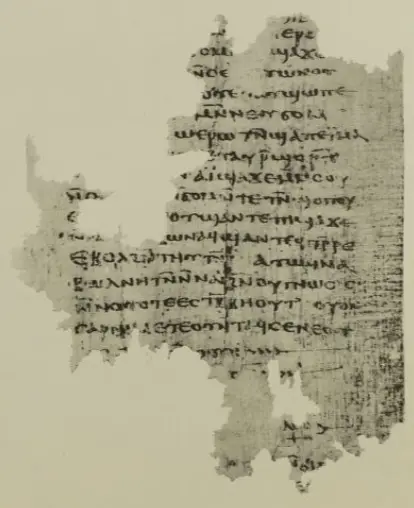
A modern umbrella term for several ancient religious movements and texts concerned with saving knowledge and divine origins.
The second part of the Lemegeton, arranging aerial spirits through princes, directions, and wandering hierarchies.
An angelic art in the Lemegeton, using a wax tablet, candles, and a hierarchy of heavenly altitudes.
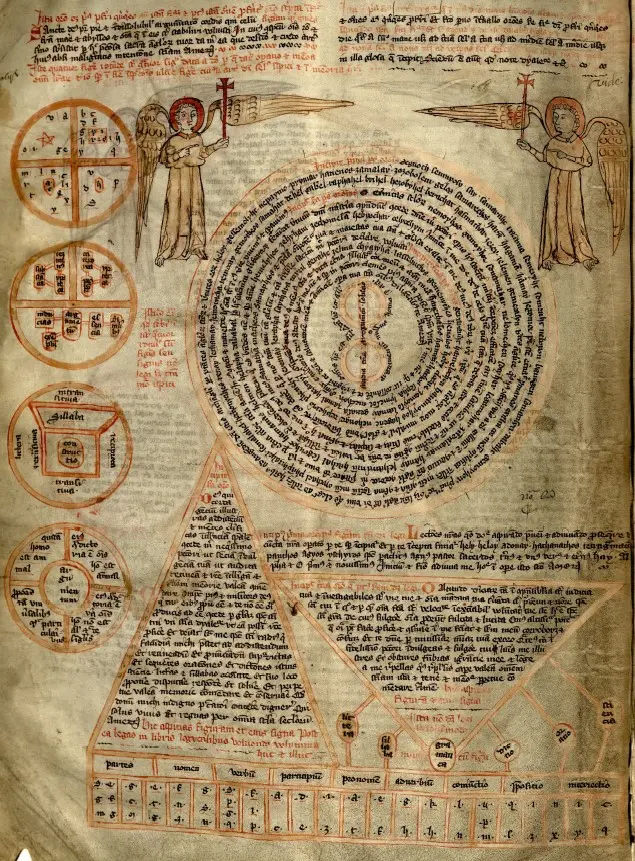
A medieval art of prayer and contemplation intended to confer learning, memory, and eloquence.
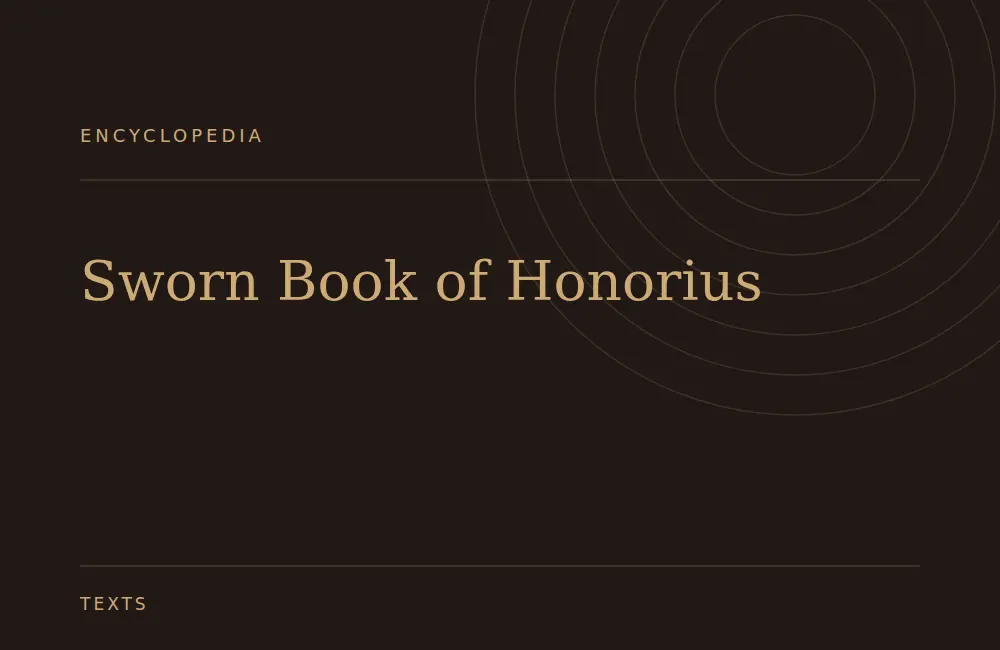
The medieval Liber Juratus, a work of sacred magic concerned with divine vision, angels, and ritual authority.
The Slavonic Enochic work also known as the Book of the Secrets of Enoch, describing ascent, creation, and instruction.
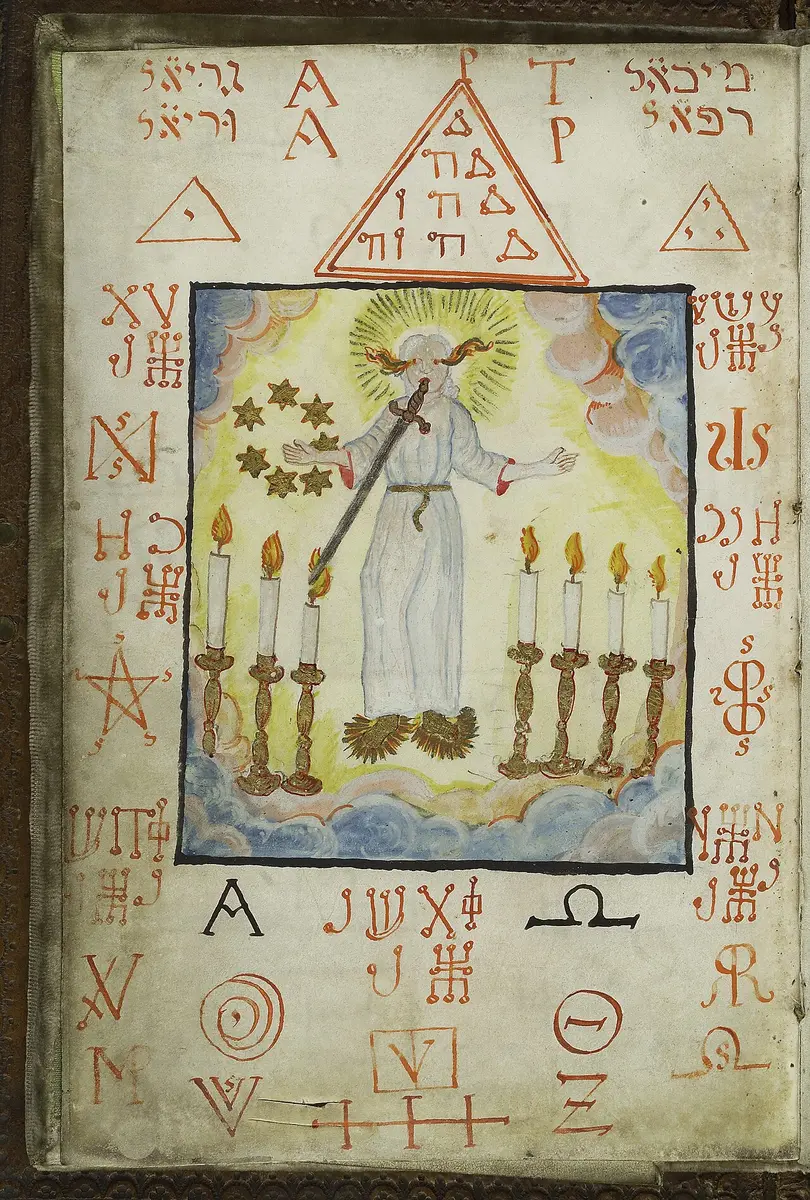
The Hebrew Enochic work associated with heavenly palaces and Enoch’s transformation into Metatron.
A retelling of Genesis and early Exodus arranged through jubilees, with angelic revelation, calendar teaching, and expanded narratives.
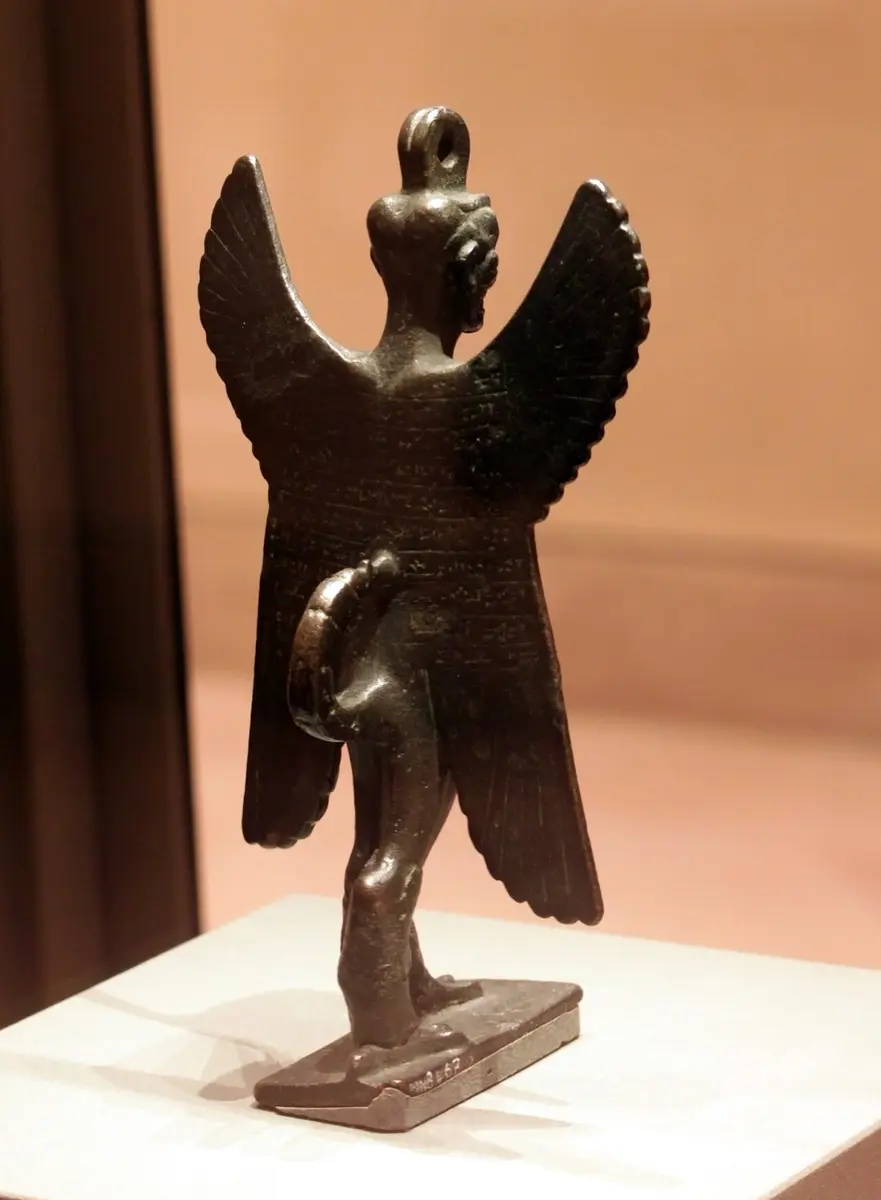
A Mesopotamian wind demon whose image was also used protectively, especially against Lamashtu.
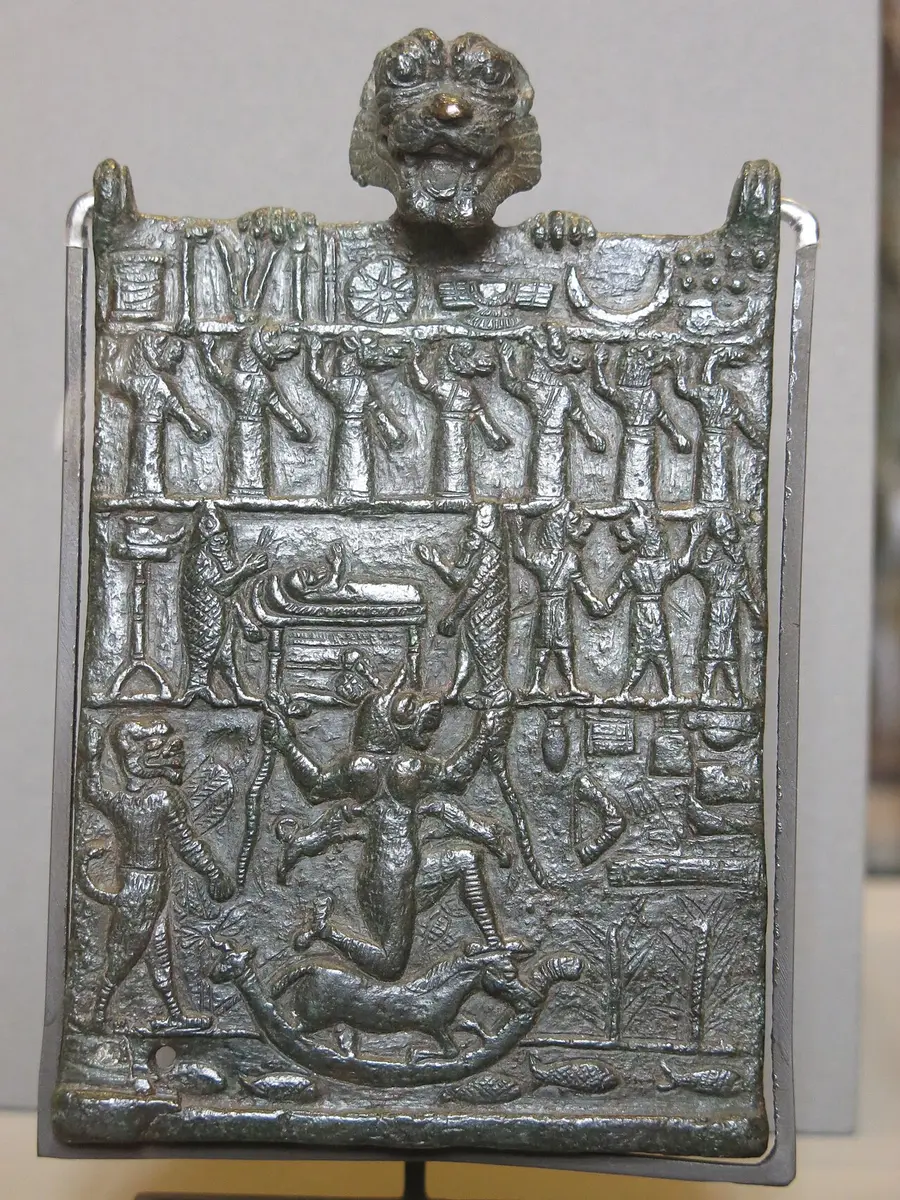
A Mesopotamian harmful female power represented on amulets and plaques intended to repel her.
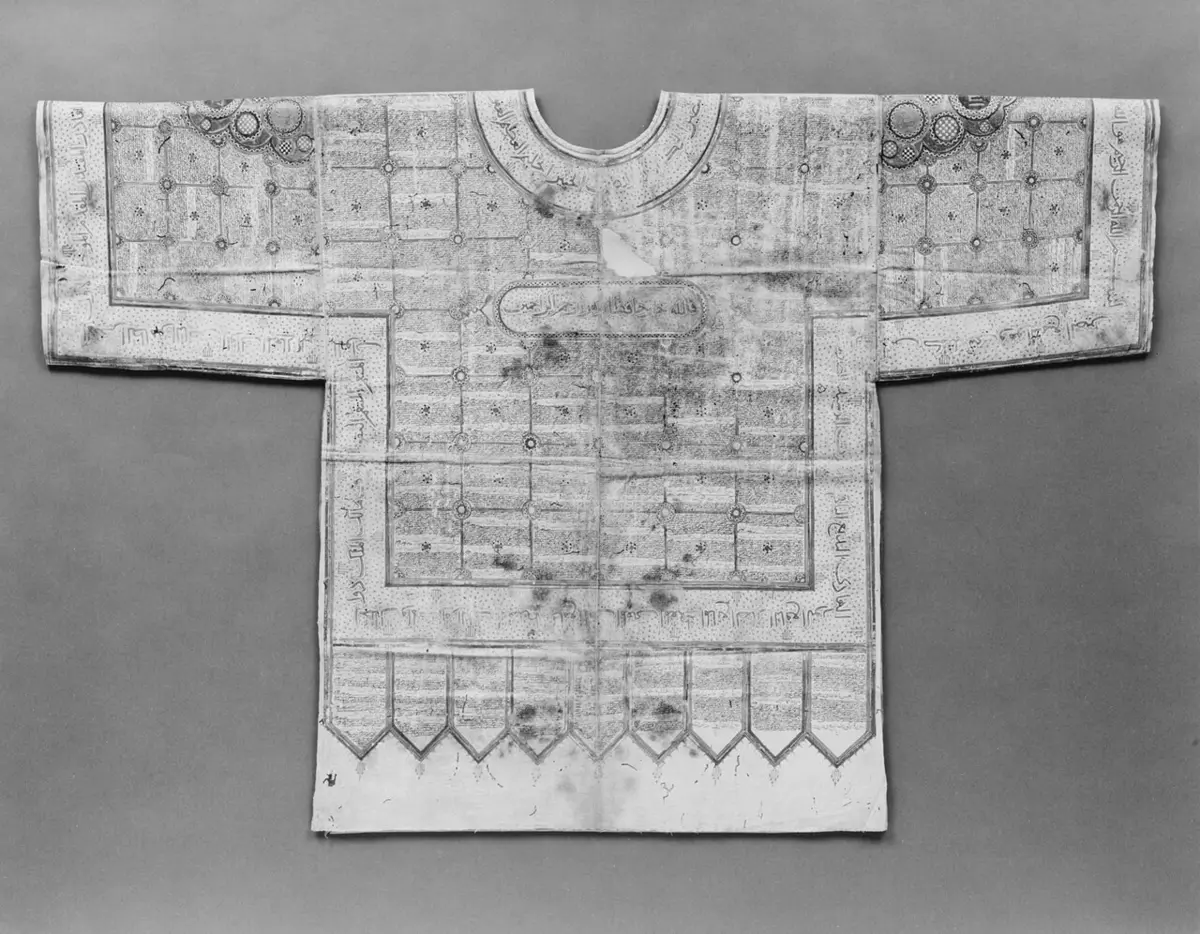
Objects prepared or used for a particular effect through inscriptions, images, materials, and ritual meaning.
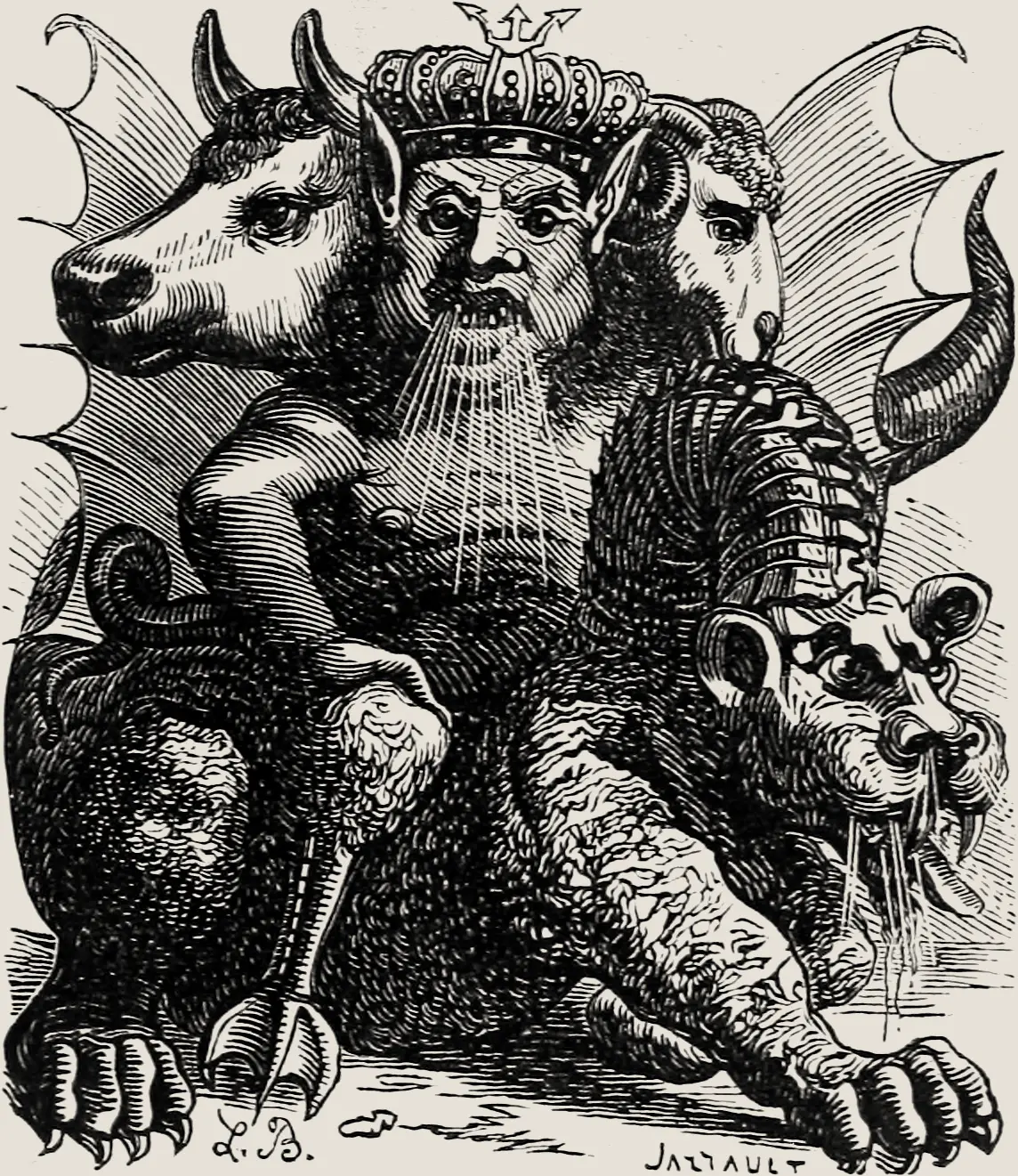
Asmodeus appears in the narrative of Tobit and in later magical and demonological literature. His different roles reflect the purposes of those texts.
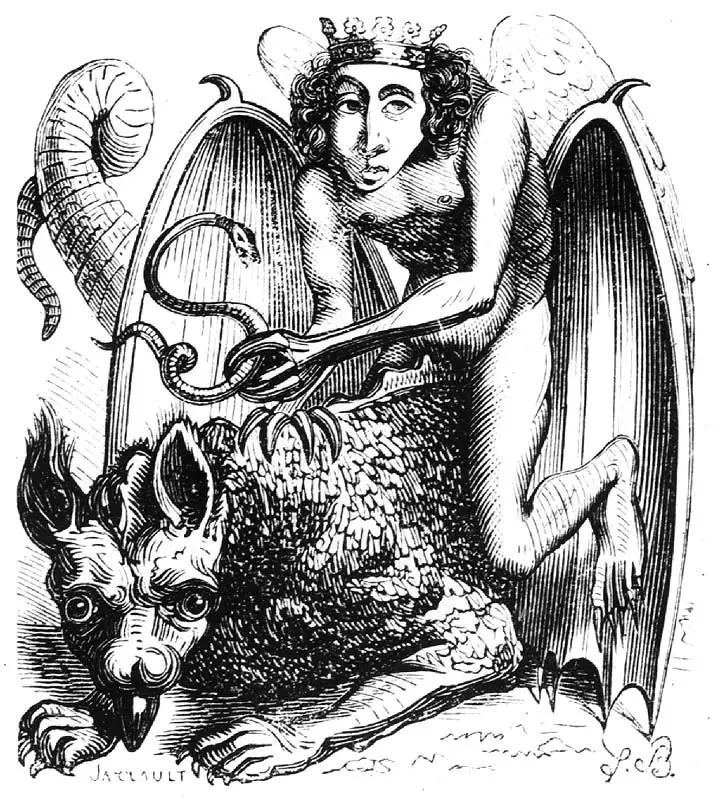
Astaroth appears in early modern spirit catalogues and later illustrated demonology. Source editions matter when comparing the figure’s rank, appearance, and supposed knowledge.
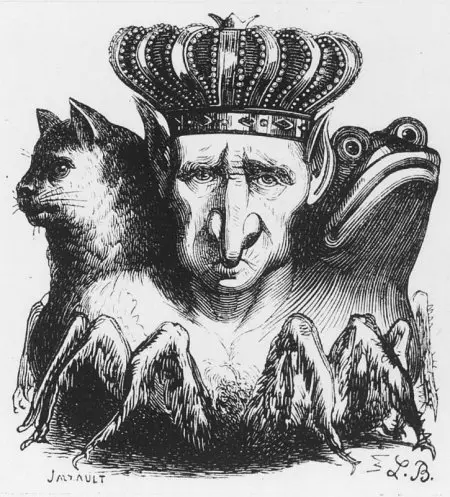
Bael is a ranked spirit in early modern magical catalogues. The Goetic figure should be distinguished from the wider use of the ancient title Baal.
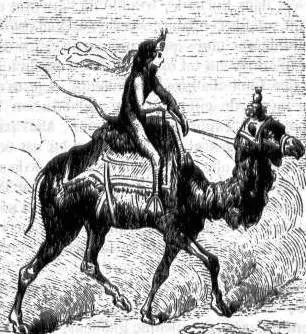
Paimon is a royal spirit described in the Ars Goetia and related literature. Musical procession and the teaching of knowledge are important elements of his received image.
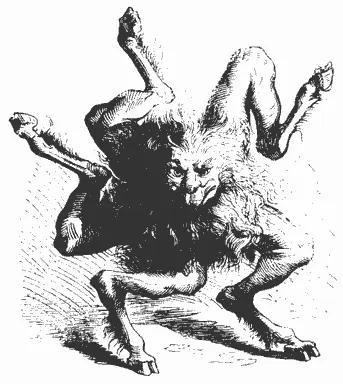
Buer is a spirit associated in magical catalogues with learning and healing. The well-known radial illustration belongs to later printed demonology.
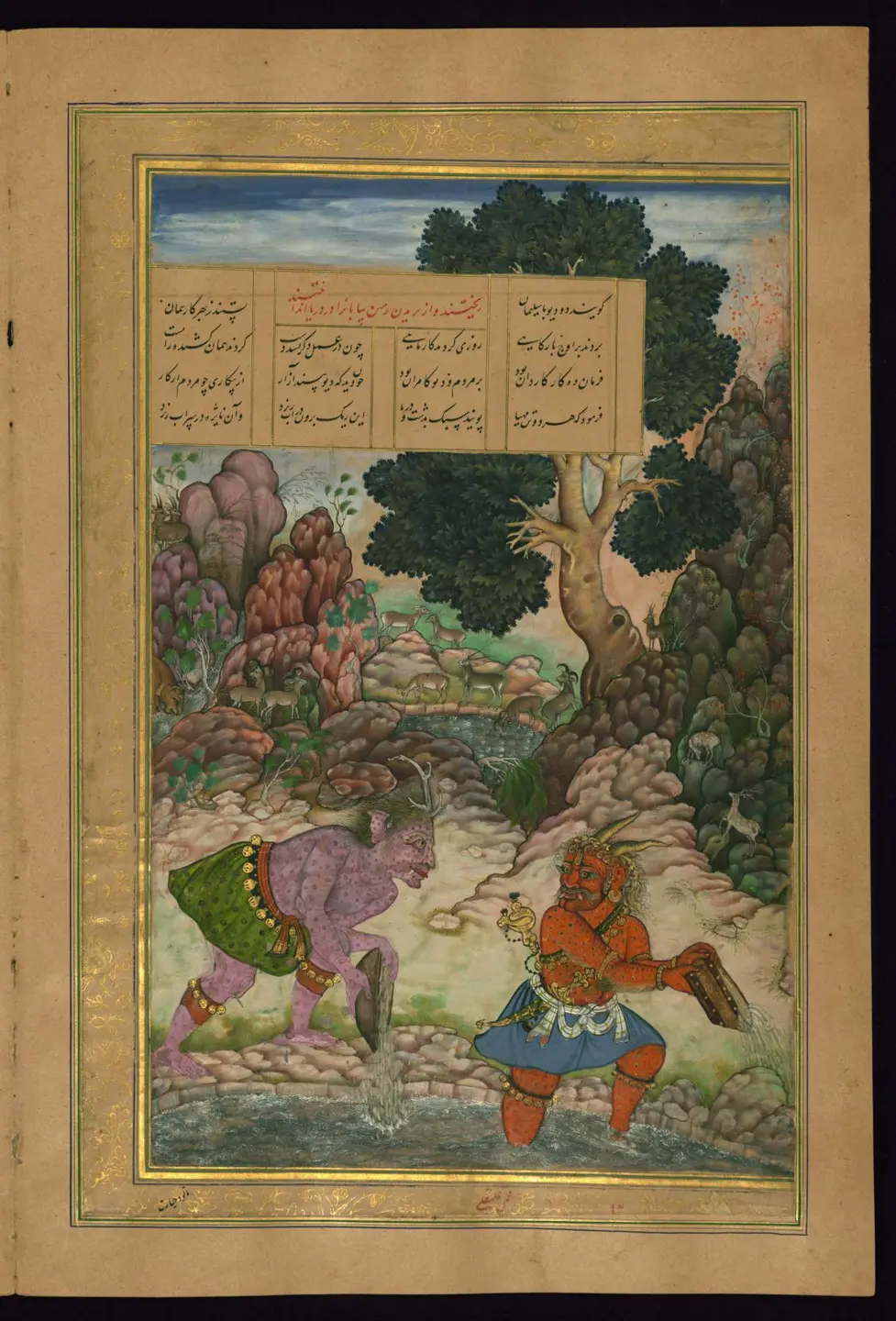
The Testament of Solomon is a pseudepigraphal religious narrative in which Solomon questions and commands spirits. It differs from later procedural Solomonic grimoires.
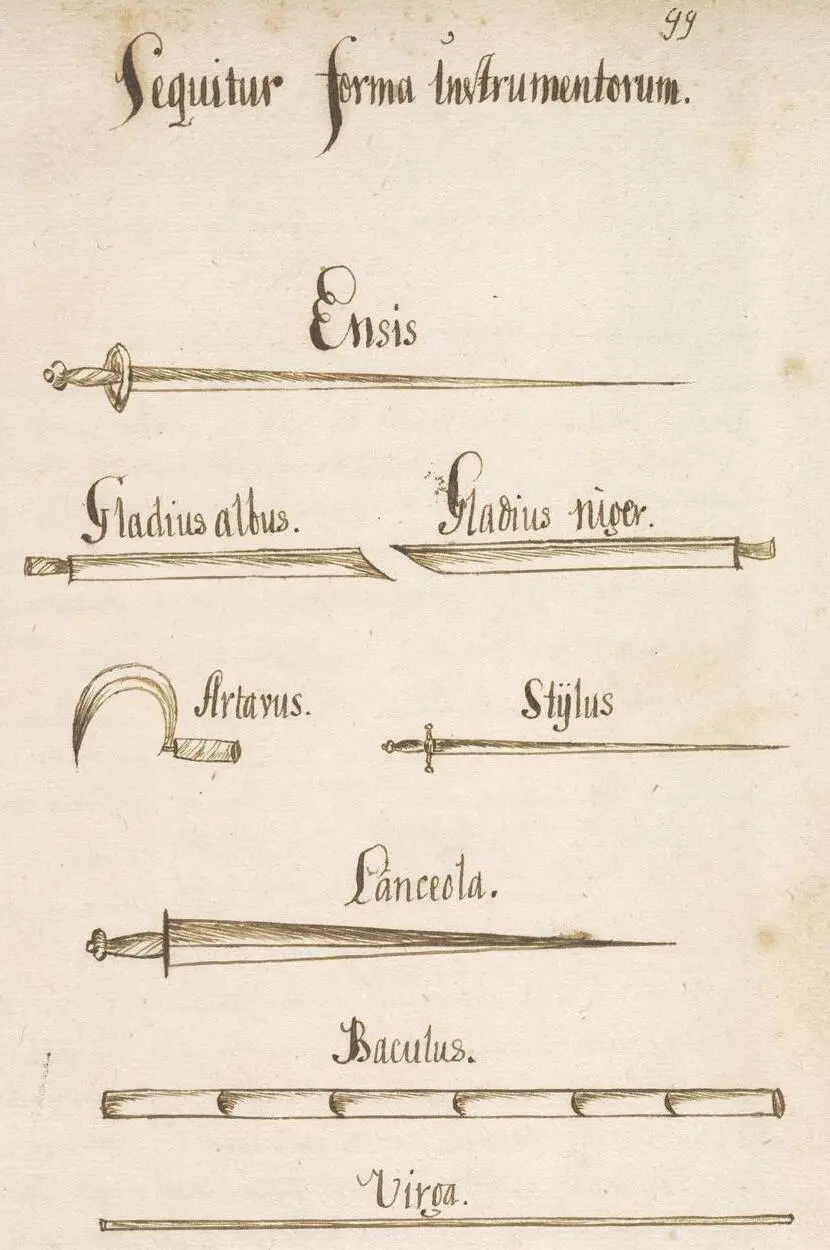
The Key of Solomon is a transmitted family of magical texts concerning preparation, ritual, and ceremonial instruments. It should be distinguished from the five-part Lesser Key of Solomon.
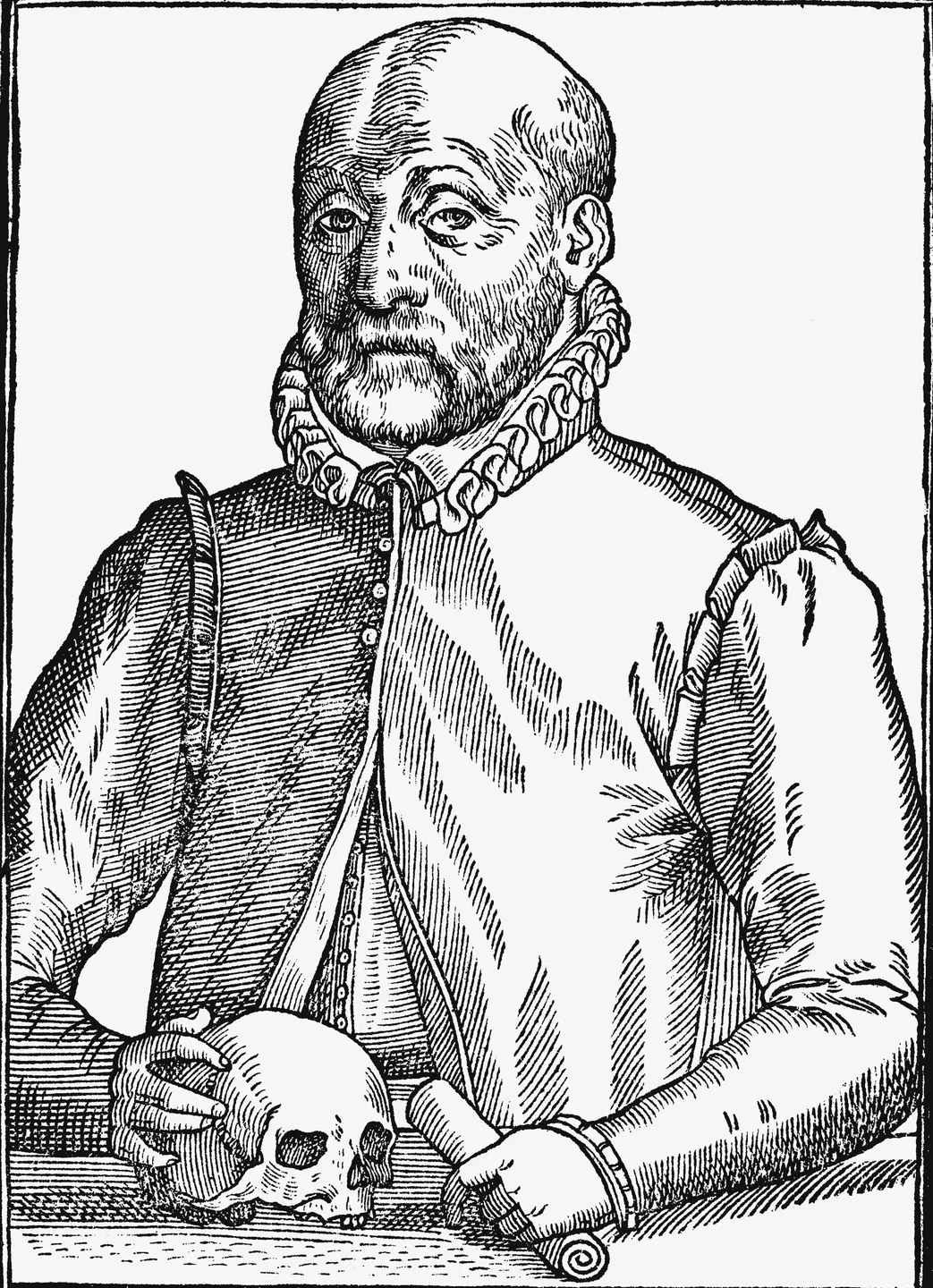
Pseudomonarchia Daemonum is a spirit catalogue associated with Johann Weyer. Its transmission helps explain similarities and differences in the later Ars Goetia.