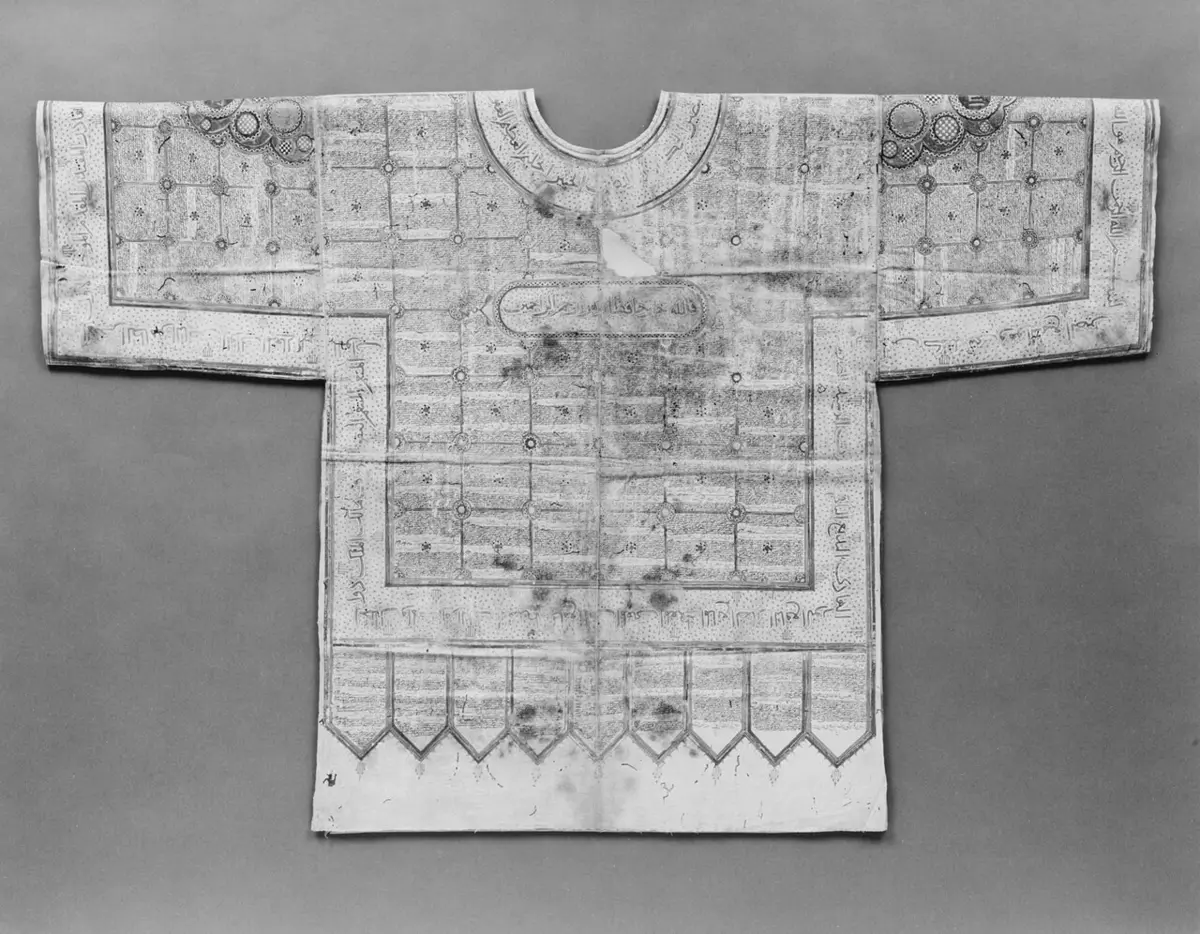
Devotional Practice
Talismans
Objects prepared or used for a particular effect through inscriptions, images, materials, and ritual meaning.
Objects prepared or used for a particular effect through inscriptions, images, materials, and ritual meaning.
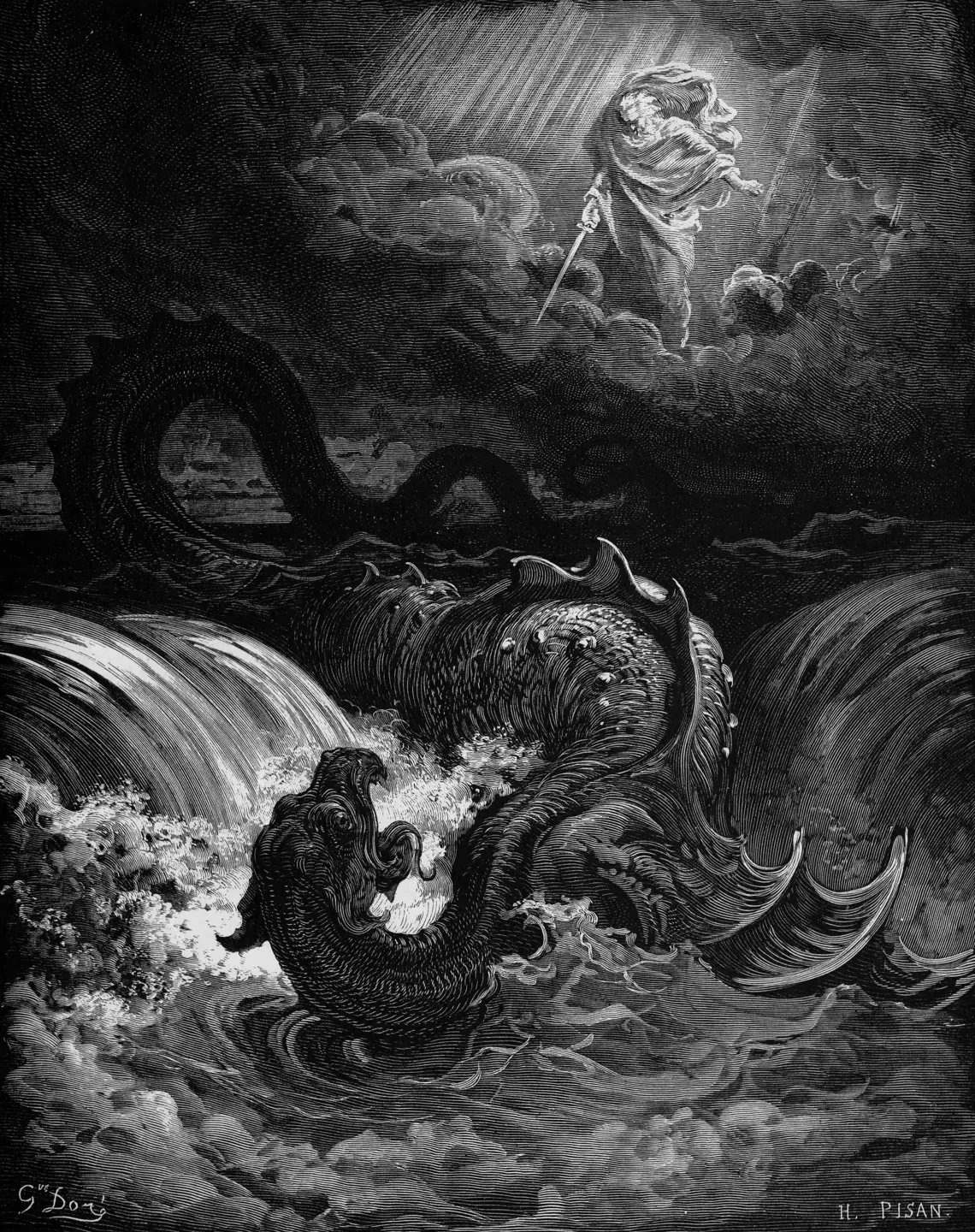
Leviathan appears in biblical poetry and later religious symbolism. The vivid descriptions belong to different literary contexts and should be interpreted accordingly.
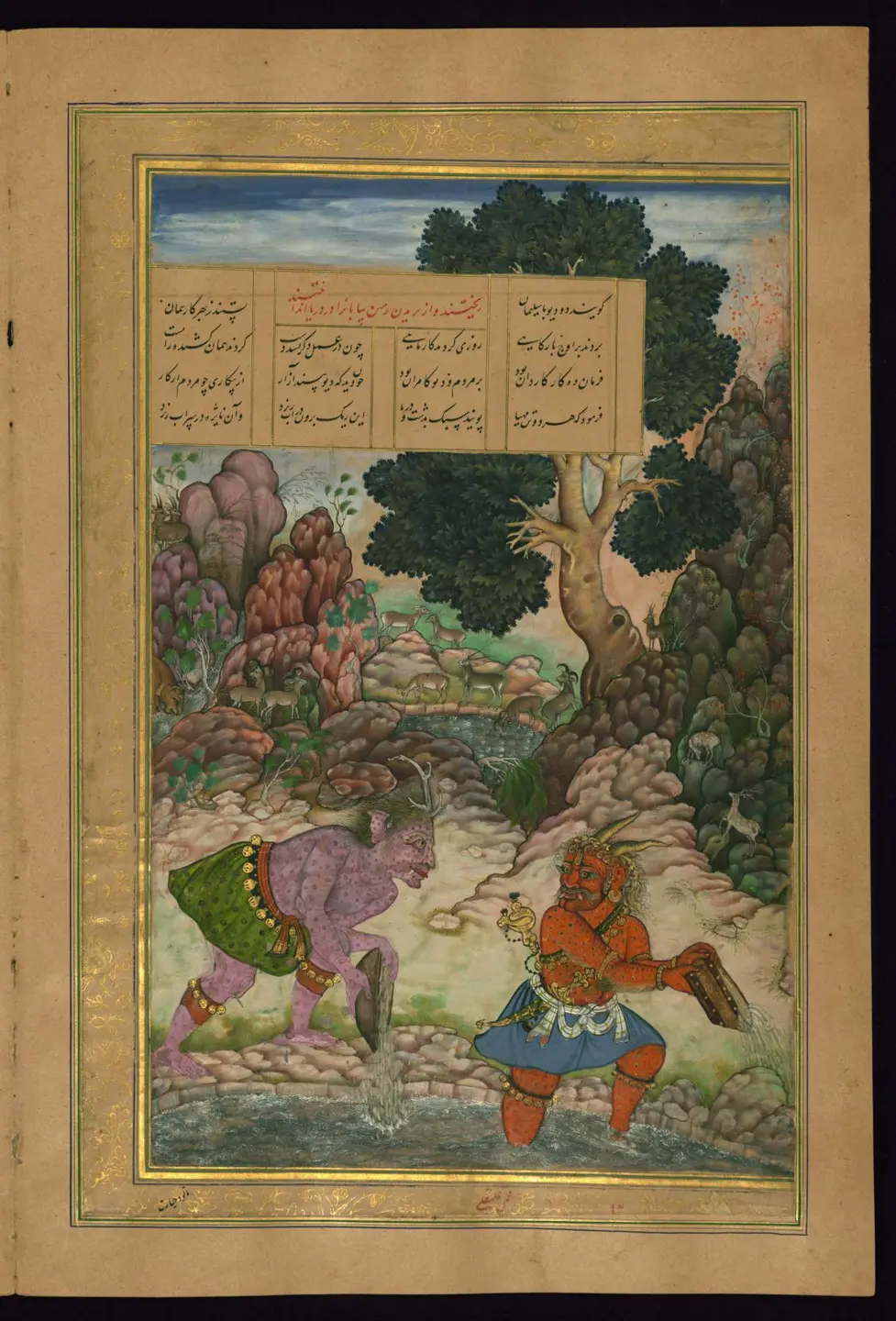
The Testament of Solomon is a pseudepigraphal religious narrative in which Solomon questions and commands spirits. It differs from later procedural Solomonic grimoires.
The Corpus Hermeticum is a collection of philosophical religious dialogues concerning mind, the divine, the cosmos, and human knowledge. It should be distinguished from later works marketed as Hermetic teaching.
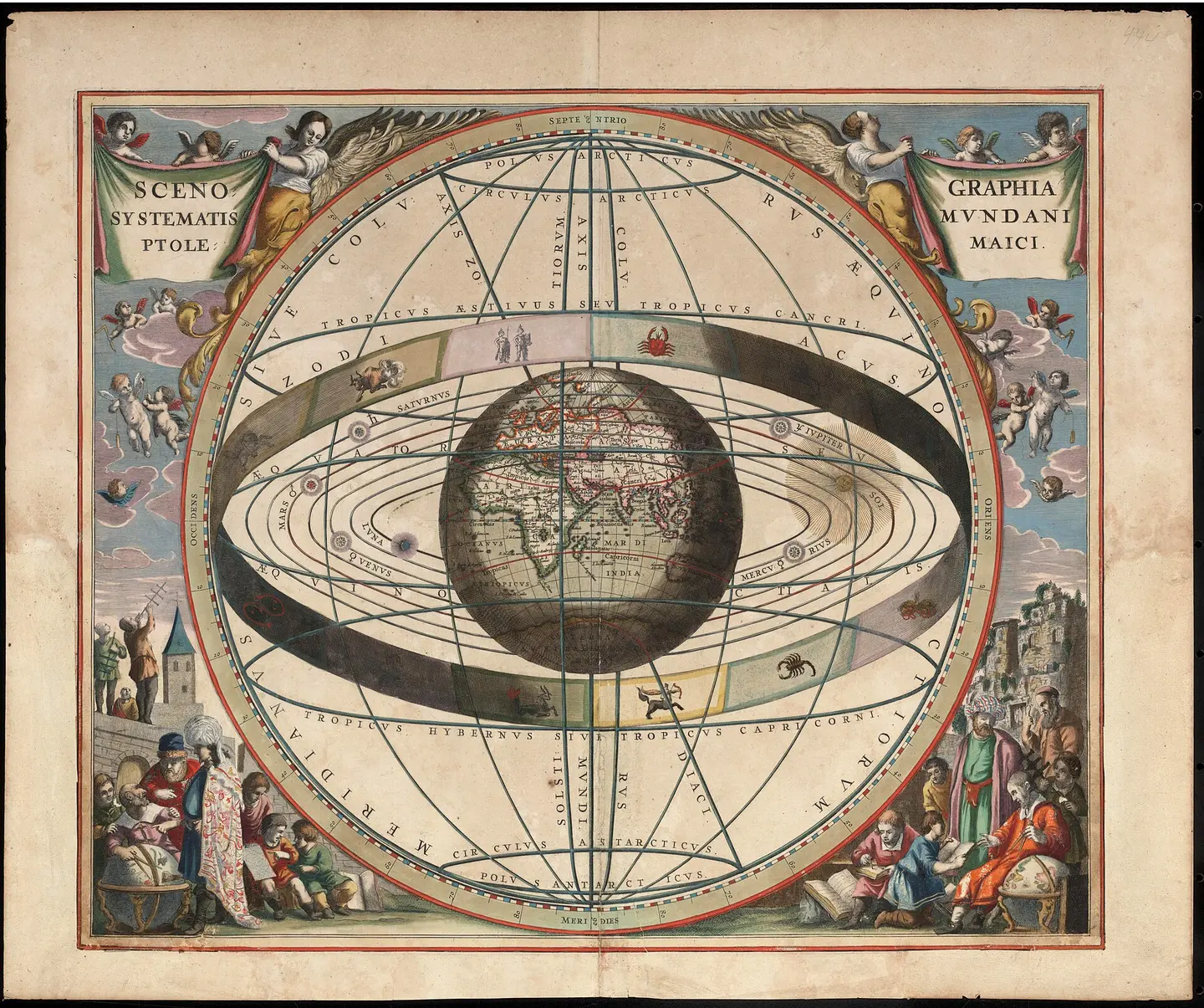
Astrology has supplied language and organizing systems to Western esoteric texts. Its historical role should be distinguished from demonstrated predictive effectiveness.
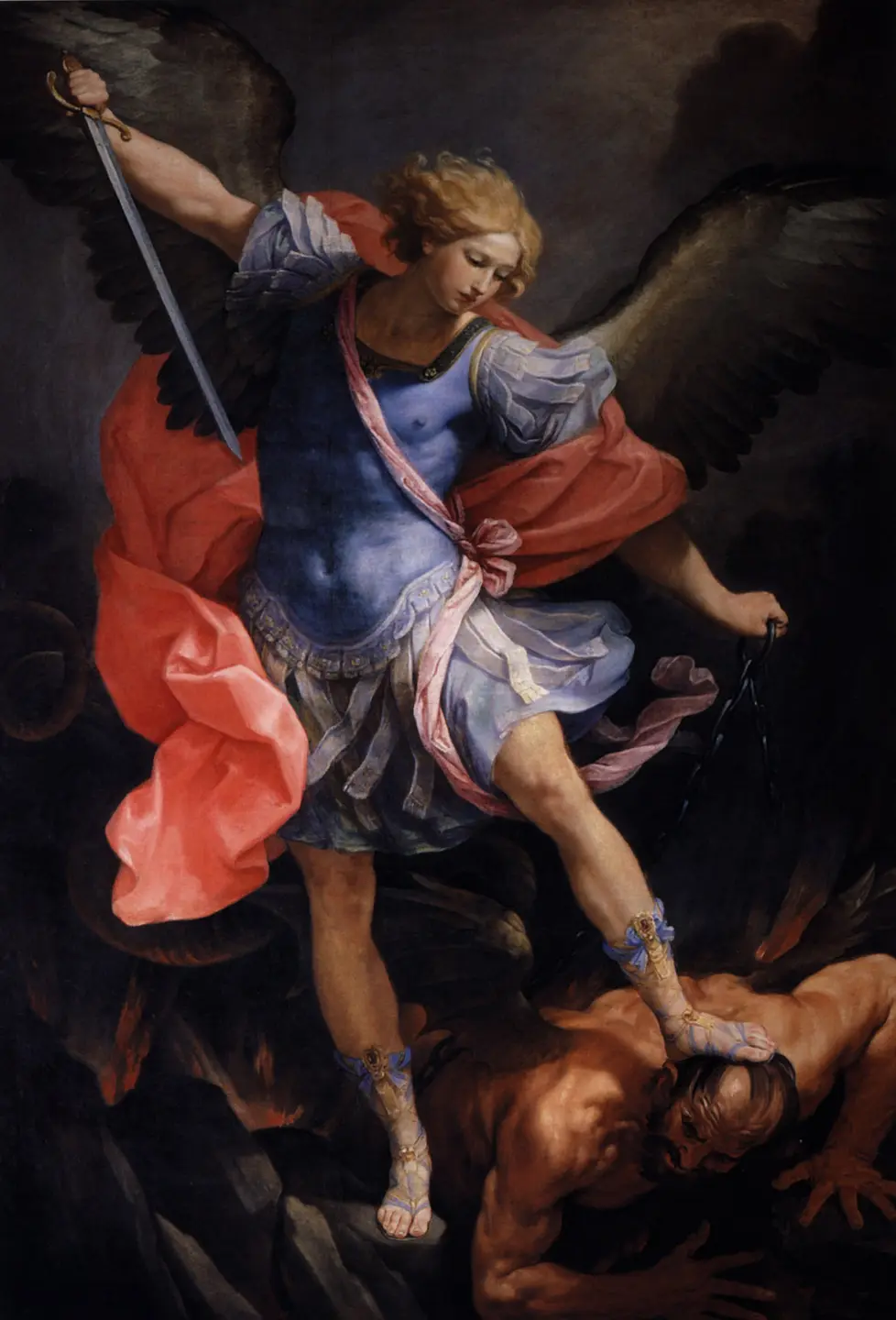
Monotheism and religious dualism concern different questions about ultimate reality. The presence of an adversary does not automatically establish two equal divine principles.
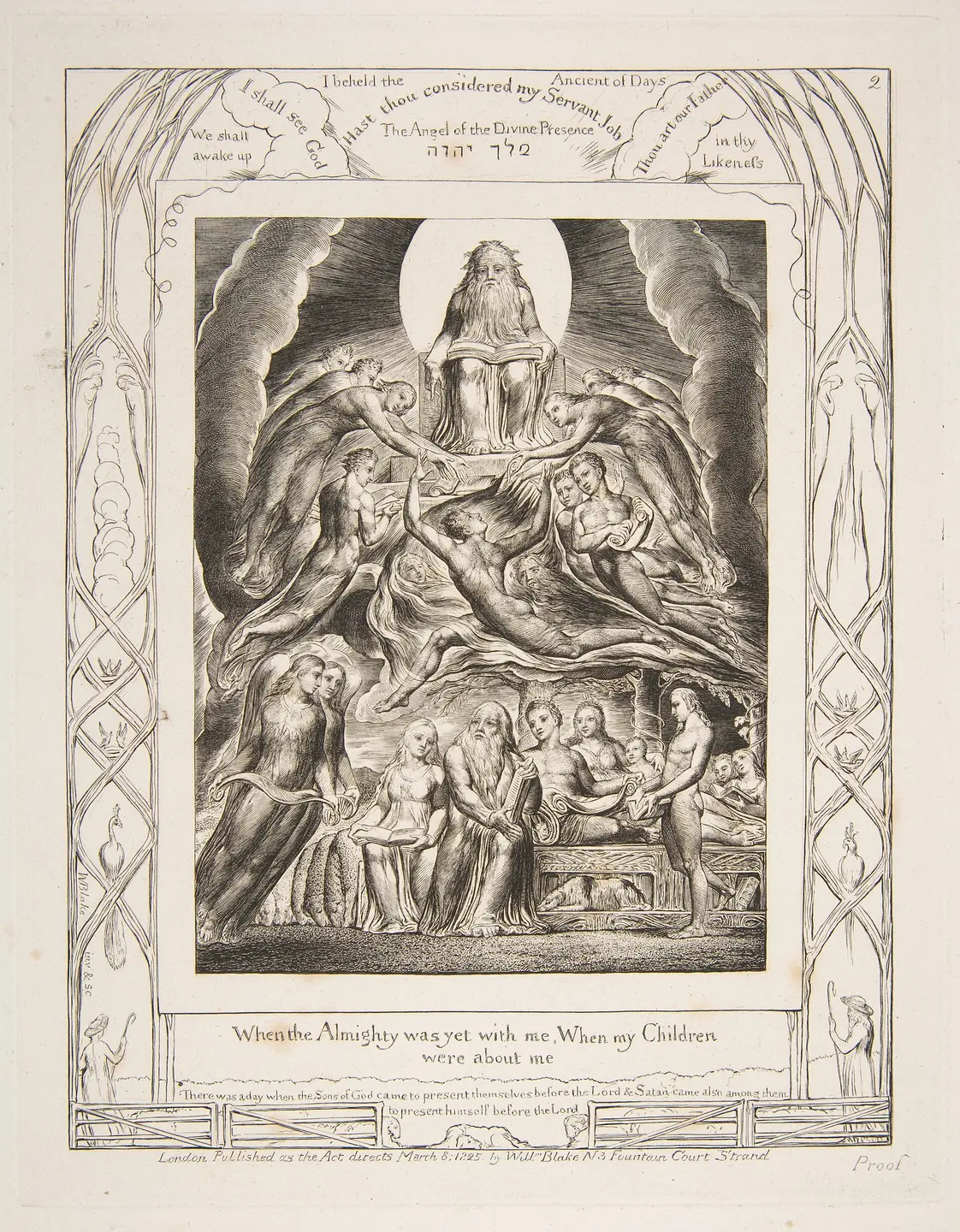
Job 1–2 presents Satan in a heavenly assembly and in a dispute about Job’s righteousness. The passage should be read before later accounts of Satan’s origins are supplied.
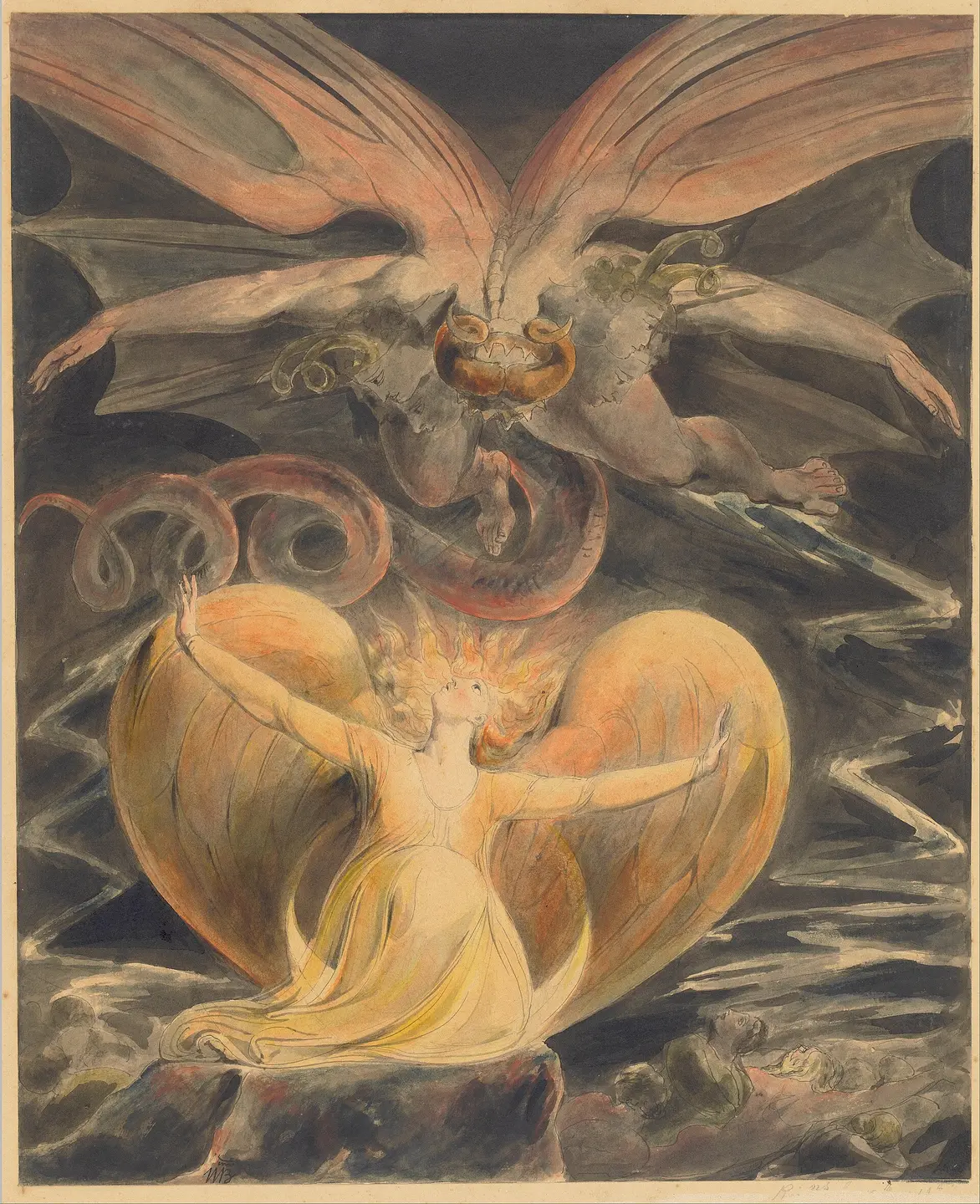
Revelation 12 identifies its dragon with the Devil and Satan. The chapter’s imagery should be read in its apocalyptic narrative before being used to interpret other passages.