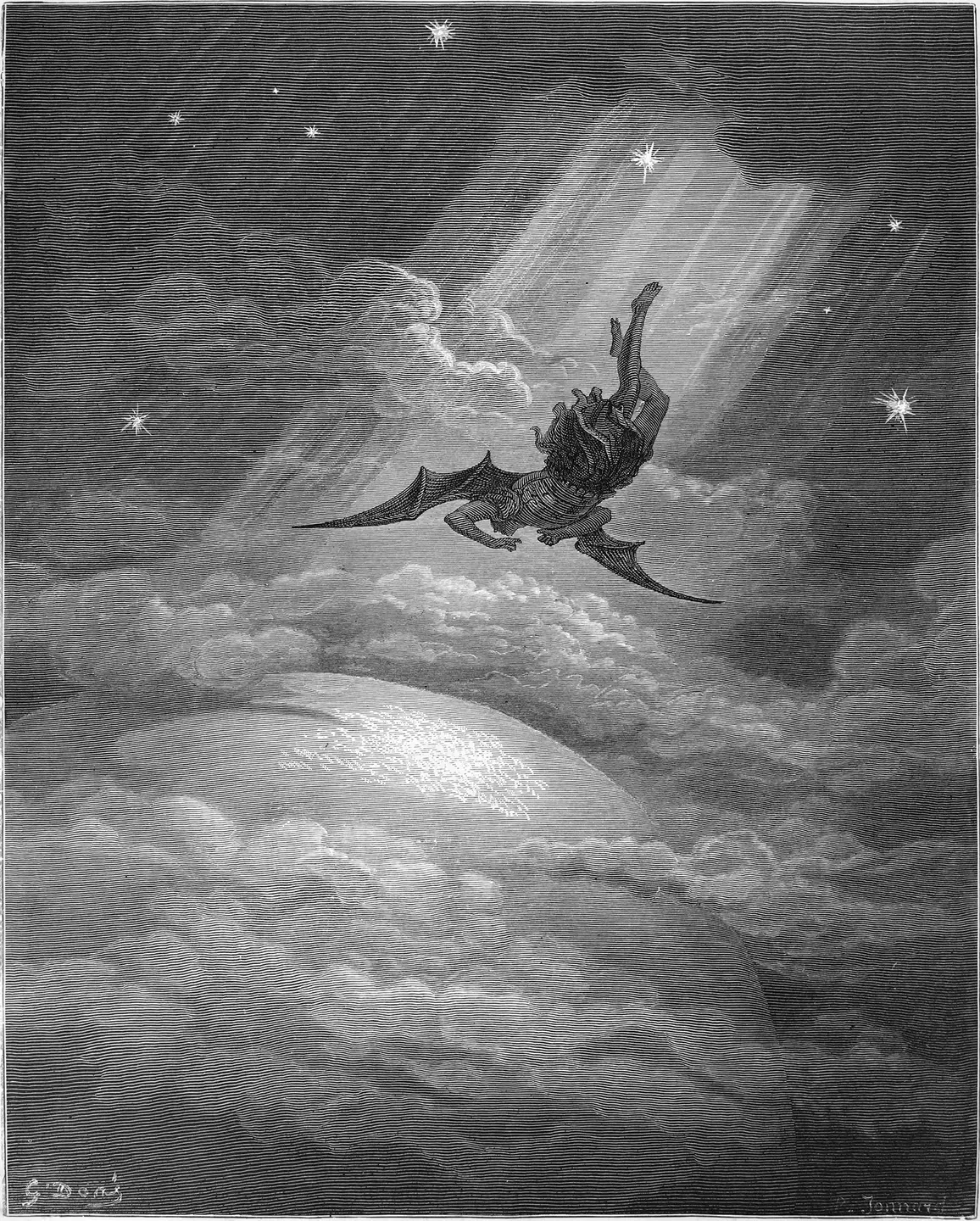
Theistic Satanism
Luciferianism
Luciferianism describes different religious and philosophical approaches that give Lucifer a positive role. Belief, practice, and identity vary among writers and communities.
Luciferianism describes different religious and philosophical approaches that give Lucifer a positive role. Belief, practice, and identity vary among writers and communities.
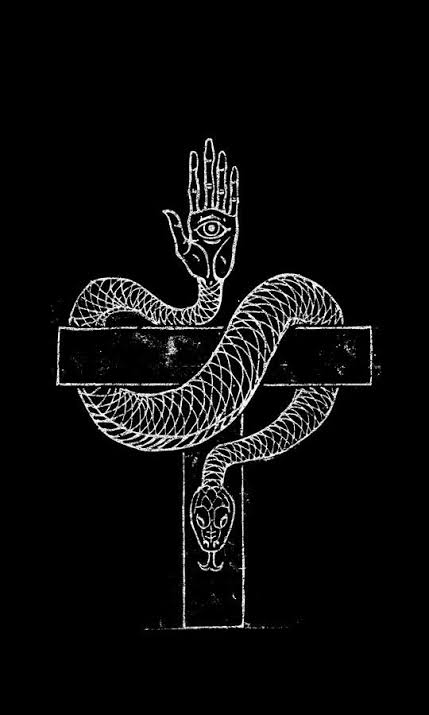
The left-hand path is a modern esoteric category used for religious and magical currents that emphasize themes such as individual self-direction, antinomianism, self-deification, initiatory transformation, or deliberate engagement with symbols rejected by dominant religious culture. It overlaps with some forms of Satanism, Luciferianism, Setianism, and modern occultism, but the terms are not synonymous.

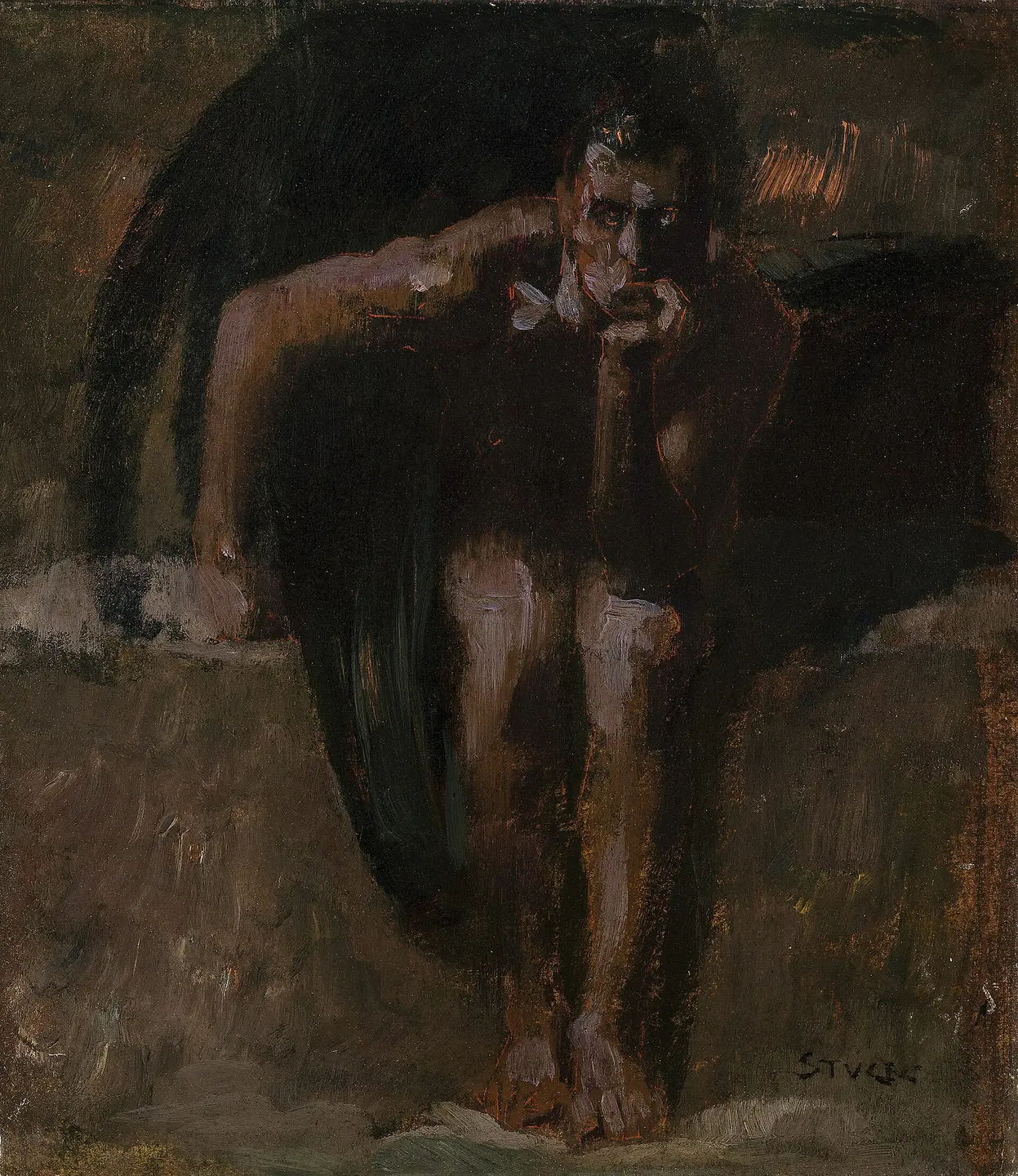
Lucifer is a name whose religious meaning developed from an ancient expression for the morning star into one of the best-known names associated with the Devil, fallen angels, occult illumination, and modern Luciferian religion. The word itself is Latin: lūcifer means “light-bringer” or “light-bearer” and was used for the planet Venus when it appeared before sunrise. The later equation “Lucifer = Satan”…
Theistic Satanism is a family of religious positions in which Satan is understood as an actually existing spiritual being, deity, intelligence, or metaphysical presence, rather than only a literary symbol or political metaphor. It is not a single church or creed. The term is best used as an umbrella for practitioners and groups whose beliefs differ on the nature of Satan, the status of other spirits,…
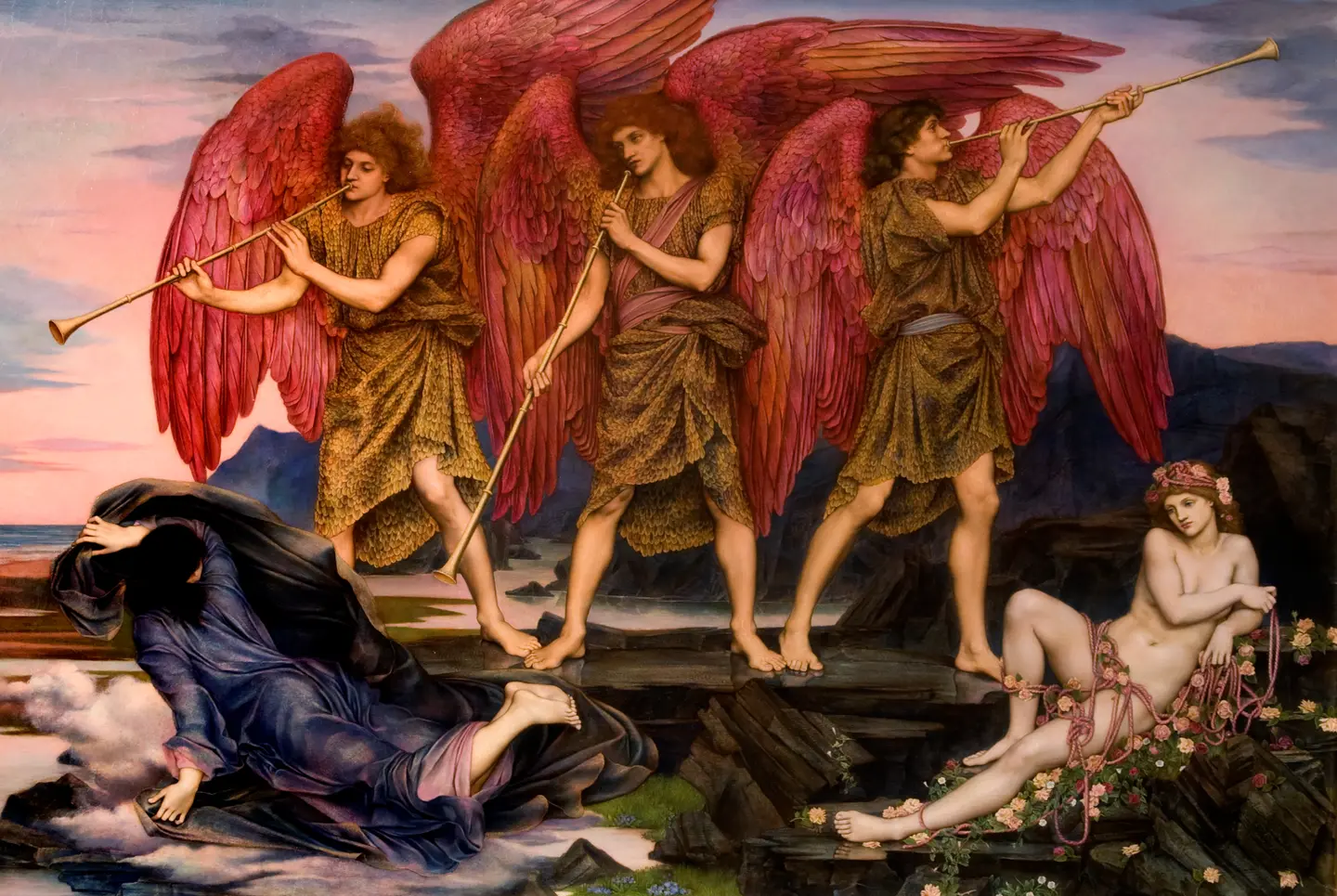
Isaiah 14 addresses the downfall of a ruler through an image of a fallen morning star. Later religious interpretations connect the passage with Lucifer and Satan.
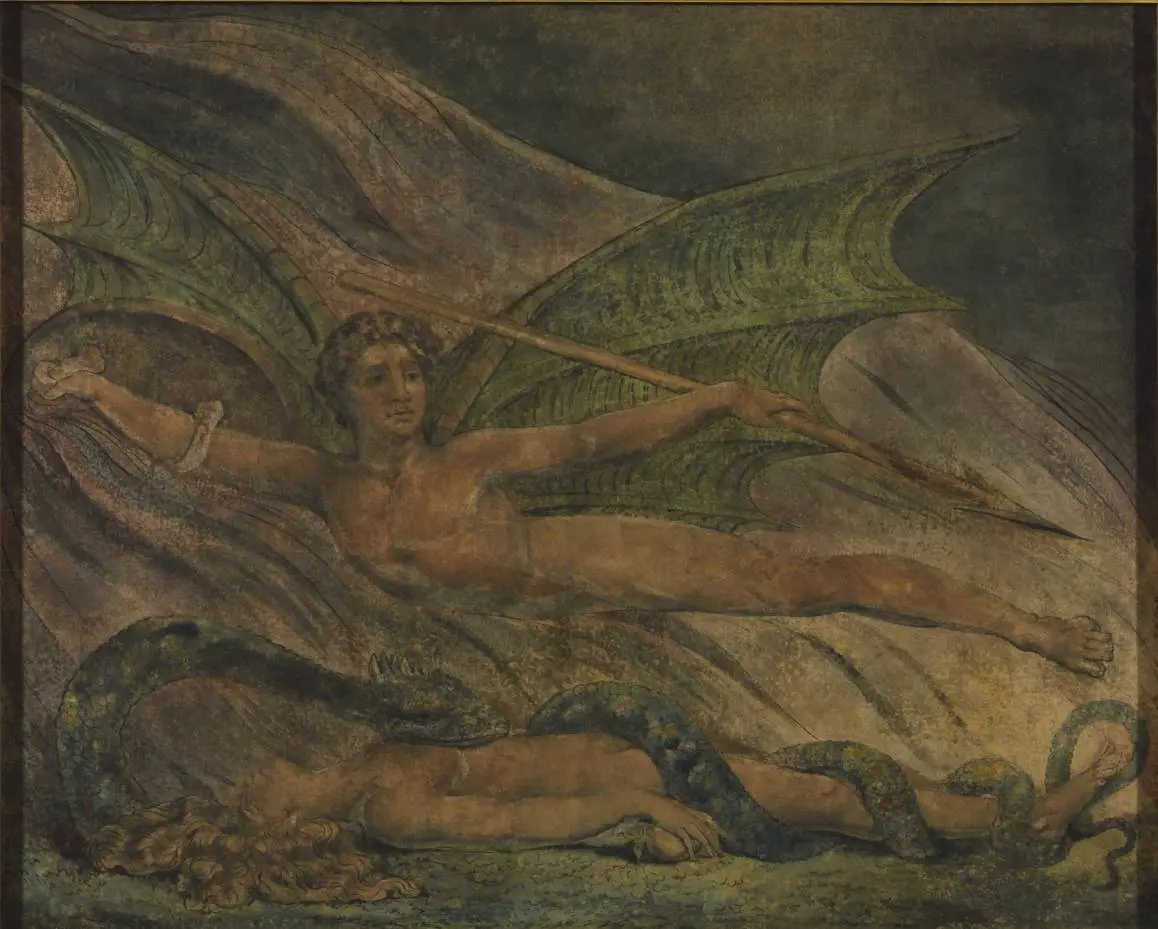
Romantic Satanism concerns literary and political readings that give Satan a positive role in opposition to tyranny or conventional authority. It should be distinguished from membership in a religious organization.