History
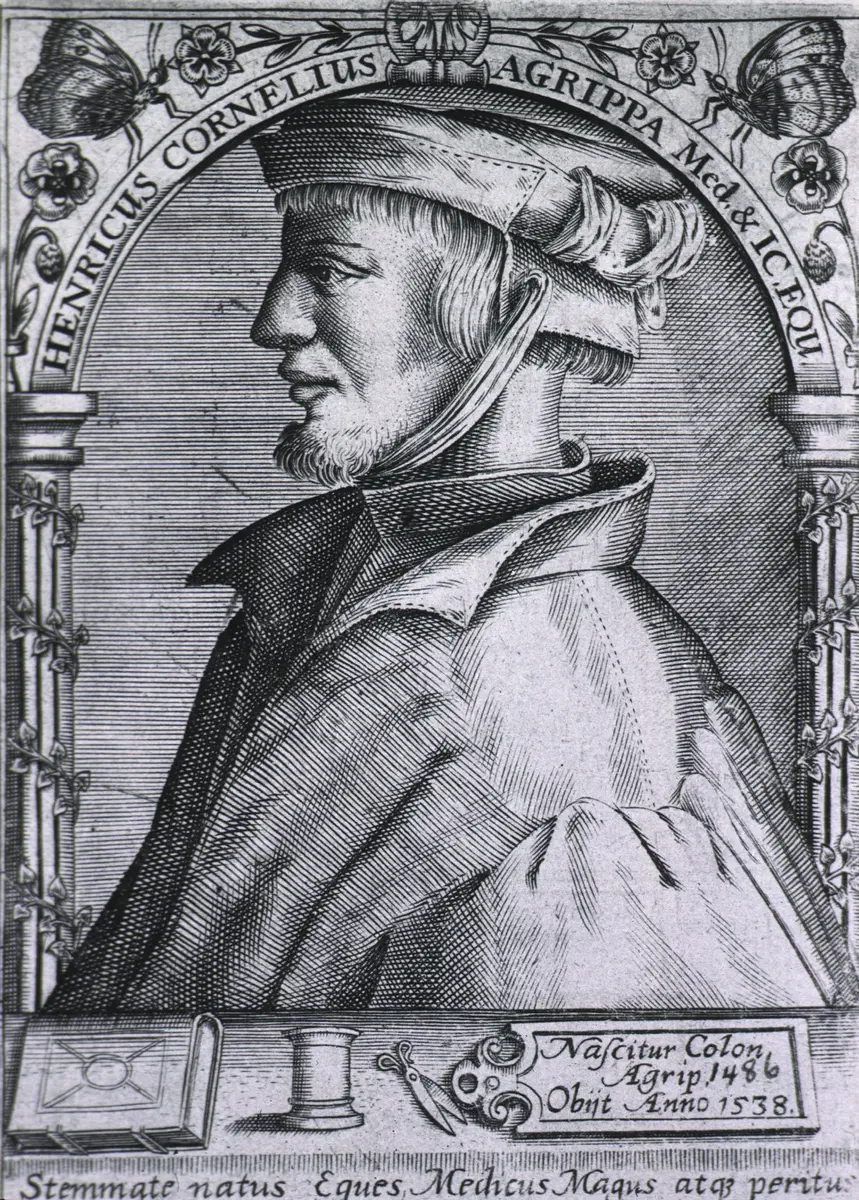
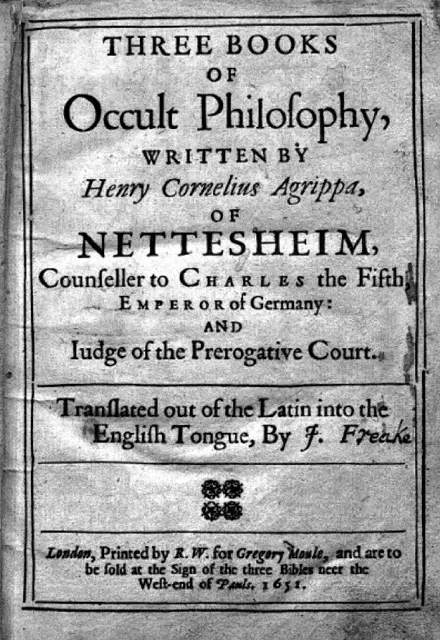
Heinrich Cornelius Agrippa
A Renaissance author whose Three Books of Occult Philosophy became a major source for Western magical systems.
A Renaissance author whose Three Books of Occult Philosophy became a major source for Western magical systems.
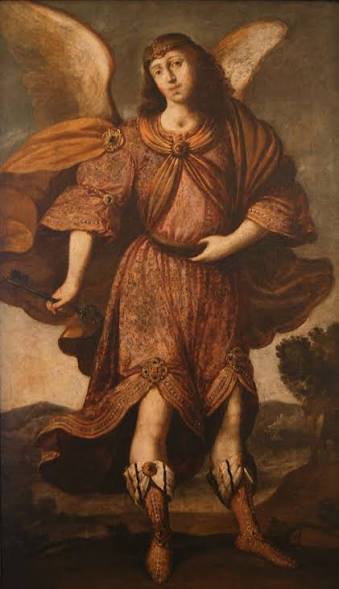
Raziel is an angel associated with the revelation of divine secrets, especially the legendary book given to Adam. His name appears in Jewish interpretive and magical literature and later Western esotericism, where Agrippa connects him with Chokmah, or Wisdom.
Agrippa’s Renaissance synthesis of natural, celestial, and religious magic.
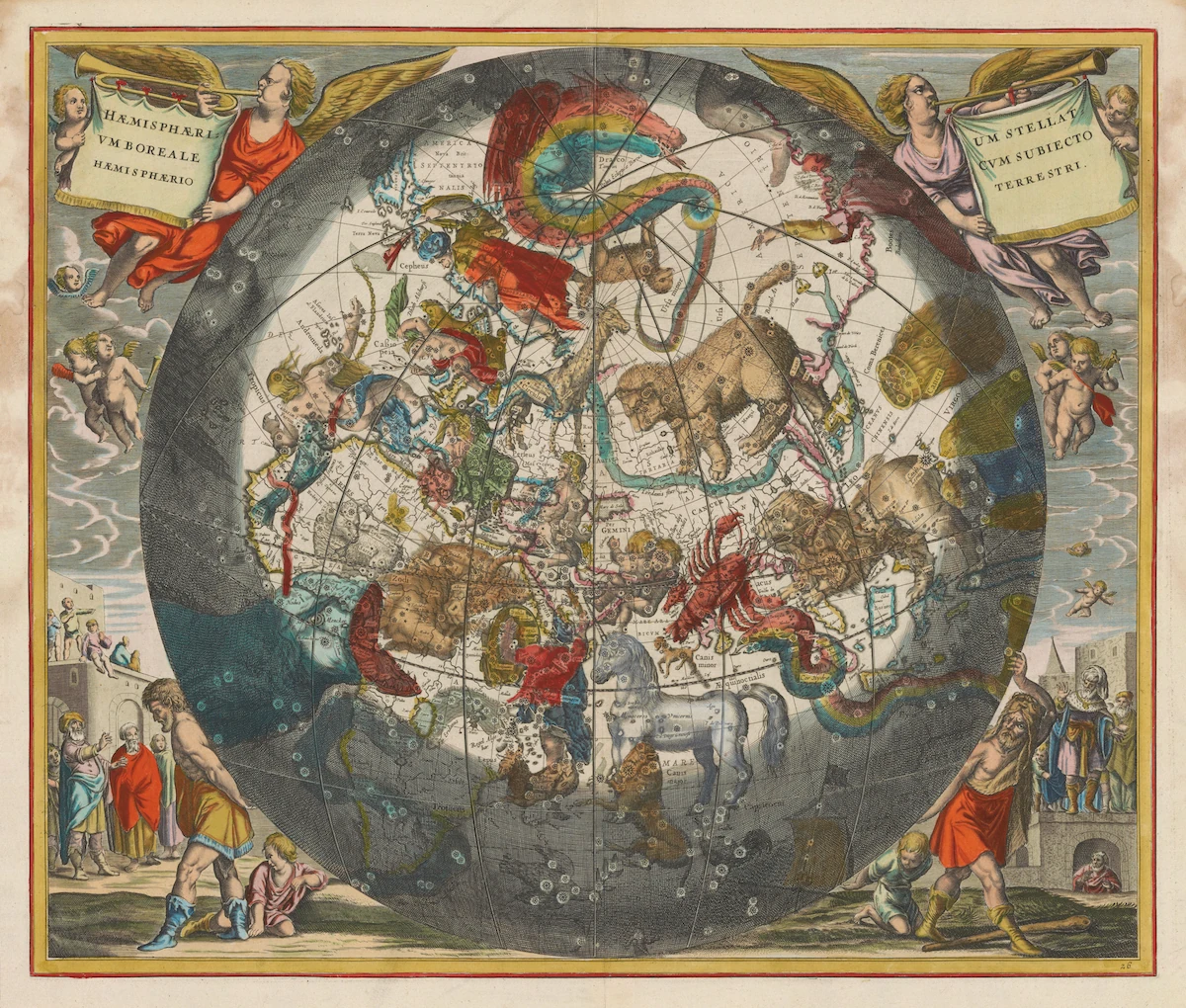
Magical systems using the seven traditional planets through timing, correspondences, images, and invocations.
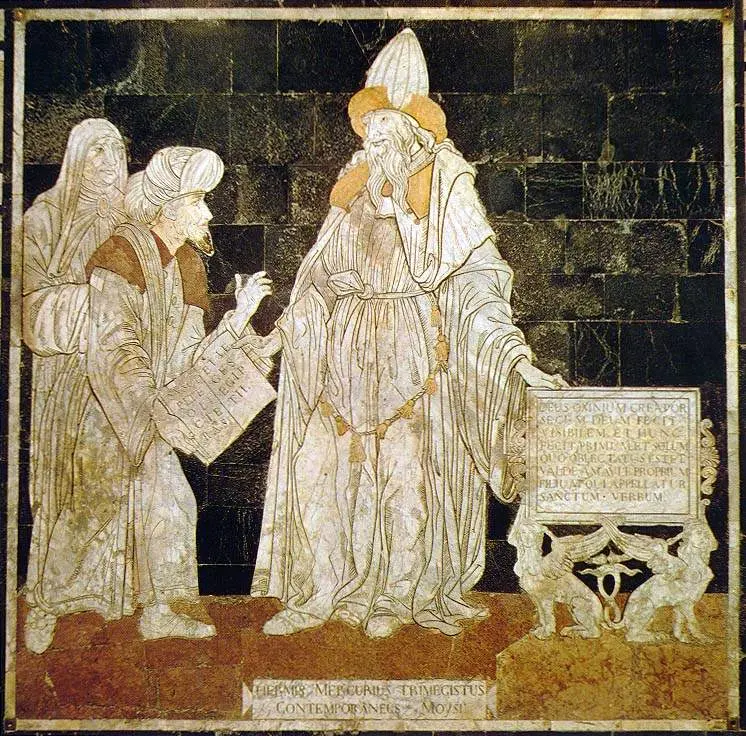
Hermeticism names several related traditions associated with Hermes Trismegistus. Philosophical dialogues, alchemical texts, and later occult systems require separate historical treatment.
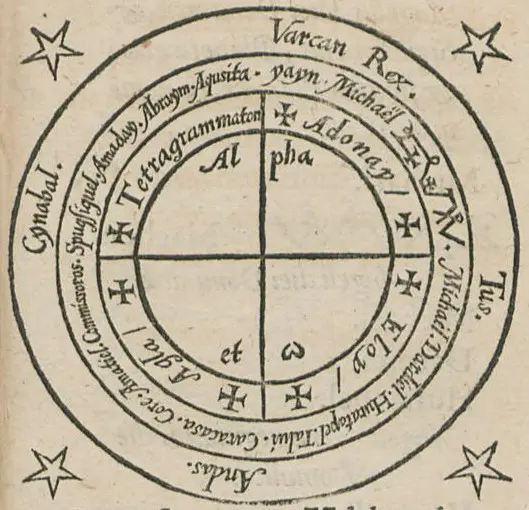
A grimoire of angelic conjuration organized around the seven days of the week.
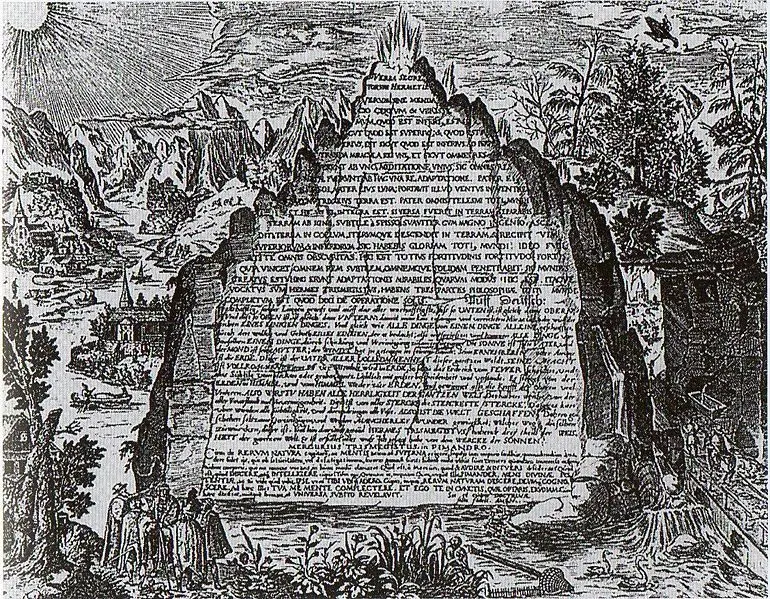
Alchemy concerns historical approaches to material transformation and the interpretation of nature. Spiritual readings form part of its reception but should not replace the material history.
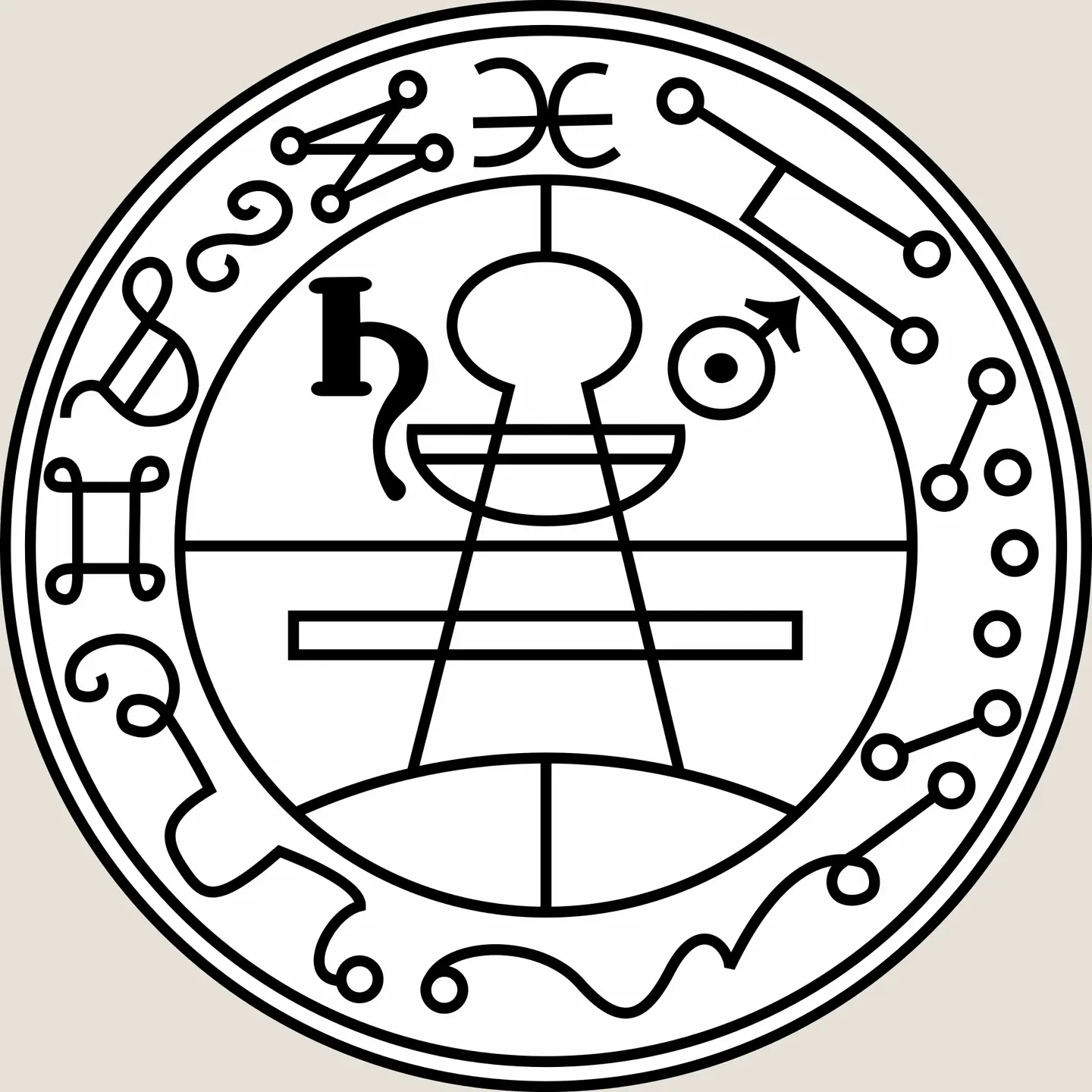
Sigils are graphic signs used in particular magical systems. Historical spirit seals, ceremonial figures, and modern personal signs should be distinguished.
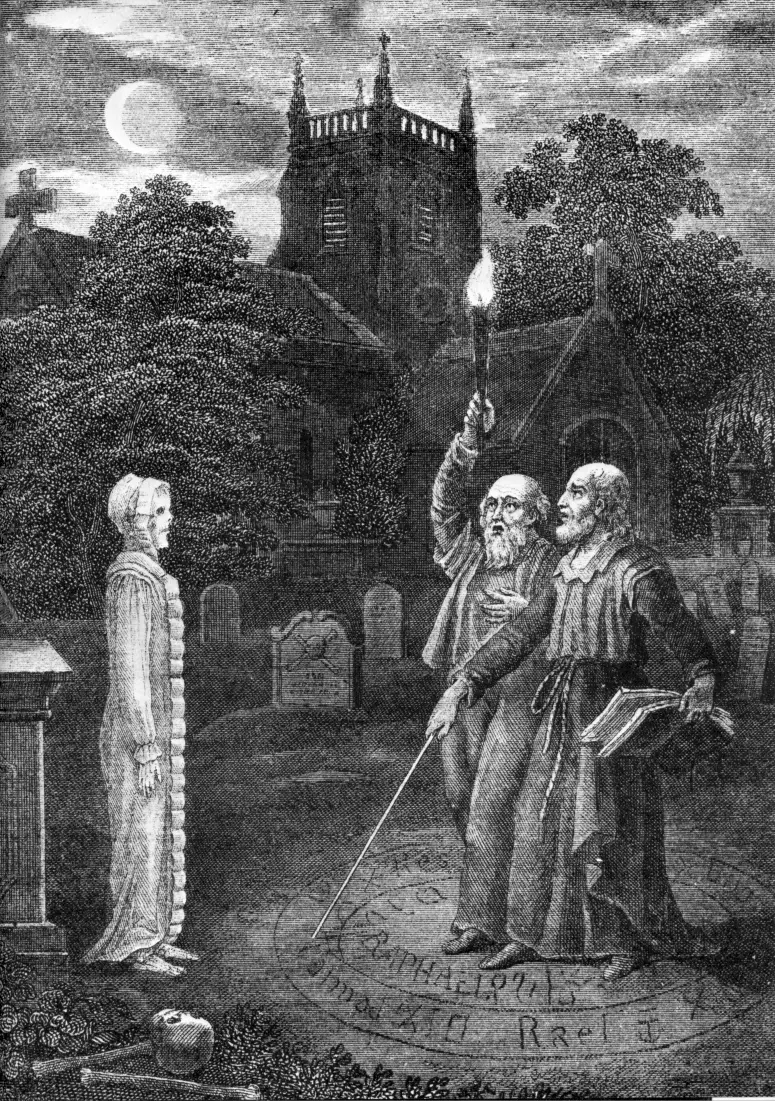
Invocation and evocation are terms used for related but differently framed religious or magical actions. Their definitions vary between authors and practice systems.
Ceremonial magic uses formally organized ritual actions. Its historical systems combine preparation, symbols, instruments, and accounts of spiritual authority in different ways.
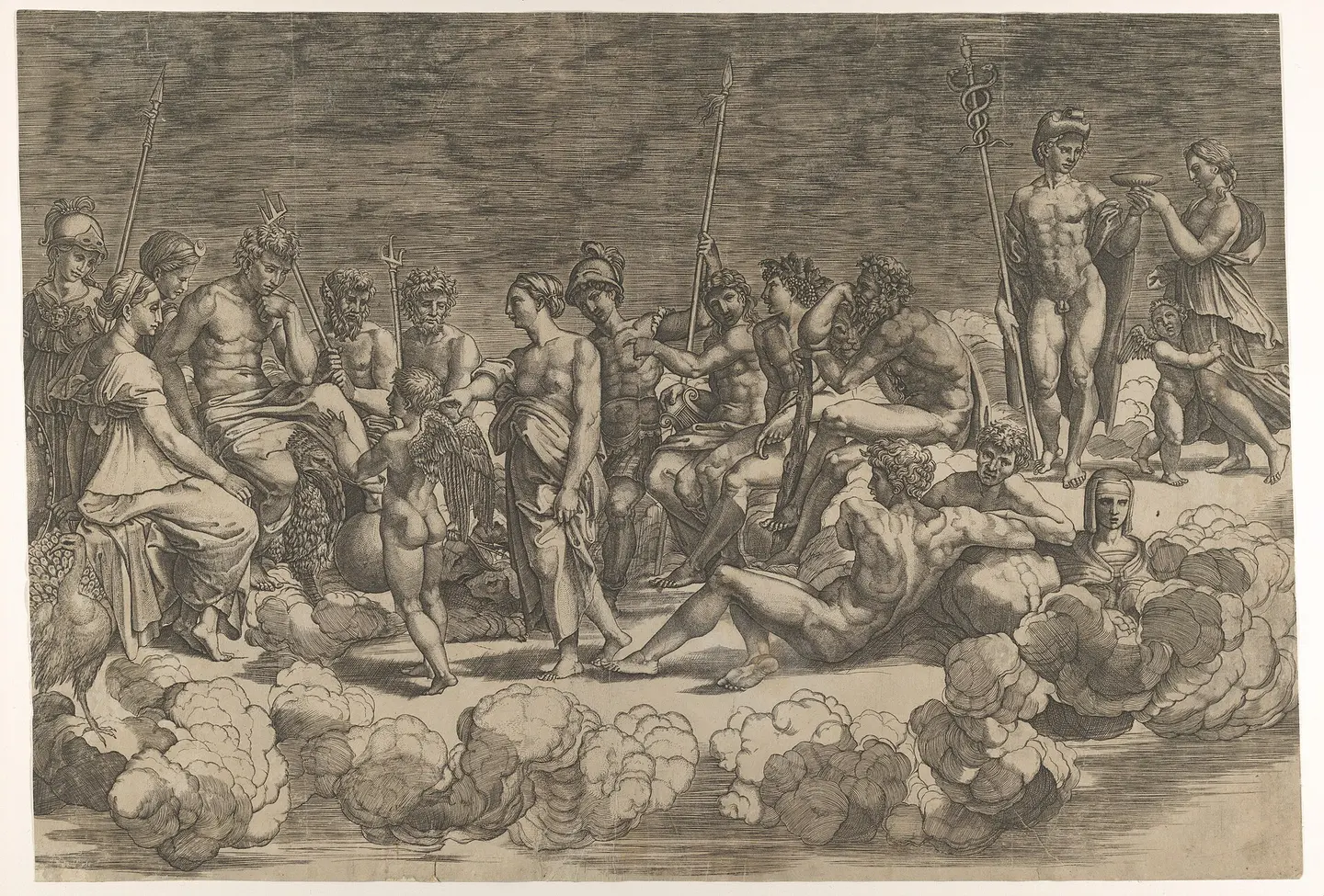
Polytheism involves belief in multiple deities. The existence of several gods does not by itself settle their relationships, moral authority, or the forms of devotion directed toward them.
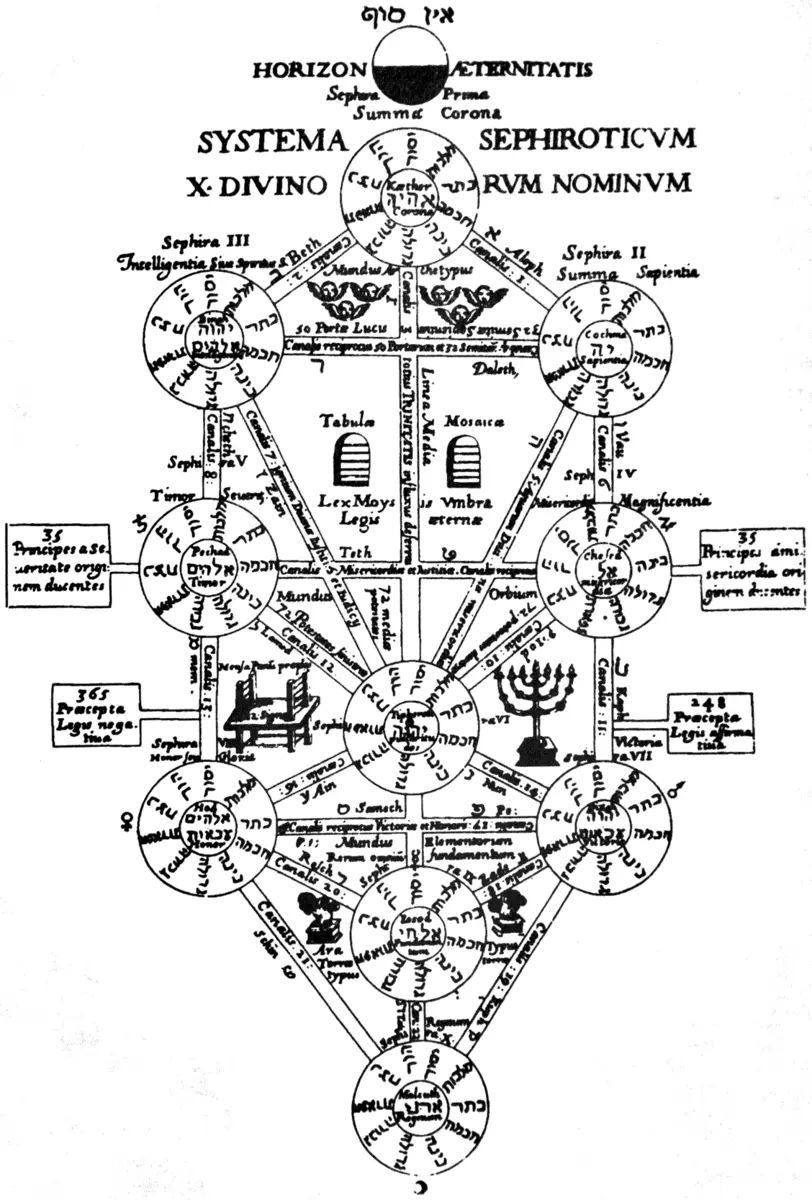
Western esoteric systems that adapt Kabbalistic ideas through ritual, correspondence tables, and symbolic interpretation.
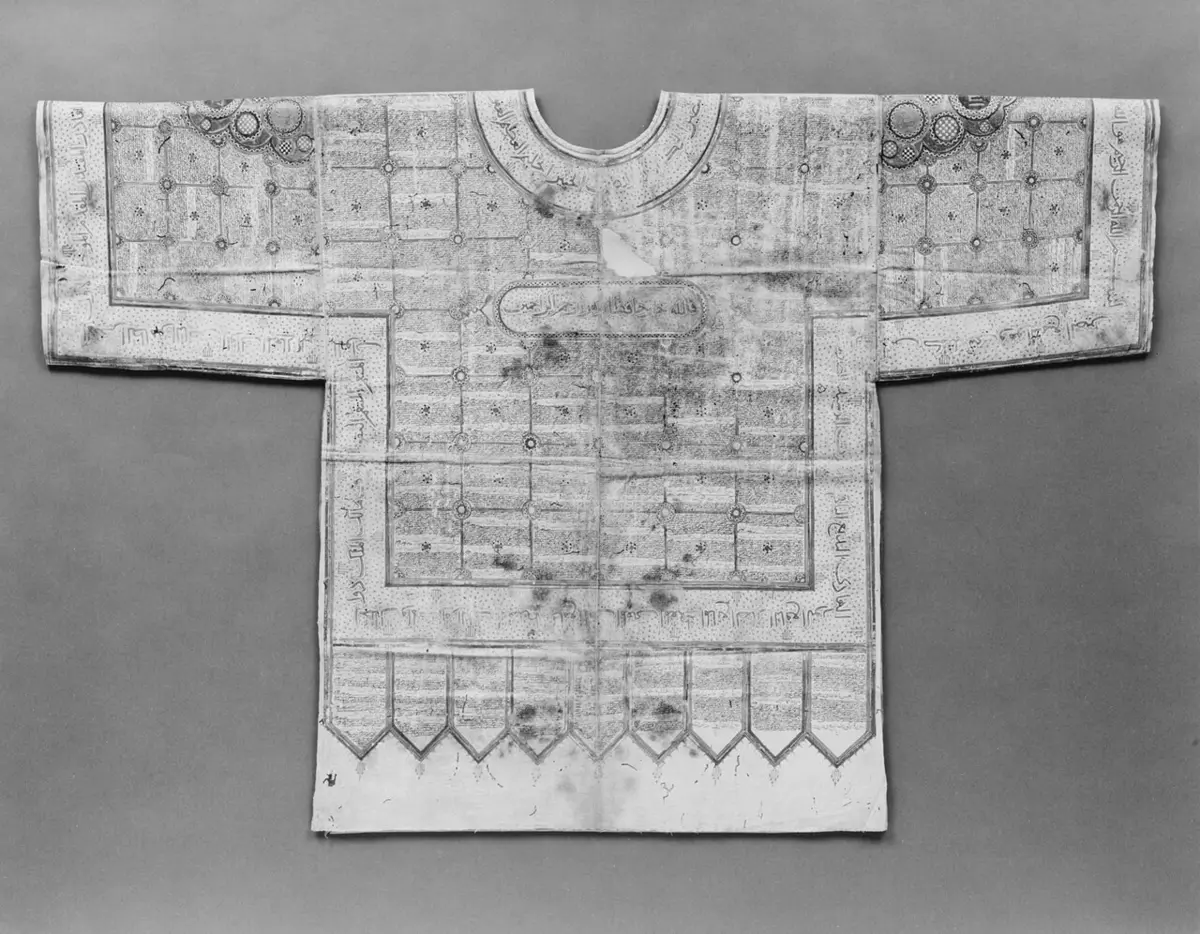
Objects prepared or used for a particular effect through inscriptions, images, materials, and ritual meaning.
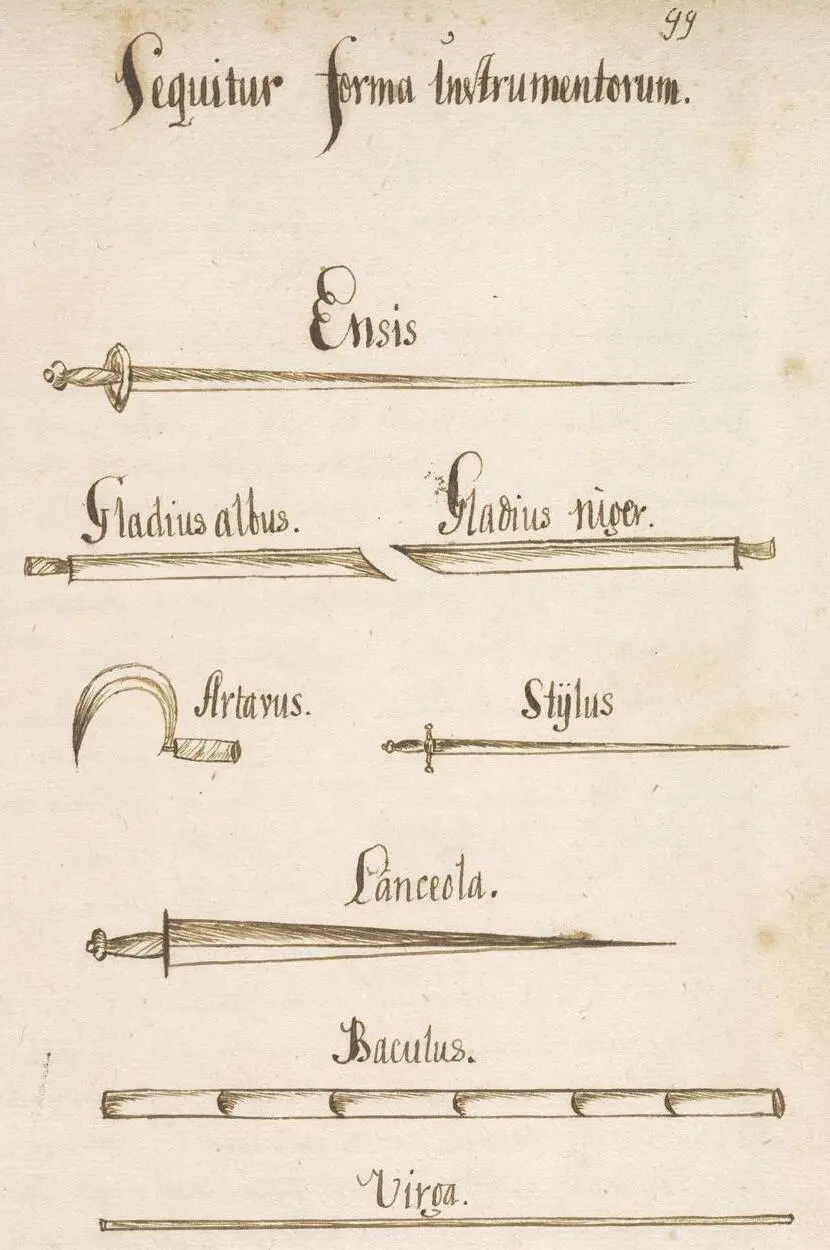
The Key of Solomon is a transmitted family of magical texts concerning preparation, ritual, and ceremonial instruments. It should be distinguished from the five-part Lesser Key of Solomon.
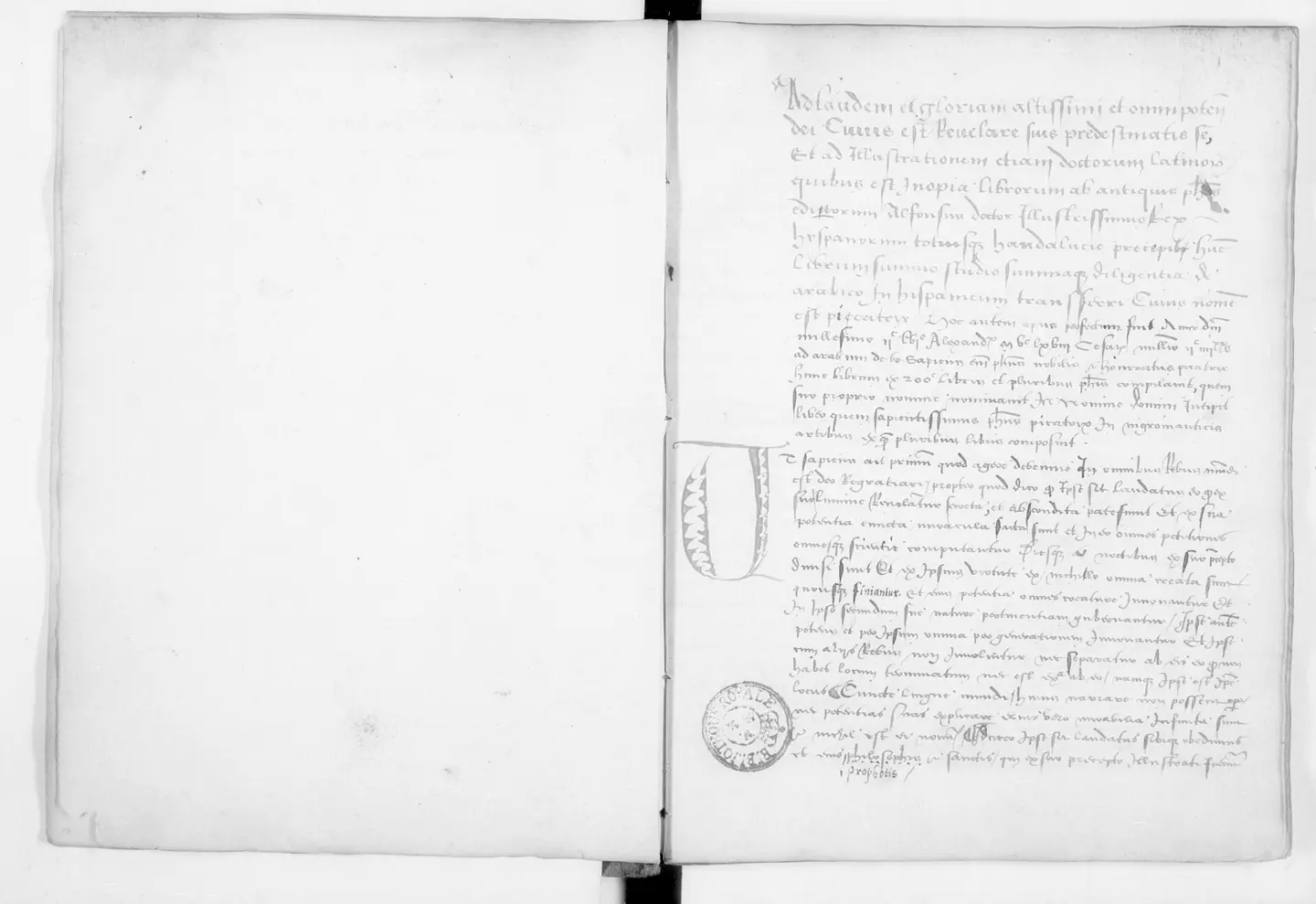
Picatrix is the Latin title associated with an influential Arabic work of astral magic. Its cosmological and ritual framework differs from a catalogue of Goetic spirits.
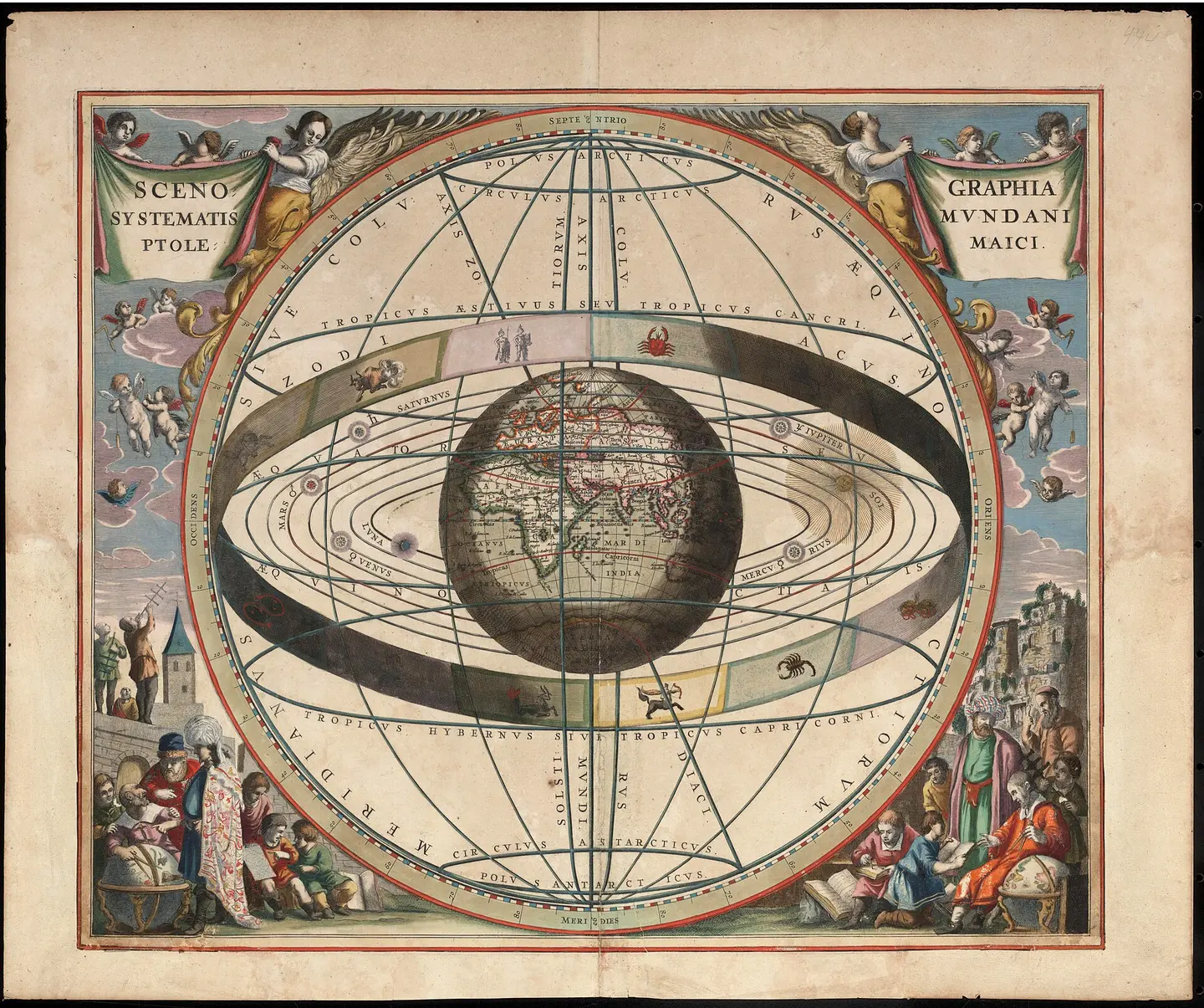
Astrology has supplied language and organizing systems to Western esoteric texts. Its historical role should be distinguished from demonstrated predictive effectiveness.
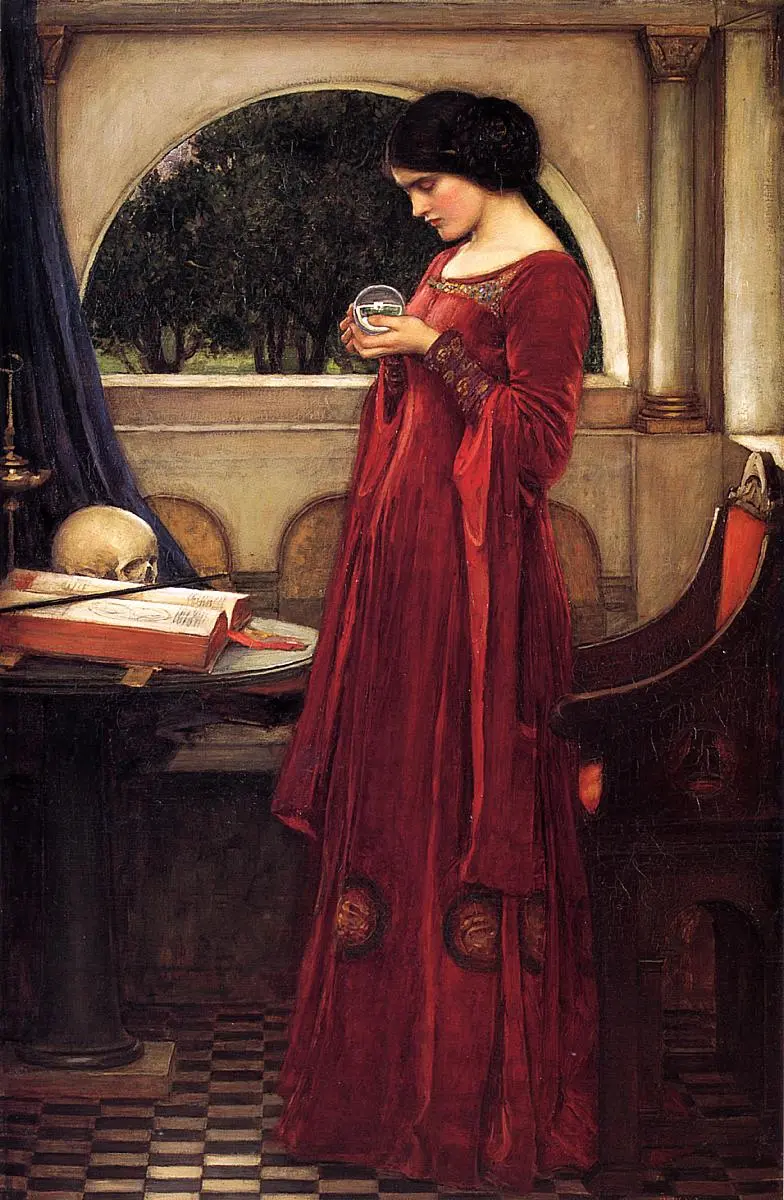
Divination consists of practices that interpret signs as answers, indications, or guidance. Methods differ in their religious assumptions and in the kinds of claims they make.
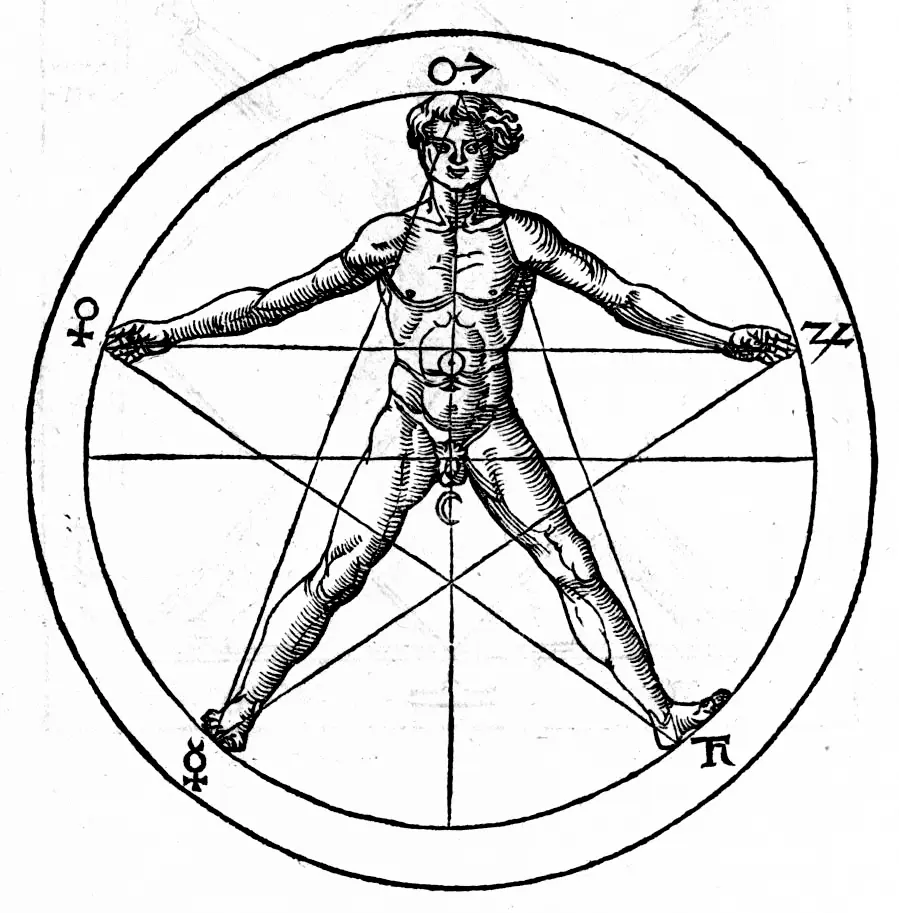
A pentagram is a five-pointed star figure used in different religious and esoteric settings. Orientation and surrounding imagery matter, but do not establish one universal meaning.
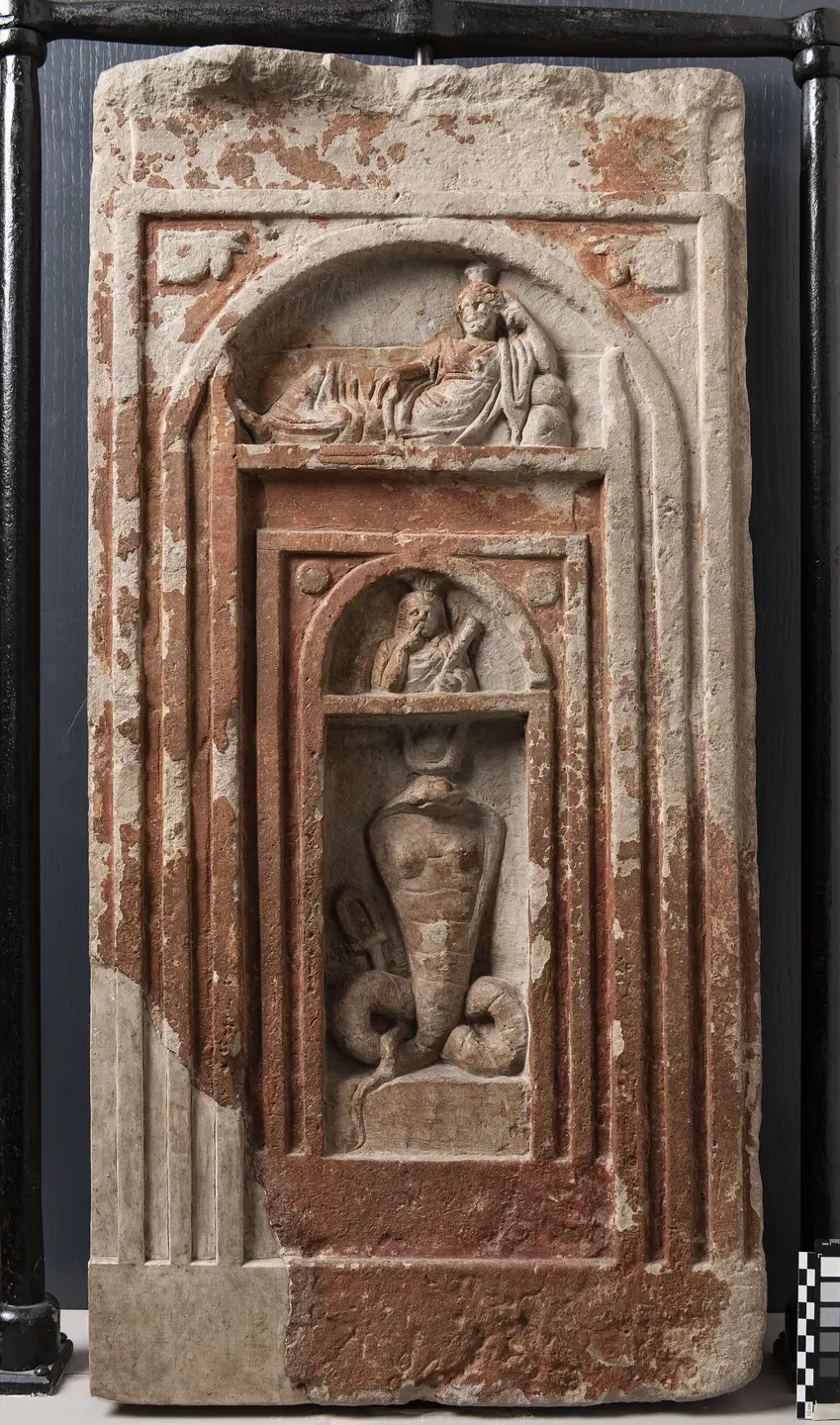
Religious syncretism concerns the combination of ideas, figures, and practices from different traditions. Similarity of names or imagery alone does not establish identity or historical continuity.