History
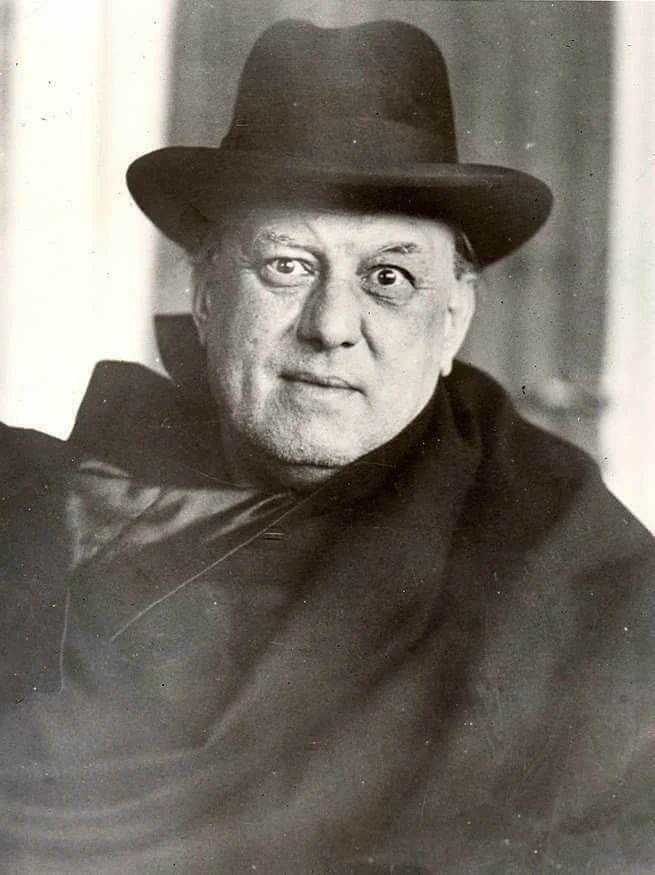
Aleister Crowley
The author and religious figure associated with Thelema, The Book of the Law, and a large body of magical instruction.
The author and religious figure associated with Thelema, The Book of the Law, and a large body of magical instruction.
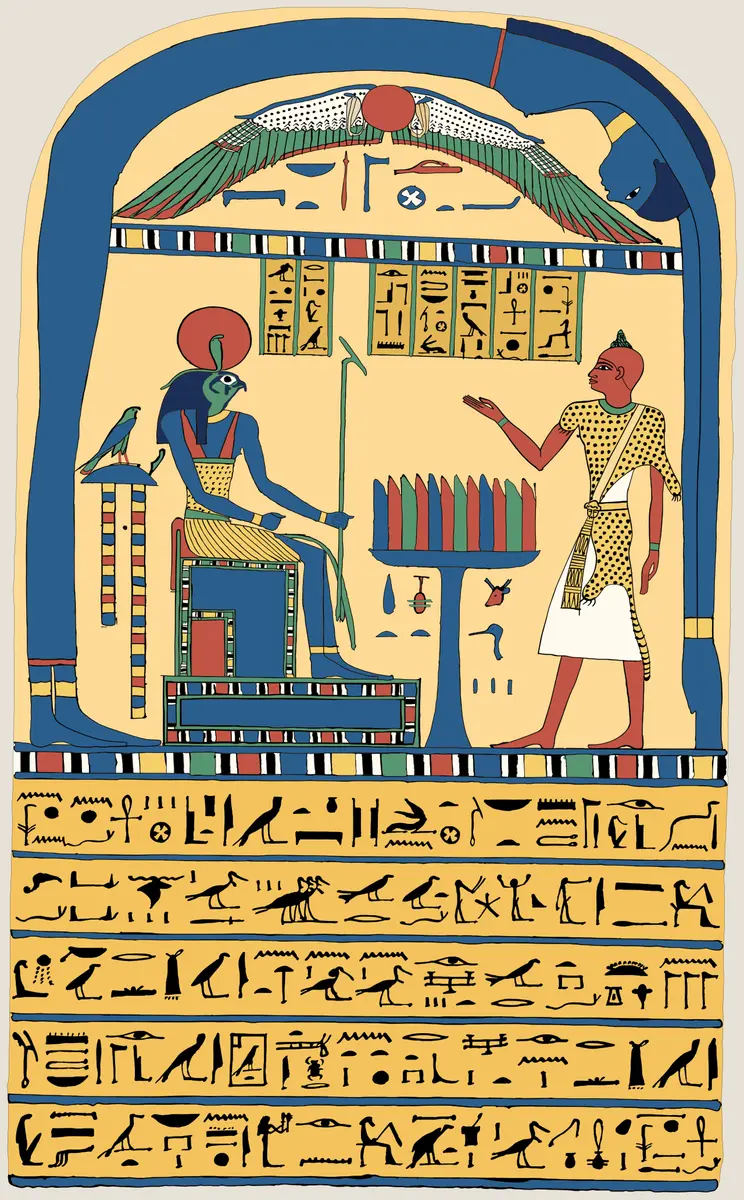
The religious and philosophical tradition associated with Aleister Crowley and The Book of the Law.
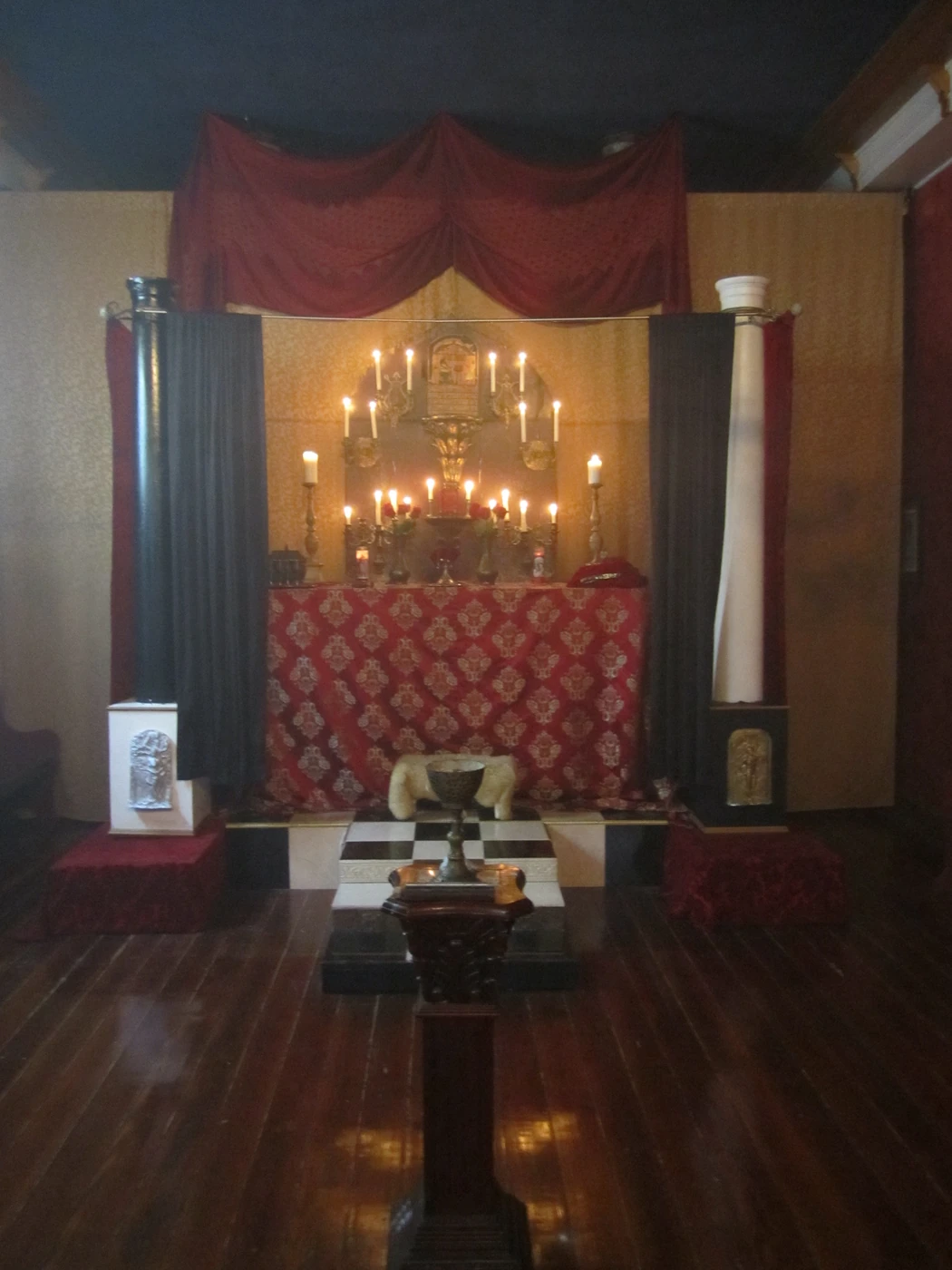
The central public liturgy of Ecclesia Gnostica Catholica, written by Aleister Crowley as Liber XV.
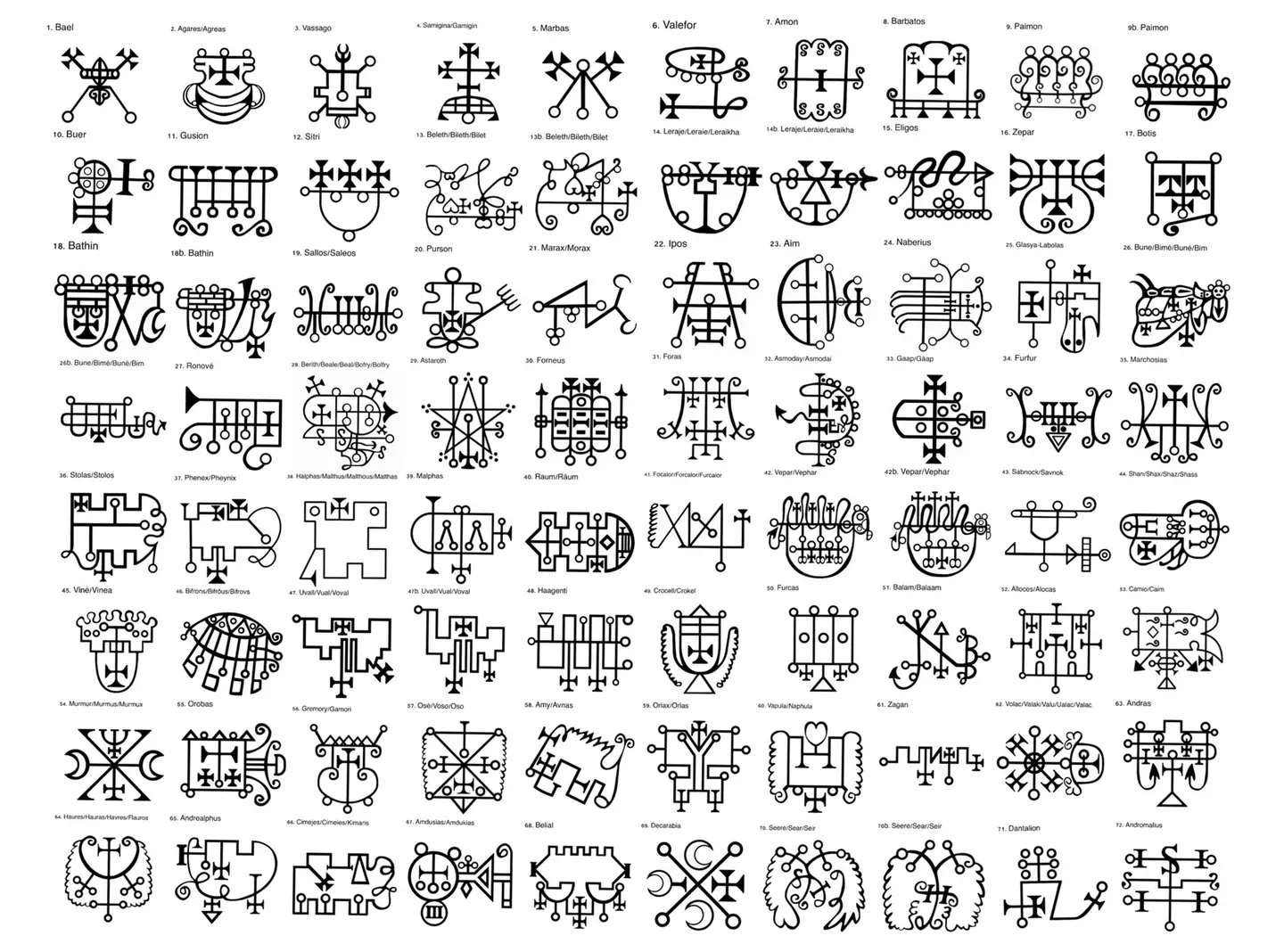
The Ars Goetia is the first section of the Lemegeton or Lesser Key of Solomon, an early modern English compilation of ceremonial magic. It is famous for a catalogue of seventy-two spirits, each described by name, rank, appearance, abilities, and a seal or character. In modern occultism the term “Goetia” is often used loosely for demon-summoning or work with these spirits, but historically the Ars Goetia…

An initiatory organization associated with Thelema and the public celebration of the Gnostic Mass.
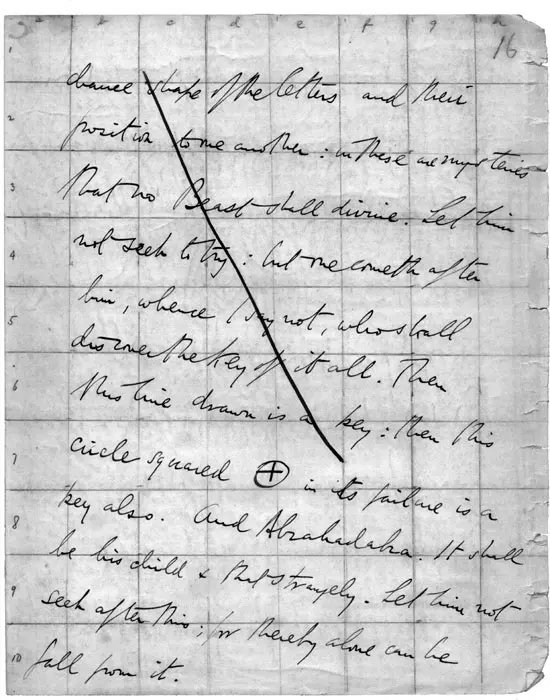
The three-chapter revelatory text at the center of Thelema, also titled Liber AL vel Legis.

A British occult writer associated with the Typhonian current, Thelema, and the work of Austin Osman Spare.
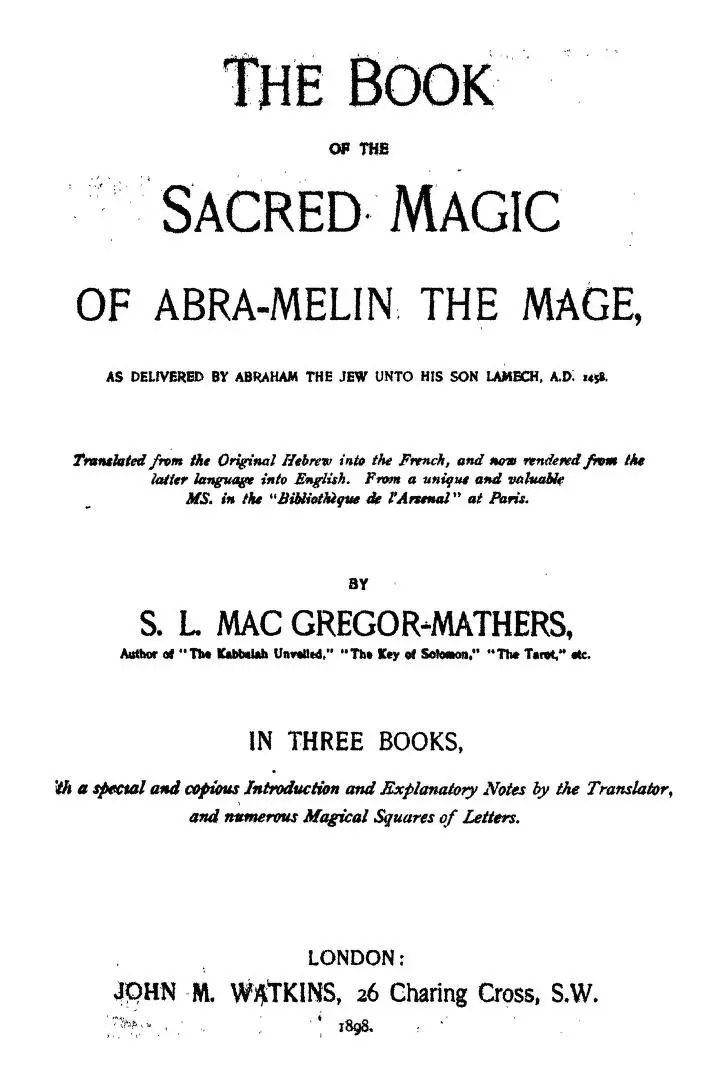
A grimoire built around religious preparation, the guardian angel, and subsequent work with spirits and magical squares.
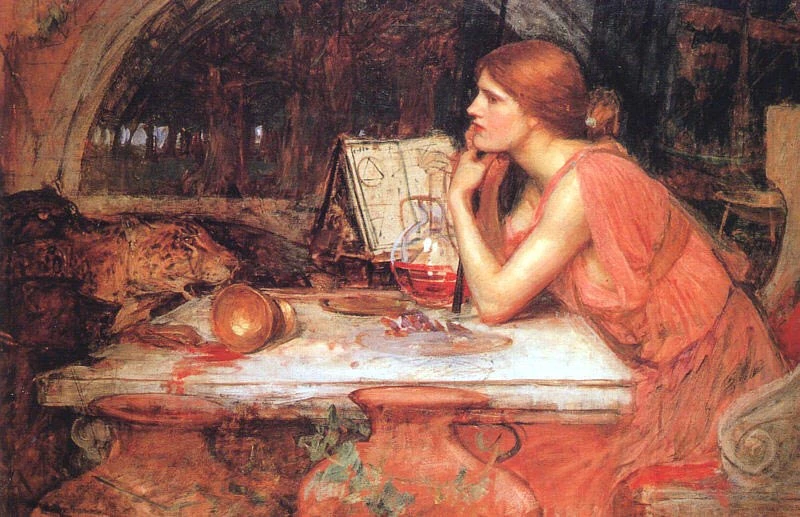
Ceremonies intended to clear, delimit, or reorder a ritual setting, with methods that vary by tradition.
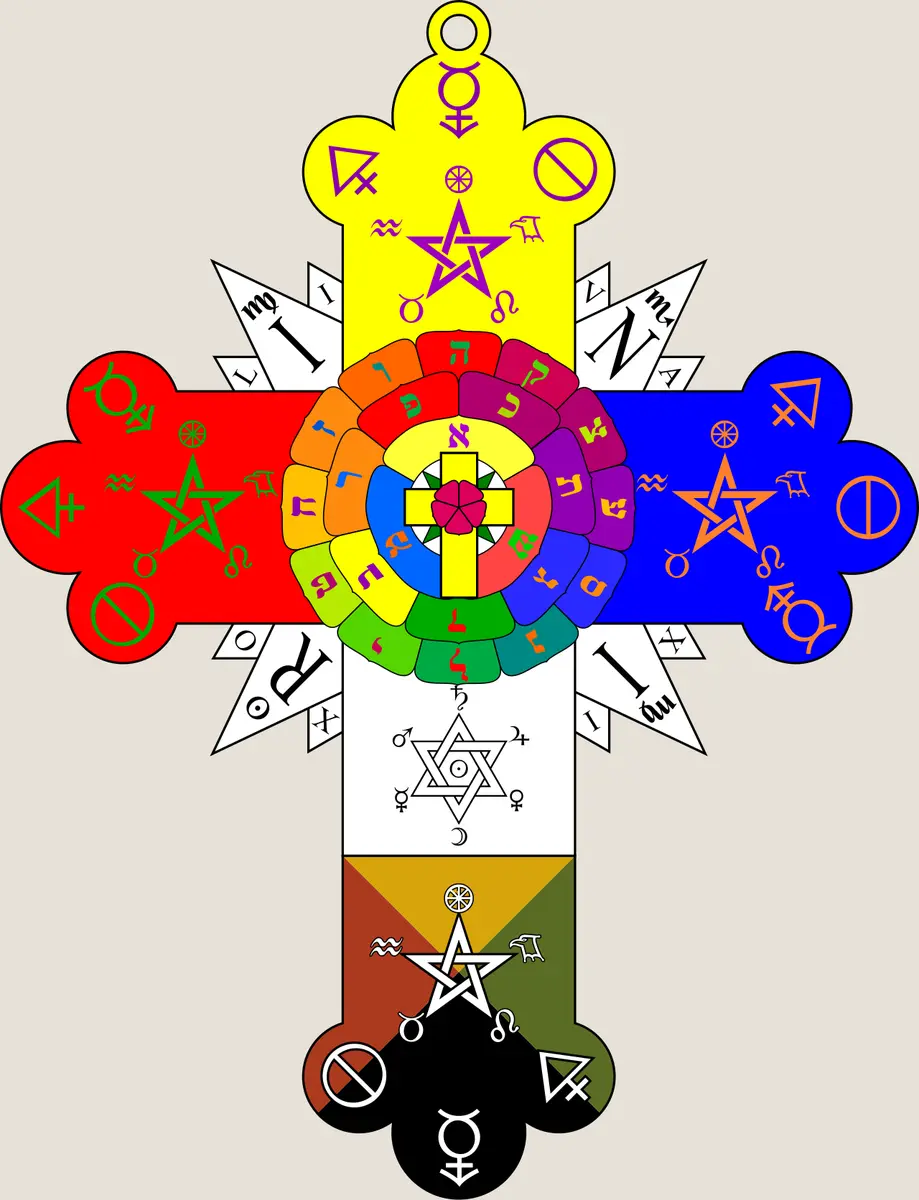
A late nineteenth-century British initiatory order that shaped modern ceremonial magic, Tarot, and Hermetic Qabalah.

A German magical fraternity whose teaching gives Saturn a central symbolic and initiatory role.
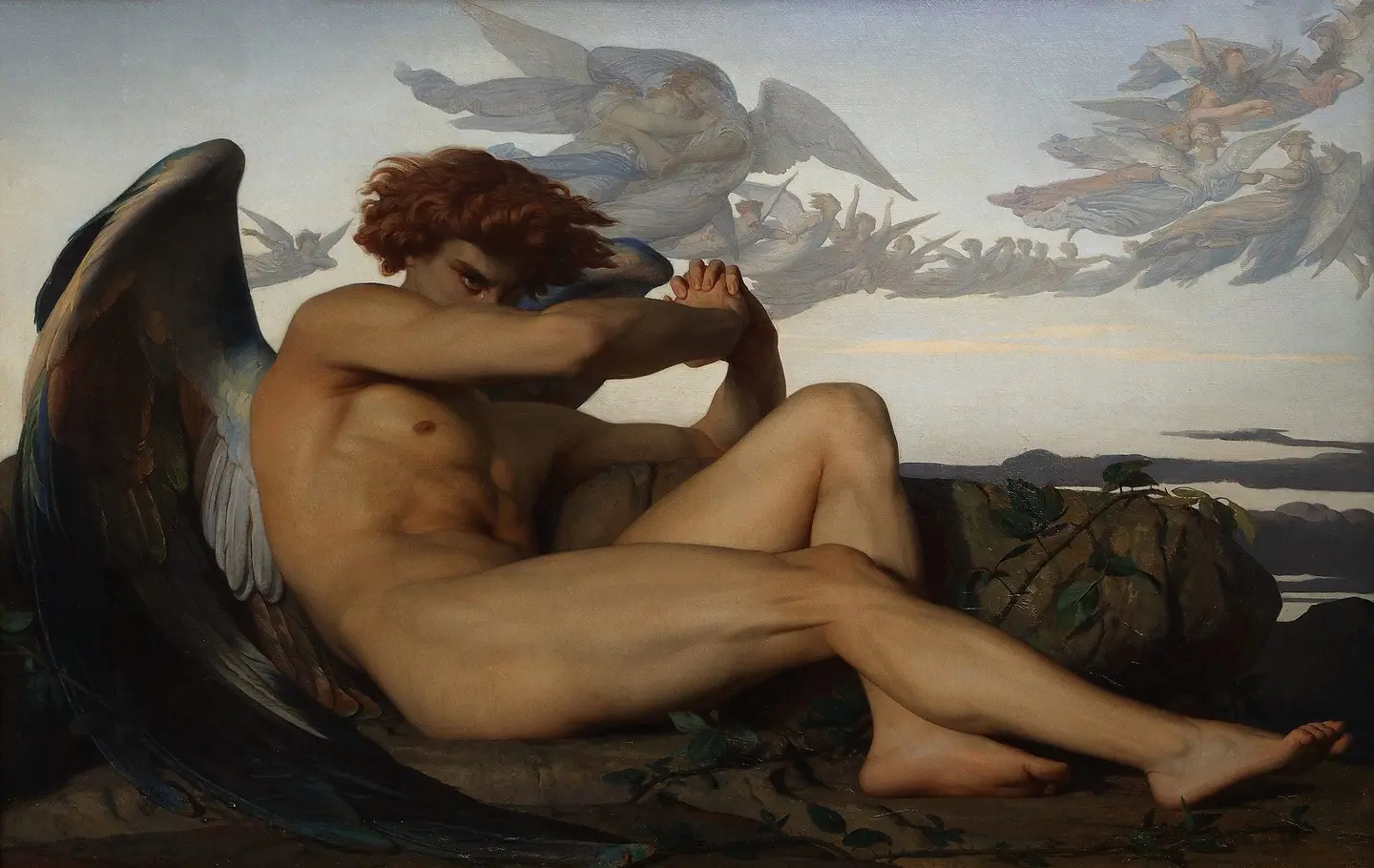
Lucifer is a name whose religious meaning developed from an ancient expression for the morning star into one of the best-known names associated with the Devil, fallen angels, occult illumination, and modern Luciferian religion. The word itself is Latin: lūcifer means “light-bringer” or “light-bearer” and was used for the planet Venus when it appeared before sunrise. The later equation “Lucifer = Satan”…

A divinatory or visionary practice involving a reflective surface, crystal, or other focus for reported images and messages.
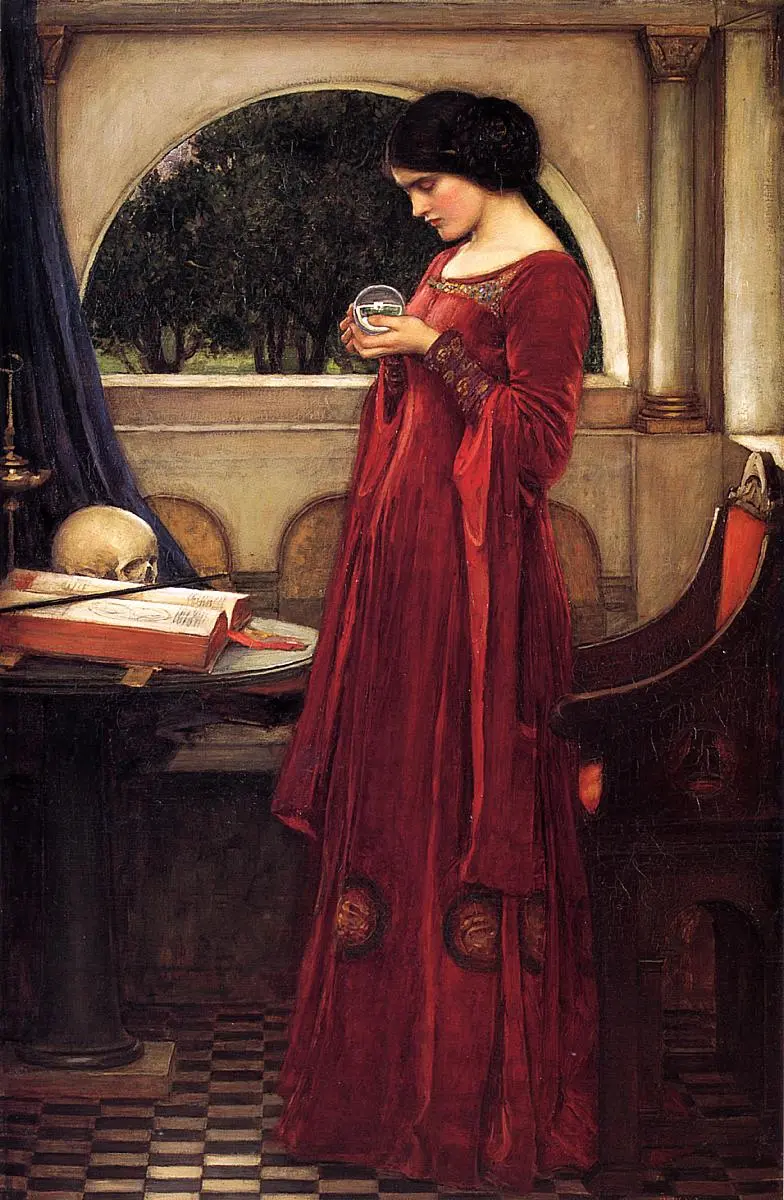
Divination consists of practices that interpret signs as answers, indications, or guidance. Methods differ in their religious assumptions and in the kinds of claims they make.
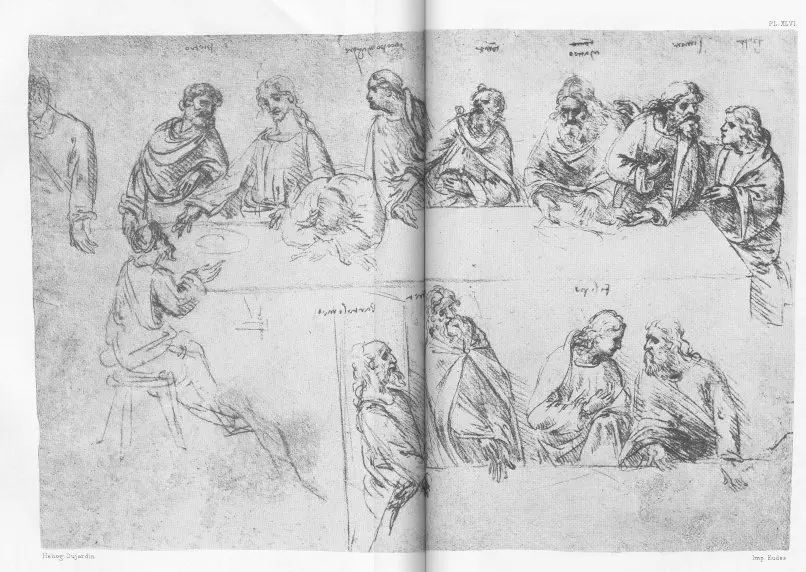
An occult diary records religious or magical work as it occurs. Separating observations from interpretations makes reflection and comparison more reliable.