
Texts & Sources
The Satanic Bible
Anton LaVey’s 1969 book of Satanic philosophy and ritual, foundational to the Church of Satan.
Anton LaVey’s 1969 book of Satanic philosophy and ritual, foundational to the Church of Satan.

The founder of the Church of Satan and author of The Satanic Bible and The Satanic Rituals.
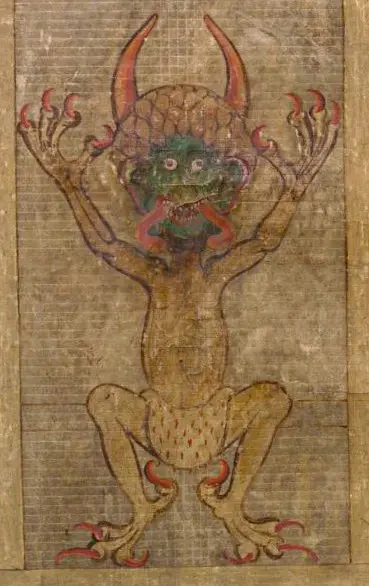
The Devil is the principal personification of evil in much of Christian tradition and a major source for later Western images of Satan. The term is not identical with every historical use of Satan, nor does it describe one unchanging character across the Bible, theology, folklore, literature, art, and modern religion. In contemporary speech “the Devil” often functions as a proper name for Satan, but…
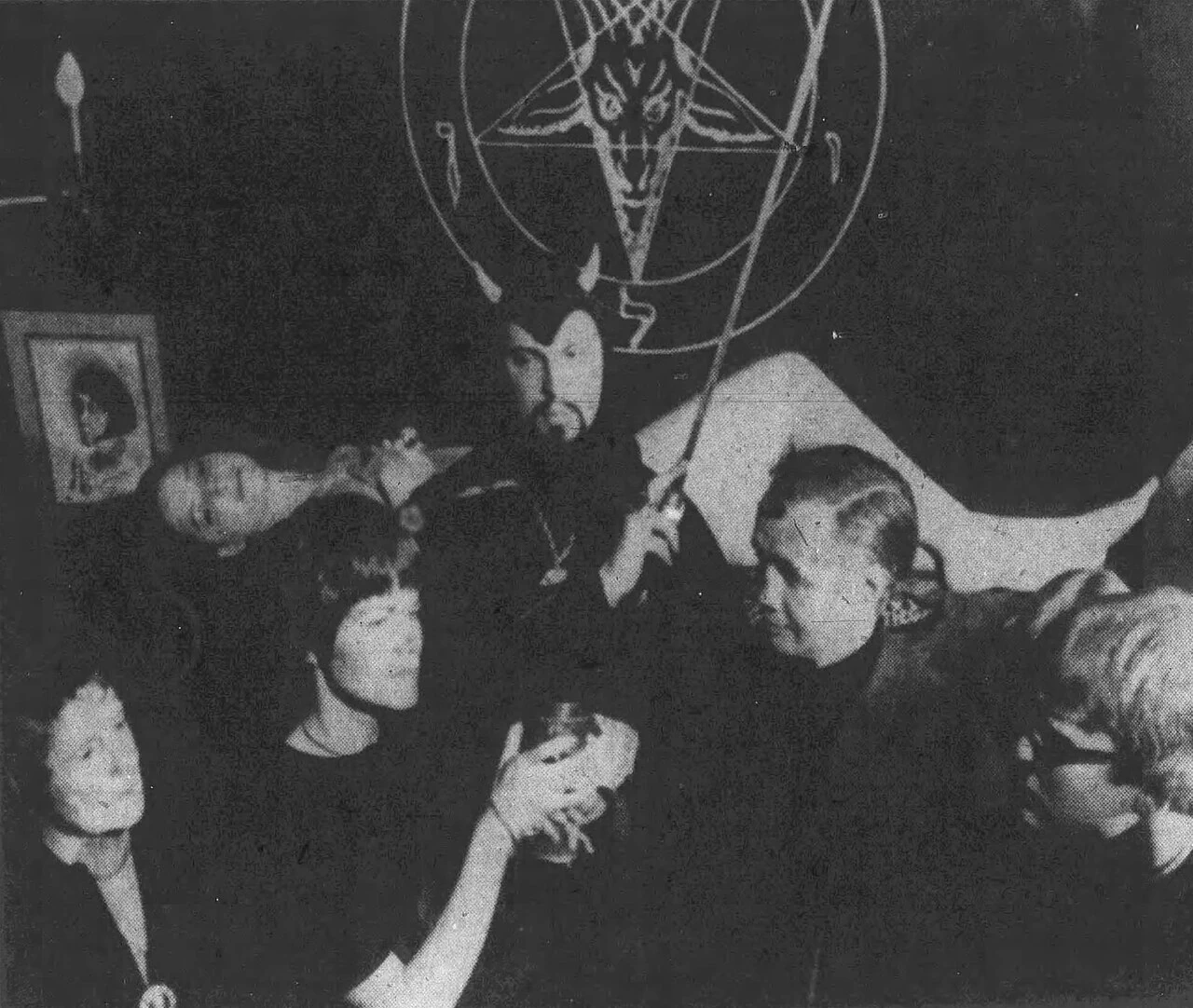
Anton LaVey’s collection of ceremonial material, published as a companion to The Satanic Bible.
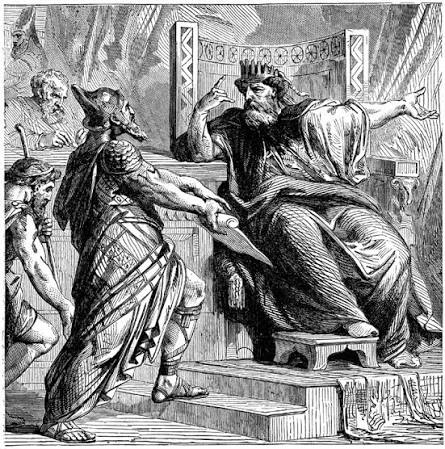
In 1 Chronicles 21, Satan or an adversary incites David to count Israel. Comparison with 2 Samuel 24 raises questions about divine agency, translation, and the development of the adversary figure.
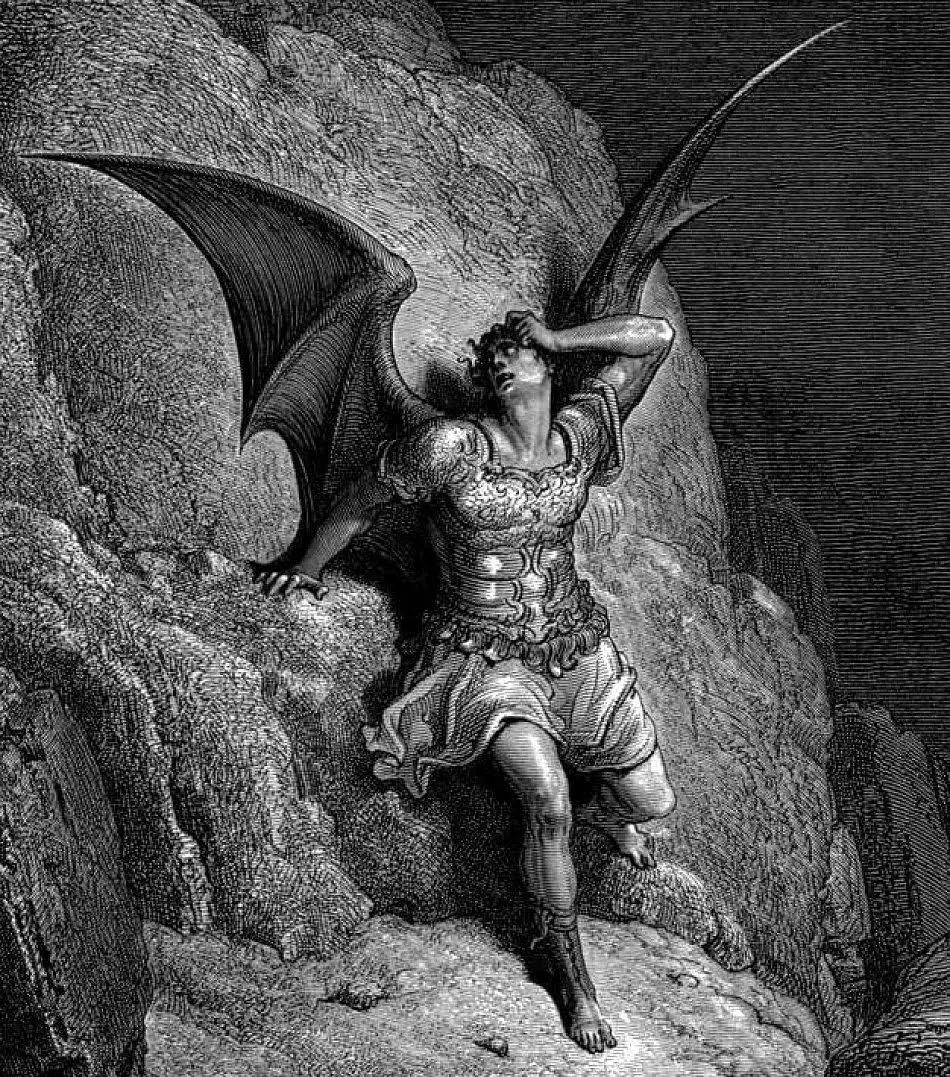
Satan is a figure whose meaning has changed substantially across Jewish, Christian, Islamic, literary, esoteric, and modern Satanic contexts. In contemporary theistic Satanism, Satan may be understood as a real deity, spirit, adversary, initiator, or metaphysical intelligence. Those modern interpretations draw on, but are not identical with, the much older history of the word and character.
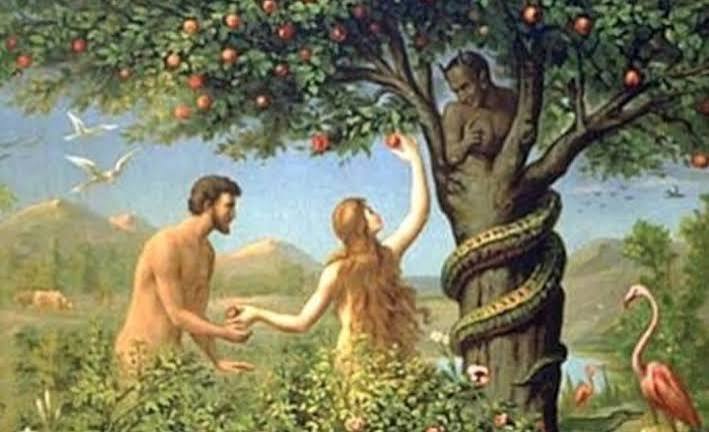
The serpent in Genesis 3 persuades the woman to eat from the tree of knowledge. The chapter does not name Satan. Later texts and interpretations connect the serpent with the Devil, adding to the history of the Eden story.
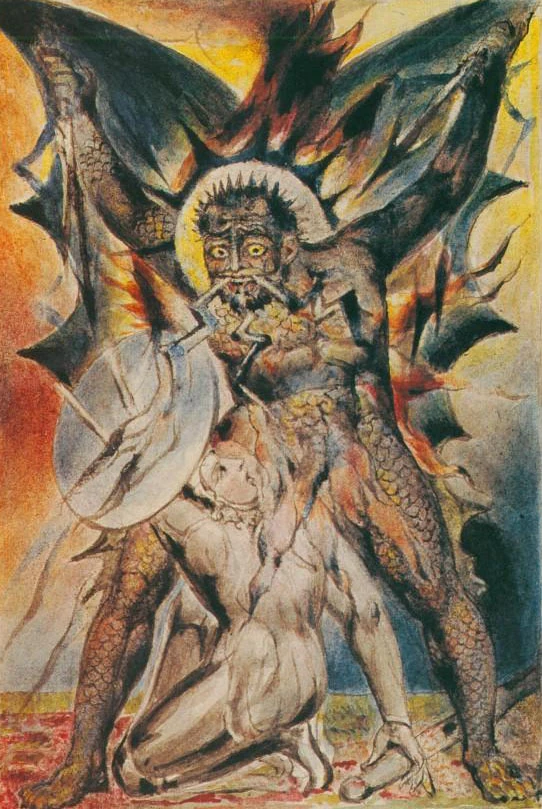
A biblical name associated with destruction, used in Revelation for the angel of the abyss.
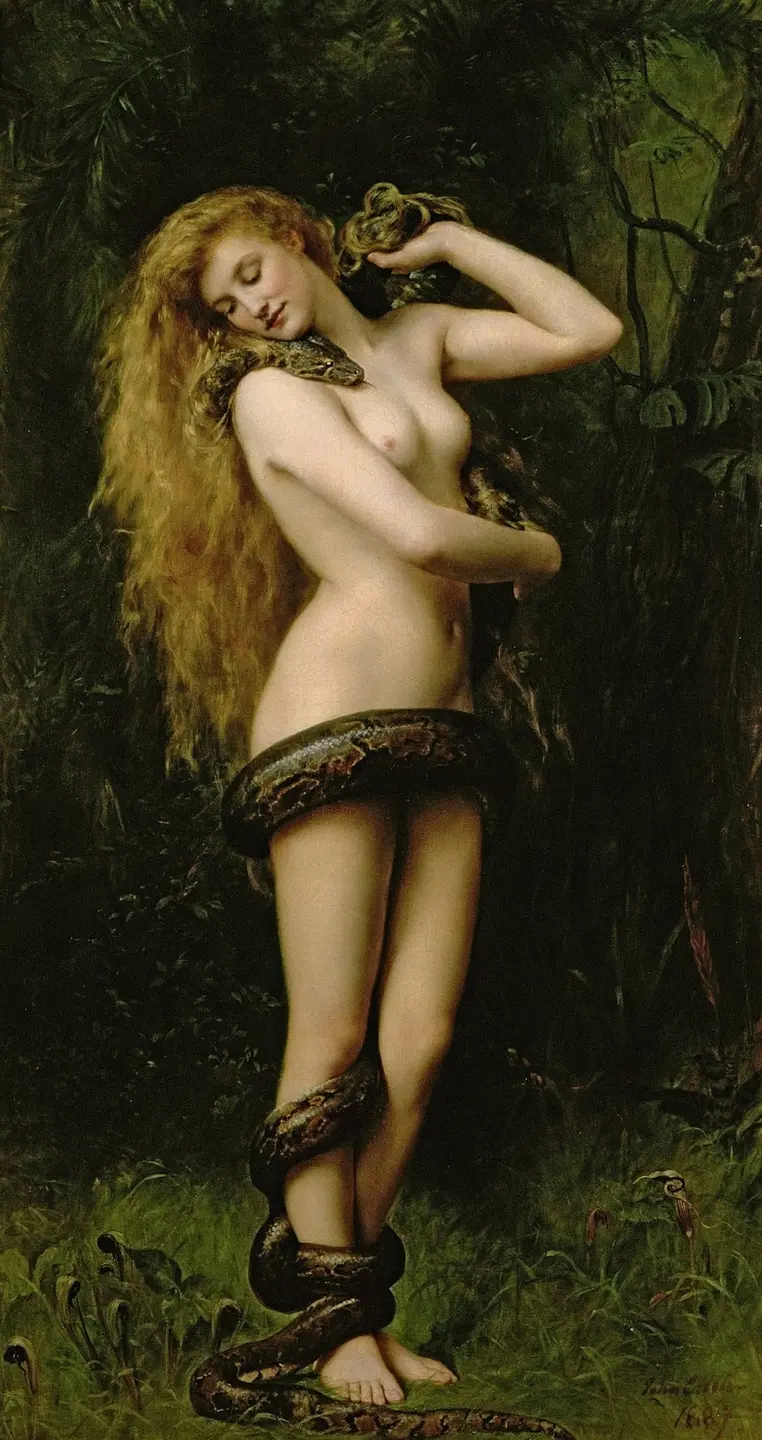
Lilith is a figure whose history spans ancient Near Eastern demonology, Jewish folklore, medieval protective magic, Kabbalah, literature, feminist reinterpretation, modern occultism, and contemporary Satanic or Luciferian religion. She is often introduced today as “Adam’s first wife,” but that familiar story is medieval rather than biblical. Earlier sources describe beings called lilith or lilin in…
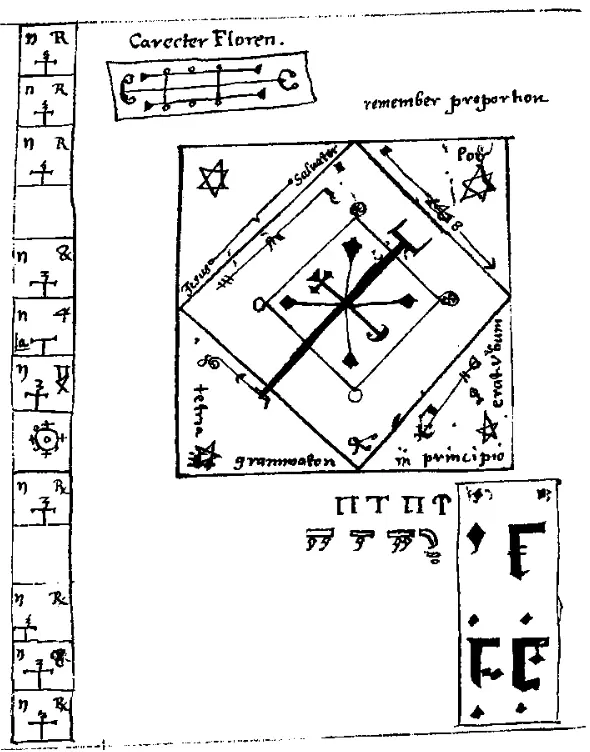
A grimoire is a book or manuscript containing magical knowledge, ritual procedures, charms, conjurations, talismans, spirit catalogues, astrological instructions, prayers, or other techniques intended to produce supernatural or occult effects. The term is most strongly associated with European magic, but scholars use it within a much wider history of magical books and written ritual technologies.
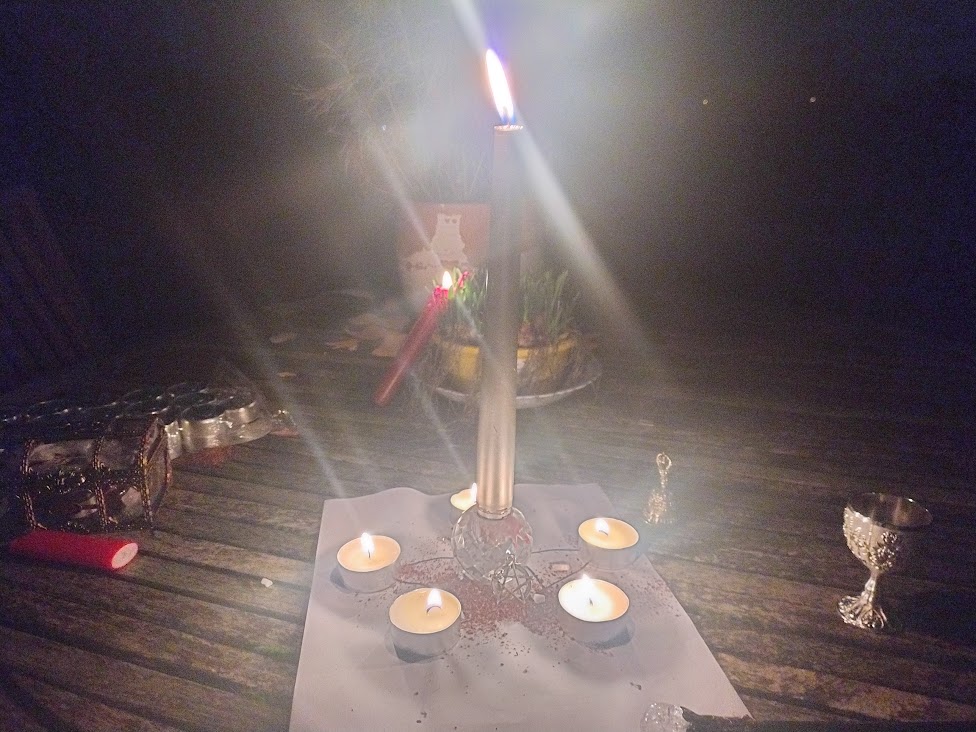
Ritual is patterned action given special religious, symbolic, social, or transformative significance. Ritual can mark time, establish sacred space, communicate with a deity, express commitment, create community, memorialize the dead, enact a transition, or focus attention on a chosen purpose. In theistic Satanism, ritual commonly includes devotional action directed toward Satan or other spirits…
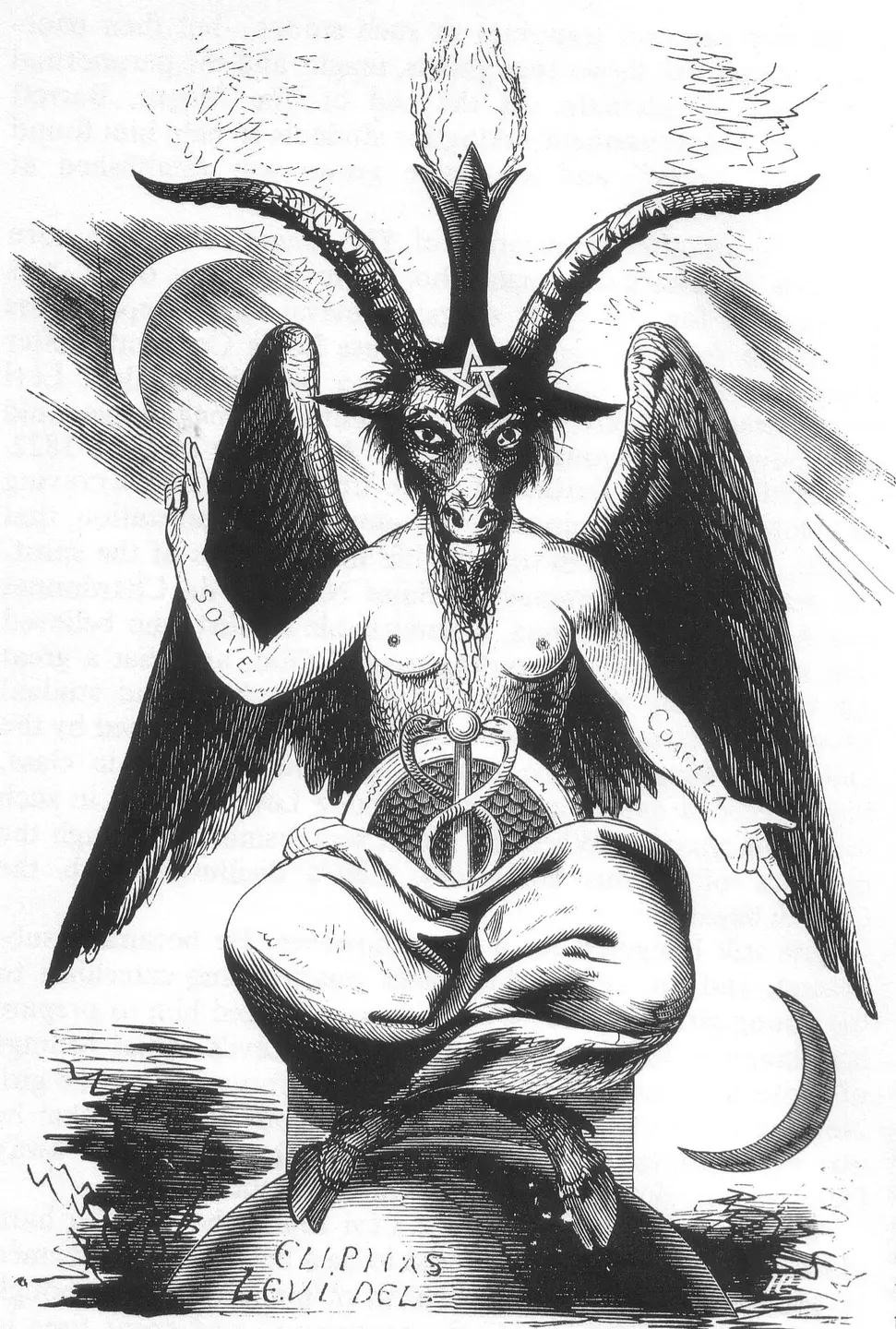
Symbolic and theistic Satanism are broad labels used to distinguish Satanist traditions according to how they understand Satan’s reality. In theistic Satanism, Satan is ordinarily regarded as a real deity, spirit, intelligence, or independently existing being. In symbolic or non-theistic Satanism, Satan is understood primarily as a symbol, literary figure, archetype, cultural adversary, or name for a…
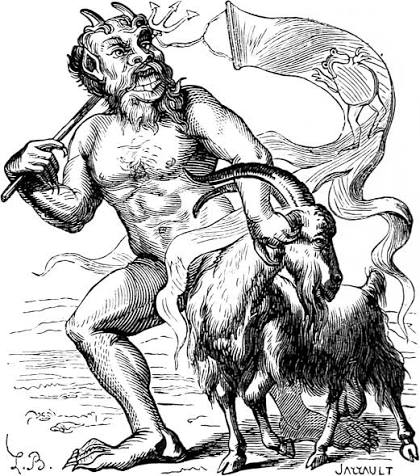
Azazel is a figure associated with the Day of Atonement in Leviticus, a rebellious Watcher in 1 Enoch, and a demonological and occult figure in later traditions. This article traces the development of Azazel from ancient Jewish texts through later demonology and modern Satanic interpretations.
The images, names, and gestures used by Satanic traditions, whose meanings depend on their religious and historical setting.
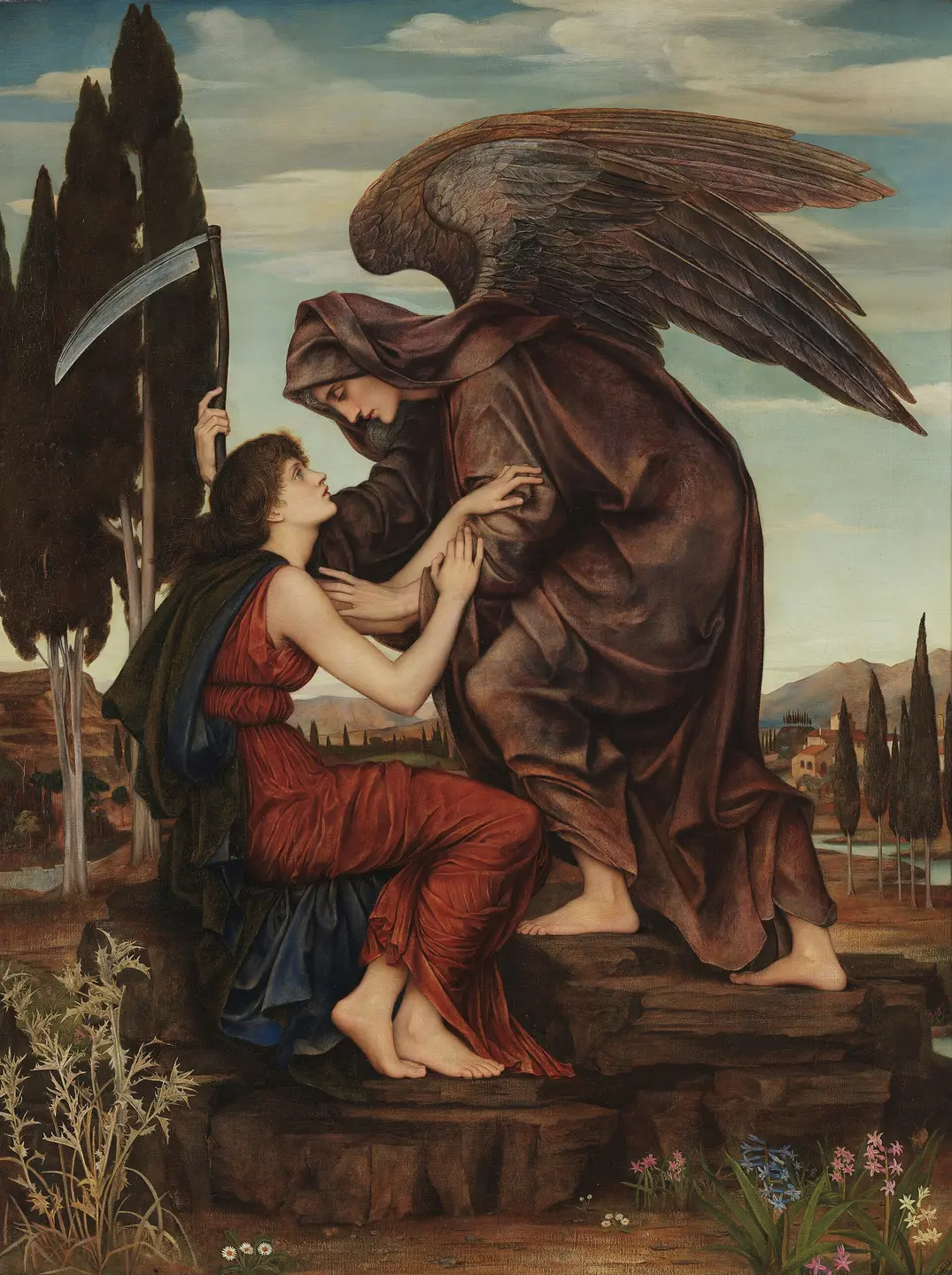
Samael appears in Jewish interpretive literature in roles that vary between texts. His relationship with Satan, the serpent, and other figures should be described source by source.
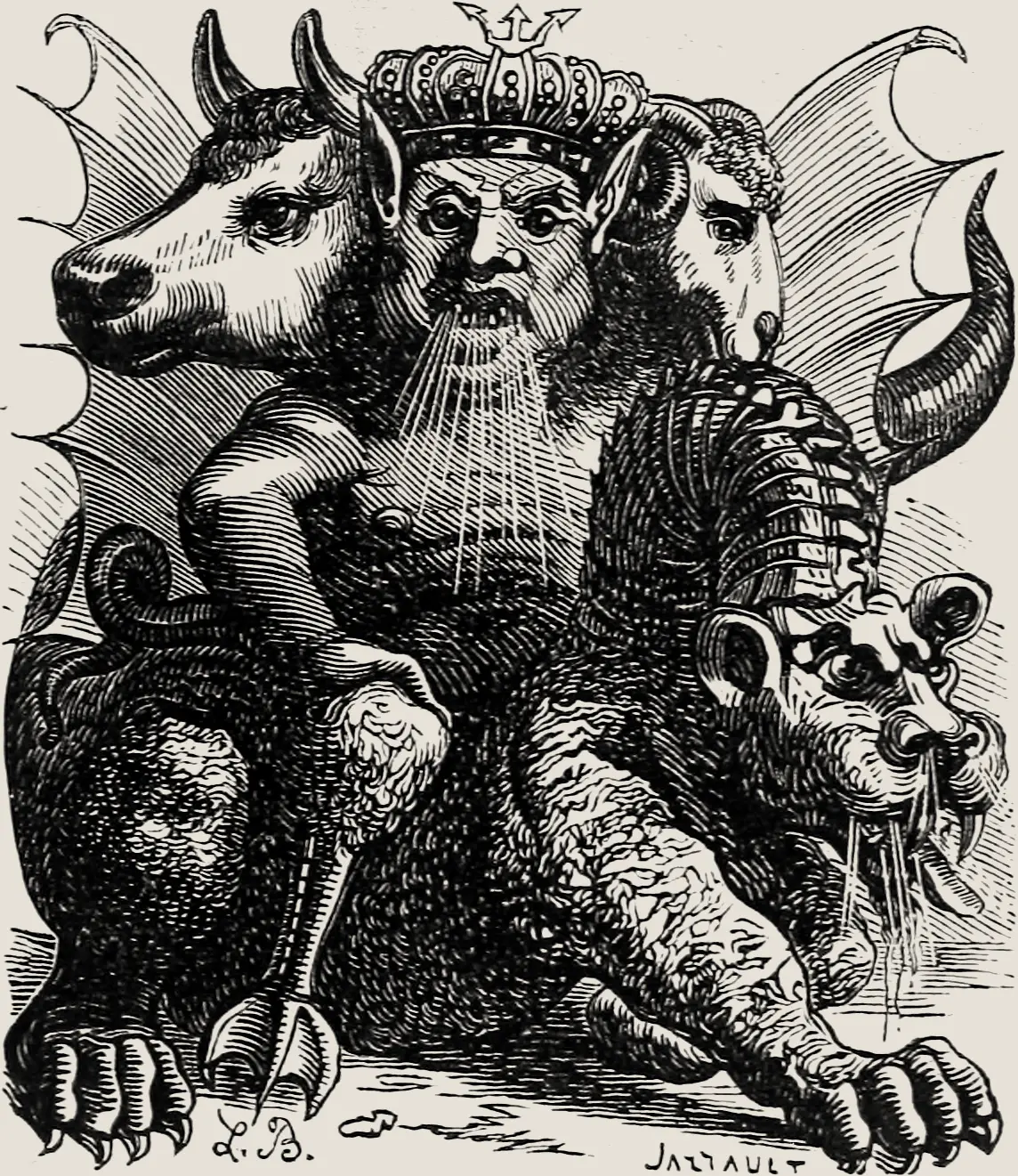
Asmodeus appears in the narrative of Tobit and in later magical and demonological literature. His different roles reflect the purposes of those texts.