Texts & Sources
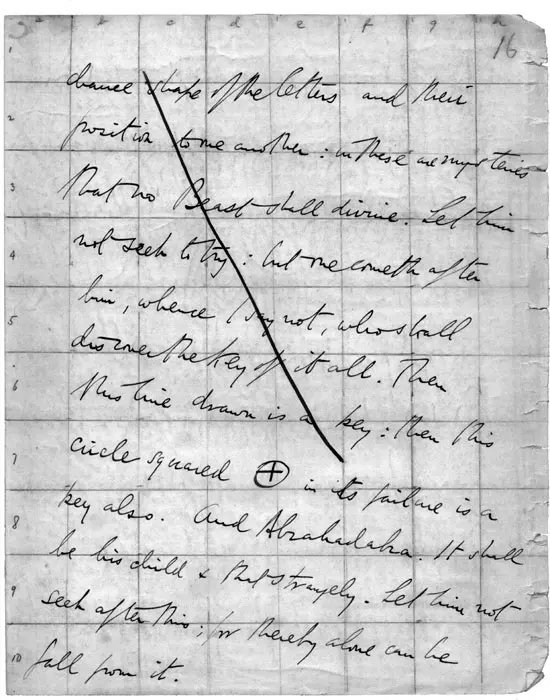
The Book of the Law
The three-chapter revelatory text at the center of Thelema, also titled Liber AL vel Legis.
The three-chapter revelatory text at the center of Thelema, also titled Liber AL vel Legis.
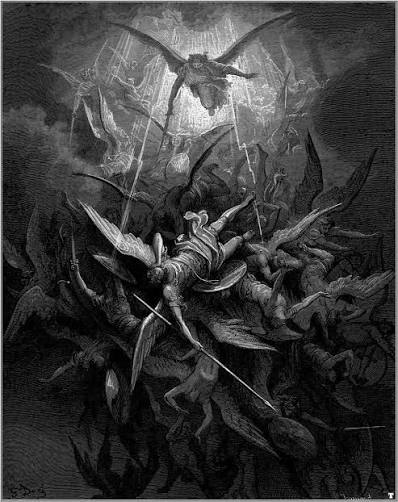
The Book of Giants names a fragmentary Jewish Enochic work represented at Qumran and a related Manichaean adaptation. Its surviving witnesses concern the offspring of the Watchers, ominous dreams, Enoch, and impending judgment.
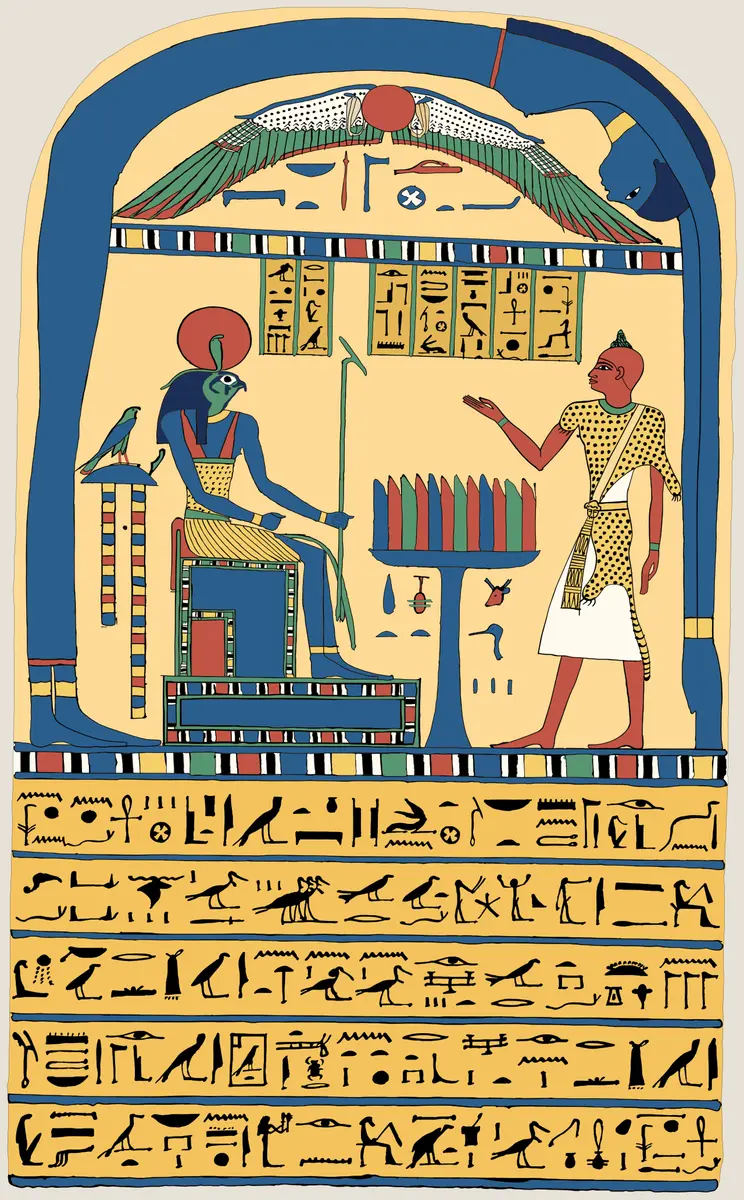
The religious and philosophical tradition associated with Aleister Crowley and The Book of the Law.
1 Enoch brings together accounts of heavenly beings, judgment, celestial order, and righteousness. It is a composite work rather than a single continuous biography of Enoch.
Agrippa’s Renaissance synthesis of natural, celestial, and religious magic.
The medieval Liber Juratus, a work of sacred magic concerned with divine vision, angels, and ritual authority.
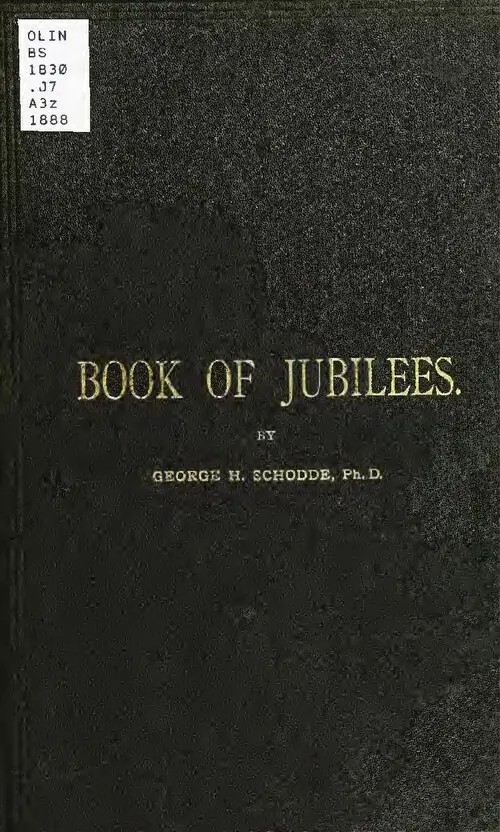
A retelling of Genesis and early Exodus arranged through jubilees, with angelic revelation, calendar teaching, and expanded narratives.
A school of the Western mysteries associated with Paul Foster Case, Ann Davies, Tarot, and Qabalistic study.

Anton LaVey’s 1969 book of Satanic philosophy and ritual, foundational to the Church of Satan.
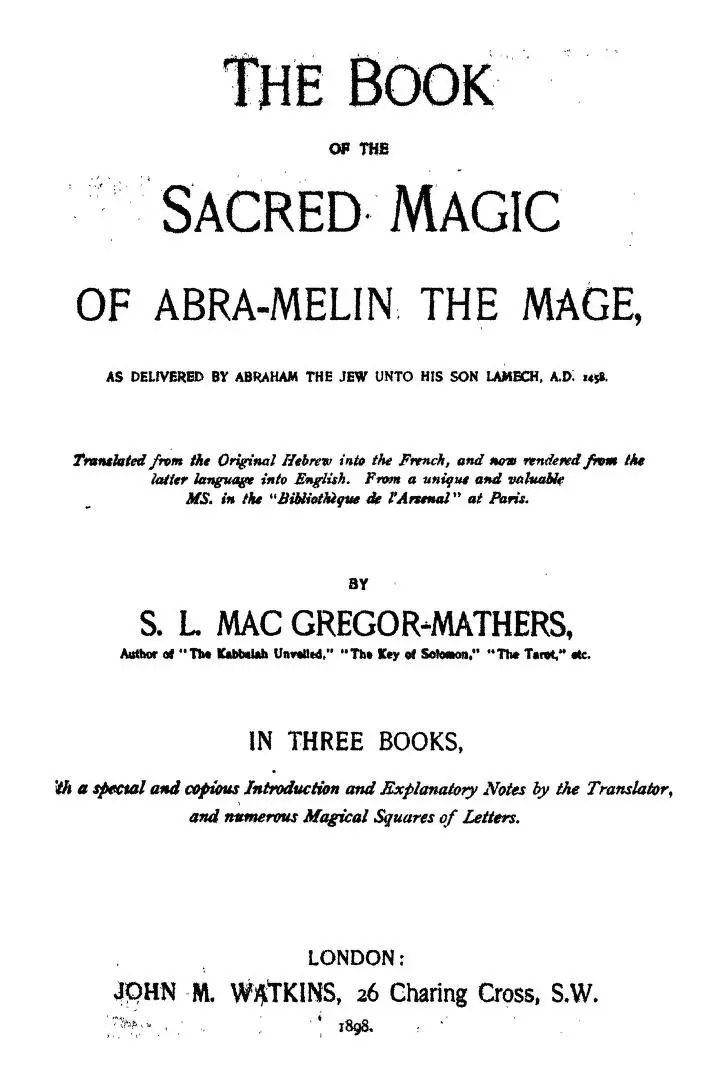
A grimoire built around religious preparation, the guardian angel, and subsequent work with spirits and magical squares.
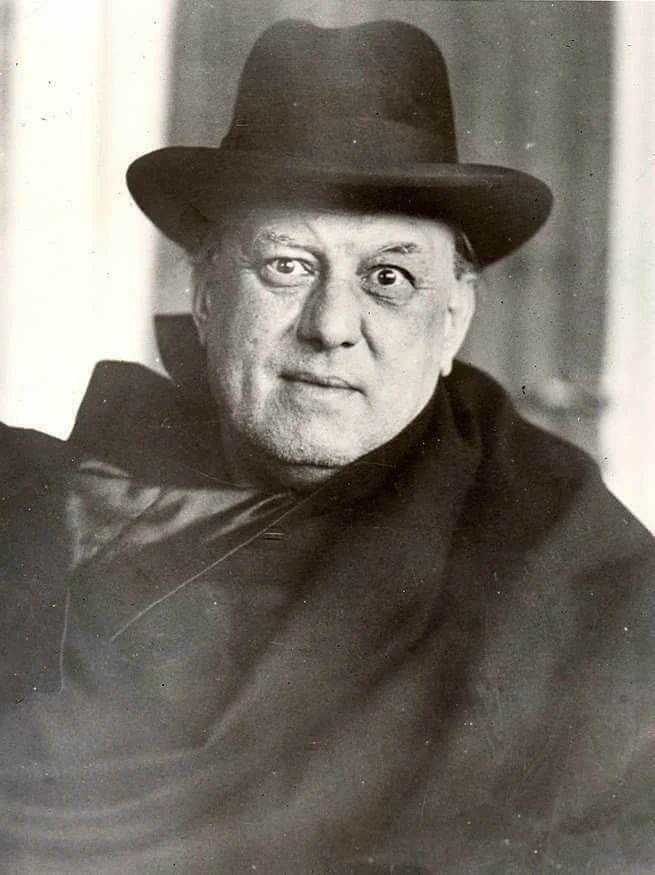
The author and religious figure associated with Thelema, The Book of the Law, and a large body of magical instruction.
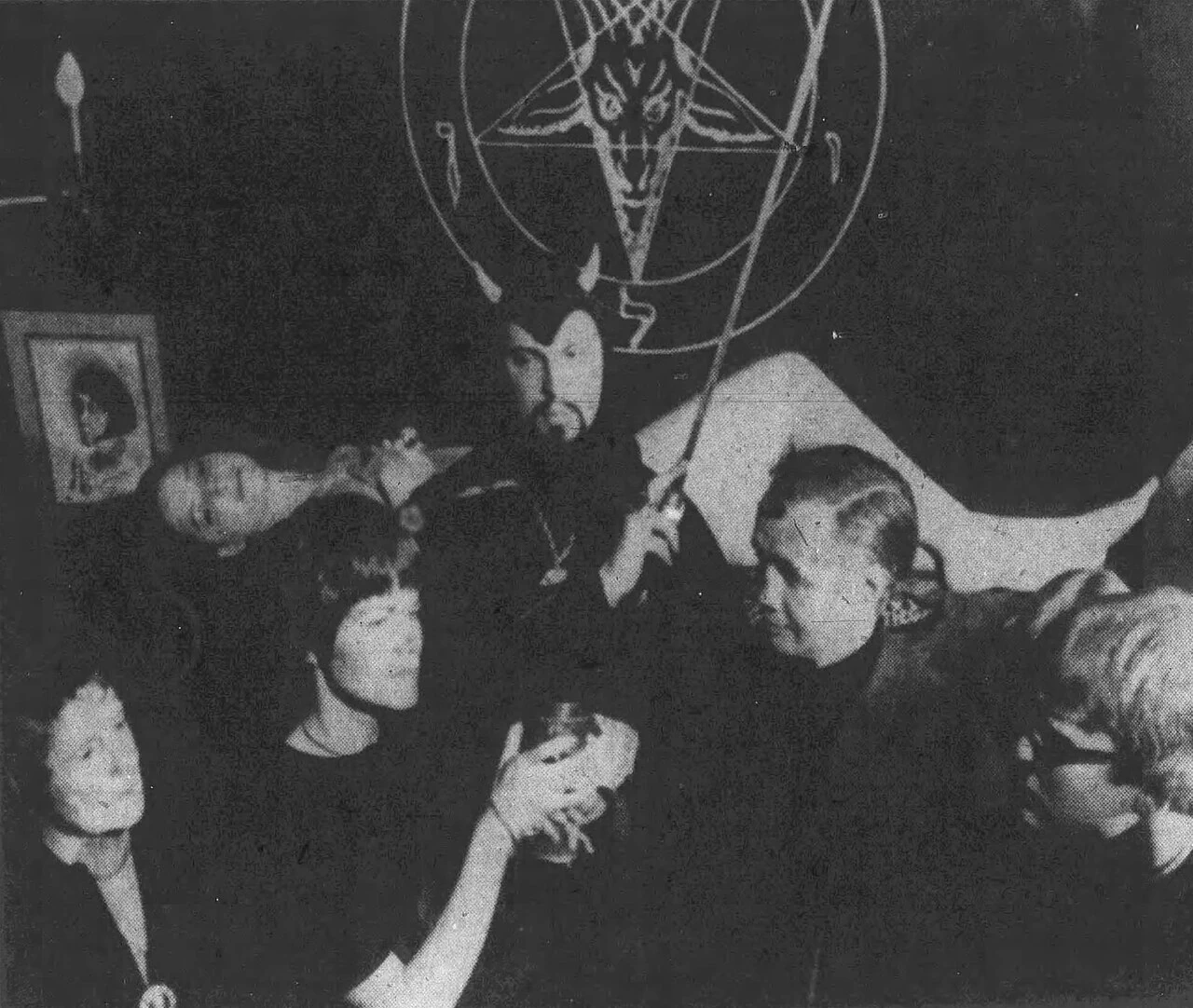
Anton LaVey’s collection of ceremonial material, published as a companion to The Satanic Bible.
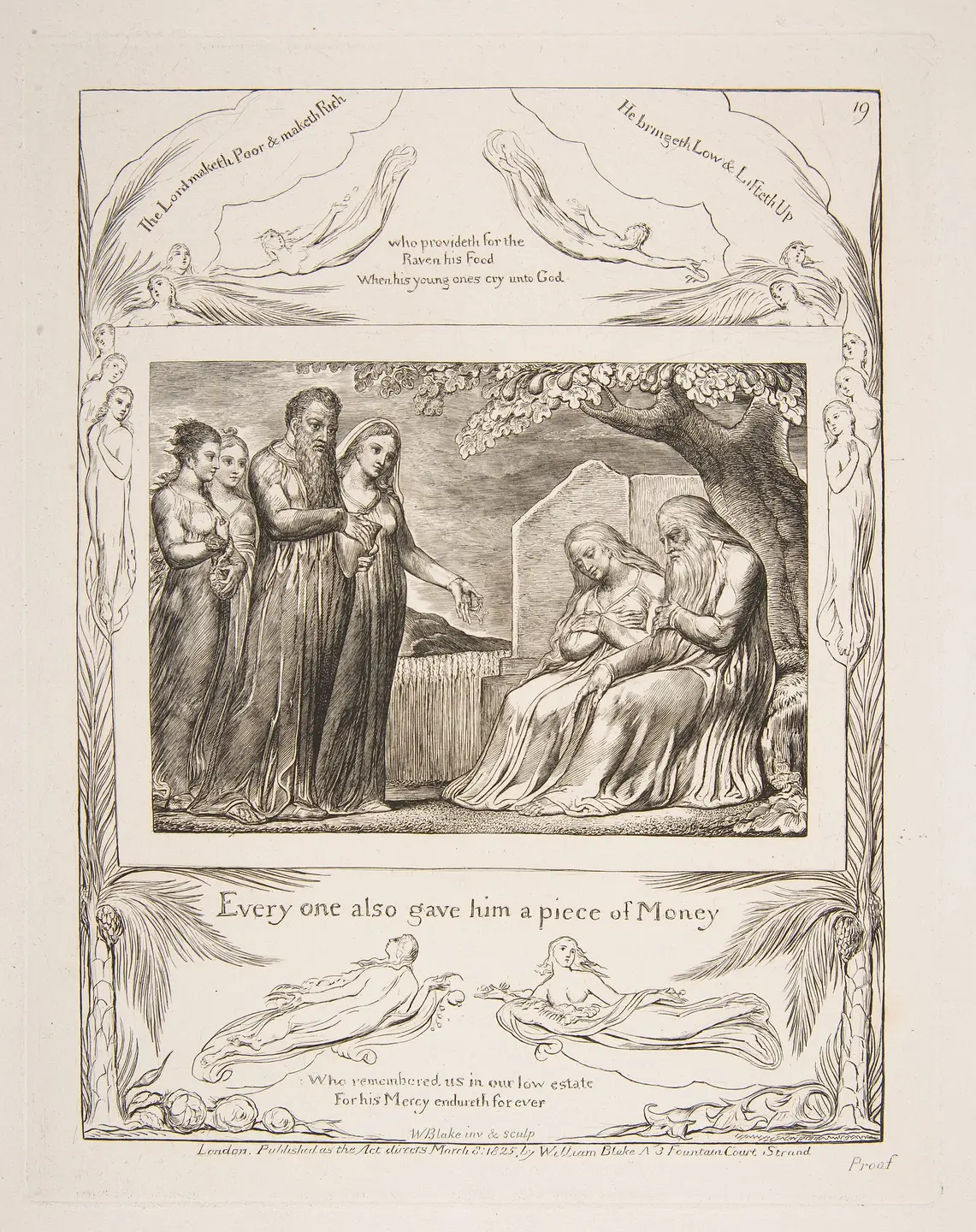
Ethics in theistic Satanism concerns the moral principles, responsibilities, virtues, prohibitions, and methods of judgement developed by Satanists who regard Satan or related beings as real rather than purely symbolic. There is no universal Satanic ethical code. Theistic Satanism is decentralized, and its practitioners may draw on personal conscience, religious devotion, philosophical individualism,…
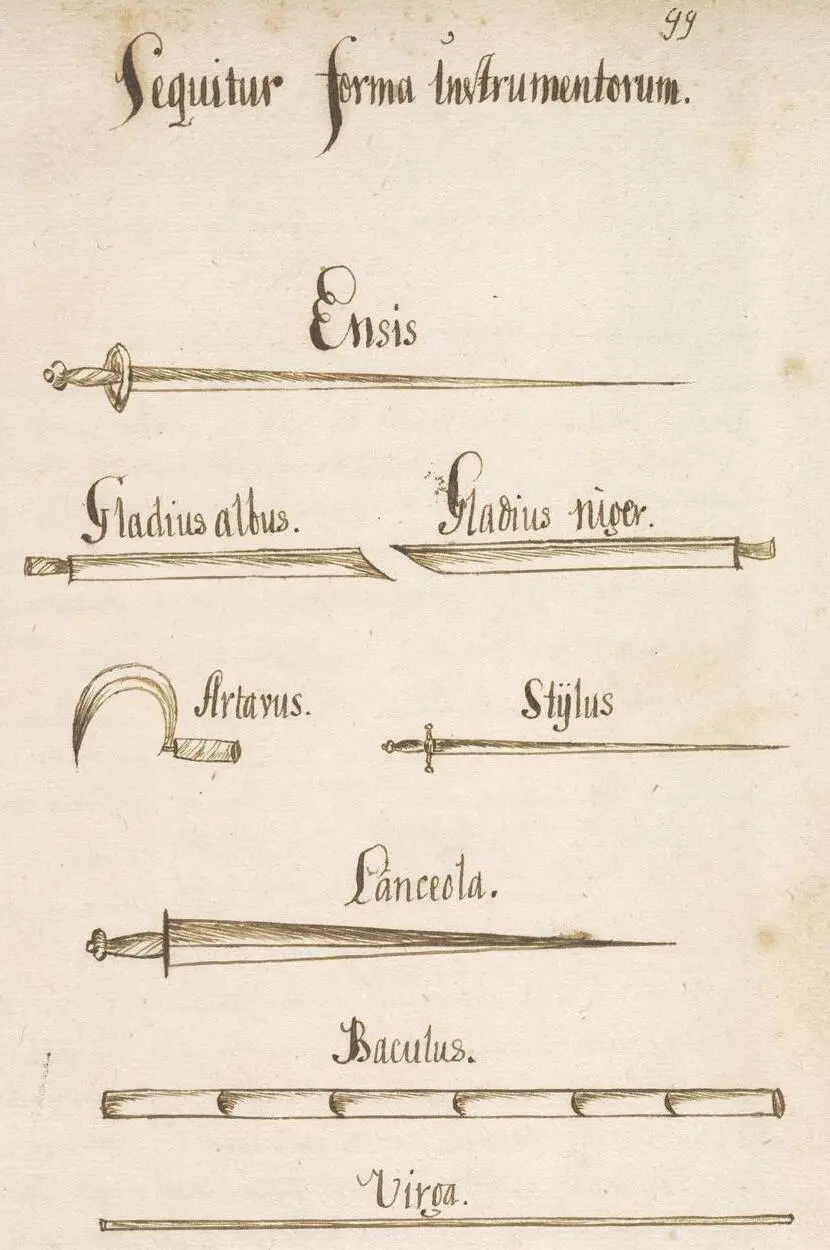
The Key of Solomon is a transmitted family of magical texts concerning preparation, ritual, and ceremonial instruments. It should be distinguished from the five-part Lesser Key of Solomon.
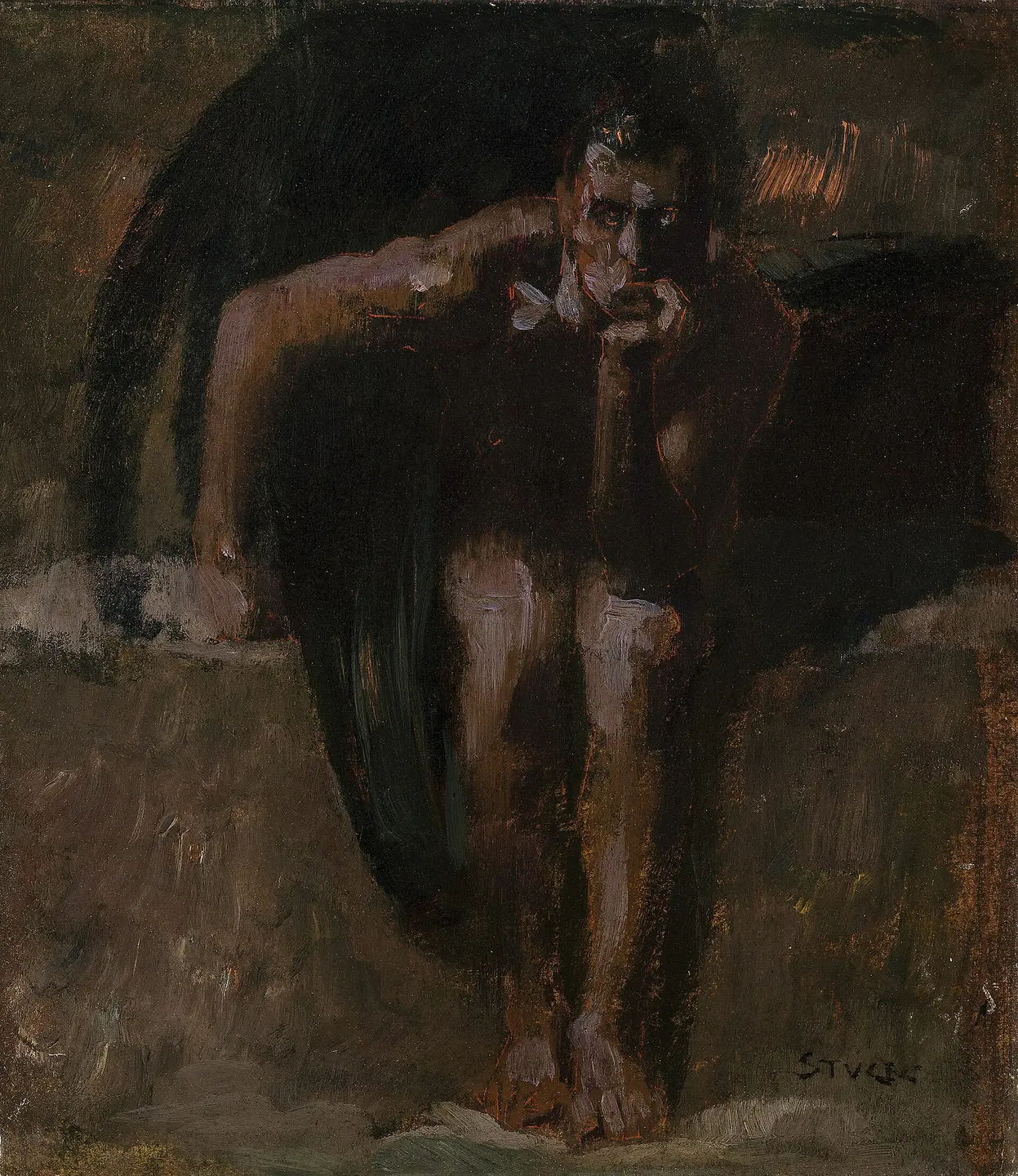
Theistic Satanism is a family of religious positions in which Satan is understood as an actually existing spiritual being, deity, intelligence, or metaphysical presence, rather than only a literary symbol or political metaphor. It is not a single church or creed. The term is best used as an umbrella for practitioners and groups whose beliefs differ on the nature of Satan, the status of other spirits,…
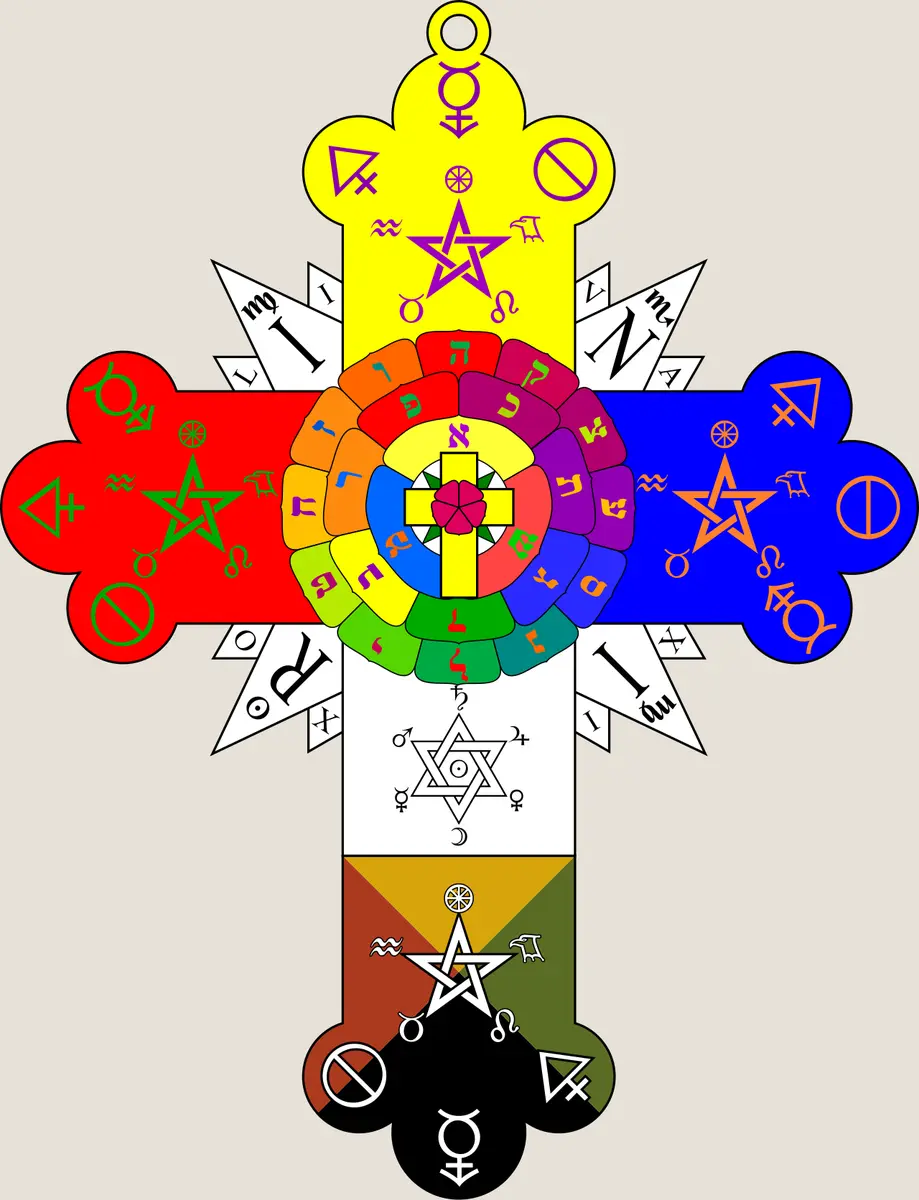
A late nineteenth-century British initiatory order that shaped modern ceremonial magic, Tarot, and Hermetic Qabalah.
The second part of the Lemegeton, arranging aerial spirits through princes, directions, and wandering hierarchies.
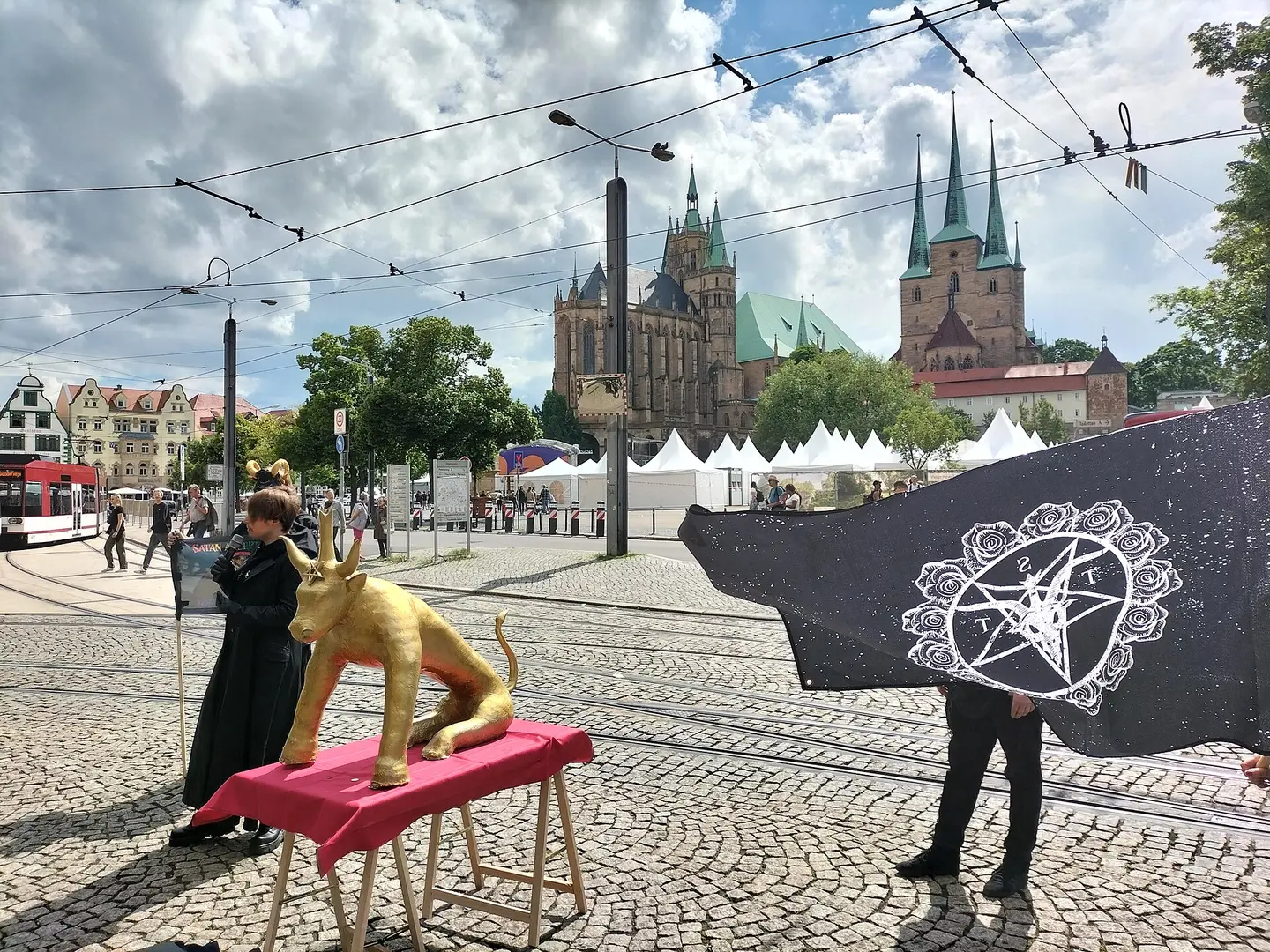
The Satanic Temple is a non-theistic religious organization whose public principles and activism differ from those of the Church of Satan and from theistic Satanist devotion.
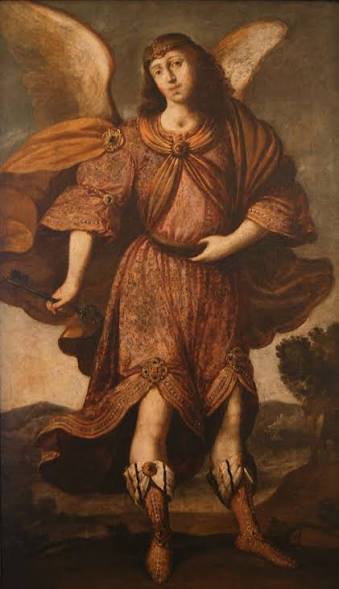
Raziel is an angel associated with the revelation of divine secrets, especially the legendary book given to Adam. His name appears in Jewish interpretive and magical literature and later Western esotericism, where Agrippa connects him with Chokmah, or Wisdom.
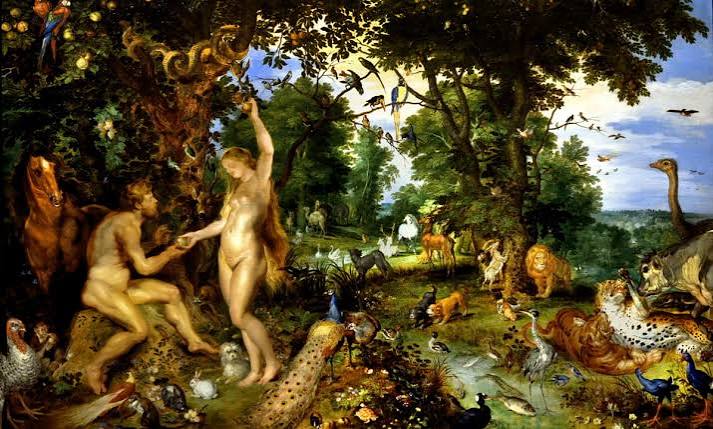
The Life of Adam and Eve is a group of related apocryphal narratives about the first humans. Its versions expand the Eden story through accounts of repentance, the Devil’s hostility, illness, burial, and hoped-for restoration.