Devotional Practice
Divination
Divination consists of practices that interpret signs as answers, indications, or guidance. Methods differ in their religious assumptions and in the kinds of claims they make.
Divination consists of practices that interpret signs as answers, indications, or guidance. Methods differ in their religious assumptions and in the kinds of claims they make.
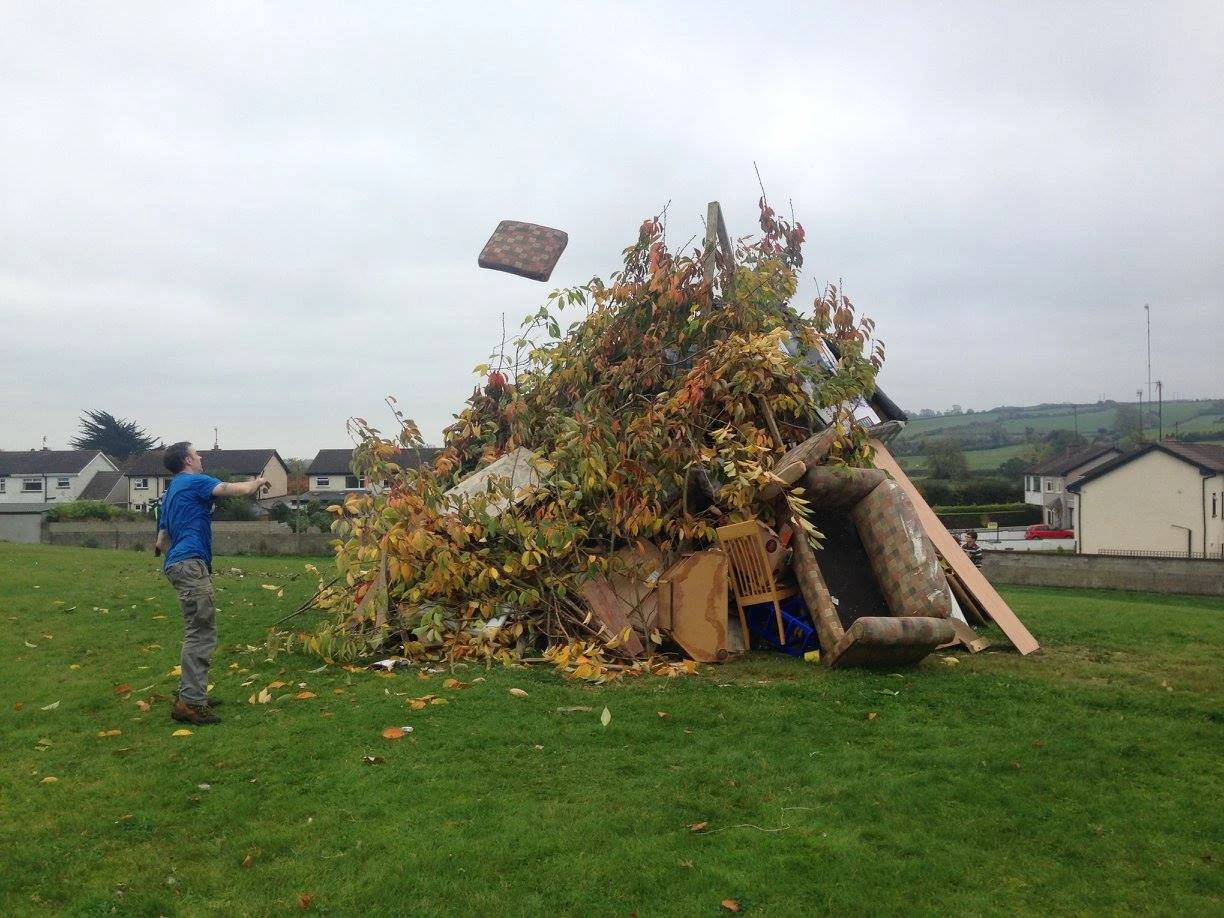
The Gaelic beginning-of-winter festival, Irish customs of food and divination, and its place in modern Pagan practice.
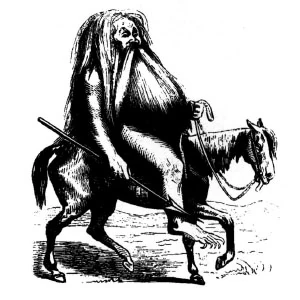
The Goetic knight, associated with philosophy, learned arts, and forms of divination.
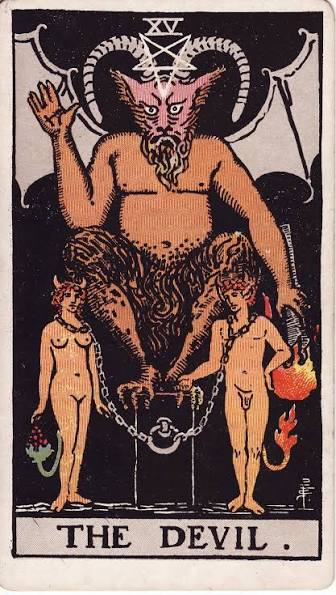
The Devil is a tarot trump commonly numbered XV. Its imagery and interpretation vary between decks and writers. Waite and Papus connect it with material constraint, fatality, and occult forces, while tarot’s history begins in the world of playing cards.
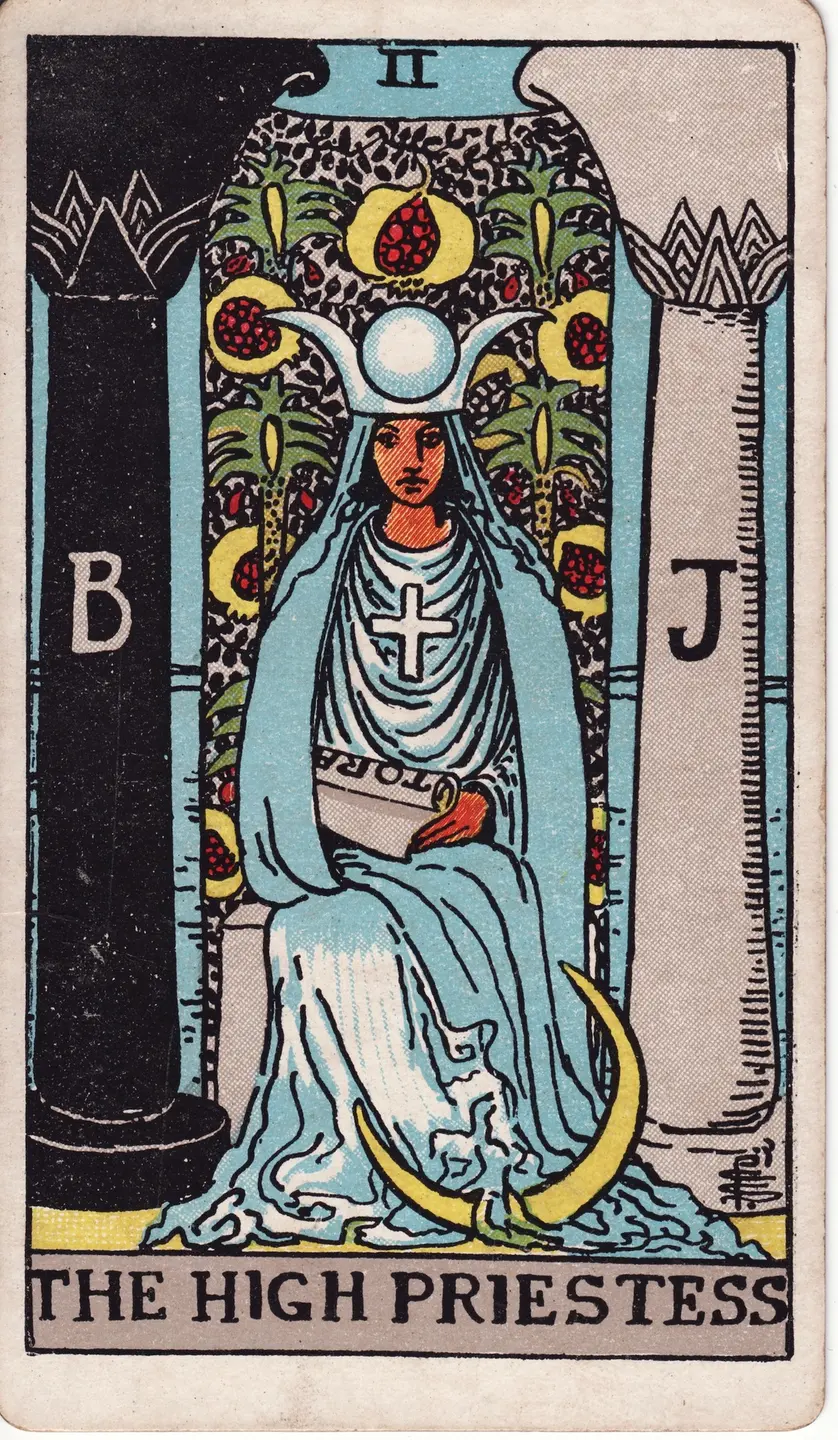
Tarot developed as playing cards before becoming an influential tool of occult interpretation. The history of the cards differs from later claims about their hidden origins.
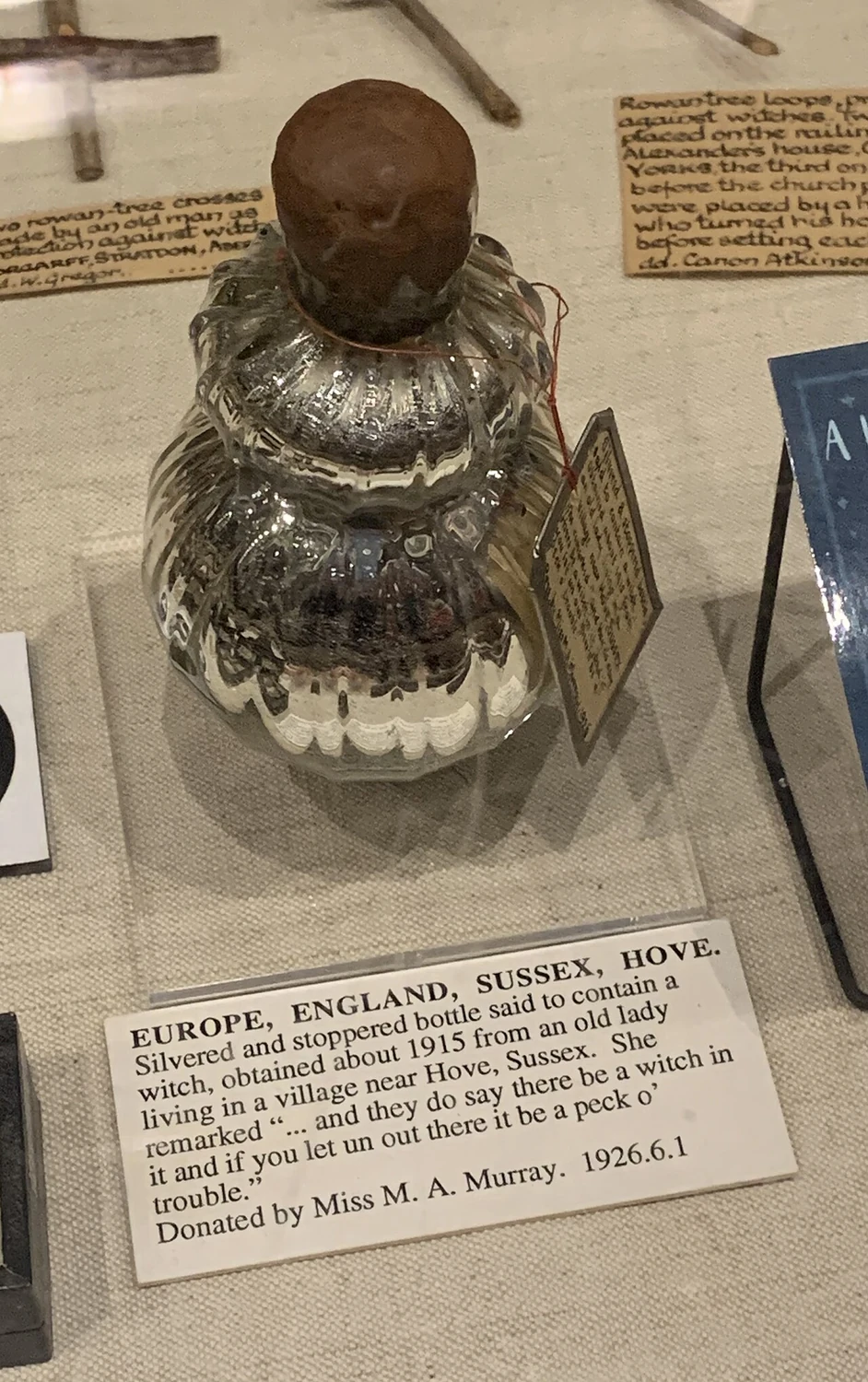
Protective charms, witch bottles, and everyday materials in local magical traditions, with documented British museum examples.
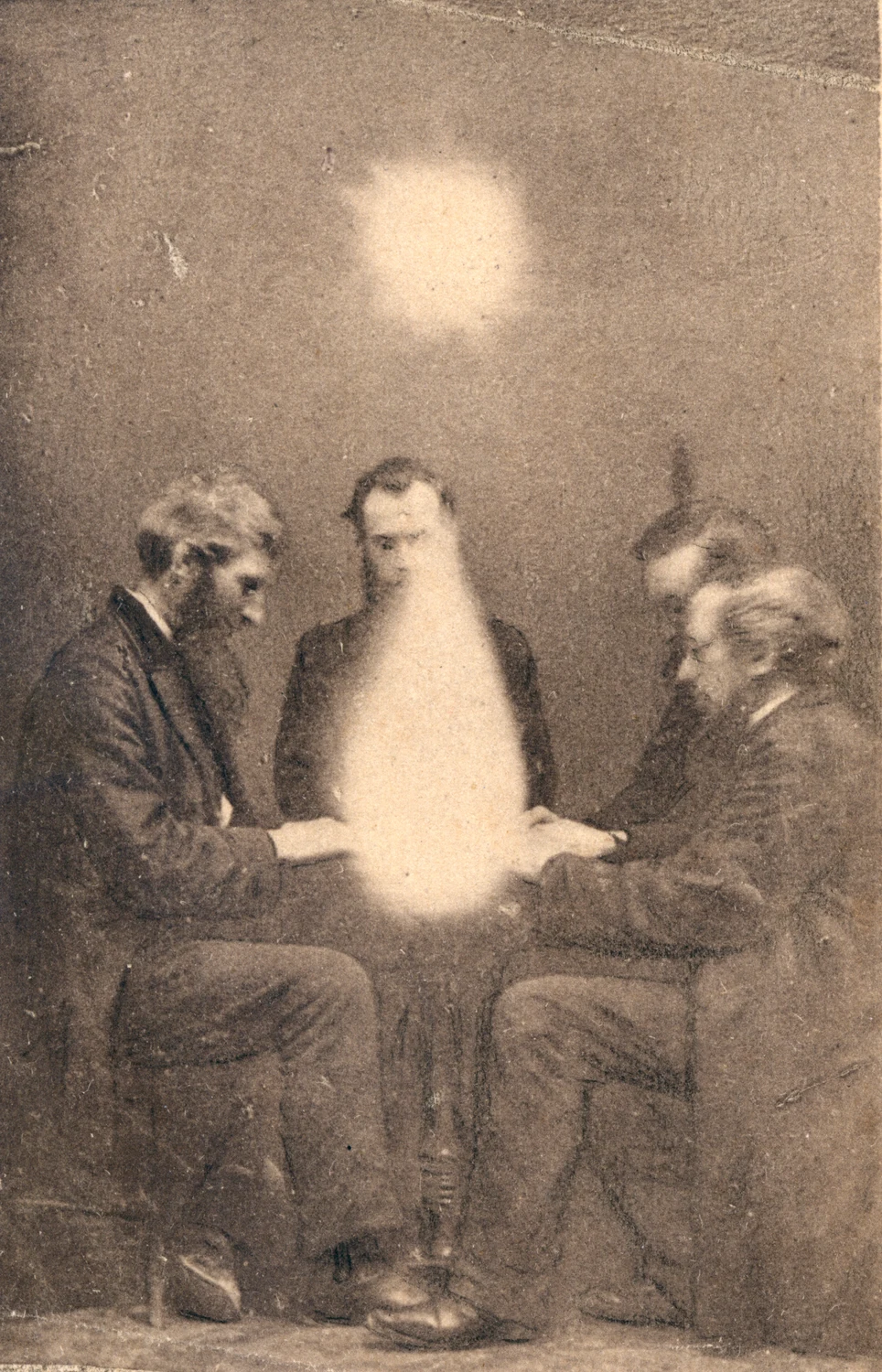
A religious movement centered on mediumship and continued personal identity after death, with church teachings and spirit photography.
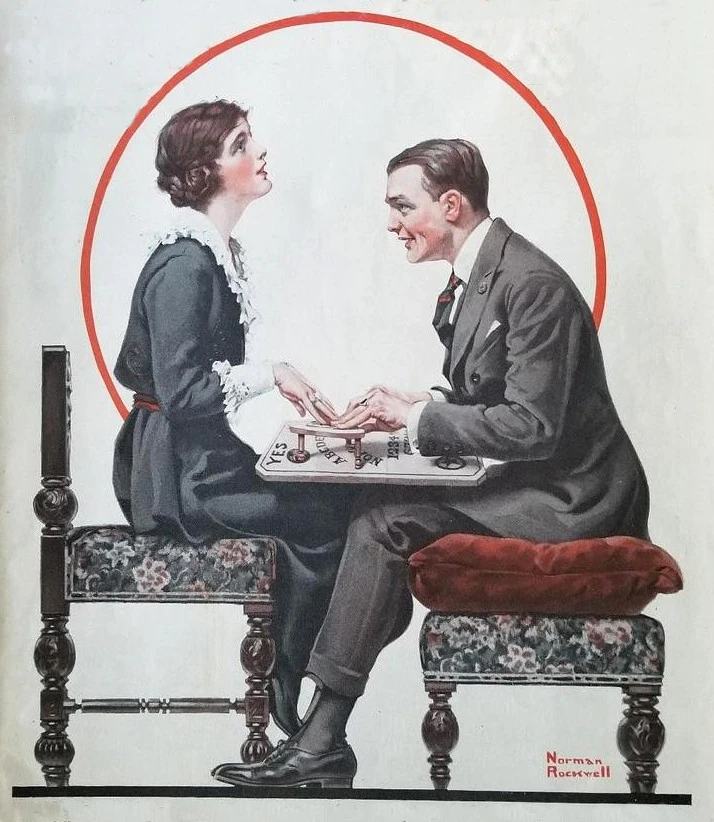
The patented talking-board game, its pointer and commercial history, and research on ideomotor movement and implicit memory.
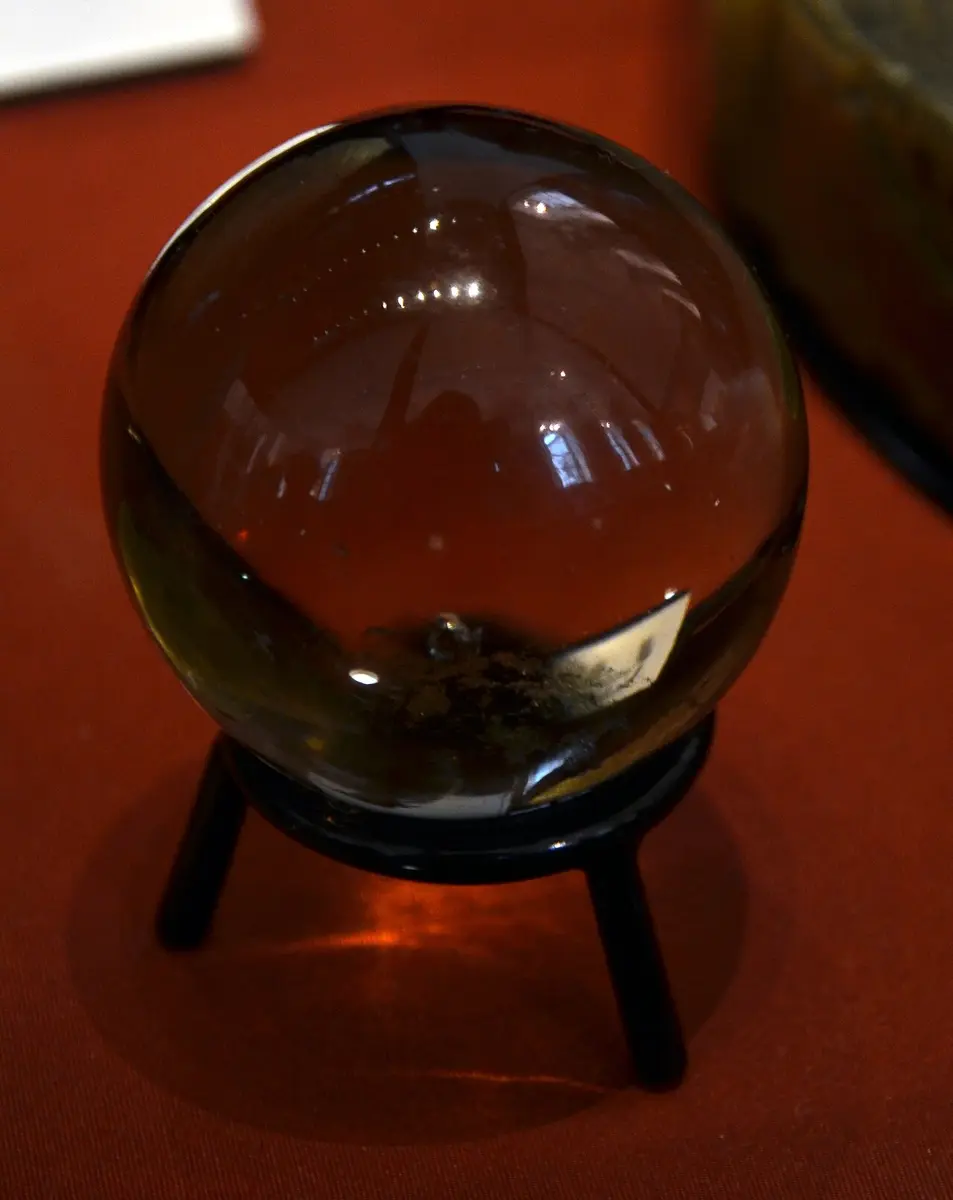
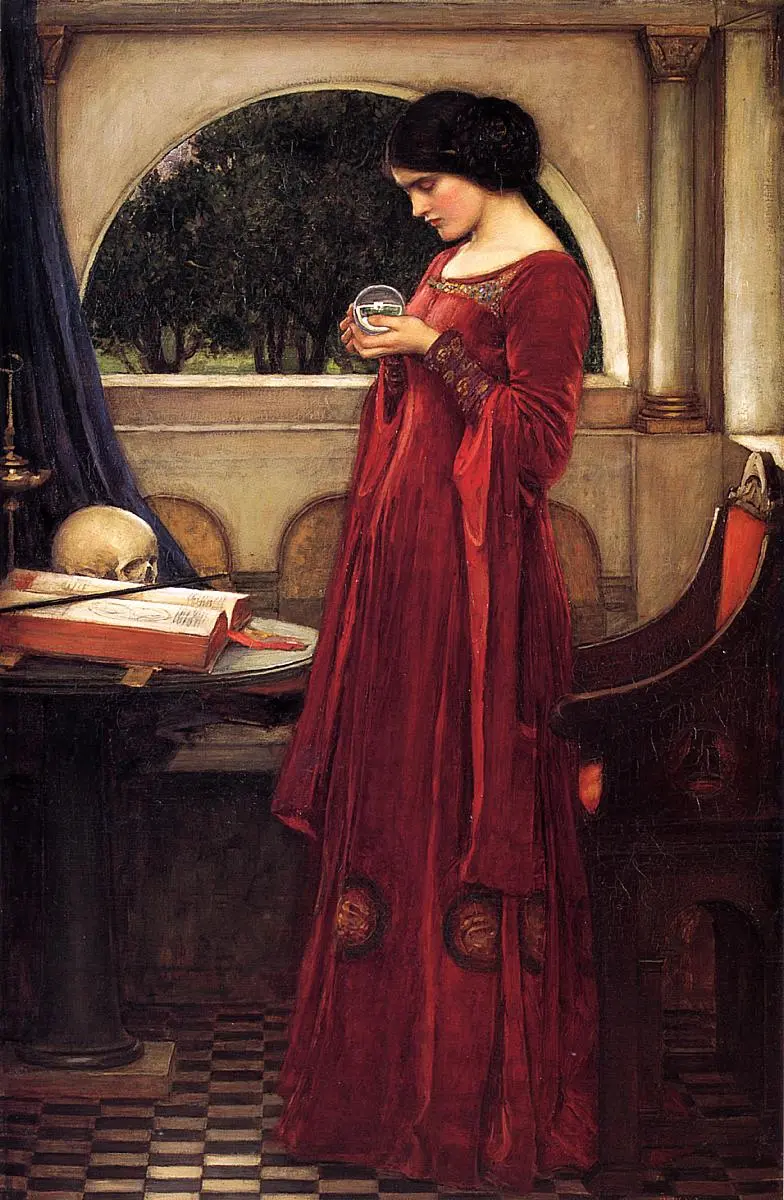
A divinatory or visionary practice involving a reflective surface, crystal, or other focus for reported images and messages.
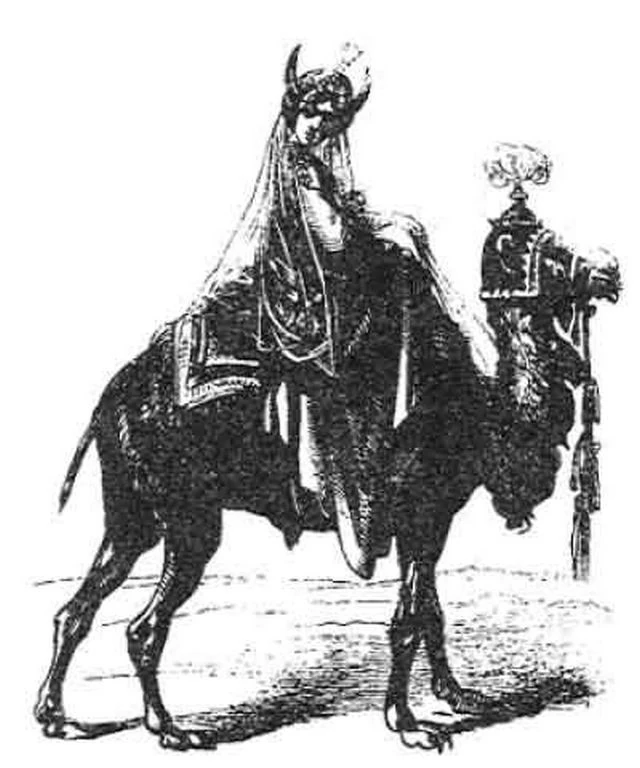
A Goetic duke depicted as a woman on a camel, associated with hidden knowledge, treasure, and attraction.
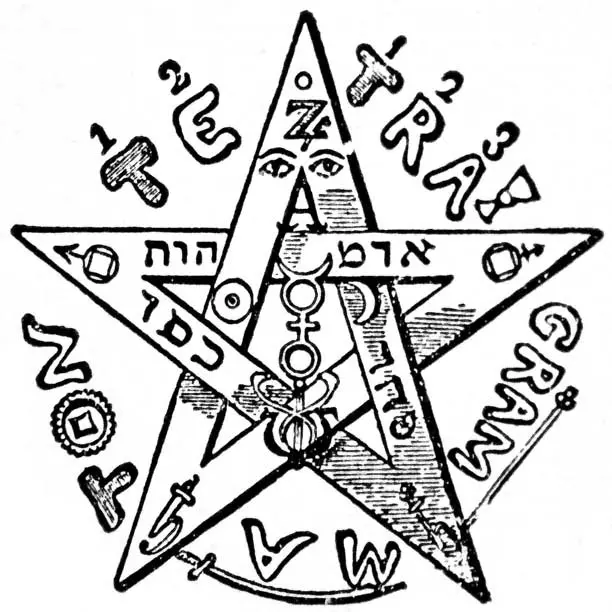
Occultism and Western esotericism provide an important historical and intellectual background for many forms of modern Satanism, but neither term is a synonym for Satanism. Western esotericism is an academic field encompassing currents such as Renaissance Hermetism, alchemy, astrology, Christian theosophy, Kabbalistic reception, Rosicrucianism, ceremonial magic, spiritualism, occultism, and later…
A Goetic prince associated with finding lost things and knowledge of past and future events.
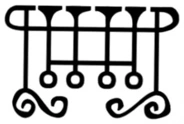
A Goetic duke associated with answers, reconciliation, and the obscure term Xenopilus.
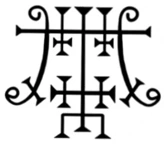
A Goetic president associated with logic, ethics, plants, stones, longevity, and lost things.
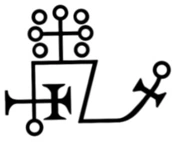
A many-faced Goetic duke carrying a book, associated with thoughts, knowledge, and visions of other people.
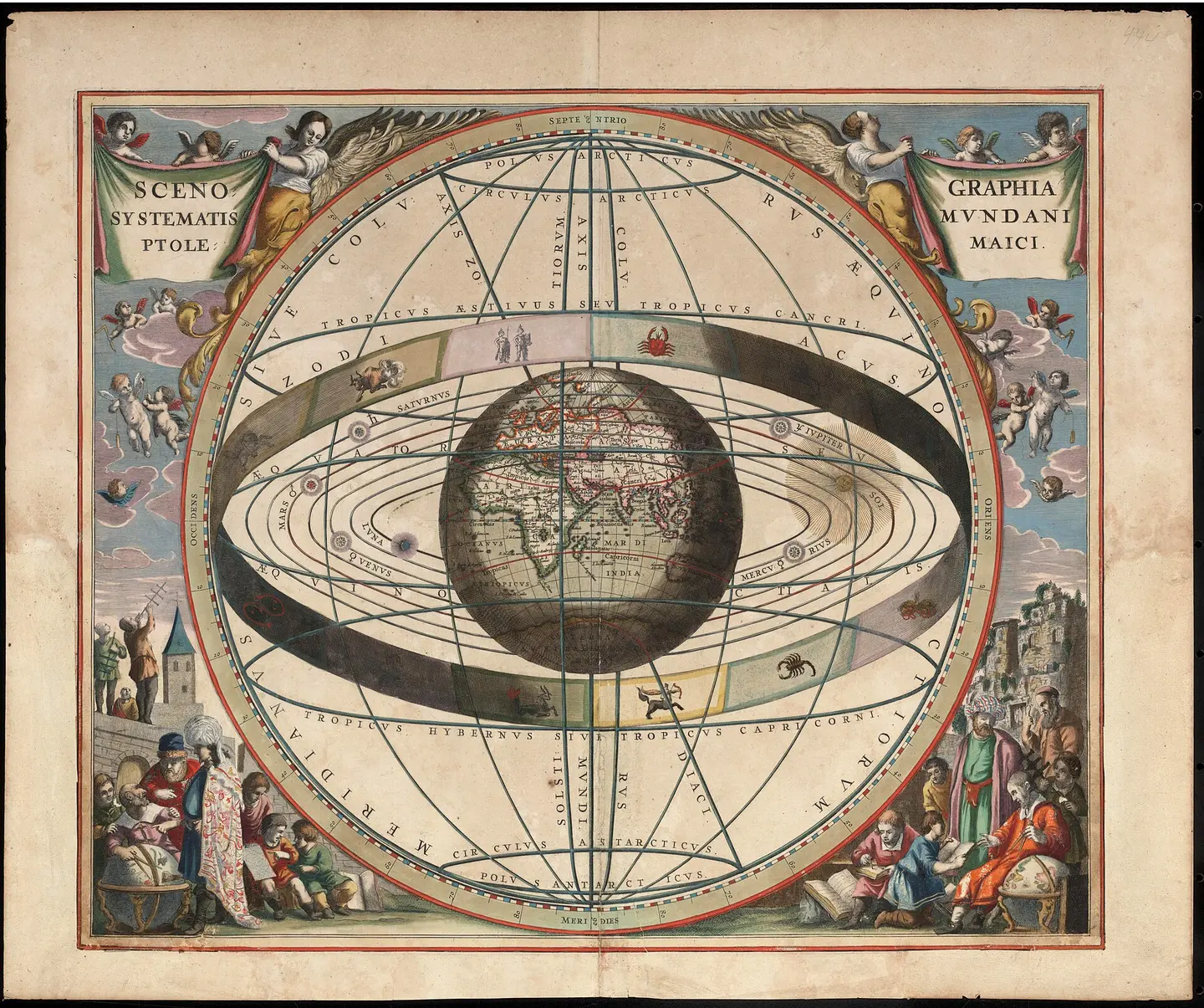
Astrology has supplied language and organizing systems to Western esoteric texts. Its historical role should be distinguished from demonstrated predictive effectiveness.
An occult diary records religious or magical work as it occurs. Separating observations from interpretations makes reflection and comparison more reliable.