Texts & Sources
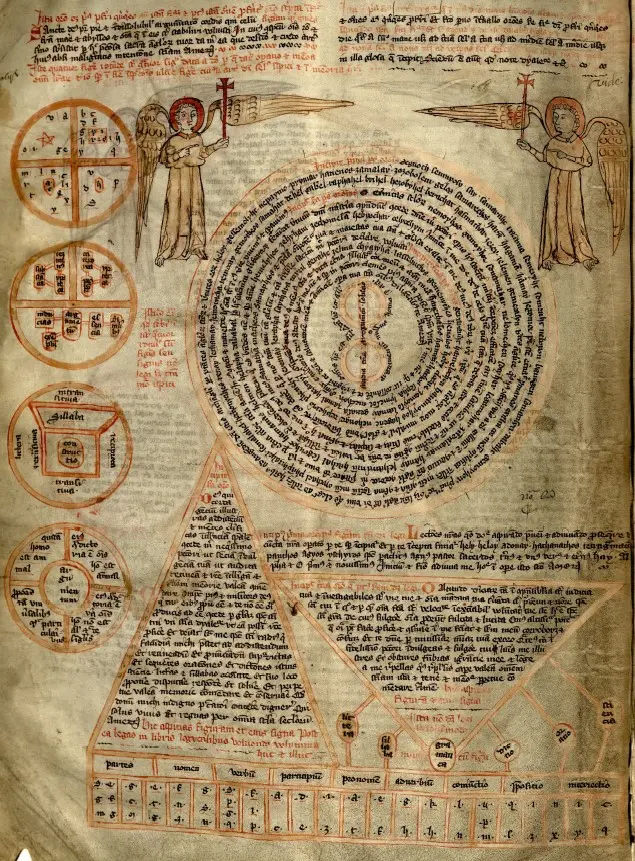
Ars Notoria
A medieval art of prayer and contemplation intended to confer learning, memory, and eloquence.
A medieval art of prayer and contemplation intended to confer learning, memory, and eloquence.
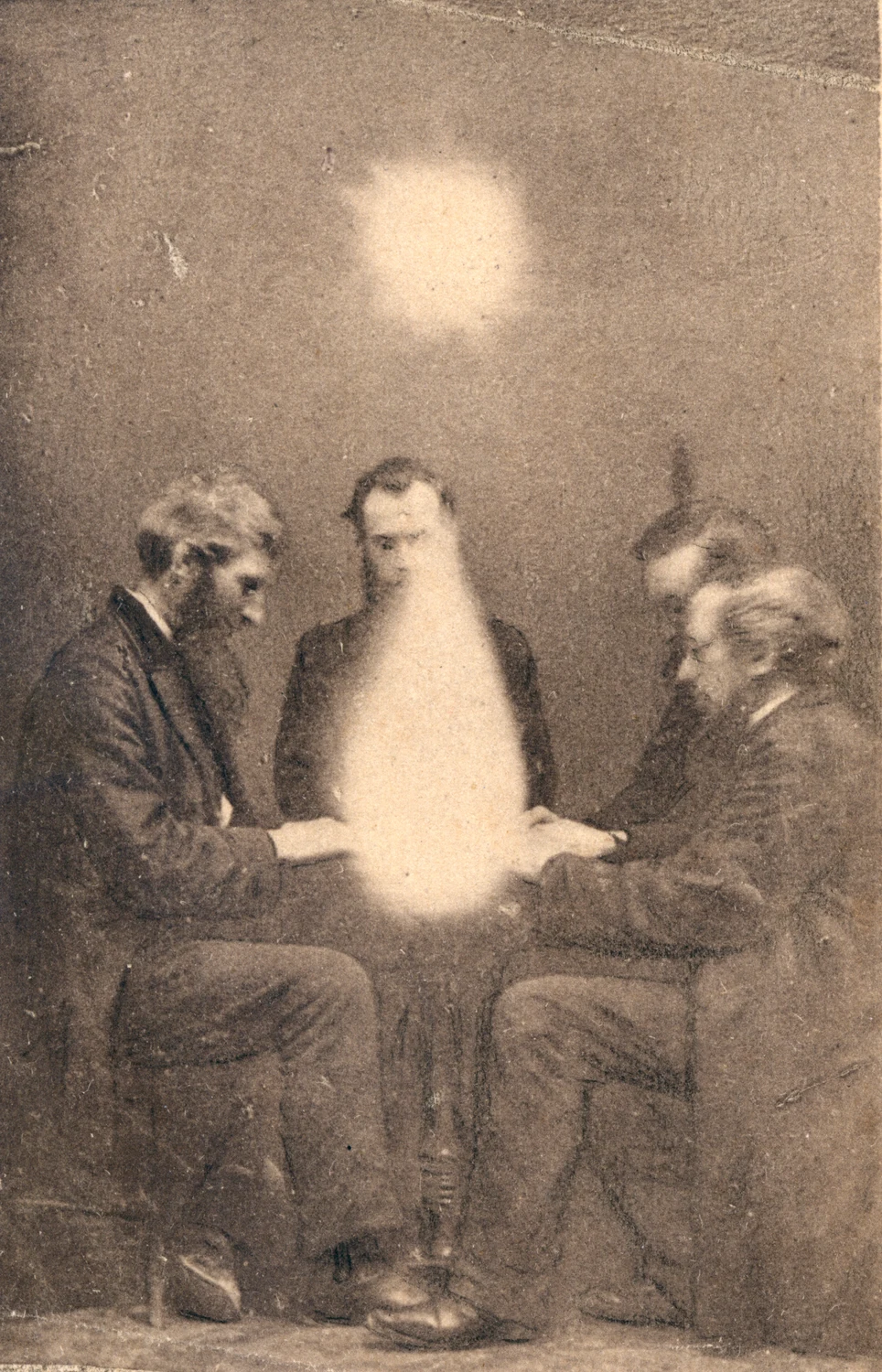
A religious movement centered on mediumship and continued personal identity after death, with church teachings and spirit photography.

The patented talking-board game, its pointer and commercial history, and research on ideomotor movement and implicit memory.
The grimoire compilation known as the Lemegeton, including the Goetia and several angelic arts.
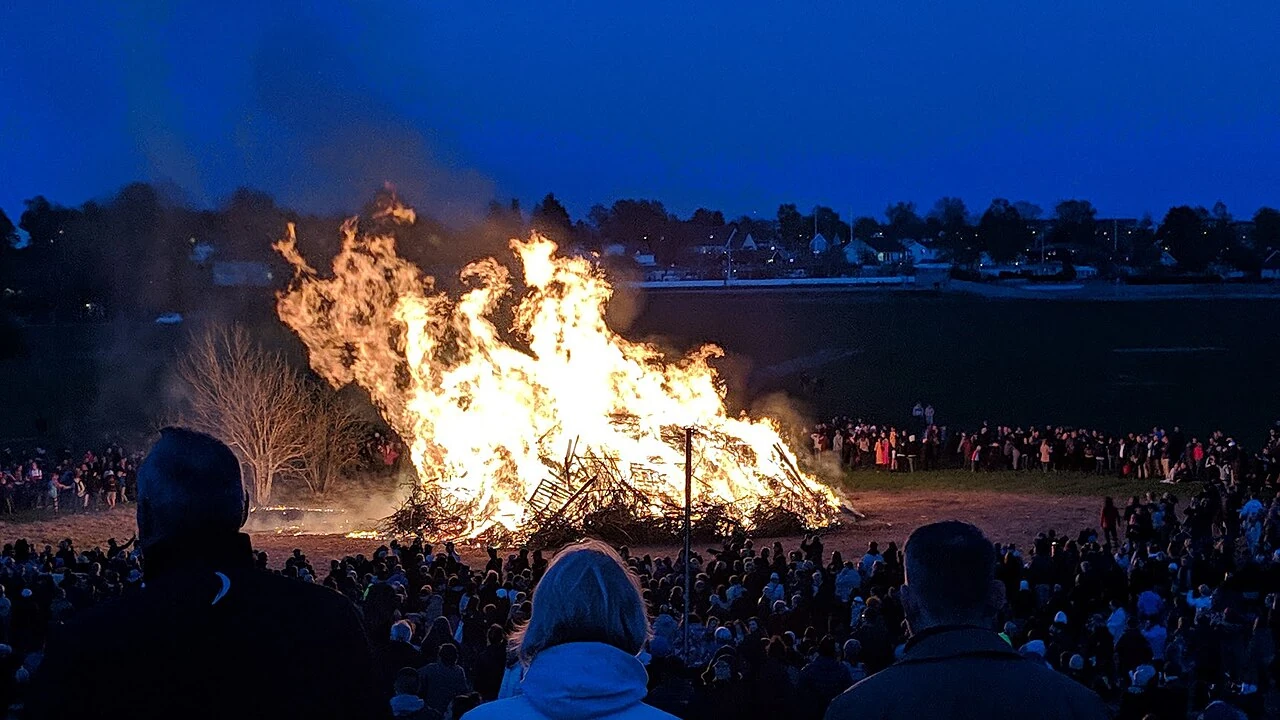
The different holiday calendars published by the Church of Satan and The Satanic Temple, with dates and organizational meanings.
The medieval Liber Juratus, a work of sacred magic concerned with divine vision, angels, and ritual authority.
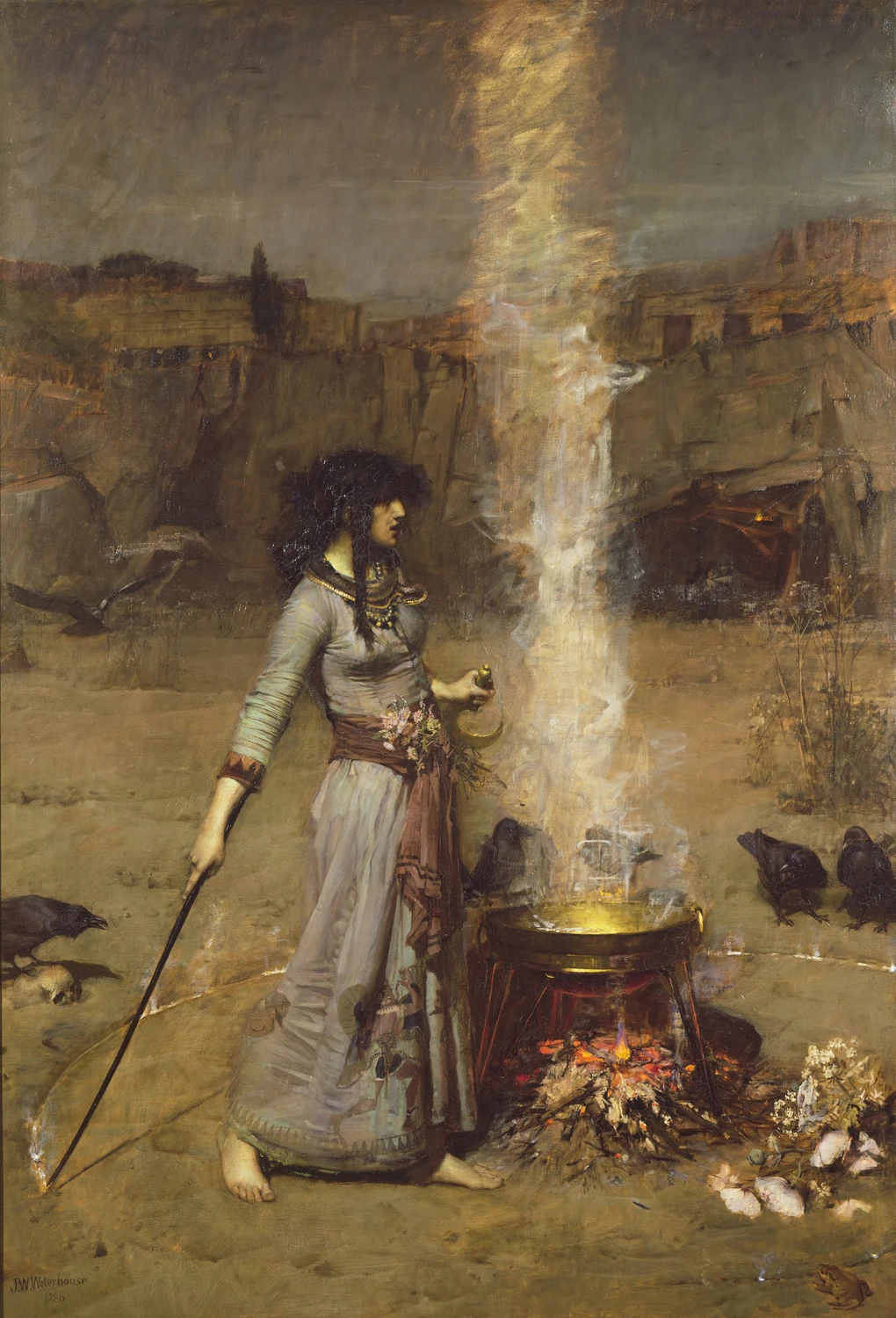
How witchcraft has meant an accusation, a magical practice, and a modern identity, with examples from museums and trial records.
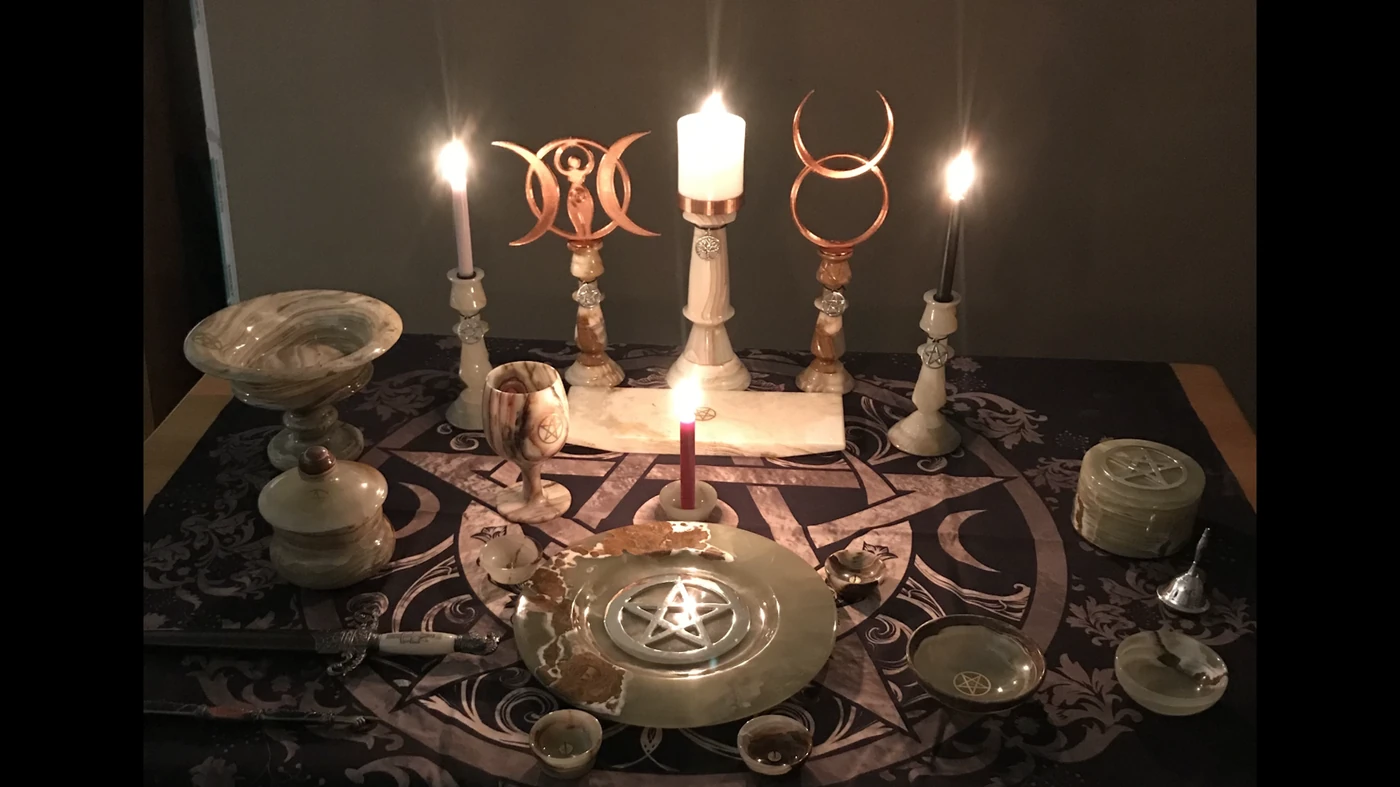
An altar is a designated place or surface used for religious devotion, ritual, offerings, sacred objects, or symbolic focus. Altars occur in many religious traditions, but their forms and meanings vary widely. In modern theistic Satanism an altar may function as a place for Prayer, Ritual, Offerings, meditation, spirit work, or the display of symbols connected with Satan and other beings.
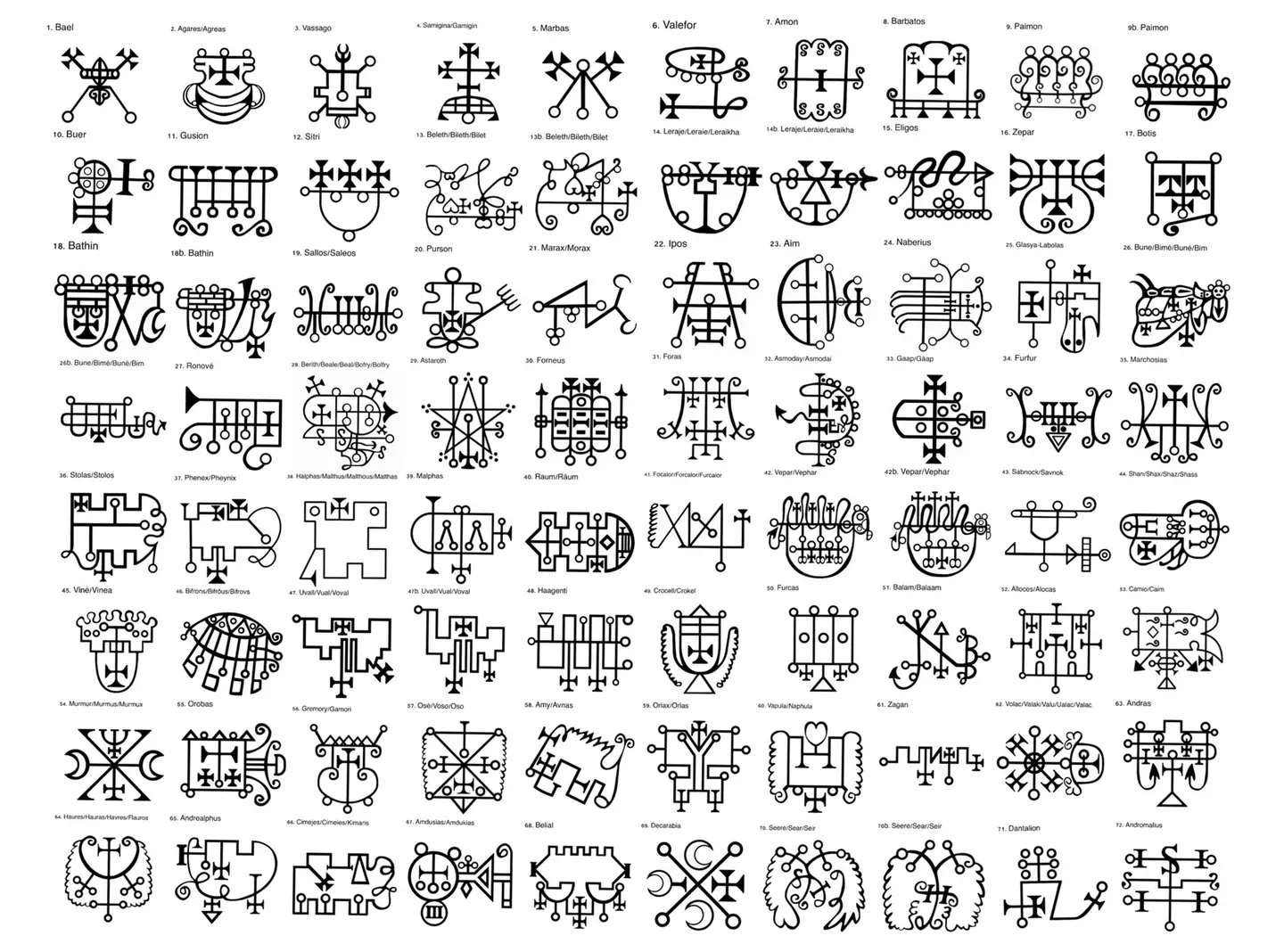
The Ars Goetia is the first section of the Lemegeton or Lesser Key of Solomon, an early modern English compilation of ceremonial magic. It is famous for a catalogue of seventy-two spirits, each described by name, rank, appearance, abilities, and a seal or character. In modern occultism the term “Goetia” is often used loosely for demon-summoning or work with these spirits, but historically the Ars Goetia…
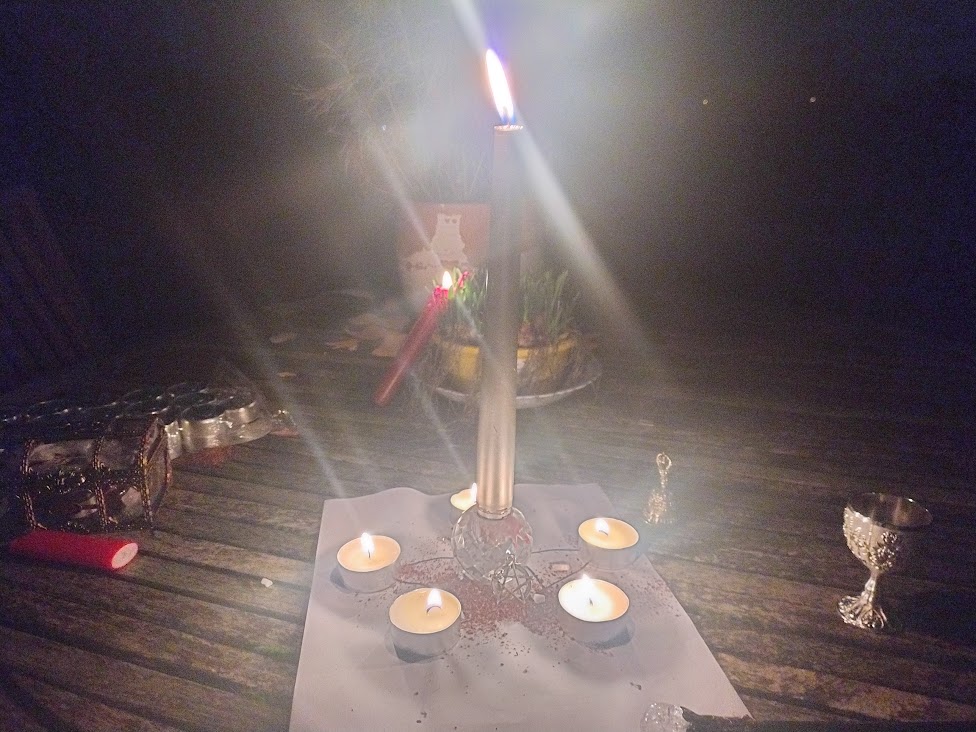
Ritual is patterned action given special religious, symbolic, social, or transformative significance. Ritual can mark time, establish sacred space, communicate with a deity, express commitment, create community, memorialize the dead, enact a transition, or focus attention on a chosen purpose. In theistic Satanism, ritual commonly includes devotional action directed toward Satan or other spirits…
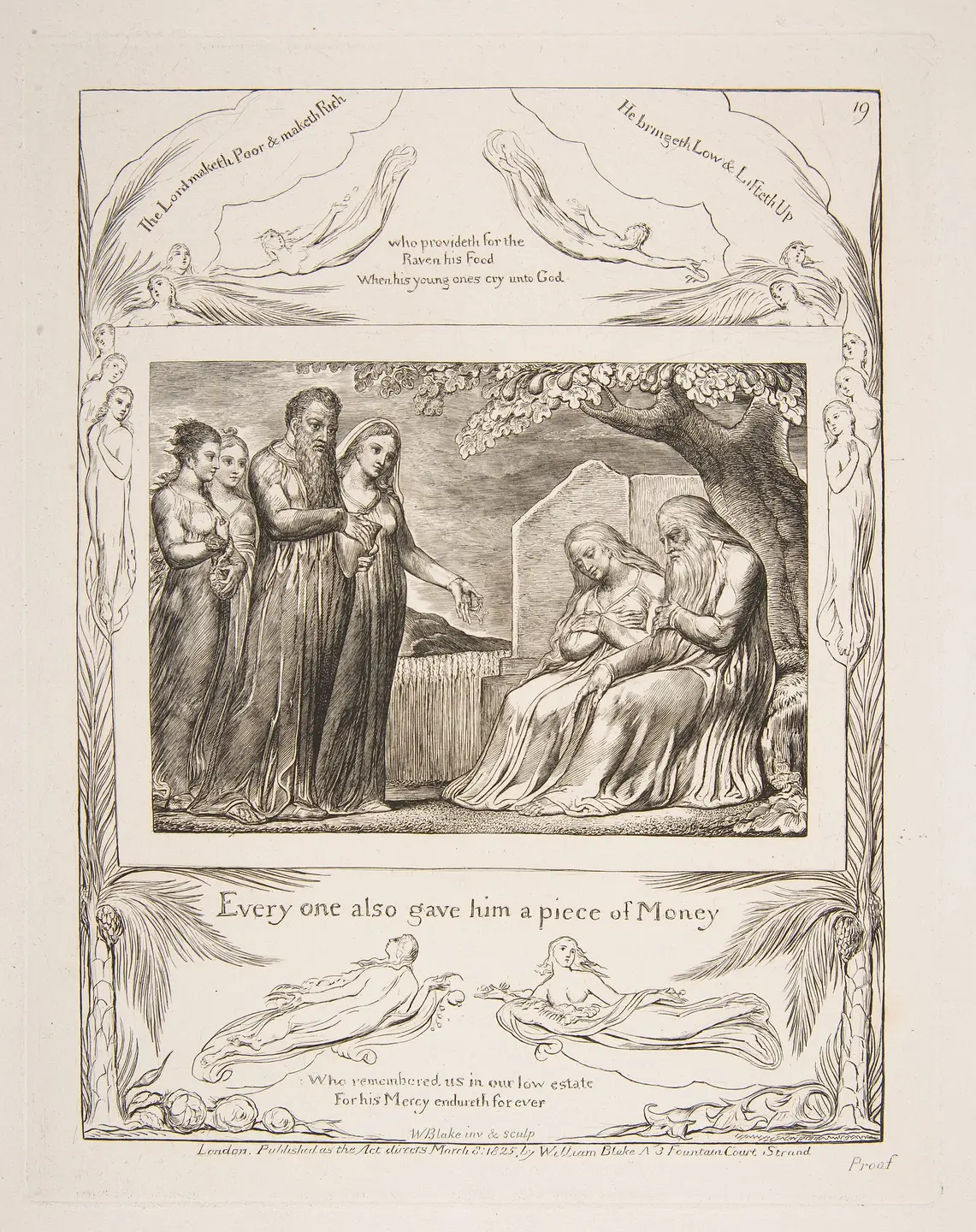
Ethics in theistic Satanism concerns the moral principles, responsibilities, virtues, prohibitions, and methods of judgement developed by Satanists who regard Satan or related beings as real rather than purely symbolic. There is no universal Satanic ethical code. Theistic Satanism is decentralized, and its practitioners may draw on personal conscience, religious devotion, philosophical individualism,…

An initiatory organization associated with Thelema and the public celebration of the Gnostic Mass.
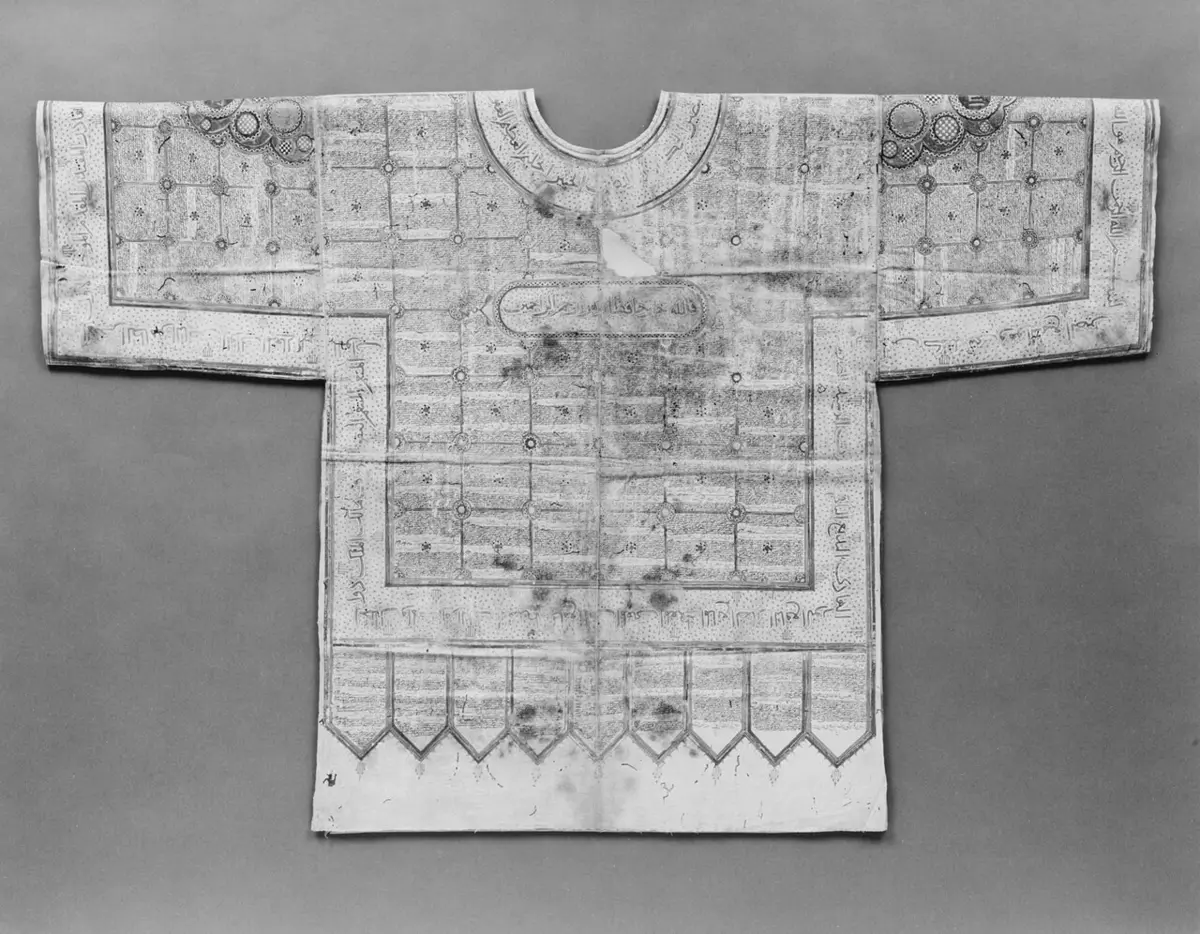
Objects prepared or used for a particular effect through inscriptions, images, materials, and ritual meaning.
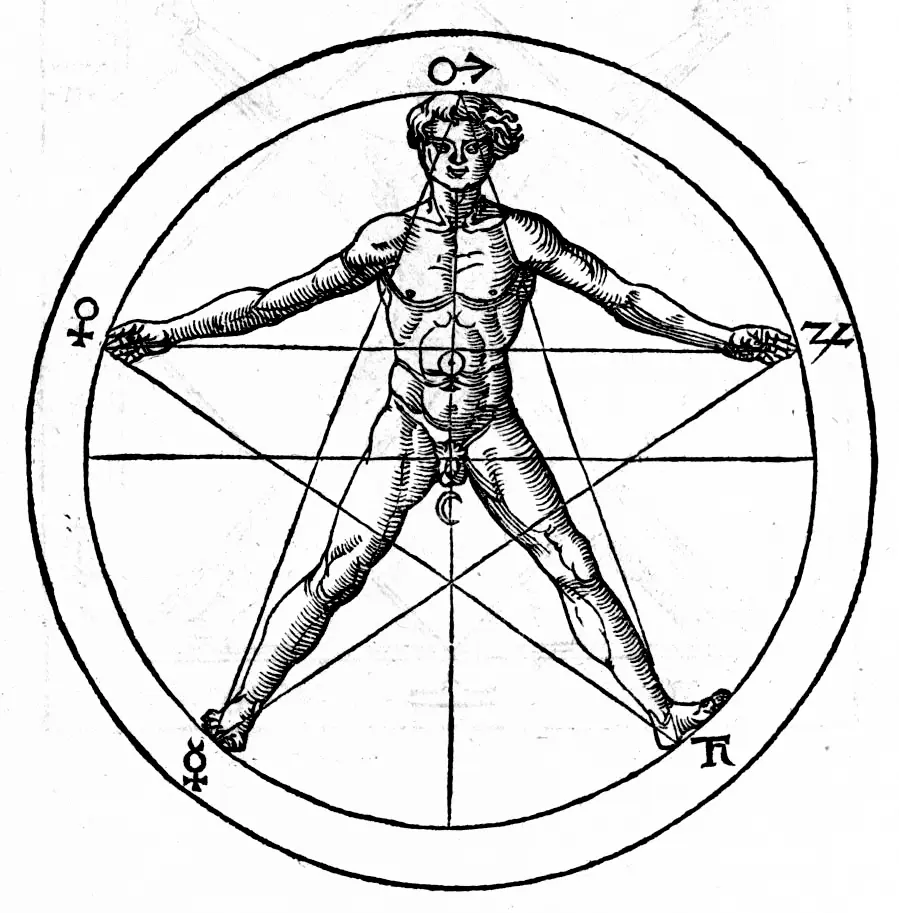
A pentagram is a five-pointed star figure used in different religious and esoteric settings. Orientation and surrounding imagery matter, but do not establish one universal meaning.