
Demonology & Spirits
Vine
A Goetic spirit with royal and comital rank, associated with hidden things, walls, and stormy waters.
A Goetic spirit with royal and comital rank, associated with hidden things, walls, and stormy waters.
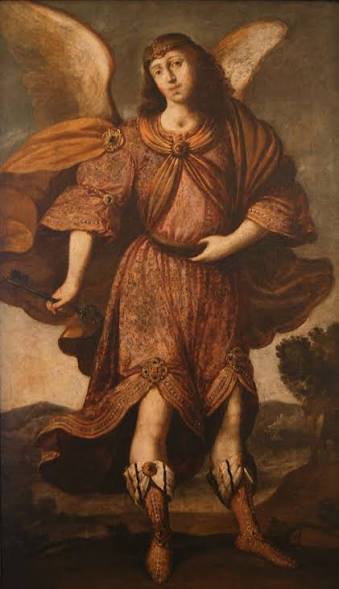
Raziel is an angel associated with the revelation of divine secrets, especially the legendary book given to Adam. His name appears in Jewish interpretive and magical literature and later Western esotericism, where Agrippa connects him with Chokmah, or Wisdom.
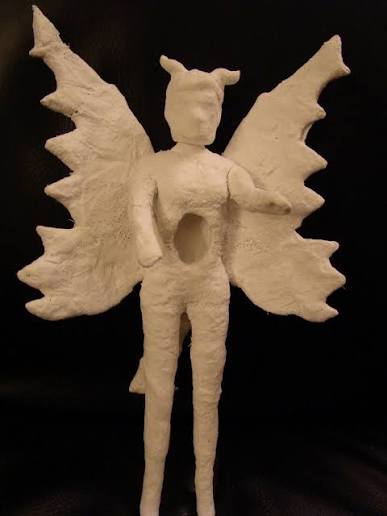
Mastema is a leader of harmful spirits in the Book of Jubilees. His appearances in the stories of Noah, Abraham, and Moses connect temptation, accusation, and hostility with a power that remains subject to divine limits.
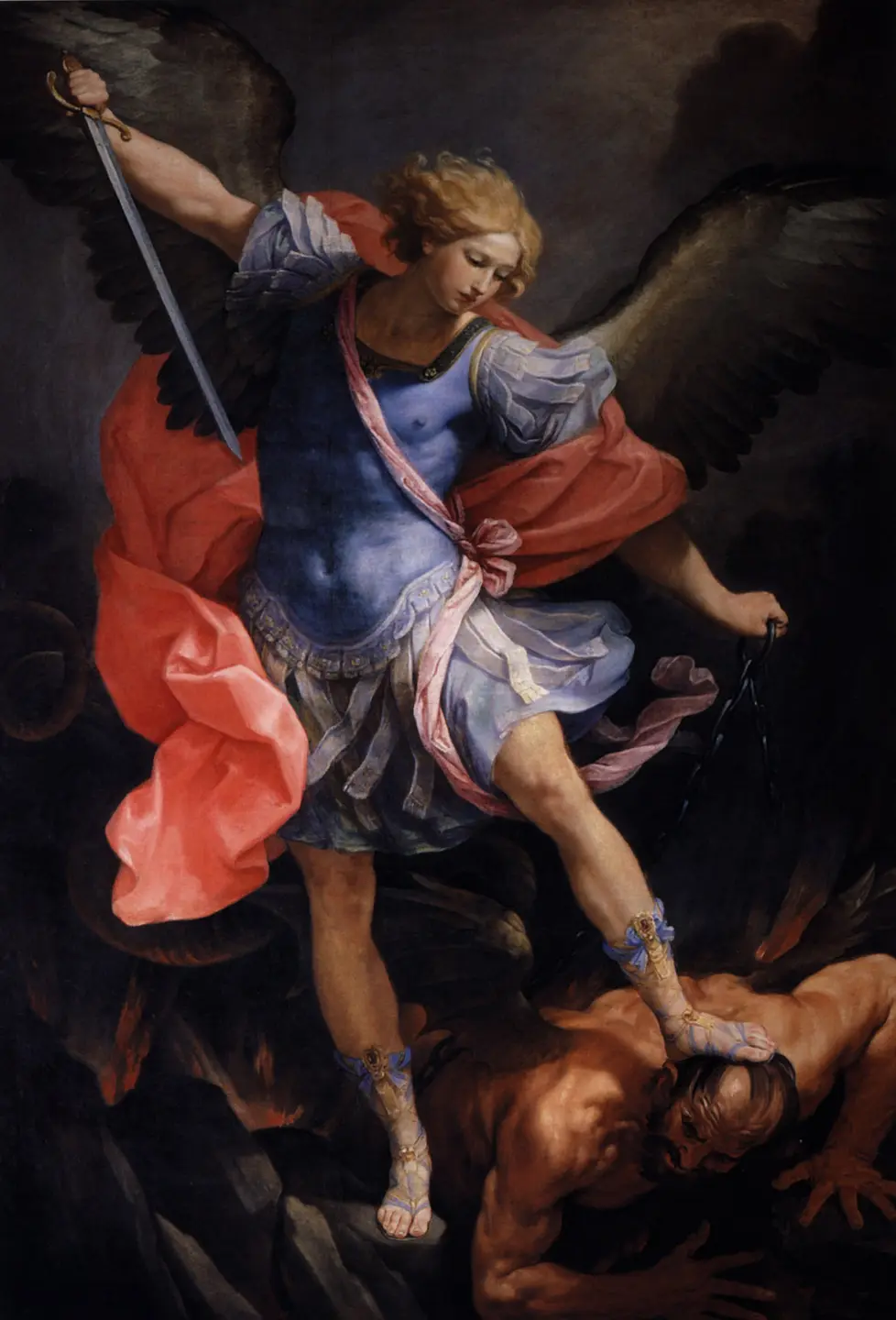
Monotheism and religious dualism concern different questions about ultimate reality. The presence of an adversary does not automatically establish two equal divine principles.
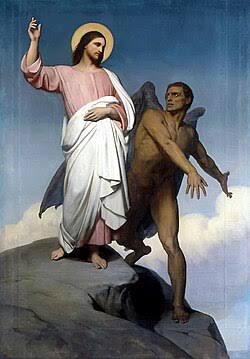
The temptation of Jesus is an encounter with Satan in the wilderness narrated by Matthew, Mark, and Luke. Its differing forms connect hunger, divine sonship, scriptural argument, worldly rule, and worship.
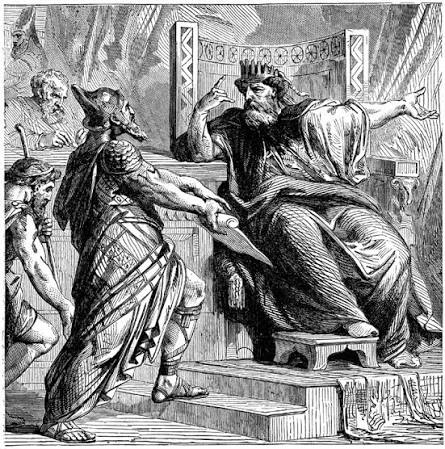
In 1 Chronicles 21, Satan or an adversary incites David to count Israel. Comparison with 2 Samuel 24 raises questions about divine agency, translation, and the development of the adversary figure.
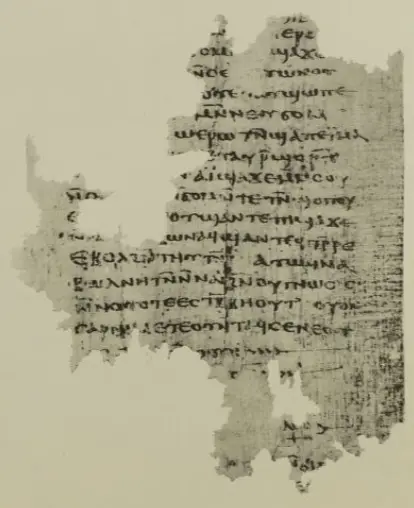
A modern umbrella term for several ancient religious movements and texts concerned with saving knowledge and divine origins.
The medieval Liber Juratus, a work of sacred magic concerned with divine vision, angels, and ritual authority.
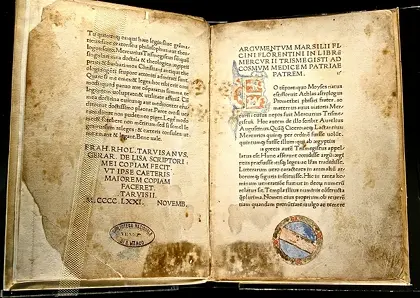
The Corpus Hermeticum is a collection of philosophical religious dialogues concerning mind, the divine, the cosmos, and human knowledge. It should be distinguished from later works marketed as Hermetic teaching.
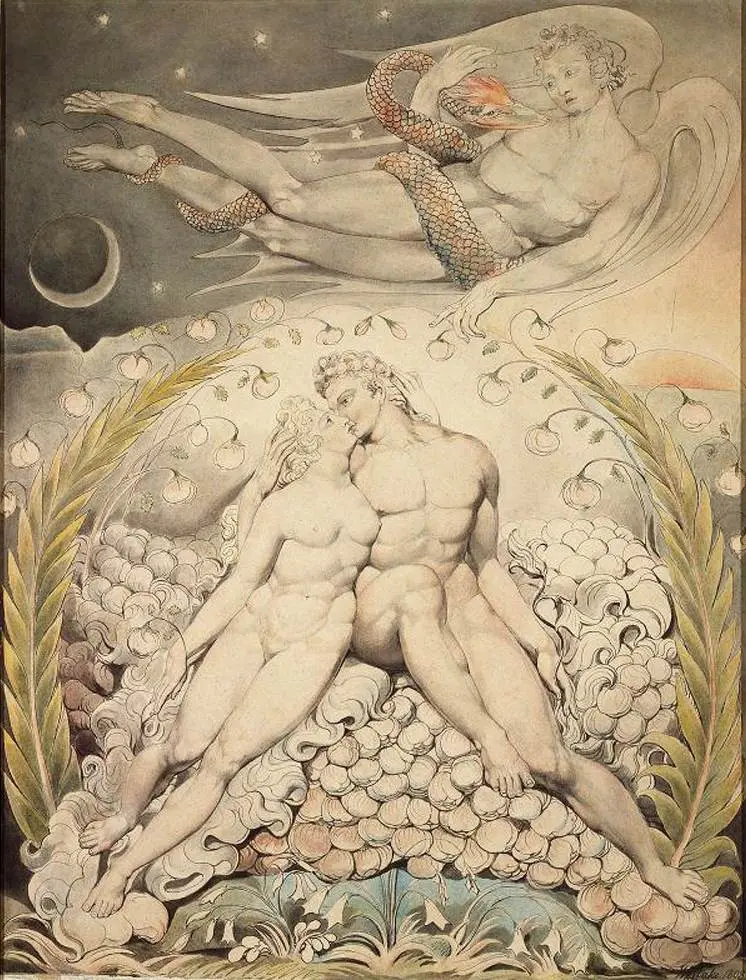
Religions that give Satan a central symbolic or divine role, with substantial differences in belief and practice.
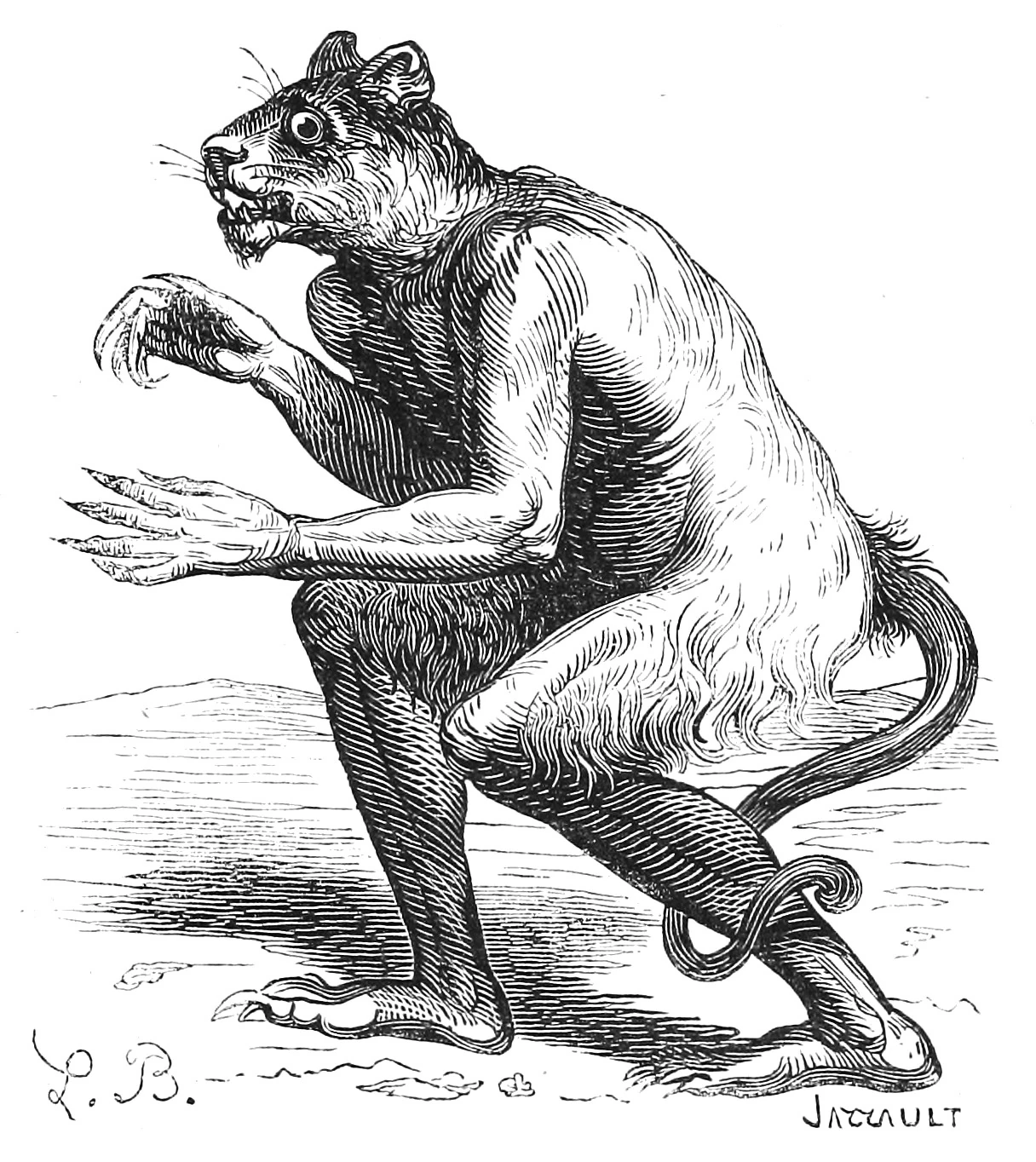
A Goetic duke, also called Flauros, associated with fiery destruction and answers about divine matters.
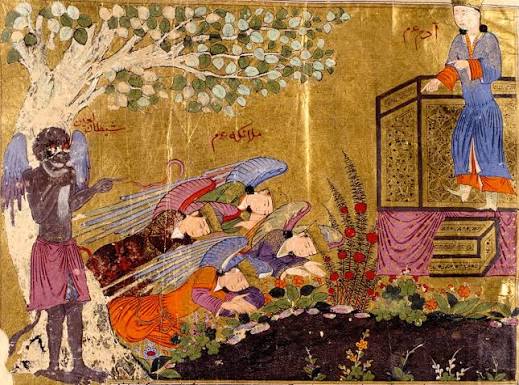
Iblis is the figure who refuses God’s command to bow to Adam in the Qur’an. Islamic commentary and Sufi literature explore his pride, his relationship to the jinn, his role as a tempter, and the meaning of his disobedience.
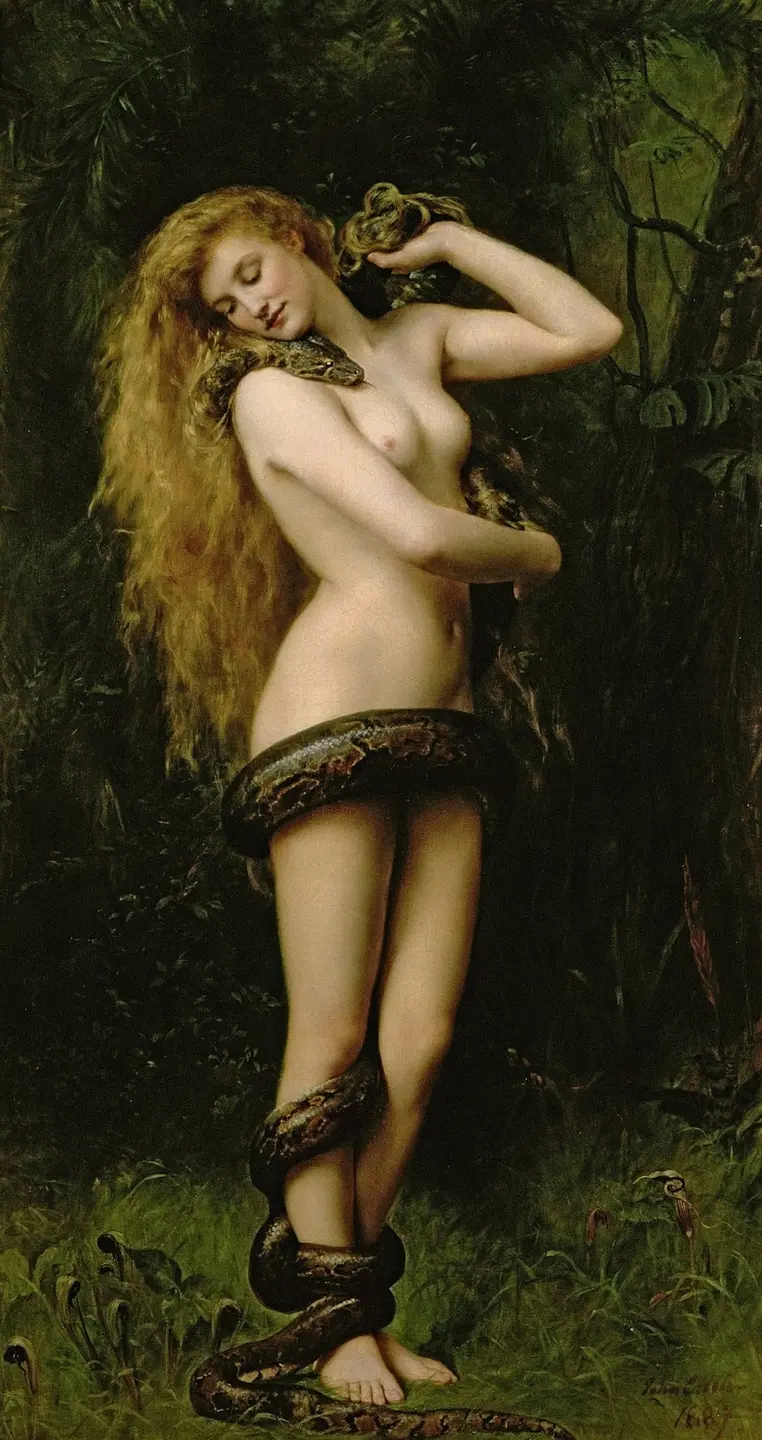
Lilith is a figure whose history spans ancient Near Eastern demonology, Jewish folklore, medieval protective magic, Kabbalah, literature, feminist reinterpretation, modern occultism, and contemporary Satanic or Luciferian religion. She is often introduced today as “Adam’s first wife,” but that familiar story is medieval rather than biblical. Earlier sources describe beings called lilith or lilin in…
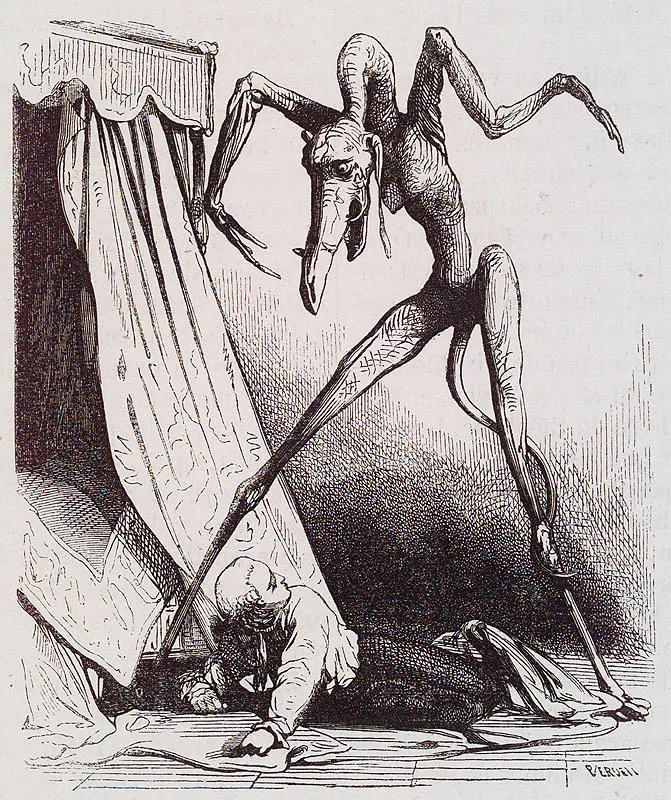
Demonology is the study, classification, and interpretation of demons and related spirits. In Western religious history it has included theological arguments about the nature and powers of demons, lists of named spirits, explanations of possession and temptation, magical techniques for summoning or constraining spirits, and folklore about dangerous supernatural beings. Modern theistic Satanists and…
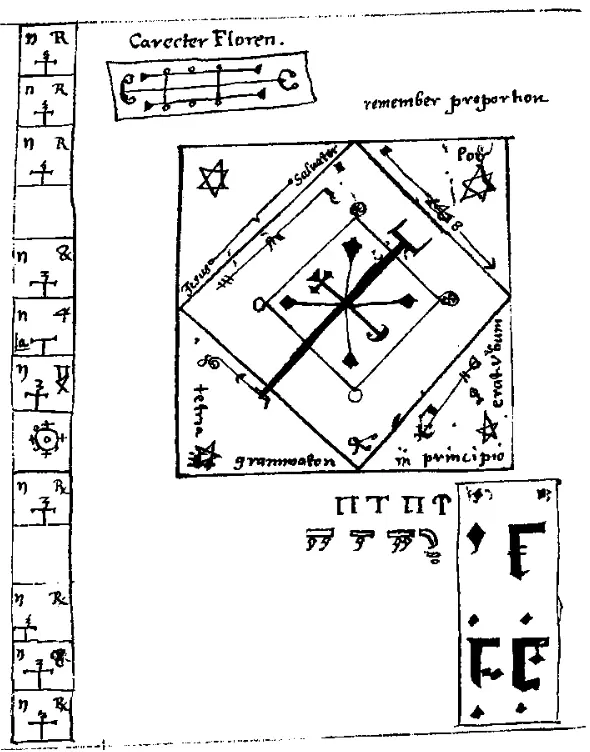
A grimoire is a book or manuscript containing magical knowledge, ritual procedures, charms, conjurations, talismans, spirit catalogues, astrological instructions, prayers, or other techniques intended to produce supernatural or occult effects. The term is most strongly associated with European magic, but scholars use it within a much wider history of magical books and written ritual technologies.

Prayer is intentional communication addressed to a deity, spirit, sacred power, or ultimate reality. It can include praise, petition, confession, thanksgiving, lament, dedication, silence, repetition, or simple direct speech. In theistic Satanism, prayer usually means addressing Satan or another spiritually real being rather than speaking only to oneself or performing a purely symbolic exercise.
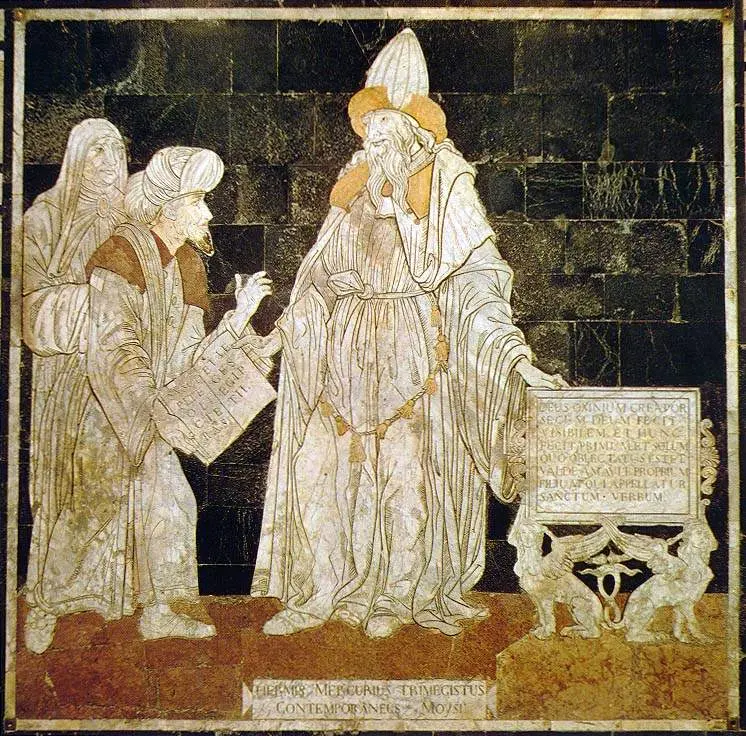
Hermeticism names several related traditions associated with Hermes Trismegistus. Philosophical dialogues, alchemical texts, and later occult systems require separate historical treatment.
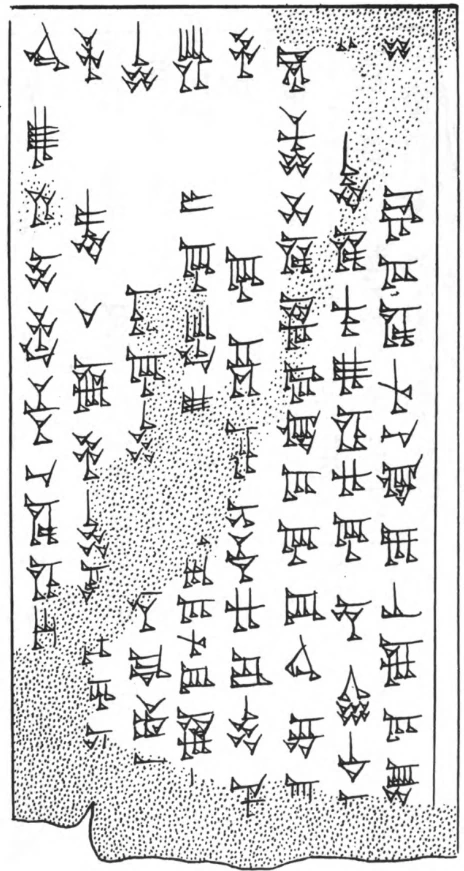
The primordial sea figure in the Babylonian creation epic Enuma Elish, defeated by Marduk in its account of cosmic ordering.
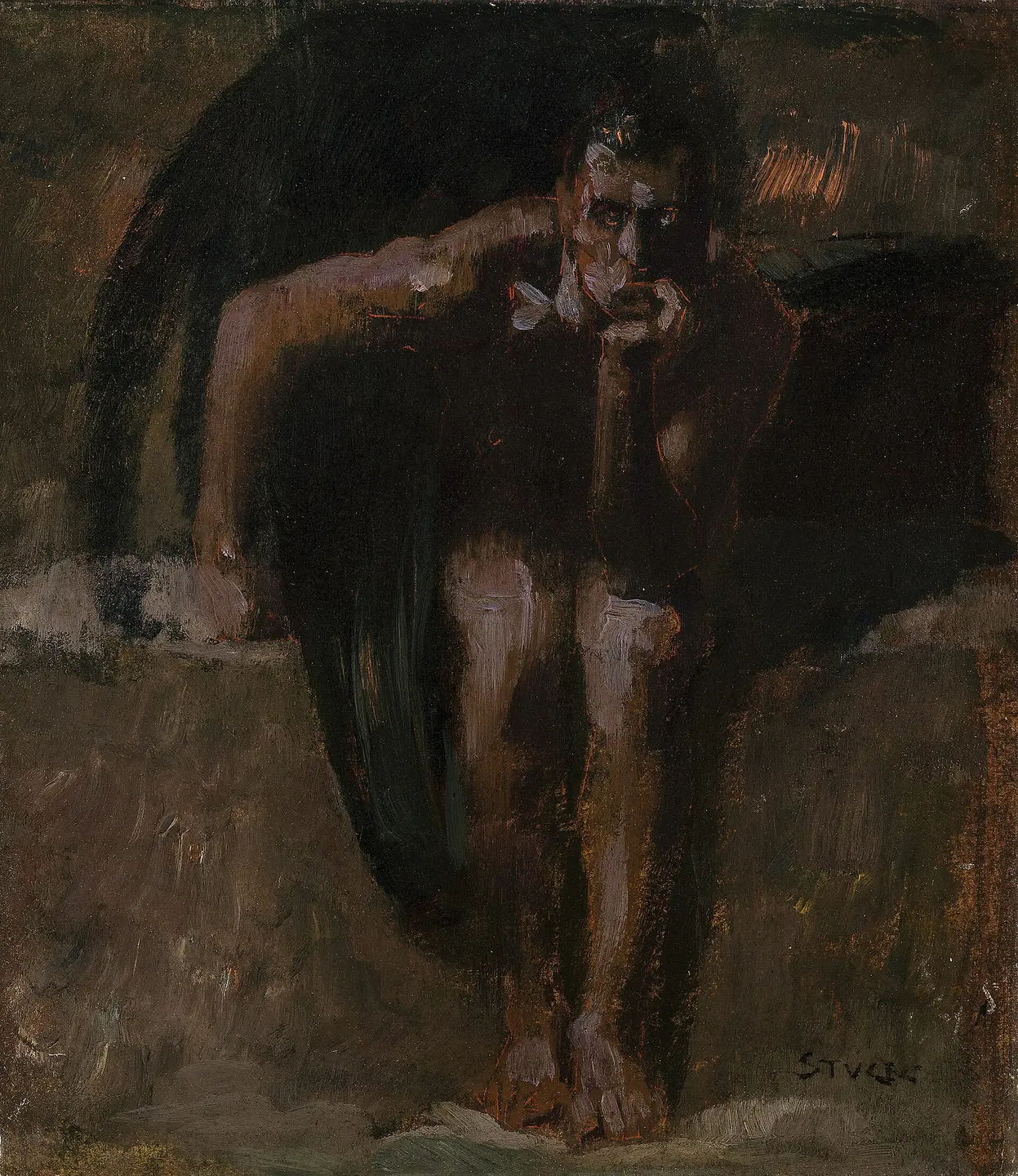
Theistic Satanism is a family of religious positions in which Satan is understood as an actually existing spiritual being, deity, intelligence, or metaphysical presence, rather than only a literary symbol or political metaphor. It is not a single church or creed. The term is best used as an umbrella for practitioners and groups whose beliefs differ on the nature of Satan, the status of other spirits,…
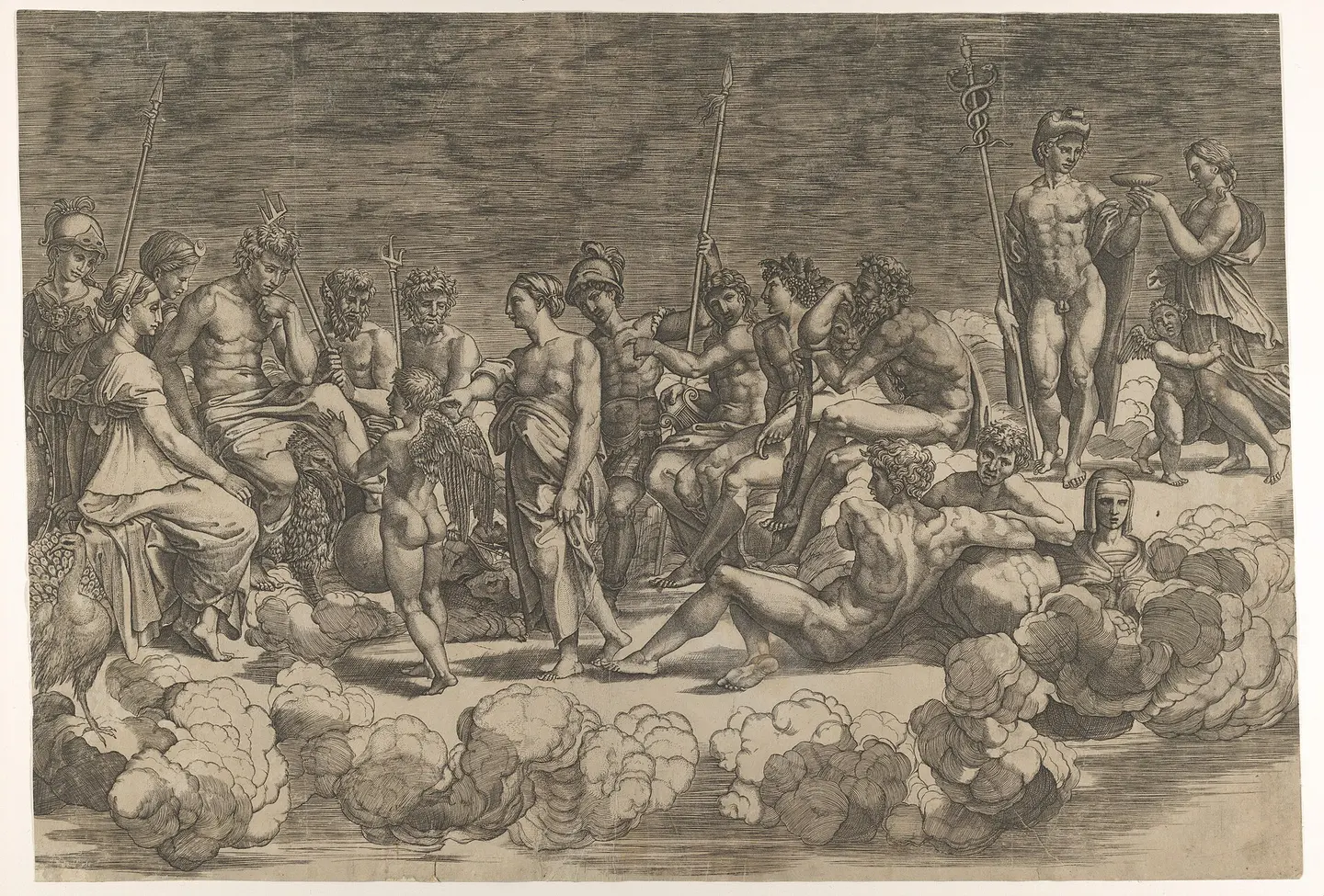
Polytheism involves belief in multiple deities. The existence of several gods does not by itself settle their relationships, moral authority, or the forms of devotion directed toward them.